Experience Intramuros with Bamboo Bicycle – Ecotours
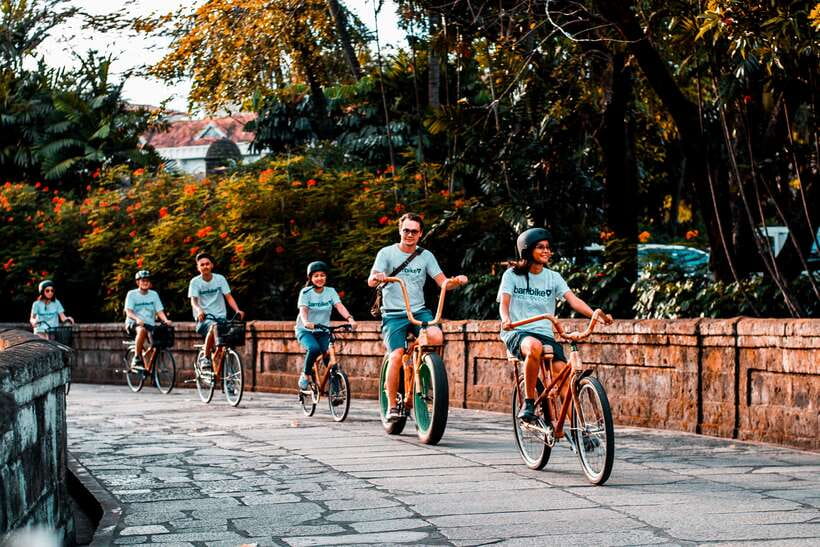
Old Manila is best seen at a slow pace. This three-hour bamboo-bike tour gives you an easy way to cover Intramuros while hearing its story from guides such as Anj, Josh, Paolo, Chi, and JD. I like the small-group format, capped at 15 people, and the thoughtful touches: helmets, bottled water, sunscreen or rain ponchos, a cold towel, and refreshments at the end. The main drawback is that the ride is gentle rather than extensive, and crowded streets can limit how much actual cycling you do.
You choose your own bamboo bike at the Casa Manila meeting point, then pedal between Spanish-era gates, plazas, churches, wartime sites, and Fort Santiago. I also like that a second guide may help control traffic on busier roads. Still, you should be comfortable riding near cars and motorcycles, and rain can affect the experience even though ponchos are provided.
In This Review
- Six things to know before you book
- Why a bamboo bike works so well in Intramuros
- Starting at Casa Manila and Plaza San Luis
- Muralla, the Japanese Cannon, and wartime Manila
- Puerta Real Gardens and the defensive side of Intramuros
- Riding beside the old walls
- Puerta del Parian and the Chinese connection
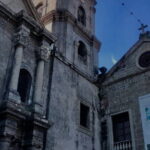
- Plaza Roma and Manila Cathedral
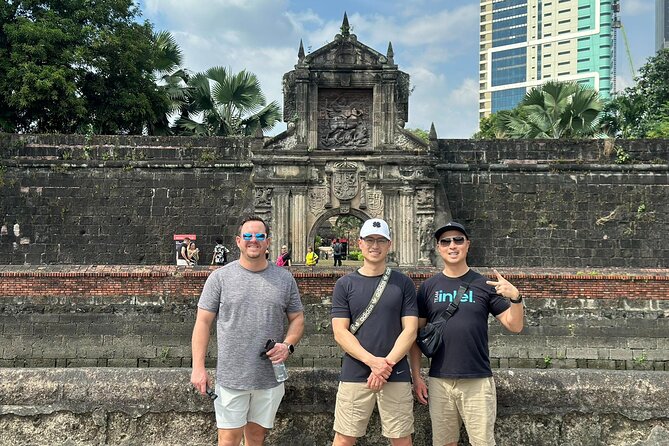
- Fort Santiago is the tour’s main historical stop
- San Agustin Church and the closing refreshments
- What the $39 price delivers
- Guides, safety, and the pace of the morning
- Weather, clothing, and small practical details
- Who should book the bamboo-bike tour?
- Should you book it?
- FAQ
- How long does the Bambike Intramuros tour last?
- Where does the tour begin and end?
- How many people can join the tour?
- Is the bicycle included?
- Is Fort Santiago admission included?
- Do children need an adult with them?
- What happens if it rains?
- Can I cancel for a full refund?
Six things to know before you book
- The ride is flat and easy: You stop often for explanations and photos, so this suits many fitness levels.
- Your bike is chosen on site: Bambike offers several styles and sizes, letting you find a more comfortable fit.
- Fort Santiago gets the longest visit: Allow about 40 minutes, including some walking inside the fortress.
- The history is the main event: The route covers Spanish rule, Chinese influence, World War II, Christianity, and the Japanese Occupation.
- Safety support is built in: Guides keep the group together and may help stop traffic at road crossings.
- The finish is refreshingly practical: Expect a cold towel and Filipino snacks or a sweet cold treat after riding.
Why a bamboo bike works so well in Intramuros
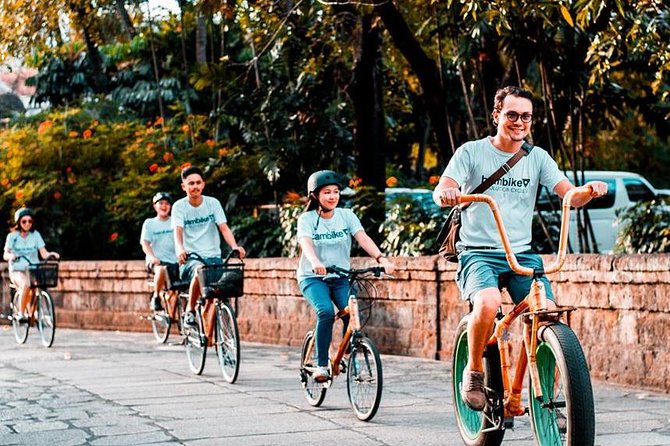
Intramuros is a compact district, but its key sights are spread across streets, gates, plazas, churches, and defensive walls. Walking works, yet Manila’s heat can make a long history tour feel longer than it should. A bike lets you move between the main sites without turning the day into a march.
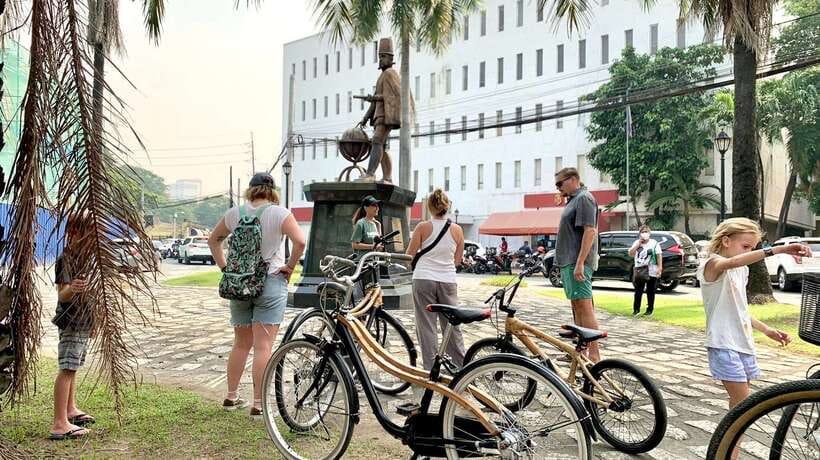
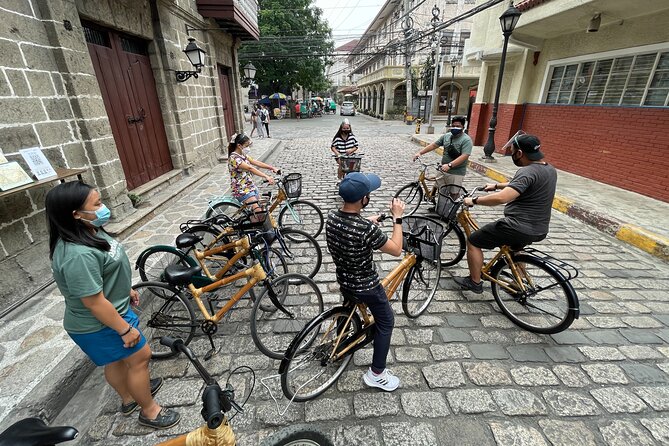
These are not racing bikes. The point is the design, the relaxed pace, and the chance to see the old walled city in a different way. Each bicycle is unique, and you select a style and size at Bambike headquarters. That personal fitting matters more than it might sound, especially if you are tall, short, or unsure about cycling for three hours.
The route is mostly flat and the group stops regularly. You might spend only a few minutes pedaling before parking to hear a story, look at a gate, or take photographs. This makes the tour approachable for casual riders, though anyone hoping for a long, athletic ride may find the cycling light.
You can also read our reviews of more tours and experiences in Manila.
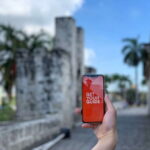
Starting at Casa Manila and Plaza San Luis
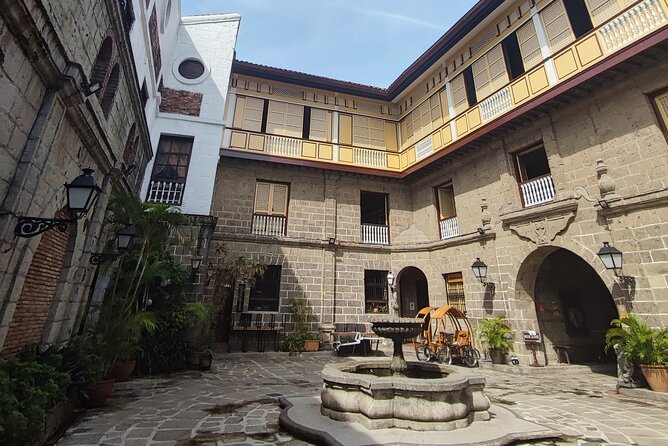
The tour begins at Bambike Ecotours Intramuros, inside the Plaza San Luis Complex at the corner of Real Street and General Luna Street. You fill out waivers, select your bike, and get ready with a helmet. The staff can also provide sunscreen or a rain poncho when needed.
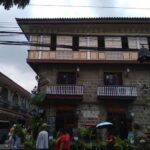
Casa Manila is the first proper stop. The building is a copy of a traditional house inspired by Spanish Colonial architecture. It gives you a quick visual introduction to the kind of domestic setting associated with the colonial period, rather than beginning with a long abstract lecture.
The stop lasts about 15 minutes. That is enough for orientation, but not enough for a detailed museum visit. If Casa Manila is a priority for you, consider returning later with more time. On the bike tour, it functions mainly as a useful opening scene.
Muralla, the Japanese Cannon, and wartime Manila
Along Muralla Street, the guide stops at a Japanese cannon and explains the Japanese Occupation and World War II. This part of the route adds a needed modern layer to Intramuros. The district is often presented through Spanish churches and stone walls, but its wartime story is just as important.
The stop takes about 15 minutes. Guides use photographs and other visual aids to support the explanation, which helps turn a roadside object into a place with meaning. The subject can be sobering, but it gives you a clearer sense of how much Manila changed during the war.
This is another short stop, so do not expect a full museum-style treatment. Its value comes from the guide connecting the cannon and surrounding streets to a larger story.
Puerta Real Gardens and the defensive side of Intramuros
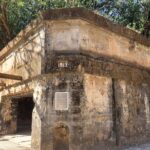
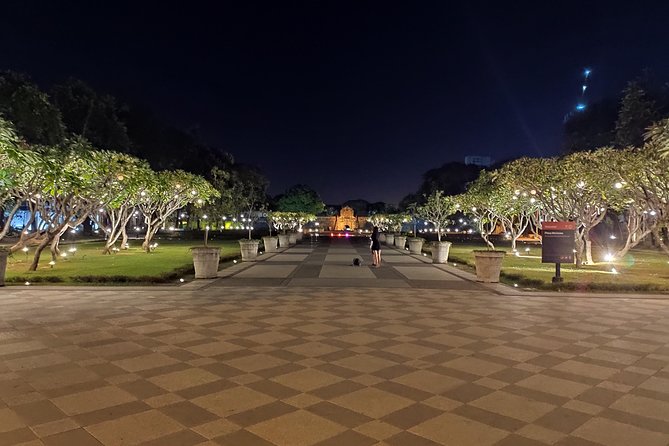
At Puerta Real Gardens, you explore one of Intramuros’s main gates and hear how the Spanish planned defenses outside the walls. The stop lasts around 20 minutes, giving you time to look at the gate, gardens, and surrounding fortifications.
This is one of the better places to understand that Intramuros was not simply a collection of old buildings. It was a fortified city with controlled entrances and a military purpose. The guide helps you read the walls as part of a defense system, not just as a backdrop for photographs.
The tour then heads toward Café Y Ruedas for a short break. You get about 15 minutes to refresh, and the stop includes a drink or light refreshment as specified by the operator. Bottled water is available during the ride, which is useful in Manila’s warm conditions.
Riding beside the old walls
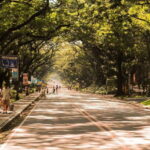
The old walls are one of the tour’s best visual moments. From a bicycle, you can move alongside them at a comfortable pace and get a stronger sense of their scale than you might while sitting in a vehicle.
The ride is not isolated from city traffic. Some roads have pedestrians, cars, and motorcycles, so you need to pay attention and follow the guide’s instructions. The group is kept together, and the supporting guide may help block traffic at crossings. That extra care is reassuring, especially for families and solo riders.
At the same time, this is not a completely traffic-free historical park. Children should already know how to ride well, and you should not book this expecting a protected cycling path from start to finish.

Puerta del Parian and the Chinese connection
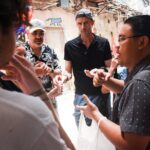
Puerta del Parian receives one of the longer visits, about 30 minutes. Here, the guide explains the gate, the public spaces around it, and the role of Chinese people and Chinese influence in Philippine history.
This stop helps widen the story beyond Spanish rulers and Catholic institutions. Intramuros was connected to trade, migration, and the many communities that shaped Manila. The gate becomes a useful place to discuss those links.
You get enough time to ask questions and take pictures. That suits the tour’s style, which is less about rushing through a checklist and more about stopping at selected points for clear explanations.
Plaza Roma and Manila Cathedral
Plaza Roma takes about 10 minutes. The guide discusses the plaza and the establishments around it, including Manila Cathedral. This is the civic and religious center of the route, and it gives you a sense of how public life was organized inside the walled city.
The Manila Cathedral stop adds another 10 minutes. You can see the interior and hear about the church’s long history as a center of Christianity in the Philippines. The church has been rebuilt over time, so the story is not just about one original structure. It is also about endurance, damage, and reconstruction.
Ten minutes is enough for a focused visit, but not for lingering over every architectural detail. If you want quiet time inside the cathedral, you may need to return independently.
Fort Santiago is the tour’s main historical stop
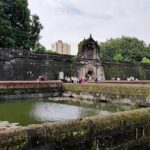
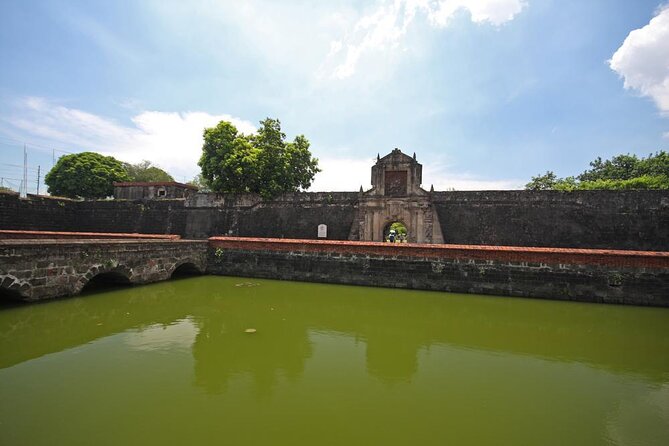
Fort Santiago gets roughly 40 minutes, the longest stop of the day. That makes sense. This stone fortress is one of Intramuros’s central sights, and the grounds contain several places tied to Philippine history.
The tour includes admission, and you should expect some walking inside the fort. The bike gets you to the entrance, but it cannot take you through every part of the site. Wear sensible shoes and be ready to leave the saddle for a while.
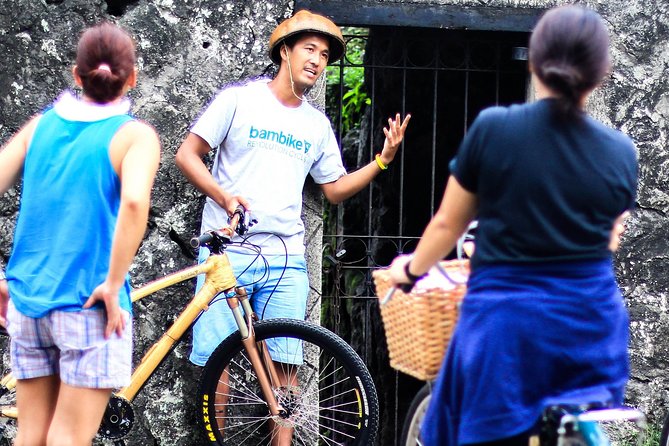
This is where the tour’s format pays off. You arrive with context from the gates, walls, wartime discussion, and plazas, then spend more time at the most substantial fortification. Guides such as Anj, Paolo, Josh, and JD have been praised for clear storytelling, enthusiasm, and answering questions. The quality of the guide matters greatly here because Fort Santiago can otherwise feel like a series of stone spaces without a clear thread.
You will have time for photos, but the visit is still guided and timed. If you want a very slow, detailed exploration of every corner, plan a separate visit.
San Agustin Church and the closing refreshments
The final listed stop is San Agustin Church, also known as Immaculate Conception Parish. The visit is brief, about five minutes, but the church is important as the oldest church in the Philippines and a UNESCO World Heritage Site.
Because the stop is short, think of it as a final introduction rather than a full church visit. It gives you one more major landmark before returning to Bambike headquarters.
Back at the meeting point, you receive a cold towel and refreshments. The exact food is described as Filipino snacks, while some tour experiences include a sweet cold treat or ice cream. Either way, the ending is welcome after cycling in the heat. Food and drinks are not generally included unless specified, and alcoholic drinks can be purchased separately.
What the $39 price delivers
At $39 per person, this is not the cheapest way to see Intramuros, but the price is reasonable if you value a guide and a structured route. You are paying for the bamboo bike, helmet, escort, historical commentary, site access at Café Y Ruedas and Fort Santiago, water, safety support, and the closing refreshments.
The small-group limit also matters. With no more than 15 people, you have a better chance of hearing the guide and asking questions than on a large coach tour. The group can still feel social, especially for solo visitors, but it should not be so large that every stop becomes chaotic.
The best value comes from the combination of transport and interpretation. You cover more ground than on foot, yet still stop often enough to understand what you are seeing. If you mainly want hours of uninterrupted cycling, the price may feel less attractive because the route includes many stops and relatively little sustained riding.
Guides, safety, and the pace of the morning
The guide can make or break this experience. The strongest reports praise Anj, Chi, Chi Chi, JD, Josh, Justine, Mika, Paolo, and Chloe for energy, care, humor, clear explanations, and attention to safety. That range of praise suggests the company puts real effort into guide training and group management.
The pace is deliberately easy. You ride, stop, listen, photograph, and ride again. This works well if you want an introduction to Manila’s history without exhausting yourself. It also gives the guide room to answer questions instead of delivering one long speech.
Traffic remains the main practical concern. Intramuros has pedestrians and vehicles, and the route sometimes uses city roads. You should be able to ride confidently enough to stay with the group. Service animals are allowed, most people can participate, and children must be accompanied by an adult.
Weather, clothing, and small practical details
The tour operates in all weather conditions, so dress for Manila’s heat and possible rain. Sunscreen, light clothing, and shoes suitable for both cycling and walking inside Fort Santiago are sensible choices. Ponchos are available when needed, but rain can still make the ride less comfortable.
The experience uses a mobile ticket and begins and ends at Bambike headquarters. The meeting point is near public transportation, which helps if you are staying elsewhere in Manila.
Cancellation is free up to 24 hours before the start time for a full refund. Changes or cancellations made later are not accepted for a refund. The operator also says that if poor weather forces cancellation, you will be offered another date or a full refund. Because the weather wording is slightly mixed with the all-weather operating policy, check the day’s conditions and the provider’s message before setting out.
Who should book the bamboo-bike tour?
I would choose this tour if you have limited time in Manila and want a clear first look at Intramuros. It suits couples, families with competent young riders, solo visitors, and anyone who prefers history in manageable pieces rather than a long walking lecture.
It is also a strong choice if you like unusual local transport. The bamboo bikes are more than a gimmick: they make the tour feel connected to the social-enterprise side of Manila, and supporting Bambike adds value beyond a standard sightseeing loop.
I would hesitate if you dislike riding near traffic, need a completely sheltered activity, or want an in-depth visit inside every church and fort. The tour offers an overview with selected deep stops, not unlimited time at each landmark.
Should you book it?
Yes, if you want an easy, well-organized introduction to old Manila with strong guide support. The most praised features are the friendly storytelling, safe group handling, comfortable pace, distinctive bikes, and the range of major sights covered in three hours.
Book it with realistic expectations: this is a history tour on bicycles, not a serious cycling excursion. You will pedal enough to make the city feel connected, then spend much of the time listening and looking. For most first visits to Intramuros, that balance is exactly the point.
FAQ
How long does the Bambike Intramuros tour last?
The tour lasts approximately three hours.
Where does the tour begin and end?
It begins and ends at Bambike Ecotours Intramuros, Bambike headquarters in the Plaza San Luis Complex at Real Street, corner of M General Luna Street, Intramuros, Manila.
How many people can join the tour?
The group has a maximum of 15 participants.
Is the bicycle included?
Yes. Use of a bamboo bicycle and helmet is included.
Is Fort Santiago admission included?
Yes. Admission to Fort Santiago is included, and the visit lasts about 40 minutes.
Do children need an adult with them?
Yes. Children must be accompanied by an adult.
What happens if it rains?
The tour operates in all weather conditions, and rain ponchos are provided when needed. If the experience is canceled because of poor weather, you will be offered another date or a full refund.
Can I cancel for a full refund?
Yes, if you cancel at least 24 hours before the experience start time. Cancellations or changes made less than 24 hours before the start time are not accepted for a refund.