Cebu Simala and city historical tour
Start with a shrine, finish by the sea. This private Cebu day tour links the Simala Shrine in Sibonga with the city’s major religious and historic sights, then adds Cordova’s glowing 10,000 Roses attraction. I like the thoughtful mix of prayer, architecture, history, and sightseeing. I also like that a professional English-speaking guide helps explain what you are seeing instead of leaving you to guess.
The main drawback is the long road portion: Simala takes about six hours of the day, so this is not a quick city tour with a short countryside add-on. Modest clothing is essential, and you should expect a full nine-hour outing that starts at 7:00 am.
In This Review
- Key things to know before booking
- Why this Cebu tour works as a full-day plan
- 7:00 am start and the long ride to Simala
- Basilica Minore del Sto. Niño: Cebu’s opening moment
- Six hours at Simala Shrine in Sibonga
- Magellan’s Cross and the historic center
- Fort San Pedro in a quick 30 minutes
- Cordova’s 10,000 Roses after dark
- What the $130 price includes
- Who should book this experience?
- My booking verdict
- FAQ
- Where does the Cebu Simala and city historical tour take place?
- What time does the tour begin?
- How long does the experience last?
- Is pickup available?
- Is this a private tour?
- What is included in the price?
- Are meals included?
- What should I wear?
- Can children join the tour?
- Can I cancel for a full refund?
Key things to know before booking
- Simala is the heart of the day: Plan for about six hours at the hilltop monastery and the surrounding visit.
- Four major Cebu sights are included: You visit the Basilica Minore del Sto. Niño, Magellan’s Cross, Fort San Pedro, and Cordova.
- The route mixes faith and history: Religious sites share the schedule with military history and a modern LED-rose attraction.
- This is a private experience: Only your group participates, which gives the day a more personal pace.
- The guide matters here: The guide is expected to speak excellent English and explain Cebu’s sites and local questions clearly.
- Dress for churches and selected museums: Knees and shoulders must be covered for both men and women.
Why this Cebu tour works as a full-day plan
Cebu is often described as the oldest city in the Philippines, and this tour gives you several ways to understand that identity. You see the city’s Catholic roots, colonial-era landmarks, a major Marian pilgrimage site, and a modern photo stop built around artificial LED roses.
That variety is the tour’s biggest strength. You are not spending nine hours looking at one type of attraction. The day moves from prayer at the Basilica to the large Simala complex, then returns to central Cebu for Magellan’s Cross and Fort San Pedro before ending at Cordova.
The schedule also gives you a useful first look at Cebu if you have limited time. You will not study every site at length, but you will cover several important places without having to arrange separate rides or piece together the route yourself.
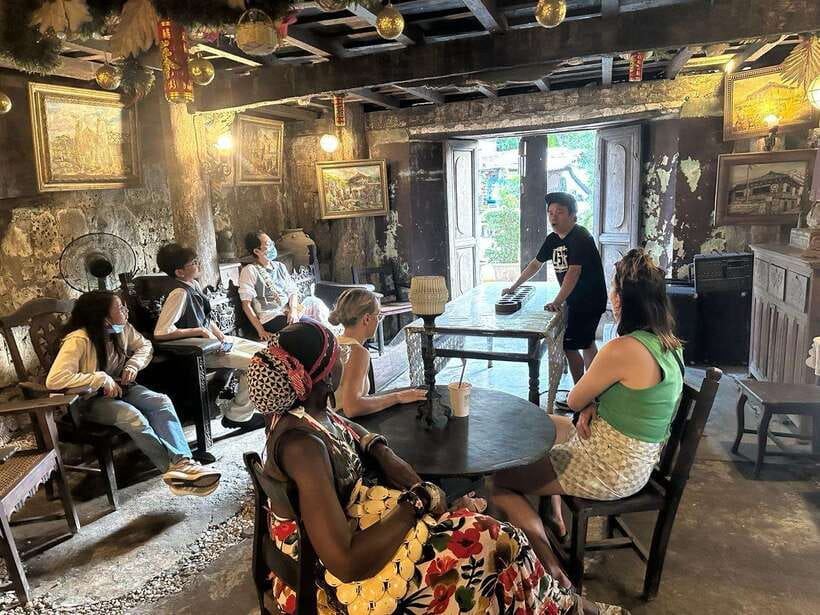
The private format is especially helpful. You travel only with your own group, and the guide can respond to your questions. One notable part of the experience is the guide’s strong English and willingness to explain both the official sights and wider questions about Cebu. That personal conversation can add more value than a simple drive between stops.
You can also read our reviews of more historical tours in Cebu
7:00 am start and the long ride to Simala
The day begins at 7:00 am with pickup offered. That early start is practical because Simala is the major time commitment, and the tour still needs to return to the city for the later sights.
You should treat this as a road-based day, not a compact walking tour. The schedule assigns about six hours to Simala, while the city stops take shorter blocks of 30 minutes to one hour. That means the journey to and from Sibonga is part of the experience, even though the supplied details do not give a precise driving time.
Bring water, keep your expectations realistic, and avoid packing the morning with another booking. Bottled water is included, but lunch and dinner are not. You need to arrange your own meals, so ask about the day’s meal timing when you meet the guide.
A possible mountain-top stop has been a pleasant unexpected feature for some groups. Since it is not listed as a fixed itinerary stop, treat it as a possible bonus rather than something guaranteed. If it appears in your day, it may add a welcome pause and a different view from the religious and historic sites.
Basilica Minore del Sto. Niño: Cebu’s opening moment
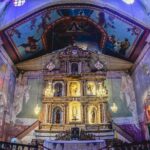
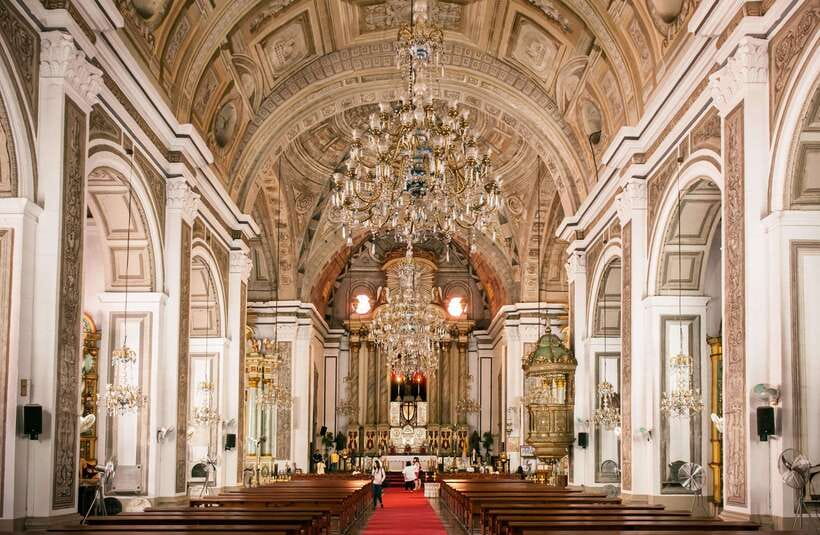
The first scheduled stop is the Basilica Minore del Sto. Niño de Cebu. You have about 30 minutes for observation and prayer inside the church, with an hour allocated to the stop overall.
This is a fitting place to begin because it introduces the religious side of Cebu before the much larger visit to Simala. You can take in the church setting, pause quietly, and listen as the guide explains the site. Admission is included, so you do not need to handle a separate ticket.
The short duration means you should not expect a slow, detailed church visit. Use the time well. If prayer is important to you, go in with a clear idea of how long you want for quiet reflection. If you are more interested in culture and architecture, stay alert to the guide’s explanations and ask questions while the group is together.
Dress rules matter here. Shorts and sleeveless tops are not allowed, and both knees and shoulders must be covered for men and women. Smart casual clothing is required, and the same standard applies at other places of worship and selected museums on the route.
Six hours at Simala Shrine in Sibonga
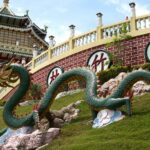
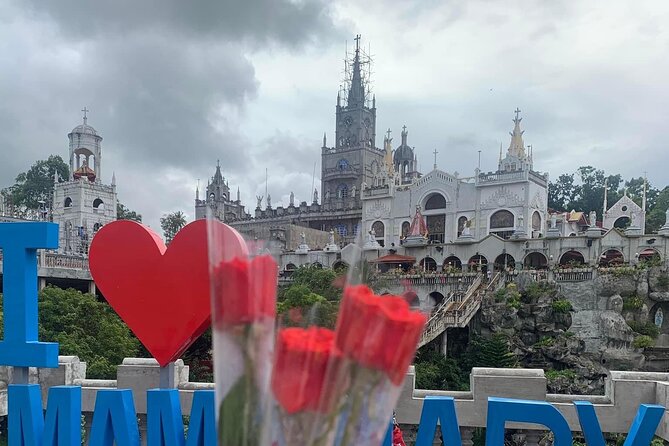
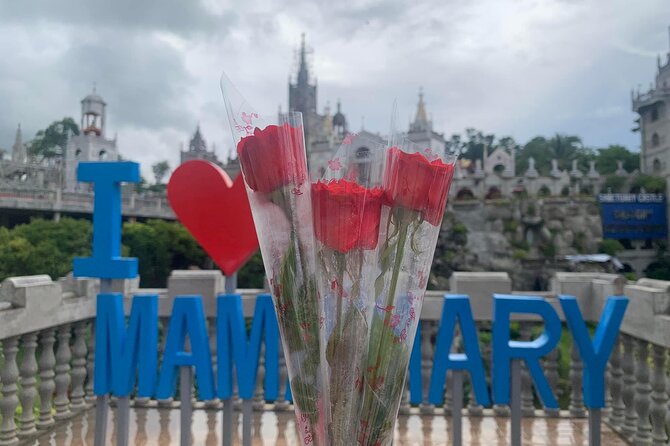
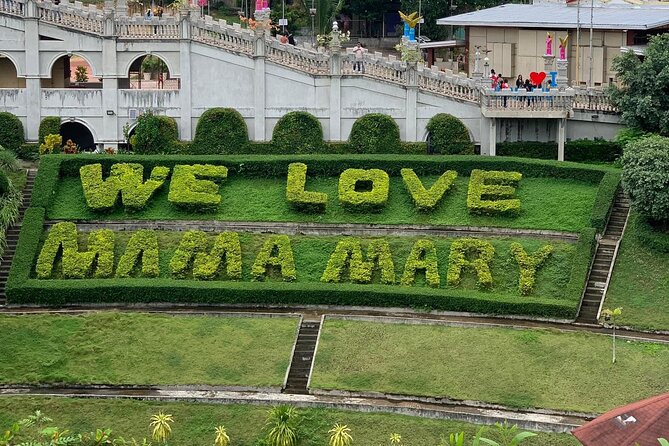
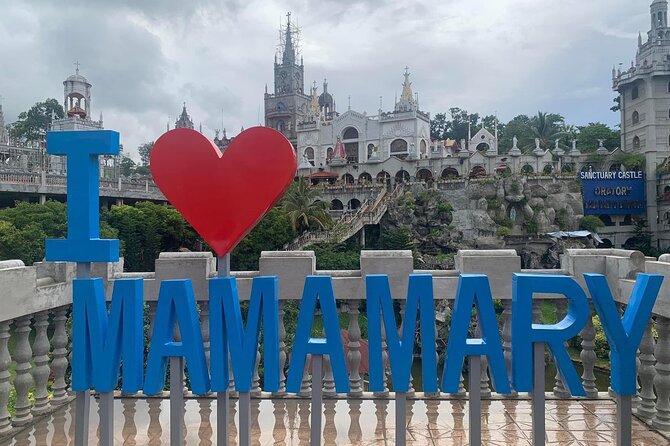
Simala Shrine, formally known as the Monastery of the Holy Eucharist and also called the Our Lady of Lindogon Shrine, is the day’s main event. It is a Roman Catholic pilgrimage church dedicated to the Virgin Mary in Sibonga, Cebu.
The six-hour allocation tells you how different this stop is from the city landmarks. You are not simply stepping out for a quick photograph. The schedule allows time for the monastery, prayer, sightseeing, and the surrounding visit, although the exact division of that time may depend on your group and the guide.
The shrine’s architecture is a major reason to come. The building has an imposing, castle-like presence according to the available description, and one earlier guest praised its elegance and functional design. You can expect the structure itself to be a central part of the visit, not just a backdrop for religious activity.
For many people, Simala will be a place of prayer and pilgrimage first. For others, it will be an important example of Cebu’s Catholic culture and a striking building to explore respectfully. Both approaches work, but you should remember that this is an active religious site. Keep your voice low, follow instructions, and dress properly.
The long stop can be a benefit or a problem. If you want time to reflect, observe the architecture, and ask questions, six hours gives the day breathing room. If you are mainly interested in quick sightseeing, it may feel excessive. This is the key booking decision: choose this tour for Simala, not merely because it happens to include the shrine.
The admission ticket is included. Your guide can also help put the visit in context and answer questions in English. That matters at a place where the visual impression is strong, but the religious purpose is just as important.
Magellan’s Cross and the historic center
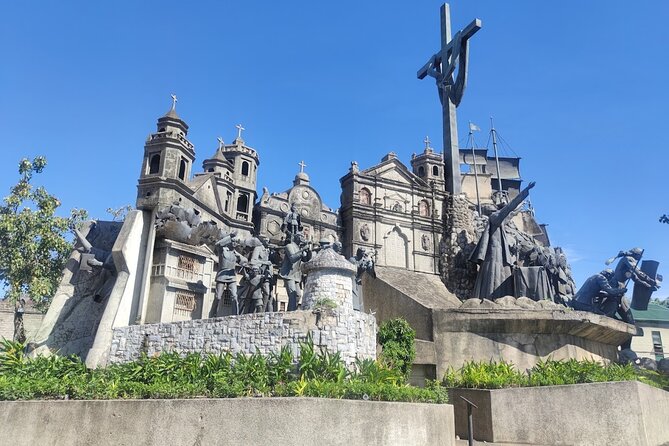
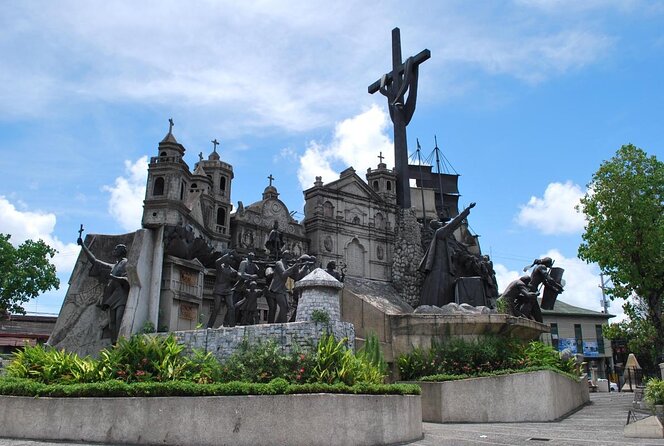
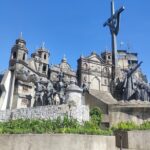
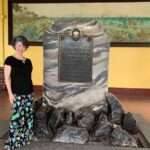
After Simala, the tour returns to Cebu’s central sights, beginning with Magellan’s Cross. The scheduled time is about 30 minutes, described as sightseeing, with admission included.
This is a brief stop, so think of it as a focused look rather than a full museum visit. The site connects the tour to Cebu’s early Spanish-era religious story and gives you a clear link between the city’s past and the opening church visit.
A short stop works well here because Magellan’s Cross is part of a larger historic district. You can see the landmark, listen to the guide, and take photographs without turning the visit into a long formal tour. The guide’s role is useful because a simple cross can mean little without an explanation of its place in Cebu’s story.
Keep your clothing suitable for religious sites even though this stop is handled as sightseeing. You will still be moving through a day that includes churches and selected museums, and changing clothes halfway through is not practical.
Fort San Pedro in a quick 30 minutes
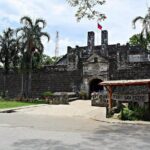
Fort San Pedro is the final historic stop listed in the city portion of the tour. Again, the planned time is about 30 minutes, and admission is included.
The fort adds a military and civic note to a day otherwise shaped by churches and pilgrimage. Its presence helps round out the history of Cebu. Instead of seeing the city only through religious landmarks, you also get a sense of its defensive past.
Half an hour is enough for a concise visit with a guide, but not enough for a slow inspection of every feature. If you enjoy history, ask the guide to focus on the fort’s purpose and place in Cebu’s development. If your group prefers photographs and a quick walk, the limited time keeps the stop moving.
This is a good example of the tour’s broad design. It gives you several important locations, but it does not treat any one city landmark as a full museum experience. The value comes from the combination.
Cordova’s 10,000 Roses after dark
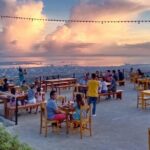
The Cordova stop brings a very different mood. 10,000 Roses Café & More uses artificial, LED-powered roses rather than real flowers. The attraction is especially suited to dusk and nighttime, when the lights show best.
About an hour is allocated here, and admission is free. That makes it an easy final stop because you can enjoy the visual display without adding another ticket cost to the day.
The contrast with Simala and Fort San Pedro is deliberate, even if the experience is not presented as a historical attraction. This is a modern, highly photogenic stop that gives you a change of pace after hours of churches and old landmarks. You can take pictures, look at the illuminated roses, and enjoy the evening setting.
Do not book this expecting a botanical garden. The roses are artificial and LED-powered. The appeal is the lighting and the atmosphere, especially at dusk, not real flowers or a traditional garden visit.
The timing may be one of the tour’s cleverest details. A daytime visit would miss much of the attraction’s visual effect, while the later schedule makes the stop more worthwhile. If photography is important to you, keep your phone or camera ready, but remember that the stop is still only about an hour.
What the $130 price includes
The listed price is $130 per person. Whether that is good value depends on how much you value private transport, a full-day route, and a guide who can explain the sites in English.
The price includes pickup, a professional guide, bottled water, and admission tickets for the Basilica, Simala Shrine, Magellan’s Cross, and Fort San Pedro. Cordova’s 10,000 Roses stop has no admission charge.
You still need to pay for lunch, dinner, drinks beyond the supplied water, alcohol, and souvenir photos. Those exclusions are normal enough, but they matter because a nine-hour day will likely require food and additional drinks. Budget for those before you leave.
For a private group, the price can make more sense than it first appears. You are not only paying for entry. You are paying for a planned route that connects distant Sibonga with several Cebu City and Cordova sights, plus the convenience of pickup and a guide. The value improves if you are traveling with family or friends who want a shared day without arranging separate transport.
The value is weaker if you only want a short city tour. In that case, the six-hour Simala portion may take too much of your day, and you may not use the private format enough to justify the cost.
Who should book this experience?
I would recommend this tour to you if you want a single, organized day that covers Cebu’s religious and historic identity. It suits first-time visitors who want major landmarks explained rather than simply photographed.
It is also a strong match for families, couples, and small groups who appreciate a private outing. Children can participate, but they must be accompanied by an adult. Most people can take part, according to the supplied information.
You should think twice if you dislike long road journeys, prefer independent wandering, or have little interest in religious sites. Simala dominates the schedule, and the day’s best moments depend on your willingness to spend real time at a pilgrimage church.
Wear smart casual clothing from the start. Cover your knees and shoulders, avoid shorts and sleeveless tops, and do not count on being admitted if you ignore the dress code. This is not just a suggestion for photographs. It can affect entry.
Confirmation is provided when you book, and the experience offers free cancellation if you cancel at least 24 hours before the local start time. Cancellations or changes made within 24 hours are not accepted for a refund.
My booking verdict
Book this Cebu tour if you want Simala Shrine to be the centerpiece of a private day and you like having city history added around it. The excellent English guidance, included admission, pickup, and mix of religious and historic stops make the $130 price easier to justify for a group.
Skip it if you want a relaxed city-only outing or a short photo tour. The six-hour Simala visit is too large a commitment for anyone who sees the shrine as a minor add-on. For the right audience, though, this is a well-shaped Cebu introduction, with a striking pilgrimage site, important downtown landmarks, and a glowing Cordova finale.
FAQ
Where does the Cebu Simala and city historical tour take place?
The tour takes place in Cebu, Philippines. It includes stops in Cebu City, Simala Shrine in Sibonga, and Cordova.
What time does the tour begin?
The scheduled start time is 7:00 am.
How long does the experience last?
The tour lasts approximately nine hours.
Is pickup available?
Yes. Pickup is offered.
Is this a private tour?
Yes. Only your group participates in the activity.
What is included in the price?
The price includes bottled water, a professional guide, and admission tickets for the listed paid attractions.
Are meals included?
No. Lunch and dinner are not included. Drinks and alcoholic drinks are also excluded, although alcoholic drinks are available to purchase.
What should I wear?
Wear smart casual clothing with your knees and shoulders covered. Shorts and sleeveless tops are not allowed at places of worship and selected museums.
Can children join the tour?
Yes. Children can participate, but they must be accompanied by an adult.
Can I cancel for a full refund?
Yes, if you cancel at least 24 hours before the experience start time. Cancellations or changes made less than 24 hours before the start are not accepted for a refund.