Private Market Tour and Filipino Cooking Class in Manila with Isi
Follow the ingredients first. This private Manila experience begins in a local market, then moves into Isi’s home for a Filipino cooking lesson and shared meal. I like the way the tour connects food to daily life instead of treating cooking as a stand-alone class. You see the produce, learn how it is used, and then taste the finished dishes.
I also like the personal touches: Isi grows lemongrass and calamansi in her small garden, and her recipes use the familiar Filipino mix of garlic, chilies, coconut milk, and fish sauce. The main consideration is timing and location. You must meet in Taguig at 9:30 a.m., and hotel pickup is not included.
The tour costs $120 per person and lasts about four and a half hours. For a private experience that includes the market visit, transport to Isi’s home, cooking, a full meal, beer, and taxes, that is a reasonable price for people who care more about personal contact than a bargain group class.
In This Review
- Key points to know before booking
- Why this Manila food experience feels different
- The 9:30 a.m. market walk in Taguig
- Riding to Isi’s home for the next lesson
- Isi’s garden and the Filipino flavor base
- Hands-on cooking or a demonstration
- The Filipino meal at Isi’s dining table
- What $120 per person gets you
- Dietary needs, timing, and practical details
- Who should book this cooking class?
- Should you book the private market and cooking class?
- FAQ
- Where does the experience begin?
- How long does the experience last?
- Is hotel pickup included?
- Is the cooking class private?
- Can I choose between cooking and watching?
- Are vegetarian and gluten-free options available?
- What is included in the price?
Key points to know before booking
- Start with a local market: You shop through the ingredients that shape Filipino home cooking before preparing them.
- Cook in Isi’s home: Her small garden includes lemongrass and calamansi, giving the meal a clear connection to place.
- Choose your level of participation: You can cook hands-on or watch a demonstration.
- Eat what you make: The meal includes several homemade Filipino dishes and a dessert such as calamansi pie.
- Private means personal: Only your own group takes part, with no strangers added.
- Plan around Taguig: The meeting point is in Taguig, the activity starts at 9:30 a.m., and you arrange your own way there.
Why this Manila food experience feels different
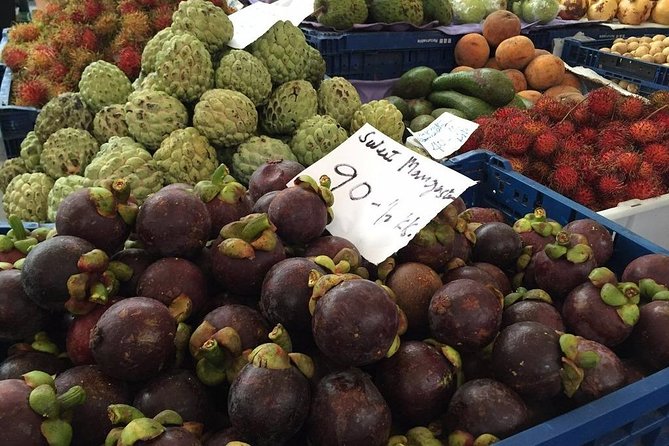
Many food classes begin with measured ingredients laid out on a table. This one starts earlier, with the sights, smells, and choices of a local market. That first step matters because Filipino cooking is built around fresh ingredients and strong contrasts: sour calamansi, salty fish sauce, sweet coconut, hot chilies, and plenty of garlic.
I like the order of the experience. You first learn what the ingredients are, then see how they enter family recipes, and finally sit down to eat. It gives you a better chance of remembering the food at home because each dish has a story and a practical use.
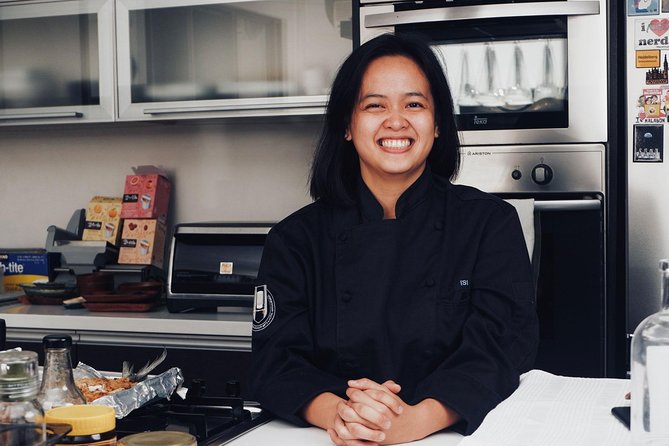
This is not a formal school with chef jackets, printed certificates, or a professional training kitchen. The description is clear that it is an insider look at Filipino culture and cuisine with a local home cook. For most people, that is the point. You are not signing up to master restaurant technique in one morning.
The small scale also helps. Since this is a private activity, Isi can adjust the pace and answer questions from your group. You can also choose between active cooking and watching her demonstrate the meal. That choice is useful if one person in your party loves chopping and stirring while another would rather pay attention and take notes.
You can also read our reviews of more private tours in Luzon


The 9:30 a.m. market walk in Taguig
You meet Isi in Taguig at 9:30 a.m. The exact market details are not specified, so you should think of this part as a local ingredient walk rather than a sightseeing stop with a fixed list of stalls.
Isi introduces the seasonal produce and basic ingredients used in Filipino cooking. The value is not simply seeing food for sale. You learn what makes a Filipino pantry and how those ingredients work together once they reach the kitchen.
Look for the practical lessons: which produce is common, how sour calamansi is used, and how garlic, chilies, coconut milk, and fish sauce create depth. The market gives you a chance to ask questions before the cooking begins, when the ingredients are still in their everyday setting.
I would give this part your full attention. It can be tempting to treat the market as a quick prelude to the meal, but it is where the class gains much of its cultural meaning. A market visit shows you that Filipino cooking is not just a set of recipes. It is also about shopping wisely, using what is available, and balancing bold flavors.
The drawback is that the market portion may not satisfy someone looking for a major Manila attraction or a long guided tour. The focus is food, not monuments, museums, or city history. It works best for you if ingredients and home cooking are the main reason for booking.
Riding to Isi’s home for the next lesson
After the market, you ride in Isi’s car to her home. The transfer is included as part of the experience, but hotel pickup and drop-off are not. That means you need to handle the beginning and end of the outing yourself.
The private ride also marks a change in mood. The market is a public place, while the home visit offers a more personal look at how food is prepared and enjoyed. Since the activity ends back at the meeting point, keep the morning open for the full four and a half hours rather than scheduling a tight appointment afterward.
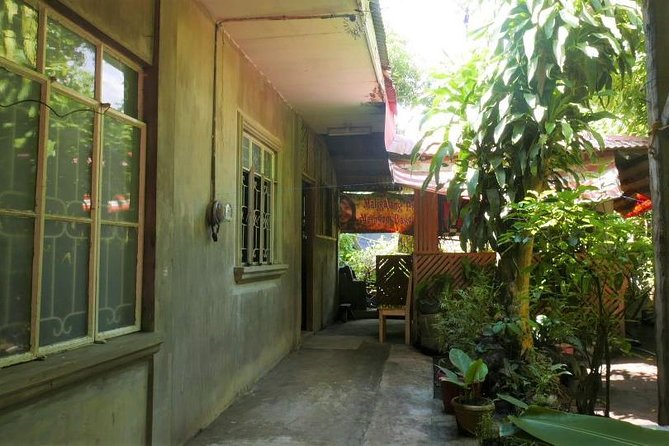
The home setting is important. You are not simply copying a recipe in a commercial studio. You see where Isi cooks, learn about the ingredients she uses, and share the finished meal at her dining table. That creates a more relaxed connection between the food and Filipino family life.
Still, you should book this with the right expectations. A home kitchen may not have the space or equipment of a culinary school. The appeal is the setting and the personal exchange, not polished production values.
Isi’s garden and the Filipino flavor base
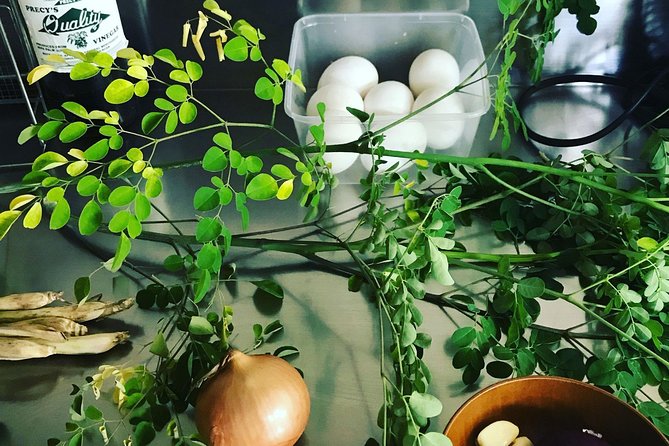
Before cooking, Isi shows you her small vegetable garden. She grows lemongrass and calamansi, a distinctive Filipino citrus fruit that she uses to flavor her food.
This is one of the most memorable details of the experience because it turns two ingredients from abstract recipe items into something you can see and smell where they grow. Lemongrass brings a fresh, citrus-like note, while calamansi adds a sharp sourness that is closely linked with Filipino food.
Her cooking also centers on garlic, chilies, coconut milk, and fish sauce. You should expect flavors that are not timid. Fish sauce adds salt and savoriness, coconut milk brings softness and richness, and chilies provide heat. Calamansi cuts through those heavier notes with acidity.
The garden visit is brief in the supplied details, so do not expect a full farm tour. Its value is more focused: it gives you a quick look at the ingredients that matter to Isi and helps explain why her food tastes the way it does.
I especially like that this part can help you recreate the dishes later. If you remember only a recipe title, you may forget it. If you remember the balance of sour calamansi, salty fish sauce, fragrant lemongrass, and garlic, you have a more useful guide for cooking at home.
Hands-on cooking or a demonstration
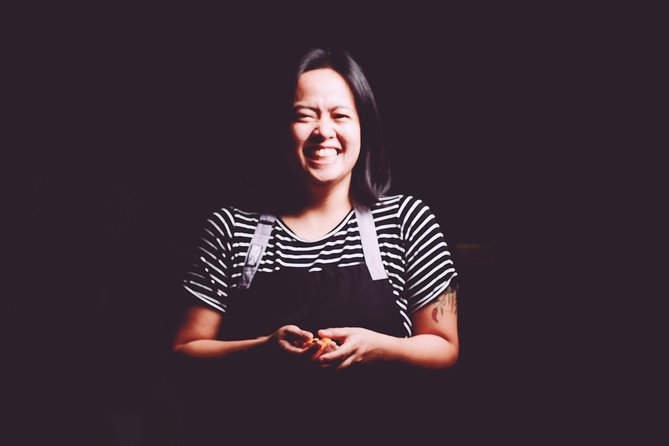
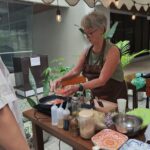
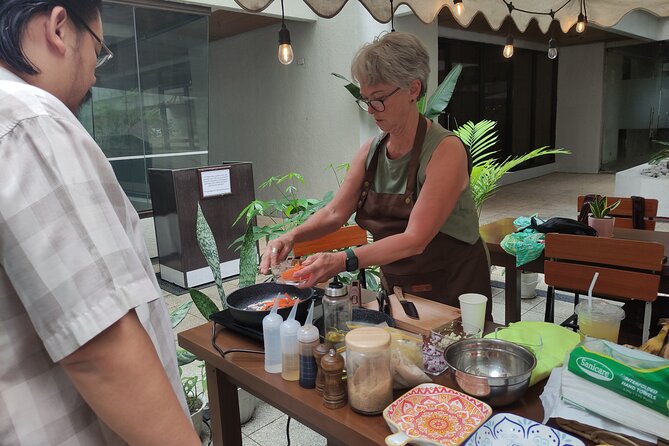
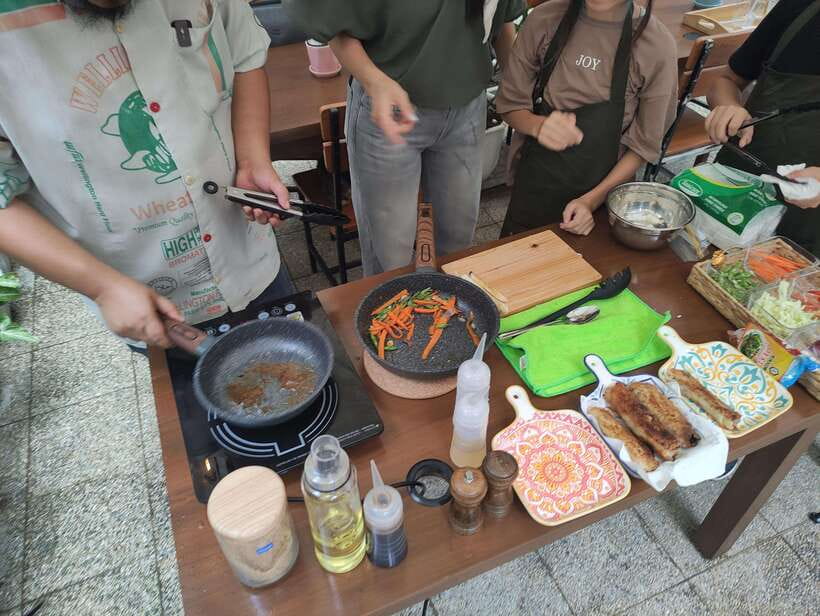
Isi prepares traditional Filipino family recipes passed down through generations. You can take part in the cooking or watch her prepare the meal. Tell her your preference when booking or before the class begins, especially if your group wants a particular pace.
The hands-on option suits you if you enjoy learning by doing. You can ask about techniques, follow the sequence of preparation, and pick up small habits that may not appear in a written recipe. The class is designed to teach tips and tricks that can help you reproduce the dishes at home.
The demonstration option is better if you want to watch carefully, take mental notes, or avoid spending the meal concentrating on kitchen tasks. It may also work well for a mixed group where not everyone wants equal cooking duties.
Because this is a private class, your group does not have to match the pace of strangers. That is a real benefit. You can ask for clarification, spend longer on a technique, or move along when everyone understands the point.
The trade-off is that this is not a professional cooking course. You should not expect formal instruction in knife skills, food safety certification, or restaurant-level plating. You are receiving a personal lesson in family food, which is both less formal and more intimate.
You can also read our reviews of more shopping tours in Luzon
The Filipino meal at Isi’s dining table
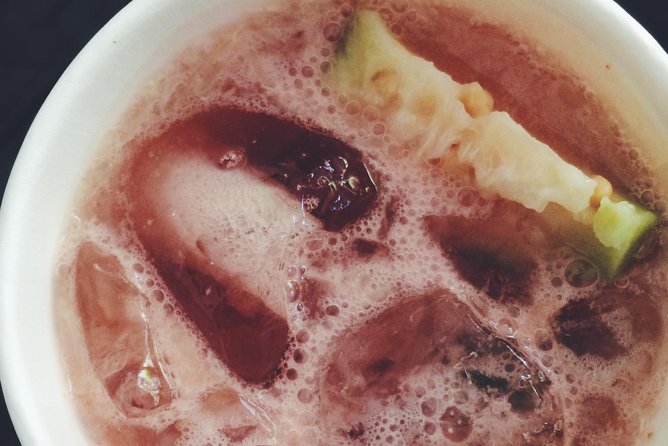
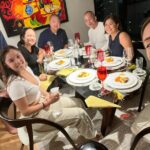
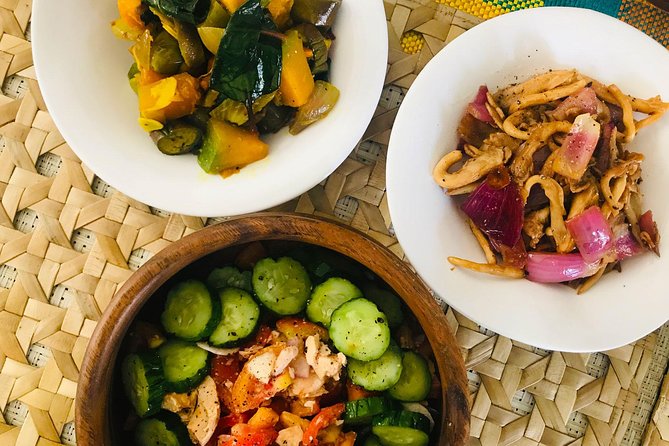
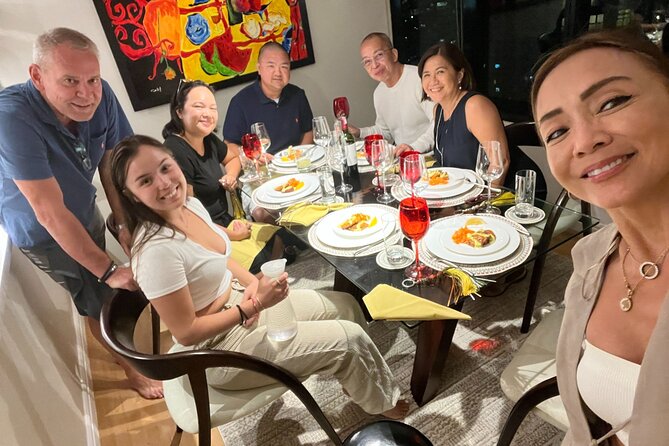
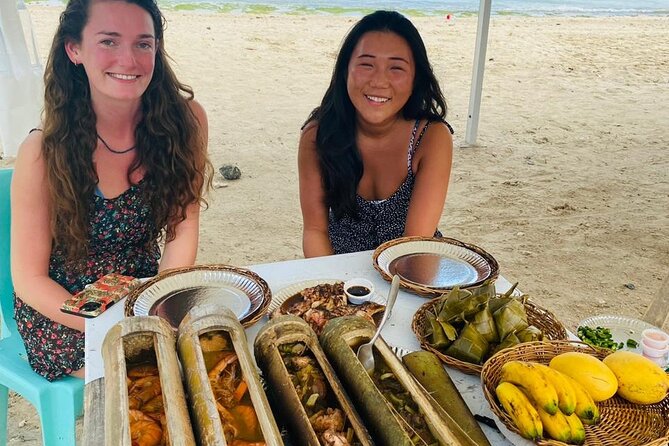
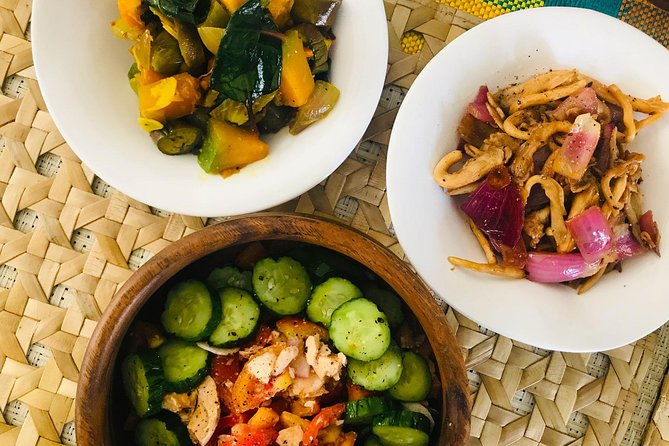
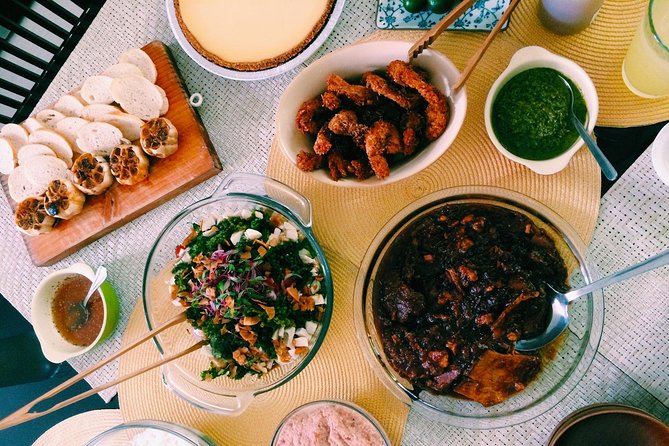
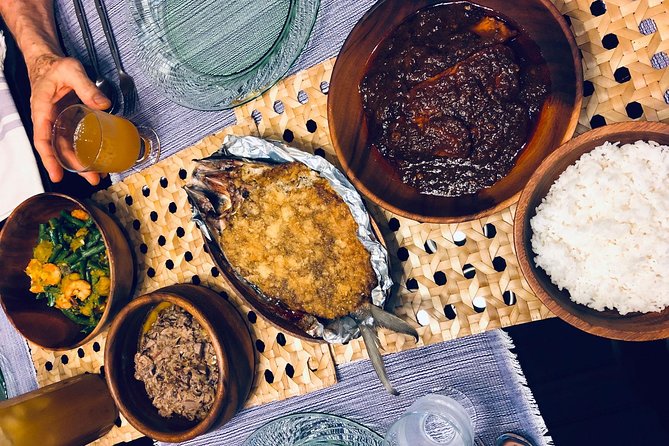
After cooking, you sit down with Isi and eat the food you helped prepare. The menu includes a variety of homemade Filipino dishes and ends with a dessert such as calamansi pie.
That shared meal is more than a reward for finishing the recipes. It lets you taste the full balance of the cooking while the steps are still fresh in your mind. You can compare the sour citrus with the savory fish sauce, notice the role of garlic and chilies, and see how coconut milk changes the texture of a dish.
The menu is not listed dish by dish, so you should not book expecting a guaranteed named selection beyond the style of food described. The important promise is a spread of homemade Filipino recipes, followed by a dessert like calamansi pie.
Beer is included with the experience. If you prefer wine, one booking arranged a selection after asking Isi, but you should confirm any special drink request in advance rather than assume it is part of the standard package.
I like the meal because it completes the cultural side of the tour. You are not eating something prepared entirely for display. You are sharing food in the cook’s own home, at her table, after seeing the ingredients and helping with the work.
What $120 per person gets you
At $120 per person, this is not a low-cost meal or a quick market snack. The value comes from combining several services in one private morning: a market visit, a local host, transport from the market to her home, cooking instruction, food, beer, and taxes.
If you only want to try Filipino food, you can spend less elsewhere. If you want a large group class, a restaurant kitchen may also offer a lower price. I would choose this tour for the personal access and the full progression from market to garden to kitchen to table.
The private format makes a bigger difference for couples, families, and small groups with different interests. You can decide how much cooking to do and ask questions without competing for the instructor’s attention. The price becomes easier to justify when you divide it among the time, meal, transport, and personal hosting.
The experience is also useful beyond the day itself. Isi shares practical ways to recreate the dishes, and the market visit gives you context for choosing ingredients. If you regularly cook at home, that extra knowledge may be worth more to you than a simple restaurant lunch.
The price is less attractive if you dislike home visits, want a polished culinary school, or have no interest in cooking. In that case, the tour’s main strengths will not matter much.
Dietary needs, timing, and practical details
Vegetarian and gluten-free options are available by request. Tell the provider about dietary needs when you book, not at the last minute. This is especially important because fish sauce and other common ingredients may be part of the flavor base in Filipino recipes.
The activity starts at 9:30 a.m. and lasts about four hours and thirty minutes. Since the activity ends at the meeting point, plan your transport carefully and leave room for the full morning.
Confirmation is sent within 48 hours of booking, subject to availability. The experience uses a mobile ticket, and service animals are allowed.
You can cancel for a full refund if you do so at least 24 hours before the start time. Changes or cancellations made within 24 hours are not accepted for a refund, and the cut-off follows local time.
The tour is private, so only your group participates. That makes it a strong choice for people who value a quieter, more flexible experience, but it also means you cannot count on joining a cheaper shared group.
Who should book this cooking class?
I would recommend it to you if Filipino food is one of your main interests in Manila. It suits people who like meeting local cooks, learning through conversation, and eating a meal in a home rather than in a commercial venue.
It is also a good fit for families and small private groups. The choice between hands-on cooking and demonstration lets you keep the session comfortable for different ages and energy levels.
Vegetarians and visitors needing gluten-free food can also consider it, provided they give advance notice. The host’s garden and ingredient-focused approach should make the food easier to understand, even if you are new to Filipino cuisine.
I would hesitate to recommend it if you want a strict, technical cooking curriculum. The class is informal by design. You will learn family recipes and practical tips, but you will not receive professional chef training.
I would also skip it if your Manila schedule is packed with major sights and you cannot spare a full morning. The 9:30 a.m. start, Taguig meeting point, and lack of hotel pickup require planning. This is an experience to build your morning around, not squeeze into a narrow gap.
Should you book the private market and cooking class?
Book it if you want food to be your way into Manila culture. The strongest parts are the local market, Isi’s garden, her family recipes, and the shared meal at her dining table. Those details give the experience a personal shape that a standard restaurant meal cannot provide.
The best reason to choose it is not the number of dishes. It is the connection between ingredients and people. You see calamansi and lemongrass growing, learn how Filipino flavors are built, and then eat the results with the person who taught you.
Skip it if you want a bargain, hotel pickup, or a formal cooking school. But for a private half-day with a warm host, a market visit, transport to a home kitchen, and a full meal, $120 per person offers solid value for the right audience.
FAQ
Where does the experience begin?
It begins in Taguig, Metro Manila, Philippines, at 9:30 a.m.
How long does the experience last?
The activity lasts approximately four hours and thirty minutes.
Is hotel pickup included?
No. Hotel pickup and drop-off are not included. You must arrange your own way to the Taguig meeting point.
Is the cooking class private?
Yes. This is a private activity, so only your group participates.
Can I choose between cooking and watching?
Yes. You can choose a hands-on lesson or a cooking demonstration. Tell Isi your preference.
Are vegetarian and gluten-free options available?
Vegetarian and gluten-free options are available upon request. Provide your dietary requirements when booking.
What is included in the price?
The price includes the private market tour and cooking class with Isi, beer, all fees, and taxes.