Review · Rice Terraces & North Luzon
Small-Group Weekend Hiking Tour to Banaue-Ifugao from Manila
Rice terraces reward every hard step. This four-day hike from Manila combines the Banaue rice terraces, mountain trails, waterfalls, and overnight stays in Ifugao villages. I like the small maximum of seven people, which keeps the group manageable, and I like that the tour includes the long-distance transport from Manila rather than leaving you to arrange buses yourself. The main catch is simple: this is a very demanding trip, not a gentle sightseeing tour.
You will hike six to seven hours a day on moderately hilly to steep paths, carry a backpack, sleep in a basic village inn, and use communal bathrooms. Guides such as Marvin and Jonathan have earned especially warm praise for their friendly help and regional knowledge. At $270 per person, the package offers solid value if you want a tightly organized mountain trip, but less so if you prefer comfort, private transport, or an easy look at the terraces.
In This Review
- Key points to know before booking
- Why the Banaue route is worth the effort
- The 9pm departure from Manila
- Day 1: Banaue and the first terrace view
- Kinaking to Cambulo: four hours on foot
- Cambulo to Batad: the route’s great reveal
- Day 3: Batad, Tappiyah Waterfall, and Bangaan
- What $270 includes, and what it does not
- The physical challenge is the key decision
- Guides and the value of a small group
- Who should book this hike?
- My verdict on the Banaue hiking tour
- FAQ
- How long does the Banaue hiking tour last?
- Where does the tour begin?
- Where does the tour end?
- How large is the group?
- What level of fitness do I need?
- What is the minimum age?
- Do I need to carry a backpack?
- What are the village accommodations like?
- Are meals included?
- Is transportation included?
Key points to know before booking
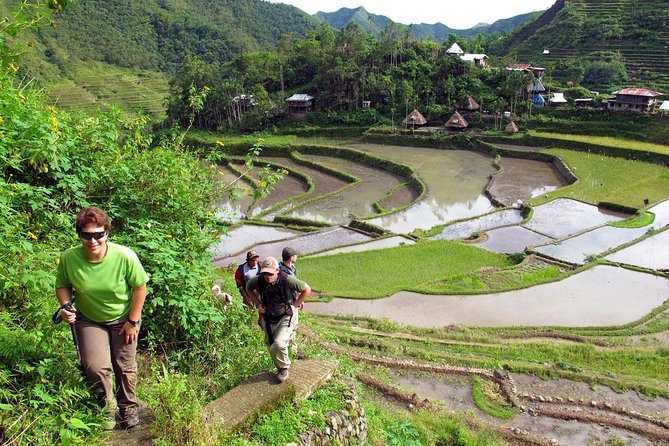
- A maximum of seven people keeps the group small enough for a personal pace and easier conversations with your guide.
- The hike is genuinely strenuous, with six to seven hours on steep or slippery trails each day.
- The overnight bus saves money and planning, but the ride from Manila uses winding mountain roads and is not a restful luxury transfer.
- Your village stay is basic, with running water and communal bathrooms, but it puts you close to Ifugao communities.
- Food is mostly extra, so you need cash or a clear plan for meals beyond the included breakfast.
- The best views come through effort, especially the Batad amphitheater and the route toward Tappiyah Waterfall.
Why the Banaue route is worth the effort
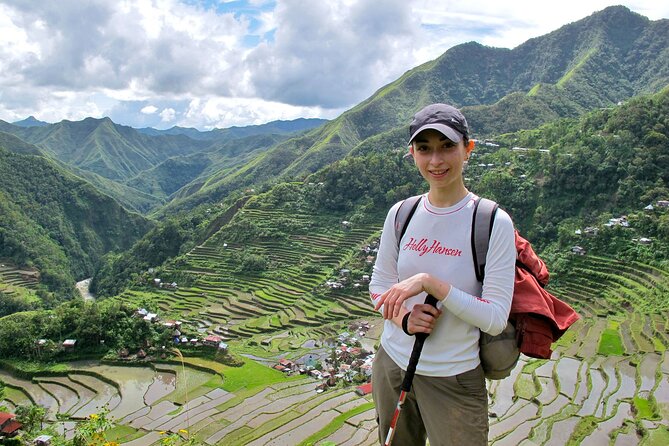
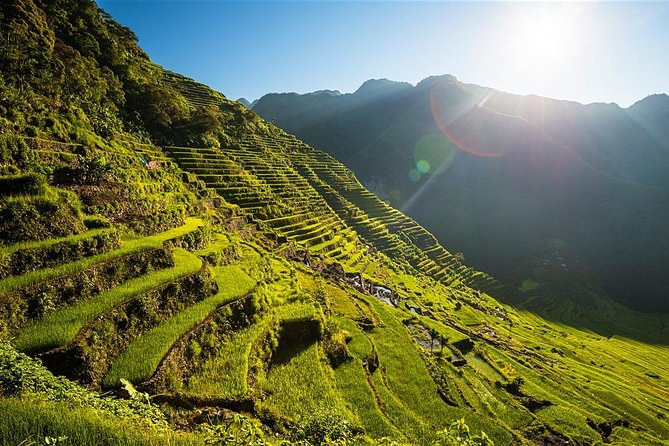
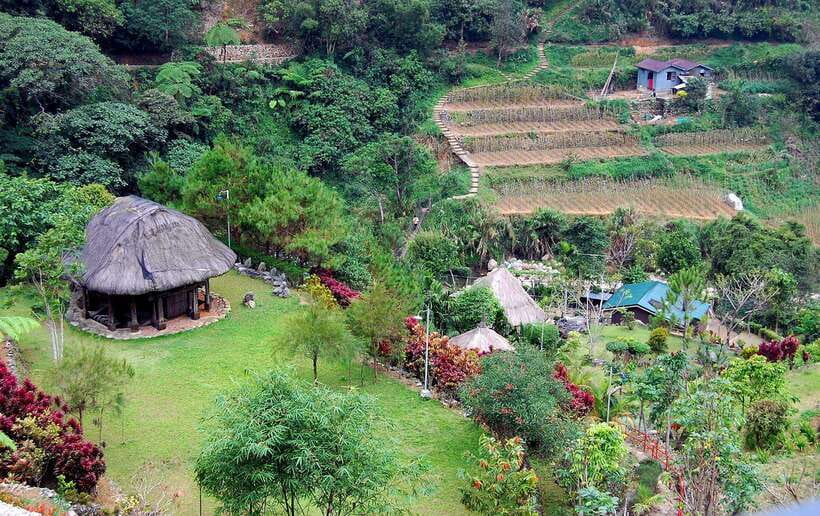
The Banaue rice terraces are the headline attraction, but the walking route gives you a better sense of the Ifugao region than a quick viewpoint stop. You move through mountains, forest, terraces, waterfalls, and small communities rather than simply arriving at a lookout, taking photographs, and leaving.
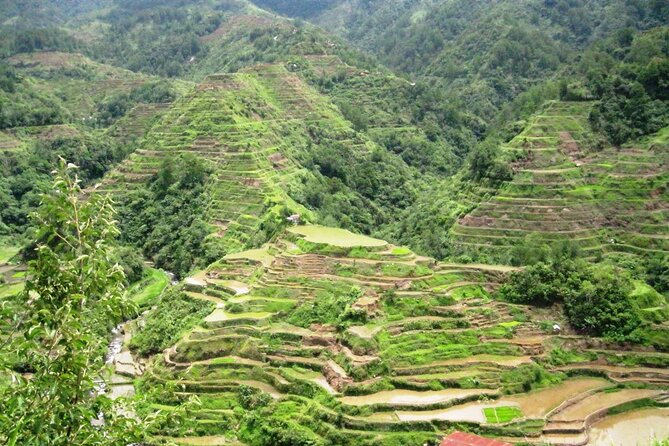
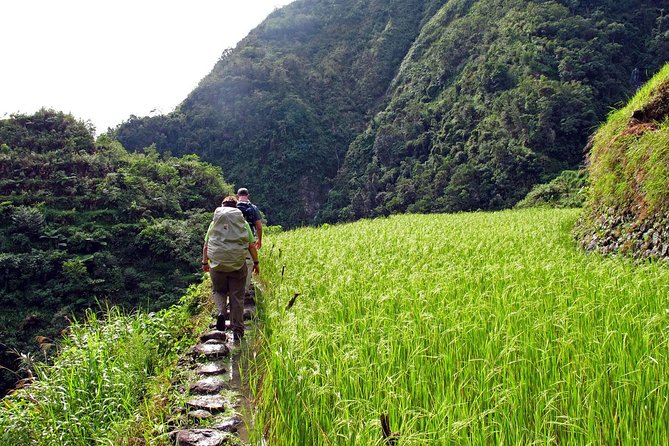
The terraces are often described as roughly 2,000 years old, and their scale becomes clearer on foot. From a road viewpoint, you see broad layers cut into the hills. On the trail, you walk beside the stone and earth terraces, pass through village areas, and watch the shapes change as the route climbs and drops.
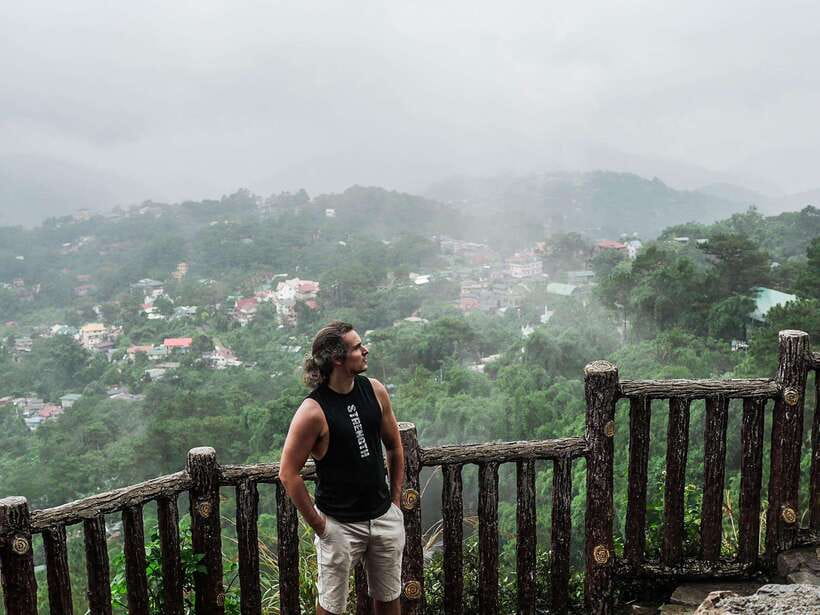
I also like the way the tour connects scenery with daily life. The overnight village stay gives you a chance to speak with local people and see a setting far removed from Manila. This is not a polished resort experience. That is exactly its value, though it also means you should arrive ready for simple rooms, basic facilities, and a little uncertainty in mountain conditions.
You can also read our reviews of more hiking tours in Luzon
The 9pm departure from Manila
The tour begins at 9pm at Ohayami Trans Sampaloc, 1528 Fajardo Street in Sampaloc, Manila. You meet the group there, board the overnight bus, and travel toward Banaue through winding mountain roads.
The bus is practical rather than glamorous. It removes the need to arrange separate transport and lets you cover a long distance while you sleep, at least in theory. If you find it hard to sleep on buses, bring whatever personal comfort items help you rest. The tour does not include hotel pickup, so you must make your own way to the meeting point.
This late departure also shapes the first day. You do not get a relaxed morning arrival followed by an easy walk. You wake in Banaue and soon begin the active part of the trip. Plan your Manila evening carefully, arrive early enough to locate the bus, and keep your essential items where you can reach them.
Day 1: Banaue and the first terrace view
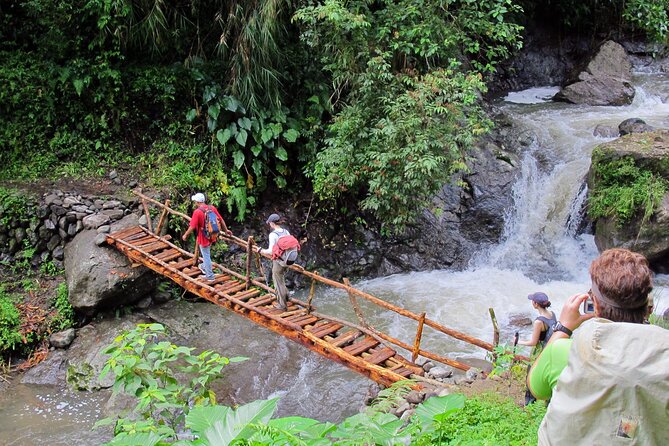
After the overnight journey, the group reaches Banaue, the town linked with the famous terraces. The first scheduled stop is the Banaue Rice Terraces viewpoint, reached by tricycle from the town area.
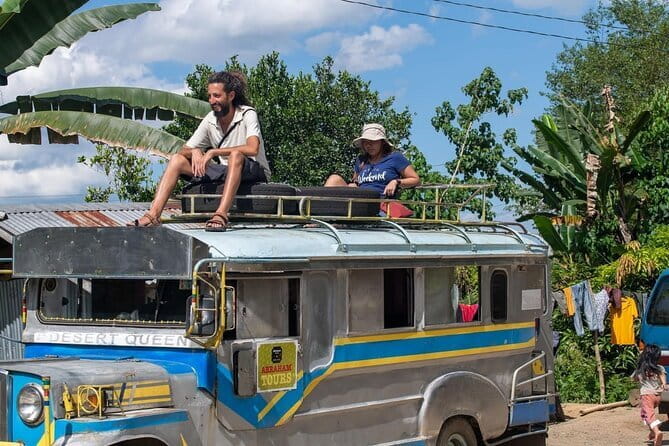
The tricycle ride is a small but memorable part of the outing. These motorcycle sidecars are common local transport and provide a practical way to reach the view deck before the main hike begins. The stop lasts about 15 minutes, so treat it as a first look rather than a full sightseeing visit.
From the viewpoint, you get the wide picture. The terraces spread across the hills in layers, showing how much work went into shaping steep ground for farming. The quick stop can feel brief, especially after the long bus ride, but the real reward comes later when you walk through the terraces instead of only looking at them from above.
The group then heads toward Kinaking, where the mountain trek begins. A professional guide leads the route, and the small group size matters here. On steep or uneven ground, it is easier for the guide to keep track of everyone and offer help than it would be with a large coach group.
Kinaking to Cambulo: four hours on foot
The hike from Kinaking to Cambulo takes about four hours. This is where the tour shifts from scenic transport to a real mountain walk.
You should expect moderately hilly to steep terrain, with some sections made more difficult by rain. A past participant found the route manageable for a regular hiker but challenging where the trail became slippery. That is useful context: the difficulty comes not only from the distance, but also from wet ground, climbs, descents, and the need to carry your own supplies.
Cambulo is the first Ifugao village on the route. Reaching it after several hours gives the village stay more meaning. You have not simply been driven there for a staged cultural stop. You have walked into the community through the surrounding hills.
The package includes one night in a village inn, but do not expect hotel standards. The accommodation has running water and communal bathrooms. It may be basic, yet it places you close to local life and gives you a chance to rest in the same remote setting you have been walking through.
Cambulo to Batad: the route’s great reveal
From Cambulo, you continue for about three hours toward Batad. This is one of the most anticipated sections because Batad is famous for its amphitheater-shaped rice terraces.
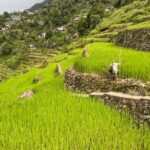
The word amphitheater fits the view. The terraces curve around the hills in a broad bowl, making the setting feel more enclosed and dramatic than the earlier viewpoint near Banaue. The approach on foot is important. You gain the view after moving through the mountains, so the scale opens gradually rather than appearing all at once from a bus window.
Batad is also where you spend the night at a village inn with a view of the terraces. That location is one of the strongest parts of the package. You can finish a demanding day with the terraces directly around you, rather than returning to a distant town.
The lodging remains simple, and food costs are not generally covered. One breakfast is included, but you pay for other meals and drinks. Bring enough money and expect village dining to be practical and limited rather than extensive. A packing guide is sent after booking, so read it closely before you leave Manila.

Day 3: Batad, Tappiyah Waterfall, and Bangaan
The third day begins with about three hours of hiking around Batad. The route includes Tappiyah Waterfall and more time to explore the village and terraces.
The waterfall adds variety to the day. After seeing terraces from several angles, a forest and water stop gives the walk a different rhythm. The route still requires effort, and wet conditions can make it harder, so good hiking shoes are more important here than stylish travel footwear.
The Batad portion is also a good time to pay attention to the relationship between the village and the terraces. The fields are not just a scenic backdrop. They are part of the local setting and help explain why the region has such a distinct character.
After lunch, the group hikes roughly three hours to Bangaan, the final village of the adventure. This second long section means Day 3 is not a rest day. You will already have several hours in your legs from the previous day, so your fitness and footwear matter.
The route toward Bangaan completes the point of the trip: you are moving between communities on foot. The experience feels more connected than a series of separate photo stops, but it demands patience. You need to be comfortable with long walking days and limited personal space.
What $270 includes, and what it does not
The $270 price includes all land transportation during the tour, including the overnight bus from Manila and the return journey. It also covers one night in a village inn, the listed activity fees, a professional guide, and one breakfast.
That is a fair package price for a four-day mountain trip if you value organization. You are paying for the complicated transport links, local route planning, village accommodation, and guide support. A small group of no more than seven also adds value because you are not sharing the trail with a large busload.
The limits are just as important. Hotel pickup and drop-off are not included. Food and drinks beyond the included breakfast cost extra, as do personal items such as trekking shoes, backpacks, and other gear. Travel insurance is also your responsibility.
Tips for restaurant staff or local guides are not expected, though they are appreciated. Keep the total cost in mind when comparing this tour with a self-guided trip. The tour may cost more than arranging a bus and local walks on your own, but it saves you from coordinating remote transport and finding the route through several villages.
The physical challenge is the key decision
The tour states that each day involves six to seven hours of hiking. That should guide your decision more than the attractive photographs.
You need a moderate level of fitness, but I would treat the trip as demanding because of the repeated long days, steep ground, and possible slippery sections. You also carry a backpack with two days of clothes. A porter can be hired if you do not want to carry everything yourself.
Pack light. Two days of clothing, rain protection, sturdy hiking shoes or boots, a refillable water container, and personal necessities are more useful than a large suitcase. The packing guide sent after booking should take priority, since it is prepared for this specific route.
The tour operates in all weather conditions, so dress for rain as well as sun. Poor weather can affect the experience and trail conditions. The activity requires good weather to operate safely, and if the operator cancels because of weather, you receive a different date or a full refund.
Children must be accompanied by an adult, and the minimum age is 12. I would choose this for an active teenager or adult who already handles long walks well, not for someone testing hiking for the first time.
Guides and the value of a small group
The guide can make a major difference on a route like this. You are not only following a path. You are moving through steep terrain, village areas, and changing weather, so clear pacing and local guidance are important.
Marvin received especially strong praise for helping make the terraces memorable. Jonathan was also described as friendly and highly informed about the region. Guides are not decorative extras here. They help turn a difficult walk into a more understandable experience by explaining the places you pass and keeping the group moving together.
The seven-person limit is another real advantage. It allows more room for questions and makes it easier to adjust the pace than on a large organized excursion. It does not make the hike easy, but it can make the demanding sections feel less impersonal.
Who should book this hike?
I would recommend it to you if you want:
- A serious introduction to Banaue, Batad, Cambulo, and Bangaan
- A small group instead of a large sightseeing bus
- Local village accommodation rather than a standard hotel
- A guided route with transport from Manila included
- Long days on foot and close views of the terraces
- A trip that includes scenery, village life, and waterfalls
I would hesitate if you want a comfortable break, private rooms, short walks, or full meal coverage. The overnight bus and communal bathrooms also rule this out for anyone who needs a high level of comfort.
The overall rating is 4.8 from 30 reviews, with 97 percent recommending the experience. Those numbers fit the tour’s character: the scenery and guiding receive the strongest praise, while the practical weak spots are the basic accommodation, challenging trail, and occasional confusion around included food.
If you book, read the packing information carefully, prepare for rain, and confirm what breakfast and other meals are covered. One participant was mistakenly charged for breakfast that should have been included, and the operator offered a refund. That suggests you should check your bill before leaving the village inn.
My verdict on the Banaue hiking tour
Book this tour if you want to see the Ifugao terraces from the trail, not only from a viewpoint. The route gives you Batad’s remarkable bowl of terraces, Tappiyah Waterfall, several villages, and a night in the mountains, all with transport and a guide arranged.
Skip it if the idea of six or seven hours of hiking per day sounds tiring rather than exciting. The $270 cost is sensible for an organized small-group trip, but the real price is physical effort and simple living. For fit hikers who want a memorable connection with the Banaue region, that is a good bargain.
FAQ
How long does the Banaue hiking tour last?
The experience lasts approximately four days, including the overnight bus journey from Manila and the return trip.
Where does the tour begin?
You meet at Ohayami Trans Sampaloc, 1528 Fajardo Street, Sampaloc, Manila, at 9pm.
Where does the tour end?
The activity ends back at the same meeting point in Manila.
How large is the group?
The tour has a maximum of seven participants per booking and is open to other people joining the group.
What level of fitness do I need?
You need a moderate level of physical fitness. The tour involves six to seven hours of hiking each day on moderately hilly to steep terrain.
What is the minimum age?
The minimum age is 12, and children must be accompanied by an adult.
Do I need to carry a backpack?
Yes. You need to carry a backpack with two days of clothing, although you may hire a porter.
What are the village accommodations like?
The accommodation is in a basic village inn with running water and communal bathrooms.
Are meals included?
One breakfast is included. Other food and drinks are not included, so you pay for them separately.
Is transportation included?
All land transportation for the tour is included, including the overnight bus from and to Manila. Hotel pickup and drop-off are not included.