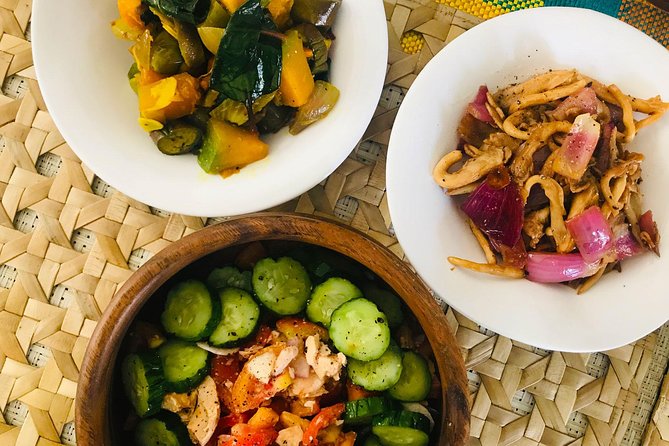
Private Filipino cooking class in a local Manila Home
Good food opens the right doors. This three-hour visit takes you into chef Isi’s Manila home, where you can pick calamansi and lemongrass from her garden, help prepare family recipes, and sit down to eat what you made. I like the private setting and the chance to learn about Filipino food from someone who grew up cooking with her grandmother. I also like that you can choose a hands-on lesson or simply watch and learn.
The main consideration is the price: at $90 per person, this costs more than a standard restaurant meal in Manila. You are paying for personal attention, a private home visit, ingredients, instruction, lunch or dinner, beer, and cultural conversation. Hotel pickup is not included, so you must make your own way to Taguig.
In This Review
- Key points to know before you book
- Why a Manila home kitchen beats a formal cooking school
- Starting in Taguig at 10:00 a.m.
- Picking calamansi and lemongrass in the garden
- Choosing between hands-on cooking and a demonstration
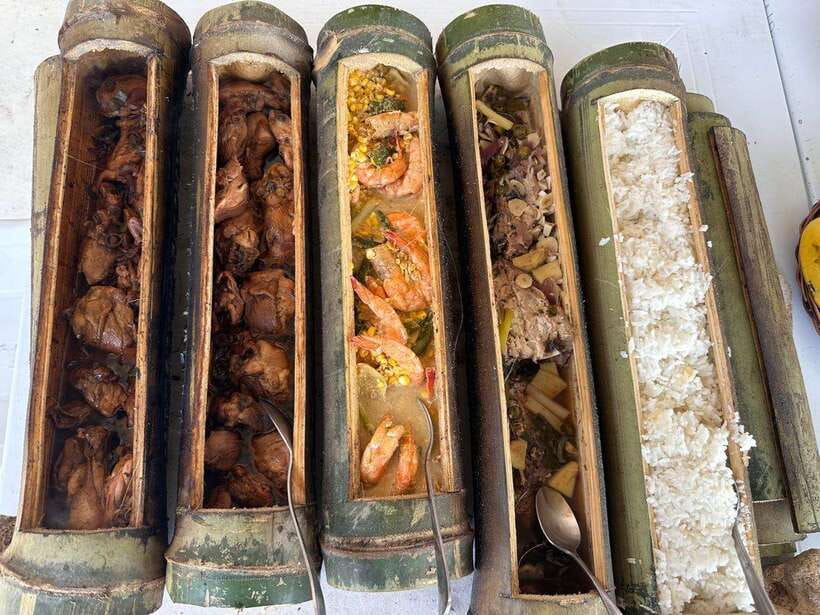
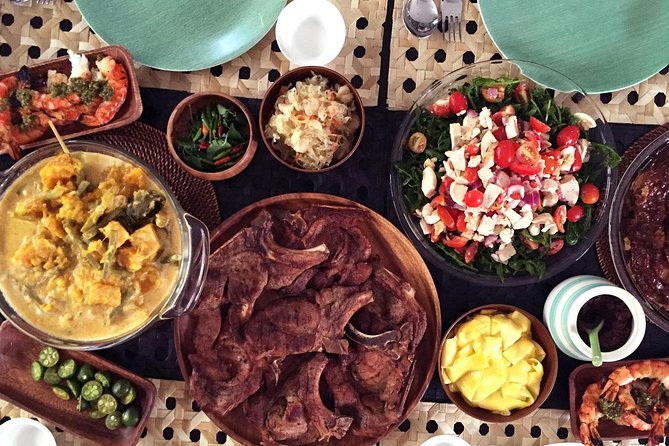
- What might appear on the Filipino menu
- The stories behind Filipino family recipes
- Sitting down to the meal you helped create
- Is $90 per person a fair value?
- Who will enjoy this most?
- Should you book Isi’s home cooking visit?
- FAQ
- Where does the cooking class start?
- What time does the experience begin?
- How long does the cooking class last?
- Is hotel pickup included?
- Can I choose between cooking and watching?
- Is a vegetarian menu available?
- What is the cancellation policy?
Key points to know before you book
- Isi’s garden supplies the lesson: You may pick fresh lemongrass and calamansi before cooking, giving the meal a clear connection to the home and its ingredients.
- The menu reflects Filipino family cooking: Possible dishes include fern salad, coconut milk stew, mechado, grilled pork, shrimp, and calamansi pie.
- You control the level of participation: Choose hands-on preparation or watch Isi demonstrate the recipes.
- The private format keeps the visit personal: Only your group takes part, with undivided attention from your host.
- The food comes with useful context: Isi discusses Filipino culinary traditions, regional styles, family recipes, and ingredients such as garlic, chilies, fish sauce, and coconut milk.
- The details are simple: The meeting point is in Taguig, the start time is 10:00 a.m., and the visit lasts about three hours.
Why a Manila home kitchen beats a formal cooking school
This is not a polished culinary academy with workstations, uniforms, or a certificate at the end. It is a visit to a local home with a cook who learned from her grandmother and now works across food recipe development, styling, photography, spice sales, and fresh chili products.
That difference matters. In a formal class, you might learn a fixed menu and move from one measured task to the next. Here, the food is tied to family habits and Filipino daily life. Isi can explain why calamansi works so well with savory dishes, how coconut milk changes the texture of a stew, or where chilies fit into Filipino cooking.
I especially like the way the garden visit gives the class a natural beginning. You are not just handed ingredients from a counter. You can see the lemongrass and calamansi growing, then use them in the kitchen. Calamansi is a small Filipino citrus fruit with a sharp, fresh flavor, and it appears in several parts of the meal, including the salad dressing and dessert.
The setting also makes conversation easier. Isi’s background includes more than ten years in the food business, and she has created recipes for dairy companies and restaurants. She also runs Chili Asylum, which focuses on fresh Filipino chilies and chili products sourced directly from local farmers. If you enjoy food beyond the plate, this gives you plenty to ask about.
You can also read our reviews of more private tours in Luzon


Starting in Taguig at 10:00 a.m.
The visit begins at 10:00 a.m. in Taguig, Metro Manila. Since there is no hotel pickup or drop-off, build transportation time into your morning plans and check the meeting instructions carefully after booking.
The lack of included transport is not unusual for a private home visit, but it is worth planning for. This is not a bus tour where you can wait beside a hotel lobby. You need to arrive at the meeting point on time, and the activity returns there when the meal is finished.
The class lasts about three hours. That is enough time for a garden introduction, food preparation, cooking, conversation, and the meal itself without turning lunch into an all-day commitment. If your Manila schedule is tight, the morning start can work well. You should still avoid booking another fixed activity too close to the end, since private meals are best enjoyed without watching the clock.
Dress is smart casual. You do not need formal clothing, but this is a visit to someone’s home, not a beach excursion. Specific dietary needs should be given when booking. Vegetarian food is available if requested in advance.
Picking calamansi and lemongrass in the garden
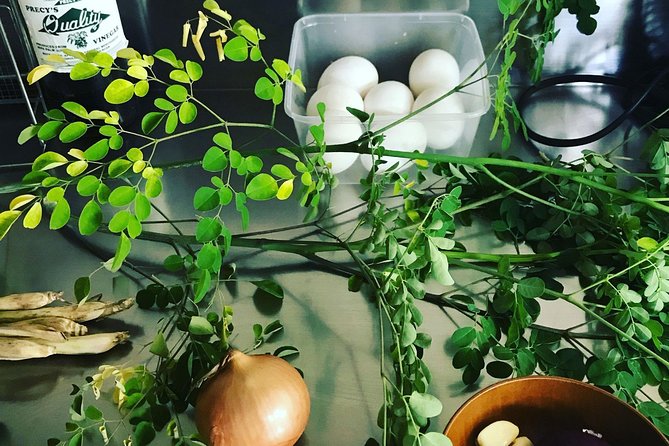
The garden portion is brief, but it gives the class a sense of place. Isi grows lemongrass and calamansi at home, and she uses both to flavor her food.
Lemongrass brings a fragrant, lemony note without the sourness of citrus. Calamansi is sharper and more distinctive, and it is one of the ingredients that helps define the meal as Filipino rather than simply Southeast Asian. Seeing these ingredients before they reach the cutting board makes the later cooking more meaningful.
This is also a good moment to ask questions. You can find out how the ingredients are used at home, what makes Filipino food different from neighboring cuisines, and how fresh chilies change a dish. Isi’s work with Filipino farmers and chili products gives her a useful connection between home cooking and the wider food trade.
Do not expect a large farm or an elaborate garden tour. The description points to a small vegetable garden, so its value is personal rather than scenic. You are seeing a few ingredients in their home setting, then using them right away.
Choosing between hands-on cooking and a demonstration
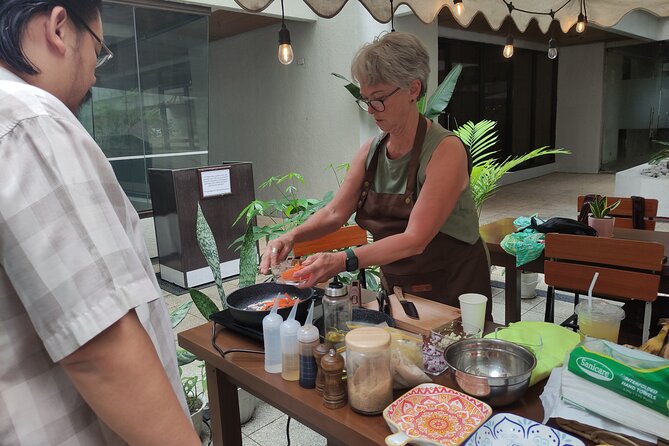
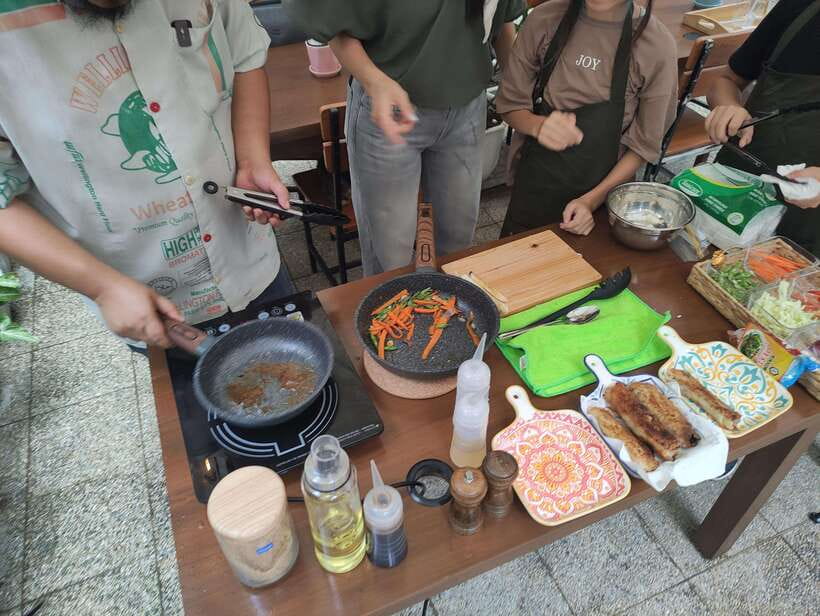
One of the best practical features is the choice of cooking style. You can take a hands-on lesson and prepare the food yourself, or you can watch Isi cook while she explains the steps.
If you enjoy cooking, choose the hands-on option. The private format means you can likely ask for more preparation work and spend more time on the parts that interest you. A previous participant particularly valued being allowed to do as much of the preparation and cooking as desired, including learning several dishes.
If you prefer food stories, technique, and conversation, a demonstration may suit you better. You can focus on how Isi balances sour calamansi, salty fish sauce, garlic, chilies, and creamy coconut milk without worrying about making every cut or stirring at the right moment.
You can also tell Isi how involved you want to be. That flexibility makes this a better match for mixed groups, such as one person who loves cooking and another who would rather observe. It also helps beginners avoid feeling tested.
Keep in mind that this is not described as professional culinary training. You will learn family recipes and cooking ideas, but you should not expect formal knife certification, restaurant-style instruction, or advanced kitchen theory. The purpose is shared food and culture in a home.
What might appear on the Filipino menu
The exact menu can vary, but the possible dishes show the range of the meal.
Ensaladang pako uses local fern in a salad with calamansi and raw honey dressing. This is a useful introduction to Filipino ingredients because it combines a local plant with sweet and sour flavors. If you have never eaten fern, this may be one of the more memorable parts of the menu.
Grilled shrimp with cilantro chimichurri is an Isi creation. It is not presented as an old family recipe, and that is part of its interest. Isi works with traditional flavors but also creates new dishes, so you may see Filipino cooking as a living practice rather than a fixed list of classics.
Ginataang kalabasa at sitaw combines squash and green beans in a coconut milk stew. This dish shows how Filipino cooking uses vegetables in a creamy, savory sauce. It should appeal to anyone who wants a substantial meat-free element, though you should still request a fully vegetarian menu in advance if needed.
Mechado features beef marinated in soy and cooked in an onion and tomato sauce. The preparation gives you a chance to see how Filipino cooking layers salt, sweetness, acidity, and slow-cooked aromatics.
Inihaw na baboy is grilled pork chops. The dish brings a smoky, hearty element to a menu that also includes salads, seafood, and vegetables.
Dessert may be a homemade calamansi pie prepared by Isi’s best friend Earnest. The citrus gives the meal a bright finish, and it returns to the same ingredient you saw growing in the garden.
Do not book this expecting every listed dish. The menu is described as a possible selection, not a guaranteed fixed lineup. Still, the choices give you a clear picture of the flavors to expect: garlic, chilies, coconut milk, fish sauce, citrus, grilled meat, and fresh vegetables.
You can also read our reviews of more cooking classes in Luzon

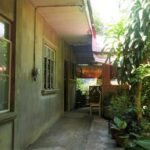
The stories behind Filipino family recipes
Isi says she learned to cook by watching her grandmother, or Nanay, prepare fresh lunches and dinners while she was growing up. That detail gives the lesson a strong family connection.
You are not only learning what to put in a pot. You are hearing how food moves through generations and how home cooking changes from one region or family to another. Isi also has a deep interest in regional cooking styles, so the conversation can go beyond the dishes on your plate.
I like this part because Filipino food is often misunderstood outside the Philippines. Many people know adobo, but Filipino cooking includes much more than one familiar dish. Sour citrus, coconut milk, grilled food, fresh chilies, seafood, pork, beef, and vegetable dishes all appear in the possible menu.
The private format helps here. In a large class, explanations must be delivered to the whole room and the questions tend to stay general. With only your group taking part, you can ask about a particular ingredient, compare Filipino flavors with food from home, or return to a technique you did not understand.
The strongest praise for this experience centers on Isi herself. She is described as inviting, creative, and generous with her teaching. One participant valued her discussion of Filipino history and cuisine, while another felt she could have listened to Isi talk about regional cooking all day. That is a good sign for anyone who values conversation as much as the recipe.
Sitting down to the meal you helped create
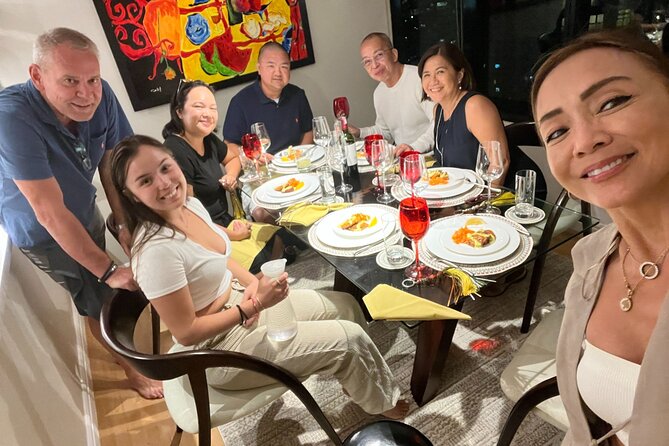
After the preparation, you sit down for lunch or dinner in the home. Beer is included, along with the food, taxes, fees, and gratuity.
Eating at the end is more than a convenient finish. It lets you taste the effect of the choices you made during the lesson. A salad dressing, coconut stew, grilled pork dish, or calamansi dessert becomes easier to remember when you prepared at least part of it yourself.
The meal also gives you time to keep talking. You can ask for advice on repeating the recipes, discuss the ingredients you noticed in the garden, or learn more about Isi’s chili products. The stated aim is to leave with recipes and a new friend, and the structure supports that goal.
The trade-off is that the meal takes place in a private home, so it will not feel like a restaurant with a formal dining room or extensive service. If you want a polished evening out, choose a restaurant. If you want a personal meal tied to a family kitchen, this is the better fit.
Is $90 per person a fair value?
At $90 per person, this is a premium food activity for Manila. You are not paying only for ingredients. The cost includes a private three-hour visit, personal instruction, access to a chef’s home, a garden introduction, lunch or dinner, beer, taxes, fees, and gratuity.
The value improves if you take part actively and ask questions. A hands-on lesson with one-on-one attention gives you more than a meal, and you leave with recipes you can use later. The price is harder to justify if you only want a quick lunch or if you are mainly interested in eating rather than cooking.
The private format also matters for couples, families, and small groups. Group discounts are available, although the exact reduction is not specified. If you are traveling with several people, check the final price before booking rather than assuming a particular discount.
The high rating, 4.9 out of 5 from 28 ratings, and 100 percent recommendation record suggest consistent satisfaction. Those figures do not remove the price concern, but they support the idea that the personal hosting and food quality are the main reasons to consider it.
Who will enjoy this most?
I would choose this for you if food is one of the main ways you understand a place. It suits curious eaters, home cooks, couples, families, and small private groups who want conversation rather than a large organized class.
It is also a good choice if you have limited time in Manila but want more than a restaurant meal. Three hours gives you a focused introduction to Filipino ingredients and food traditions.
Vegetarians can take part if they notify the host when booking. People with other dietary requirements should do the same. The menu can include meat, seafood, coconut milk, fish sauce, and chilies, so clear communication matters.
You may want to skip it if you expect professional-level culinary instruction, hotel pickup, a guaranteed fixed menu, or a formal cooking school setting. It is also less suitable if your schedule cannot accommodate a 10:00 a.m. start in Taguig.
The activity allows service animals, and confirmation is sent within 48 hours, subject to availability. Free cancellation is available up to 24 hours before the local start time. If you cancel later or make changes within that period, the payment is not refunded.
Should you book Isi’s home cooking visit?
Book it if you want a personal introduction to Filipino food, enjoy talking with local cooks, and are happy to trade restaurant polish for a real home setting. The garden ingredients, adaptable lesson, family recipes, and shared meal make the three hours feel connected from start to finish.
I would be especially keen to book if you choose the hands-on option and have time to ask Isi about regional food, chilies, and the cooking she learned from Nanay. If you only want a cheap meal or formal chef training, spend your money elsewhere.
For the right person, this is a generous, food-centered look at Manila culture, with useful recipes to carry home and a meal you helped make yourself.
FAQ
Where does the cooking class start?
The experience starts in Taguig, Metro Manila, Philippines.
What time does the experience begin?
The stated start time is 10:00 a.m.
How long does the cooking class last?
The experience lasts approximately three hours.
Is hotel pickup included?
No. Hotel pickup and drop-off are not included, so you must arrange your own transportation to and from the meeting point.
Can I choose between cooking and watching?
Yes. You can choose a hands-on lesson or a cooking demonstration. Tell Isi your preference.
Is a vegetarian menu available?
Yes. A vegetarian option is available, but you must request it when booking. You should also provide details of any other dietary requirements.
What is the cancellation policy?
You can cancel for a full refund up to 24 hours before the experience start time. Cancellations or changes made less than 24 hours before the start are not accepted, and the amount paid will not be refunded.