Private Filipino Cooking Class in the Heart of Manila,Makati City
Filipino food makes a fine Manila souvenir. In Cinty’s Makati home kitchen, you learn two dishes from scratch, hear the stories behind local ingredients, and finish with the meal you helped prepare. The private format keeps the class personal, not factory-like.
I especially like the market tour option, which adds a visit to Guadalupe public market, and Cinty’s ability to shape the menu around your cooking interests and dietary needs. The main consideration is the $110 price per person, which is fair for a private class with food and drinks, but more than a basic group cooking lesson.
In This Review
- Key points at a glance
- Why this Makati cooking class feels personal
- Meeting Cinty at Rockwell Center
- Adding Guadalupe public market to the experience
- Learning two dishes from scratch
- Filipino flavors with family and nutrition in the mix
- Sitting down to the meal you helped make
- Is $110 per person a good value?
- Who will enjoy this class most?
- Booking details worth knowing
- Should you book the Makati Filipino cooking class?
- FAQ
- Where does the Filipino cooking class meet?
- How long does the cooking experience last?
- What dishes will I learn to make?
- Can the class accommodate dietary restrictions?
- Is the Guadalupe market visit included?
- What is included in the $110 price?
Key points at a glance
- Cook in Cinty’s spacious Makati home kitchen, with recipes drawn from her mother’s cooking and her nutrition training.
- Choose a Guadalupe public market visit before class to see local meat, seafood, produce, and dry goods, then shop with Cinty at her preferred stalls.
- Prepare two Filipino dishes from scratch, usually an appetizer and main dish, or a main dish and dessert.
- Expect useful food context, including ingredient background, cooking methods, and healthier ways to adapt classic dishes.
- Dietary needs are welcome, with vegetarian, vegan, lactose-free, and gluten-free menus available when arranged in advance.
- Plan on about three hours, ending with a home-cooked meal served with local beer or wine.
Why this Makati cooking class feels personal
A cooking class in a private home gives you something a restaurant cannot: access to the host’s own food habits. Cinty combines recipes from her mother’s kitchen with ideas from her work as a certified nutritionist and wellness chef. That mix makes the class about more than following a recipe card.
You can expect to talk about Filipino ingredients and basic cooking methods as you work. Cinty first gets a sense of your cooking experience and interests, then adjusts the planned menu to suit you. That personal adjustment is one of the strongest reasons to choose this experience instead of a larger class with a fixed menu.
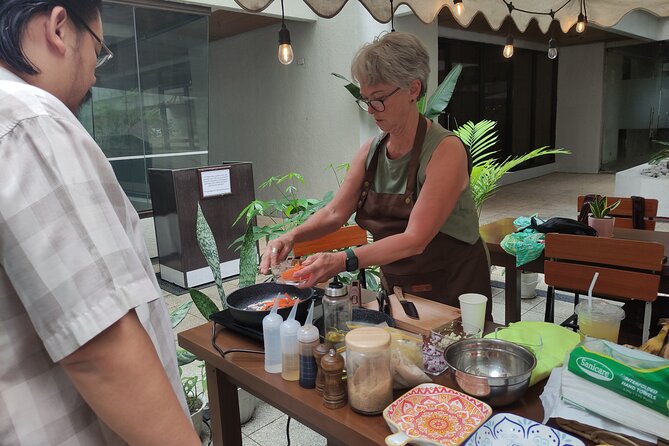
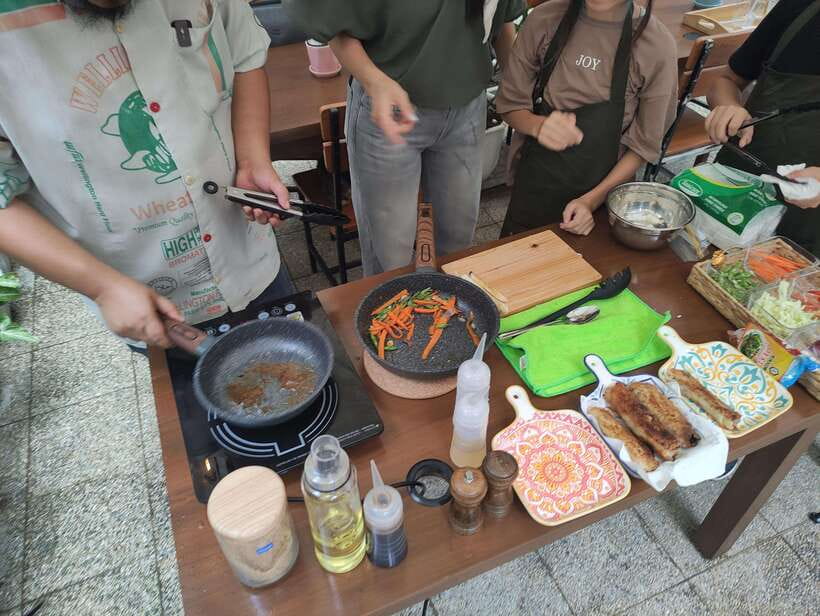
The home setting also brings Filipino hospitality into the lesson. You are not simply watching a chef prepare lunch. You take part in the chopping, mixing, seasoning, and cooking, then sit down together to eat the finished dishes.
The class lasts about three hours, which gives enough time for instruction and a relaxed meal without taking up your entire day in Manila. It is a good fit if you want one focused food experience in Makati rather than a full-day sightseeing program.
You can also read our reviews of more private tours in Luzon
Meeting Cinty at Rockwell Center
The meeting point is outside Wildflour Restaurant at Rockwell Center, on the ground floor at 8 Rockwell Center, Plaza Drive, Makati City. This gives you a clear public place to meet before heading to Cinty’s home.
Hotel pickup and drop-off are not included, so you need to make your own way to the meeting point. The location is near public transportation, and the activity ends back at the meeting point. Allow a little extra time to find the restaurant and arrive ready to start, particularly if you are unfamiliar with Makati’s large commercial complexes.
From there, the activity moves into Cinty’s spacious home kitchen. The change from a public meeting point to a private home is part of the appeal, but it also means you should pay attention to the meeting instructions you receive after booking.
Adding Guadalupe public market to the experience
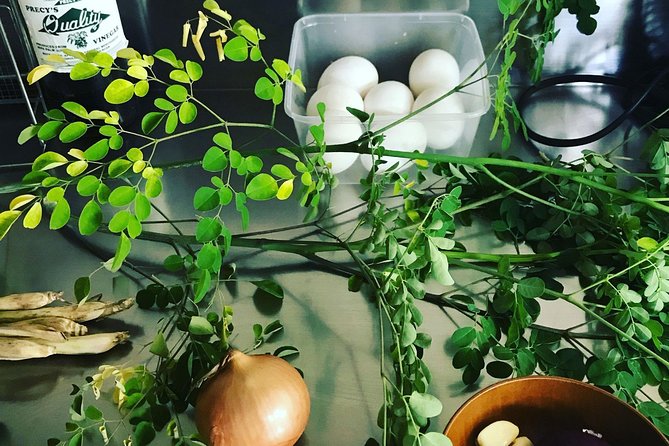
If you select the market tour option, Cinty drives you about seven minutes to Guadalupe public market. It is one of the largest wet markets in Makati, with stalls selling fresh meat, seafood, vegetables, and fruit. The market visit gives you a look at the ingredients before they are cleaned, cooked, and arranged on a plate.
This is the option I would choose. A cooking class can sometimes feel detached from the place where its ingredients are bought. At Guadalupe, you see the shopping side of Filipino home cooking and learn how a local host chooses produce and other supplies.
Cinty takes you to her favorite sellers to buy the ingredients for class. That detail matters. You are not just wandering through a market and taking photographs. The visit connects directly to the meal you will cook later.
The market is also likely to be an intense sensory stop, with raw seafood, meat counters, produce stalls, and the close, practical feel of a working food market. If you prefer polished food halls, the wet market may feel rough around the edges. That is precisely why it offers useful context, but it may not suit someone who wants a quiet or highly sanitized sightseeing stop.
The market tour is an added choice rather than a required part of the basic class. If your schedule is tight, you can skip it and focus on the home lesson. If you want to understand Filipino ingredients and shopping habits, the extra stop gives the experience more substance.
Learning two dishes from scratch
The central lesson covers two dishes. Depending on the menu, you may prepare an appetizer and a main dish, or a main dish and a dessert. The exact menu can change with the season, so you should not book expecting one guaranteed pair of recipes.
Classic possibilities include adobo, a braised meat or vegetable dish, and sinigang, a sour soup made with tamarind. These dishes offer a useful introduction to two very different Filipino cooking ideas: slow braising with savory seasoning, and a bright, sour broth built around tamarind.
The lesson is hands-on. You do not simply sit at a counter while Cinty works. You help prepare the dishes and learn the steps needed to repeat them at home. For me, that makes the class more valuable than a demonstration, especially if you want practical cooking skills rather than just a pleasant meal.
Cinty also offers vegetarian and vegan adaptations. A plant-based version of a classic dish can show you how Filipino flavors work beyond meat and seafood. Lactose-free and gluten-free menus are available as well, but you must share allergies, restrictions, or cooking preferences at the time of booking.
The nutrition background adds another useful layer. The aim is not to turn Filipino food into bland diet food. Instead, Cinty can explain how ingredients and preparation affect the meal, then show ways to make familiar dishes fit different eating patterns.
Filipino flavors with family and nutrition in the mix
Filipino cooking draws on many kinds of flavor, and this class gives you a chance to examine those combinations while you work. The specific dishes vary, but the lesson focuses on ingredients, techniques, and the reasons behind the food.
Cinty’s recipes come from her mother’s kitchen as well as her nutrition certification classes. That combination gives the experience both a family connection and a practical health angle. You get the comfort of traditional home cooking without being limited to one rigid version of a recipe.
I like this balance because Filipino food is often best understood through adaptation. A household recipe changes with available ingredients, personal taste, budget, and dietary needs. A private class can explain those adjustments in a way a standard restaurant menu cannot.
Expect Cinty to provide background on the ingredients and the food itself as you cook. The strongest praise for the class focuses on her explanations, not just the meal. You should come with questions, especially if you want to know how to replace an ingredient or recreate the dish outside the Philippines.
You can also read our reviews of more cooking classes in Luzon
Sitting down to the meal you helped make
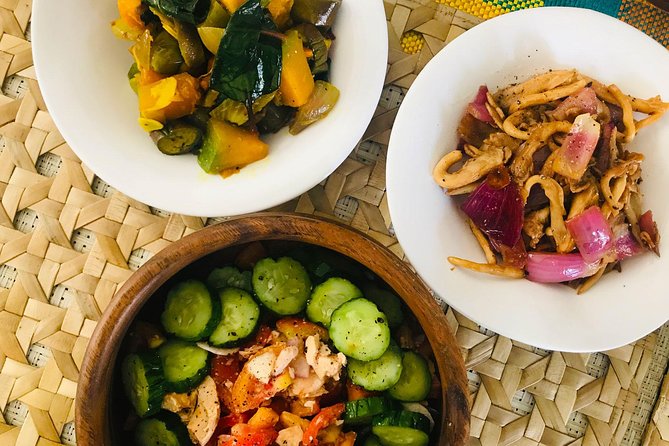
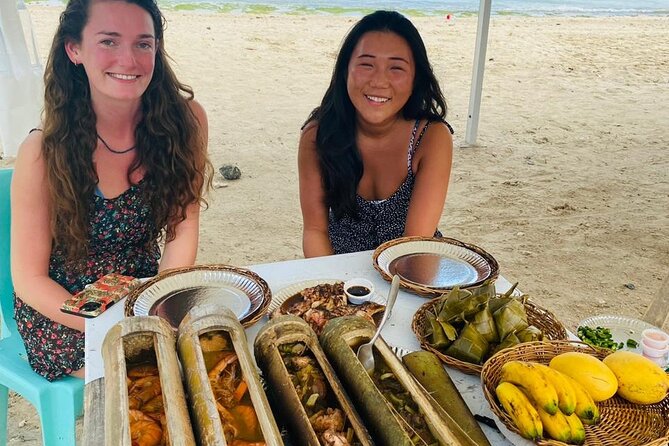
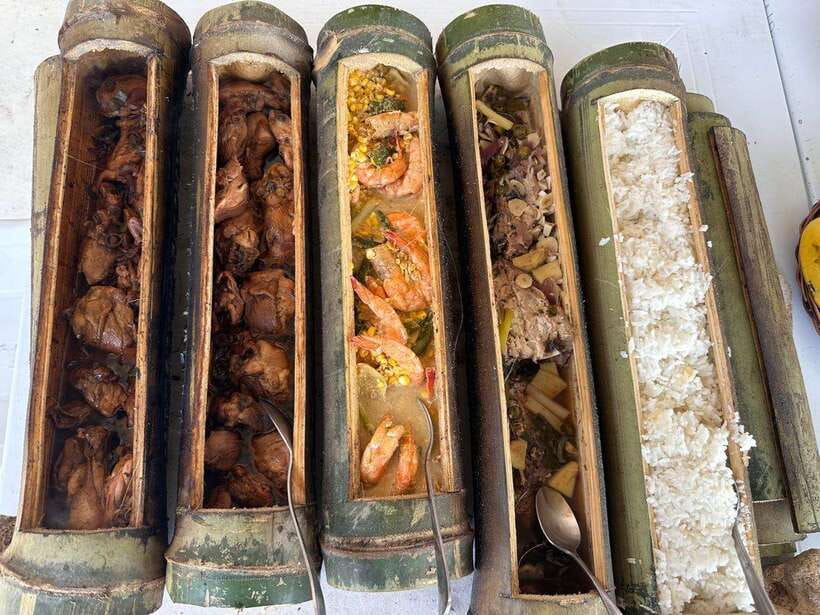
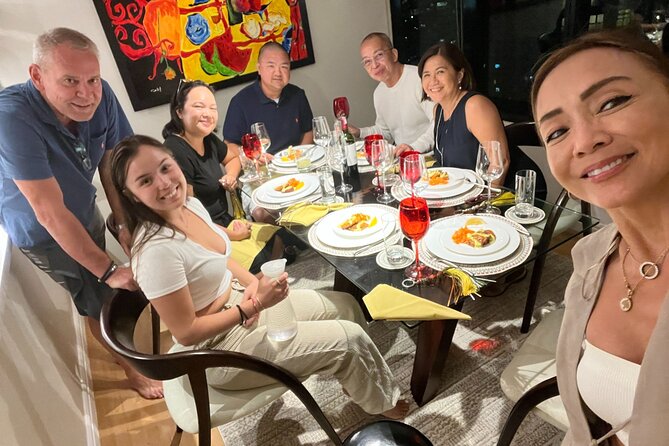
After the cooking, you sit down for a traditional home-cooked meal. The food is not an afterthought. It is the payoff for the work you have just done, and eating it in Cinty’s home gives the class a social finish.
Local beer or wine is included. Alcohol is part of the stated offering, so mention any preference or concern when you book. The experience is designed around lunch or dinner, depending on the scheduled time.
A home meal also lets you judge the recipes in their proper setting. You taste the dishes together rather than carrying a container away or rushing to the next attraction. That slower finish is especially welcome after the market visit and cooking session.
One useful point from the strongest feedback is that the food was viewed as healthier than many restaurant meals in Manila. That is not a promise that every dish will be light or low-calorie. It reflects Cinty’s nutrition focus and the fact that you control much of the preparation yourself.
Is $110 per person a good value?
At $110 per person, this is not the cheapest way to eat Filipino food in Manila. You can find a less expensive meal at a restaurant, and a group class may cost less per person. The comparison is not quite fair, though, because this price covers a private experience rather than a simple meal.
Your fee includes Cinty’s instruction, the ingredients, the home-cooked lunch or dinner, alcoholic beverages, taxes, handling charges, and gratuities. If you select the market option, it also includes a guided visit to Guadalupe public market.
The private format is the key value. Your group does not share the class with strangers, and the menu can be adjusted to your cooking level and dietary needs. That makes the price easier to justify for couples, families, or a small group that wants direct attention.
It is also a good choice for people who care about food sourcing and preparation. You can see where ingredients are bought, learn how they are used, and discuss substitutions with the chef. If you only want to sample Filipino dishes, spend your money at restaurants instead.
Group discounts may be available, so larger private parties should check the current rate before booking. Since the experience is often reserved about 40 days ahead, popular dates may require planning, particularly for a trip with fixed sightseeing days.
Who will enjoy this class most?
I would recommend this experience to several kinds of visitors:
- Food-focused visitors who want to understand Filipino cooking instead of only ordering it.
- Couples and families who prefer a private lesson and shared meal.
- Vegetarian and vegan diners who want Filipino dishes adapted to their needs.
- Home cooks who value ingredient explanations and recipes they can make again.
- Visitors staying in Makati who want a three-hour activity close to the city’s main commercial area.
- Anyone curious about local food shopping, especially if they choose the Guadalupe market visit.
It may be less suitable if you dislike home-based activities, wet markets, or hands-on cooking. It also may not work well for a very tight schedule, since the class takes about three hours and the optional market visit adds another stop.
If your group includes anyone with allergies, tell Cinty when booking. The class can accommodate several dietary patterns, but advance notice is important. Menu choices can also vary by season, so stay open to learning from the ingredients available at the time.
Booking details worth knowing
Confirmation is sent within 48 hours of booking, subject to availability. The experience offers mobile tickets, which is convenient for a day of sightseeing when you do not want to carry printed paperwork.
Free cancellation is available if you cancel at least 24 hours before the local start time. Cancellations made inside that window are not refunded, and changes are not accepted less than 24 hours before the start.
The class is private, and only your group participates. That is worth confirming when you compare it with other Manila cooking activities, since a private setting is a major part of what you are paying for.
The experience is operated by Traveling Spoon. Your main contact for the actual cooking and hospitality is Cinty.
Should you book the Makati Filipino cooking class?
Book it if you want a personal food experience with real participation, not just a tasting menu. The best version includes the Guadalupe market visit, followed by Cinty’s explanations, two hands-on dishes, and a meal in her home.
The $110 cost makes the most sense for a private group that values instruction, dietary flexibility, local shopping, and a relaxed meal. It is harder to justify if your main goal is simply to eat cheaply or fit in a short activity between major sights.
For most food-minded visitors, I would choose the market option, arrive with an appetite, and tell Cinty in advance what you want to learn. That preparation lets the class become more than a pleasant lunch. It becomes a practical introduction to Filipino home cooking that you can carry beyond Manila.
FAQ
Where does the Filipino cooking class meet?
The meeting point is Wildflour Restaurant at Rockwell Center, Ground Floor, 8 Rockwell Center, Plaza Drive, Makati City, Metro Manila. The activity ends back at the meeting point.
How long does the cooking experience last?
The class lasts approximately three hours. The optional Guadalupe public market visit is included when you choose that option.
What dishes will I learn to make?
You will learn two dishes from scratch. The format may be an appetizer and main dish, or a main dish and dessert. Menu choices can change with the season, and examples include adobo and sinigang.
Can the class accommodate dietary restrictions?
Yes. Vegetarian, vegan, lactose-free, and gluten-free options are available. You should provide details about allergies, dietary restrictions, or cooking preferences when booking.
Is the Guadalupe market visit included?
The guided Guadalupe public market visit is included only if you choose the market tour option. The market is about a seven-minute drive from Cinty’s home and sells meat, seafood, vegetables, fruit, and other ingredients.
What is included in the $110 price?
The price includes the private cooking class with Cinty, the home-cooked meal, taxes, fees, handling charges, gratuities, and alcoholic beverages. Hotel pickup and drop-off are not included.