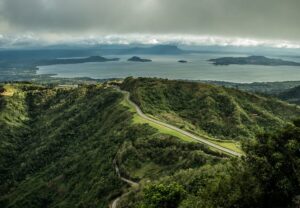
Three different days, one Manila base. Day one I’m 90 minutes south, eating bulalo on a ridge with the smallest active volcano in the world floating in a lake at my feet. Day two I’m 90 minutes north, doing nothing but eating sisig at the place where it was invented, then waddling between three more Pampanga restaurants until I can’t move. Day three I’m in the middle of Manila Bay on Corregidor Island, walking through the bombed shell of barracks that were headquarters for the entire Pacific in 1942. The drives are nothing special. The destinations are not the same country.
That’s the secret most Manila guides bury under a 30-item list. Every direction out of the city goes somewhere completely different. South is volcano weather and food with a view. North is colonial food culture and Spanish-friar cuisine. West is WWII archaeology and dive boats. East is waterfalls and rivers. You don’t pick a day trip from Manila by looking at distance. You pick by mood.
This article contains affiliate links. If you book through them I may earn a small commission at no extra cost to you. The opinions are mine.
In This Article
- The Day Trip Triage
- Tagaytay: The Volcano View
- Pampanga: The Food Day
- Corregidor: The Battlefield
- Anilao: The Diving Day
- Subic Bay: The Family-Friendly Misfit
- Las Casas Filipinas de Acuzar: The Open-Air Museum
- Pagsanjan Falls: The Banca Ride
- Hidden Valley Springs: The Resort Day
- Villa Escudero: The Plantation Show
- Mount Pinatubo: The Crater Lake Hike
- Day Trips That Aren’t Worth It
- Logistics: Doing It Yourself vs Booking a Tour
- What If You Have Two Days, Not One?
- Frequently Asked Questions
- How early do I need to leave Manila for a day trip?
- Can I do two day trips in one day?
- Are these day trips safe for solo travelers?
- What’s the best day trip for someone on a tight budget?
- Which day trip is best for kids?
- Do I need to pre-book day trips?
- What about typhoon season?
- Wrap and What’s Next
The Day Trip Triage
Here’s how I match a destination to a person on the phone the night before. Most guides just dump a list and let you sort it out. That’s lazy. The right answer depends on what you actually want from the day.
You want food and only food: Pampanga. Don’t argue. Sisig was invented there, and the lechon is better than Cebu’s no matter what people from Cebu tell you. Skip everything else and eat through five stops between Angeles City and San Fernando.
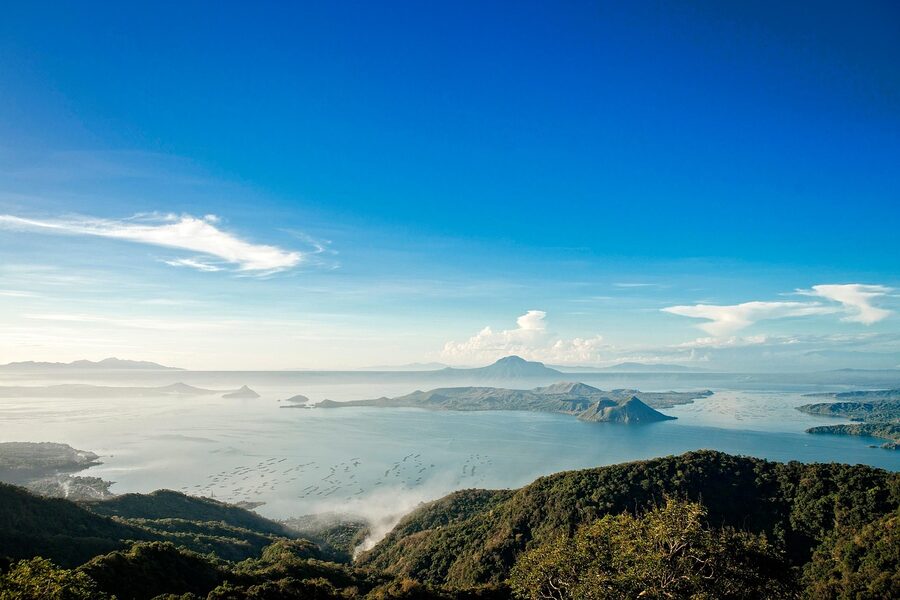
You want a view, a coffee, and to be cold for one day: Tagaytay. It’s at 600 metres so it’s actually cooler than Manila. Bulalo and Taal Lake on a clear morning is the most photographed scene in the country for a reason.
You want history that hits hard: Corregidor. It’s a half-day at minimum and a real one, not a museum reenactment. The tunnels and the ruined cinema are still there.
You want to be in the water: Anilao for diving, Subic Bay’s Camayan or Anvaya beach side for a real beach, or one of the Laguna hot springs if you want resort-pool energy.
You want a cultural set piece with a buffet at the end: Villa Escudero (eat at the dam waterfall) or Las Casas Filipinas (eat in the plaza, surrounded by transplanted Spanish-era houses).
You want adventure and bragging rights: Mount Pinatubo’s crater lake. It’s a 5am leave from Manila, four hours of driving and a 4WD jeepney ride, but the lake at the top is one of the most surreal landscapes in Southeast Asia.
The rest of this guide goes through each of those in order of how often I actually do them. Not in the order Klook lists them. There’s also a section at the end on the day trips that aren’t worth it, plus the destinations everyone mentions that you can’t actually do as a day trip no matter what the bus company says.
Tagaytay: The Volcano View
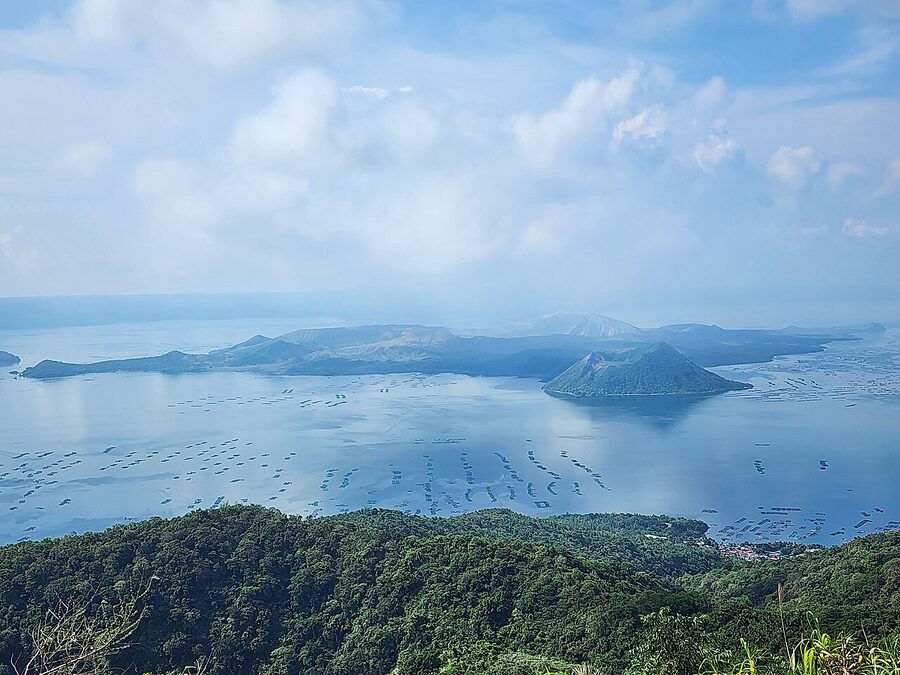
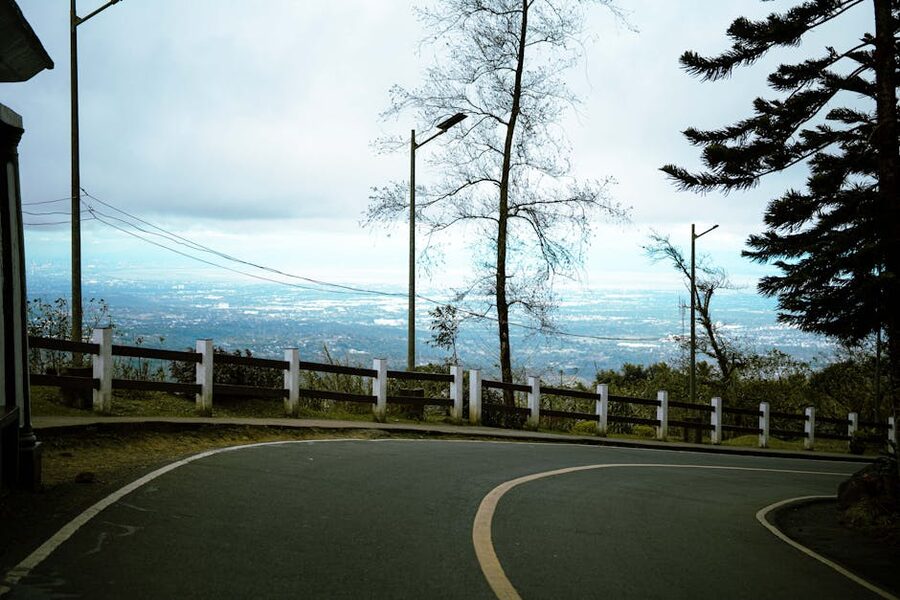
Tagaytay is the easy answer. Two hours south of Makati on a good day, three on a bad one, and you’re at 600 metres looking down at Taal Lake with a 311-metre volcano poking out of the middle of it. The water you see around the volcano is itself sitting inside the caldera of an older, much bigger volcano. Lake within volcano within lake. It’s a geological joke that happens to be photogenic.
The full guide for what to actually do in Tagaytay lives at our Tagaytay travel guide, which goes deeper on viewpoints, restaurants, and the ridge-side coffee shops. Here’s the day-trip-only version.
What you do is eat bulalo (beef bone-marrow soup) at one of the famous places. Leslie’s, Diner’s, and the Mahogany Market stalls are the three names every local will give you. Mahogany is the most authentic and easily the cheapest, around ₱350 (~$6) for a bowl that feeds two. Leslie’s is touristy but has the better view. Diner’s is the local pick. You add patis, calamansi, and chili and you eat like it’s your first cold day in months.
For the volcano view itself, skip People’s Park in the Sky. It’s the unfinished mansion they built for a state visit Reagan never made, and the view is mostly obscured by a fence. The actual viewpoints are the cafe terraces along Aguinaldo Highway, the deck at Bag o’Beans, the Starbucks Hiraya overlook, and the Sky Ranch ferris wheel. ₱300-500 (~$5-9) gets you a coffee with the view at most spots. The Sky Ranch ferris wheel is ₱200 and gets you 60 metres higher than anywhere else for a clean shot of the lake.
The Taal Volcano boat trip is currently restricted. Phivolcs (the Philippine Institute of Volcanology and Seismology) raises and lowers the alert level a few times a year, and when it’s at level 2 or above the lake is closed. Check phivolcs.dost.gov.ph the night before you go. When the lake is open, expect to pay ₱2,000 (~$35) for a banca round-trip and another ₱1,500 if you also want to hike to the crater. The view from the ridge is better than the view from the volcano itself.
Transport. Private car with driver runs ₱2,500-3,500 (~$45-65) for the round trip. P2P bus from PITX or Buendia is ₱130-180 (~$3) and takes about 2 hours each way without traffic. The bus is genuinely fine, you just lose the option to hop between viewpoints. Add 1-2 hours each way for traffic. Leave Manila before 6am to beat it, and leave Tagaytay before 4pm or you’ll sit on EDSA until 8pm.
Best time. Clear mornings between November and February. The volcano disappears into haze by mid-morning during dry season and behind clouds by 2pm during wet season. Aim for arrival between 8 and 10am.
What not to expect. A peaceful mountain hideaway. Tagaytay on weekends is bumper-to-bumper Manila traffic, just transplanted to a ridge. Go midweek if you can.
Pampanga: The Food Day

If I had to pick one Filipino province for food, I would not say Cebu. I would say Pampanga, and most Filipinos who care about cooking would agree with me without much pushback. Kapampangan cuisine is what happens when a province spends three centuries cooking for Spanish friars and ends up with the most refined version of every Filipino dish. The full Pampanga food trip is at our Pampanga food trip guide with the day-by-stop itinerary. Here’s why it’s worth a whole day.
Sisig is the main attraction and the right way to start. The dish was invented at Aling Lucing’s in Angeles City in the 1970s. She took pig’s-head parts that were being thrown away from Clark Air Base and turned them into the chopped, citrus-laced, sizzling-plate dish that’s now everywhere. The original is still being served along the railroad tracks where she set up her stall. It’s nothing fancy. The ear is crunchy, the cheek is fatty, the chicken liver is rich, and the calamansi cuts through everything. ₱180-250 (~$3-5) for a plate that two people can fight over.
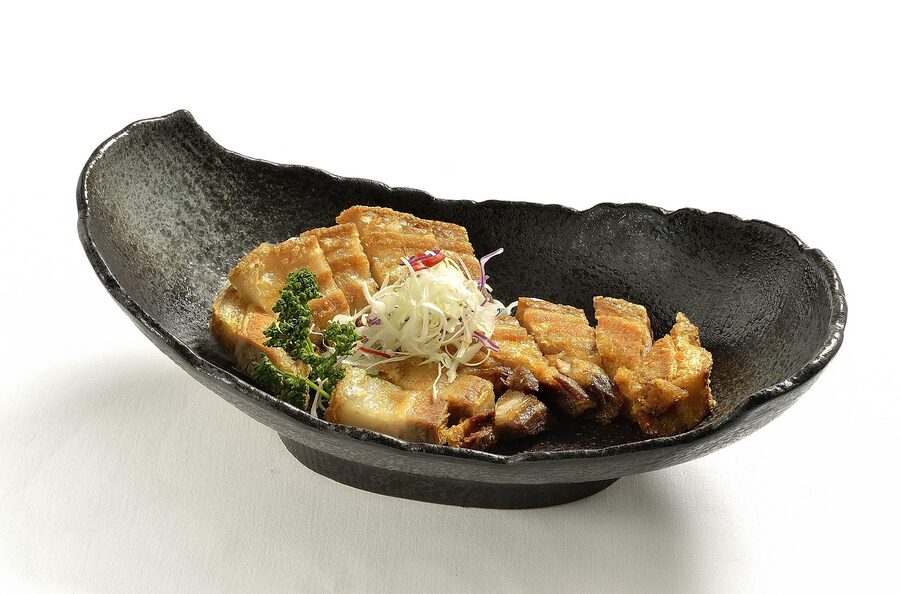
From there it’s lechon, which Pampanga does Spanish-style with stuffed herbs in the cavity rather than the Cebu salt-and-fire approach. Bistro Apag Marangle in Bacolor is the place I send people. There’s also Atching Lillian Borromeo’s heritage cooking class in Mexico, Pampanga, where she’ll teach you to make tibok-tibok (a carabao-milk pudding) and sansrival (the cashew-meringue cake from Pampanga, not the Filipino cake you’ve eaten elsewhere). Book ahead. She’s run the class for 20 years and it sells out two months in advance during peak season.
For dessert, Razon’s of Guagua. Just halo-halo. The original Pampanga halo-halo is three ingredients (macapuno, sweet leche flan strips, sugar palm) and ice with milk. No purple ube ice cream, no kasoy, no banana, no rainbow nonsense. Just the original. ₱100 a glass. After a day of sisig and lechon it’s the cleanest thing you’ll have eaten all year.
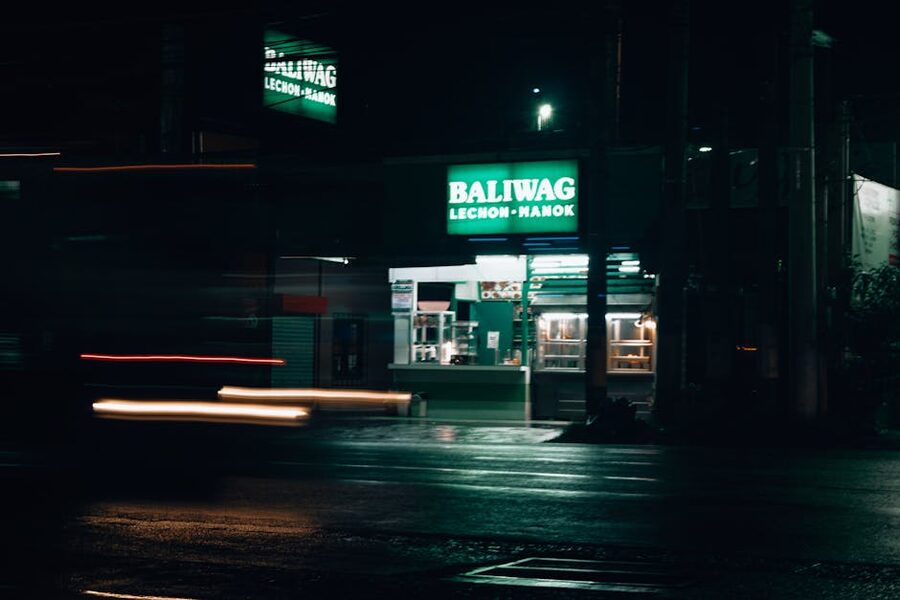
Transport. Private car with driver is the only sane way to do this. ₱3,500-4,500 (~$65-80) for the round trip with three to five food stops. The shared van option is hard because you can’t deviate to specific restaurants. P2P bus to Angeles is ₱200 and takes 90 minutes, and from Angeles you can Grab to Aling Lucing’s for ₱150, but you’re then stuck doing only Angeles-area stops.
Best time. Any day except Monday, when half the heritage restaurants are closed. Leave Manila by 7am, four to five food stops, back in Manila by 8pm.
What not to expect. Anything fancy in the presentation. Kapampangan restaurants take pride in their food, not in the styling. Aling Lucing’s is a roadside shed. Apag Marangle is a converted house. The food is the point.
Corregidor: The Battlefield
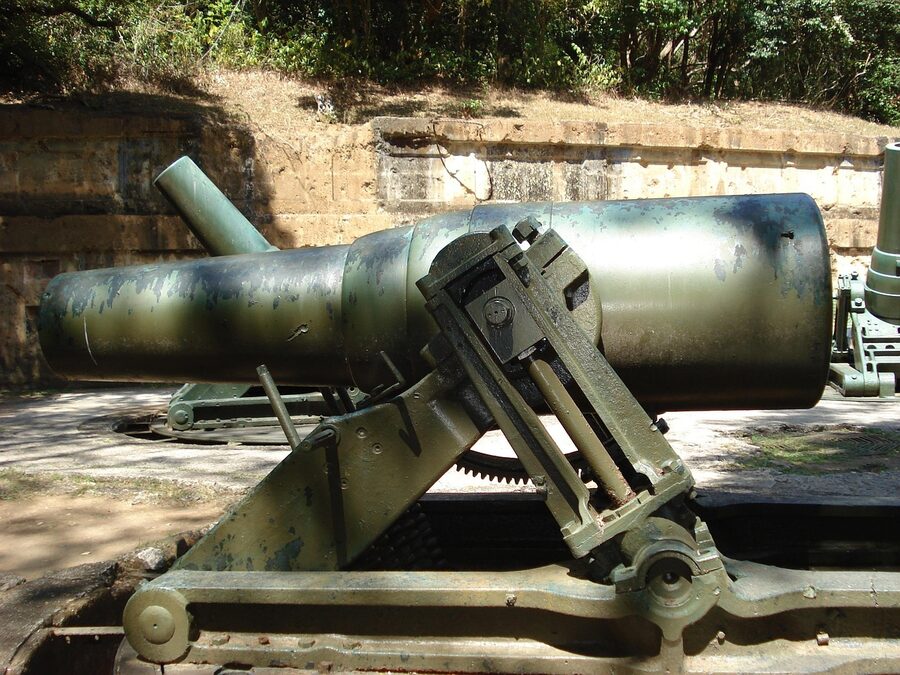
Corregidor is the day trip I send people on when they say “tell me something I won’t read about in a guidebook.” It’s a 4-square-kilometre island in the mouth of Manila Bay that was the most heavily fortified American garrison in the Pacific in 1941. MacArthur’s headquarters during the Battle of the Philippines. The site of the Bataan Death March’s last act. The Japanese held it for the rest of the war and were dug in so hard the Americans had to drop paratroopers on it in February 1945.
What you actually walk through is a partly-restored, partly-still-rubble island with concrete batteries the size of houses, the bombed-out shell of a 2,000-seat cinema, and the Malinta Tunnel system that ran the entire war effort. The tunnel is the centrepiece. It’s a kilometre of bombproof rock with side galleries that were the hospital, the radio centre, the office of the President of the Philippines in exile, and an ammunition magazine. They run a sound-and-light show inside it now, which sounds tacky and is actually well done.
Sun Cruises runs the only practical day-trip ferry from the Esplanade Seaside Terminal in CCP Bay. The current package is around ₱2,800-3,500 (~$50-65) and includes round-trip ferry, lunch at Corregidor Inn, and a guided tour of the island on the open-sided “tranvia” bus. The 8am ferry is the one most people take. You’re back in Manila by 4 or 5pm. There’s a sunset cruise add-on that costs more and isn’t worth it unless you really want to drink San Mig on a slow boat.
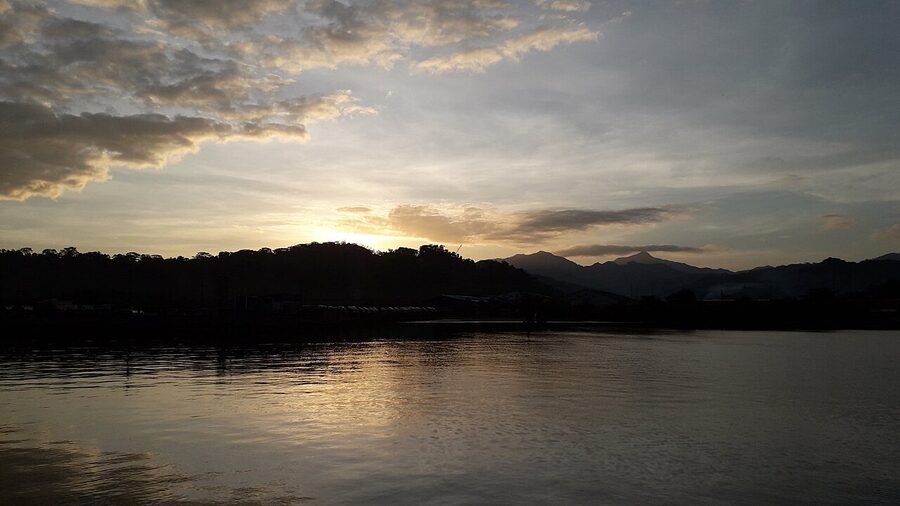
The guide on the tranvia is genuinely the make-or-break of the day. Some of them are brilliant ex-military with stories about specific soldiers; some read off a script. You can’t pick. Ask questions early to figure out which one you got. The old Spanish lighthouse at the top of the island predates the war by a century and is the best photo spot of the day.
Transport. Sun Cruises ferry only. The terminal is at SM Mall of Asia / CCP Esplanade. Take a Grab from your hotel, ₱200-400 from Makati or BGC. Don’t try to drive yourself, parking is a mess.
Best time. Year-round, but the boat doesn’t run during typhoon weather. Confirm by phone the morning of, especially July through October. Cancellations refund in full.
What not to expect. A pristine memorial. Corregidor was bombed flat twice and a lot of the ruins are still ruins. The island is also hot, so bring a hat and water. The “barracks” you see are roofless concrete shells, which is the point. It’s the closest you’ll get to seeing what the Pacific war looked like on the ground.
Anilao: The Diving Day
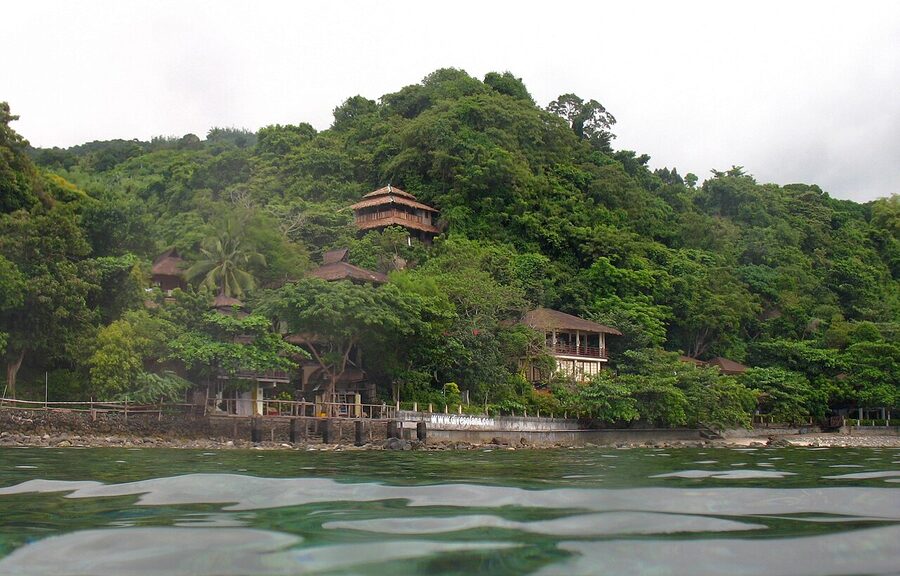
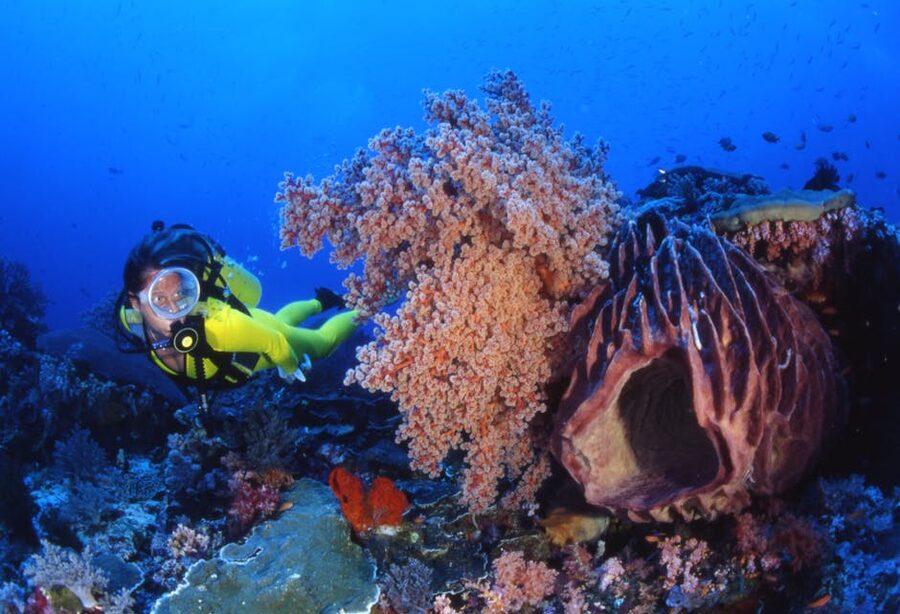
Anilao gets oversold as a day trip and undersold as a destination. The truth is somewhere in the middle. It’s a peninsula on Balayan Bay, three to four hours south of Manila by private car, and it’s one of the world’s top muck-diving sites. Marine biologists and underwater photographers go there for the slugs, frogfish, and pygmy seahorses, not for the topside scenery, which is rocky and unremarkable.
For day-divers, the workable resorts are Aiyanar Beach & Dive Resort, Crystal Blue Resort, and Acuatico Beach Resort. All three accept day visitors, all three rent gear, and all three can put you on a banca and out to a dive site within 30 minutes of arrival. The dive itself is ₱2,500-3,500 (~$45-65) per dive depending on operator and gear, plus the boat fee shared with whoever else is going out. You can do two dives in a day and be back in your Manila hotel by 9pm.
If you don’t dive, Anilao is a stretch as a day trip. The beach is rocky, swimming is mostly off the resort jetties, and the views are of cargo ships in Batangas Bay. Snorkelling is fine but you’re paying for the boat ride to get out to where the visibility is. For a beach day, Laiya in San Juan, Batangas (further but with proper sand) or one of the Subic side beaches is a better call.
Transport. Private car with driver is the only sensible option for divers. ₱3,500-4,500 round trip including waiting time. JAM Liner bus from Buendia goes to Batangas City for ₱200, then a jeepney to Anilao for ₱40, then a tricycle to your specific resort for whatever you can negotiate (usually ₱80-100). The DIY route works for backpackers; for anyone with gear or a tight schedule, the car wins.
Best time. November to May. Visibility drops and waves pick up during typhoon season (June to October). Mid-week is quieter and dive boats are less rushed.
What not to expect. A relaxing beach holiday. Anilao is a working dive destination. The bancas leave early, the sun is brutal, and you’re either underwater or eating between dives. If diving’s not your thing, save this one for a longer trip and stay overnight.
Subic Bay: The Family-Friendly Misfit
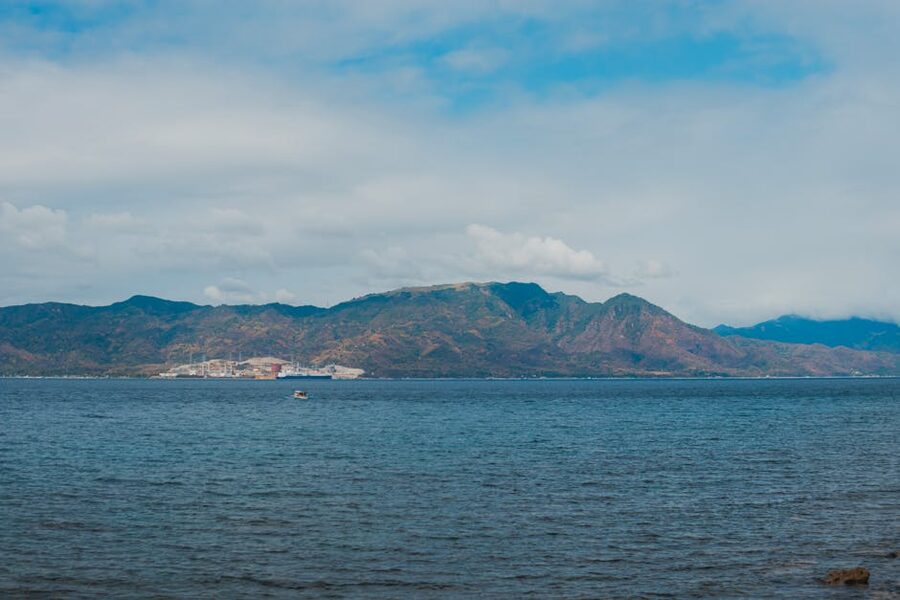
Subic is the day trip that doesn’t really feel Philippine, which is exactly its appeal for some people and the dealbreaker for others. The former US Naval Base at Subic Bay was handed back to the Philippines in 1992 and turned into a freeport zone. What’s there now is an oddly tidy mix of duty-free malls, a deepwater port, leftover American base architecture, and a chunk of jungle that became the Subic Bay Forest Reserve.
For families, the draws are Zoobic Safari and Ocean Adventure. Zoobic is the only place in the country with a tiger encounter (you ride in a caged jeep through their enclosure; sounds Vegas, looks Vegas, the kids will love it). Entry is ₱995 (~$18) per adult. Ocean Adventure is an open-water marine park with sea lion shows, dolphin encounters, and a whale shark interaction tank. ₱1,200 for adults. They’re side by side, and you can do both in a day if you start early.
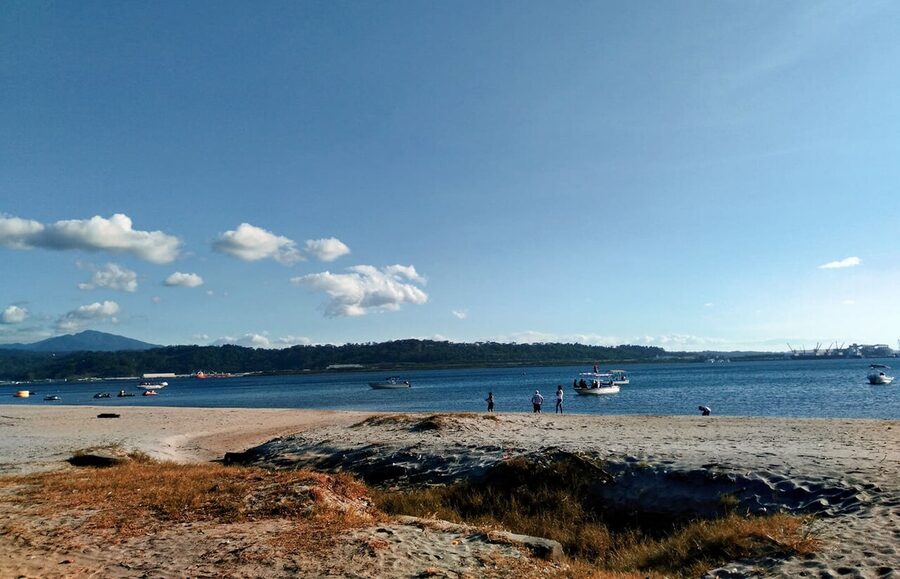
For the rest of us, Subic is mostly a beach day with a side of duty-free shopping. Camayan Beach Resort and Anvaya Cove are the two beach-resort options for day visitors, both around ₱1,500 (~$27) per adult for a day pass with pool and beach access. The Subic Bay Yacht Club lets you in for the day if you eat there. The food is forgettable; the views are nice.
One thing to know: Subic gets confused with Olongapo (the city right next to it, which is much rougher and where Subic’s bar district was during the navy years). The Subic Freeport Zone is squeaky clean and over-policed. Don’t wander into Olongapo proper at night unless you know where you’re going.
Transport. Victory Liner from Cubao or Pasay direct to Subic Bay Freeport (SBMA gate), ₱270 (~$5) and 2.5-3 hours. Private car ₱4,000-5,000 round trip. From the SBMA gate, jeepneys and trikes inside the freeport are cheap and reliable.
Best time. Year-round. The reserve gets muddy in wet season and the beaches are better in dry months (December to May). Avoid public holidays. The duty-free draws Manila weekenders by the busload.
What not to expect. Authentic anything. The whole Freeport is a planned American-style enclave. That’s the point if you came for the kids and the petting zoo. It’s a deal-breaker if you came to feel like you’d left Manila.
Las Casas Filipinas de Acuzar: The Open-Air Museum
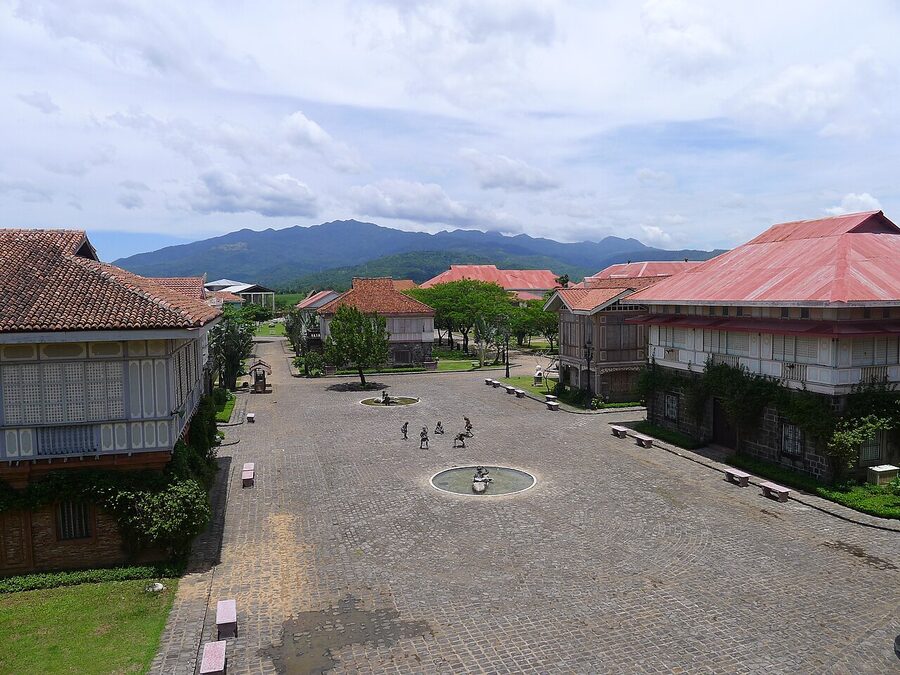
Las Casas Filipinas de Acuzar in Bagac, Bataan is one of those concepts that sounds bizarre on paper and works in person. A real-estate developer named Gerry Acuzar bought up Spanish-era ancestral homes that were rotting across the Philippines, dismantled them, transported the pieces, and reassembled them on a plot of beachfront in Bataan. There are now 27 houses. You walk through them like a Spanish colonial town. There’s a riverboat, a beach, restaurants in the houses, and overnight accommodation if you want to sleep in the period rooms.
The day-visitor option runs about ₱1,500 (~$27) and gets you a guided walking tour of the heritage area, lunch buffet, access to the pools, and a ride on the river-cruise raft. It’s a half-day experience and you’re back in your hotel by evening. The full immersion is to stay overnight in one of the casas and have dinner served by candlelight (atmospheric but pricey, around ₱8,000-15,000 a room).
The drive is the main hesitation. Bagac is 4 hours from Manila with traffic, sometimes 5. That’s most of your day spent in a car for what’s essentially an outdoor museum. If you’re already heading somewhere in Bataan or Subic, layer it in. As a standalone day trip from Manila it’s a long day in the car. The shuttle service from their Manila office is the easier way. It’s around ₱2,500 round trip and runs on weekends.
Transport. Private car ₱5,000-6,500 round trip. Their official shuttle from Makati is ₱2,500 round trip on weekend departure dates. Not commutable by public bus in a day.
Best time. Cooler months (December to February). The houses don’t have AC and Bataan is hot from March through May.
What not to expect. Quiet contemplation. Las Casas books out for weddings most weekends. Weekday visits are quieter and the guides are less rushed.
Pagsanjan Falls: The Banca Ride
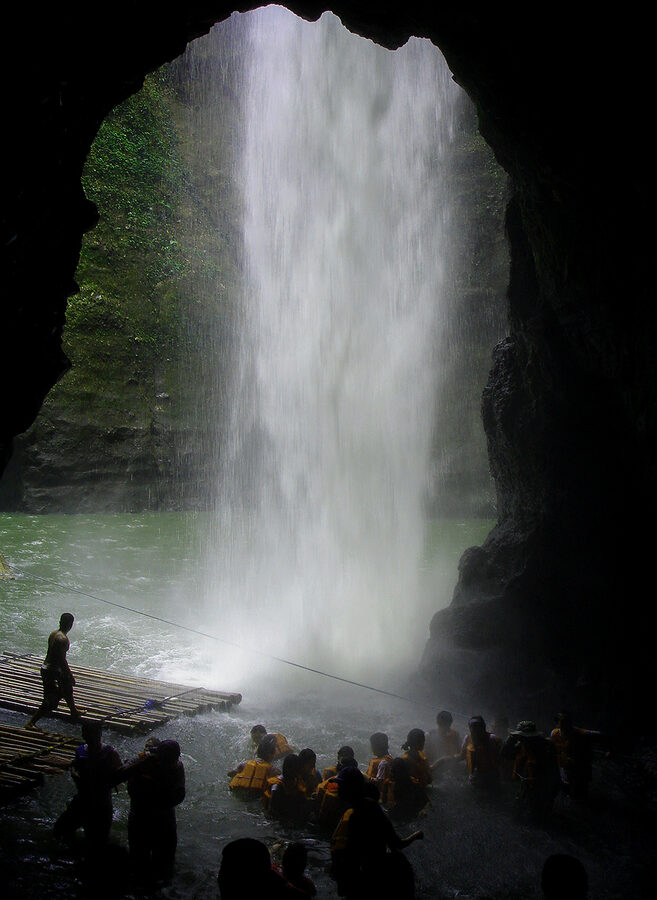
Pagsanjan Falls (officially Cavinti Falls) is a three-tier waterfall in a gorge in Laguna, about 3 hours southeast of Manila. The famous version of visiting is “shooting the rapids”: two boatmen pole and paddle a wooden canoe up the gorge against the current for an hour, you reach the bottom of the falls, you optionally take a small bamboo raft underneath the falling water, and you ride the rapids back down. It’s spectacular and it’s also a workout for the boatmen, which is why the tipping convention is real.
The trip costs around ₱1,500-2,000 (~$27-35) per person, paid to whichever resort you launch from. La Vista Pagsanjan and Willy Flores Lodge are the two most-used. Add ₱400-600 for the bamboo raft under the falls (which they call “shooting the cave”). The boatmen expect a tip of ₱500-1,000 per boat, and they earn it. The water can be cold, the gorge walls are mossy and dripping, and the falls drop straight into a small pool surrounded by basalt cliffs.
The banca trip runs only when water levels are right. After heavy rain it’s too dangerous; in dry season it can be too shallow. Call the resort the morning of. The official Pagsanjan Tourism Office on Facebook posts daily updates during typhoon season.
Transport. Private car ₱4,000-5,000 round trip. JAM Liner bus from Buendia to Santa Cruz, Laguna for ₱200, then jeepney to Pagsanjan for ₱40. The DIY route works but expect 4 hours each way.
Best time. November to April. Typhoon season closes the trip on and off from June to October.
What not to expect. A nature reserve. The launching town is touristy and the boats are constant. The gorge itself, once you’re in it, is one of the prettiest waterway runs in Luzon.
Hidden Valley Springs: The Resort Day
Hidden Valley Springs in Alaminos, Laguna, is the alternative if you want a day at hot springs without the hike. It’s a 110-acre forested resort with natural hot pools, a cold-spring pool, a hidden waterfall in the grounds, and a buffet restaurant. Day pass is around ₱2,500 (~$45) per adult including the buffet, which is generous for the price. The water comes from natural sulfur springs and runs hot in three of the pools and cold in the others.
It’s a well-kept place that doesn’t try to be more than it is. The accommodation is rustic; the buffet is good Filipino comfort food (kare-kare, sinigang, lechon kawali); and the trees are real old-growth dipterocarp, which you don’t see often in the developed Philippines. The hidden waterfall takes a 10-minute walk and is more of a misty drip than a Pagsanjan-style cascade, but you can stand under it.
You can pair it with Pagsanjan if you have a private car and an early start, but most people do one or the other. Hidden Valley is the lower-effort, lower-adrenaline pick. Pagsanjan is more memorable. Hidden Valley is more relaxing.
Transport. Private car ₱4,000-5,000 round trip. About 2.5-3 hours each way. Public transport works but takes 4 hours and requires three changes.
Best time. Cooler months and weekdays. Weekends fill up with families.
What not to expect. Slick spa-resort polish. The pools are concrete, the changing rooms are basic. The atmosphere is more “old jungle resort” than “wellness retreat.”
Villa Escudero: The Plantation Show
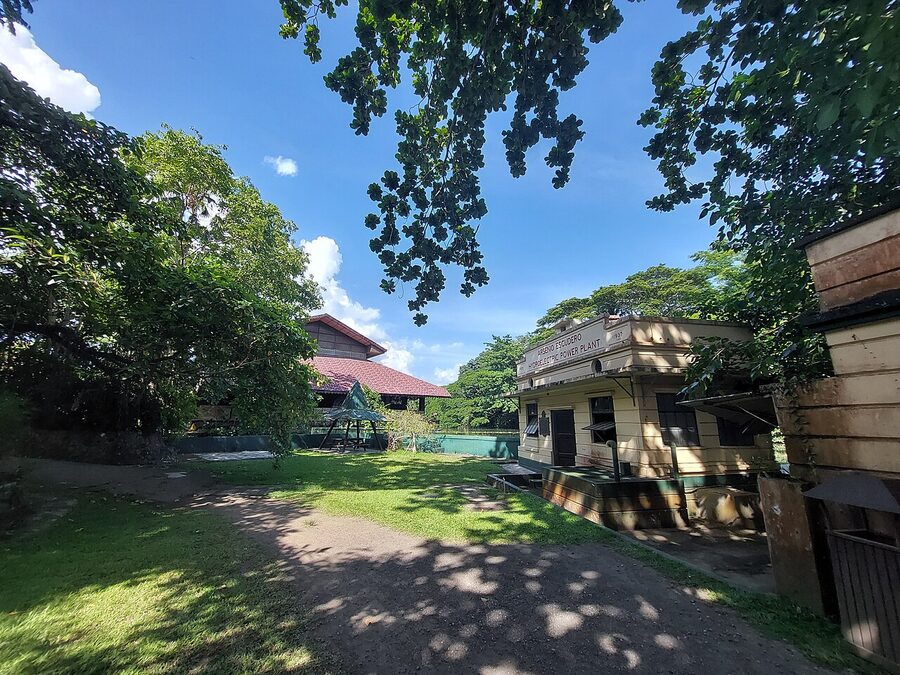
Villa Escudero is a coconut plantation in Tiaong, Quezon (about 3 hours south of Manila), that opened to visitors in the 1980s. The signature experience is lunch at the foot of a small dam, where you sit at long bamboo tables with your feet in the running water while you eat lechon, kare-kare, and adobo from a buffet. Sounds gimmicky. Is genuinely unique.
The day-tour package runs about ₱1,750 (~$31) for adults and includes the cultural dance show, the carabao-cart ride from the entrance to the museum, the buffet at the falls, and access to the lake and the museum. The museum itself is the underrated bit. The Escudero family collected colonial-era art, religious icons, and Filipino artifacts for decades, and the collection is bigger than several actual museums in Manila.
For families with kids who haven’t traveled much in the Philippines, this is the easiest cultural day. For more independent travelers, it can feel produced. The dancing is choreographed, the buffet is set up with tourist groups in mind, and the staff is in costume. If you came for unfiltered Filipino countryside, Pagsanjan or Hidden Valley feels more authentic. If you came to show your parents what the Philippines used to look like, Villa Escudero is purpose-built for exactly that.
Transport. Private car ₱3,500-4,500 round trip. JAC Liner bus from Cubao to Tiaong is ₱220 each way and takes 3 hours. The villa runs a shuttle from their gate to the museum.
Best time. Year-round. The dam restaurant is roofed so it works in light rain. Weekends are very crowded; weekdays are noticeably better.
What not to expect. A spontaneous cultural encounter. Everything at Villa Escudero is staged to a degree most travel writers don’t tell you about. That’s not a crime. It’s just the format.
Mount Pinatubo: The Crater Lake Hike
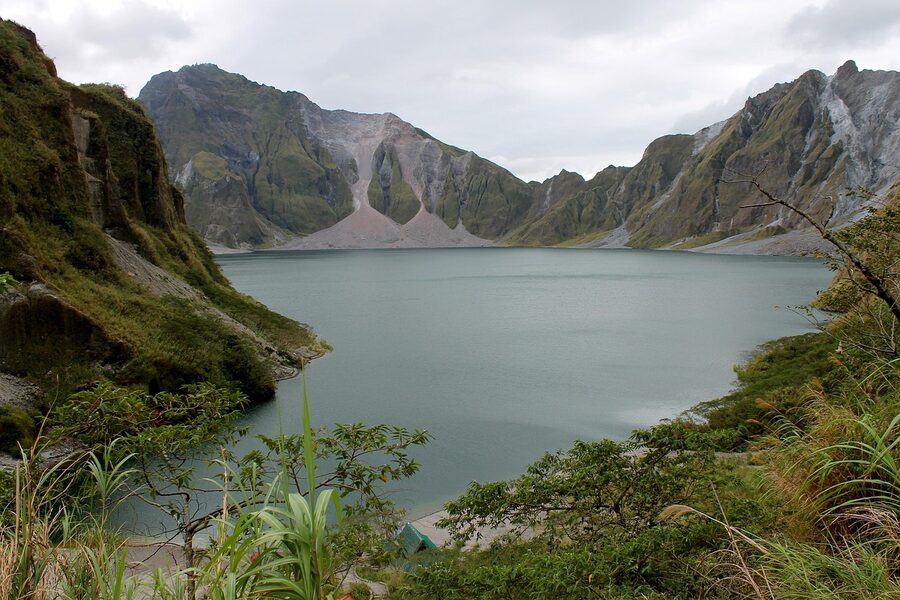
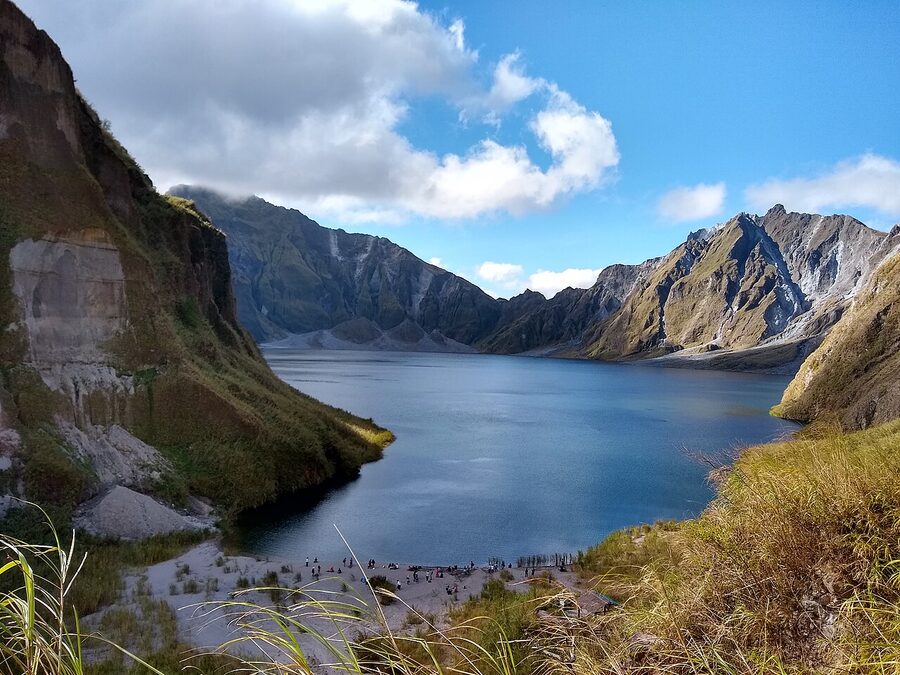
The Mount Pinatubo crater lake hike is the most ambitious day trip on this list. Pinatubo is the volcano in Zambales that erupted in June 1991, the second-largest eruption of the 20th century, the one that ejected so much sulfur it lowered the global average temperature by 0.5°C for two years. The eruption blew 250 metres off the top of the mountain and left a 2.5-kilometre-wide caldera that filled with rainwater. The result is one of the most surreal lakes in the country, sitting at 1,400 metres in the bowl of a still-active volcano.
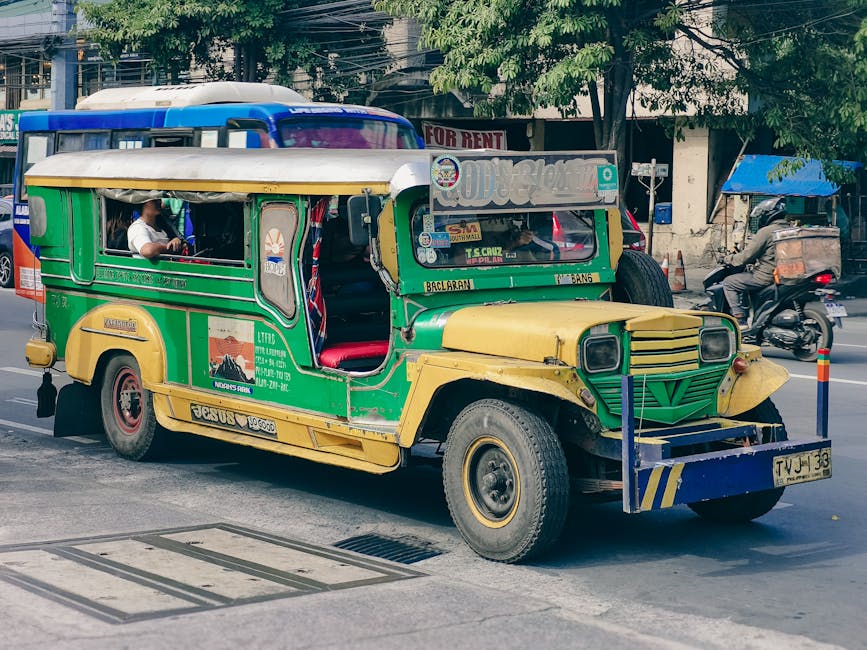
The trip works like this. You leave Manila at 3am to be at Capas, Tarlac by 6am. You meet a 4WD jeepney that takes you about 90 minutes through the lahar canyon (that’s the dried river of volcanic mud the eruption left behind), and the drive is an attraction in itself, like driving through a moonscape. From the jeepney drop-off it’s a 2-hour hike (mostly flat, some scrambling) to the rim, then a final 5 minutes down to the lake. You spend an hour at the lake, hike back, jeepney out, and you’re back in Manila around 9 or 10pm.
Total cost runs ₱3,500-5,000 (~$65-90) per person on a shared tour, which includes the 4WD, guide, packed lunch, environmental fees, and Manila pickup. You can DIY it for cheaper but the road into the trailhead requires a 4WD permit and the volcano requires a registered guide; both are easier to arrange through a tour operator. Klook and the local Tarlac tour outfits are the standard options. You can book a Mount Pinatubo day tour on Klook for the easiest setup.
Swimming in the crater lake is no longer permitted (the water is too acidic and the rangers shut it down years ago). The view is the entire point. On a clear day the water is a deep teal, the caldera walls are striped with ash layers, and you can see steam vents on the far side. On a cloudy day you see white. Aim for dry season.
Transport. Tour operator pickup from Manila is the practical option. Private car to Capas + arranging the 4WD on arrival is doable but adds 2 hours of admin to an already long day.
Best time. December to May for clear visibility and dry trails. The trip is suspended during typhoon weather and at any Phivolcs alert level above 1.
What not to expect. A short day. Door-to-door is 18-20 hours. You’ll be exhausted by the time you’re back. It’s worth it once.
Day Trips That Aren’t Worth It
The list of destinations that get marketed as Manila day trips and shouldn’t be is long. Here are the most common ones I tell people to skip or reframe.
Banaue and Sagada. The rice terraces are 9-10 hours from Manila by overnight bus. There is no way to do them as a day trip. The “Banaue day trip from Manila” listings on tour-operator sites are technically buses that take you up overnight, give you 4 hours at the lookouts, and bus you back overnight. You’ll see the terraces for less time than you spent watching them on the seatback monitor. Make it 3 days minimum if you want to see Banaue and Sagada properly. The Cordillera deserves a real trip.
100 Islands National Park (Pangasinan). 5 hours each way is too far for a day trip when the appeal is island-hopping for the day. People do it as a day trip and they regret giving themselves 3 hours on the water. Stay overnight in Alaminos and get a full day on the islands.
Vigan. Beautiful, but 8-9 hours from Manila. It’s a flight + cab destination, not a day trip.
Boracay. Don’t even think about it. It’s a flight away.
Caramoan. Multi-day boat trip. Don’t try.
Masungi Georeserve. This one I’m conflicted on. It IS doable as a day trip (it’s 90 minutes from Manila) but the booking system is restrictive (₱2,000+ per person, advance booking only, fixed time slots), the trail is 3-4 hours of moderate hiking with safety harnesses, and most people end up rushed. If you do go, don’t try to combine it with anything else that day. Just Masungi.
Tagaytay sky park stuff. The Sky Eye, Sky Ranch, and various canopy walks have layered themselves on top of the actual Tagaytay experience and a lot of guides treat them as the main event. The volcano view is the main event. The theme park stuff is for kids on a school holiday.
Logistics: Doing It Yourself vs Booking a Tour
For most of these destinations there are three ways to get there: shared van or organised tour, private car with driver, or DIY public transport. Here’s the practical truth on each.
Shared tour or van. Best for Corregidor (it’s basically the only option), Pinatubo (the 4WD logistics make it the right call), Villa Escudero (they run their own shuttle), and Las Casas (their shuttle service is convenient). Costs roughly the same as private car for a couple, more for groups. You give up flexibility but you don’t worry about logistics.
Private car with driver. The default for Tagaytay, Pampanga, Anilao, Pagsanjan, Hidden Valley, and Subic if you want flexibility. Manila Grab can book a “rental car with driver” for the day at ₱3,500-5,000 (~$65-90) for 8-10 hours plus fuel, but I prefer using a hotel concierge or one of the long-running services like Tripadvisor’s Manila day-tour operators. The driver waits for you, you decide where you stop, and you’re not navigating the traffic yourself.
DIY public transport. Works for Tagaytay (P2P bus is genuinely fine), Subic (Victory Liner), and Pampanga (P2P + Grab on arrival). Doesn’t work well for Anilao, Pagsanjan, Hidden Valley, or anywhere off a single bus route. The savings are real (₱200-400 vs ₱3,500-5,000) but you’ll spend an extra hour or two each direction. For a deep dive into how Manila buses, jeepneys, and Grab actually work, see our guide to getting around Manila.
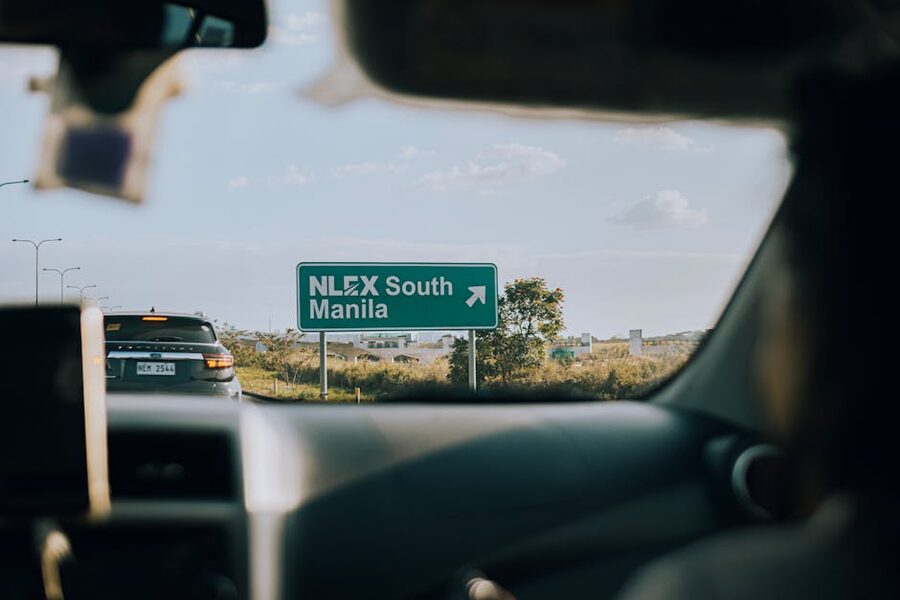
Always factor traffic. Whatever Google Maps tells you, add 60-90 minutes for the Manila side of the journey. Leave the city before 6:30am or after 9am for the southbound destinations (Tagaytay, Pagsanjan, Villa Escudero, Anilao). For the northern destinations (Pampanga, Subic, Pinatubo), leave before 6am to clear NLEX before the morning crawl.
Always factor Phivolcs and weather. Both Taal and Pinatubo are active volcanoes with regularly updated alert levels. Check the Phivolcs site (phivolcs.dost.gov.ph) the night before. For waterfall and beach destinations, check PAGASA (the weather service) for typhoon advisories.
What If You Have Two Days, Not One?
If your trip allows it, the best Manila add-on isn’t another day in Manila. It’s an overnight in any of these destinations. Here’s what unlocks:
Tagaytay overnight gets you a sunrise volcano view (which is impossible from Manila, since you’d have to leave at 3am). The ridge looks completely different at 6am with mist over the lake.
Pampanga overnight gets you a morning of cooking with Atching Lillian Borromeo plus lunch at Bistro Apag Marangle plus dinner at one of the heritage restaurants. Just one of those is worth a half-day.
Bataan overnight at Las Casas turns the open-air museum into the actual experience it was designed for: dinner by candlelight, breakfast on the beach, the houses to yourself in the morning before the day-trippers arrive.
Subic Bay overnight (especially Anvaya Cove or Camayan Beach Resort) is a legitimate beach weekend if you can’t get to Palawan or Cebu. Two days is enough.
For the rest of these (Anilao, Pagsanjan, Pinatubo), the overnight versions exist but the day-trip versions are sufficient for first-timers. Pinatubo overnight at the trailhead lets you start the hike at 5am instead of 8am, which is the difference between mist and clear air at the lake.
For a wider Manila itinerary that builds these in cleanly, see our Manila three-day itinerary, which has a day-three slot specifically designed for the Tagaytay-or-Pampanga-or-deep-Manila choice. Or, if you’re staying multiple nights, where to stay in Manila goes through which neighbourhoods make for the easiest day-trip launch points (short answer: Makati or Pasay for Tagaytay/Anilao/Pagsanjan, BGC or Pasay for Subic/Pampanga/Pinatubo, anywhere near Pasay for Corregidor).
Frequently Asked Questions
How early do I need to leave Manila for a day trip?
For southbound destinations (Tagaytay, Anilao, Pagsanjan, Villa Escudero) leave before 6:30am to clear EDSA and SLEX before the morning crush. For northbound (Pampanga, Subic, Pinatubo) leave before 6am to beat NLEX traffic. For Corregidor the ferry is at 8am sharp and the terminal is at CCP, so Grab from your hotel by 7am. Pinatubo specifically requires a 3am Manila pickup if you’re doing the full crater hike.
Can I do two day trips in one day?
Tagaytay and Taal Heritage Town can be combined (they’re 30 minutes apart). Pagsanjan and Hidden Valley Springs can be combined if you have a private car and start at 5am. Beyond that, no. The driving alone eats your day. Stack one destination per day.
Are these day trips safe for solo travelers?
Yes for organised tours (Corregidor, Pinatubo, Villa Escudero, Las Casas, which handle everything). Yes for private car with reputable driver. The DIY public-transport route is fine in daylight on the major destinations (Tagaytay, Subic, Pampanga); for Anilao or Pagsanjan as a solo female traveler I’d default to the private car or a small-group tour. Travel light, don’t flash devices on jeepneys, and you’ll be fine.
What’s the best day trip for someone on a tight budget?
Tagaytay is the easy answer. The P2P bus is ₱130-180 round trip, the bulalo is ₱350, the coffee with a view is ₱300, and the Sky Ranch ferris wheel is ₱200. ₱1,000-1,200 (~$20) covers a full day. The view doesn’t cost extra.
Which day trip is best for kids?
Subic Bay (Zoobic Safari + Ocean Adventure for the under-12s) and Villa Escudero (carabao cart + dam buffet for any age) are the two purpose-built family destinations. Las Casas works for older kids who like history. Pinatubo is too long a day for under-10s. Pagsanjan’s banca ride is fun for kids if they swim. They’ll get wet under the falls.
Do I need to pre-book day trips?
Corregidor needs to be pre-booked at least 2-3 days ahead. Sun Cruises has limited capacity and weekends sell out. Pinatubo needs the 4WD permit, which the tour operators arrange but you should book a week ahead. Villa Escudero and Las Casas can book up on weekends. Tagaytay, Pampanga, Anilao, Pagsanjan, Subic, and Hidden Valley don’t strictly need pre-booking, but reserving a private car the night before saves you Grab pricing in the morning.
What about typhoon season?
Typhoon season in the Philippines is June through October. The water-based trips (Pagsanjan, Anilao, Corregidor ferry) get cancelled during typhoon weather. The dry-season trips (Pinatubo, Tagaytay) keep running but with worse visibility and slippery trails. Hidden Valley and Las Casas are fine year-round. If your only window for Manila is wet season, plan around the indoor or sheltered options and have a backup day if a tour cancels.
Wrap and What’s Next
The first pick for newcomers, if you’re only doing one day trip from Manila, is Tagaytay. Easy logistics, real views, and good food. The interesting pick, if you’ve already done Tagaytay and want something most travelers miss, is the full Pampanga food day. The unforgettable pick, for anyone with the time and energy, is Pinatubo. The atmospheric pick is Corregidor. The hardest-working pick is Las Casas.
What you don’t need is to do all of them on one trip. A second trip to Manila is not the disaster everyone treats it as. Pick two of these for a 5-day Manila visit, save the others for next time, and don’t burn yourself out trying to compress the country into a week. For more on what to do on the days you stay in town, see things to do in Manila.