
Bohol Chocolate Making and Farm Tour
Chocolate begins with fruit, not a candy bar. This five-hour Bohol Chocolate Farm Tour shows you the full path from cacao tree to finished sweets, with tastings, cooking, and hands-on chocolate making along the way. It is a useful change of pace from Bohol’s usual sightseeing stops.
I like the private transportation from Panglao Island or Loboc, and I like that you make chocolate yourself rather than only watching a demonstration. The main consideration is the price: at $94 per person, it costs more than a simple farm visit, though equipment, snacks, admission, and transport are included.
The experience also has a personal touch. Yuna serves as the tour guide and JR as the driver, while Ryan guides you at the chocolate farm. A verified booking described the vehicle as comfortable and praised all three for being friendly and informative, a good sign for families who want an easy, well-managed outing.
In This Review
- Key points to know before you book
- Why this Bohol chocolate tour is different
- Starting from Panglao Island or Loboc
- Meeting cacao at the farm
- From harvested beans to dried cacao
- Roasting, moulding, and making your own sweets
- What the $94 price includes
- Is this suitable for children?
- The private format and guide support
- What to know about timing and cancellation
- Who should book the Bohol Chocolate Farm Tour?
- FAQ
- How long is the Bohol Chocolate Farm Tour?
- Where can pickup take place?
- Where can I be dropped off?
- How much does the experience cost?
- Is transportation included?
- Is chocolate-making equipment provided?
- Do I get to take chocolate home?
- What language is the tour conducted in?
- Is the tour private?
- Can I cancel for a refund?
- Should you book it?
Key points to know before you book
- Cacao from tree to treats: You follow the process through growing, harvesting, fermentation, drying, roasting, and moulding.
- You make chocolate yourself: The hands-on portion lets you prepare chocolate to take home, not just sample finished sweets.
- Private rides from two Bohol areas: Pickup and drop-off are available in Panglao Island or Loboc.
- Fresh cacao fruit may be part of the tasting: The farm tour may include fresh tropical fruits as well.
- A good family activity: Children curious about chocolate making can learn how this familiar sweet begins.
- English-speaking guides: The tour is operated as a private group with live guidance in English.
Why this Bohol chocolate tour is different
Many food activities begin with a finished dish. This one starts much earlier, with the cacao tree and its fruit. That matters because chocolate can seem like a factory product until you see how many steps come first.
You learn about growing cacao trees, harvesting the pods, fermenting the beans, and drying them in the sun. Only after those stages do the beans move toward roasting and moulding. The process gives you a better sense of the work behind even a small piece of chocolate.
I especially like the tree-to-treat structure. It gives the five hours a clear purpose, and each stage answers the next obvious question. What does cacao fruit taste like? How do the beans change? Why must they be fermented and dried? How does a bean become chocolate?
The experience also keeps its focus on doing. You are not simply walking around a farm while someone talks. You use the provided equipment for chocolate making and prepare sweets of your own. That practical part should hold a child’s attention better than a long lecture.
Starting from Panglao Island or Loboc
Your day begins with pickup from either Panglao Island or Loboc. These two options are useful because they cover two common bases for exploring Bohol, and the same locations are available for drop-off after the activity.
Private transportation makes a real difference here. You are not being collected as part of a large group, and you can expect the outing to feel more direct and personal. A comfortable vehicle was specifically praised by Krystal, who joined with family, so this is a helpful choice if you prefer not to arrange your own ride.
The exact starting time depends on availability, so check the schedule before paying. Since the tour lasts five hours, leave enough room around it for other plans. The duration is long enough for a full educational visit, but it will still take up a substantial part of your day.
Yuna is the named tour guide, and JR is the driver. Their roles matter more than they may seem. A good guide can help connect the farm visit to the cooking activity, while a reliable driver keeps the trip simple from pickup through return.
Meeting cacao at the farm
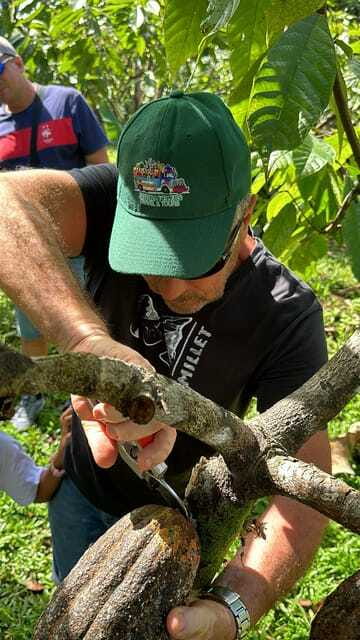
At the Bohol Chocolate Farm, the guide introduces you to cacao growing. This is the point where the experience moves from a general food lesson to a specific look at farming.
You learn about cacao trees and the fruit they produce. The tour may include a taste of fresh chocolate fruit, along with fresh tropical fruits. That tasting is valuable because it lets you compare the fruit itself with the chocolate made later. The flavors and textures are not the same, and that contrast helps explain why processing is so important.
Ryan guides the farm portion. He was praised for being friendly and informative, qualities that matter during a hands-on visit. You want clear explanations here, especially when the group includes children asking the practical questions adults sometimes skip.
The farm section is not described as a long nature walk or a broad agricultural tour, so you should book it for the cacao lesson rather than for extensive sightseeing. The main reward is seeing the starting point of chocolate production and understanding the early steps.
From harvested beans to dried cacao
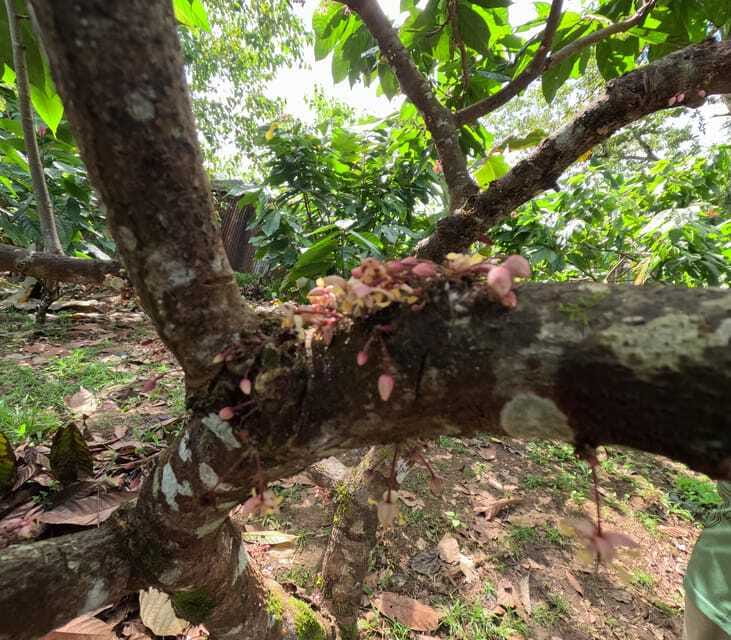
The next part covers harvesting, fermentation, and sun drying. These steps are easy to overlook when you buy a chocolate bar, but they are central to the flavor and texture you eventually taste.
Harvesting connects the farm to the crop itself. Fermentation then changes the beans after they are removed from the fruit. Sun drying follows, preparing them for the later stages of roasting and chocolate making.
I like that the tour includes this middle section instead of jumping from tree straight to finished candy. It shows that chocolate is not made by simply crushing fresh cacao. There is careful preparation between the fruit and the kitchen.
You should expect this part to be educational rather than flashy. The value comes from seeing how agricultural work supports the food you are about to make. If you have children with you, this is a good moment to explain that chocolate does not begin as a powder or a ready-to-use ingredient.
Roasting, moulding, and making your own sweets
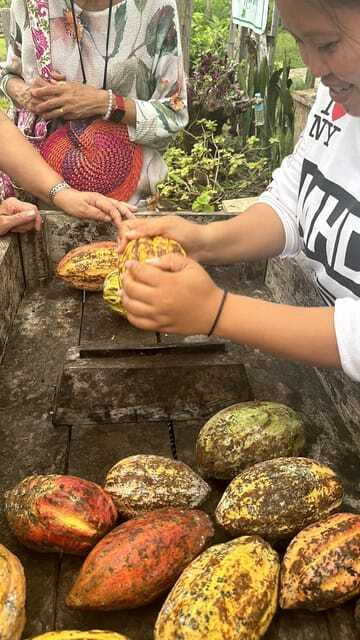
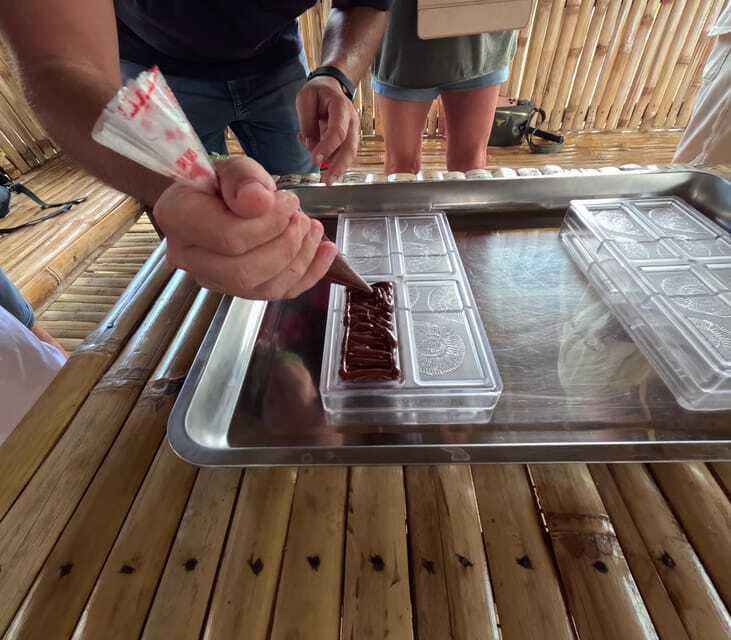
After the farm process, the experience moves toward roasting and moulding. This is where the lesson becomes a cooking activity.
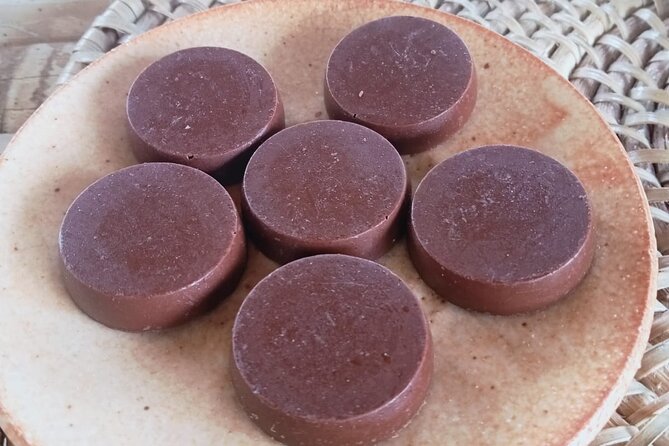
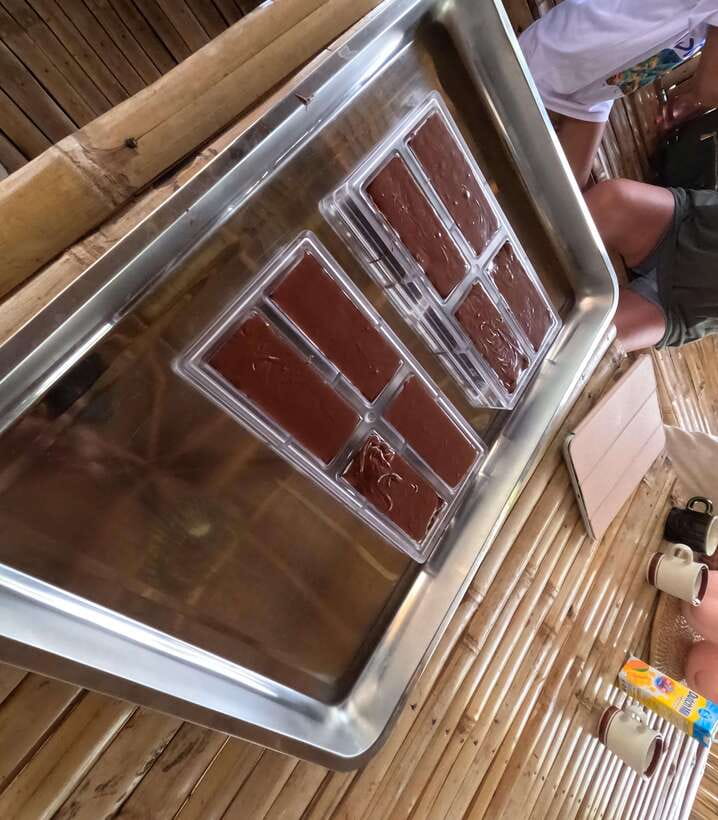
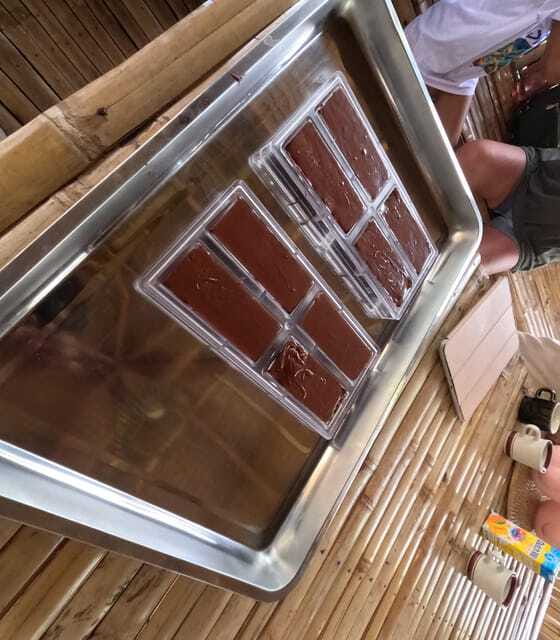
You use the available chocolate-making equipment and create chocolate to take home. The hands-on work is one of the strongest reasons to choose this tour. You leave with something connected to your own participation, rather than only a memory and a few photographs.
The highlights also include sweets and cooking, so the activity is not limited to studying cacao beans. The exact sweets and moulding process are not specified, so do not book expecting a particular recipe or style of chocolate. What is clear is that you will take part in making chocolate and have the equipment provided.
This portion should appeal to children who like to mix, shape, and taste food. It also works for adults who enjoy seeing how an ingredient changes under heat and handling. The activity is educational without needing to feel like a classroom.
What the $94 price includes
The cost is $94 per person. That is not a bargain-basement farm stop, so you should consider what is covered before deciding.
The price includes private transportation, the use of equipment for chocolate making, snacks, and entry to the Bohol Chocolate Farm. It also includes a private group format and a live English-speaking guide. Those inclusions make the cost easier to understand, especially if you would otherwise need to arrange transportation and admission separately.
The private vehicle is probably the largest practical benefit. With pickup and drop-off in Panglao Island or Loboc, you are paying for a managed outing rather than only access to the farm. Families may find that convenience worth more than independent visitors who already have a car and prefer to explore at their own pace.
The price is harder to justify if you only want a quick chocolate tasting. This is a five-hour educational and cooking experience, so it makes sense for people who want the full process. If your schedule is tight or your interest ends at eating chocolate, choose a shorter activity instead.
Is this suitable for children?
Yes, the activity is specifically described as good for children curious about chocolate making. The mix of fruit tasting, farm education, cooking, and moulding gives younger participants several ways to stay interested.
The private group format also helps families. You are not trying to keep children quiet in a large mixed group, and the guide can respond to questions as they come up. Yuna and Ryan’s friendly style, along with JR’s comfortable vehicle, adds to the family appeal.
Still, this is not designed for every age. Babies under one year are not considered suitable for the activity, and people over 95 are also excluded. The supplied details do not give further accessibility information, so ask the operator directly if anyone in your group has mobility or other special needs.
Children who only want to eat sweets may find the farming stages slower. I would prepare them for the full story: first the tree, then the fruit, then the beans, and only later the chocolate. That makes the waiting part feel like part of the adventure.
The private format and guide support
The private group structure is one of the tour’s practical strengths. You get private transportation, a live English-speaking guide, and the same pickup and drop-off area, either Panglao Island or Loboc.
Yuna and JR are named for the transportation portion, while Ryan leads the farm visit. Having a named farm guide is useful because the quality of a cacao tour depends heavily on how clearly the stages are explained. Ryan’s friendly and informative approach was singled out in the booking feedback.
The tour also skips the ticket line, which keeps the arrival simple. That does not mean every part of the day is rushed. The five-hour length allows room for the guided farm portion, tasting, and chocolate making.
Because it is private, the experience may feel more personal than a standard group excursion. The tradeoff is that the per-person price is higher. You are paying for convenience and attention, not only for admission.
What to know about timing and cancellation
The total duration is five hours, and starting times depend on availability. Check the available schedule carefully, especially if you are fitting this around other Bohol plans.
Pickup and drop-off are offered in Panglao Island and Loboc. No other pickup points are specified, so confirm that your accommodation is within one of those areas before booking.
You can cancel up to 24 hours in advance for a full refund. The reserve-now-and-pay-later option also lets you hold a place without paying immediately, which is useful while your Bohol schedule is still changing.
The tour is offered in English. If someone in your group needs another language, the supplied details do not confirm that option.
Who should book the Bohol Chocolate Farm Tour?
I would choose this for families, food lovers, and anyone who wants a hands-on activity rather than another passive sightseeing stop. It is especially suitable if you are staying in Panglao Island or Loboc and want transport handled from beginning to end.
It is also a smart pick for children who ask where chocolate comes from. The answer here is not a quick sentence. They can see the cacao tree, taste fresh cacao fruit, learn about fermentation and drying, and then mould their own chocolate.
I would think twice if you are on a strict budget, have only a few hours free, or already know you do not enjoy guided activities. The farm visit is built around explanation and process, so its value depends on your interest in how food is made.
FAQ
How long is the Bohol Chocolate Farm Tour?
The activity lasts five hours.
Where can pickup take place?
Pickup is available from Panglao Island or Loboc.
Where can I be dropped off?
Drop-off is available in Panglao Island or Loboc.
How much does the experience cost?
The listed price is $94 per person.
Is transportation included?
Yes. Private transportation is included.
Is chocolate-making equipment provided?
Yes. You can use the equipment supplied for the chocolate-making activity.
Do I get to take chocolate home?
Yes. The experience includes moulding your own chocolate to take home.
What language is the tour conducted in?
The live tour guide speaks English.
Is the tour private?
Yes. It is offered as a private group experience.
Can I cancel for a refund?
Yes. You can cancel up to 24 hours in advance for a full refund.
Should you book it?
Book this tour if you want to understand chocolate from cacao tree to finished sweet, and if making your own treats sounds more appealing than simply buying them. The private vehicle, snacks, admission, equipment, and English guidance give the $94 price practical value, particularly for families based in Panglao Island or Loboc.
Skip it if you want a short tasting or the lowest-cost farm visit. For everyone else, this is a thoughtful Bohol activity with a clear focus, friendly named guides, and enough hands-on work to make the lesson stick.
More Dessert Tours in Philippines
More Tours in Philippines




More Tour Reviews in Philippines


Dessert Tours: how the alternatives stack up

The lists this tour appears in