Boracay: Introduction to Scuba Diving Experience
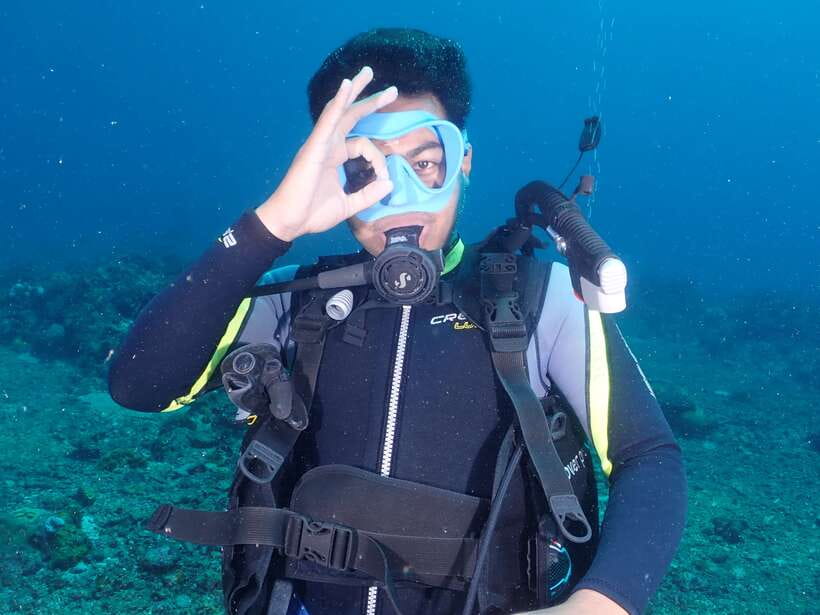
Your first breath underwater changes the holiday. This three-hour Boracay scuba experience gives beginners a careful introduction to the sea, with classroom instruction, shallow-water practice, a boat trip, and a guided underwater session down to about 6 meters. I like the calm, step-by-step training, and I like that photos, videos, and a completion certificate are included for $50.
The strongest part is the staff. Instructors such as Butch, Roy, Romeo, Joliou, and Luis are repeatedly praised for patience and reassurance, especially when equalizing pressure feels difficult. The main consideration is that the underwater portion lasts only about 30 to 40 minutes, and the quality of the included photos may vary.
In This Review
- Quick points before you book
- Meeting at Station 1 and getting ready
- The briefing makes the first underwater session easier
- Fitting the mask, fins, and air tank
- Shallow water practice near the beach
- The short boat ride to Boracay’s reef
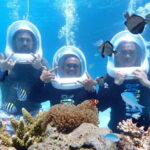
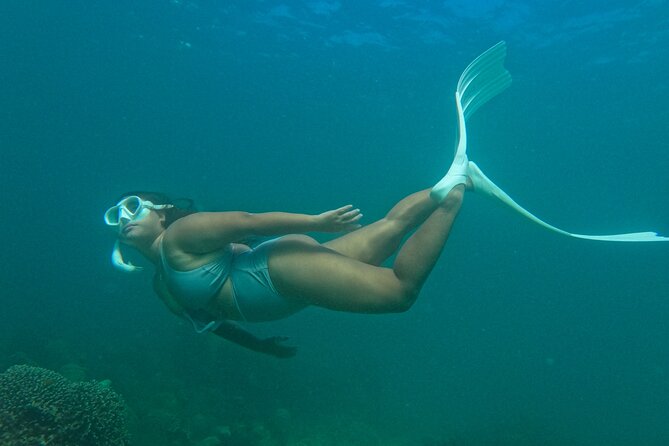
- The main underwater session at about 6 meters
- What the guides do well
- Photos, videos, and the completion certificate
- Is $50 good value?
- Who should book this experience?
- Practical tips for a smoother session
- Should you book it?
- FAQ
- Do I need a scuba certification?
- How long does the activity take?
- What start times are available?
- How deep will I go?
- What equipment is included?
- Is shallow-water training included?
- Where do I meet the guide?
- Are photos and videos included?
- Do I receive a certificate?
- Can I fly soon after the activity?
- Is hotel transportation included?
- Are meals included?
- What languages are available?
- Who should not participate?
Quick points before you book
- Shallow-water practice comes first: You rehearse breathing, mask clearing, pressure equalizing, and regulator recovery before heading farther from shore.
- The usual depth is beginner-friendly: The session normally reaches about 6 meters, though some participants have gone as deep as 10 to 12 meters.
- Small guide groups help: The stated ratio is one instructor for every two to four participants, and solo participants may receive one-on-one attention.
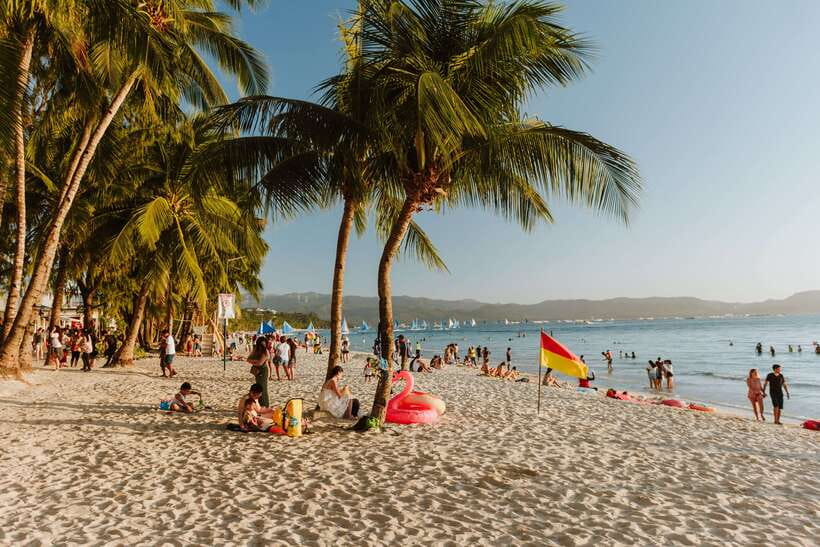
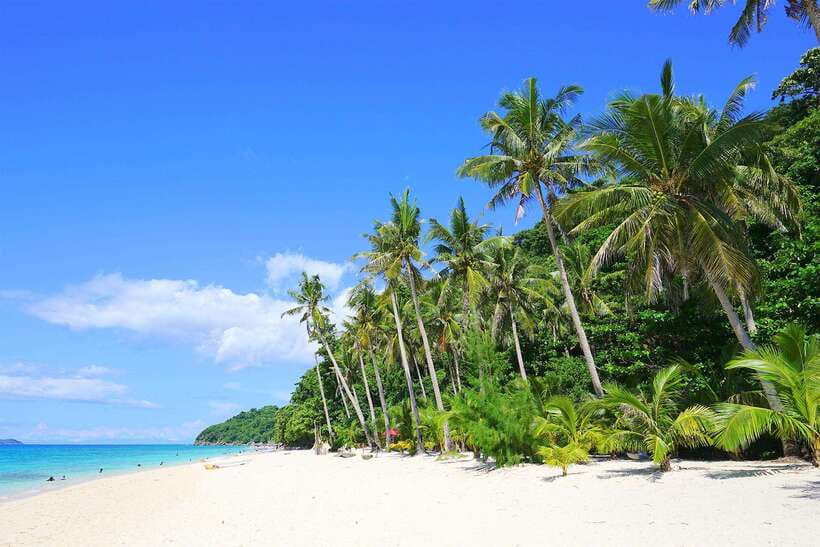
- A local boat adds a scenic touch: You leave the beach by boat and see Boracay’s famous white coastline from the water.
- Photos and videos are included: This is useful for first-timers who want a record of the experience without arranging a separate photographer.
- Plan around your flight: You should not take part if you have a flight within 12 to 24 hours after the session.
Meeting at Station 1 and getting ready
You meet at Astoria Station 1 Beach Front, in front of Tiger Sugar Cafe. Look for the Boracay Adventures guide holding GetYourGuide signage. This is a useful landmark on a busy beach, but give yourself enough time to find the exact spot and settle in before the briefing.
You can choose a 9:00 AM or 1:00 PM start. The full activity takes about three hours, though the exact pace depends on the group, equipment fitting, water practice, boat transfer, and sea conditions.
There is no hotel pickup, so you make your own way to Station 1. Meals are not included either, but the activity is short enough to fit neatly around breakfast or lunch. I would avoid scheduling anything demanding immediately afterward. You may feel tired from the equipment, swimming, and concentration, even though the session is designed for beginners.
You can also read our reviews of more scuba diving tours in Boracay
The briefing makes the first underwater session easier
Before you put on the equipment, a certified PADI instructor or trained guide explains the basics. This covers breathing through the regulator, pressure equalizing, hand signals, equipment use, and the safety rules that keep the session controlled.
That preparation matters. Snorkeling lets you lift your head whenever you want. With scuba equipment, you must become comfortable breathing through a mouthpiece and communicating with hand signals. The briefing gives you a simple system to follow instead of leaving you to work things out once you are in the sea.
The instructors also explain how to respond if water enters your mask or if the regulator comes out of your mouth. Those are small skills, but they can prevent a moment of panic. Several participants found that the clear instructions helped them relax, and that is exactly what good beginner training should do.
The available instruction languages are English, Chinese, and Korean. The English-speaking team includes PADI instructors and trained guides, and the guide-to-participant ratio is listed as one to two to four. If the group is small, you may receive unusually close attention. One solo participant had a guide beside them and another person handling the camera.
Fitting the mask, fins, and air tank
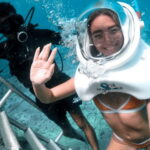
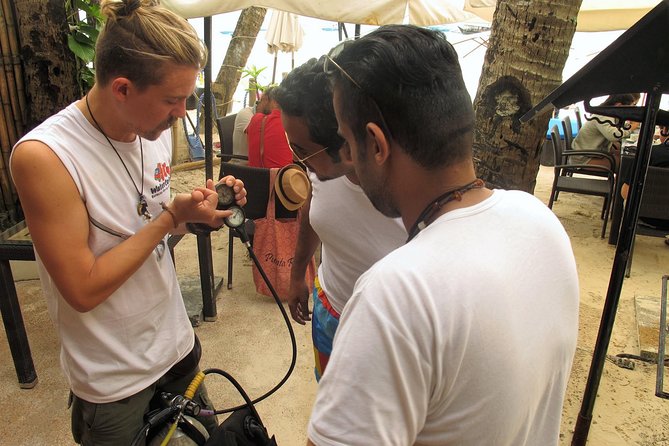
The equipment package includes a mask, snorkel, fins, wetsuit, regulator, Buoyancy Control Device, tank, and weights. The BCD is the inflatable vest that holds the tank and helps control your position in the water.
You do not need to arrive with personal equipment or prior certification. The staff helps you put everything on and checks the fit. A comfortable mask is especially important. If it leaks, tell the instructor early rather than trying to tolerate it underwater.
The equipment made a good impression for several participants, but one person felt the boat was slightly worn. That is a useful distinction: the core gear and instruction received strong praise, while the boat and photography were not equally perfect for everyone.
The equipment can feel bulky before you enter the water. That is normal. Once you are floating, the BCD and weights help you settle into a controlled position. You will still need to move slowly and follow your guide closely.
Shallow water practice near the beach
The next stage takes place in calm, shallow water near the beach. Here you practice breathing through the regulator and get used to moving with fins. Your instructor also shows you how to clear water from the mask and recover the regulator if it is displaced.
This is where nervous beginners get their bearings. If you need extra time, say so. The purpose of this session is not to rush you into the boat. It is to make the basic actions familiar before the open-water portion begins.
Equalizing pressure can be the hardest skill for some people. One participant needed encouragement because the process was difficult underwater, while another first-timer felt comfortable after patient coaching. You should never force equalizing. Tell the instructor if your ears hurt or if you cannot clear them.
A few participants also appreciated practicing emergency basics before leaving shore. Knowing what to do with a flooded mask or a loose regulator gives you more control when you later look down into deeper water.
The short boat ride to Boracay’s reef
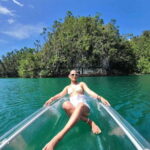
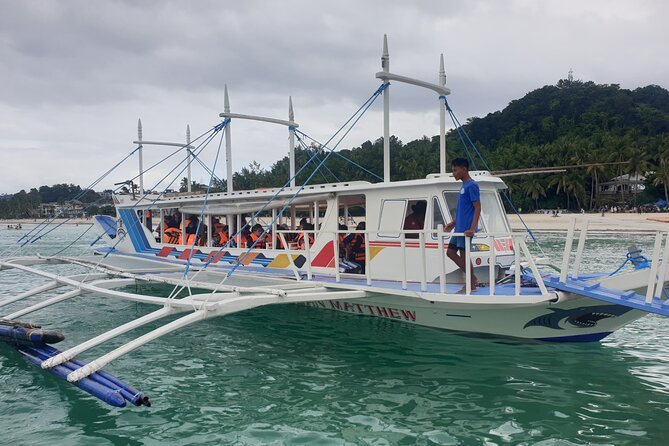
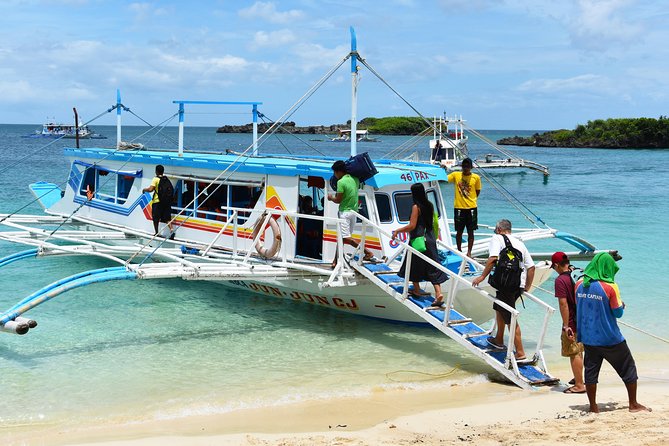
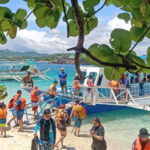
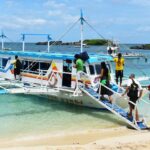
After practice, you board a local boat and travel to a beginner-friendly site. The ride is part transport and part sightseeing. From the water, you get a different view of Boracay’s white coastline, and the boat ride helps separate the training session from the main underwater adventure.
The precise site can vary. Conditions, visibility, and group needs help determine where the instructor takes you. That flexibility is sensible because a site that feels comfortable for beginners is more important than chasing a particular location.
The boat entry deserves a little attention. Most participants handled it without trouble, but one family felt that first-time divers should have been offered the boat steps instead of being asked to enter by leaning backward. If you have back problems, limited mobility, or simply feel uneasy about the entry, ask the crew about the available method before you get in.
This is also a good moment to confirm how long you will remain underwater and how the photo process works. The advertised underwater time is about 30 to 40 minutes, though one account described a session lasting closer to 40 to 50 minutes. Expect some variation rather than a stopwatch-perfect schedule.



The main underwater session at about 6 meters
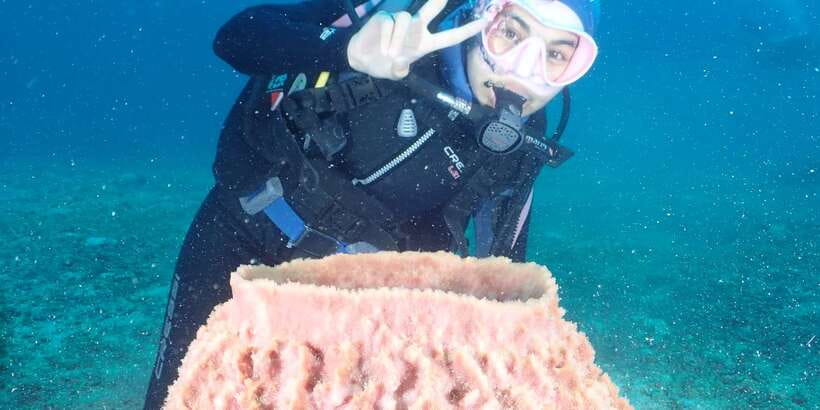
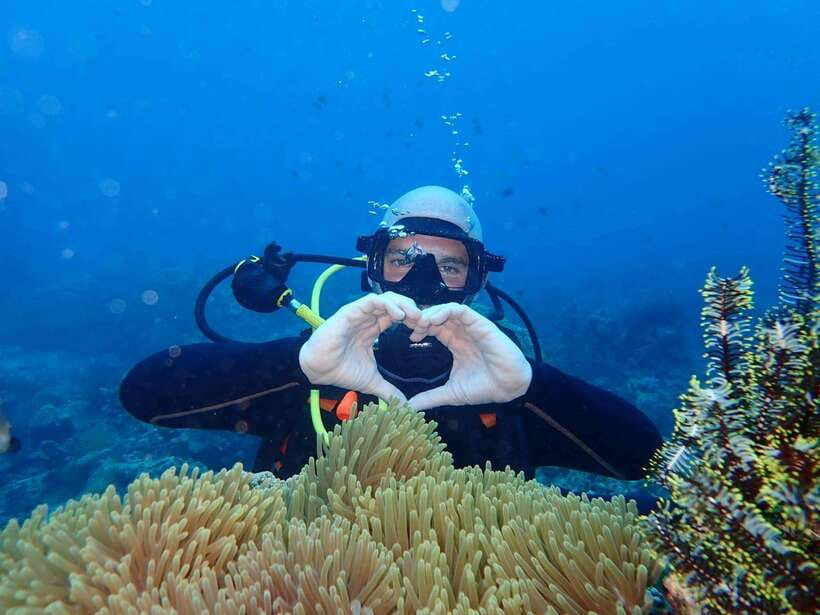
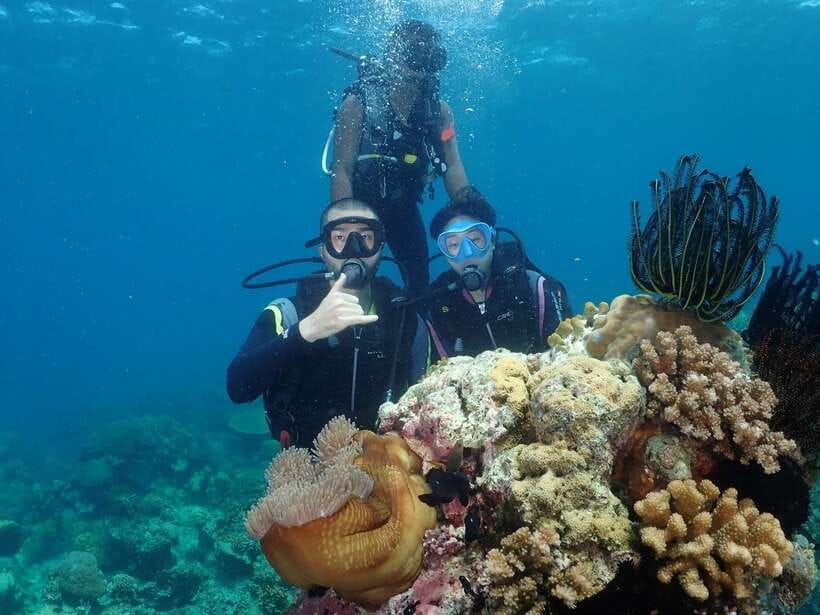
The guided underwater portion is limited to a maximum depth of 12 meters, with beginners usually staying around 6 meters, or 20 feet. Some participants reported reaching approximately 9 to 10 meters, while one went to the full 12-meter limit.
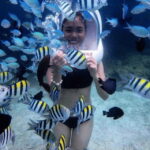
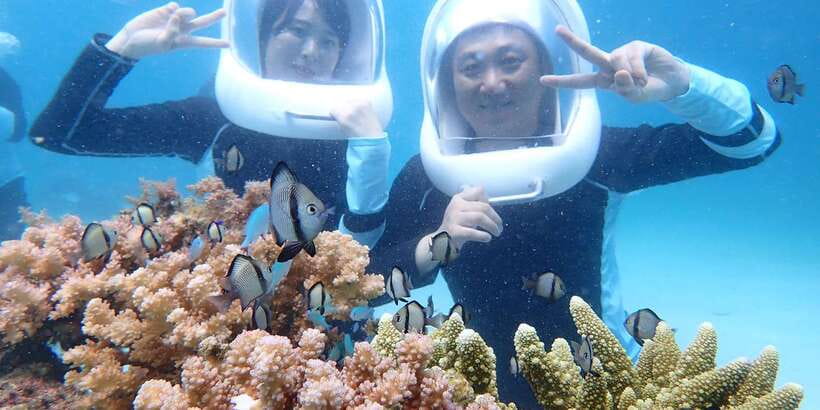
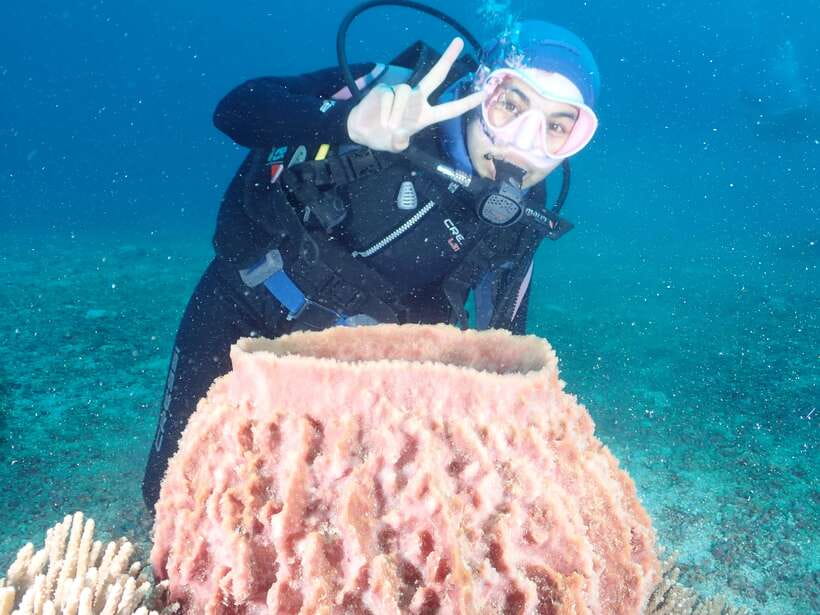
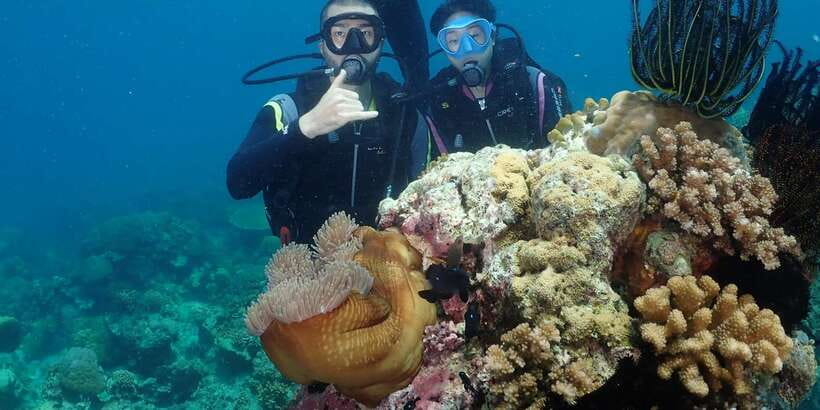
Your instructor remains beside you and uses hand signals to check your comfort. The goal is not speed or technical achievement. You slowly move along the ocean floor, hovering above coral areas and looking for fish.
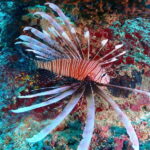
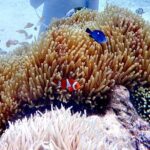
You might see parrotfish, clownfish, colorful coral, and other small marine life. A turtle is possible, but it is not guaranteed. One participant was lucky enough to see a large turtle, while others focused on the reef and fish.
The sensation is different from swimming or snorkeling. You can experience weightlessness and look around in three dimensions, but you also need to pay attention to breathing, ear pressure, body position, and your guide. That combination makes the session exciting without turning it into an uncontrolled free swim.
I like the limit of about 6 meters for first-timers. It gives you a real sense of being below the surface while keeping the experience manageable. It also leaves room to build confidence before considering a full open-water certification course.
The main drawback is time. After the briefing, equipment fitting, practice, boat transfer, descent, and return, the actual underwater exploration can feel short. If you already hold a scuba certificate or want several separate sites, this is not the right product. It is an introduction, not a full day of underwater exploration.
What the guides do well
The staff receives the strongest praise in the supplied feedback. Butch is described as patient and calming. Roy helped nervous beginners feel secure. Romeo was praised for professional instruction, while Joliou was noted for taking extra care with preparation and confidence.
Luis also received credit for helping a participant who struggled with equalizing. Other guides named include Gel, Ben, Gary, Richie, Kai, and Bong. The repeated pattern is clear: the human side of the experience is its best feature.
That matters because beginner scuba is partly a test of trust. You need to believe that the person beside you will notice when you are uncomfortable and give you time to respond. The guides regularly check on participants before and during the descent, and the basic rule is simple: stay with the instructor.
The quality can still depend on the specific guide and group size. A small group may mean more individual attention. A larger group within the stated limit can feel less personal, though one instructor for two to four participants is still a reasonable arrangement for a beginner session.
Photos, videos, and the completion certificate
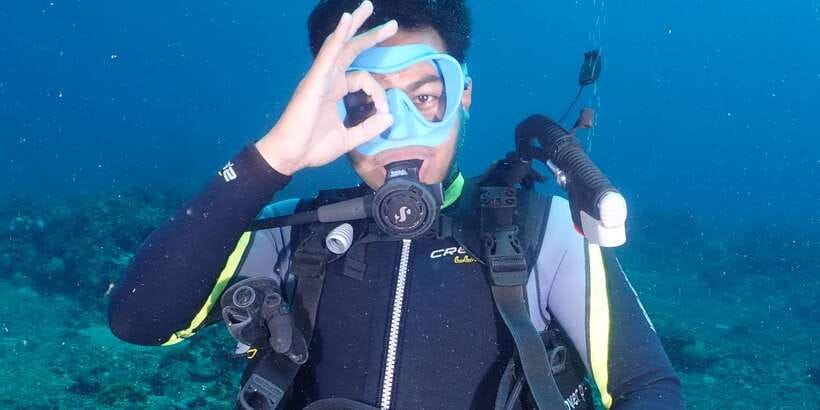
Underwater photos and videos are included, which adds real value at this price. You can concentrate on the experience rather than trying to manage a waterproof camera while learning to breathe and move properly.
The strongest photography reports describe clear photos and useful video clips that were available to download afterward. Solo participants may even have a second staff member taking pictures. That is a particularly nice touch if you are booking alone.
The photography is not consistently outstanding. Some participants felt the pictures were poor, while others wanted longer videos and better camera work. I would treat the media as a pleasant extra, not the main reason to book.
At the end, you receive a digital certificate of completion. This is not a scuba qualification and does not replace a PADI certification course. It is a keepsake showing that you completed an introductory session, which makes it a nice souvenir for a first underwater experience.
Is $50 good value?
At $50 per person, the package includes much more than a short swim. You receive the theory lesson, safety instruction, all equipment, shallow-water training, a boat transfer, one guided open-water session, photos or videos, and a certificate.
The value is strongest for someone who wants to try scuba without committing to a multi-day certification course. You do not need to buy equipment, arrange a boat, or hire a separate photographer. The guide’s presence also makes the price easier to justify than an unaccompanied equipment rental.
The value is less certain if you mainly want a long underwater session. The actual sea time is limited, and the photo quality can vary. You may also find less expensive options on Boracay, though the package contents and level of personal attention may not match.
For a first attempt, I consider $50 fair. The instruction and safety support are the core purchase. The photos, boat ride, and certificate make the package feel more complete, but they should be viewed as additions rather than guarantees of a polished professional photo shoot.
Who should book this experience?
This suits adults and children aged 10 or older who have no previous scuba certification and want a guided introduction. It works especially well if you feel nervous about deep water, because the activity starts on land and in shallow water before moving farther out.
It also suits couples, families with older children, and solo participants. A family of three received close attention, and solo bookings may sometimes result in one-on-one guidance, depending on the group.
You should not book if you are pregnant, have back problems, altitude sickness, a pre-existing medical condition, or hearing impairment, based on the stated restrictions. The activity also requires careful planning around flights. Do not participate if you have a flight scheduled within 12 to 24 hours after your last underwater session.
The experience is not a substitute for certification. If you want to plan independent scuba trips later, use this as a first taste, then take a proper certification course at home or in Boracay.
Practical tips for a smoother session
- Choose the time that fits your day: The 9:00 AM and 1:00 PM departures give you a basic choice between morning and afternoon.
- Keep your schedule flexible: The advertised duration is about three hours, and the sea session itself may last around 30 to 40 minutes.
- Speak up about pressure: Equalizing should not be painful. Tell your instructor immediately if your ears do not clear.
- Ask about boat entry: If you have back concerns or dislike backward entry, discuss the steps before boarding.
- Expect included media, not studio portraits: You may receive excellent shots, but quality and video length can vary.
- Bring confidence, not experience: No prior certification is needed, and the instructor handles the technical side while you learn the basics.
Cancellation is free up to 24 hours before the activity for a full refund, and you can reserve now and pay later. Those options are useful if weather or your Boracay schedule is still unsettled.
Should you book it?
I would book this Boracay scuba experience if you are curious, inexperienced, and want a carefully supervised first look below the surface. The patient guides, shallow-water practice, small group ratio, boat trip, and included media make $50 a reasonable price.
I would skip it if you want a long, technical session, guaranteed turtle sightings, or highly polished underwater photography. For most first-timers, though, the calm instruction is the real attraction. You get a genuine taste of scuba, plenty of help, and a certificate to mark the moment without signing up for a full qualification course.
FAQ
Do I need a scuba certification?
No. This experience is designed for beginners with no prior scuba certification.
How long does the activity take?
The full activity lasts approximately three hours. The underwater portion usually lasts about 30 to 40 minutes.
What start times are available?
You can choose a 9:00 AM or 1:00 PM start time, subject to availability.
How deep will I go?
Beginners usually descend to about 6 meters, or 20 feet. The stated maximum is 12 meters, or 40 feet, and some participants reported reaching around 9 to 12 meters.
What equipment is included?
The package includes a mask, snorkel, fins, wetsuit, regulator, tank, weights, and Buoyancy Control Device.
Is shallow-water training included?
Yes. You practice breathing through the regulator, clearing your mask, and recovering the regulator in calm shallow water before the boat trip.
Where do I meet the guide?
Meet at Astoria Station 1 Beach Front, in front of Tiger Sugar Cafe. Look for the Boracay Adventures guide holding GetYourGuide signage.
Are photos and videos included?
Yes. Complimentary underwater photos and or videos are included, though the quality and length may vary.
Do I receive a certificate?
Yes. You receive a digital Discover Scuba Diving participation certificate after completing the activity.
Can I fly soon after the activity?
You should not take part if you have a flight within 12 to 24 hours after your last underwater session. This is a safety requirement related to pressure changes.
Is hotel transportation included?
No. Hotel pickup and drop-off are not included, so you must reach the Station 1 meeting point yourself.
Are meals included?
No. Meals are not included in the $50 price.
What languages are available?
Instruction is available in English, Chinese, and Korean.
Who should not participate?
The activity is not suitable for children under 10, pregnant women, people with back problems, altitude sickness, pre-existing medical conditions, or hearing impairment.