
Review · Philippines
Cebu: City and Highlands Discovery Full-Day Tour with Lunch
Cebu packs a lot into one day. This tour links Sirao Garden and Temple of Leah with the city’s major cultural sights, so you get hilltop views in the morning and old Cebu in the afternoon. I like the private air-conditioned vehicle and hotel pickup, which remove much of the traffic and planning hassle. The main catch is the PHP 200 lunch allowance, which may not cover a satisfying meal.
The route also works well for a short Cebu stay. I especially like that entrance fees are included and that guides such as Rey and Jowen have been praised for punctual service, photos, and friendly company. Still, the amount of historical explanation can depend on your driver-guide, so this suits you best if you want a broad, convenient introduction rather than a deeply academic tour.
In This Review
- Key points to know before booking
- Why this full-day Cebu route works
- Sirao Garden: a colorful start above Cebu
- Temple of Leah: grand architecture with a city view
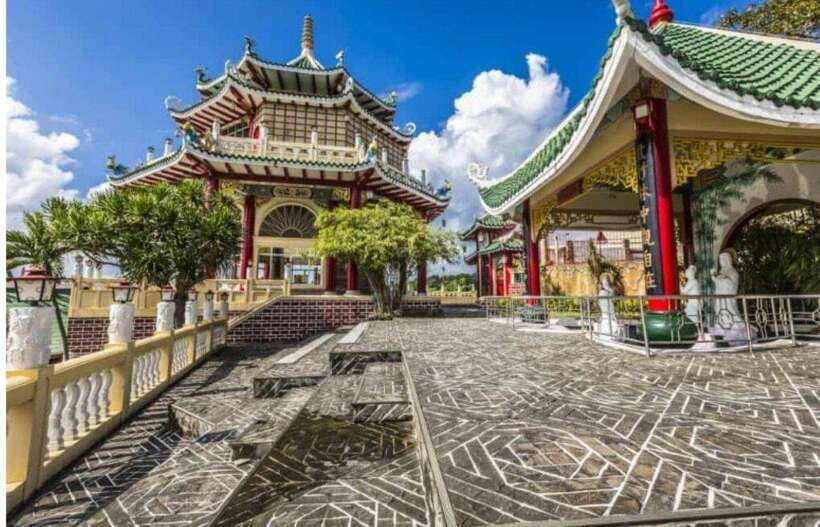
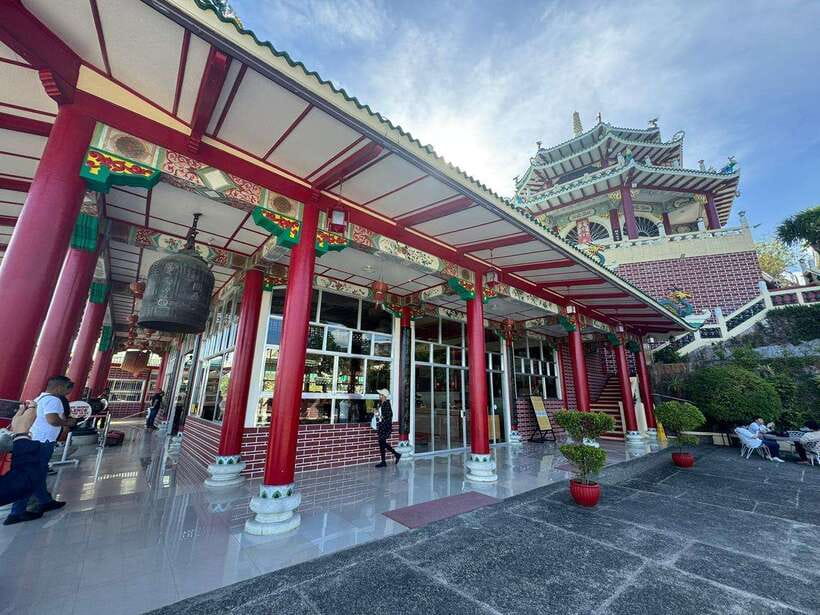
- Taoist Temple: a quieter hour in the hills
- Magellan’s Cross and the Basilica del Santo Niño
- Lunch: useful, but keep the PHP 200 limit in mind
- Fort San Pedro: Cebu’s compact old fort
- Yap-San Diego House: a brief look inside old Cebu
- Cebu Heritage Monument: a fast visual history lesson
- Guides, transport, and the real pace of the day
- Who should book this Cebu day tour?
- Should you book this tour?
- FAQ
- How long does the Cebu city and highlands tour last?
- Where can pickup and drop-off take place?
- Is hotel pickup included?
- Is the tour private or shared?
- Which languages does the driver-guide speak?
- Is lunch fully included?
- Is the Basilica del Santo Niño included?
- What should I bring?
- Can wheelchair users join the tour?
Key points to know before booking
- Sirao Garden starts the day with photo-friendly mountain scenery, flowers, and open views above Cebu.
- Temple of Leah and the Taoist Temple offer very different hilltop experiences, one grand and Roman-inspired, the other calm and religious.
- The private vehicle matters in Cebu traffic, especially when connecting the highlands with central Cebu and the historic district.
- Magellan’s Cross, Fort San Pedro, Yap-San Diego House, and the Cebu Heritage Monument create a compact lesson in the city’s past.
- Lunch includes PHP 200 per person, but you pay any amount above that allowance.
- The tour is best for first-time visitors with one full day, though wheelchair users should choose another option.
Why this full-day Cebu route works
Cebu City can feel spread out, with the highlands well away from the old center. Seeing Sirao Garden, Temple of Leah, and Taoist Temple before heading down to Magellan’s Cross and Fort San Pedro would be tiring to arrange by public transport. A private car gives you a practical way to cover both sides of the city without changing vehicles or sorting out each entrance yourself.
The tour lasts one full day and includes pickup and drop-off in Cebu City, Mandaue City, or Lapu-Lapu City. That makes it useful if you are staying in different parts of the Cebu area, though your exact time on the road will depend on traffic and the day’s conditions.
You travel in a private air-conditioned vehicle with an English- or Tagalog-speaking driver-guide. The group format is private, not a large shared coach, so you can ask for help with photos and hear explanations without competing with a crowd.
The tour costs $63 per person. That is fair value if you use most of the inclusions: a private vehicle, hotel transport, entrance fees, a driver-guide, and a full day of sightseeing. The price is less attractive if you mainly want the city landmarks, since some stops are brief and the lunch credit is modest.
Sirao Garden: a colorful start above Cebu
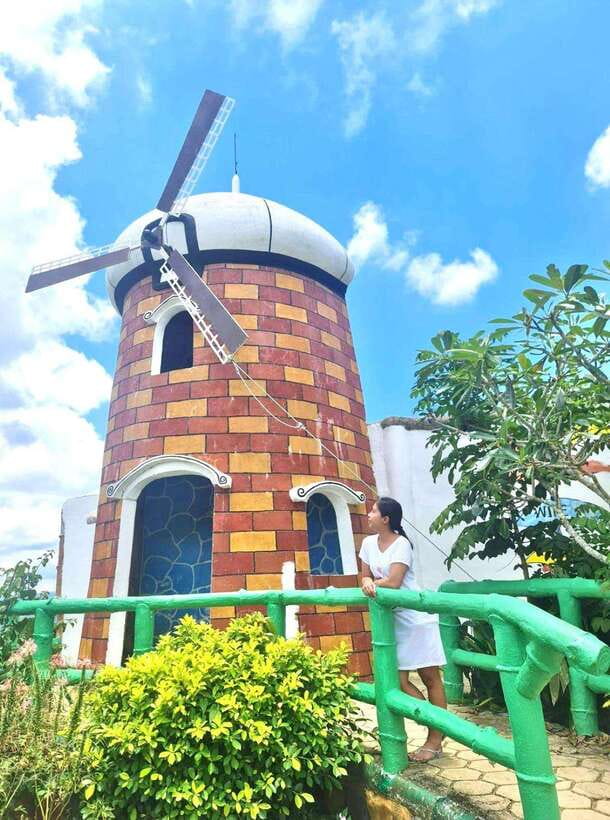
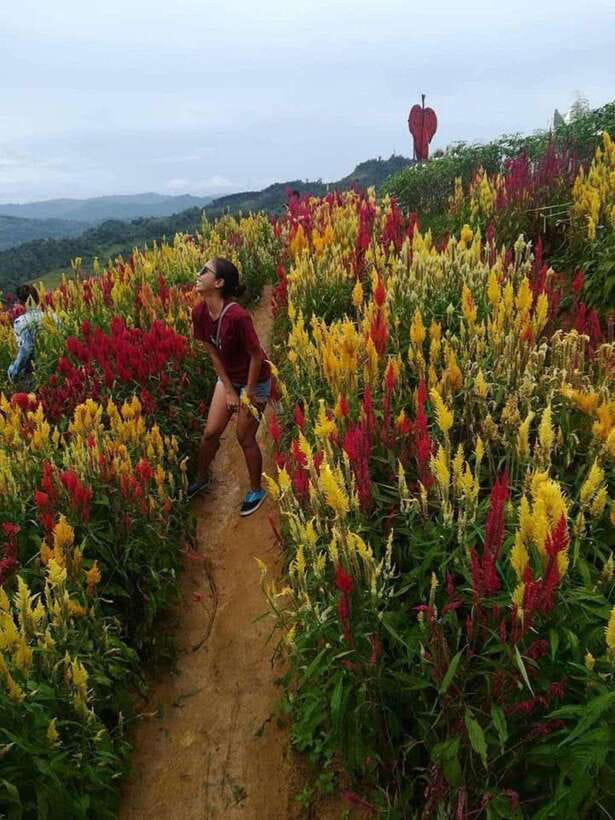
Sirao Garden is the first major stop, with about an hour for photographs, walking, and sightseeing. The hillside setting gives you a quick change from city streets to open mountain views, while the planted flowers provide the bright backdrop that makes this stop popular for pictures.
I would treat Sirao as a visual opening rather than a place for a long, detailed visit. You get time to walk around and take photographs, but the value is in the setting and the views rather than a long cultural explanation.
Bring water. The tour specifically recommends it, and you will be walking outdoors at several stops. Comfortable shoes are also sensible, even though they are not listed as a formal requirement.
Your driver-guide may also help with photographs. Rey received particular praise for taking good pictures and looking after the group, while Jowen was noted for using guests’ own cameras and keeping them informed about each stage. That small service can make a difference when you are traveling as a couple or family and want everyone in the frame.
Temple of Leah: grand architecture with a city view
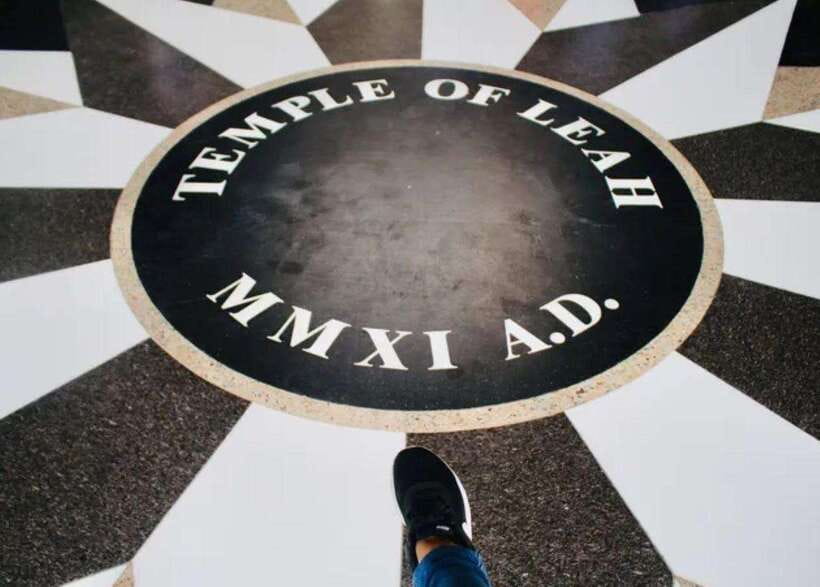
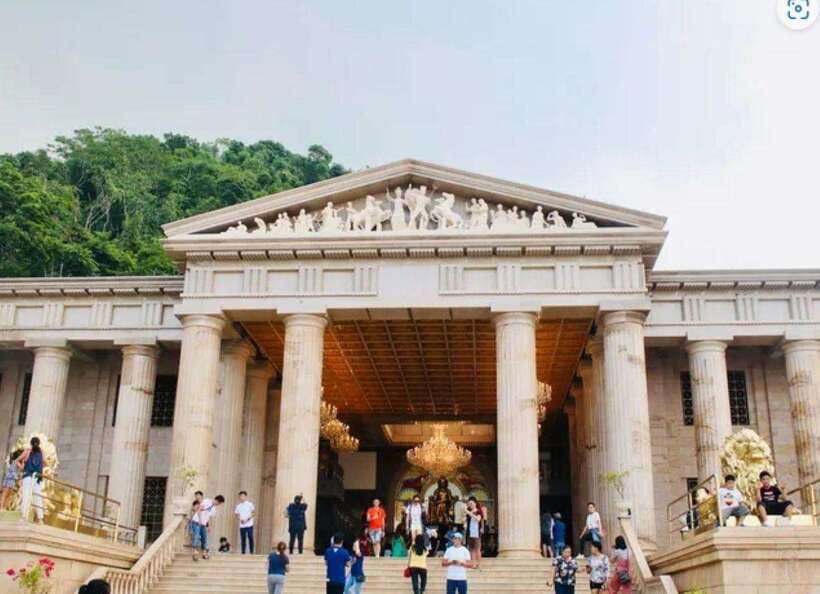
Next comes Temple of Leah, usually with about an hour for walking, photographs, and a guided visit. Its Roman-inspired design gives the day a grand, almost theatrical pause. The site also looks out toward Cebu, so you get both architecture and a broad city view.
This is a good contrast with Sirao Garden. Sirao is about flowers and outdoor scenery, while Temple of Leah focuses on scale, decoration, and the hillside position. If you enjoy taking photographs, you will have plenty to work with here.
The stop can feel more like a scenic attraction than a traditional temple visit. Keep that in mind if you are expecting a functioning religious site with extensive background. The tour promises a guide, but the depth of the explanation may depend on who is driving that day.
Several comments about this experience praise the driver’s professionalism and attention. That matters here because the tour moves quickly between very different sites, and a driver who keeps you informed helps the day feel organized rather than rushed.
Taoist Temple: a quieter hour in the hills
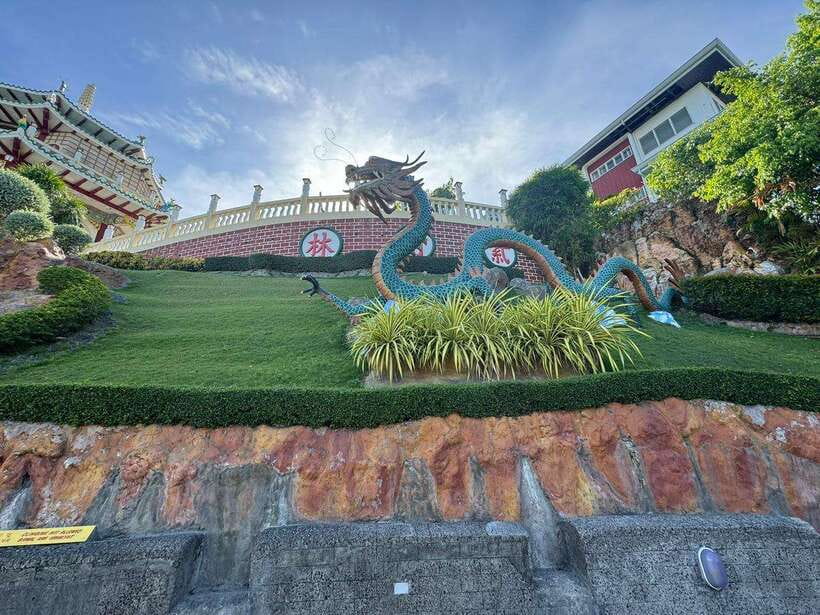
The Taoist Temple gives the morning a different mood. You can spend around an hour viewing the buildings, dragon details, and city outlook, with time for walking and photographs.
This is one of the stops where respectful behavior matters. The temple is a religious sanctuary, not simply a viewing platform, so follow any posted instructions and keep your voice low. The supplied details do not give a full dress code for this stop, but modest clothing is a sensible choice for a day that also includes the Basilica.
The three highland stops work well as a group. Sirao gives you flowers, Temple of Leah gives you grand design, and the Taoist Temple gives you a more peaceful setting. You see a broad range of Cebu in a few hours, though the pace leaves little room for lingering.
The tradeoff is road time. Cebu’s city and hill routes are not next door to each other, and this tour is built around coverage. You gain convenience and variety, but not long, unhurried visits.
Magellan’s Cross and the Basilica del Santo Niño
The route then moves into Cebu’s historic center. Magellan’s Cross receives about 30 minutes for a visit, photographs, and sightseeing. The site marks the arrival of Christianity in the Philippines and is one of the city’s most recognizable landmarks.
This is a short stop, so you should expect an introduction rather than a long presentation. The meaning of the place is important, but you may want to read a little about Cebu’s colonial and religious past before the tour if you want more context.
The Basilica Minore del Santo Niño de Cebu is listed as an optional visit, also with about 30 minutes. If you want to enter, dress properly: sleeveless tops, shorts, and revealing clothing are not allowed inside the church.
That clothing rule is easy to miss and worth planning for, especially after a warm morning in the highlands. Wear something light but respectful, or bring a cover-up so you are not forced to skip the basilica.
This part of the day connects Cebu’s modern sightseeing circuit with its religious identity. The stops are close in theme, but they are not interchangeable. Magellan’s Cross is a compact historical marker, while the basilica is an active place of worship that requires more care from you as a visitor.
Lunch: useful, but keep the PHP 200 limit in mind
Lunch is included through a PHP 200 consumable allowance per person. You may eat at a local restaurant or choose fast food, and any cost above PHP 200 is yours to pay.
This is the clearest weak point in the package. PHP 200 may be enough for a simple meal, but it may not buy what you consider a full lunch at the selected restaurant. One person found the amount too low for a decent meal and felt that the prices made the allowance disappointing.
I would budget extra money and ask the guide what options are available before ordering. That gives you control and avoids an unpleasant surprise at the counter. The tour does not promise a set menu, so the final meal depends on the restaurant or fast-food choice.
The lunch stop is still convenient. You do not have to search for food in the middle of a packed sightseeing day, and guides may point you toward local choices. Just think of the included amount as a credit, not an all-inclusive restaurant meal.
Fort San Pedro: Cebu’s compact old fort
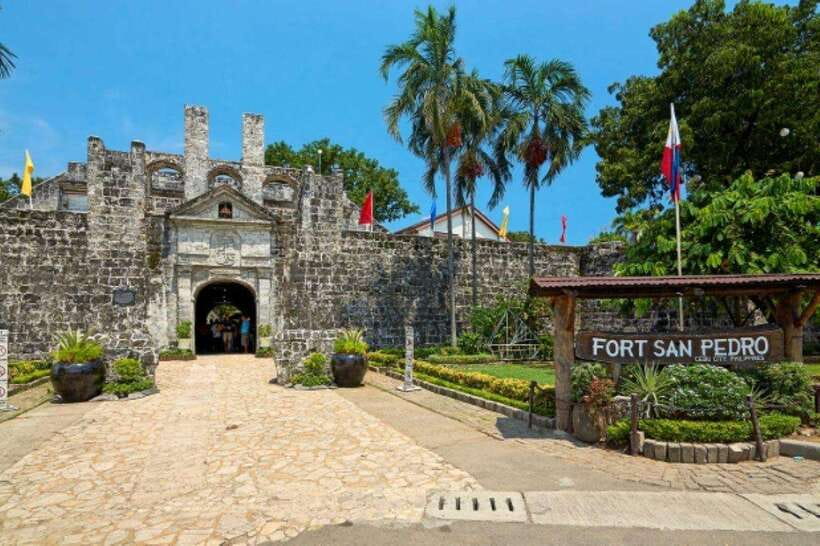
After lunch, Fort San Pedro brings you to one of Cebu’s clearest historic sites. The tour allows around 30 minutes for walking, photographs, sightseeing, and a guided visit.
The fort is described as the oldest triangular fort in the Philippines. Its compact shape makes it easy to see in a short visit, and the walls provide a physical sense of Cebu’s military past that you do not get from a monument or a single cross.
Thirty minutes is enough for a quick look, but not a slow study of every corner. If you enjoy old buildings, you may wish the schedule allowed longer. Still, placing the fort after the highlands gives the day a useful change of pace.
The driver-guide’s role matters again. One person felt the vehicle and driving were excellent but wanted more information about the history of the places visited. Another found the guide’s commentary interesting and informative. I would ask questions at Fort San Pedro if you want more than the basic facts.
Yap-San Diego House: a brief look inside old Cebu
The Yap-San Diego Ancestral House follows, with about 15 minutes for photographs, a visit, walking, and guided sightseeing. It is one of Cebu’s oldest ancestral homes and offers a much more intimate view of the city’s past than the larger public landmarks.
The short timing tells you what to expect: this is a quick heritage stop, not a long house tour. You can see the character of an old Cebu home and take photographs, but you may not have time to examine every room or ask many questions.
I like this inclusion because it adds scale to the day. Fort San Pedro represents defense, while the ancestral house points to family life and domestic history. Together, they make the city feel more complete than a route made only of famous monuments.
The house is in the older central area, so it also helps you notice how closely Cebu’s historic attractions can sit together. The morning was about hill roads and views. The afternoon becomes a walk through the city’s older core.
Cebu Heritage Monument: a fast visual history lesson
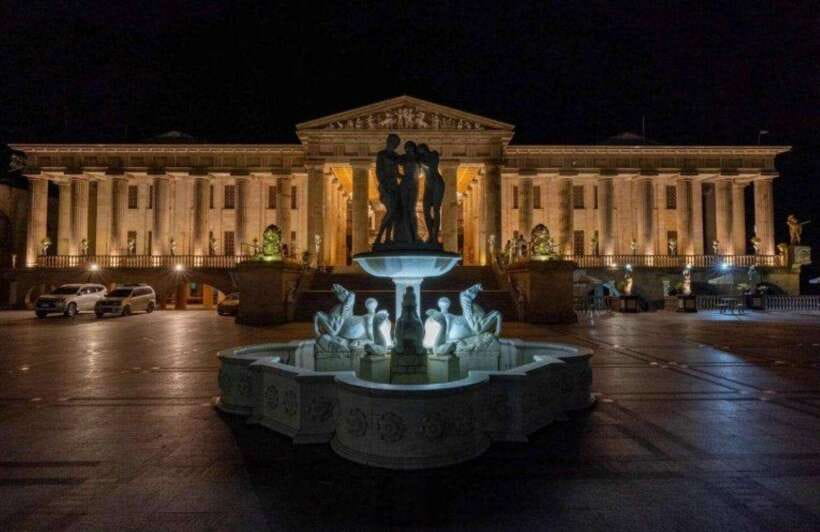
The final stop is the Cebu Heritage Monument, with about 20 minutes for photographs, walking, and sightseeing. Its large sculpture presents key moments in Cebu’s past in one visual scene.
This is a good closing stop because it gives you a way to connect the day’s earlier places. After seeing Magellan’s Cross, the basilica, the fort, and the ancestral house, you can look at the monument as a condensed reminder of Cebu’s major historical episodes.
Again, the schedule is tight. Twenty minutes is enough for a look and some photographs, but you will want to ask the guide for extra explanation if historical detail is important to you.
The monument also makes a practical endpoint. You have seen scenic sites, religious places, military architecture, and domestic heritage without spending the entire day in one type of attraction.
Guides, transport, and the real pace of the day
The strongest praise goes to the driver-guides. Rey was described as punctual, precise, attentive, and good at photographs. He was also praised for giving useful background and helping find tasty local food. Jowen was called professional and friendly, and he kept the group informed at each stage.
That does not mean every guide will give the same level of historical detail. One person specifically wanted more information about the sites, despite being happy with the driver and comfortable car. If you want a lecture-style tour, ask questions early and clearly.
The private air-conditioned vehicle is a major benefit. Cebu traffic, heat, and the distance between the highlands and city center can make a self-arranged day tiring. Pickup and drop-off also save you from arranging separate rides between Cebu City, Mandaue, or Lapu-Lapu City.
Be ready at your designated pickup point 10 minutes early. Wait in the hotel lobby or specified meeting place and remain visible to the driver. This is simple advice, but it prevents a delayed start on a tightly packed day.
Weather can affect the outing. A typhoon made conditions uncomfortable for one group, so flexible expectations are wise during unsettled weather. The experience offers free cancellation up to 24 hours before departure, and you can reserve now and pay later, which helps if your schedule is still moving.
Who should book this Cebu day tour?
I would recommend it to you if this is your first visit to Cebu, you have only one free day, or you prefer a private car to piecing together several rides. It is also a good fit for couples and small private groups who want help with photographs and a simple door-to-door plan.
You will get the most from it if you like variety. In one day, you see flowers, hilltop architecture, a Taoist sanctuary, Christian landmarks, a fort, an ancestral home, and a historical monument.
I would be more cautious if you want long visits, detailed scholarly commentary, or a generous included meal. The schedule is broad rather than slow, the lunch credit is limited, and guide explanations may vary.
The tour is not suitable for wheelchair users. Several stops involve walking, and the activity does not promise wheelchair access. You should also bring water and dress with the basilica’s rules in mind.
Should you book this tour?
Book it if you want a well-organized first look at Cebu, especially with limited time. The combination of private transport, included entrance fees, scenic hill stops, and central historic sites gives you solid value at $63, provided you accept the modest lunch credit.
Before paying, decide how much history you want. If you mainly want to see the famous places, take photographs, and let a friendly driver handle the roads, this tour is a practical choice. If detailed interpretation matters most, tell your guide at the start and use the short stops to ask direct questions.
I would also set aside extra cash for lunch and check the weather forecast. With those two small preparations, the day gives you a lot of Cebu without making you solve the city’s transport puzzle yourself.
FAQ
How long does the Cebu city and highlands tour last?
It is a full-day tour lasting one day.
Where can pickup and drop-off take place?
Pickup and drop-off are available from designated locations in Cebu City, Mandaue City, and Lapu-Lapu City.
Is hotel pickup included?
Yes. Hotel pickup and drop-off are included for designated hotels in Cebu City, Mandaue, and Mactan.
Is the tour private or shared?
It is a private group experience with a private air-conditioned vehicle.
Which languages does the driver-guide speak?
The driver-guide speaks English and Tagalog.
Is lunch fully included?
The tour includes a PHP 200 consumable lunch allowance per person. You must pay any excess charges above that amount.
Is the Basilica del Santo Niño included?
The basilica is listed as an optional stop. If you enter, sleeveless tops, shorts, and revealing clothing are not permitted.
What should I bring?
Bring water. You should also wear suitable clothing for walking and dress properly if you plan to enter the basilica.
Can wheelchair users join the tour?
No. The experience is not suitable for wheelchair users.