PALAWAN: Balabac Island Hopping with Full board Meals
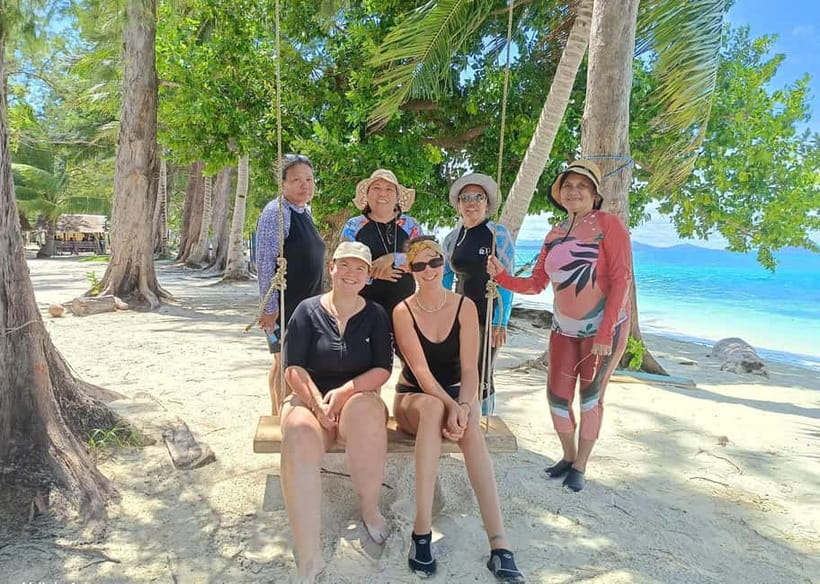
Paradise here comes with rough edges. Balabac offers untouched beaches and clear water far from the usual Palawan crowds, with three days of island hopping, meals, boat transport, and basic lodging included. I like the chance to swim near sea turtles at Onok Island, and I like the quiet night skies, where little light pollution makes stargazing worthwhile. The catch is simple: the trip from Puerto Princesa to Balabac takes five to seven hours by land, and the facilities are very basic.
This is a trip for laid-back, low-key visitors who can share rooms and boats without fuss. You should not book it if you expect a luxury hotel, polished restaurant, private transport, or perfectly smooth scheduling. Rain can also change the mood quickly. A wet boat ride, weak toilet facilities, or a crowded room can make this adventure feel much harder than the photos suggest.
In This Review
- Key points to know before you book
- Reaching Balabac from Puerto Princesa
- What the accommodation is really like
- Onok Island and the sea turtle encounter
- Onok Sea Wall and Giant Clam Spot
- Patawan, Bugsuk, and the sandbars
- Siksikan and Candaraman Island
- Balabac Parula Lighthouse at sunset
- Meals and daily comfort
- Boats, rain, and the biggest practical risk
- Is $422 a fair price?
- Who should book this Balabac trip?
- What to pack for Balabac
- Should you book KKJ Travel Services?
- FAQ
- How long does it take to reach Balabac from Puerto Princesa?
- What accommodation is included?
- What meals are included?
- Is Puerto Princesa accommodation included?
- Is island hopping included for all three days?
- Is the tour suitable for wheelchair users?
- What should I bring?
- Can I cancel the booking?
Key points to know before you book
- Five to seven hours from Puerto Princesa: The long road transfer is part of the cost of reaching remote Balabac.
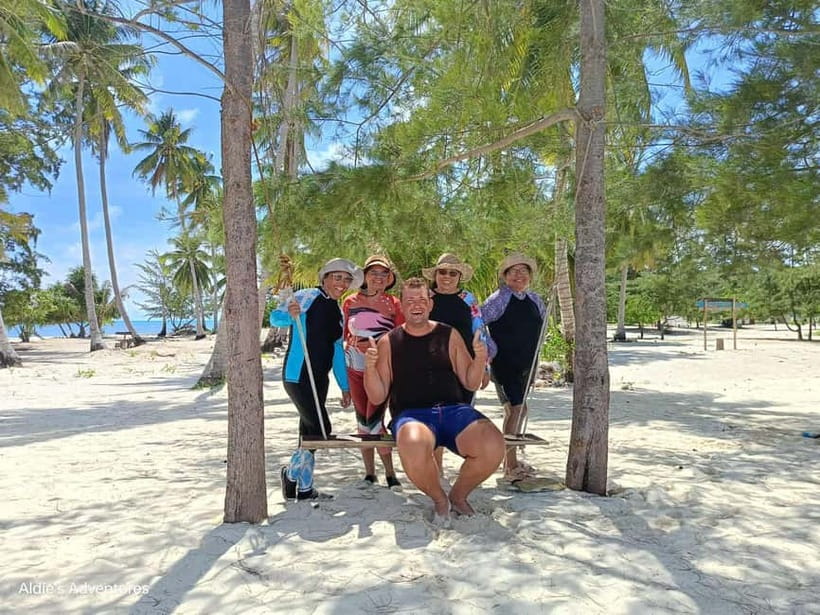
- Onok Island is the star stop: White sand, boardwalks, shallow water, and sea turtles make it the most memorable part of the trip.
- Three days on the water: You visit several beaches, sandbars, reefs, islands, and the Balabac lighthouse.
- Simple sleeping arrangements: One night is in a shared tent, followed by two nights in an air-conditioned town room with a shared bathroom.
- Full-board meals are included: Lunch and dinner on the first day, all main meals on days two and three, and a light breakfast on day four.
- The crew can make or break the experience: Boat operators and guides are praised for being friendly and helpful, even when organization falls short.
Reaching Balabac from Puerto Princesa
The trip starts with a roundtrip van transfer from Puerto Princesa to Buliluyan, followed by a public speedboat passenger transfer toward Balabac. The road portion can take five to seven hours, so you need patience, water, and a willingness to spend much of the first day in transit.
That long journey explains part of the price. At $422 per person, you are not paying only for beach time. The package covers the van, public speedboat, motorized outrigger boat, guide, boat crew, entrance fees, environmental fees, meals, accommodation, life vest, and first aid kit. For a remote trip with several moving parts, that can be fair value.
Still, the price does not buy comfort at every stage. Meals during land travel are not included, and you need your own accommodation in Puerto Princesa for the night before the tour begins. Pack cash, snacks for the road, hand sanitizer or tissues, and a change of clothes where you can reach them quickly.
The public speedboat and shared boat setup also mean you should expect company. If you want a private boat or a quiet transfer with plenty of personal space, this is the wrong style of trip. If you enjoy meeting people and sharing the ride, the setup makes the remote journey more sociable.
You can also read our reviews of more tours and experiences in Puerto Princesa.
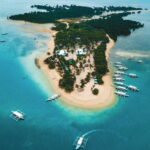
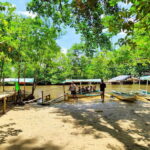
What the accommodation is really like
The first night is in a tent shared by two people. This is not glamping. You should expect a basic outdoor stay, with nature close at hand and limited privacy.
The next two nights are in an air-conditioned room in town, with two people sharing one room and a shared bathroom. Solo visitors receive a solo setup, with one person in the tent and one person in the room. That sounds straightforward, but room arrangements need attention. A room mix-up has resulted in four people sharing one room, including two strangers.
I would confirm the sleeping arrangements before departure, especially if you are traveling with a friend and need the room kept for two. Also ask about storing large luggage. The planned arrangement may not allow you to leave a big backpack behind, so you might need to carry it through the island portion.
The facilities are the least polished part of the trip. Toilet standards are poor, and comfort can drop sharply in wet weather. Bring insect repellent, tissues, hand sanitizer, and clothes that dry reasonably fast. Biodegradable sunscreen is requested, and it is the right choice for the reefs and shallow swimming areas.
Onok Island and the sea turtle encounter
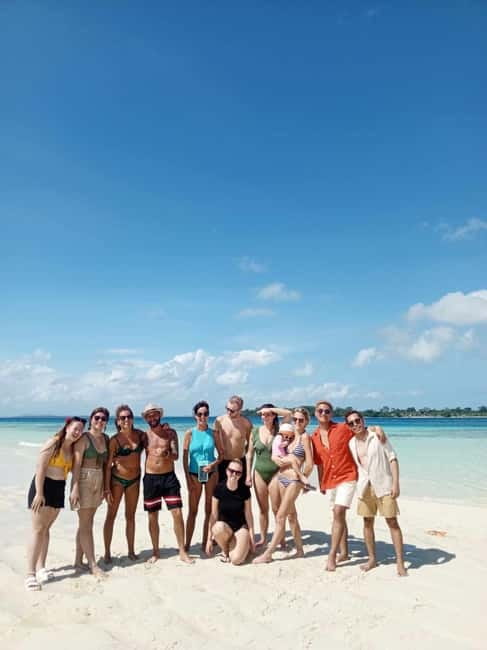
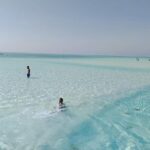
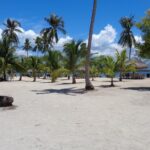
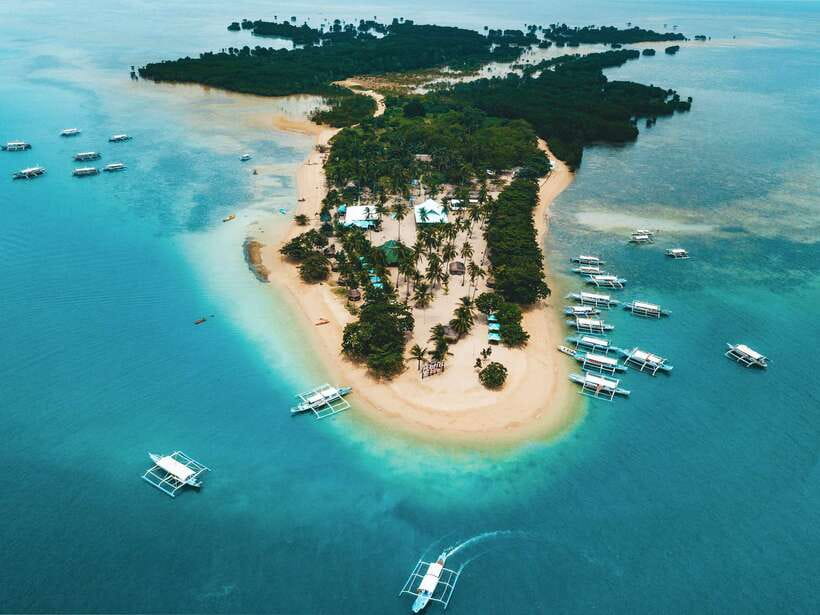
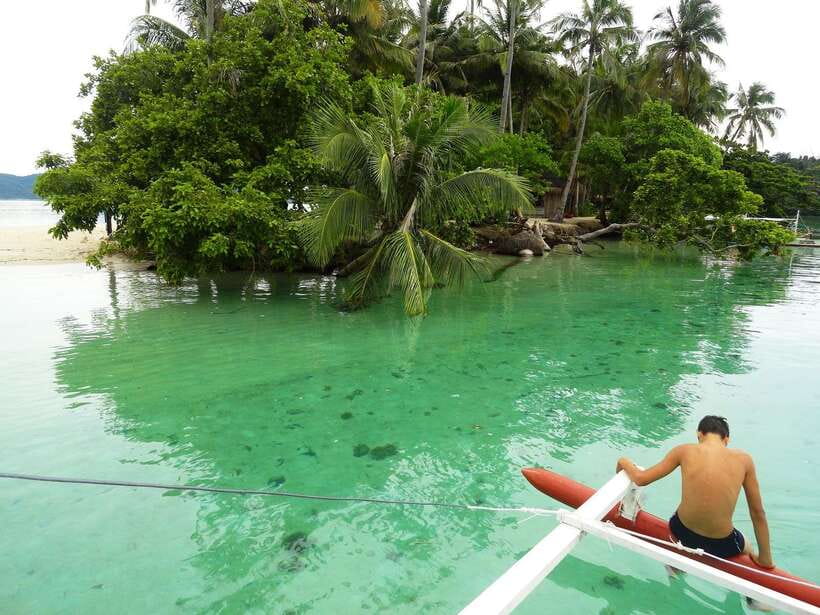
Onok Island is the picture-book stop. Its fine white sand, bright water, and long wooden boardwalks give you an easy place to walk, rest, swim, and take photographs.
The shallow water is the main attraction. You may see sea turtles moving through the area, creating a memorable encounter without the need for advanced snorkeling skills. The shallow depth also makes this a comfortable stop for people who want to enjoy the sea without heading far from shore.
Onok is a good place to slow down, but the schedule may not always give you as much time as you want. Several stops are packed into the three island days, and the pace can feel rushed. I would rather spend longer at fewer places here, especially if the sun is out and the water is calm.
Onok Sea Wall and Giant Clam Spot
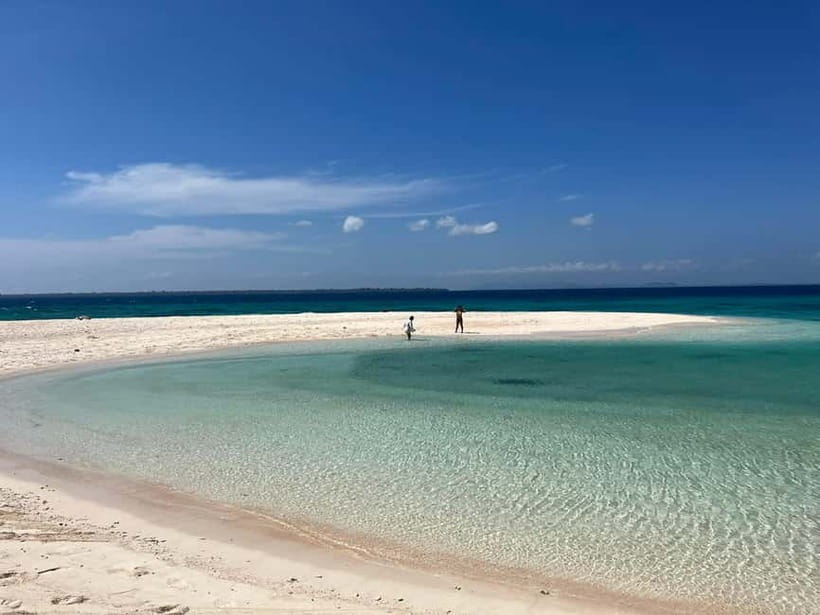
The Onok Sea Wall offers a sharp change in scenery. The shallow reef suddenly drops into darker water, creating an underwater edge where corals, sponges, and tropical fish gather.
You can float along the reef edge and look into the deep blue below. Beginners should stay within their comfort level and use the provided life vest if needed. Experienced snorkelers will appreciate the contrast between the reef top and the deeper water, but conditions matter. Wind and rain can reduce visibility and make the boat ride uncomfortable.
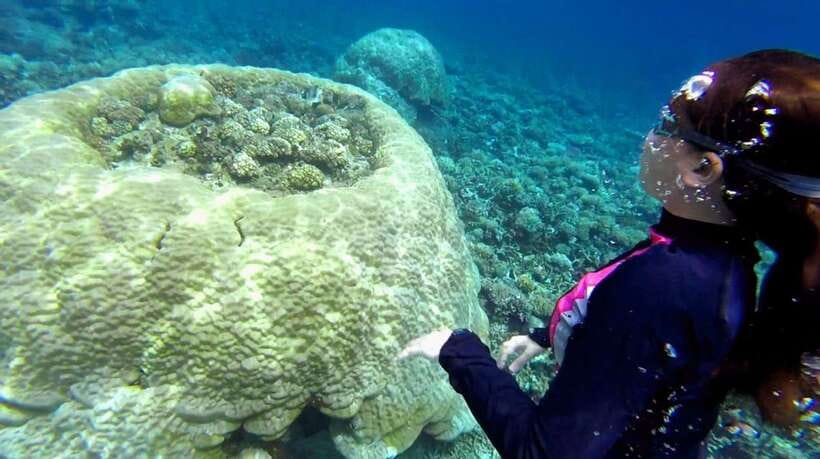
The giant clam spot adds something different. Some clams in this region can reach around 1.2 meters in length and weigh more than 200 kilograms. That scale is hard to grasp until you see one in the water. This stop gives the trip a useful marine-life focus beyond pretty beaches and photo stops.
Patawan, Bugsuk, and the sandbars
Patawan Island has a distinctive dolphin-like shape and good coral reefs. It may receive less attention than Onok, but it should not be treated as filler. If you enjoy snorkeling, Patawan can reward you with colorful reef areas and a quieter setting.
Punta Sebaring Beach sits on Bugsuk Island and offers the kind of calm shore that makes you want to stop checking the time. Its appeal is simplicity: white sand, open water, and few signs of development. This is one of the better places to sit, swim, and let the day become less scheduled.
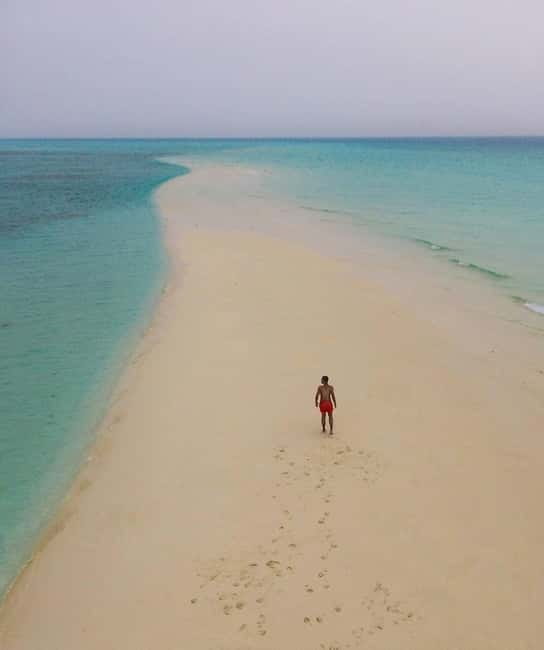
Mansalangan Sandbar is about views rather than shade or facilities. At the right tide and weather, you get a 360-degree sweep of the sea, with a clean horizon in every direction. Bring your camera, but protect it carefully from spray during the boat rides.
Sandbars are weather-sensitive. Their shape and usable area can change with tides, and cloudy conditions can take away much of the visual impact. I would treat Mansalangan as a bonus shaped by nature, not a guaranteed postcard moment.



Siksikan and Candaraman Island
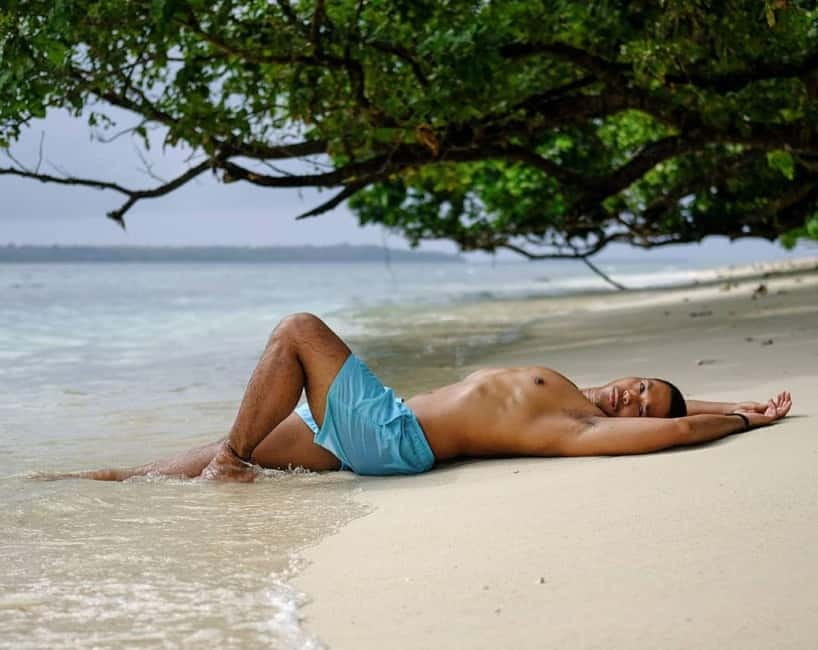
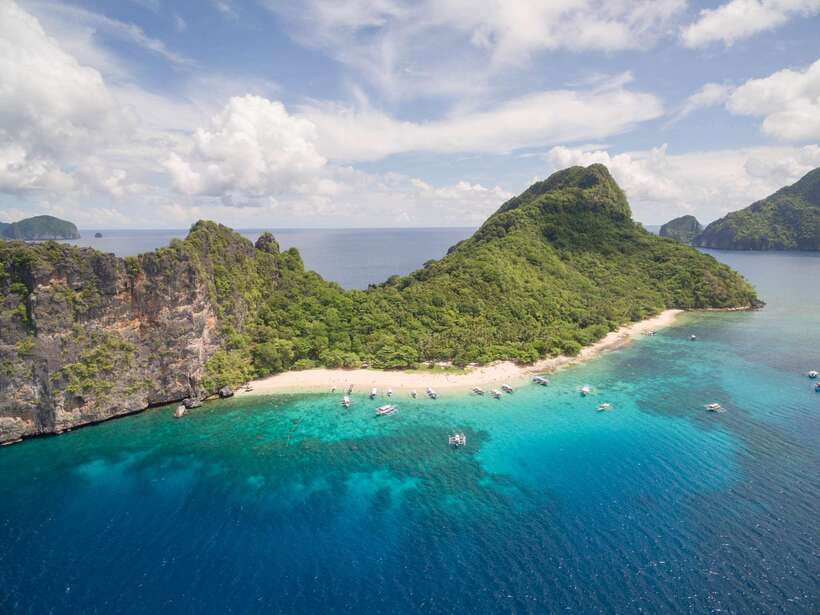
Siksikan Island is made for a slow beach stop. Its powdery white sand and quiet shoreline suit sunbathing and simple swimming. Bring sun protection, since a bright open beach offers little relief.
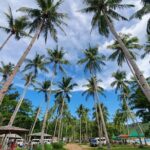
Candaraman adds more variety. Its green forests provide a different setting for photographs, and birdlife and other wildlife may be seen around the island. The nearby water also offers coral, tropical fish, clownfish, parrotfish, and angelfish.
This contrast is one of the strongest parts of the trip. You are not seeing the same beach repeated all day. You move between reef areas, sandbars, forested islands, open shore, and town viewpoints. The drawback is pacing. If the boat stops at too many similar beaches, each visit may feel brief instead of satisfying.
Balabac Parula Lighthouse at sunset
The Balabac Parula Lighthouse near Balabac Town is the final kind of stop that benefits from good weather. Its raised position gives you broad views across the Balabac Strait and nearby islands.
At sunset, this is a natural place to pause. You can watch the light change over the water rather than simply taking another beach photograph. The viewpoint also gives you a sense of the island setting, with sea routes and scattered landforms stretching around the town.
Sunset timing and weather control the result. If clouds roll in, the view may be muted. That is part of remote island travel. The lighthouse is still worthwhile as a viewpoint, but do not book the trip solely for a guaranteed sunset.
Meals and daily comfort
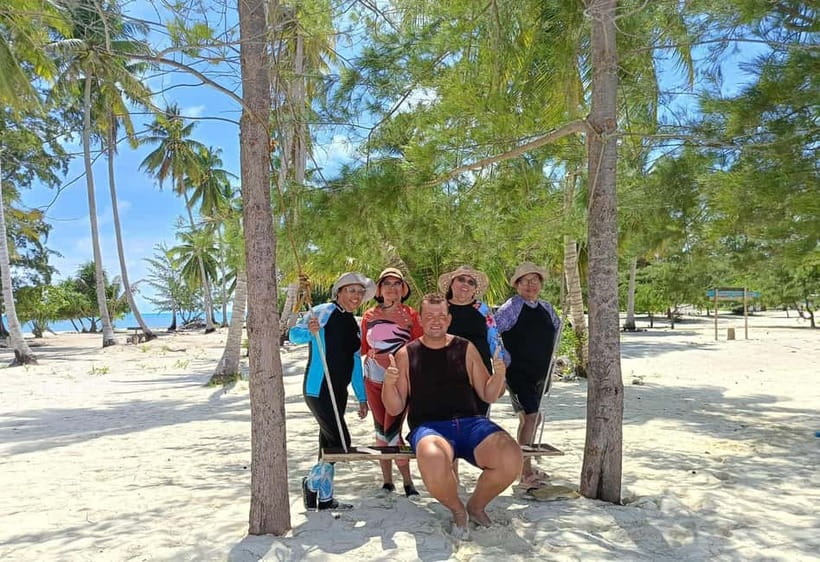
Full-board meals cover much of the time away from Puerto Princesa. Day one includes lunch and dinner. Days two and three include breakfast, lunch, and dinner. Day four includes a light breakfast.
That coverage is helpful because food options are limited during island hopping. You can focus on the day instead of planning every meal. The package describes lunch as a substantial meal served with ocean views, which fits the simple, local character of the trip.
You should still bring small snacks for the long land journey and any gaps between scheduled meals. Other meals are not included, and meals during the land transfer are specifically excluded. Do not assume that every drink, snack, or extra meal is covered.
The food should be approached as practical tour catering, not restaurant dining. If you are very selective about meals, the provider plainly warns you not to book. That is not a minor footnote. It is one of the clearest tests of whether this trip suits you.
Boats, rain, and the biggest practical risk
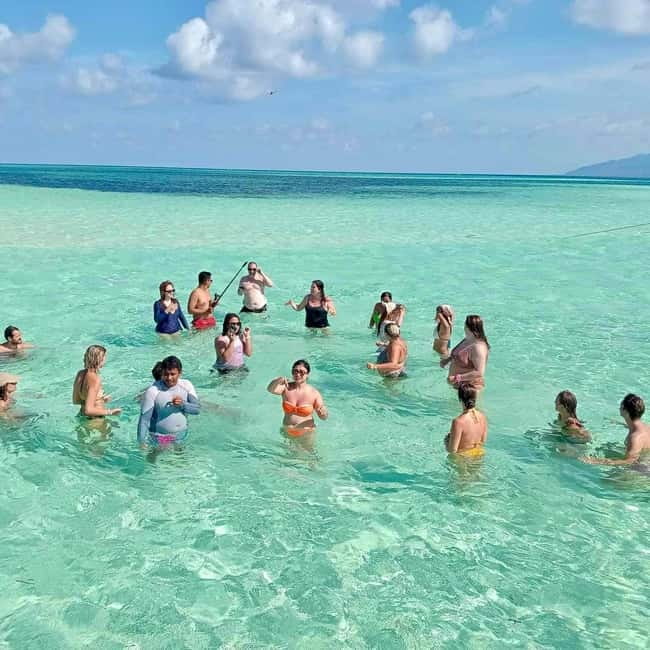
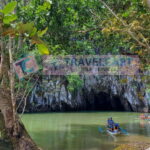
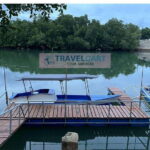
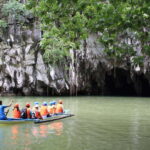
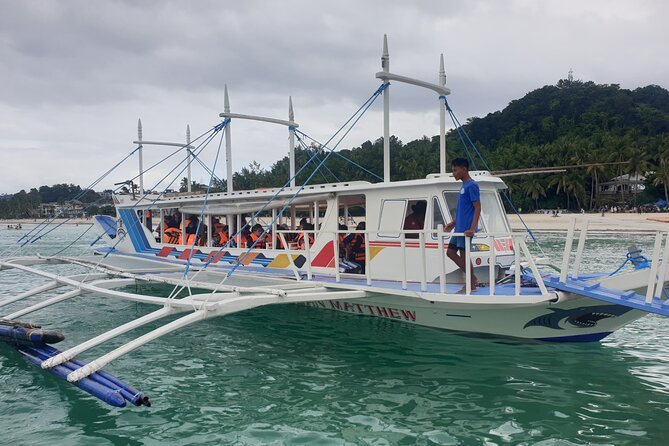
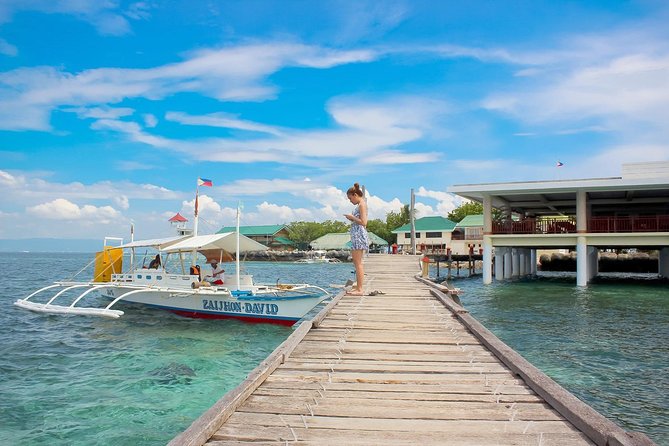
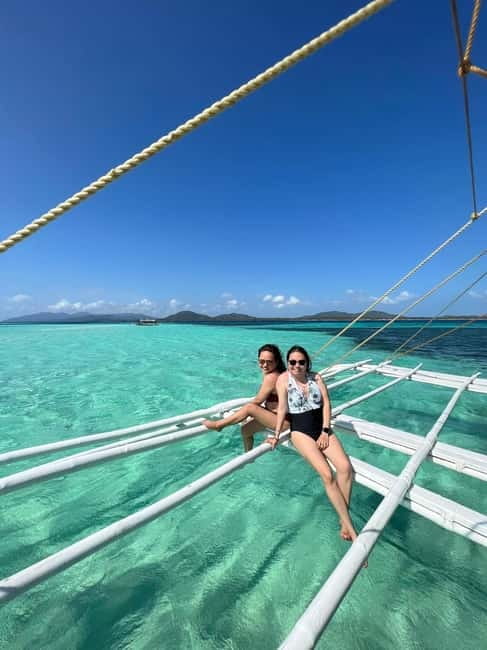
Island hopping uses a licensed motorized outrigger boat with trained operators and an experienced guide. This type of boat gives you a more local experience than a large resort vessel, and the crew can add warmth to a rough day.
The boat is also where weather causes the most trouble. Rain has led to water coming into the boat, leaving people cold and unwell. Bring a waterproof bag for your phone, camera, money, and spare clothes. A light rain layer is useful even when the forecast looks friendly.
The crew is one of the strongest parts of the experience. Boat operators and guides are described as kind and helpful, which matters when the sea is choppy or the schedule gets messy. Good people cannot fix every planning problem, but they can make a demanding trip feel manageable.
The main concern is organization. Room confusion, luggage problems, crowded transport, and rushed stops have all been part of the experience for some visitors. Go in with flexible expectations. Balabac rewards patience, not precision.
Is $422 a fair price?
For three days of island hopping and four days of scheduled travel and lodging, $422 can be reasonable. You receive transport from Puerto Princesa to the departure point, a public speedboat transfer, three days of boat excursions, meals on most tour days, two kinds of accommodation, guides, crew, entrance fees, environmental fees, and safety equipment.
The value is strongest if you would otherwise need to arrange these pieces yourself. Remote transport, permits, boat hire, food, and local guidance can be difficult to coordinate independently.
The value is weaker if your priority is comfort. You are paying for access to remote islands, not a polished hotel stay. Shared rooms, basic toilets, public transport, and weather exposure are part of the bargain.
The current overall score is 3.6 out of 5 from 17 ratings. That fits the picture: the islands receive the warmest praise, while comfort and organization receive the most criticism. I would judge the price by your priorities. For beaches, reefs, turtles, and solitude, it can work well. For dependable logistics and soft beds, it may frustrate you.
Who should book this Balabac trip?
I would recommend it to you if you:
- Love quiet beaches and little-developed islands.
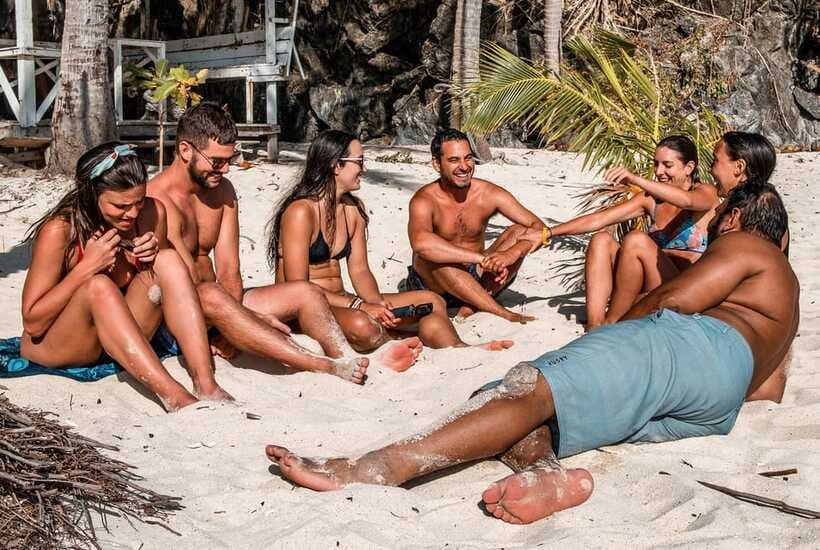
- Are comfortable sharing a boat with other people.
- Want to meet new friends during a remote trip.
- Enjoy snorkeling, sea life, photography, and open water.
- Can handle a five to seven-hour land transfer.
- Are happy with simple rooms, tents, and shared bathrooms.
- Do not need every stop to run exactly on time.
- Consider yourself a thalassophile, or simply someone who feels happiest near the sea.
I would not recommend it if you need wheelchair access, since the experience is not suitable for wheelchair users. It is also not suitable for people over 95 years old.
Smoking, alcohol, and drugs are not allowed. Those rules help protect the natural setting and keep a shared boat environment manageable.
What to pack for Balabac
Keep your day bag small and waterproof. Pack a change of clothes, camera, flip-flops, cash, biodegradable sunscreen, biodegradable insect repellent, and hand sanitizer or tissues.
I would add a waterproof phone pouch, a dry bag for electronics, and a light cover for rain. These items are practical responses to the boat conditions, not luxury extras.
Bring patience, too. It may be the most useful thing in your bag. The remote setting is the reason Balabac looks so special, but remoteness also brings delays, basic facilities, and weather problems.
Should you book KKJ Travel Services?
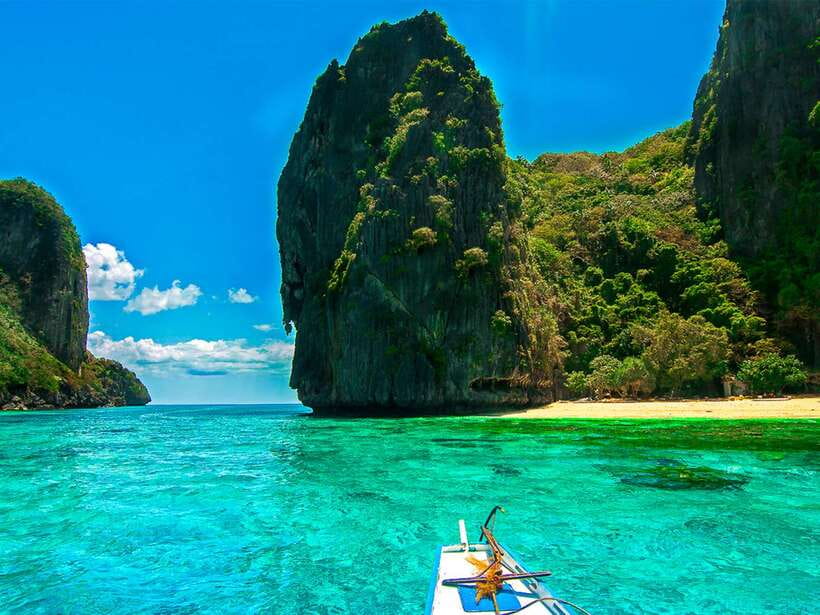
Book this experience if you want raw beauty, sea turtles, coral reefs, quiet beaches, and a genuine sense of getting away from the usual Palawan route. Onok Island, the Onok Sea Wall, the giant clams, Punta Sebaring, and the lighthouse give the trip plenty of visual variety.
Skip it if you want luxury, precise organization, private transport, or a dependable schedule in bad weather. Before paying, confirm the room arrangement, luggage storage, departure timing, and how the group handles rain.
My advice is simple: choose Balabac for the place, not the comforts. If you can accept the rough edges, $422 buys access to a remarkable part of Palawan. If you cannot, the beaches alone may not compensate for the long transfer and basic conditions.
FAQ
How long does it take to reach Balabac from Puerto Princesa?
The land journey from Puerto Princesa to Balabac takes about five to seven hours. The package also includes a public speedboat passenger transfer from Buliluyan.
What accommodation is included?
You receive one night in a tent shared by two people and two nights in an air-conditioned room in town. The town room has a shared bathroom.
What meals are included?
Day one includes lunch and dinner. Days two and three include breakfast, lunch, and dinner. Day four includes a light breakfast.
Is Puerto Princesa accommodation included?
No. You need to arrange and pay for accommodation in Puerto Princesa for the night before the tour begins.
Is island hopping included for all three days?
Yes. The package includes three days of island hopping by licensed motorized outrigger boat, with a guide and boat operators.
Is the tour suitable for wheelchair users?
No. The experience is not suitable for wheelchair users.
What should I bring?
Bring a change of clothes, camera, biodegradable sunscreen, flip-flops, cash, biodegradable insect repellent, and hand sanitizer or tissues.
Can I cancel the booking?
You can cancel up to 24 hours in advance for a full refund. The reserve-and-pay-later option also allows you to hold a place without paying immediately.