Scuba Diving in Boracay: SSI Open Water Certification
Breathing underwater changes your sense of the world. This three-day SSI Open Water Certification gives you a structured way to learn scuba skills, practice them in confined water, and complete four boat sessions with an instructor. I like the mix of online study and hands-on training, and I like that equipment, materials, fees, and five confined-water sessions are included. The main concern is the location: the experience is promoted as Boracay scuba training, but the supplied details list Catanduanes Province, so confirm the exact meeting point before paying.
I also appreciate the flexible booking terms, including free cancellation up to 24 hours before the activity and the option to reserve without paying immediately. You should arrive ready for three active days, bring swimwear, and keep your schedule clear after the course because flying is not permitted within 24 hours of scuba activity.
In This Review
- Key Points Before You Book
- What This SSI Course Is Really Teaching You
- Before the Water Work, Complete the SSI Lessons
- Five Confined-Water Sessions Build Your Comfort
- Four Boat Sessions Take You Beyond the Practice Area
- Equipment and Materials Are Included
- The Location Discrepancy Needs Attention
- Who Will Get the Most From This Course?
- Three Days Requires Careful Planning
- Is $487 a Fair Price?
- Booking Flexibility and Final Checks
- Should You Book the SSI Open Water Certification?
- FAQ
- How long does the SSI Open Water Certification take?
- What is included in the course?
- How old must I be to take the course?
- Which languages are available?
- Do I need to bring scuba equipment?
- Is hotel pickup included?
- Can I fly after completing the course?
- Can I cancel the booking?
Key Points Before You Book
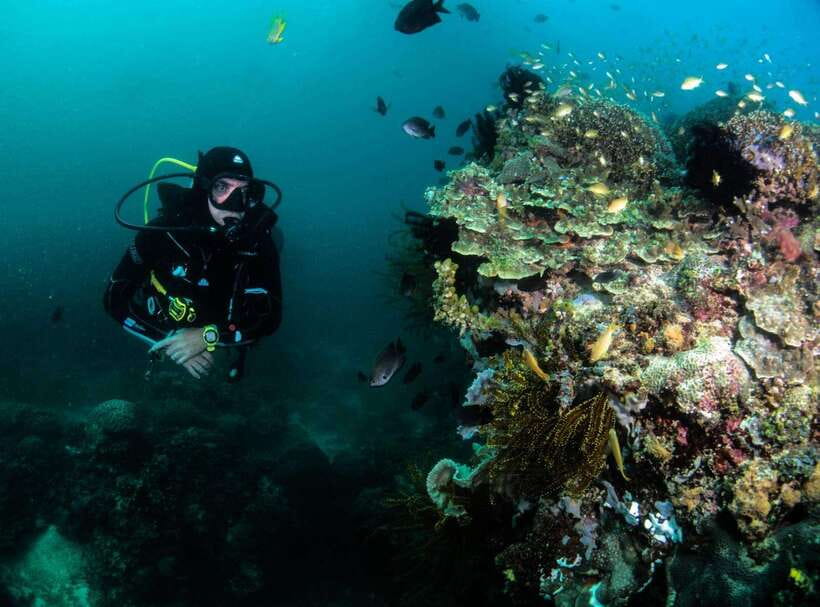
- Three phases of training: Complete eLearning or classroom study, practice core skills in confined water, then use those skills during four open-water boat sessions.
- Five confined-water sessions: You get repeated practice with essential equipment before heading to local underwater sites.
- SSI learning materials included: Online lessons cover terminology, safety procedures, and skill demonstrations that you can keep for later reference.
- Age and health limits: Participants must be at least 10 years old, and the activity is not suitable for pregnant women or people with pre-existing medical conditions.
- Four instructor-led boat sessions: The course moves beyond basic practice and gives you supervised experience at four local sites.
- Location needs checking: The title refers to Boracay, while the stated province is Catanduanes. Get this sorted before booking flights or lodging.
What This SSI Course Is Really Teaching You
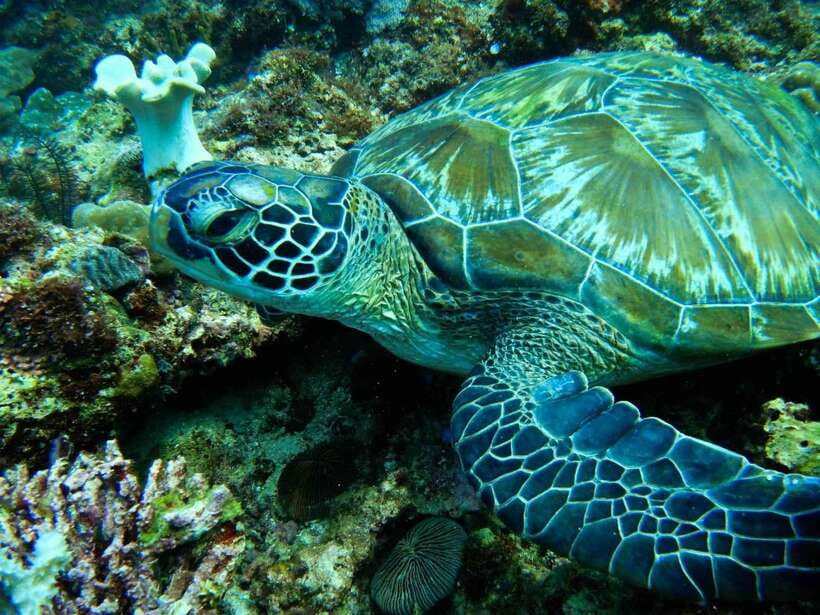
An entry-level scuba course should do more than get you underwater quickly. It should help you understand how the equipment works, how to manage yourself in the water, and what to do when something feels unfamiliar.
That is the value of this SSI program. It is divided into three clear parts:
- Knowledge development through online or classroom lessons
- Confined-water training for basic skills
- Open-water practice at four local sites
I like this sequence because it lets you learn in stages. You first absorb the basic ideas, then rehearse them in a controlled setting, and only after that move into the open water. For a first certification, that order matters.
The course also includes a minimum of five confined-water sessions. That gives you more than a single quick pool practice. You should have repeated chances to get comfortable with breathing equipment, buoyancy control, and standard procedures before dealing with the added movement and space of boat-based underwater sessions.
The experience is guided by an SSI instructor who can teach in Tagalog, English, German, or Spanish. That language range is useful if technical terms feel easier in your strongest language. Clear communication matters in scuba training, especially when learning safety steps and hand signals.
Before the Water Work, Complete the SSI Lessons
The eLearning portion lets you study from home or another location before the practical sessions. The materials explain basic terminology, scuba skills, and safety procedures, with written descriptions and video demonstrations for each concept.
I would not treat this as throwaway homework. The reading gives you the vocabulary needed to follow your instructor, while the videos let you see how a skill should look before you try it. You can also keep the materials after certification, which is helpful when you want to refresh your memory before a future underwater outing.
You may have the option to complete the knowledge portion in a classroom instead. The supplied details do not specify how much classroom time is offered or how the schedule is divided, so ask the provider how the three days are organized.
A practical tip: finish as much of the online study as possible before the first water session. That leaves more energy for equipment practice and helps you arrive with questions rather than trying to absorb every basic idea at the same time.
Five Confined-Water Sessions Build Your Comfort
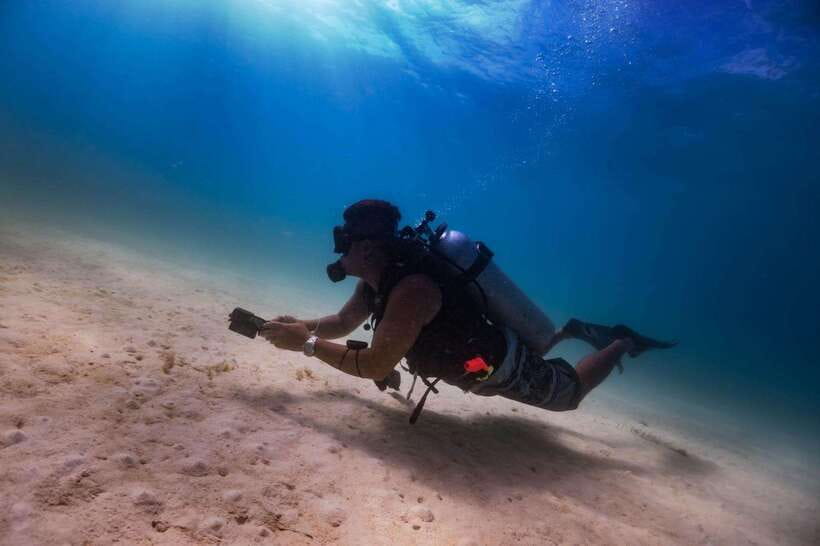
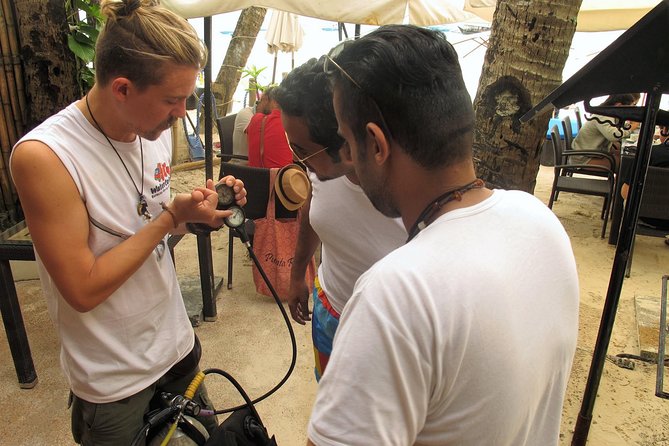
The confined-water portion is where the course becomes physical. You will learn to use standard scuba equipment, including an underwater computer and the usual accessories, under the direction of your instructor.
The five-session format is one of the strongest parts of the package. Many beginners need time to get used to breathing through a regulator, managing a mask, and staying calm while adjusting equipment. Repetition turns strange movements into familiar ones.
You should expect to practice the skills first in a pool or pool-like environment. This setting gives the instructor room to correct your technique before you take those skills to an open-water site.
I especially value the chance to repeat basic procedures. The first attempt can feel awkward, even when the skill looks simple in a video. By the fifth confined-water session, you should have a better sense of your equipment and a clearer idea of how to respond to your instructor’s directions.
The supplied information does not give a fixed list of individual skills, so I would ask what will be covered during each session. SSI materials generally introduce essential equipment use, underwater communication, safety procedures, and basic control, but the exact daily schedule can vary.
Four Boat Sessions Take You Beyond the Practice Area
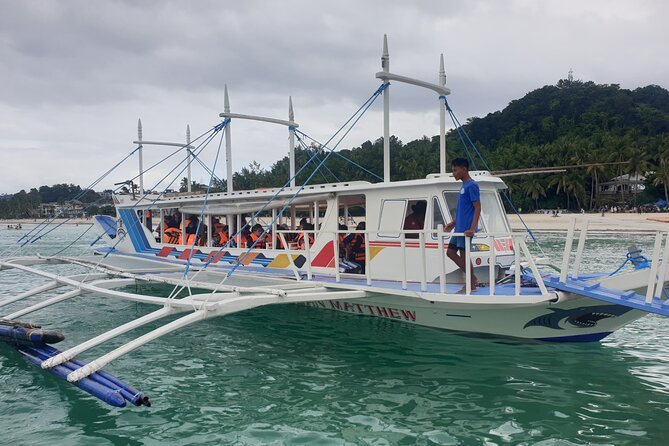
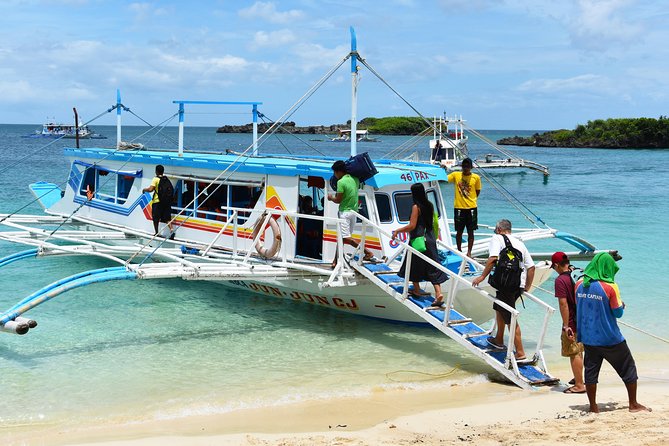
After the confined-water training, the course includes four boat sessions at local underwater sites. These sessions let you use your new skills in a more open setting and work toward certification under instructor supervision.
The move from a pool-like area to a boat is a meaningful step. You will be dealing with a larger environment, boat procedures, and the practical rhythm of entering and leaving the water. The course is designed to help you make that transition gradually rather than sending you straight into open water with no preparation.
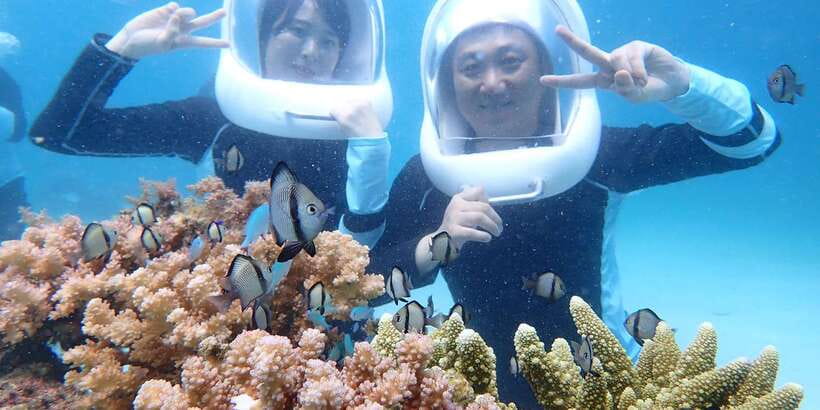
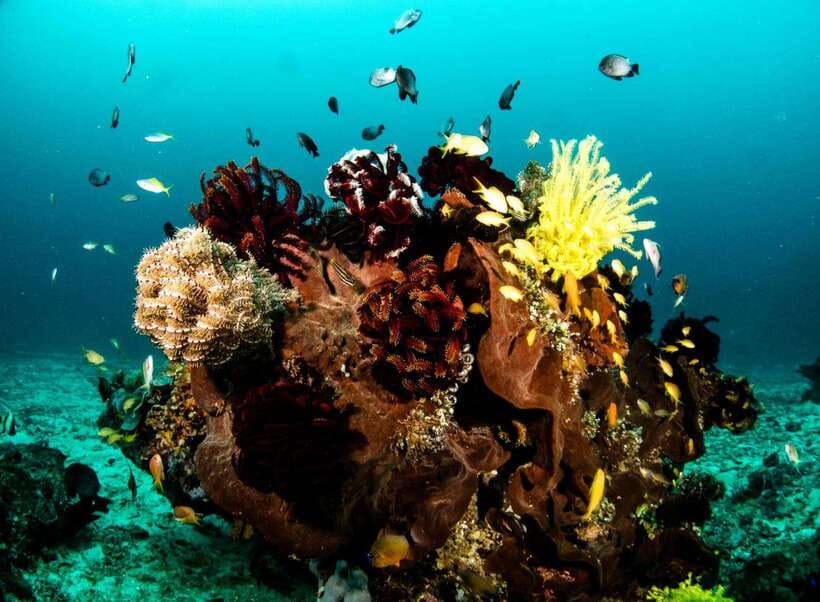
The exact sites are not named, and no underwater wildlife, coral formations, depths, or visibility conditions are promised. That is important. You should not book this course expecting a particular animal encounter or a specific reef scene unless the provider confirms it separately.
Still, the four-site structure gives the training real variety. Each location can help you apply the same core skills under slightly different conditions. The focus remains certification, not a sightseeing cruise, but you should get a genuine introduction to local underwater settings as part of the training.
Because these are boat-based sessions, I would ask about departure times, meeting arrangements, and how long you will spend at each site. Hotel pickup is not included, so you need to arrange your own way to the meeting point.
Equipment and Materials Are Included
The price includes use of the SCUBA equipment, course materials, instructor services, five confined-water sessions, four boat sessions, and all fees and taxes. Complimentary coffee or tea is also included.
That package makes the $487 price easier to assess. You are not paying only for four underwater outings. You are paying for a full certification course with study materials, repeated skill practice, equipment access, professional instruction, and the required water sessions.
For a beginner without personal gear, the equipment inclusion is especially useful. Buying or transporting a full set of scuba equipment would add cost and hassle. The package lets you learn with the gear used during training, rather than trying to assemble your own setup before you understand what you need.
The price does not include additional food and drinks beyond the complimentary coffee or tea. It also does not include hotel pickup. Those exclusions are manageable, but you should budget for meals and local transport during the three days.
I would also confirm whether any personal items beyond swimwear are recommended. The official requirement lists swimwear, but a small towel, sun protection, and a change of clothes may be practical for a water-based course. Since only swimwear is formally specified, treat those extras as personal preparation rather than included amenities.
The Location Discrepancy Needs Attention
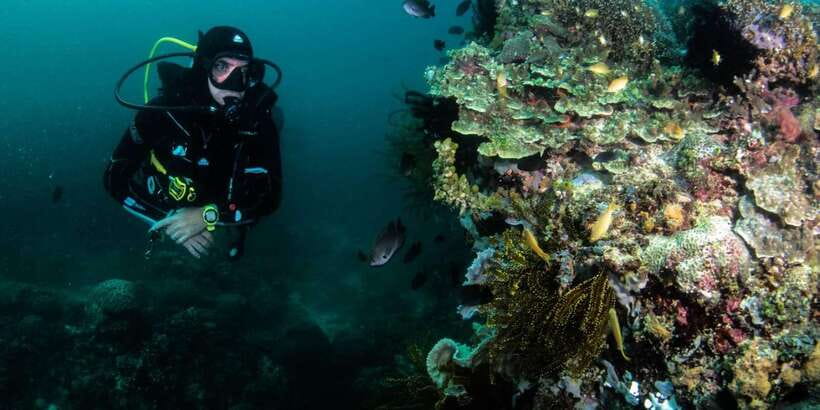
The experience title and highlights refer to Boracay, including scuba training in Boracay. The location field, however, states Catanduanes Province, Philippines.
That is not a minor wording issue. Boracay and Catanduanes are different destinations, and the difference affects flights, accommodation, transport, and your entire trip plan. Before booking, ask DiveGurus Diving Services Corporation to confirm the exact province, island, meeting point, and nearest airport.
Do not assume that the phrase Boracay settles the matter. The stated location may be a data error, or the activity information may have been attached to the wrong destination. Either way, you need written confirmation before arranging travel.
This is the clearest practical drawback in the available information. The course itself has a logical structure, but location uncertainty can turn a good booking into a costly mistake if you arrive in the wrong place.
Who Will Get the Most From This Course?
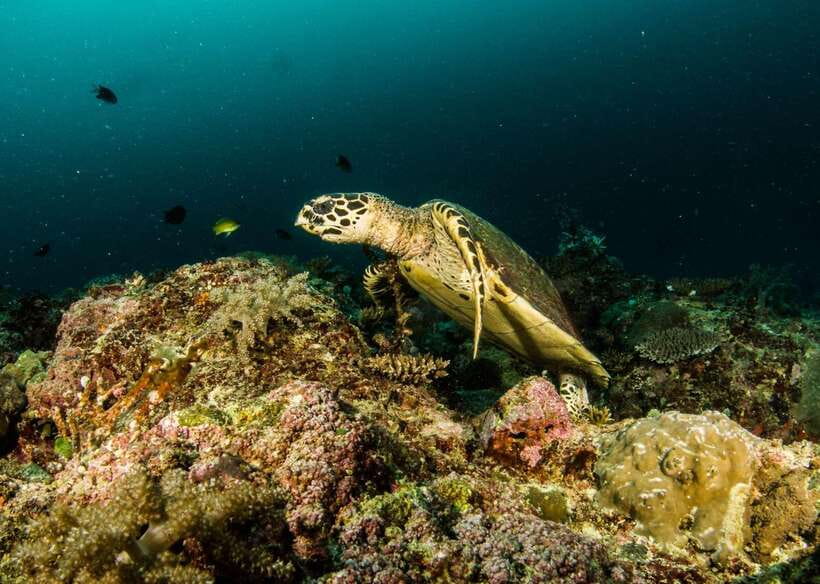
This course suits you if you are a first-time scuba participant who wants a recognized SSI certification rather than a one-time introductory swim. The three-day schedule gives you time to study, practice, and apply your skills.
It is also a good fit if you prefer learning in stages. The combination of eLearning, five confined-water sessions, and four boat sessions offers a measured path from theory to open water.
The course may suit families with older children, since the minimum age is 10. However, the supplied information does not explain whether a parent or guardian must accompany minors, so ask the provider before booking for anyone under 18.
You should not book if you are pregnant or have a pre-existing medical condition that could affect scuba participation. The activity is specifically listed as unsuitable for those participants. If you have a medical concern, get appropriate professional advice before reserving.
The course is less suitable for someone who wants a relaxed sightseeing outing with no study or practice. Certification requires attention, physical participation, and repeated skills work. The underwater locations are part of the training, not the whole point.
Three Days Requires Careful Planning
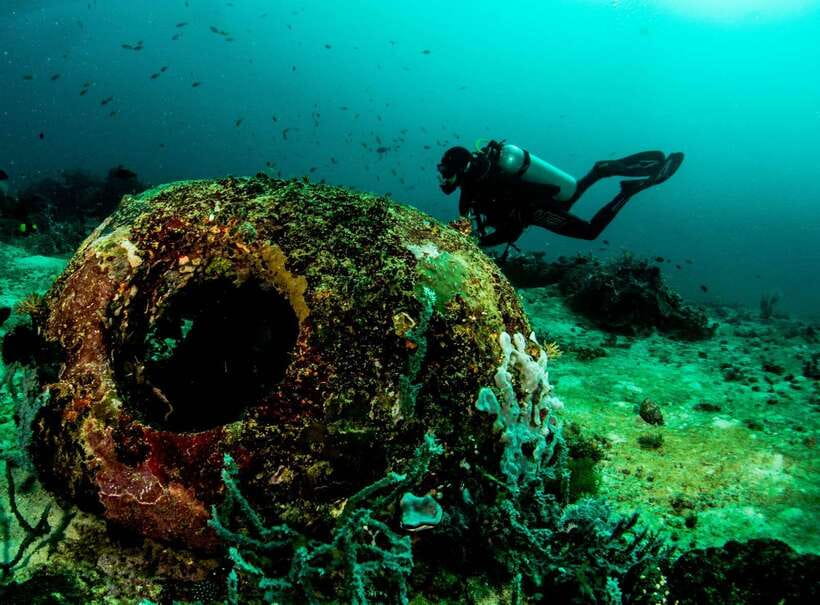
The course lasts three days, but the exact starting times are not provided. Check availability and ask for the daily schedule before making other plans.
You need to protect the time before and after the course. Most importantly, you cannot fly within 24 hours after scuba activity. That rule means your departure flight should not be scheduled immediately after the final session.
The same caution applies to an arrival itinerary that leaves no room for delay. Since hotel pickup is not included, allow time to reach the meeting point independently. The provider can clarify local transport details once the correct destination is confirmed.
Food is another small planning point. Coffee or tea is included, but additional food and beverages are not. Plan to buy your own meals during the three days unless the operator provides a more detailed schedule.
Alcohol and drugs are not allowed during the activity. That is a basic safety requirement, and you should arrive rested and prepared to follow the instructor’s directions.
Is $487 a Fair Price?
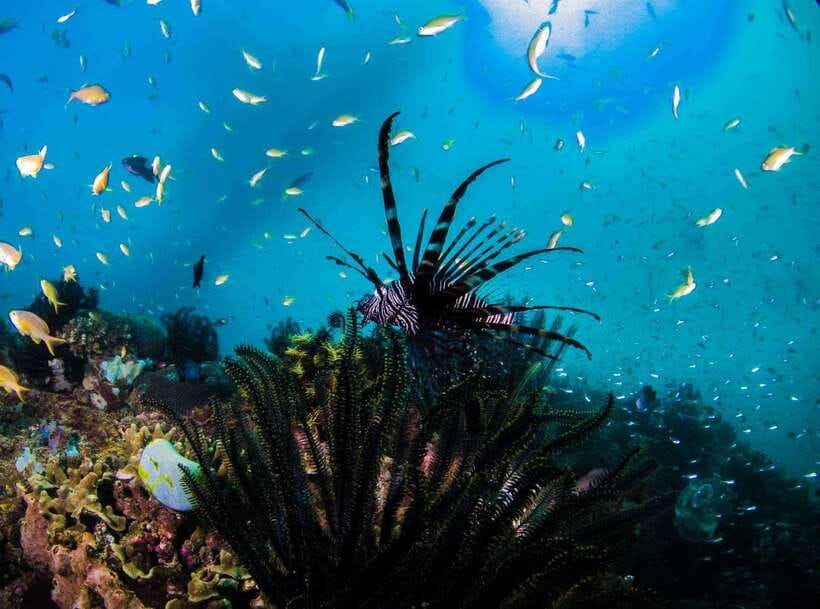
At $487 per person, this is not a bargain-priced casual underwater outing. It is priced as a full certification package.
The value is strongest if you need equipment and want instruction from start to finish. The price includes the SSI materials, instructor, SCUBA equipment, five confined-water sessions, four boat sessions, taxes, and fees. Paying separately for equipment rental, training, and multiple water sessions could easily make a stripped-down package less convenient.
I would compare the total package carefully with any alternative course. Look at the number of confined-water sessions, the number of open-water sessions, equipment costs, learning materials, and certification-related fees. A cheaper offer may include fewer training sessions or leave equipment and taxes outside the headline price.
The included coffee or tea is a pleasant extra, but it should not influence your decision much. The real value lies in the structured instruction and the number of practice sessions.
Booking Flexibility and Final Checks
You can cancel up to 24 hours in advance for a full refund, and you can reserve now while paying later. Those terms help if your island plans are still shifting.
They do not remove the need to confirm the location. I would contact DiveGurus Diving Services Corporation before booking and ask four direct questions:
- Is the course held in Boracay or Catanduanes Province?
- What is the exact meeting point?
- How are the three days divided between eLearning, confined-water sessions, and boat sessions?
- What time does the final session end, given the 24-hour no-flying rule?
Also confirm the teaching language you want. Tagalog, English, German, and Spanish are listed, but availability may depend on the instructor assigned to your dates.
Should You Book the SSI Open Water Certification?
Book this course if you want a proper three-day introduction to scuba with repeated practice, included equipment, SSI materials, and four supervised boat sessions. The format is especially appealing if you value a steady learning process instead of a quick introductory outing.
Hold off until the location is confirmed. The Boracay and Catanduanes discrepancy is too important to ignore, and hotel pickup is not included. Once the destination, schedule, and meeting point are clear, $487 can be reasonable value for a complete beginner certification package.
FAQ
How long does the SSI Open Water Certification take?
The course lasts three days. Starting times are not fixed in the supplied details, so check availability for the dates you want.
What is included in the course?
The price includes course materials, an SSI instructor, use of SCUBA equipment, five confined-water sessions, four boat sessions, all fees and taxes, and complimentary coffee or tea.
How old must I be to take the course?
You must be at least 10 years old to enroll.
Which languages are available?
Instruction is listed in Tagalog, English, German, and Spanish.
Do I need to bring scuba equipment?
No. Use of SCUBA equipment is included. You only need to bring swimwear according to the stated requirements.
Is hotel pickup included?
No. Hotel pickup is not included, so you must arrange your own transportation to the activity meeting point.
Can I fly after completing the course?
You are not allowed to fly within 24 hours after scuba activity. Plan your departure accordingly.
Can I cancel the booking?
Yes. You can cancel up to 24 hours in advance for a full refund. The reserve-now, pay-later option is also available.