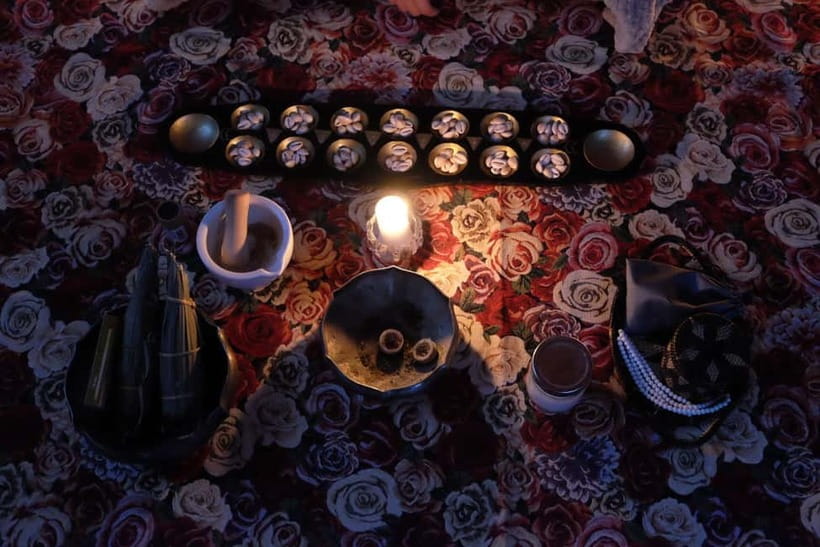
Siargao: Hayahay Ritual – Short Version for Soul Alignment
Quiet rituals can change a day. Siargao’s Hayahay experience offers a private Filipino ceremony built around breath, rest, and self-honoring rather than sightseeing. I like the careful focus on the seven soul vessels and the gentle use of chanting, coconut oil, and guided visualization. I also like that the ritual is presented as a modern, accessible practice rooted in Filipino animist ideas, not as a religious service.
The main consideration is that this is intimate and participatory. You may be asked to anoint your chest, belly, and inner legs with oil while covered by a bikini, sarong, or large cloth. I also appreciate the quiet rules around phones and recording, but anyone hoping for photographs or a more casual cultural activity may find the format too private.
In This Review
- Key points to know before booking
- What Hayahay means in this Siargao setting
- Beginning with pausok, kamangyan, and bunot
- The short lecture: animism, usbong, and the seven vessels
- First module: three chants and guided visualization
- Second module: the seven-vessel body anointing
- Third module: closing chants and energy alignment
- Price, privacy, and the value of a private session
- Who will appreciate this, and who should skip it
- Practical preparation for a calmer session
- Should you book the Hayahay Ritual?
- FAQ
- How long does the short Hayahay Ritual last?
- Where does the ritual take place?
- What should I bring?
- Can I shower immediately afterward?
- Is the ritual religious?
- Can I take photographs or record the ritual?
Key points to know before booking
- A 90-minute private ritual: The short version is designed for one person and may last from about one minute to two hours according to availability, with the actual program described as 1 hour and 30 minutes.
- Seven soul vessels: The head, eyes, nose, mouth, ears, arms, and legs each receive attention during the body-anointing practice.
- Herbal smoke blessing: The opening uses kamangyan and bunot in a Filipino pausok ceremony intended to clear the space and body.
- A Siargao location arranged after booking: You contact Kimberly Macatangay through WhatsApp to agree on the setting, or use her area in Don Paulino, Dapa Guiwan.
- Bring privacy and comfort items: You need a towel or cloth, drinking water, and loose clothes. Avoid showering right after the ceremony.
- A small, highly personal experience: This suits adults who want reflection and cultural context, not children, photo-taking, or a group excursion.
What Hayahay means in this Siargao setting
Hayahay is described as a Filipino word connected with exhaling, softening, and resting into life. That idea gives the ceremony its shape. You are not being taken from one attraction to another. Instead, you are guided through a slow sequence meant to bring attention back to your breath and body.
The practice is rooted in pre-colonial Filipino animist traditions and was passed to Kimberly Macatangay by her Babaylan mentor, a Filipino shaman from a lineage that preserved ancestral teachings. The activity is also described as modernized, which matters. You are not expected to arrive with a background in Filipino spirituality or ritual.
The focus is on kapwa, the Filipino idea of the shared self. In practical terms, the welcome is meant to include people of different identities and backgrounds. The ceremony is framed as a respectful space for reflection rather than a conversion experience or formal religious rite.
That distinction will help you decide if this fits your trip. If you want a cultural activity with lots of historical explanation and visible ceremony, this may feel spare. If you want time to listen inward, the uncluttered format is part of its value.
Beginning with pausok, kamangyan, and bunot
The experience opens at the entrance to the land with pausok, an herbal smoke blessing. Kamangyan and bunot are used as part of this opening, which is intended to clear the body and the space before the main practice begins.
You should expect this to be symbolic and sensory rather than theatrical. The smoke marks a change from ordinary holiday time to a more attentive state. It also gives Kimberly a way to introduce the Filipino animist idea behind pausok before moving into the main exercises.
If you are sensitive to smoke, ask about the setting when you arrange the appointment. The supplied details do not specify how much smoke is used or whether an alternative is available. That is a sensible question to ask before you commit.
The ceremony does not allow smoking, food, alcohol, drugs, chewing gum, or littering. Shoes are not allowed indoors, and photography, video, and audio recording are prohibited. These rules can feel strict if you are used to documenting every part of a holiday, but they protect the quiet and private nature of the ritual.
The short lecture: animism, usbong, and the seven vessels
After the opening, you receive a short explanation of Filipino pre-colonial animism, the seven soul vessels, and usbong. Here, usbong refers to a natural energetic field connected with your living presence.
The seven vessels are:
- Head
- Eyes
- Nose
- Mouth
- Ears
- Arms
- Legs
This framework gives the ceremony a clear physical structure. Rather than asking you to think about your entire body in a vague way, the ritual moves through recognizable parts and invites you to notice their role in how you breathe, sense, speak, listen, reach, and move.
I like this approach because it keeps the session grounded. You do not need to accept every spiritual idea literally to find meaning in the exercise. You can treat the vessels as a way to pay attention to your body, memory, and habits.
The talk is short, so do not book this expecting a full academic course on Filipino history or indigenous belief systems. You receive enough background to understand the ceremony, but the main purpose is practice rather than scholarship.
First module: three chants and guided visualization
The first ritual module uses a sacred syllable chanted three times. Kimberly guides you through visualization as the sound is used to open the breath and the seven vessels.
The repetition matters. Three rounds offer a simple rhythm, helping you move away from normal conversation and into a slower pace. The visualization gives your mind something to follow, while the chant brings attention to breath and sound.
You do not need to be an experienced meditator. The description presents this as an accessible practice, and the short version is intended to be gentle but effective. Still, it asks for your participation. You are not simply watching a performer.
Some people may feel self-conscious about chanting, especially in a private setting with an unfamiliar guide. That is worth considering before booking. The activity works best if you can set aside the urge to judge your voice or perform the ritual perfectly.
English, Italian, and Tagalog are available for instruction. If language affects your comfort with guided visualization, confirm your preferred language when you arrange the location.
Second module: the seven-vessel body anointing
The central hands-on part is self-honoring through a seven-vessel body anointing. Ritual lana, made from virgin coconut oil and infused with intention, is provided for the practice.
You apply the oil while Kimberly offers prayer and guidance. The body areas include intimate places such as the chest, belly, and inner legs, so you must bring a bikini, sarong, towel, or large cloth to maintain privacy. The activity does not suggest that another person will anoint you. The instructions specifically describe self-anointing, which is important for setting expectations.
This is also where the experience becomes more personal than a standard wellness session. The aim is not simply to moisturize your skin or provide a massage. The oil becomes part of a deliberate act of respect toward your own body.
Bring a cloth you can use comfortably and practically. It can cover you during the process and help remove excess oil afterward. Wear loose, breathable clothing so you do not have to squeeze into tight fabric once the ritual ends.
You are advised not to shower immediately afterward, allowing the oil to remain on your skin and giving you time to settle. That may be easy if you schedule the session at the end of a quiet day. It is less convenient if you have dinner plans, a boat trip, or another activity immediately afterward.
A small bottle of ritual lana may sometimes be purchased separately for ₱1300, but availability is limited and tied to oil prepared and blessed during full moons. It is not included in the $80 experience price, so ask about current availability and cost if taking some home matters to you.
Third module: closing chants and energy alignment
The final section repeats the sacred syllable three times, followed by visualization and energetic alignment. This mirrors the opening and gives the session a defined beginning, middle, and end.
The closing is not a sudden stop. It is meant to help you return to ordinary awareness with a sense of balance. Bring water for afterward, since drinking water is not supplied.
A Gabaybayin message may also be offered if time allows. This is described as an intuitive message using a symbolic Filipino script, similar in purpose to runes. It is an optional extra within the experience, not a guaranteed part of the short ritual.
That distinction is useful. If you are booking mainly for divination, this is not the right reason to choose Hayahay. The core experience is the chanting, anointing, visualization, and explanation of Filipino animist ideas.
Price, privacy, and the value of a private session
The listed price is $80 for a private group of up to one person. In plain terms, this is a personal session rather than a shared class. The price makes more sense if you value individual attention, a flexible location, and an experience that is difficult to compare with ordinary sightseeing.
It is not cheap for 90 minutes, especially when you consider that water and optional items are extra. You are paying for the guide’s preparation as well as the time you spend in the ritual. Kimberly explains that same-day bookings are not accepted because she prepares the space and herself before offering the service.
That preparation is part of the experience’s cultural care, but it affects spontaneous plans. Book ahead, then message through WhatsApp as soon as possible to settle the location. The ceremony can take place in an agreed setting or in Kimberly’s area in Don Paulino, Dapa Guiwan.
The private format may appeal to solo visitors, couples booking for one participant, or someone giving the ceremony as a personal gift. Laura from Spain described it as a gift for her best friend, who enjoyed it so much that she later tattooed the word Hayahay. That is a striking sign of personal impact, though you should not assume every session will produce such a lasting response.
The experience offers free cancellation up to 24 hours before the appointment, and you can reserve while paying later. Those terms make planning easier, but they do not remove the need to coordinate the location in advance.
Who will appreciate this, and who should skip it
I would recommend Hayahay to adults who enjoy quiet, symbolic experiences and want to connect with Filipino culture through a living practice. It is especially suited to you if you are comfortable with chanting, guided visualization, body awareness, and a small amount of spiritual language.
It may also suit someone marking a transition, recovering from a demanding period, or looking for a meaningful gift. The ceremony’s emphasis on rest and self-honoring gives it a personal purpose beyond entertainment.
I would be cautious if you want a conventional spa treatment. There is no mention of massage, and the oil is used as part of prayer and self-anointing rather than a beauty service. I would also skip it if you need to photograph or record the activity.
Children under 18 are not accepted. The activity is also not suitable for people with mobility impairments, and the practical instructions exclude jeans, high heels, cameras, strollers, electric wheelchairs, and crutches. If you have any concern about movement or the body-covering requirements, ask Kimberly before booking.
Practical preparation for a calmer session
Arrange the location before the day of the ritual. Same-day bookings are not accepted, and the provider asks you to send a WhatsApp message immediately after booking.
Pack:
- A towel, sarong, bikini, or large cloth
- Drinking water
- Loose, breathable clothing
Do not plan a shower directly afterward. You may also want to leave a quiet gap after the session rather than rushing straight into a crowded meal or another appointment. The supplied schedule allows as little as one minute or as much as two hours when checking times, but the short ritual itself is described as 1 hour and 30 minutes. Confirm the exact duration when choosing your slot.
Most important, arrive ready to participate. This is not a performance where you sit back and watch. You chant, visualize, and anoint your own body. A respectful attitude will do more for the experience than any special spiritual knowledge.
Should you book the Hayahay Ritual?
Book it if you want a private, culturally rooted pause in Siargao and you are open to a ceremony involving smoke, chanting, prayer, and coconut-oil anointing. The seven-vessel structure gives the session a clear focus, while the short format makes it easier to fit into a longer island stay.
Skip it if your ideal Siargao activity involves movement, scenery, food, or photographs. The $80 price is fair for personal guidance and preparation, but it is not a bargain activity and the intimate format is not for everyone.
For the right person, Hayahay offers something rare: a chance to treat rest as the main event. Pack water, protect your privacy with a good cloth, arrange the location early, and leave your camera behind.
FAQ
How long does the short Hayahay Ritual last?
The short ritual is described as lasting 1 hour and 30 minutes. Available booking times may show a duration ranging from one minute to two hours, so confirm the exact session length when checking availability.
Where does the ritual take place?
You arrange the location with Kimberly Macatangay through WhatsApp after booking. It can also take place in her area in Don Paulino, Dapa Guiwan.
What should I bring?
Bring a towel, sarong, bikini, or large cloth for privacy during self-anointing, along with drinking water and loose, comfortable clothing.
Can I shower immediately afterward?
You are advised to avoid showering immediately after the ritual so the coconut oil can remain on your skin and integrate.
Is the ritual religious?
The experience is described as a modernized animist ritual, not a religion. It draws from pre-colonial Filipino animist traditions and focuses on reconnecting with the body, spirit, breath, and inner awareness.
Can I take photographs or record the ritual?
No. Photography, video recording, and audio recording are not allowed. Cameras are also listed among the prohibited items.