Review · Kawasan Falls & Canyoneering
Cebu City: Whale Shark Swimming & Kawasan Falls Canyoneering
Big fish, bigger jumps, one very long day. This Cebu adventure pairs whale shark swimming in Oslob with a wet, wild canyoneering route through Badian, ending at beautiful Kawasan Falls. You get two very different experiences in one outing: a close look at huge marine animals, followed by cliff jumps, natural slides, swimming, and scrambling through clear mountain water.
I like the way the tour includes transport, entry fees, lunch, guides, and canyoneering gear in one price. I also like the guides’ strong personal touch. Guides such as Ray, Ronaldo, Jordan, Marcello, Jovert, and Gimuel are repeatedly praised for taking photos, helping with footing, and keeping nervous participants comfortable. The main drawback is simple: the 2:00 or 3:00 AM pickup and long van ride can leave you worn out before the real adventure begins.
In This Review
- The essential facts at a glance
- Why this Cebu combination works
- The early road to Oslob
- Breakfast and the Oslob waiting game
- Swimming with the whale sharks
- The road to Badian and the included lunch
- Kawasan Falls canyoneering, one jump at a time
- The optional zipline and what it changes
- Finishing at the blue water of Kawasan Falls
- What the $124 price really buys
- Who should book this day?
- Practical packing advice for a 16-hour day
- Should you book the whale sharks and Kawasan Falls tour?
- FAQ
- How long does the tour last?
- Is hotel pickup included?
- How long is the whale shark activity?
- Is breakfast included?
- What equipment is provided for canyoneering?
- Can I add the zipline?
The essential facts at a glance
- Two major Cebu experiences in one day: Swim near whale sharks at Oslob, then tackle Badian’s canyon route and Kawasan Falls.
- Expect a 16-hour outing: Early pickup is common, and return to Cebu may be around 6:00 to 8:00 PM, sometimes later in heavy traffic.
- Whale shark waiting can be lengthy: In peak periods, you may wait two to three hours before entering the water.
- Canyoneering is the stronger half for many people: Expect jumping, sliding, swimming, trekking, and rock scrambling, with jumps reaching about 30 feet.
- Private can be better value for four or more: It may cost less per person than booking separate shared places, while also offering a more comfortable vehicle arrangement.
- Bring your own snorkel if possible: A mask is included, but a full snorkel is not always supplied. Fins are not included either.
Why this Cebu combination works
Cebu offers plenty of water activities, but this tour gives you a striking change of pace halfway through the day. Oslob is about the whale sharks, while Badian is about moving through water and rock under your own power.
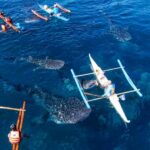
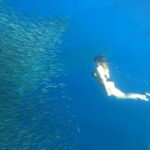
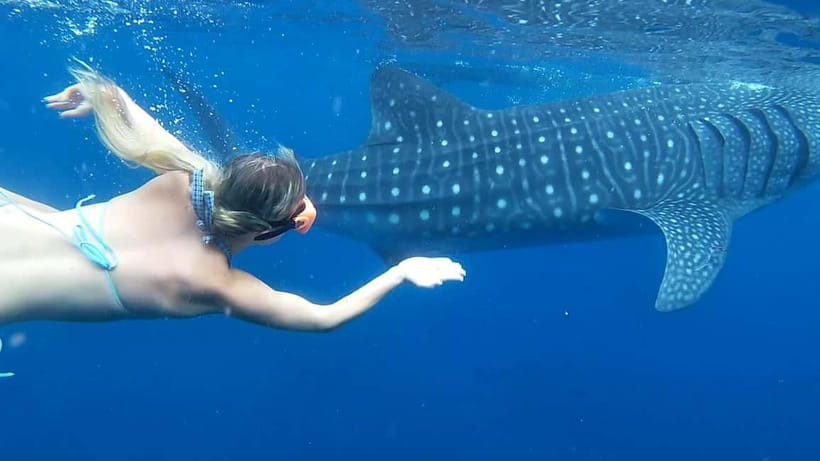
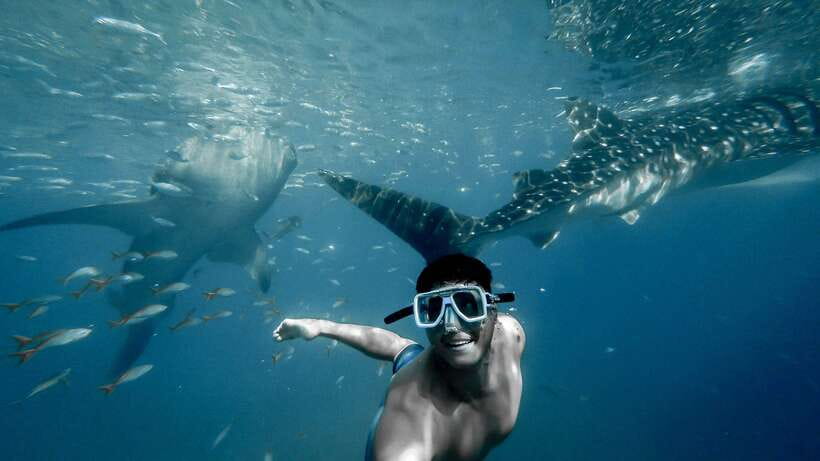
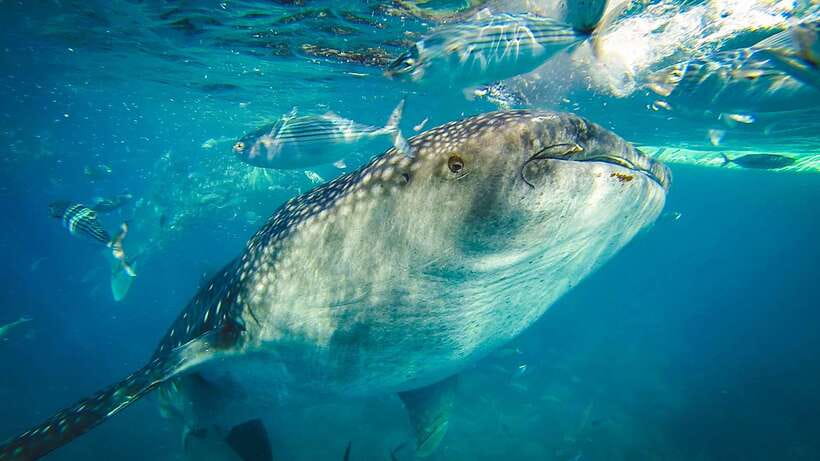
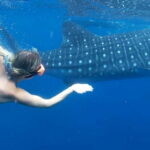
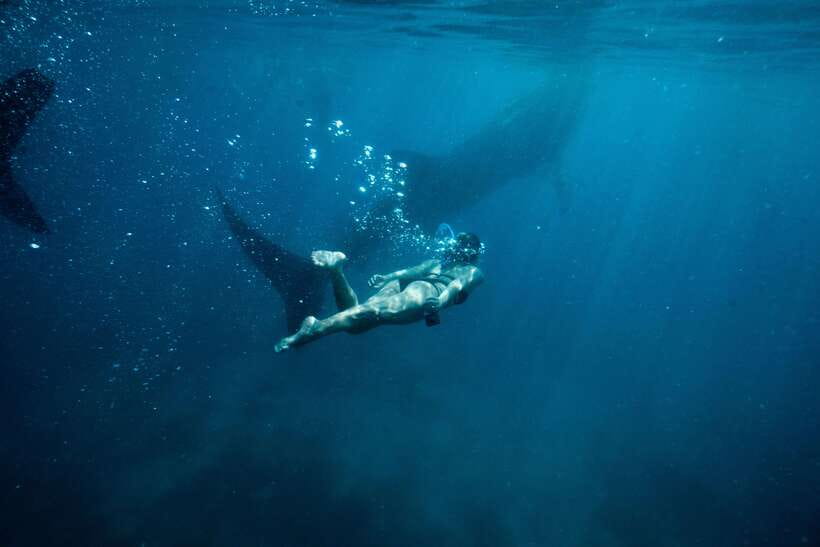
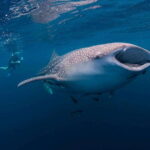
The whale shark encounter is visually powerful. You may see several of these enormous fish close to the boat and in the water, sometimes with two or three passing near you. They are gentle animals, and the sight of one moving slowly beneath you is hard to forget.
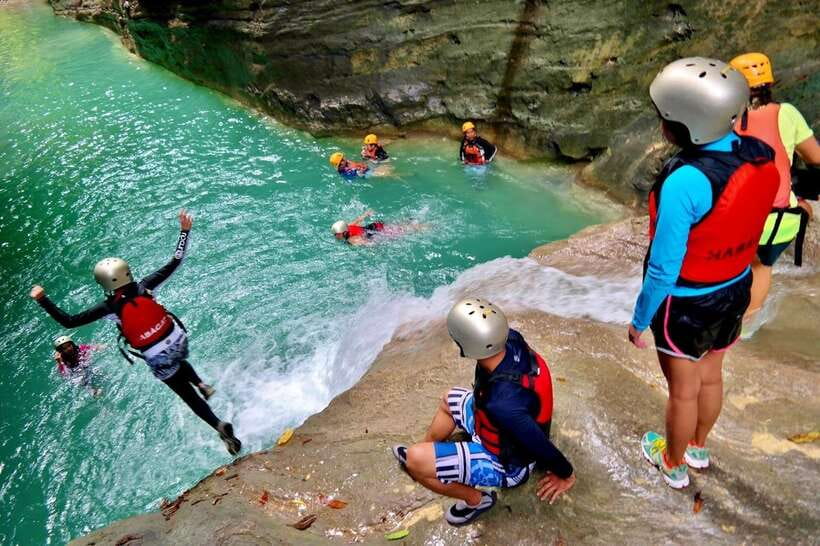
The canyoneering section has more action and usually feels more personal. You walk through streams, swim between rock walls, climb over wet stone, slide down natural chutes, and jump from ledges into pools. The guides often carry your phone or GoPro and record the best moments, which means you can pay attention to your footing instead of trying to film yourself.
That variety is the tour’s real strength. You are not spending the whole day on one type of activity. The cost is also easier to understand when you count the included transport, entrance fees, lunch, local guides, safety equipment, and whale shark swimming fee.
You can also read our reviews of more whale watching tours in Cebu City
The early road to Oslob
Your day begins well before sunrise. Pickup can be around 2:00 or 3:00 AM, depending on your hotel and the day’s operating schedule. From Cebu City, Mactan, or Lapu-Lapu, the drive south is long, and traffic can make the return journey especially tiring.
Shared transport keeps the price down, but comfort varies. Some people find the van perfectly manageable, while others find the back seats rough during the long ride. If you are prone to motion sickness, bring medicine. A portable charger, snacks, water, music, and something to read are smart additions.
The private option gives you a better chance of having a more relaxed vehicle experience and more control over the pace of the day. Hotel pickup and drop-off for private tours covers Cebu City, Mactan, Lapu-Lapu, Moalboal, Badian, and Oslob. For groups of four or more, check the private price carefully. It may be cheaper than buying several shared places.
The road trip is not just a minor detail. It shapes the whole day. You need enough energy for the canyon after the whale sharks, and the late drive back can test even fit people. Plan this as your main activity for the day, not as something to squeeze between hotel checkout and an evening flight.
Breakfast and the Oslob waiting game
The first stop in Oslob includes about 30 minutes for breakfast, but breakfast is not part of the tour price. Bring something with you or plan to buy food locally.
After that comes the whale shark process. You will check in, wait for your turn, receive basic instructions, and then board a small boat for the swimming area. In peak season, the total wait can average two to three hours. Some groups are in the water by around 6:20 AM, while others may arrive early and still wait until about 8:00 AM.
The wait can be the least pleasant part of the day. Shade and communication may be limited, so bring sun protection, water, and patience. Keep cash handy for snacks and drinks from local vendors. You may also have time to buy small souvenirs while waiting, but do not wander too far if your group is expected back.
The setup is organized around a fixed viewing system, not a quiet private meeting with wildlife. The whale sharks are fed to keep them in the area, so you should understand that this is not a fully natural encounter. That ethical question matters to some people, and it is worth considering before you book.
Swimming with the whale sharks
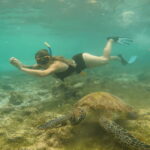
Once you reach the water, the experience is brief but memorable. You snorkel near the boat while the whale sharks pass through the area. The animals are surprisingly large, and even a short view at close range can feel extraordinary.
The boatmen often help with photos and video. If you rent a GoPro locally, they may take advantage of the short time in the water and record plenty of footage. You receive a snorkeling mask and life jacket, but the tour does not include fins, and a full snorkel may not be provided.
That detail matters. Without a snorkel tube, you may spend more time lifting your face from the water to breathe. Bringing your own snorkel can make the experience easier. Check the exact equipment arrangement before leaving your hotel, because the included mask and the missing fins are not the same thing as a complete snorkeling kit.
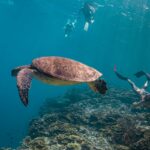
There can also be jellyfish in the water. One person reported several stings that were uncomfortable but not serious. You should be prepared for normal sea conditions and follow the local instructions closely.
Your actual time near the whale sharks may feel short compared with the waiting. I would treat this part as a remarkable wildlife viewing experience, but not as a relaxed snorkeling session. If you want long, quiet time in the sea, this format may frustrate you. If you want the chance to see these huge animals at close range, the moment in the water can justify the wait.
The road to Badian and the included lunch
After Oslob, you drive to Badian. The journey takes roughly another hour and a half, depending on traffic and the day’s schedule. Lunch is included and usually provides a practical break before the more physical part of the tour.
Do not expect a lavish meal. Think of lunch as fuel for the canyon. Eat enough, drink water, and use the restroom before you start. You still have several hours of activity ahead, and the canyon route is much more demanding than the whale shark stop.
This is also a good moment to check your change of clothes and towel. You will get thoroughly wet, and the tour does not provide a dry wardrobe. Wear comfortable shoes for the approach and bring clothing that you can change into afterward.

Kawasan Falls canyoneering, one jump at a time
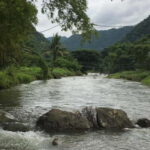
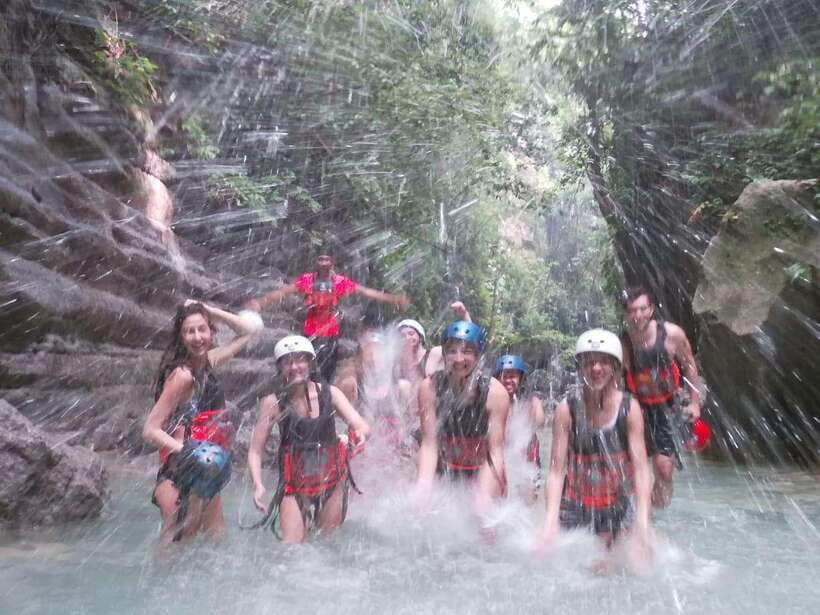
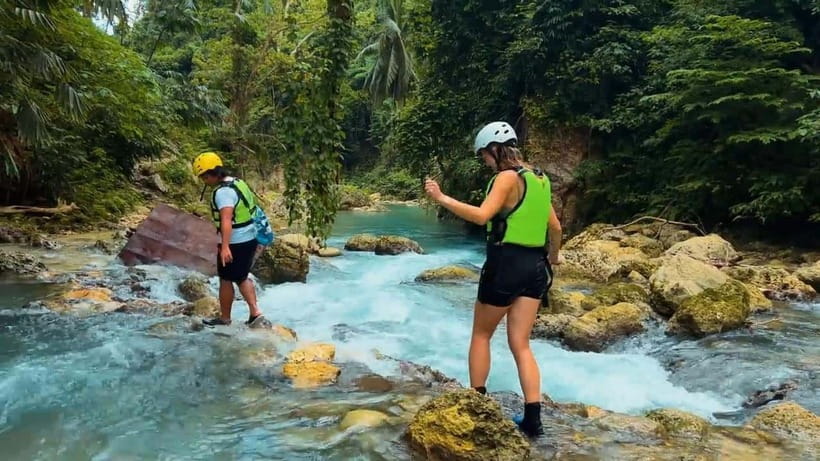
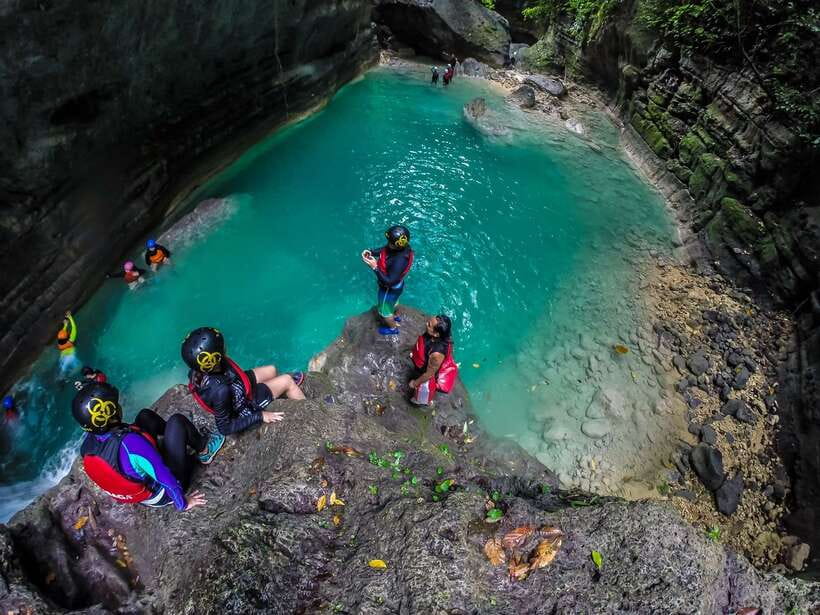
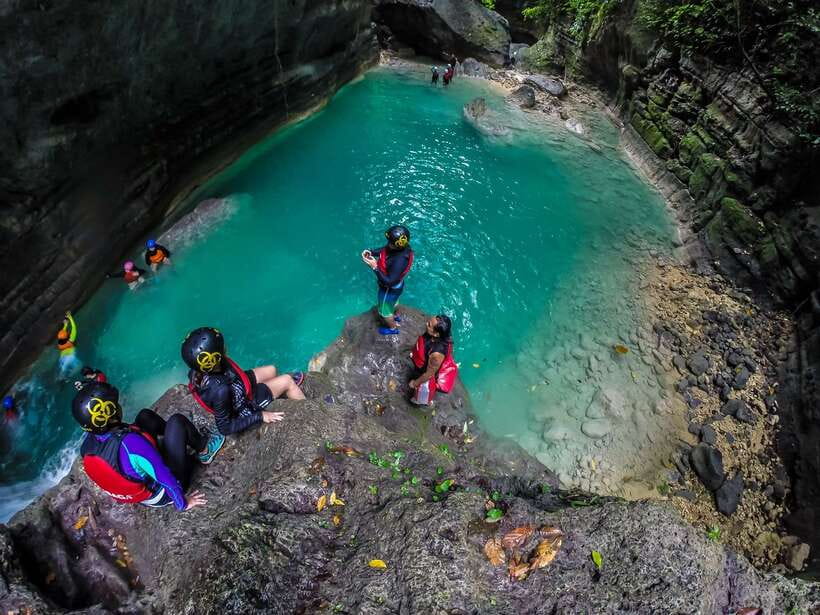
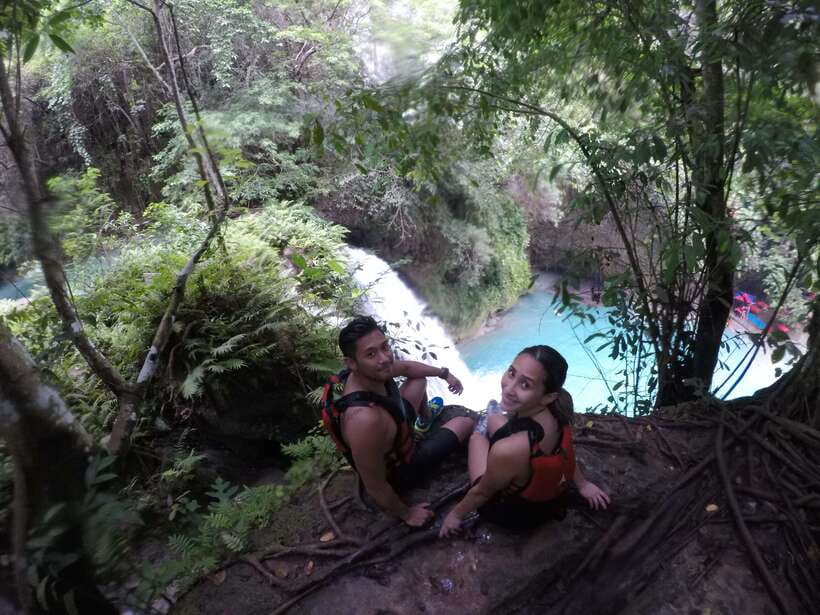
The canyoneering section usually lasts about three hours. You travel to the starting point, put on the provided helmet, life jacket, and trekking shoes, then begin moving downstream through Badian’s canyon system.
The route combines:
- Trekking over uneven ground
- Swimming through pools and streams
- Climbing and scrambling over rocks
- Sliding down natural water chutes
- Jumping from cliffs into deep pools
- Short sections that may involve rope work or a rappel-style movement
The jumps are a major attraction, with the highest advertised height reaching about 30 feet. Actual jumps may vary by route and conditions, and you should never feel pressured to take a jump that does not suit you. The guides help you understand where to place your feet and how to enter the water.
The activity feels less like a technical climbing course and more like a fast-moving natural water playground. You are usually jumping, sliding, walking through water, and clambering over rocks rather than spending the day on ropes. That makes it accessible to adventurous beginners, but it is still a serious physical activity.
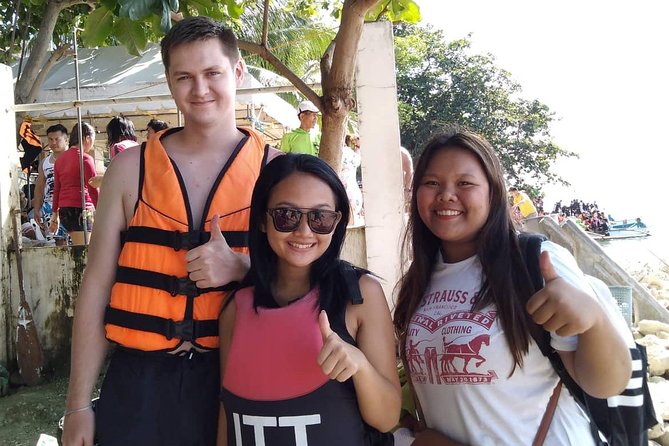
Your guide is important here. Guides such as Jordan, Ray, Ronaldo, Jo, Marcello, and Gimuel have been praised for staying close, helping with difficult steps, adjusting the pace, and making the route fun. Some have carried phones and cameras so participants could concentrate on moving safely.
I especially like that the guides often turn the photo service into part of the experience. They know where to position you for a jump, slide, or waterfall shot, and they can capture video while you focus on the moment. Still, protect your phone carefully if you bring it. Water, rocks, and slippery hands are a bad combination.
The optional zipline and what it changes
The zipline is not included, but you can add it for an extra fee. It takes less than a minute, yet it can be one of the most exciting parts of the morning.
The practical advantage is bigger than the ride itself. Taking the zipline can save roughly 45 minutes of hiking at the start of the canyon route. Several people felt it was worth paying for, especially because it gets the adrenaline going immediately and replaces part of the uphill approach.
If you are afraid of heights, the guides can help you feel secure, but the decision is yours. If you skip it, you still have plenty of jumps and water action ahead. If you want the zipline, add it when booking if possible, since buying it at the site can cost about 600 Philippine pesos per person.
Finishing at the blue water of Kawasan Falls
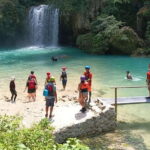
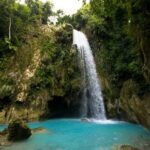
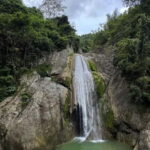
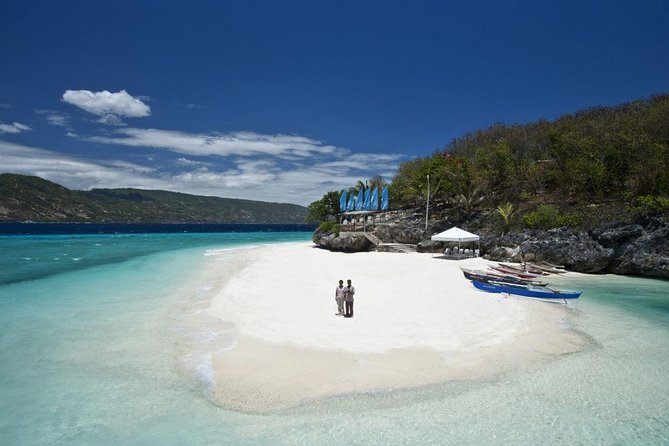
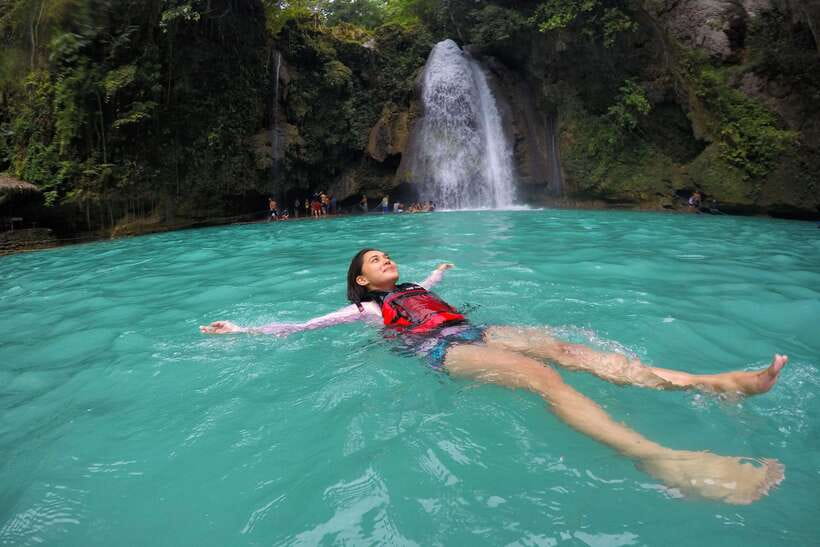
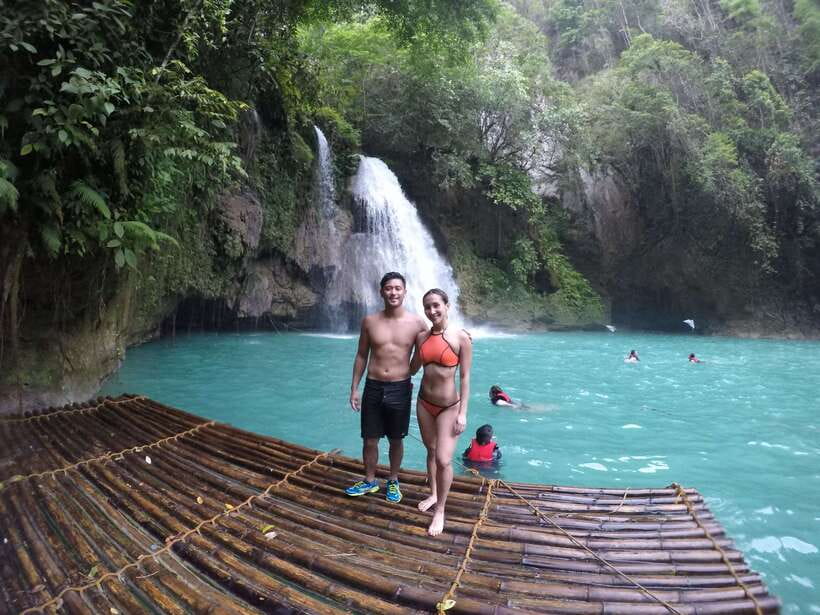
The canyon route ends at the Kawasan Falls area, where you can slow down and enjoy the water after the jumps. The falls are the visual reward: clear pools, limestone walls, and a calmer setting after the physical route.
For many people, Kawasan Falls is the highlight rather than an afterthought. The combination of natural beauty and active movement gives the place more meaning than a quick photo stop. You have worked your way through the canyon to reach it.
Conditions can change. Natural events may make Kawasan Falls unavailable, in which case the tour may use another waterfall, such as Inambakan Falls. That alternative can still be scenic and enjoyable, but you should understand that the exact final stop is not guaranteed in every situation.
The canyoneering guides often take photos and videos at the falls as well. A small tip is appropriate if a guide spends the whole route helping with your safety and recording your experience, though tipping is not listed as an included cost.
What the $124 price really buys
At $124 per person, this is not the cheapest way to see Cebu’s south coast. The value comes from packing two major activities into one managed day.
Included are hotel pickup and drop-off for the applicable area, the Oslob whale shark entrance and swimming fees, snorkeling mask, life jacket, local guide, lunch, and canyoneering equipment. The canyoneering gear includes a second life jacket, trekking shoes, and helmet.
You still need to budget for breakfast, fins if you want them, the optional zipline, snacks, drinks, possible GoPro rental, and tips. The price is strongest for people who want convenience and do not want to arrange separate transport, entry tickets, and guides.
For two people, the shared option may make sense if keeping the initial cost low is your main goal. For four or more, compare the private rate. A private booking may be cheaper per person and can offer a more comfortable ride, though Oslob rules mean other people will still be on the whale shark boat.
Who should book this day?
You should consider this tour if you want a high-energy day and are comfortable with an early start. It suits active families, couples, friends, and solo participants who enjoy water, heights, and a bit of controlled chaos.
It is not a good match if you dislike long drives, crowded activity areas, waiting in the sun, or getting wet and tired. Pregnant women, people with back problems or mobility impairments, and children under four should not join. Every participant should be in good health before attempting the canyon route.
Families with older children may enjoy it, but the physical demands vary. The stated minimum age for canyoneering is four, yet age alone does not tell you how comfortable a child will be with swimming, climbing, and cliff jumps. Ask the operator about your child’s ability before booking.
Practical packing advice for a 16-hour day
Bring comfortable shoes for the approach, a swimsuit or clothes that dry reasonably well, a full change of clothes, and a towel. Add sunscreen, insect repellent, a water bottle, snacks, breakfast, motion sickness medicine if needed, and a portable charger.
Bring a snorkel if you own one. Fins are not included, but you may decide they are unnecessary for the short whale shark session. Keep cash available for food, drinks, souvenirs, the zipline, and tips.
If you are ending at a different hotel, bring your luggage in the vehicle from the start. Drop-off coverage varies by booking type and location, so confirm your hotel before you pay.
Should you book the whale sharks and Kawasan Falls tour?
Book it if you want maximum adventure in one Cebu day. The whale sharks offer the rare wildlife moment, while canyoneering and Kawasan Falls provide the stronger physical challenge and scenery. The guides are a real asset, especially when they help with jumps and take photos while you concentrate on the route.
Think twice if a 2:00 AM wake-up, several hours in a van, and a possible two to three hour wait sound miserable. I would choose a private booking for four or more, bring my own snorkel and snacks, add the zipline if I wanted to save time, and reserve the following day for rest.
The tour is long, touristy, and not fully natural at the whale shark stop. But if you accept those trade-offs, it delivers a memorable pair of experiences with very little planning required.
FAQ
How long does the tour last?
The scheduled duration is 16 hours. Pickup can begin around 2:00 or 3:00 AM, and the estimated return is around 6:00 to 8:00 PM, depending on traffic.
Is hotel pickup included?
Shared tours include pickup and drop-off in Cebu City, Mactan, and Lapu-Lapu areas. Private tours also include Moalboal, Badian, and Oslob areas. Confirm that your hotel falls within the listed coverage area.
How long is the whale shark activity?
The listed whale watching and snorkeling portion lasts about 30 minutes, but the total time at Oslob can be much longer because peak-season waiting may average two to three hours.
Is breakfast included?
No. Breakfast is not included. Lunch in Badian is included, so bring breakfast or plan to buy it in Oslob.
What equipment is provided for canyoneering?
The tour provides a life jacket, trekking shoes, and helmet for canyoneering. A snorkeling mask is included for the whale shark activity. Fins are not included.
Can I add the zipline?
Yes. The zipline is an optional add-on and is not included in the main price. It may cost about 600 Philippine pesos per person at the site, and it can save around 45 minutes of hiking.