Cebu: Twin City Experience City Heritage & Mountain Escapes
Cebu packs a lot into one island. This full-day tour connects Mactan’s history and guitar-making tradition with Cebu City’s churches, ancestral homes, temples, gardens, and mountain viewpoints. I like the range. You move from a coastal shrine to a working craft shop, cross the CCLEX sea bridge, then climb into the cooler highlands.
I also like the convenience of private, air-conditioned transport with hotel pickup, entrance fees, tolls, parking, and bottled water covered. The main drawback is the pace. With so many stops packed into one day, some visits are brief, and traffic can affect both the order and length of each stop. Bring a fan or expect to get warm, especially at outdoor sites.
In This Review
- Five details that shape the day
- Why this tour works for a first Cebu visit
- Mactan Shrine and the story of Lapu-Lapu
- Alegre Guitar Factory and Cebu craftsmanship
- Crossing Cebu through CCLEX
- Taoist Temple and Cebu’s mountain side
- Lunch in Cebu City
- Temple of Leah and the city’s grander side
- Sachiko’s Little Kyoto and Sirao Garden
- Cebu’s old houses, basilica, and Magellan’s Cross
- Transport, guide support, and pace
- What the $87 price really covers
- Who should book this Cebu day tour?
- Should you book it?
- FAQ
- Where does the tour pick up passengers?
- Where does the tour drop passengers off?
- How long does the tour last?
- Is lunch included?
- Are attraction entrance fees included?
- Is transportation included?
- Which languages are available for the guide?
- What should I wear?
- Can wheelchair users join the tour?
- Can I cancel the booking?
Five details that shape the day
- Mactan Shrine begins the history lesson: Learn about the Battle of Mactan and see monuments honoring Lapu-Lapu.
- Alegre Guitar adds real local craftsmanship: Watch artisans work and browse handmade instruments and souvenirs.
- CCLEX turns a transfer into a scenic moment: The country’s longest sea-crossing bridge connects Mactan and Cebu City.
- The highland section brings cooler air and wide views: Taoist Temple, Temple of Leah, Sachiko’s Little Kyoto, and Sirao Garden provide the day’s biggest visual change.
- Rommel earned special praise as a guide: A solo visitor, Amanda, noted that he also helped take photographs, a useful touch when you are traveling alone.
- The $87 price covers many practical costs: Private transport, fuel, tolls, parking, water, guide assistance, and attraction entrance fees are included, but lunch is not.
Why this tour works for a first Cebu visit
This is a see-a-lot-in-one-day outing. At $87 per person, the price is not the cheapest way to visit a single Cebu attraction, but it can be good value if you want one vehicle, one guide, and a long list of major stops without arranging each ride yourself.
The tour starts in Mactan, crosses to Cebu City, climbs into the hills, then returns to central Cebu for several heritage sites. That route gives you three very different sides of the area: coastal history, city culture, and highland scenery.
I would choose this experience if I had only one open day in Cebu or if I wanted a broad introduction before deciding where to spend more time. I would not choose it for a slow, reflective visit. The schedule includes several one-hour stops, but also short visits of only 15 or 30 minutes. You will collect impressions rather than study every place closely.
Pickup is available from hotels in Lapu-Lapu City, Mandaue City, and Cebu City. You should be ready in the lobby 10 to 15 minutes before pickup. Look for the company logo near the concierge desk, or ask hotel staff to point you in the right direction.
You can also read our reviews of more historical tours in Cebu City
Mactan Shrine and the story of Lapu-Lapu
Mactan Shrine provides the day’s first strong dose of history. The site recalls the Battle of Mactan, where local forces led by Lapu-Lapu resisted Ferdinand Magellan in 1521. Monuments honor Lapu-Lapu and give the visit a distinctly local point of view.
You have about 30 minutes here for a guided visit, photos, and a quick look around. That is enough to understand why the place matters, but not enough for a long historical discussion. I recommend listening closely to the guide and asking questions while you have the chance.
This stop is mostly outdoors, so sun protection matters. A hat, sunscreen, and sunglasses will help. The tour notes also recommend comfortable clothing and walking shoes, sensible advice for a day that includes several open-air sites.
Alegre Guitar Factory and Cebu craftsmanship
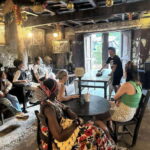
Alegre Guitar Factory changes the mood from military history to skilled handwork. You can watch artisans making guitars and other instruments, then browse locally made pieces and souvenirs.
The scheduled visit lasts about an hour, making it one of the more substantial stops. That extra time matters because the workshop is not just a quick photo stop. You get a look at the making process and a chance to appreciate the work behind a finished instrument.
I like this part of the tour because it connects sightseeing with a real local trade. The stop also gives you a chance to buy something more useful and distinctive than a standard souvenir. Keep in mind that purchases are personal expenses and are not included in the tour price.
The workshop visit may appeal most to people interested in music, design, woodworking, or Filipino-made products. Even if you are not shopping, it gives the day a practical cultural element that the monuments alone cannot provide.
Crossing Cebu through CCLEX
The drive across the Cebu-Cordova Link Expressway is a small part of the schedule, but it helps tie the two-city route together. CCLEX is the country’s longest sea-crossing bridge, and crossing it gives you a memorable connection between Mactan and Cebu City.
The bridge is mainly a transfer point, not a formal sightseeing stop. Still, keep your camera ready if conditions allow. This is one of those moments when the road itself becomes part of the tour.
Fuel, toll fees, and parking are included, which is useful here. Bridge tolls and parking can add up when you arrange a private day independently, so the bundled price becomes easier to justify.
Taoist Temple and Cebu’s mountain side
Taoist Temple introduces a different cultural setting and begins the highland portion of the day. The visit lasts about an hour and includes guided sightseeing.
Modest clothing is recommended at temples and churches. That is not just a packing note. It helps you enter religious spaces respectfully and saves you from having to adjust your clothing at the door.
The temple gives the tour a calmer cultural pause after the morning’s road time. It also shows why Cebu is more than its Spanish-era landmarks. The route brings together several faith traditions and architectural styles in a single day.
You should expect steps, walking, and outdoor exposure at parts of the highland route. The experience is not suitable for wheelchair users or people with mobility impairments, and children under five are not accepted.



Lunch in Cebu City
The schedule includes a one-hour lunch break in Cebu City, but lunch is not included in the $87 price. That gives you some flexibility, but you should budget for the meal separately.
Because the day has many stops, do not treat lunch as an afterthought. Use the break to eat, refill your energy, and cool down before heading to the mountain sites. Bottled drinking water is included, but you may still want extra water if you find hot weather difficult.
Traffic may affect the timing of lunch and the stops around it. The route can be adjusted by road conditions, so it is best to think of the schedule as a full-day plan rather than a promise that every stop will happen at an exact hour.
Temple of Leah and the city’s grander side
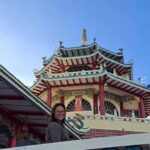
Temple of Leah offers one of the day’s most dramatic photo settings. The one-hour stop includes sightseeing, a guided visit, and time for pictures.
The site is known for its large, ornate design and mountain position. It feels very different from Mactan Shrine or the old city churches. I would bring a phone or camera with enough storage because this section of the tour is built for photo stops.
The trade-off is that Temple of Leah can feel more like a grand monument and viewing stop than a traditional historical site. If you prefer older buildings with a clear connection to Cebu’s past, the later ancestral house and basilica visits may interest you more.
Sachiko’s Little Kyoto and Sirao Garden
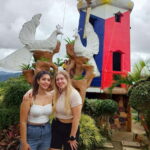
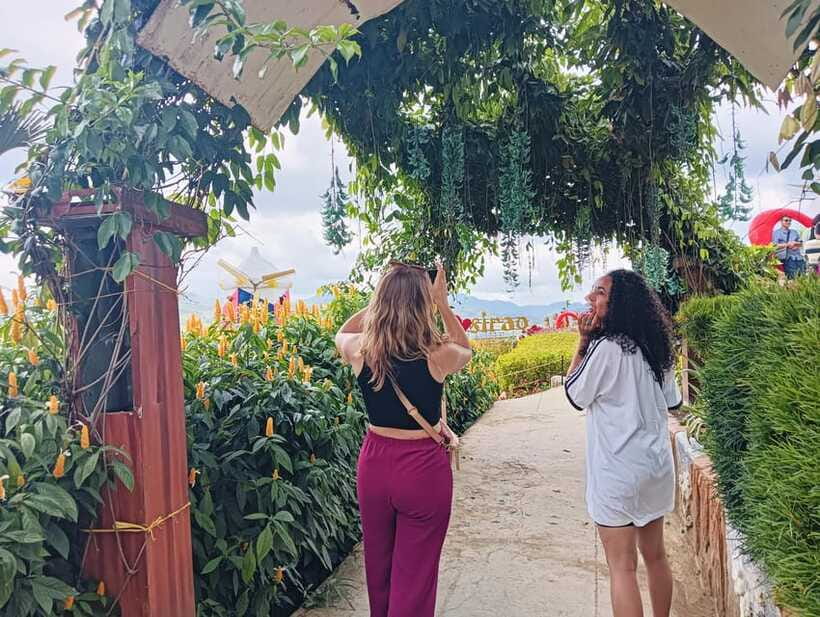
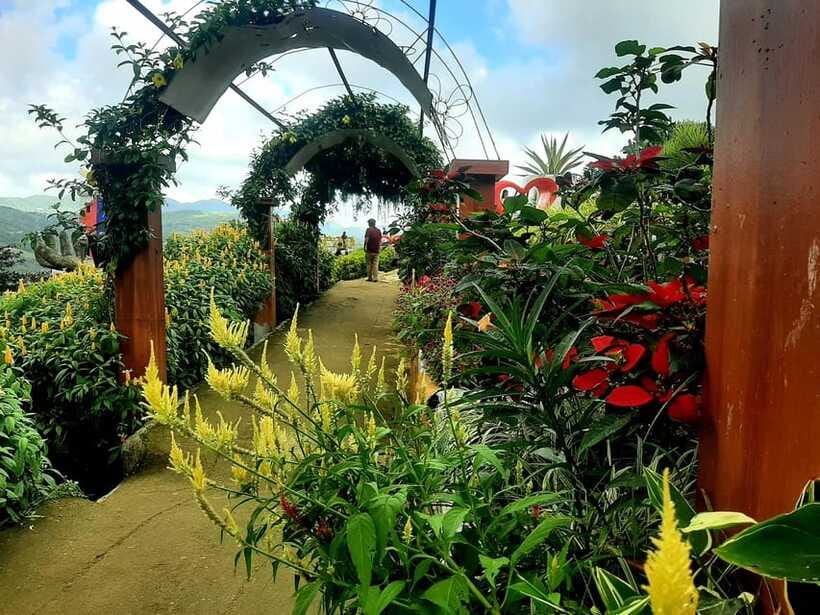
Sachiko’s Little Kyoto receives about an hour for photos, guided sightseeing, and a break. It adds a playful, Japan-inspired visual style to the mountain route.
This stop works well for anyone who enjoys gardens, colorful details, and photo-friendly settings. It is less important for historical depth, so your reaction will depend on what you want from the day. I see it as a light, visual pause between the grand Temple of Leah and the more colorful Sirao Garden.
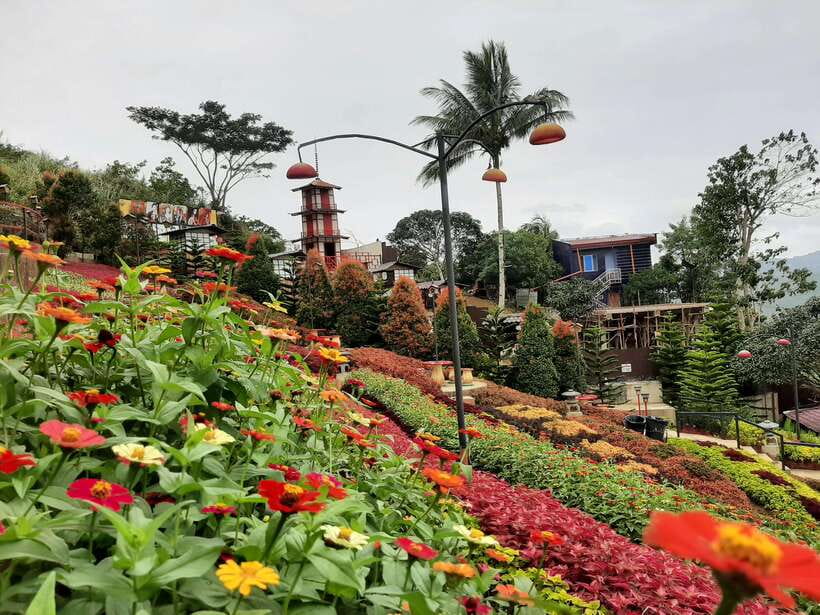
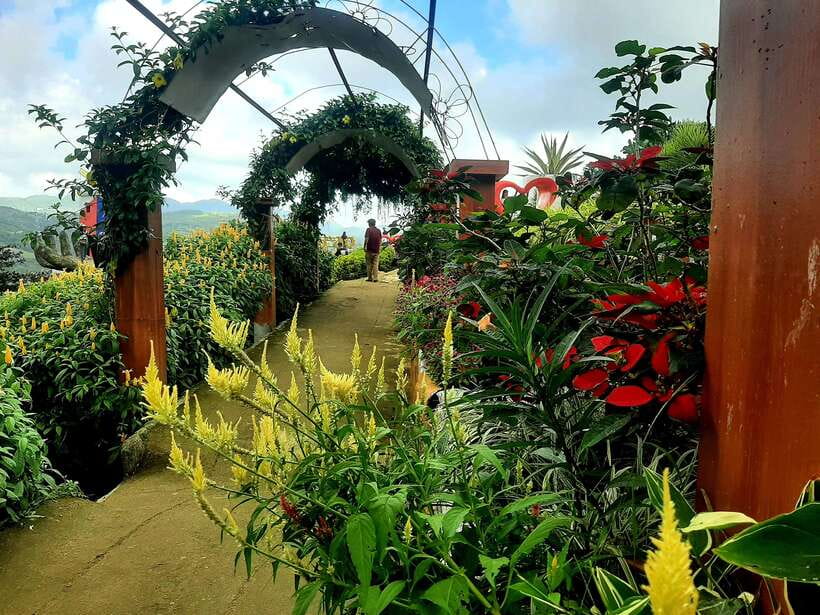
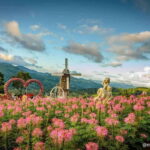
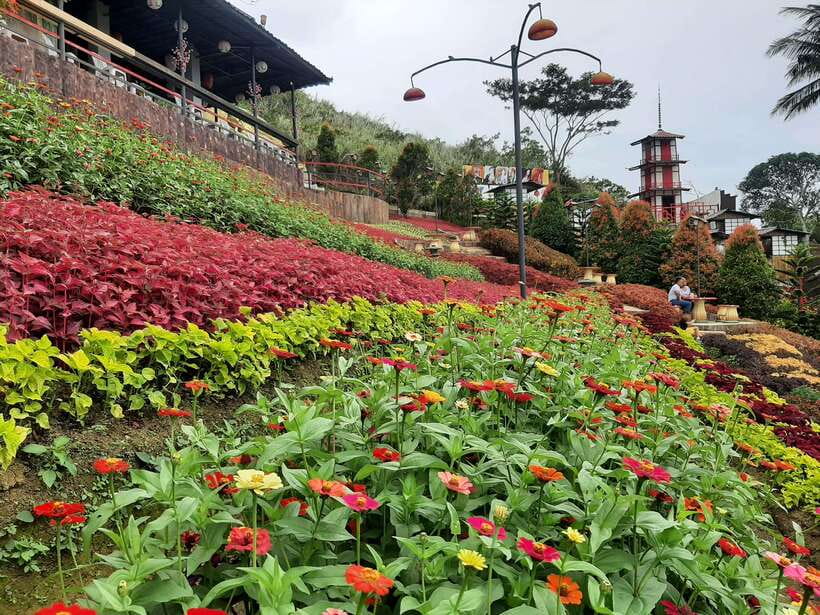
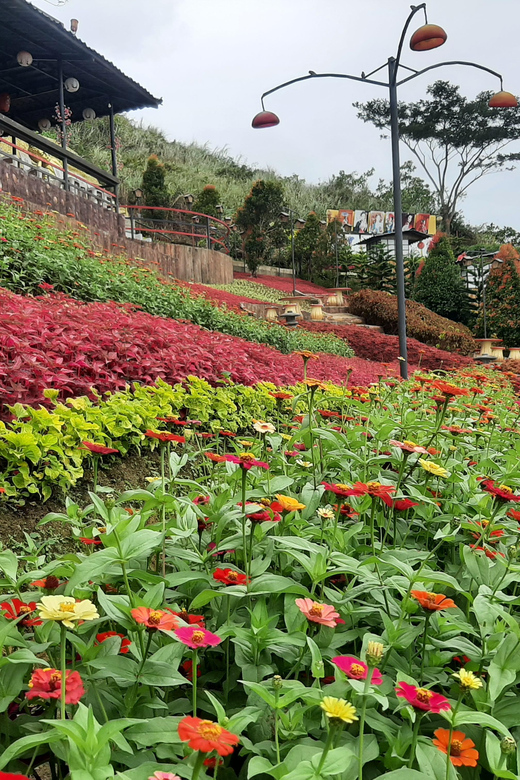
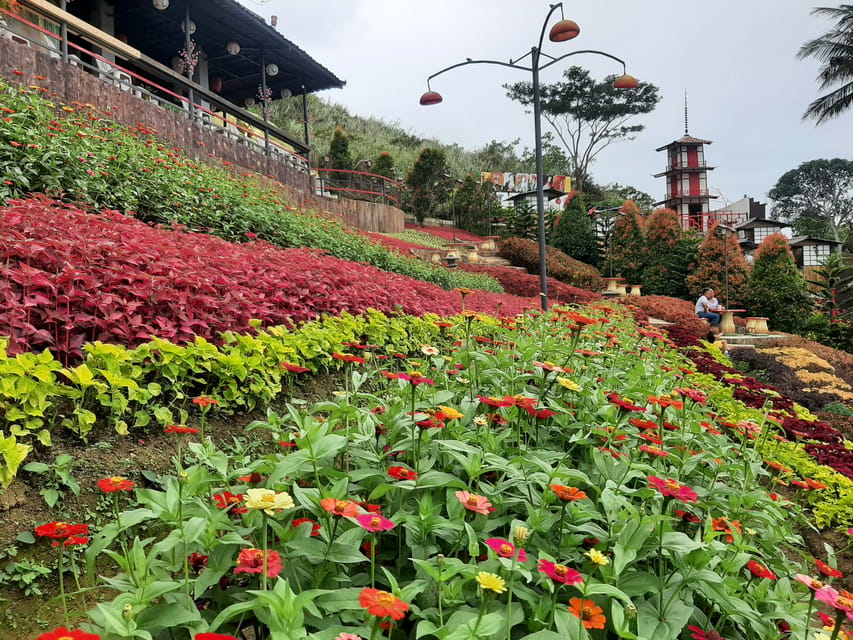
Sirao Garden also receives about an hour. Its bright flowers and hillside setting provide some of the clearest highland views on the tour. This is where the change from coast and city to mountain becomes most obvious.
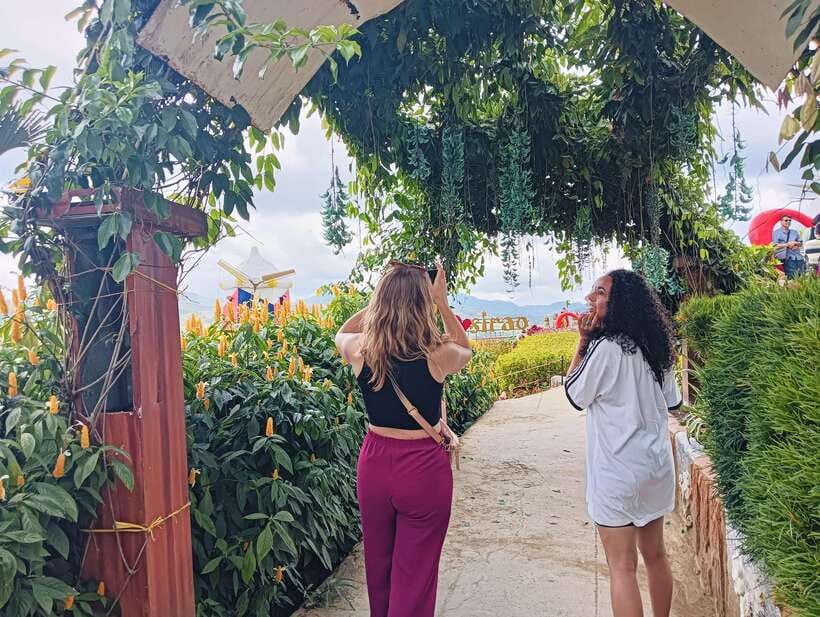
Outdoor sites can be hot even in the highlands. Amanda, a solo visitor from the United States, specifically advised bringing a fan because some places can get very warm. I would take that tip seriously, especially if you are visiting during sunny weather.
An umbrella may help in wet conditions. The tour operates in most weather, so you should dress for changing conditions rather than assume the mountain stops will stay dry.
Cebu’s old houses, basilica, and Magellan’s Cross
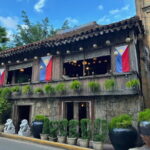
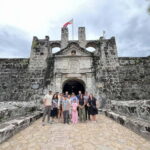
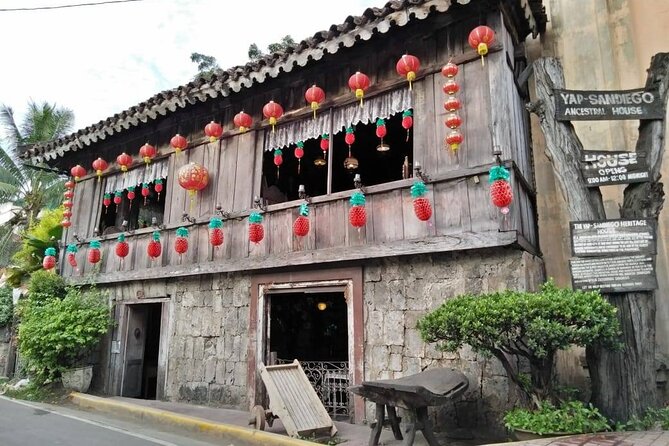
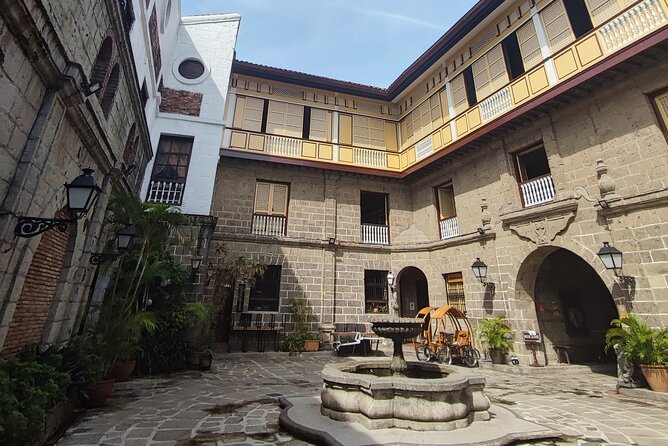
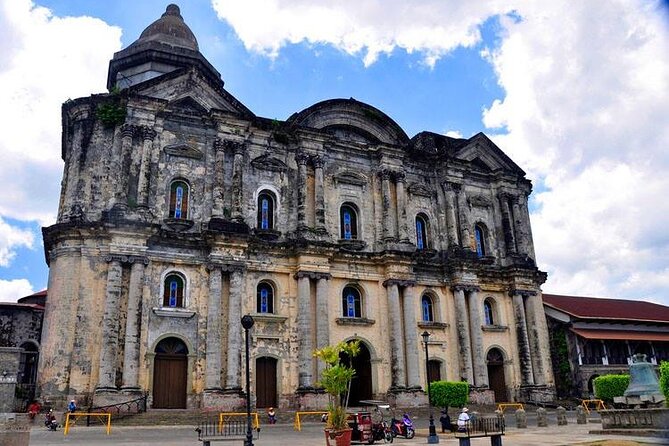
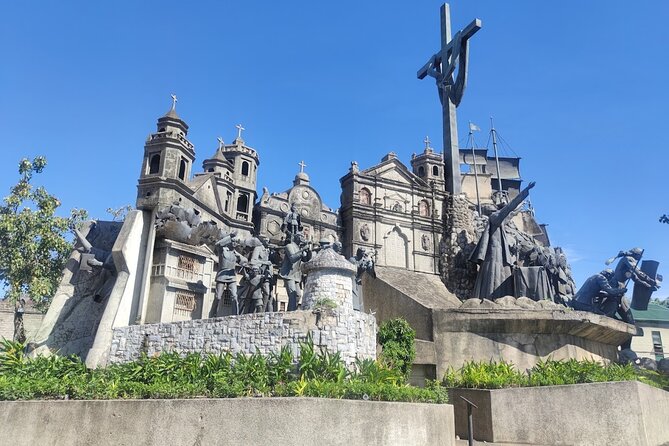
The heritage section includes Yap-SanDiego Ancestral House, Basilica del Sto. Niño, and Magellan’s Cross. These stops bring the focus back to Cebu City and its Spanish-era connections.
Yap-SanDiego Ancestral House gives you a look at an old Cebu home and a more personal form of history. The visit is listed as about 30 minutes, with photos and guided sightseeing. That is brief, but it provides a useful contrast to churches, monuments, and purpose-built attractions.
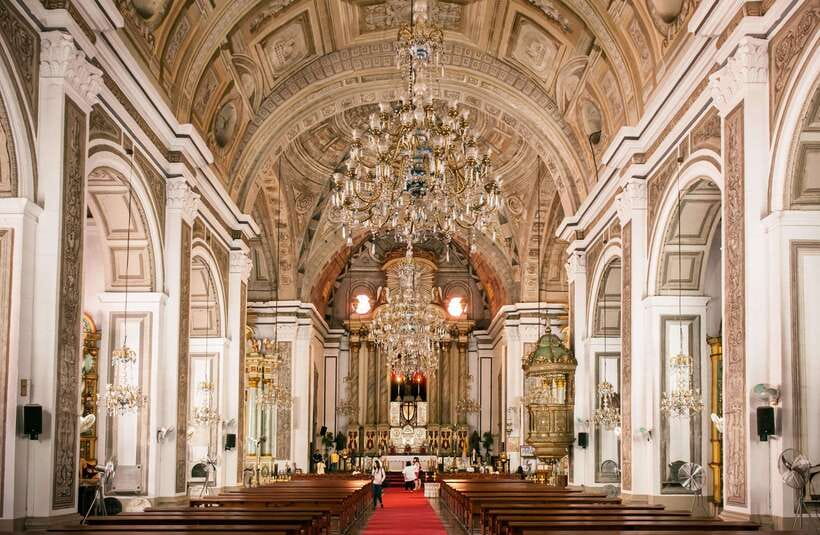
Basilica del Sto. Niño receives another 30-minute visit. Modest clothing is important here, and you should expect the guide to explain the site’s cultural and religious importance while allowing time to look around.
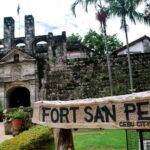
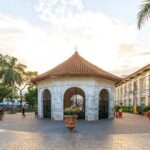
Magellan’s Cross is the shortest stop, at about 15 minutes. That is enough for a quick visit and photos, but not a long exploration. The cross is closely tied to Cebu’s Spanish-era story and Christian tradition, making it an essential stop for a first overview, even if the visit itself is quick.
The schedule also includes another visit to Yap-SanDiego Ancestral House after Magellan’s Cross. Since traffic can change the order and timing, your exact sequence may vary. Ask the guide early in the day how the heritage stops will be arranged.
Transport, guide support, and pace
Private, air-conditioned transportation is one of the strongest practical reasons to book this tour. You are covering Mactan, Cebu City, and the mountain roads in one day. Having a dedicated van removes the need to piece together taxis or separate transfers.
The tour includes driver and guide assistance, with English, Japanese, and Korean language options. A good guide matters here because many of the stops are short. You need clear explanations while moving through the site, not a long speech after your time is already gone.
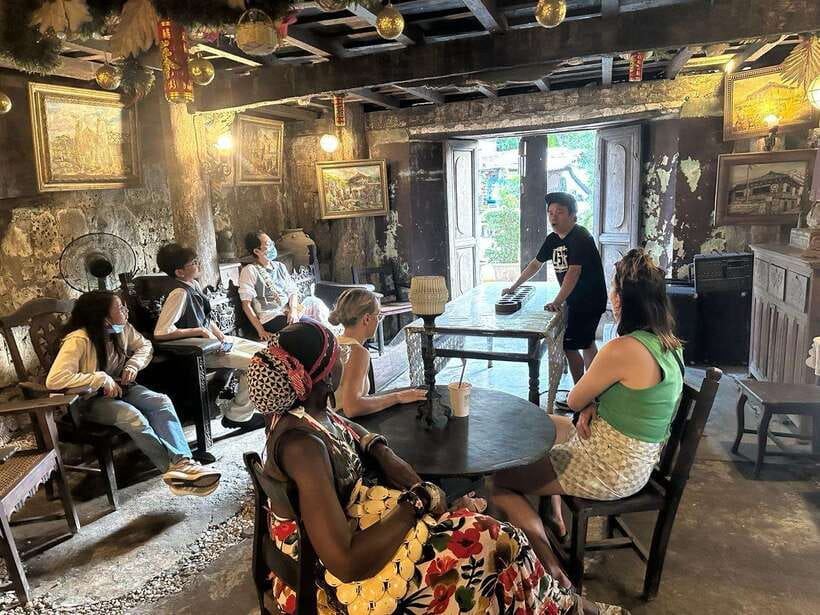
Rommel received especially warm praise for his work with a solo visitor. Amanda noted that he also became her photographer, which is a thoughtful service when you are seeing many photo stops alone. That detail is worth noting if you are traveling solo and want help getting pictures without relying on strangers.
The pace is the main compromise. Van transfers are often listed at 15 to 30 minutes, while traffic can make them longer. Add walking, heat, and frequent stops, and the day may feel full by the time you reach the final heritage sites.
What the $87 price really covers
At $87 per person, the value depends on how much of Cebu you want to cover in one go. The fee includes:
- Air-conditioned private transportation
- Hotel pickup and drop-off in Cebu City and the Mactan area
- Driver and guide assistance
- Fuel, toll fees, and parking
- Bottled drinking water
- Entrance fees to the listed attractions
Lunch, personal purchases, optional activities, and travel insurance are extra. If you would otherwise pay separately for a private vehicle, bridge tolls, parking, entrance tickets, and a guide, the package can be reasonably priced.
The value is strongest for first-time visitors, solo visitors, and small groups that prefer a fixed plan. If you already have a car and only want to see two or three sites, you may find the full-day price less appealing.
Free cancellation up to 24 hours before the start and a reserve-now, pay-later option also make planning easier. Check the available starting times before booking, since the activity is valid for one day and operates according to availability.
Who should book this Cebu day tour?
I would recommend it for a first visit, a short stay, or a stopover when you want to see both Mactan and Cebu City. It is also a good fit if you enjoy taking photos, want cultural context from a guide, and prefer private transport to managing several rides.
Solo visitors may appreciate the guide support, especially the possibility of help with photos. The included entrance fees and transport also remove much of the small planning work that can eat up a vacation day.
I would be cautious if you dislike busy schedules, struggle with heat, or need step-free access. The tour is not suitable for children under five, wheelchair users, or people with mobility impairments. Wear walking shoes, dress modestly for religious sites, and bring sun protection, a fan, and an umbrella if the forecast looks uncertain.
Should you book it?
Book this tour if you want a broad Cebu introduction in one organized day. The mix of Mactan history, guitar-making, CCLEX views, churches, ancestral architecture, temples, and mountain gardens is unusually varied.
Skip it if you want long visits at fewer places. The tour favors range over lingering, but for $87, with private transport, guide assistance, tolls, parking, water, and attraction fees included, it offers a practical way to cover a large part of Cebu without arranging the pieces yourself.
FAQ
Where does the tour pick up passengers?
Pickup is available from hotels in Lapu-Lapu City, Mandaue City, and Cebu City.
Where does the tour drop passengers off?
Drop-off is available in Lapu-Lapu City, Mandaue City, and Cebu City.
How long does the tour last?
The experience lasts one day.
Is lunch included?
No. Lunch and personal expenses are not included.
Are attraction entrance fees included?
Yes. Entrance fees to the listed attractions are included.
Is transportation included?
Yes. The tour includes private, air-conditioned transportation, fuel, toll fees, and parking.
Which languages are available for the guide?
Live guide support is available in English, Japanese, and Korean.
What should I wear?
Wear comfortable clothing and walking shoes. Modest attire is recommended at churches and temples.
Can wheelchair users join the tour?
No. The experience is not suitable for wheelchair users or people with mobility impairments.
Can I cancel the booking?
Yes. You can cancel up to 24 hours in advance for a full refund. A reserve-now, pay-later option is also available.