From Puerto Princesa: Trek to Batak Tribe Village
Step beyond Palawan’s beaches and crowds. This private half-day trip takes you about 70 kilometers from Puerto Princesa to the Batak Visitor Center, followed by a mountain trek and river crossings to a Batak village. I like the chance to see a less familiar side of Palawan, and I like that the tour supports the community with a token of basic goods. The main drawback is that the village visit can feel quiet and limited, especially if you expect a staged cultural show or a large gathering.
You should also know that the walk is not a gentle stroll. The route takes roughly 75 to 120 minutes, depending on your group’s pace, and some sections are exposed to the sun. I would book this for the access to daily village life, not for elaborate rituals, traditional costumes, archery demonstrations, or guaranteed interaction with every member of the community.
In This Review
- Key points before you book
- Why this Batak visit is different from a standard Palawan tour
- The 70-kilometer drive from Puerto Princesa
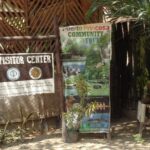
- Starting at the Batak Visitor Center
- The 75-to-120-minute mountain trek
- Meeting Batak residents in the village
- What the guide adds to the experience
- Returning to the visitor center and Puerto Princesa
- Is $216 a fair price?
- Who should book this experience?
- Practical advice for a better visit
- Should you book the Batak village trek?
- FAQ
- How long does the Batak village tour last?
- How far is the Batak Visitor Center from Puerto Princesa?
- How long is the trek to the Batak village?
- Does the tour include hotel pickup?
- Is lunch included?
- What languages does the guide speak?
- What should I bring?
- Who should not take this tour?
Key points before you book
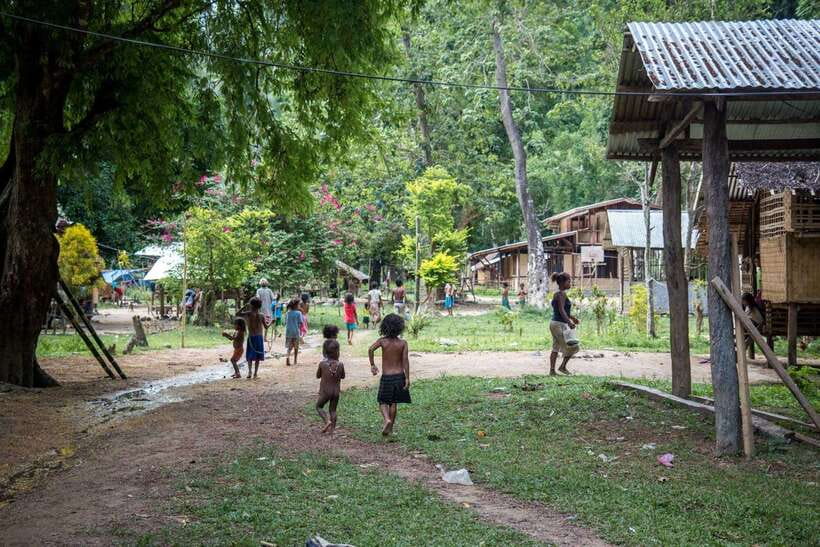
- The Batak are one of the Philippines’ smallest Indigenous groups, making this a rare chance to learn about their community near Puerto Princesa.
- The trek includes mountain trails and river crossings, so comfortable clothes and sturdy footwear matter.
- The village experience is quiet and variable, with some visits involving only a few residents.
- Private transport and a licensed guide are included, with English and Tagalog available.
- The price is $216 per group of up to four, which can be fair for a full private group but expensive for one or two people.
- Lunch is not included, although a lunch option is available and has been served at a hotel restaurant near the road.
Why this Batak visit is different from a standard Palawan tour
Puerto Princesa is best known as a base for beaches, island trips, and the Underground River. This excursion points inland, toward a community whose way of life is often left out of the usual Palawan itinerary.
The Batak are one of the smallest Indigenous groups in the Philippines. That fact gives the visit real weight, but it also calls for sensible expectations. You are not arriving at a major cultural center with a fixed performance schedule. You are visiting a small village, and what you see can depend on the day, the weather, school hours, and who is available.
I like that the tour is built around meeting people and hearing about their customs rather than simply driving past a scenic viewpoint. Your guide explains the Batak’s history, traditions, and daily routines, helping put the visit in context.
At the same time, this is not a guaranteed display of traditional life from another era. The Batak people you meet may dress and live much like other residents of Palawan. That does not make the visit less meaningful, but it does mean you should avoid treating the community as a museum exhibit.
You can also read our reviews of more hiking tours in Puerto Princesa

The 70-kilometer drive from Puerto Princesa
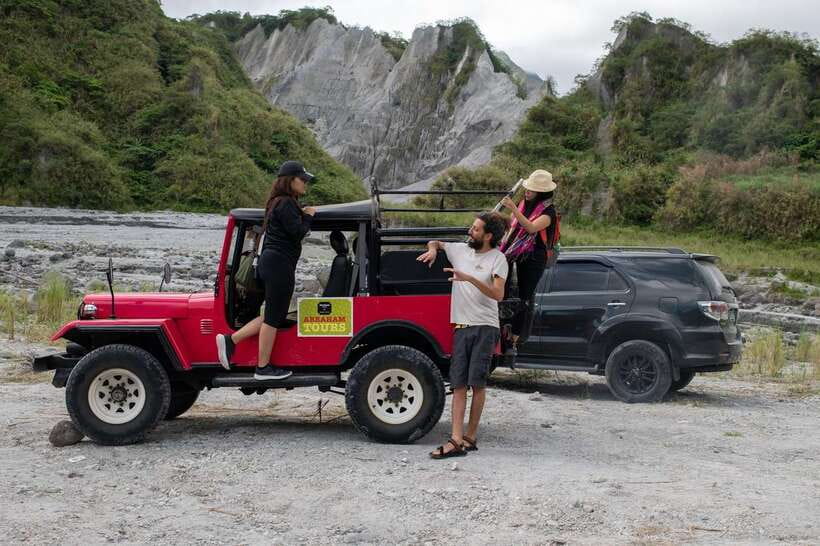
Your morning begins with hotel pickup in an air-conditioned van. Pickup and drop-off are included if your hotel is within 15 kilometers of Puerto Princesa City Airport.
The drive covers about 70 kilometers before you reach Barangay Conception and the Batak Visitor Center. The journey is part of the transition from city to rural Palawan, but the main value is practical: you are being taken to a remote starting point without needing to arrange your own transport.
Because the total experience lasts about five hours, the road journey and hike leave limited time at the village. Keep that in mind when comparing this excursion with a full-day cultural trip. You will get an introduction rather than a long stay.
The tour is private, which is useful here. Your guide can set the walking pace for your group, answer questions as you go, and make the visit feel less rushed than a large bus excursion. The listed price covers up to four people, so the value improves sharply if you fill the vehicle.
Starting at the Batak Visitor Center
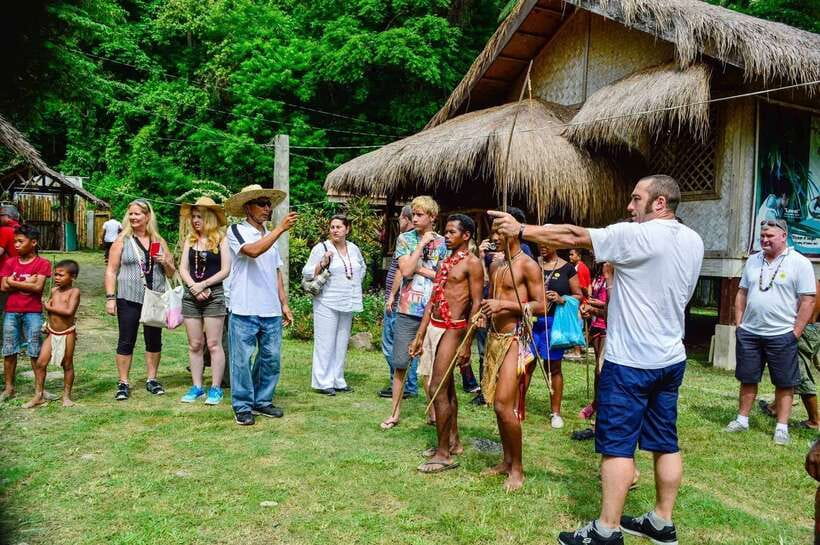
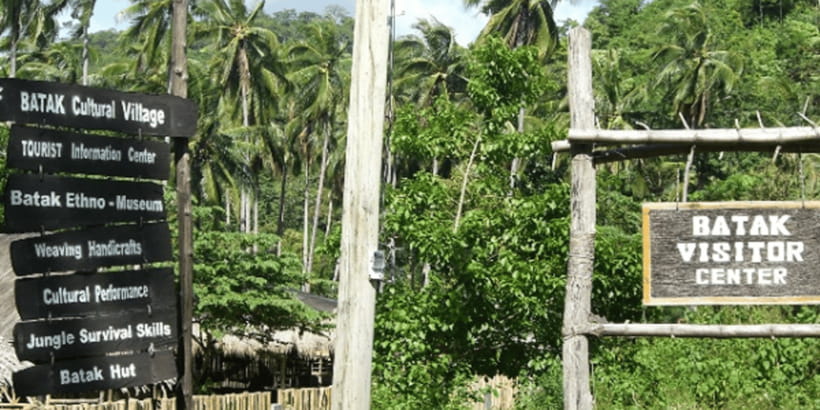
The Batak Visitor Center in Barangay Conception is the practical gateway to the community. Before setting off, you can see local products made by Batak craftspeople. These items are available for purchase, giving you a direct way to support local production.
This stop also helps establish the tone of the visit. The center is not simply a ticket booth. It provides a place to learn a little before walking onward, and it gives you the chance to buy something connected to the community rather than a generic Puerto Princesa souvenir.
Ask your guide what each product is, who made it, and how the money is handled. The supplied information does not specify the exact products or prices, so you should not assume every item is available on every visit.
The tour includes a token for the tribe, described as coffee, rice, sugar, and other basic needs. This is a thoughtful feature, since the visit is not only about what you receive. Still, one account described being asked to buy cakes instead of presenting the expected basic supplies. I would clarify before departure what the token includes and how it will be delivered.
The 75-to-120-minute mountain trek
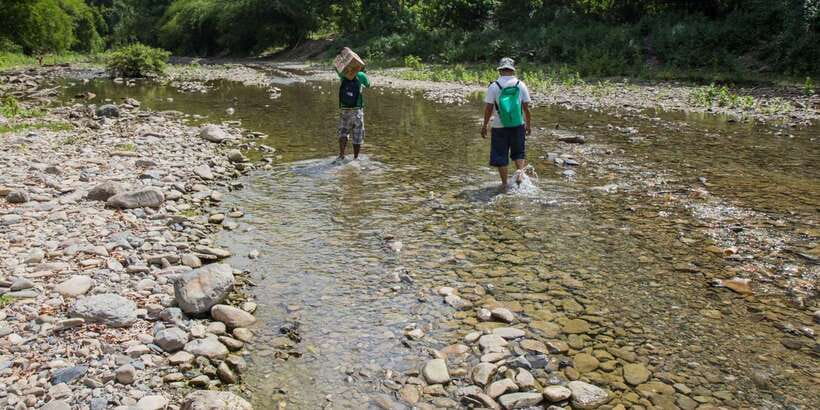
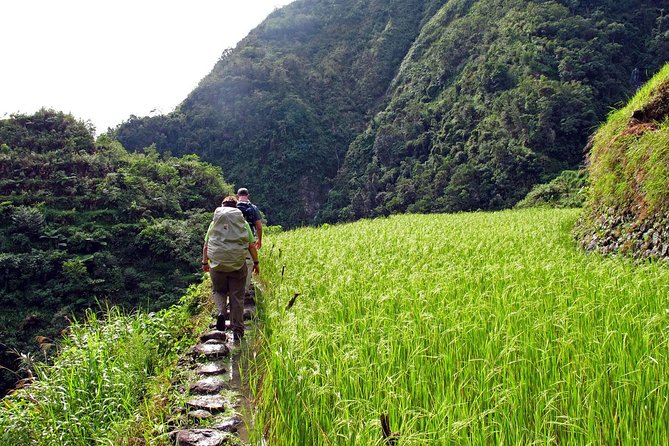
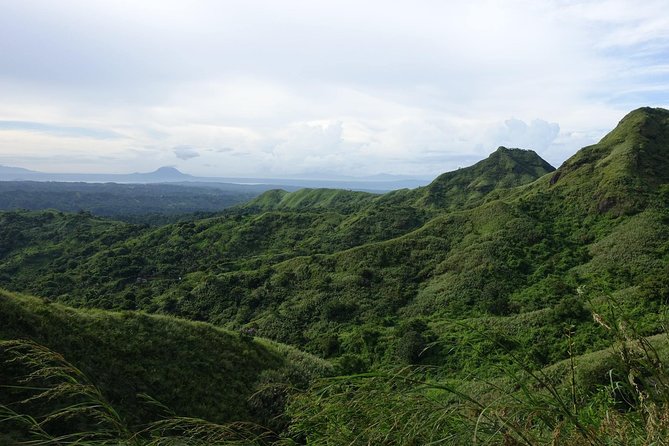
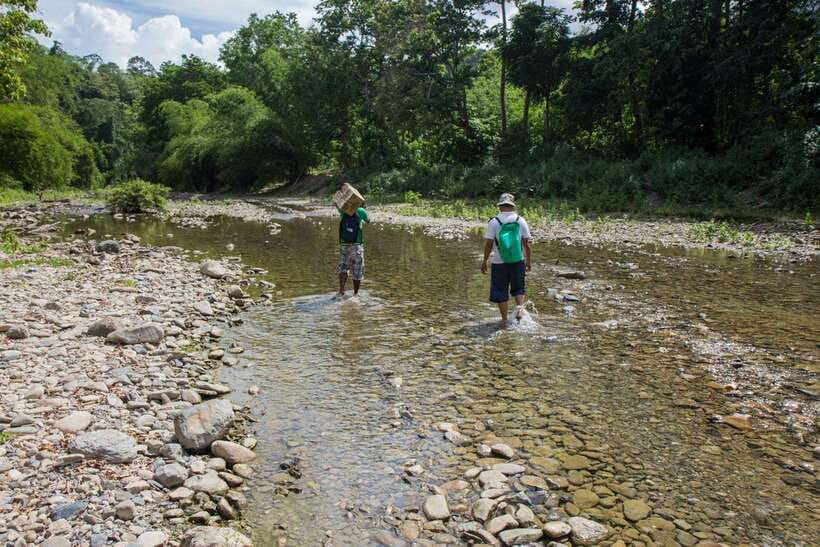
From the visitor center, you follow mountain trails toward the Batak village. The walk takes about 75 to 120 minutes, depending on the group’s pace.
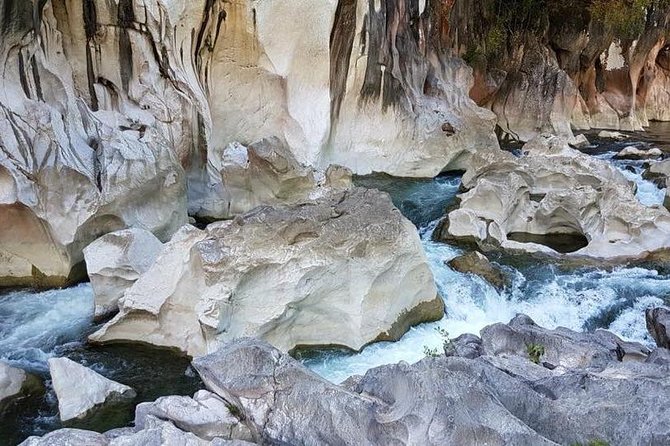
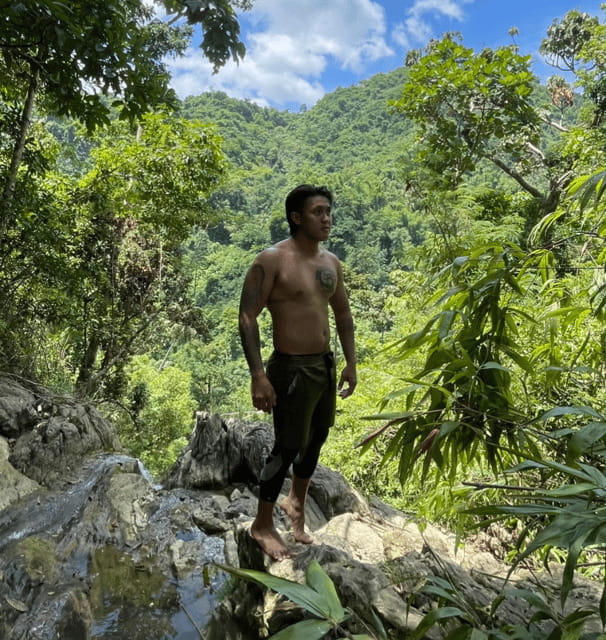
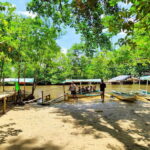
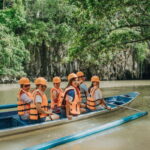
You will cross several rivers along the way. One account described jumping into a deeper river section with a fine view, but you should not assume swimming or a river jump is part of every departure. The route is best understood as a real outdoor walk, not a paved approach to a cultural attraction.
The trek is likely to be the most demanding part of the day. The tour is not suitable for wheelchair users, pregnant women, people with mobility impairments, or people with serious medical conditions. It is also not a good match if you are looking for a cool, shaded walk. One account found the route exposed to full sun with little shade.
Wear comfortable clothing that dries reasonably quickly, and use footwear suitable for uneven ground and river crossings. Bring only what you need. Large bags and luggage are not allowed, which is sensible on a narrow trail.
Bottled water is included, but the provided details do not promise a full snack service. Since food is not included, eat beforehand or select the lunch option if it fits your plans. The walk can feel much harder if you start it hungry and unprepared.
Meeting Batak residents in the village
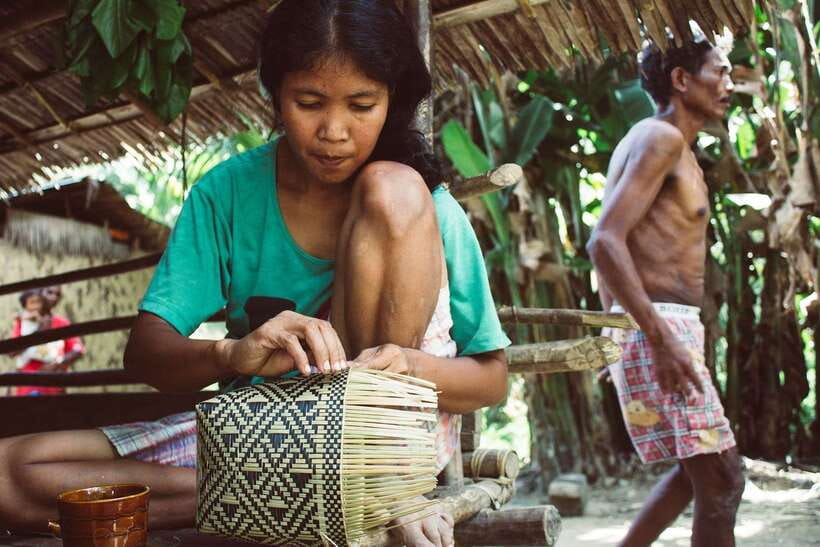
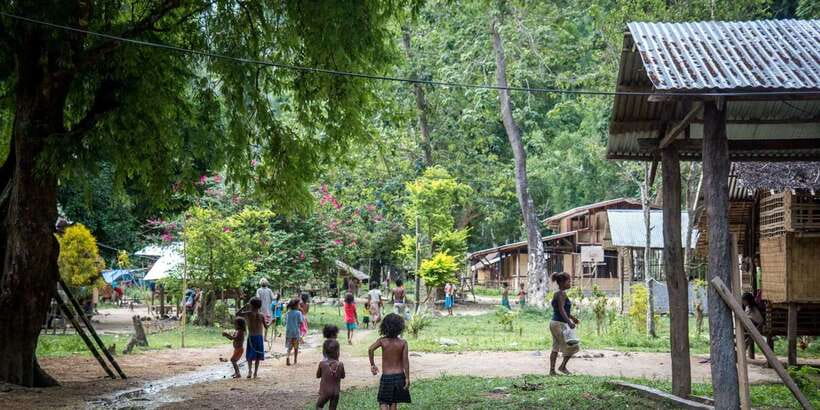
At the village, your guide introduces you to residents and explains aspects of Batak history, customs, and daily life. The best part of the visit is likely to be the chance to sit with people, observe their surroundings, and ask respectful questions through the guide.
The experience can be rewarding precisely because it is not heavily staged. One account described sitting with villagers and observing their daily routines, while another found the interaction limited and saw only five residents. Children were absent during that visit because they were at school.
That difference is important. If you want a guaranteed group presentation, a set of rituals, special clothing, or an archery demonstration, this tour may disappoint. Those activities are not promised, and one visit included none of them.
I would approach the village with patience. A quiet conversation or a short greeting may be the entire interaction. Your guide’s role matters greatly here. Two guides, Rich and Wilson, were praised for being enthusiastic and caring, and their presence helped make one visit feel especially worthwhile.
You should also remember that the Batak community is made up of individuals, not performers. Ask before taking photographs, follow your guide’s advice, and accept that residents may not want prolonged contact. A respectful visit is more valuable than trying to force a dramatic cultural moment.



What the guide adds to the experience
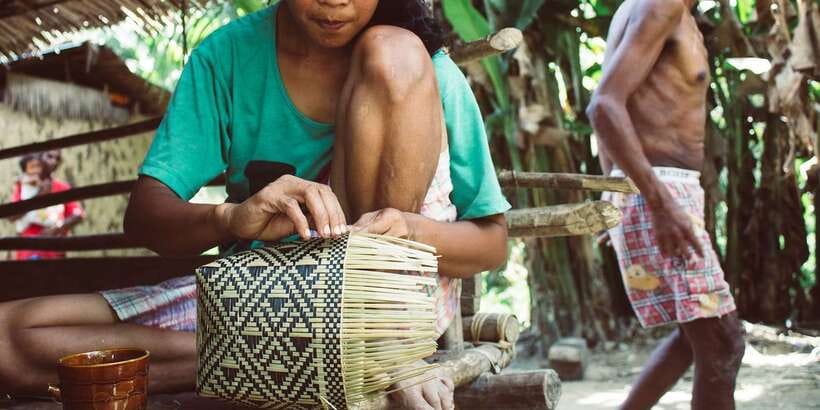
A licensed guide is included, with English and Tagalog available. This is more than a transport service. Without explanation, you might see a village and a trail but miss the reasons the community matters.
The guide provides background on the Batak’s history and customs, translates when needed, and helps manage the introduction. That makes a real difference when the visit is quiet or when communication is limited.
The quality of the day depends partly on how well the guide sets expectations. A good guide should explain what is planned, what may vary, and how the token gift will be presented. Rich and Wilson received particular praise for being caring and enthusiastic, so you can ask when booking if they are available, though the information does not guarantee specific guides.
Two guides accompanied at least one departure. That can be helpful during the trek and village visit, but the exact staffing for your group is not specified. Treat the named guides as a useful detail to ask about, not a promise.
Returning to the visitor center and Puerto Princesa
After time in the village, you walk back to the Batak Visitor Center and return to Puerto Princesa by van. The return route uses the same general trail, so the river crossings and sun exposure remain part of the day.
The five-hour duration makes this manageable for people who want a cultural outing without giving up a full day. It also means you should not expect a long period in the village. The trek itself takes a large share of the schedule.
Lunch is not included in the standard price. An option to add lunch is available, and one account praised a meal served at a hotel near the closest road. That meal was not described as a home-cooked Batak lunch, so do not book this expecting to eat inside the village or receive a traditional community meal.
This distinction matters. The cultural portion is the village visit and guide-led explanation. Any lunch arrangement is an added convenience, not necessarily an extension of the Batak experience.
Is $216 a fair price?
The listed rate is $216 per private group of up to four people. At full capacity, that works out to $54 per person before any optional lunch, which is reasonable for hotel pickup, private air-conditioned transport, a licensed guide, permits, entry fees, bottled water, and the community token.
For two people, the cost rises to $108 each. For a solo visitor, it becomes poor value unless private transport and the cultural focus are especially important to you.
The price also needs to be judged against what is not guaranteed. You are paying for access, transport, organization, and interpretation. You are not paying for a long village stay, a performance, or a set list of traditional activities.
That makes this a better deal for a group of four with a genuine interest in Indigenous culture than for someone seeking a quick photo stop. If your main goal is a cheap half-day outing, there are less costly options around Puerto Princesa. If your priority is reaching a small Batak community with permits and a guide already arranged, the fee is easier to justify.
Who should book this experience?
I would recommend this tour to people who enjoy active, small-scale cultural visits and are comfortable with uncertainty. You should be able to walk for up to two hours over mountain terrain, cross rivers, and spend time outside in direct sun.
It suits a private group of friends or family members who can share the $216 cost. It also works for people who have already seen Palawan’s beaches and want a different setting.
You may want to skip it if you have limited mobility, are pregnant, use a wheelchair, or have a serious medical condition. It is also a poor fit if you dislike heat, uneven trails, or unscripted meetings.
Most of all, book it only if you can accept that the village may be quiet. The strongest visit may involve a few residents, a guide’s explanation, and simple observation. That can still be worthwhile, but it is different from a polished cultural presentation.
Practical advice for a better visit
A few choices will improve your day:
- Wear comfortable clothes and shoes suited to uneven trails and wet crossings.
- Carry only essentials, since luggage and large bags are not allowed.
- Ask what the token gift includes before leaving the visitor center.
- Eat before pickup if you do not add the lunch option.
- Ask your guide about the walking conditions and expected shade.
- Keep your camera ready, but request permission before photographing people.
- Treat the village as a living community, not a show staged for visitors.
- If you want the best price per person, fill all four spaces in the private vehicle.
The free cancellation policy allows you to cancel up to 24 hours ahead for a full refund, and you can reserve now and pay later. Those terms are useful when weather or health concerns may affect your plans, but you should still check the available starting time before booking.
Should you book the Batak village trek?
Book it if you want a guided, private route to a small Indigenous community and you value learning about daily life more than watching a cultural performance. The trek, river crossings, and guide-led village visit create a memorable change from Puerto Princesa’s usual beach schedule.
Skip it if you expect elaborate rituals, traditional clothing, archery, guaranteed interaction, or a locally prepared lunch. The experience can be deeply interesting, but it is also variable. For four people sharing the rate, I consider it a fairer purchase. For one or two people, I would ask detailed questions about the current village visit, token gift, guide assignment, and lunch before committing.
FAQ
How long does the Batak village tour last?
The tour lasts about five hours, including hotel pickup, transport, the trek, the village visit, and the return journey.
How far is the Batak Visitor Center from Puerto Princesa?
The drive covers about 70 kilometers from Puerto Princesa to the Batak Visitor Center in Barangay Conception.
How long is the trek to the Batak village?
The walk from the visitor center to the village takes about 75 to 120 minutes, depending on the pace of your group.
Does the tour include hotel pickup?
Yes. Pickup and drop-off are included for hotels located within 15 kilometers of Puerto Princesa City Airport.
Is lunch included?
No. Food is not included in the standard tour. An option to add lunch is available.
What languages does the guide speak?
The tour provides a live guide in English or Tagalog.
What should I bring?
Wear comfortable clothes and bring only what you need for the trek. Luggage and large bags are not allowed.
Who should not take this tour?
The tour is not recommended for pregnant women, wheelchair users, people with mobility impairments, or people with serious medical conditions.