Manila Old & New City Private Tour
Manila tells two stories at once. This private four-hour tour connects modern Makati with old Manila, moving from Forbes Park and the American Cemetery to Rizal Park, Intramuros, San Agustin Church, and Fort Santiago. I like the clear contrast between financial towers and Spanish-era walls, and I like having a private guide who can adjust the pace and focus. The main caution is transport: much of the experience is on foot and public transport, so confirm exactly what your chosen pickup option includes.
The tour is strongest when your guide brings the past to life at San Agustin Church and Fort Santiago. Guides such as Andres Gustavo, Larry, and Perlie have been praised for being warm, funny, attentive, and helpful with extra plans. Still, the quality of the historical commentary can vary, and one poor experience described a guide with limited history knowledge. At $59 per person, the value depends heavily on getting a good guide and understanding the transport arrangement before you book.
In This Review
- What makes this Manila tour worth considering
- From Forbes Park to the American Cemetery
- Roxas Boulevard and the road toward old Manila
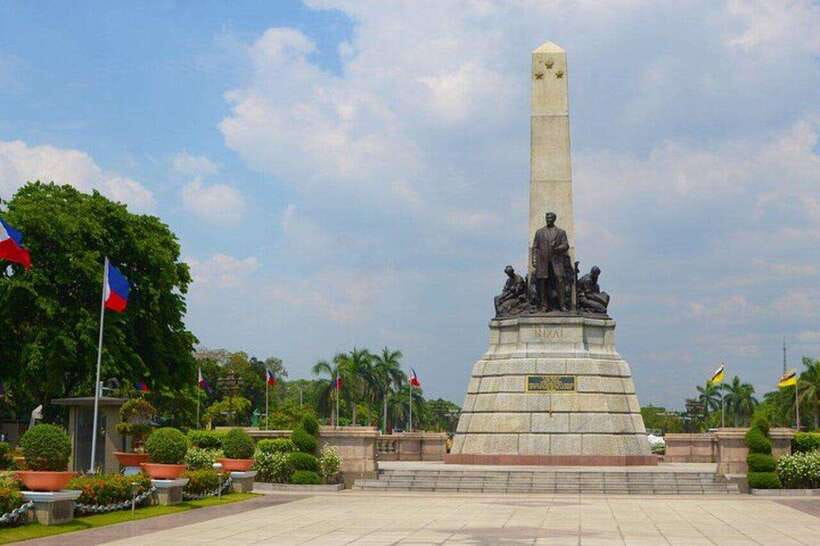
- Rizal Park and the story of a national hero
- Walking through the walls of Intramuros
- San Agustin Church, Manila’s architectural highlight
- Fort Santiago and Rizal’s final days
- What private and customizable really means
- Walking, public transport, and the pickup question
- Is $59 per person good value?
- Who should book this experience?
- My verdict on the Manila Old and New City Private Tour
- FAQ
- How long is the Manila Old and New City Private Tour?
- What places are included on the route?
- Is this a private tour?
- Is transportation included?
- Are food and drinks included?
- Which languages are available?
- Is the tour wheelchair accessible?
- Can I cancel the tour?
What makes this Manila tour worth considering

- A four-hour city contrast: Start in Makati’s polished financial district, then move through wartime memorials, Rizal Park, Intramuros, and Fort Santiago.
- A genuinely private outing: Your group has the guide to itself, with room to request a slower pace or different interests.
- A walking-focused day: Walking and public transport are included unless you choose an option with different arrangements, so comfortable shoes matter.
- Three language choices: You can request an English, French, or Spanish-speaking guide.
- A strong final stop: Fort Santiago connects Manila’s colonial past with the final days of national hero Dr. Jose Rizal.
- A useful price check: The $59 rate can be fair for private guiding, but only if you are comfortable arranging or paying for transport where required.
From Forbes Park to the American Cemetery
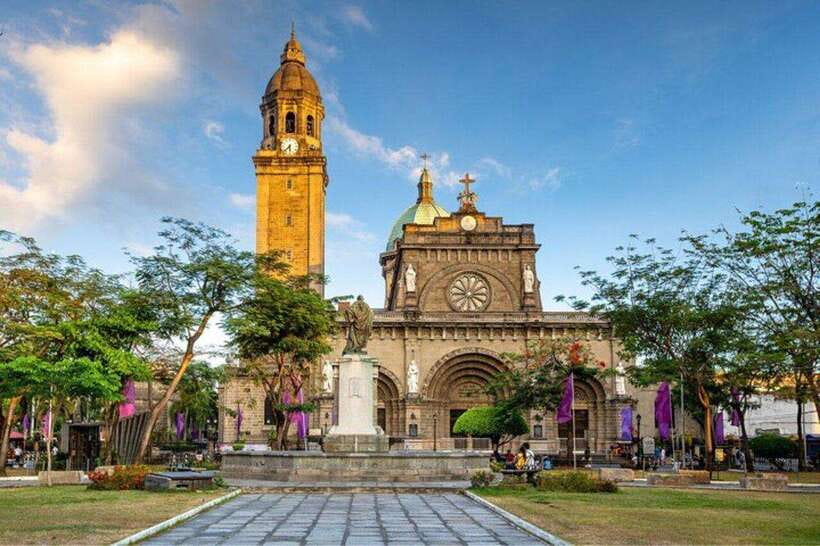
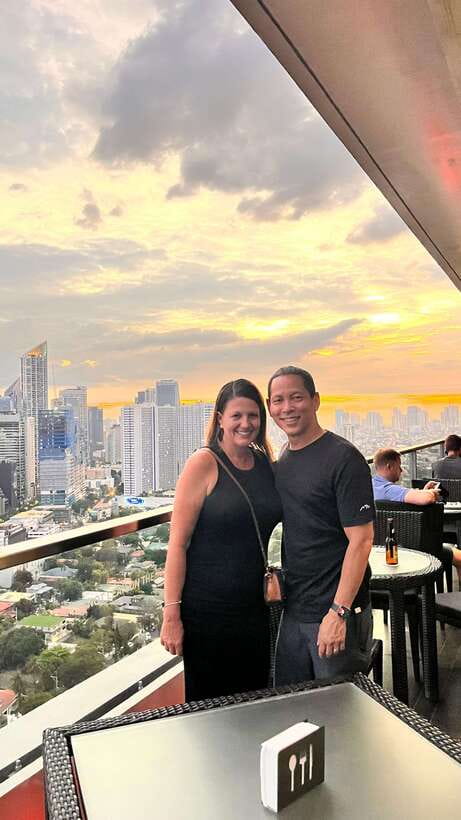
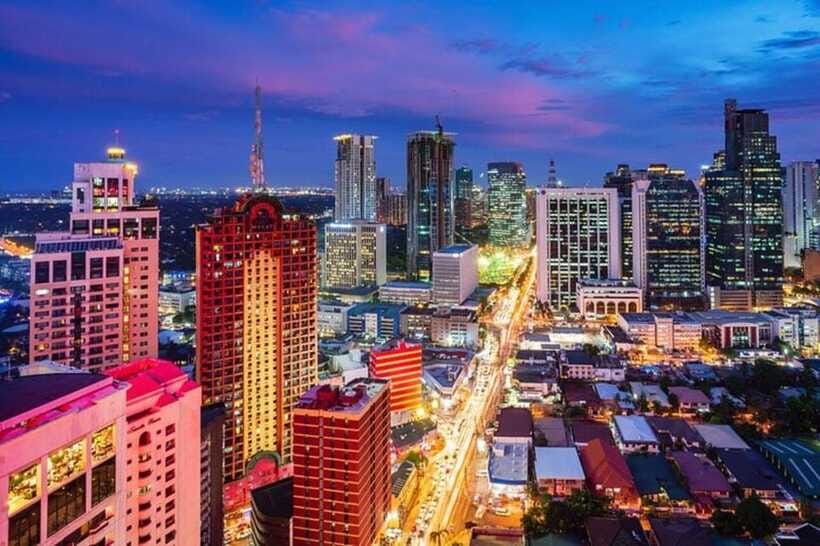
The tour begins at a selected pickup point and moves first into Forbes Park. This gives you an early look at Manila’s modern, affluent side before the tour turns toward older districts and national monuments.
Forbes Park is not the main reason to book this experience, but it helps frame the city. You see Manila not as one single historic center, but as a place of wealthy enclaves, business zones, memorial sites, public parks, and old fortified streets. Your guide can explain the contrast and help you understand how the city is laid out.
The American Cemetery and Memorial provides a more serious change of mood. It recalls the wartime losses connected with the Philippines and gives the tour a human focus before you reach the more familiar sights. This is a place for quiet attention rather than a rushed photo stop.
I would ask your guide how much time is planned here. Four hours is not long for this many locations, and time spent at the cemetery may reduce time inside Intramuros or Fort Santiago. That is not necessarily a problem. If wartime history matters to you, this stop may be one of the most meaningful parts of the day.
You can also read our reviews of more tours and experiences in Makati.


Roxas Boulevard and the road toward old Manila
The route continues along Roxas Boulevard, one of the city’s best-known roads. Here, the value lies less in a single admission sight and more in the transition between districts.
A guide can point out how Manila’s public spaces and central roads connect the modern city with its older core. You get a moving introduction to the city before the walking portion becomes more focused. Since the tour uses walking and public transport in its standard form, you should expect the route itself to be part of the experience rather than a short ride between every attraction.
This is also where you need realistic expectations. A four-hour tour covering Makati, the cemetery, Roxas Boulevard, Rizal Park, Intramuros, San Agustin Church, and Fort Santiago is tightly planned. Traffic, waiting time, and walking speed can affect the schedule. A private guide gives you flexibility, but it does not remove Manila’s distances or road conditions.
Rizal Park and the story of a national hero
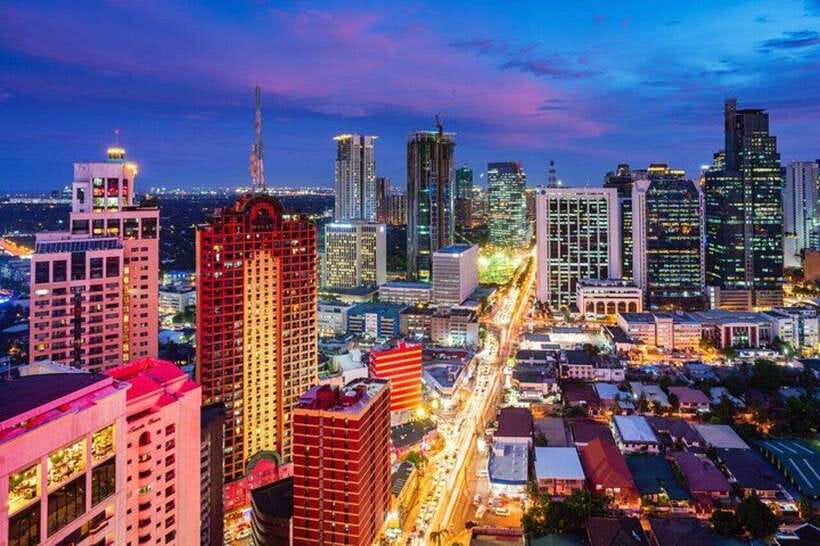
Rizal Park is the natural bridge between Manila’s public life and its national story. It is associated with Dr. Jose Rizal, the writer and national hero whose final days are central to the later Fort Santiago visit.
Your guide can help explain why Rizal matters and how his life fits into the country’s struggle under Spanish rule. The park also gives you a more open setting after the city streets and before the enclosed lanes of Intramuros.
Do not expect a long, quiet park walk if the tour is running on schedule. Rizal Park is one part of a packed route, and the guide may need to keep moving. If you want time for photos or a slower look around, say so early. The private format makes that request more practical than it would be on a large group excursion.
Walking through the walls of Intramuros
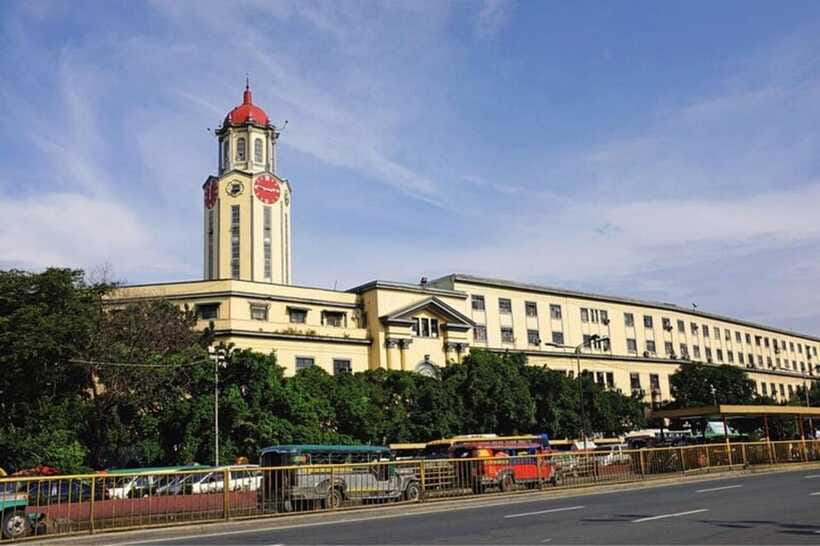
Intramuros is the heart of the old-city portion. Its walls, lanes, and surviving Spanish colonial buildings make the city’s past easier to picture than a museum display alone.
I like this section because you move through the setting rather than simply hearing a list of dates. The guide can explain the role of the walled city and point out how religious, military, and civic power shaped Manila. The route is especially useful for first-time visitors who want a basic map of the old center.
The walking format matters here. Streets and historic compounds are best understood at a slow pace, but the tour’s four-hour limit may keep the walk brisk. Wear supportive shoes and bring water, since food and drinks are not included. The tour is described as wheelchair accessible, although you should still confirm the exact route and transport arrangements for your needs.
The private setup is a real advantage in Intramuros. You can ask for more context at a particular wall or building instead of being pulled along with a large crowd. You can also tell the guide if you prefer architecture, political history, religion, or personal stories.
San Agustin Church, Manila’s architectural highlight
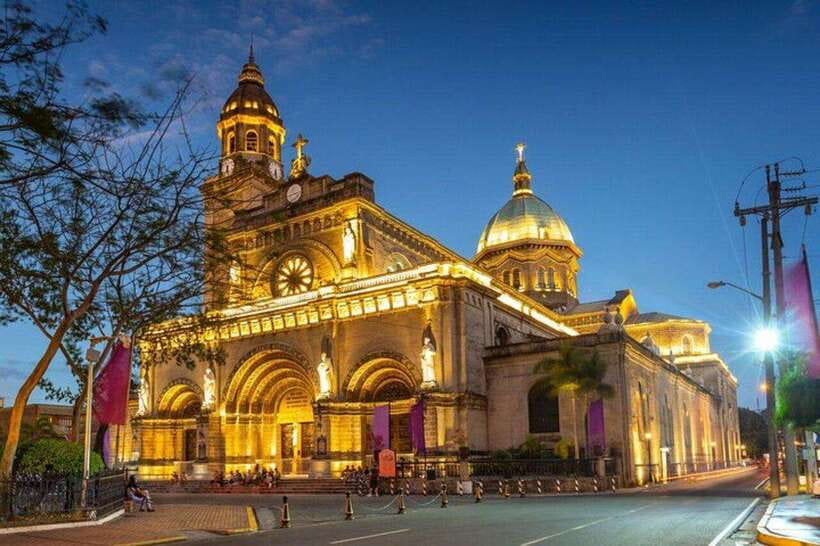
San Agustin Church is one of the tour’s key stops. Its Spanish colonial design gives you a direct look at the religious architecture that shaped old Manila.
Your guide’s explanation is important here. Without context, a historic church can become another quick interior visit. With a good guide, you can better understand why it matters and how it fits within Intramuros.
This is also the point where guide quality becomes especially important. Several past bookings praised guides for clear explanations and personal attention. Perlie was praised for explaining Manila’s history during a city walk, and a guide named Andres Gustavo was described as especially attentive and willing to suggest other plans. Another account described a pleasant guide who knew a great deal about the fort and its history, but a separate experience found the historical explanations weak.
That mixed record leads to practical advice: tell your guide what kind of explanation you want. If you want dates, political context, and Philippine history, ask directly. If you mainly want an easy walk and orientation, say that instead. A private tour works best when you set the tone early.
Fort Santiago and Rizal’s final days

Fort Santiago gives the tour its strongest closing chapter. This military site is closely linked to Dr. Jose Rizal, who spent his last days there before his execution.
The fort brings together several themes from the day: Spanish colonial rule, military power, Philippine nationalism, and the personal story of a major national figure. It is more than a final old building on the route. It gives the earlier stops a sharper focus.
I would save a few questions for this part of the tour. Ask your guide about Rizal’s role, the significance of the fort, and how the site fits into Manila’s wider past. The answer you receive may shape your opinion of the whole experience, since Fort Santiago is the final major stop and the place where the tour’s themes come together.
The finish can be a little rushed if the group has spent extra time elsewhere. If Fort Santiago is your priority, tell the guide at the beginning. The tour is customizable, but customization works only when you make your priorities clear.
What private and customizable really means
This is not simply a standard group walk with a smaller headcount. The tour is private, so nobody outside your party joins your guide. That gives you more control over walking speed, questions, photo stops, and the balance between modern Manila and the old city.
The description also allows customization. You can ask to focus on architecture, wartime history, Rizal, Spanish rule, or city orientation. You can also discuss desired visits with the provider, and the team can help book tickets for visits you want to add.
Still, customization does not mean unlimited time. The duration remains four hours, and the route includes a wide spread of locations. I would choose two priorities before starting. For example, you might give most of your attention to Intramuros and Fort Santiago, or spend more time comparing Makati with old Manila.
The private format is especially helpful for families, couples, and small groups with different interests. It can also suit solo visitors who want personal guidance without joining strangers. If you prefer a fixed route with a clear schedule and little discussion, a private tour may offer more flexibility than you need.
Walking, public transport, and the pickup question
The most important practical detail is transportation. The standard experience includes a walking tour and public transport, except when you select another option. The starting point depends on the option chosen, and the stated drop-off locations include Magallanes Drive in Manila.
That wording leaves room for confusion. One past booking expected a hotel pickup with a car included, then had to pay for a taxi and found the tour was mainly on foot. I would not assume that hotel transport or a private vehicle is included simply because pickup appears in the booking choices.
Before paying, confirm three things:
- Where exactly does pickup take place?
- Is a car included, or will you use public transport and taxis?
- Are any taxi fares or entry fees extra?
This matters because the $59 price looks different depending on the answer. If it covers a private guide for your group and the planned walking and public transport arrangements, it can be reasonable. If you also need taxis and several admission tickets, your total cost will rise.
The experience is listed as wheelchair accessible, which is useful, but access can vary across historic sites and transport connections. Confirm the route directly if you need step-free access or extra time.
Is $59 per person good value?
At $59 per person, you are paying for privacy, a guide, route planning, and the ability to shape the four-hour experience. For a small group, that can be good value, particularly if you want explanations rather than a simple transfer between sights.
The price is less attractive if you mainly want transportation. This is not presented as a private car tour in its standard form. You may walk and use public transport, and food and drinks are not included. Ticket help is available, but do not assume that admission costs are part of the price.
The rating of 4.5 from 16 bookings suggests a generally positive experience, but the written feedback points to an important variable: the individual guide. Andres Gustavo was praised for kindness and attention. Larry was described as funny and effective at teaching Manila’s history. Perlie received strong praise for explaining the old city. At the same time, a few experiences raised concerns about historical knowledge and transport costs.
I would book this for the guide relationship and the private format, not for luxury transport. It offers the most value when you actively shape the route and ask questions.
Who should book this experience?
I would recommend it to first-time Manila visitors who want a quick framework for the city. In four hours, you see the modern financial district, a wartime memorial, major public spaces, Intramuros, San Agustin Church, and Fort Santiago.
It is also a good fit for travelers with a short stop in Manila who want more than a single district. The route gives you a useful first look at the city’s past and present, though you should not expect a slow, exhaustive visit to every site.
History-minded visitors should ask for a guide who can give strong context in their preferred language. English, French, and Spanish are available. If language and subject knowledge matter greatly to you, confirm both when booking.
I would be more cautious if you dislike walking, need guaranteed private transport, or want a long visit at each monument. The day covers a lot of ground, and some stops may feel brief.
My verdict on the Manila Old and New City Private Tour
Book this tour if you want a private introduction to Manila that links Makati with the old city. The best parts are the contrast between districts, the chance to ask personal questions, and the sequence from Rizal Park through San Agustin Church to Fort Santiago.
Before you book, settle the transport details and tell the provider which two or three stops matter most. If you do that, $59 per person can buy a useful and personal first look at Manila. If you expect a chauffeured vehicle, included meals, or a slow museum-style history lesson, choose carefully or ask for those details in writing first.
FAQ
How long is the Manila Old and New City Private Tour?
The tour lasts four hours. You should expect a compact route covering modern Makati, wartime memorial sites, Rizal Park, Intramuros, San Agustin Church, and Fort Santiago.
What places are included on the route?
The listed stops are Forbes Park, the American Cemetery and Memorial, Roxas Boulevard, Rizal Park, San Agustin Church, and Fort Santiago. The route also includes the old city area of Intramuros.
Is this a private tour?
Yes. The tour is private, so your group will not be joined by other participants. A private group option is available.
Is transportation included?
The standard experience includes walking and public transport, except when you select an option with different arrangements. Pickup depends on the option chosen, so confirm whether a vehicle or taxi is included before booking.
Are food and drinks included?
No. Food and drinks are not included in the price.
Which languages are available?
Live guiding is available in English, French, and Spanish.
Is the tour wheelchair accessible?
Yes, the activity is described as wheelchair accessible. If you need specific access arrangements, confirm the route and transport details before booking.
Can I cancel the tour?
You can cancel up to 24 hours in advance for a full refund. The activity also offers reserve now and pay later booking.