Review · Philippines
Tri-City (Bacolod – Silay – Talisay) Exclusive Day Tour
Sugar built these cities. This private day tour connects Bacolod, Silay, and Talisay through old sugar estates, ancestral homes, churches, parks, and modern civic landmarks. I like the private air-conditioned vehicle and the way a licensed guide brings context to places that can feel scattered on a map. I also like that entrance fees and two-way transfers are included.
The main drawback is pace. The tour lasts about 5 to 8 hours, yet it covers as many as ten stops, including a two-hour visit to Campuestohan Highland Resort. You may see a lot, but some stops are short, and afternoon rain can make the Talisay portion less enjoyable.
In This Review
- Five things to know before booking
- Why Bacolod, Silay, and Talisay belong together
- The Ruins: the hour that earns its fame
- Balay Negrense and Silay’s old planter culture
- Campuestohan Highland Resort adds a different kind of stop
- A pharmacy, a revolution, and the Cinco de Noviembre marker
- Bacolod’s religious and civic landmarks
- Parks, capitol buildings, and modern Bacolod
- How the short stops affect your day
- Is $73.34 a fair price?
- Who will get the most from this tour?
- Weather, cancellation, and practical planning
- Should you book the Tri-City Exclusive Day Tour?
- FAQ
- Where does the Tri-City tour take place?
- How long does the tour last?
- What is included in the tour price?
- Is the tour private?
- Does the tour include lunch?
- Are tips and gratuities included?
- Is The Ruins included?
- Can I cancel for a full refund?
- What happens if bad weather cancels the tour?
Five things to know before booking
- The Ruins is the visual centerpiece: Allow time for photos and the story of the Lacson sugar family.
- Silay provides the strongest heritage focus: Balay Negrense and the San Diego Pro-Cathedral show the city’s old planter culture and faith.
- Campuestohan changes the rhythm: The two-hour stop adds gardens and recreation rather than more colonial history.
- A private guide makes the route flexible: Cindi has taken groups to extra sights along the way, while Elmer has been praised for helpful service.
- The price includes useful basics: At $73.34 per person, you get private transport, admission fees, and taxes, but not lunch or gratuities.
- Weather matters: Poor weather can lead to a new date or a full refund, and rain may affect the outdoor stops.
Why Bacolod, Silay, and Talisay belong together
Bacolod is the provincial capital, but the story of Negros Occidental reaches beyond its city center. Silay preserves many old houses linked to sugar wealth, while Talisay holds the best-known remnant of that era, The Ruins.
That makes this route more useful than a simple city sightseeing drive. You see religious buildings, government landmarks, old family homes, a former pharmacy tied to revolution, and the remains of a large plantation estate. The stops are varied, but they share one theme: how sugar shaped local wealth, politics, religion, and daily life.
A private tour also solves a practical problem. These places are spread across three cities, and the route includes pickup from Bacolod hotels, the airport, or city ports. You are not left piecing together separate rides for each area.
The Ruins: the hour that earns its fame
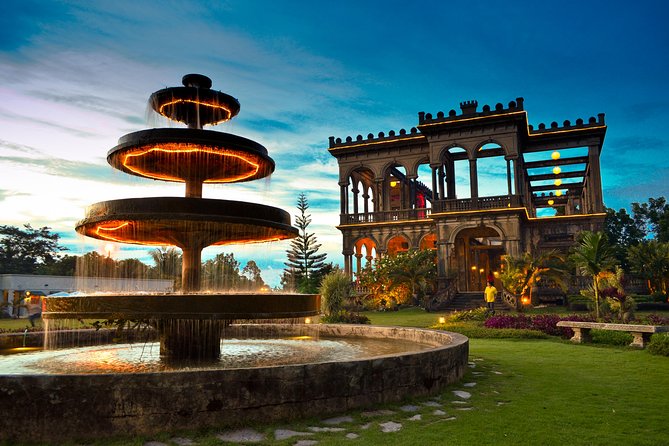
The Ruins is the tour’s strongest photo stop. This remains of an ancestral mansion sits on what was once a 440-hectare sugar plantation in Talisay City. It was built by Don Mariano Ledesma Lacson, a wealthy sugar baron, and is often compared with the Taj Mahal of Negros because of its romantic appearance and tragic family story.
You receive about an hour here, with admission included. That is a sensible amount of time for the main structure, grounds, and photographs, though you will want to keep an eye on the clock if the rest of the day is full.
The appeal is not only the building itself. The Ruins gives you a clear picture of the scale of the sugar economy. This was not a small country house. It was part of a large plantation world, supported by agricultural wealth and a powerful local family.
I would pay attention to the guide here rather than treating the stop as a quick photo background. The building is visually striking, but its meaning comes from the people and industry behind it. Since the tour is private, you can ask for more detail or move on when you have had enough pictures.
Balay Negrense and Silay’s old planter culture
Balay Negrense Museum, also called the Victor Fernandez Gaston Ancestral House, gives the tour its clearest look inside a sugar baron’s home. The museum presents the lifestyle of a late 19th-century Negrense planter family.
You have about 30 minutes, with admission included. That is enough for a focused visit, but not a slow museum study. I would use the time to notice how the house expresses social status, family life, and the influence of the sugar trade.
This stop works well after The Ruins because the two places show different sides of the same story. The Ruins is a grand remnant in Talisay. Balay Negrense lets you consider how a prosperous family actually lived in Silay.
The limitation is simple: half an hour passes quickly in an ancestral house. If you enjoy historic interiors, you may wish the schedule gave you more time. Still, the private format may help because your guide can point out the details most relevant to the wider story instead of leaving you to wander without context.
Campuestohan Highland Resort adds a different kind of stop
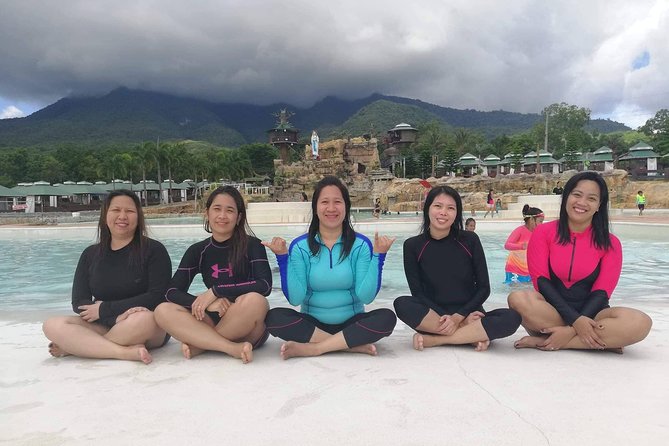
Campuestohan Highland Resort receives about two hours, making it one of the longest stops. The listed activities include a swimming pool, gardens, a playground, horseback riding, and a 340-meter zipline.
This is a useful break from churches and old mansions. You can relax, walk through the grounds, or choose an activity if available during your visit. Families and anyone who needs a change of pace may appreciate it.
But Campuestohan also creates the biggest question about the tour’s focus. If your main goal is Negros heritage, two hours here reduces the time available for museums and old neighborhoods. If you want a mixed day with recreation, it makes the tour more varied. If you want a concentrated history tour, it may feel like a detour.
Ask yourself what kind of day you want before booking. The tour is not only a sugar history route. It also includes a resort visit, so the experience suits people with mixed interests better than serious museum enthusiasts.
A pharmacy, a revolution, and the Cinco de Noviembre marker
The Cinco de Noviembre Memorial marks the former Farmacia Locsin in Silay. The pharmacy was owned by Don Leonardo de la Rama Locsin and served as a secret collection point for donations supporting the revolution in Negros.
There is no admission charge, and the stop is likely brief. Its value lies in the story, not in a long visit. A pharmacy may sound ordinary, but this site connects everyday commercial life with political change.
This is one of the places where a guide matters most. Without explanation, you may see only a marker or historic building. With context, you can understand how local people supported the revolution through discreet networks and community resources.
Bacolod’s religious and civic landmarks
The itinerary includes several short stops in Bacolod and Silay. These are not long guided visits, but together they give the day a useful sense of place.
The San Diego Pro-Cathedral in Silay was formerly the San Diego Parish Church, also known as St. Didacus Parish Church. It became a pro-cathedral in 1994. You have about 30 minutes, and there is no admission charge.
That half hour gives you more time than the other city landmarks. It is the right length for a calm look at an early 20th-century church and an explanation of its role in Silay. If church architecture interests you, this is one of the stops to protect from rushing.
The San Sebastian Cathedral, often called Bacolod Cathedral, receives about 15 minutes. It is described as the best-known religious and historical landmark in Bacolod. Fifteen minutes is enough for a short visit and photographs, but not for a detailed architectural examination.
The Pope John Paul II Tower is another city landmark. The seven-storey building honors the late pope’s visit to Bacolod on February 20, 1981. That visit was a major public event for the city, and the tower recalls its importance.
The time assigned to the tower is not clearly specified, so your visit may be a quick exterior stop. Treat it as part of the city overview rather than a full museum visit.
Parks, capitol buildings, and modern Bacolod
Capitol Lagoon Park offers a 15-minute stop. The provincial park is known for matching sculptures of a woman and a water buffalo, an image connected with local agricultural life.
A short visit is enough to see the central features, take photographs, and stretch your legs. It is not a major attraction on the scale of The Ruins, but it helps connect the region’s public spaces with its farming identity.
The Negros Occidental Provincial Capitol receives another 15 minutes. Built in 1926 during the height of sugar prosperity, it was designed to reflect the province’s wealth and importance. Its architectural character gives you another way to see how the sugar economy shaped public institutions, not only private mansions.
The Bacolod City Welcome Marker is a ten-minute photo stop at the boundary of Bacolod and Talisay. Its colorful, Vegas-style design is a sharp contrast to the old churches and colonial-era homes.
The New Government Center also receives about ten minutes. This modern administrative complex represents present-day Bacolod and gives the tour a contemporary finish. I like the contrast: the route does not pretend the city stopped in the sugar era.
How the short stops affect your day
The schedule mixes one-hour and two-hour visits with several ten to fifteen-minute stops. That keeps the route moving, but it also means you should not expect a relaxed, unstructured day.
The private vehicle helps. You are not waiting for public transport between three cities, and the air conditioning matters in the Philippine heat. Pickup and return transfers are offered from Bacolod hotels, the airport, and city ports, which makes the tour practical on a short stay or cruise-related visit.
Still, traffic, weather, and the distance between stops can affect the rhythm. The total duration is given as approximately five to eight hours, a wide range that reflects these conditions and the number of places included.
Cindi has been praised for taking a group to extra sights along the way. That suggests the private format can sometimes provide useful flexibility. At the same time, you should confirm your priorities at the start. If you care most about Silay’s heritage houses, say so. If you want time at Campuestohan, make that clear too.
Is $73.34 a fair price?
At $73.34 per person, the tour is not the cheapest way to see Bacolod. But price alone misses the point. You are paying for a private licensed guide, an air-conditioned vehicle, two-way transfers, entrance fees, and taxes.
The value improves with a small group. A couple or family can share the private vehicle and receive a route built around their own pace. Group discounts are also offered, which may make the per-person cost more attractive for a larger party.
Lunch is not included, and tips are separate. You should plan for both. The tour does not list food as part of the experience, so do not assume that a meal stop is covered.
For a first visit, the price can be reasonable because it combines three cities and several admission-based sights in one day. It is less compelling if you plan to spend most of your time at Campuestohan or prefer to explore Bacolod slowly on your own.
Who will get the most from this tour?
I would recommend this experience to first-time visitors who want a broad introduction to Negros Occidental without arranging several separate rides. It suits families, couples, and small groups who value a private vehicle and a guide’s explanation.
It is also a good fit if you enjoy contrasts: sugar mansions beside modern civic buildings, quiet churches beside a recreational highland resort, and a revolutionary marker beside a colorful city welcome sign.
You may want another plan if you prefer long museum visits, independent wandering, or a tightly focused architecture tour. The schedule covers a lot of ground, and several stops are short by design.
The guide can make a major difference. Cindi is specifically praised for adding sights along the way, and Elmer is praised for being approachable and helpful. Those details point to a service style that is friendly rather than stiff, which suits a full day of varied stops.
Weather, cancellation, and practical planning
Good weather is required for the experience. If poor weather forces cancellation, you can choose another date or receive a full refund.
You can cancel for a full refund up to 24 hours before the start time. Cancellations or changes made within 24 hours are not refunded or accepted, so check the forecast before the final deadline.
Most people can participate, and the tour is near public transportation, though the main convenience is the included private pickup. Since lunch is excluded, plan for that cost and ask your guide about timing if you need a proper meal break.
Should you book the Tri-City Exclusive Day Tour?
Book it if you want the most convenient broad look at Bacolod, Silay, and Talisay in one private day. The Ruins, Balay Negrense, the churches, and the revolutionary marker provide real local context, while the vehicle and guide remove much of the transport hassle.
Before paying, decide how you feel about Campuestohan. Its pool, gardens, playground, horseback riding, and zipline make the day more relaxed and family-friendly, but they also take time away from heritage sights.
My call: this is a good-value introduction for first-time visitors, especially small groups. Set realistic expectations about the pace, confirm your preferred stops with the guide, and leave room for weather changes. If you do that, the tour offers a useful, well-rounded look at the three cities rather than a rushed collection of unrelated photo stops.
FAQ
Where does the Tri-City tour take place?
The tour covers Bacolod, Silay, and Talisay in Negros Occidental, Philippines.
How long does the tour last?
The approximate duration is 5 to 8 hours.
What is included in the tour price?
The price includes an air-conditioned vehicle, all listed entrance fees, and taxes. Two-way transfers are also provided from Bacolod City ports, the airport, or hotels.
Is the tour private?
Yes. Only your group participates in the private tour or activity.
Does the tour include lunch?
No. Lunch is not included in the price.
Are tips and gratuities included?
No. Tips and gratuities are excluded.
Is The Ruins included?
Yes. The Ruins is one of the scheduled stops, and its admission ticket is included.
Can I cancel for a full refund?
Yes, if you cancel at least 24 hours before the experience start time. Cancellations within 24 hours are not refunded.
What happens if bad weather cancels the tour?
If poor weather causes the cancellation, you will be offered another date or a full refund.