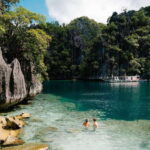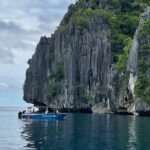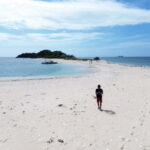
3DAYS AND 2NIGHTS SNORKEL ISLANDS HOPPING EXPEDITION
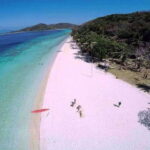
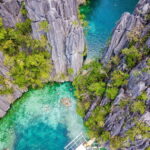
Palawan rewards travelers who slow down. This three-day, two-night boat expedition links Coron and El Nido, or runs the other way, through quiet islands, clear water, white beaches, and small coastal camps. I like the chance to see remote parts of Palawan in one trip, and I like that meals, snorkeling gear, accommodation, transfers, and a guide are included. The main concern is boat capacity and safety, since the published feedback includes serious complaints about overcrowding and life jackets.
I also like the social side. You can play beach basketball or sand volleyball, share a bonfire, sing karaoke, and enjoy simple Filipino drinks with the group. But this is not a polished resort cruise. It is a basic one-way expedition, and you need to confirm the boat size, passenger count, and safety equipment before paying.
In This Review
- Key points to know before booking
- A one-way journey between Coron and El Nido
- What the three days feel like
- Day one: leaving the mainland behind
- Day two: the main snorkeling and beach day
- Day three: one last swim and the final transfer
- Snorkeling, coral, and marine life
- Nipa huts, bonfires, and karaoke
- Food, drinks, and the Filipino touch
- Is $360 good value?
- The safety questions you should ask
- Who will enjoy this expedition?
- Booking advice and cancellation terms
- Should you book the Coron to El Nido expedition?
- FAQ
- Is the expedition three days and two nights?
- Does the boat return to the pickup point?
- Is transportation to the port included?
- Are meals included?
- Is snorkeling equipment provided?
- What environmental fees are extra?
Key points to know before booking
- The route is one-way: You travel between Coron and El Nido, not back to your original pickup point.
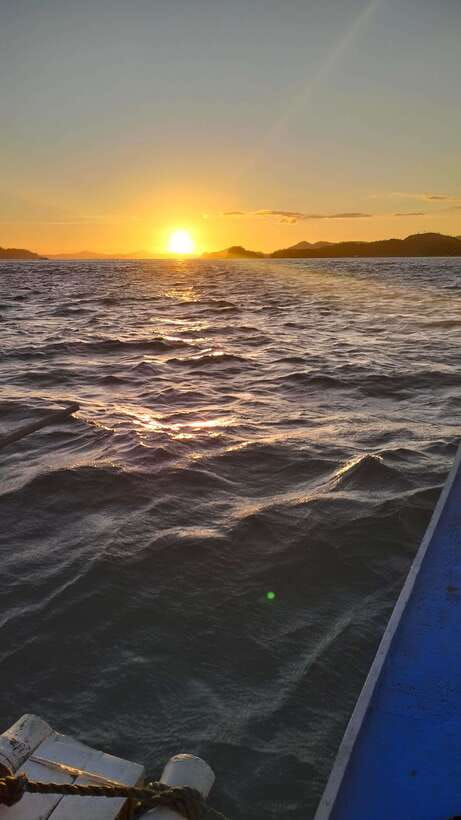
- Two nights are spent in nipa huts: Some sleeping spots are close to the sea, with early morning views.
- Snorkeling is offered at every stop: Expect coral gardens, sea stars, turtles, and other marine life if conditions cooperate.
- Food is a major strength: A chef travels with the group, preparing breakfast, lunch, snacks, and dinner.
- The group is advertised as small: The stated maximum is 18 people, but past feedback raises questions about how many people may actually board.
- The $360 price includes a lot: Meals, a licensed boat, gear, accommodation, transfers, and a guide are covered, though environmental fees are extra.
A one-way journey between Coron and El Nido
The defining feature is the route. You start in one famous Palawan destination and finish in another, with the islands between them becoming the main event. That saves you from booking a separate transfer between Coron and El Nido, but it also means you must plan your wider itinerary carefully.
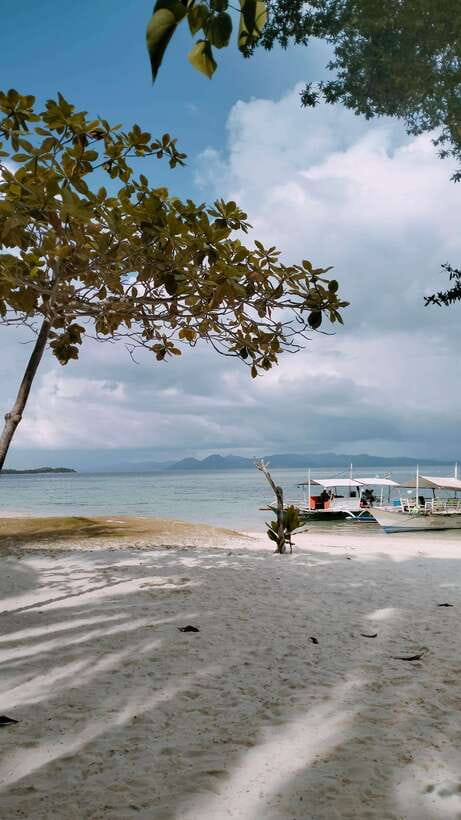
If you start in El Nido, a van transfer takes you to Sibaltan port. If you come from Coron, a van pickup takes you to the port. The precise pickup time depends on availability, so you should watch for the confirmed schedule and wait in your hotel lobby or reception.
This is not a return boat trip. At the end, the boat does not take you back to the starting point. Pack with that in mind, and keep your larger luggage arrangements simple. A small, waterproof bag is easier to manage on a beach landing than a large suitcase.
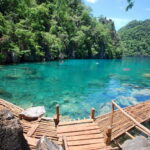
The route gives you a useful combination: boat travel, snorkeling, beach time, local food, and a final arrival in a major Palawan base. You are not just visiting one lagoon or beach for a few hours. You are moving through a whole stretch of island country.
You can also read our reviews of more tours and experiences in Coron.

What the three days feel like
Exact island names and daily stop times are not provided, so you should not expect a rigid sightseeing schedule. The days are shaped by sea conditions, local access, and the crew’s plan. That flexibility is part of the appeal, but it also means this is not the best choice if you need a precise hour-by-hour itinerary.
Day one: leaving the mainland behind
The trip begins with the road transfer to the port, followed by boarding the licensed boat. Once you leave the shore, the pace changes quickly. Your main activities are snorkeling, swimming, resting on beaches, and getting to know the people sharing the boat.
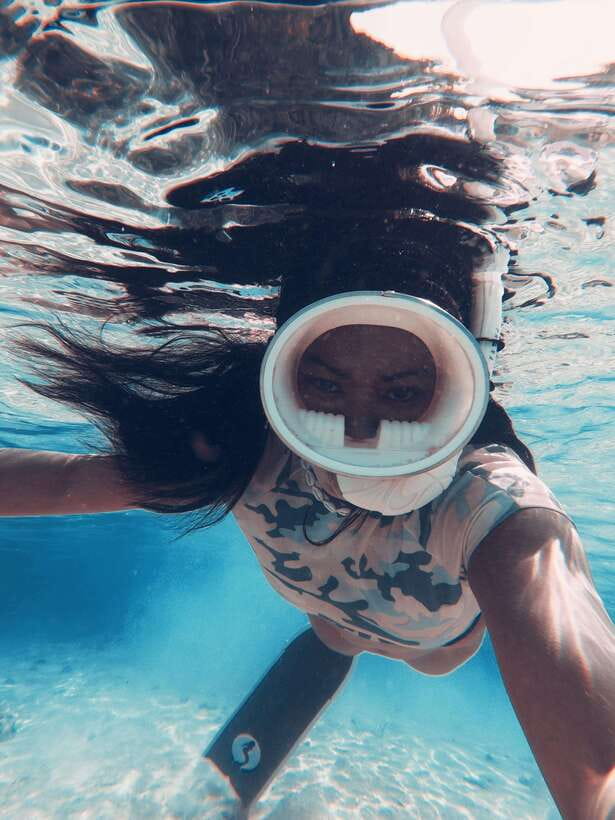
The first stops are intended to show off Palawan’s clear water and coral areas. You receive a mask and snorkel, so you do not need to bring your own basic equipment. Beginners can take part, while stronger swimmers and experienced snorkelers can spend more time looking around the reef areas.
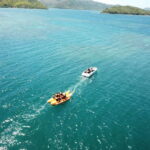
The water is the star, but the boat ride is part of the experience too. Larger stretches of open sea can feel exposed, especially on a smaller vessel. This is where you need to pay attention to weather, passenger numbers, and safety gear rather than simply admiring the view.
By evening, the group settles at the first nipa hut location. These are basic accommodations, not hotel rooms. Their appeal is their setting. One particularly attractive feature is sleeping near the water and waking with the sunrise. If you like a quiet shore, simple shelter, and a strong sense of place, this can be memorable.
If you need air-conditioning, private facilities, or guaranteed quiet, adjust your expectations. The sleeping arrangements are part of a rustic island camp.
Day two: the main snorkeling and beach day
The second day usually gives you the fullest taste of the expedition. You stop at more beaches, coves, and reef areas, with time to snorkel and rest between boat rides.
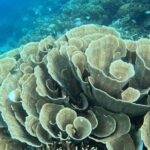
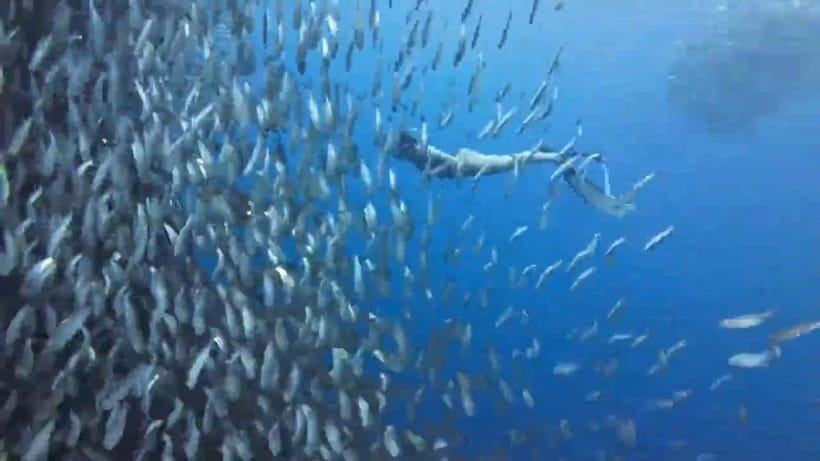
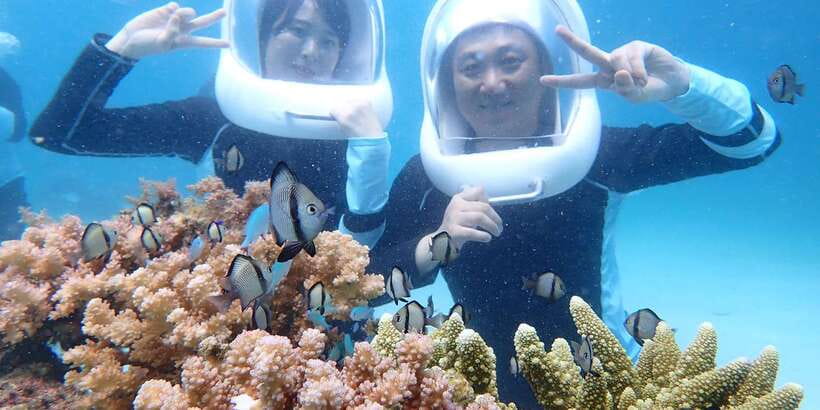
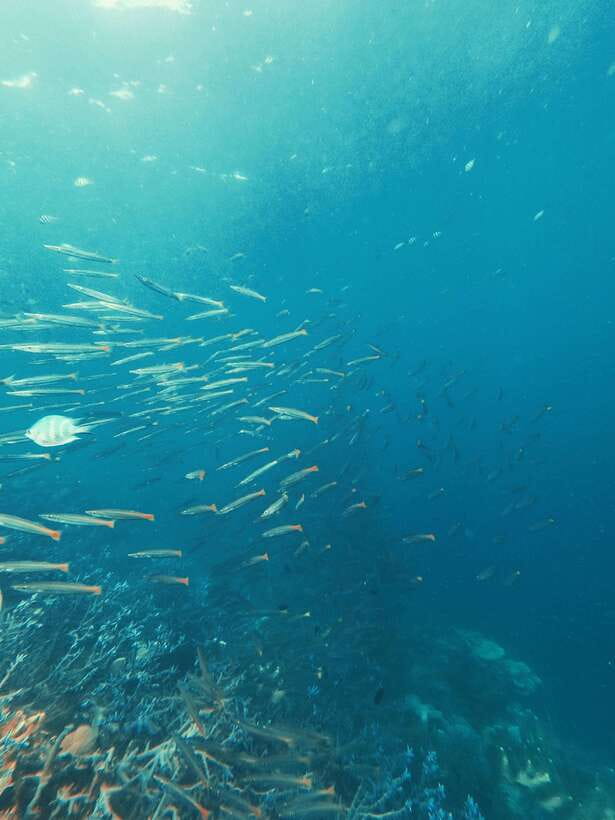
The best part is the variety beneath the surface. The supplied experience describes coral gardens, colorful reef fish, and other marine life, while one account specifically recalls seeing turtles, sea stars, and coral. Sightings are never guaranteed, but the range of possible encounters makes each stop worth checking.
You do not need to be an expert swimmer to enjoy the water. The expedition is presented as suitable for beginners as well as people who already practice breath-hold swimming. Still, you should be comfortable in the sea and honest about your ability. A guide can help with basic confidence, but this is not a formal certification course.
On land, the mood is more relaxed. You may have time for a beach game, a walk along the sand, or simply shade and conversation. Basketball and sand volleyball give the trip a social edge that you will not get on a standard sightseeing boat.
Meals help shape the day. Breakfast, lunch, snacks, and dinner are included, and a chef is on board. Danielo received special praise for varied, plentiful cooking, which matters on a physical trip where you spend hours in the sun and water. Food is not just an extra here. It is one of the reasons the price can make sense.
However, one serious account said the food was not sufficient for the group. That conflict means you should ask how food portions are handled when the boat is full. If you have dietary restrictions, the supplied information does not confirm that special meals are available, so ask before booking.
Day three: one last swim and the final transfer
The final day brings more island stops and snorkeling before the boat continues toward the destination port. It is a good time to enjoy the things that make this trip different from a hotel-based holiday: the changing shorelines, quiet beaches, and the feeling of moving from one small island to another.
You will want to keep your departure plans flexible. This is a sea expedition, and the exact finish can depend on weather and the route used by the crew. The experience includes one-way transport, but it does not promise a separate transfer onward from the final port.
That matters if you have a flight, ferry, or fixed tour immediately afterward. I would leave a generous buffer rather than trying to connect directly to an important departure.

Snorkeling, coral, and marine life
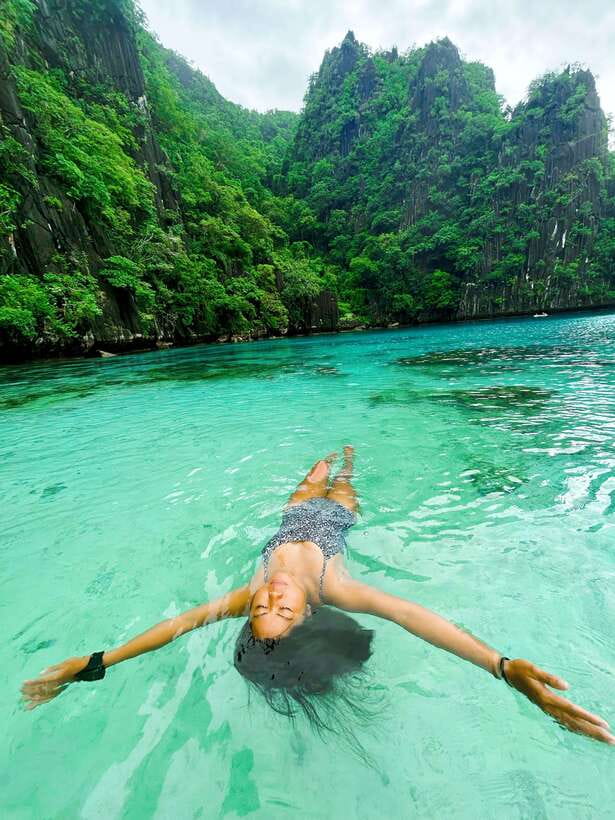
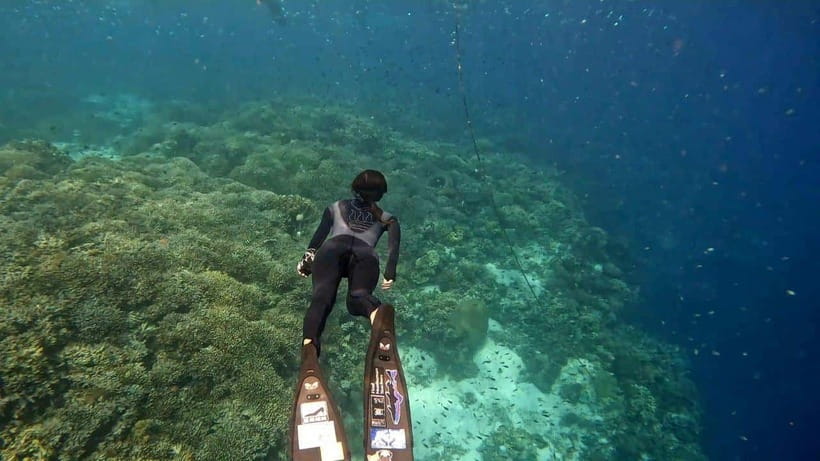
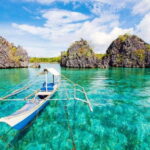
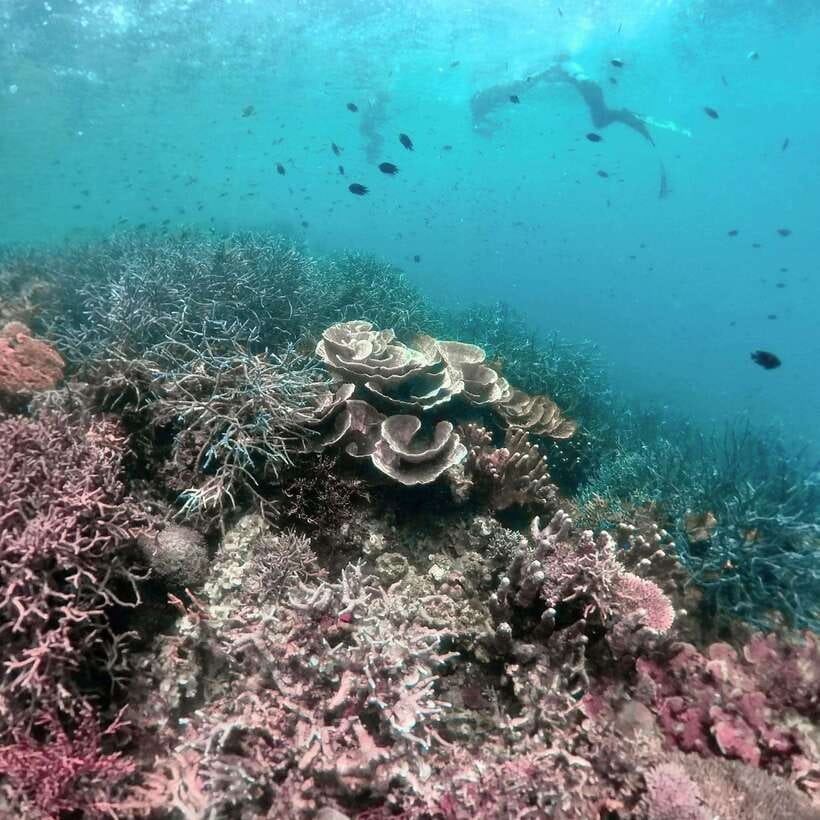
Snorkeling is the central activity, not a brief add-on. You are provided with a mask and snorkel, and stops are selected around clear water, coral areas, lagoons, and coves.
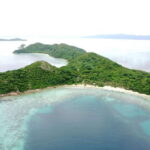
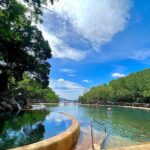
The appeal lies in the contrast between locations. One stop may offer a broad coral garden, while another may be more sheltered or better suited to floating and looking down into the water. The experience description also points to secret coves and quieter areas away from the busiest tourist routes.
Water visibility can change with weather and sea conditions. The promise of clear water should not be read as a guarantee of perfect visibility at every stop. Still, the combination of coral, turtles, sea stars, and reef fish makes this a strong choice if your priority is time in the sea.
Bring sunscreen, sunglasses, and insect repellent. A towel is included, but I would still pack a dry bag or waterproof pouch for your phone, money, and documents. The boat and beach transfers make it sensible to keep electronics protected.
Nipa huts, bonfires, and karaoke
The two nights in nipa huts give the expedition its character. You trade the privacy and comforts of a conventional hotel for a simple shelter near the coast. The setting can be wonderful, especially when you wake close to the sea and catch the sunrise.
The huts were praised for their charm and location, and another account described sleeping comfortably at both overnight stops. That does not mean the accommodation will suit everyone. The supplied details do not specify private bathrooms, room layouts, electricity, or bedding standards, so ask for those details if comfort is important to you.
At night, the trip shifts from water sports to group entertainment. A bonfire and karaoke are included, along with limited Filipino rum and gin. This can be a lot of fun when the group is in the mood to socialize. It can also mean noise when you would rather sleep, especially in basic huts with little separation.
The group size is advertised as no more than 18 people. That is small enough to make meals and beach stops more personal than a large day boat. Yet the safety complaints describe boats carrying more people than expected, including one account that alleged 21 people were placed together. Because of this, ask for the confirmed passenger count and the boat capacity in writing.
Food, drinks, and the Filipino touch
Meals include breakfast, lunch, snacks, and dinner. That makes budgeting easier, since you do not need to buy food at every island stop. The chef on board is an important part of the service, and Danielo was singled out for kind service and varied cooking.
The food also helps connect the trip to local life. You are not eating at international chain restaurants or returning to a city hotel each evening. The meals are part of a small-scale island routine, prepared for the group and served during the expedition.
Alcohol is limited to Filipino rum and gin. Do not treat this as an open bar. The drinks are a social extra, while water and other beverage arrangements should be confirmed before departure if you have specific needs.
The experience advertises local cuisine and culture, but it does not provide a detailed menu. If food is central to your trip, ask what is normally served and whether allergies or dietary requests can be handled.
Is $360 good value?
At $360 per person, the price is not cheap, but the package includes a great deal:
- Three days of boat travel
- Two nights in nipa huts
- Breakfast, lunch, snacks, and dinner
- A tour guide
- A chef
- Mask and snorkel
- Towel
- Island entrance fees
- Linapacan Eco Tax
- One-way van transfer to the port
- Bonfire and karaoke
- Limited alcoholic drinks
Compared with arranging separate boats, meals, accommodation, and transport, the price can be reasonable. You are paying for access to remote islands and for the convenience of having the main pieces organized together.
The value drops if the boat feels crowded or if the standards do not match the price. One published account also claimed that some people paid twice as much as others on the same boat. I cannot verify that claim, but it is another reason to ask about the exact rate, inclusions, and passenger count before committing.
Two environmental fees are not included. Coron charges P200, while El Nido charges P400. These are small compared with the total cost, but you should add them to your budget.
The safety questions you should ask

The biggest issue is not the beach scenery. It is the conflicting information about the boat.
The experience is described as using a licensed boat, but two serious accounts raised concerns about overcrowding, insufficient life jackets, and dangerous crossings in open water. One account alleged that a boat carrying too many people nearly sank and that the coastguard rescued the group after two days on an island. Another described the boat as too small for the sea conditions.
Those allegations should not be ignored. Before booking, ask these direct questions:
- What is the exact boat model and legal passenger capacity?
- How many people are confirmed for my departure?
- Is there one group or more than one group on board?
- Is there a properly fitting life jacket for every person?
- What happens if weather makes the crossing unsafe?
- Who makes the final decision to delay or change the route?
The advertised small-group limit and the negative accounts do not fully match. That does not prove every departure has a problem, but it does mean you should get clear answers. A beautiful island is never worth accepting unsafe conditions.
Who will enjoy this expedition?
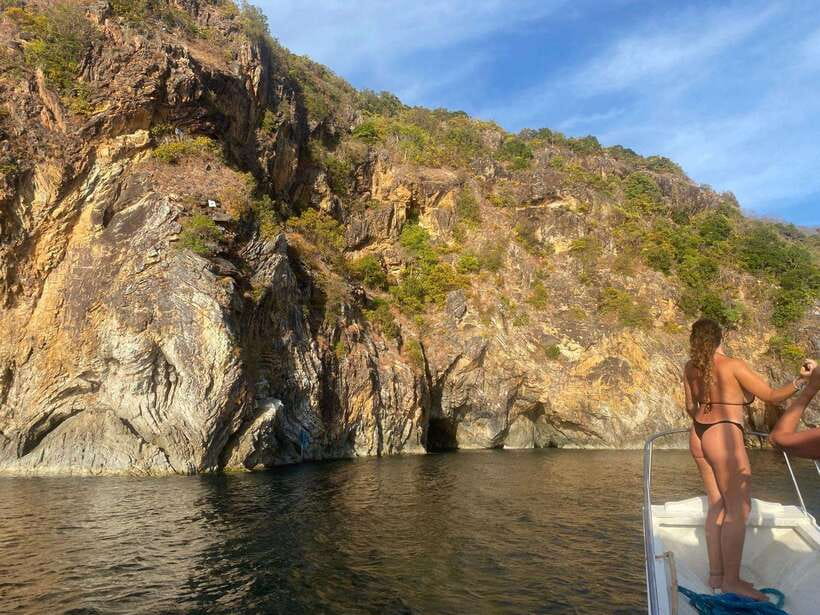
I would recommend this trip to you if you want several days away from resort routines and like simple accommodation, shared meals, snorkeling, and a social atmosphere.
It suits people who value access and variety more than luxury. You can see several island areas, sleep by the sea, eat meals prepared on board, and finish in a different major destination.
It may not suit you if you need private rooms, reliable internet, a precise timetable, or a calm luxury boat. It is also a poor match if you have a tight flight connection on the final day or feel uneasy about open-water crossings.
The English-speaking guide and maximum group size of 18 are useful features. The crew has been praised for being friendly, helpful, and fun, while the chef adds real value. But service quality and boat conditions should be confirmed for your specific departure, not assumed from the general description.
Booking advice and cancellation terms
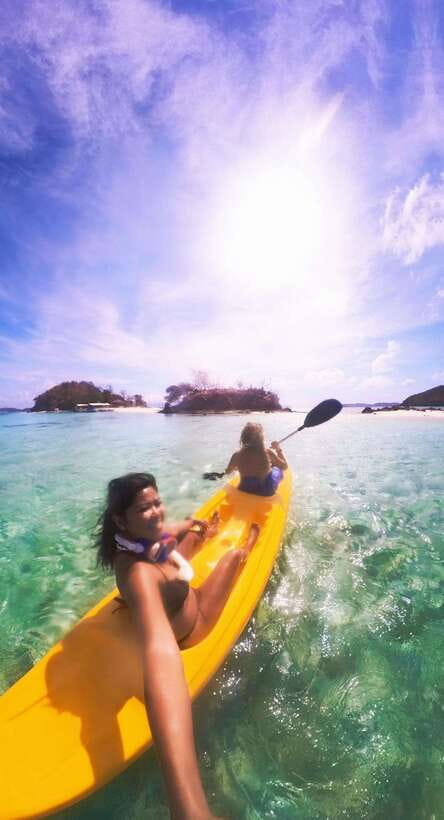
The trip allows free cancellation up to 24 hours before departure for a full refund. You can also reserve now and pay later, which is useful when your Palawan route is still changing.
That flexibility does not replace careful checking. Ask your accommodation provider where the van will meet you, confirm the starting port, and make sure you understand the final destination. Since the route is one-way, you need a plan for what happens after the boat arrives.
Pack light. Bring sunscreen, sunglasses, insect repellent, swimwear, and a waterproof bag. The supplied towel and snorkeling equipment reduce the amount of gear you need to carry.
Should you book the Coron to El Nido expedition?
I would book it only after confirming the boat capacity, passenger count, and life-jacket supply. The scenery, snorkeling, food, and beachfront nipa huts make this one of the more appealing ways to connect Coron and El Nido, and the strongest feedback praises the crew, Danielo’s cooking, the comfortable camps, and the variety of island stops.
The experience currently has a 3.8 rating from nine published ratings, with several very enthusiastic accounts and two serious safety complaints. That mixed record calls for caution, not panic. If the operator gives clear answers and the boat is appropriate for the sea conditions, $360 can be fair value for three days of transport, meals, accommodation, and island access. If the answers are vague, choose another way to travel between Coron and El Nido.
FAQ
Is the expedition three days and two nights?
Yes. The experience lasts three days and includes two nights in nipa huts.
Does the boat return to the pickup point?
No. This is a one-way trip between Coron and El Nido, or in the opposite direction. The boat does not return to the original pickup point.
Is transportation to the port included?
Yes. A one-way van transfer from El Nido to Sibaltan port is included. If you are coming from Coron, van pickup to the port is included.
Are meals included?
Yes. Breakfast, lunch, snacks, and dinner are included. A chef travels on board with the group.
Is snorkeling equipment provided?
Yes. A mask and snorkel are included, along with a towel.
What environmental fees are extra?
The Coron environmental tourist fee is P200. The El Nido environmental tourist fee is P400. These charges are not included in the tour price.