13 Nights Cebu, Bohol, Coron and EL Nido
Four islands, one big Philippine adventure. This 13-day private tour links Cebu’s churches and waterfalls with Bohol’s Chocolate Hills, Coron’s clear lagoons, and El Nido’s limestone coves. I like the excellent variety of scenery and the way the trip combines cultural sights, boat days, snorkeling, food, and hotel transfers in one plan. The main concern is pace: several days begin early, include long transfers, flights, or active water outings, so this is not a slow beach holiday.
I also like the private format. Your group travels together rather than joining a large coach, and a local guide accompanies the sightseeing days. The strongest praise for the operation is its organization and friendly staff, which matters when you are coordinating boats, flights, airport pickups, and several hotels.
The tour costs $3,267 per person, based on the supplied details. That includes 12 nights in three-star hotels, land transfers, sightseeing entrances, 11 breakfasts, and seven lunches, but not international or domestic airfare. You should confirm exactly which flights and hotels are available before paying, since air connections are central to the schedule.
In This Review
- Key points to know before booking
- Arrival in Cebu and the first practical details
- Cebu City’s churches, forts, and oldest streets
- Bohol’s Chocolate Hills and tarsiers in one day
- Bohol’s dolphins, coral reefs, and white sandbars
- Oslob, Tumalog Falls, and a night near Badian
- Badian canyoneering and Moalboal’s sardine run
- Flying from Cebu to Coron
- Coron’s Kayangan Lake and limestone coves
- Barracuda Lake, Twin Lagoon, and a wartime wreck
- El Nido’s lagoons and island picnic
- Matinloc Shrine and the southern El Nido route
- Manila’s compact final history lesson
- What $3,267 includes and what it does not
- Who should book this Philippine itinerary?
- Should you book it?
- FAQ
- How long is the tour?
- What is included in the price?
- Are flights included?
- Where does the tour begin and end?
- Is this a private tour?
- What level of fitness is needed?
Key points to know before booking
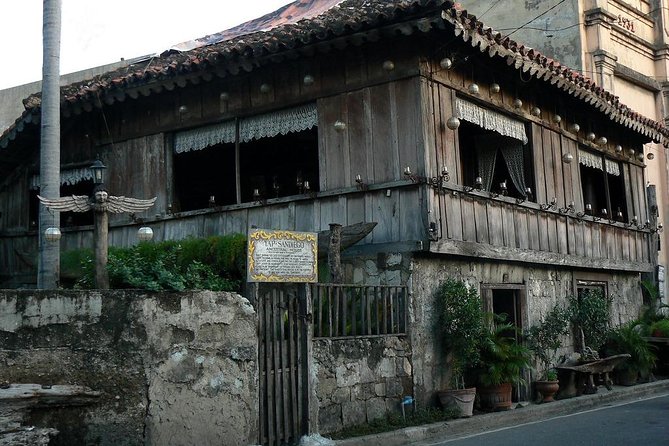
- Cebu brings the cultural backbone: Parian, Colon Street, Magellan’s Cross, Fort San Pedro, and Santo Niño sights give the trip more substance than a simple island break.
- Bohol combines land and sea days: You see the Chocolate Hills and tarsiers, then spend another day around Pamilacan, Balicasag, and Virgin Island.
- Cebu turns active on days five and six: Oslob, Tumalog Falls, Badian canyoneering, Kawasan Falls, and Moalboal make this the most demanding part of the trip.
- Coron is built around water access: Kayangan Lake, Twin Lagoon, Barracuda Lake, coral gardens, beaches, and the Skeleton Wreck fill two full boat days.
- El Nido gets two major island outings: Big Lagoon, Secret Lagoon, Matinloc Shrine, Hidden Beach, Helicopter Island, and Tapiutan Island are the main attractions.
- Manila provides a short historical finish: Intramuros, Fort Santiago, Rizal Park, Manila Cathedral, and San Agustin Church appear on the final day.
Arrival in Cebu and the first practical details
Your trip begins at Mactan-Cebu International Airport, where a representative meets you in the arrival area with a sign bearing your name. The drive to your hotel takes about 20 minutes, so day one is mainly for arrival, check-in, and rest.
The advertised start time is 6:00 am, but your actual first-day schedule depends on your flight. Keep your arrival details clear when booking, since the airport pickup is one of the useful parts of a private tour.
Cebu is a sensible starting point. It gives you a quick introduction to Philippine history before the trip shifts toward beaches and marine activities. You are not left to figure out every ferry, road transfer, or airport connection alone, though the days still require energy and flexibility.
You can also read our reviews of more tours and experiences in Cebu.


Cebu City’s churches, forts, and oldest streets
Your Cebu City tour lasts about six hours and begins in Parian, an old district known for ancestral homes. This opening stop helps place Cebu in context. The city is not just a gateway to beaches, it is one of the country’s important early centers of trade, faith, and colonial power.
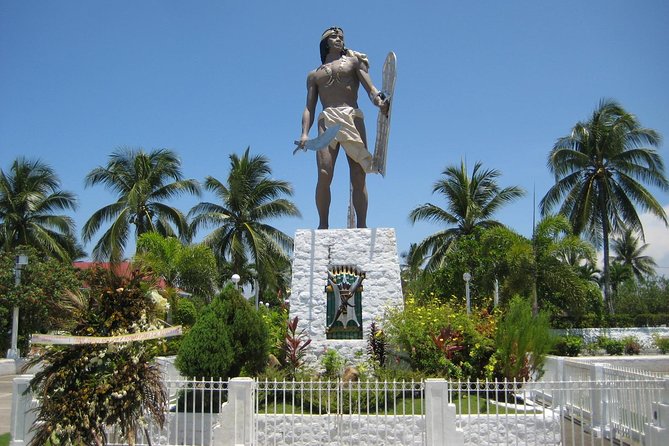
The Cebu Heritage Monument presents key events in a compact visual display. After that, you walk along Colon Street, described here as the oldest street in the country. It is a useful change from polished attractions because you get a feel for the city’s everyday movement and older urban core.
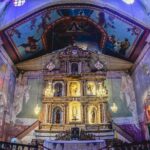
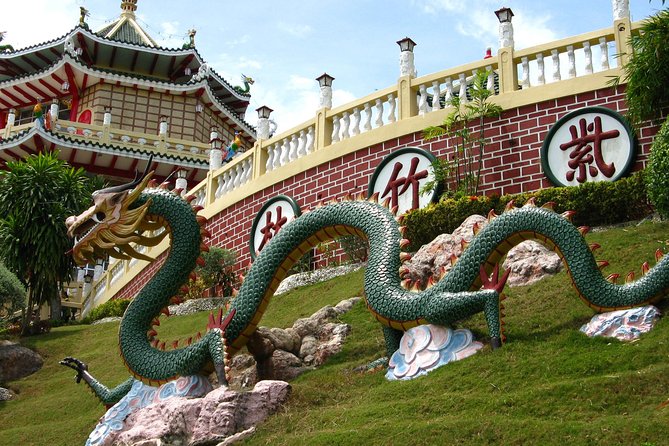
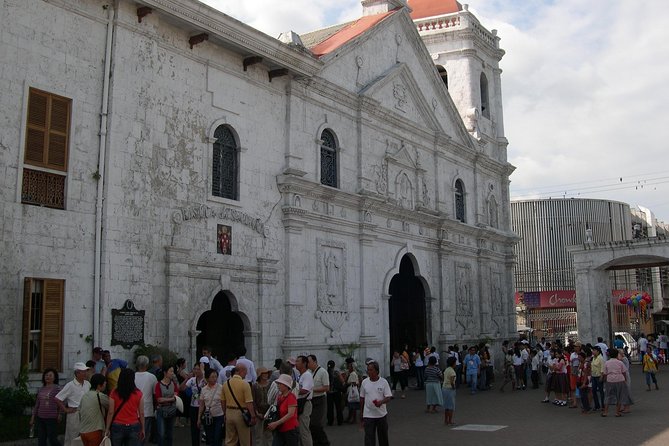
The religious stops carry major importance. Cebu Metropolitan Cathedral, the Basilica Minore del Santo Niño, and Magellan’s Cross show how central Catholic tradition remains to the city. Magellan’s Cross is associated with the 1521 arrival of Ferdinand Magellan, while the Santo Niño devotion remains one of Cebu’s best-known cultural traditions.
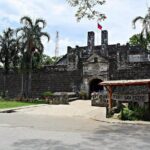
Fort San Pedro finishes the historical circuit. Its triangular Spanish design offers a clear look at the military side of the colonial period. I like this day because it gives you context before the later natural attractions, though six hours of city sightseeing can feel full if you prefer unstructured wandering.
Bohol’s Chocolate Hills and tarsiers in one day
Day three takes you to Bohol for a full-day countryside outing. The Blood Compact Shrine recalls an early agreement between Spanish explorer Miguel López de Legazpi and local leader Sikatuna, presented as a symbol of friendship between peoples.
Baclayon Church adds another important historical stop. It is one of the Philippines’ oldest stone churches, and its age and colonial construction make it a worthwhile visit even for people who are not devoted churchgoers.
Lunch comes during a Loboc River cruise at a floating restaurant. This is practical sightseeing: you eat while moving through Bohol’s rural scenery rather than stopping for a separate restaurant meal. You should expect a set sightseeing rhythm, not a long private lunch with lots of menu choices.
The Chocolate Hills are the visual centerpiece. Hundreds of rounded hills cover the interior, and they turn brown during the dry season, which explains their name. The color is seasonal, so do not expect the same appearance at every time of year.
The day also includes a tarsier sanctuary. These tiny primates are one of Bohol’s signature sights, but you should follow the sanctuary’s rules and keep noise low. They are delicate animals, and the visit works best when treated as a quiet wildlife stop rather than a photo session.
Bohol’s dolphins, coral reefs, and white sandbars
Day four begins early with hotel pickup and a packed breakfast. That early start is necessary for the marine schedule, but it also means you have two demanding days in a row if you are still adjusting to the trip.
The boat heads toward Pamilacan Island, where you look for dolphins. Wildlife encounters are never guaranteed, so treat this as a chance to observe marine life rather than a fixed performance.
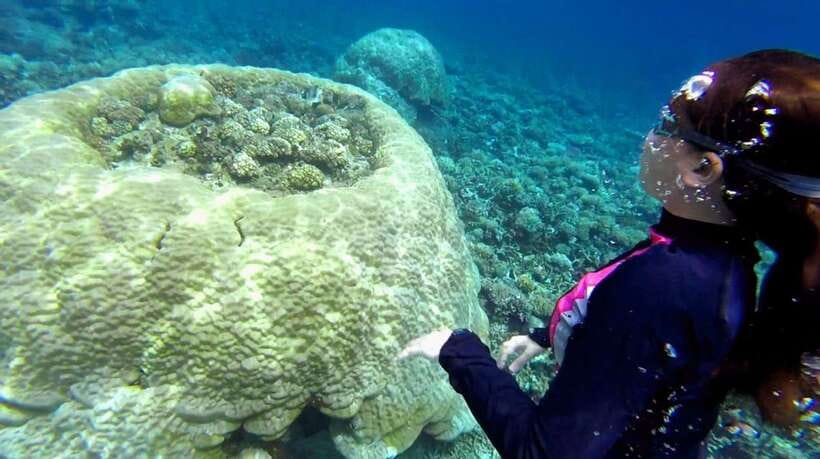
Balicasag Island is the main snorkeling stop. The area is known here for coral formations and marine life, giving you a chance to spend more time in the water after the previous day’s land sights. An island-style picnic lunch is served either on an island or aboard the boat, depending on the arrangement.
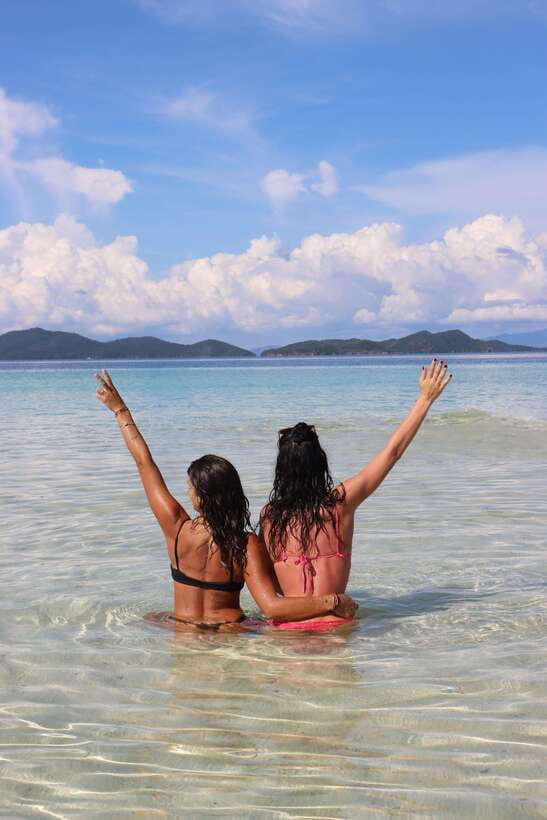
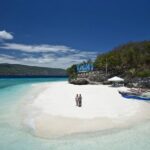
The final stop is Virgin Island, with white sandbars and clear water. There is free time at the hotel later in the afternoon, which is welcome. You will want it after an early morning, boat movement, sun, and snorkeling.
This day suits people who want active sea time. It is less suitable if you dislike boats, have trouble with early departures, or want a schedule with plenty of shade and downtime.
Oslob, Tumalog Falls, and a night near Badian
The route returns toward Cebu by boat, with the transfer to Oslob taking about two hours. The day begins with Cuartel, a Spanish colonial barracks, and Nuestra Señora de la Inmaculada Conception Church.
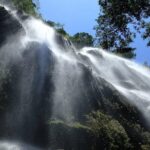
Tumalog Falls brings a cooler change of scenery. The waterfall creates a calm natural setting, although the supplied details do not specify how long you stay there. Sumilon Island’s sandbar then adds a classic tropical stop, with beaches and marine life.
After sightseeing, you continue to Badian for an overnight stay at Badian Island Wellness Resort. The resort provides a more restful setting before the next day’s canyoneering, but remember that the package category is three-star accommodation overall. Do not assume every hotel has the same facilities or level of luxury.
This is also a day when transfer times matter. You are moving from one part of Cebu to another, so pack a small day bag and keep essentials easy to reach. Your main luggage may be less convenient during the change of hotels.

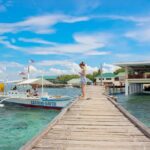
Badian canyoneering and Moalboal’s sardine run
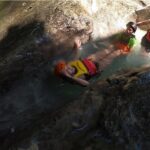
Day six is the most physically demanding section. Badian canyoneering includes walking through canyons, cliff jumps, and rappelling down waterfalls with a professional guide. You need a moderate fitness level, and anyone uncomfortable with heights, cold water, or physical exertion should think carefully before booking.
A local picnic lunch follows the activity. Then you continue to Kawasan Falls, where turquoise water and bamboo rafts offer a calmer finish to the canyon outing.
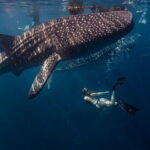
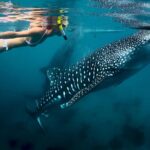
The day is still not over. In Moalboal, you snorkel near the famous sardine run, with thousands of sardines moving together underwater. Pescador Island adds another snorkeling stop with coral reefs and marine life.
I like the contrast here: one day gives you culture and old buildings, another gives you hills and tarsiers, and this one is all movement and water. The drawback is obvious. Canyoneering, waterfalls, snorkeling, and road transfers make for a packed day, so it is not wise to plan this as a recovery day.
Flying from Cebu to Coron
After breakfast on day seven, you check out and transfer to Mactan-Cebu International Airport. The flight to Busuanga, Coron is not included in the package price, and airfare is listed separately from the tour inclusions.
An airport representative meets you in Coron and takes you to your hotel. The rest of the day is for check-in and an overnight stay, which gives you a small break between the active Cebu section and the two boat days ahead.
This is one reason to confirm the domestic flight arrangements early. Your overall price may rise depending on flight availability, and the tour’s smooth timing depends on those air connections.
Coron’s Kayangan Lake and limestone coves
The first Coron boat day starts at CYC Beach, where you have a quiet beach stop before snorkeling. Coral Garden follows, with coral formations and marine life beneath the water.
Atwayan Beach provides another shoreline stop and a picnic lunch featuring local food. Green Lagoon adds a more enclosed setting, with green water surrounded by vegetation and rock.
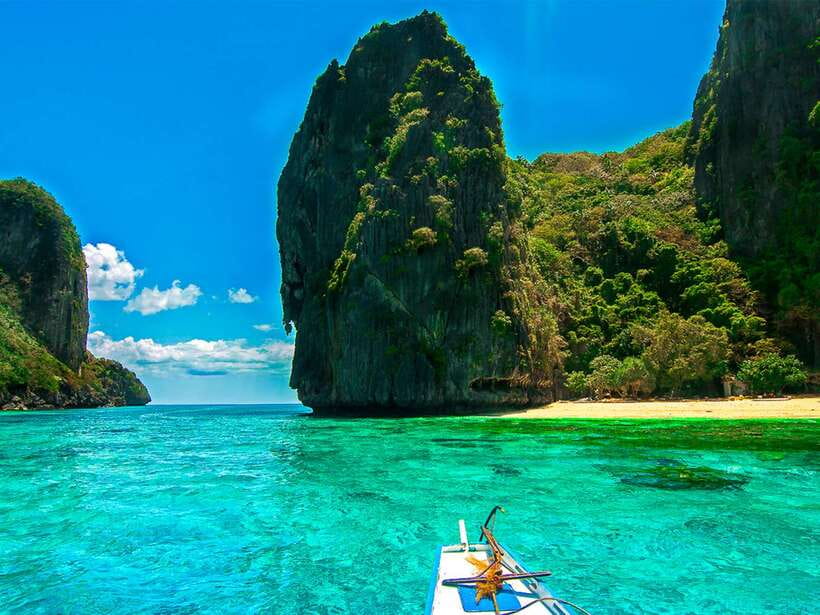
The main attraction is Kayangan Lake. The lake is famous for clear water and dramatic limestone cliffs, and the tour highlights it as one of Asia’s cleanest lakes. The viewpoint and swimming area are the kind of places that make Coron worth the extra flight from Cebu.
You should expect a full day on boats and in the sun. Bring sun protection and keep your belongings secure around water, although the supplied information does not specify what equipment is provided.
Barracuda Lake, Twin Lagoon, and a wartime wreck
The second Coron outing visits a different set of sites. Barracuda Lake has clear water and steep cliffs, creating a striking enclosed setting.
Smith Beach offers time to relax, while the Skeleton Wreck adds a piece of World War II history. The wreck is a sunken Japanese warship, and even a brief look connects Coron’s natural attractions with its wartime past.
Twin Lagoon is the day’s signature stop. The water shifts between warm and cool as the two bodies of water meet, surrounded by limestone walls. Reef Garden then returns you to coral and marine life, while Hidden Beach is reached through a small opening in the rocks.
The boat returns in the mid-afternoon, leaving some free time. That shorter finish is helpful after two consecutive sea days, but the tour remains weather-dependent. If rough conditions affect the outing, the operator offers another date or a full refund for a canceled experience.
El Nido’s lagoons and island picnic
Day ten includes a 45-minute flight to El Nido. You are met on arrival and transferred to your hotel, with the rest of the day available after check-in.
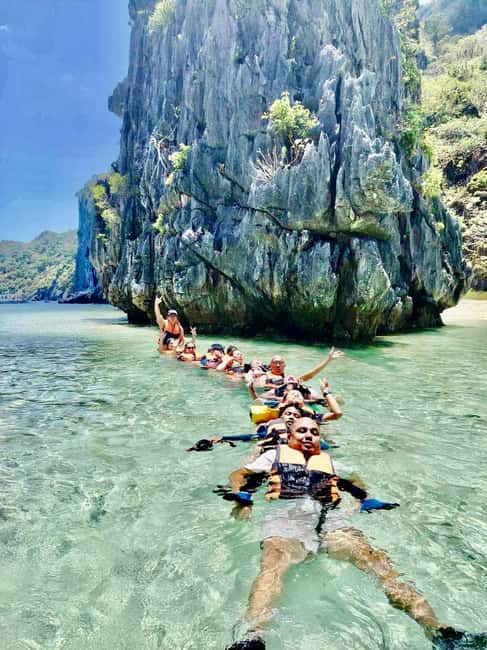
Day eleven is devoted to El Nido’s famous limestone scenery. Big Lagoon is the first major stop, with blue water enclosed by tall cliffs. Secret Lagoon is reached through a narrow opening in the rock, making access part of the attraction.
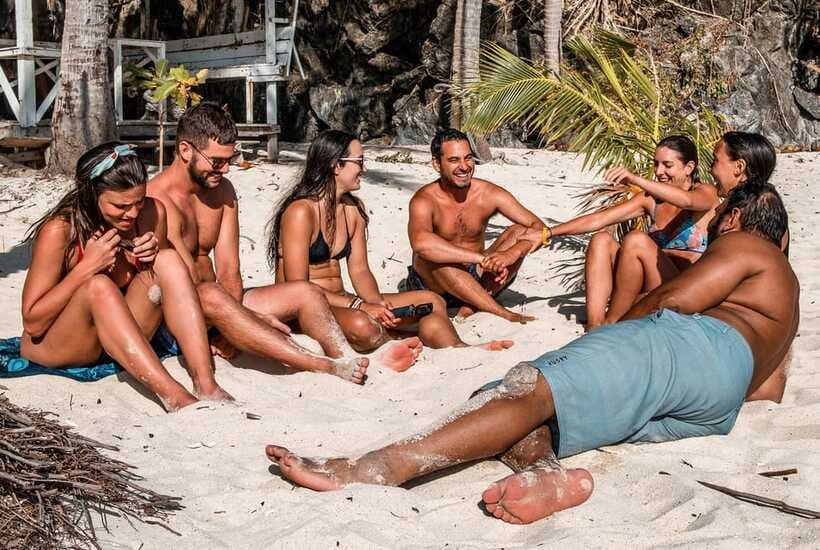
Lunch is a gourmet picnic on Shimizu Island. Payong-Payong Beach gives you a quieter beach stop, and Seven Commandos Beach closes the day with white sand and clear water.
The schedule returns to the hotel in the mid-afternoon. That is a useful design choice because it leaves time to rest or explore independently, though the tour details do not specify optional evening activities.
Matinloc Shrine and the southern El Nido route
Day twelve begins at Matinloc Shrine, which offers views across Bacuit Bay. It is the main cultural stop in El Nido and gives the day a break from beaches and snorkeling.
Hidden Beach is reached through a narrow opening in the rocks. Secret Lagoon appears again on this day, so check the precise route with the operator to understand how the two visits differ from day eleven.
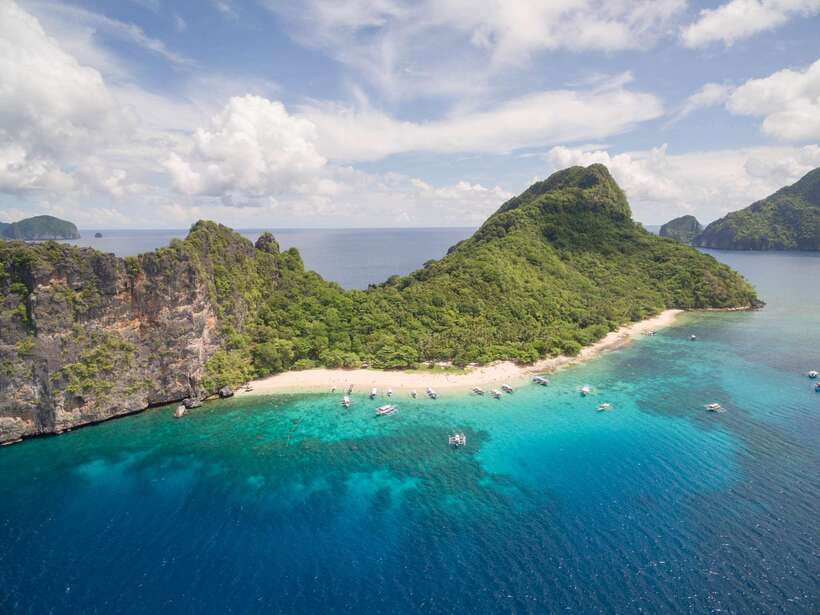
Helicopter Island is the snorkeling stop, with coral and underwater life. Tapiutan Island finishes the outing with clear water and an unspoiled shore.
Like Coron, El Nido is weather-dependent and water-based. If you want to enjoy these days fully, you should be comfortable climbing in and out of boats, walking on uneven shorelines, and spending several hours outdoors.
Manila’s compact final history lesson
On day thirteen, you check out and fly back to Manila. After arrival, the city tour begins along Roxas Boulevard, where Manila Bay provides the first view of the capital.
The Cultural Center of the Philippines complex offers modern architecture, then Rizal Park shifts the focus to national history and Dr. Jose Rizal. Intramuros is the strongest part of the Manila visit, with old walls, cobblestone streets, historic churches, and Fort Santiago.
Manila Cathedral and San Agustin Church continue the religious and colonial story. San Agustin is the oldest stone church in the country, making it an especially worthwhile stop in a short city tour.
The Manila portion lasts about four hours. That is enough for a strong introduction, not enough for a full exploration of the capital. If Manila matters greatly to you, consider adding extra nights after the tour rather than trying to fit more into this final afternoon.
What $3,267 includes and what it does not
At $3,267 per person, the package is easiest to judge as a convenience purchase. You get 12 nights in three-star accommodation, land transfers, entrance fees, a local guide, 11 breakfasts, and seven lunches. The value comes from having the moving parts arranged across four major destinations and Manila.
The price does not include international or domestic airfare. That is important because the trip requires flights from Cebu to Busuanga, from Coron to El Nido, and from El Nido to Manila. The exact airfare could change your final budget considerably.
A private tour also costs more than a basic group package, but it gives your own group the schedule and guide rather than placing you with strangers. The available praise focuses on organized service and friendly staff, exactly the qualities you want when boats, hotels, road transfers, and flights must fit together.
Who should book this Philippine itinerary?
I would recommend this tour to a first-time visitor who wants to see several headline destinations without arranging every transfer alone. It suits active couples, friends, and families with older children who enjoy snorkeling, boat trips, waterfalls, short flights, and full sightseeing days.
I would be more cautious if you want long stays in one place, high-end hotels, or a gentle pace. The itinerary changes location often, and the Cebu canyoneering day requires a moderate fitness level.
Before booking, confirm the domestic flight costs, hotel names, baggage arrangements, boat departure times, and what snorkeling or safety equipment is supplied. Those details will tell you more about the final value than the headline price alone.
Should you book it?
Book this itinerary if variety matters more to you than extra free time. In 13 days, you get Cebu’s heritage sights, Bohol’s hills and tarsiers, several marine outings, Coron’s lakes and wreck, El Nido’s lagoons, and a short Manila history tour.
Skip it if you prefer to settle into one resort or if you dislike early starts and frequent transfers. For the right person, the strongest reason to book is the combination of organization and range. You get a broad look at the Philippines, with enough guided structure to keep the complicated parts manageable.
FAQ
How long is the tour?
The tour lasts approximately 13 days and includes 12 nights of room accommodation.
What is included in the price?
The price includes 12 nights in three-star accommodation, roundtrip land transfers, sightseeing entrances, a local tour guide, 11 breakfasts, and seven lunches.
Are flights included?
No. International and intra-country airfare are not included. The schedule includes flights between Cebu and Busuanga, Coron and El Nido, and El Nido and Manila.
Where does the tour begin and end?
The tour begins at Mactan-Cebu International Airport in Lapu-Lapu City. It ends in Manila, Metro Manila.
Is this a private tour?
Yes. Only your group participates in the private tour or activity.
What level of fitness is needed?
A moderate level of physical fitness is required. The Badian canyoneering day includes canyon walking, cliff jumps, and rappelling down waterfalls.