Best Seller Cebu City Group Tour
Cebu reveals itself in layers. This eight-hour city tour links hilltop sights with major religious and historic places, giving you a useful first look at the Queen City of the South without arranging separate rides. I like the small group limit of 11 and the way the route combines Sirao Garden and Temple of Leah with Magellan’s Cross and the Basilica Minore del Santo Niño.
The $53 price covers entry fees, parking, fuel, a shared vehicle, driver, and an English-speaking guide, which makes the day fairly convenient. My main concern is reliability: one booking was cancelled only 30 minutes before departure because just one person had booked during Sinulog, and another person missed the tour after taxi drivers struggled to find the meeting point.
In This Review
- Key points to know before booking
- A full Cebu day for first-time visitors
- Sirao Garden and Cebu’s hill country
- Temple of Leah and a story of lasting love
- Taoist Temple, a quiet break above the city
- Magellan’s Cross and the start of Spanish Christianity
- Heritage Park and Cebu’s public memory
- Basilica Minore del Santo Niño and Cebu’s living faith
- Markets, local rhythm, and what the tour cannot promise
- Is $53 a fair price?
- Meeting point and the cancellation warning
- Who will enjoy this Cebu tour?
- FAQ
- How long does the Cebu City tour last?
- What language is the guided tour in?
- How many people can join the group?
- Where does the tour start and finish?
- Is hotel pickup included?
- What does the $53 price include?
- Are food and drinks included?
- What clothing should I wear?
- Should you book it?
Key points to know before booking
- Four very different sides of Cebu in one day: hilltop gardens, grand architecture, a Taoist sanctuary, and important Spanish-era religious sites.
- Small group of up to 11 people: More personal than a large coach outing, though the shared vehicle still means a fixed pace.
- Cyrus received especially strong praise: His explanation of Cebu’s Chinese, Malay, Spanish, and American influences made the city’s past easier to understand.
- The meeting point needs care: Start at the SM City Cebu lounge outside the mall, not inside the shopping center.
- Moderate walking is involved: Bring water, sun protection, comfortable shoes, and rain gear.
- Clothing rules are strict: Shorts, short skirts, tight leggings, and sleeveless shirts are not considered suitable for the religious sites.
A full Cebu day for first-time visitors
This Blu Range Cebu Tours outing is designed as a broad introduction rather than a slow, specialist look at one part of the city. In eight hours, you move from the cooler hills above Cebu City to its oldest Christian landmarks.
That range is the tour’s main strength. You do not spend the whole day looking at churches, and you do not spend it all in scenic viewpoints. Instead, you get gardens, city views, religious buildings, public heritage sites, and a feel for how outside cultures shaped Cebu.
I would choose this for a first visit, especially if you have limited time or do not want to handle local transport between scattered stops. You should not expect a relaxed pace at every location. The route covers a lot, and the day includes a moderate amount of walking.
The shared vehicle keeps the cost below what a private tour would normally require. It also creates the social side of the outing. You may be grouped with people from several countries, which can make the ride more enjoyable, but you will have less control over how long you stay at each stop.
You can also read our reviews of more tours and experiences in Cebu City.


Sirao Garden and Cebu’s hill country
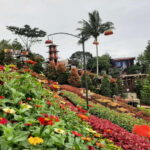
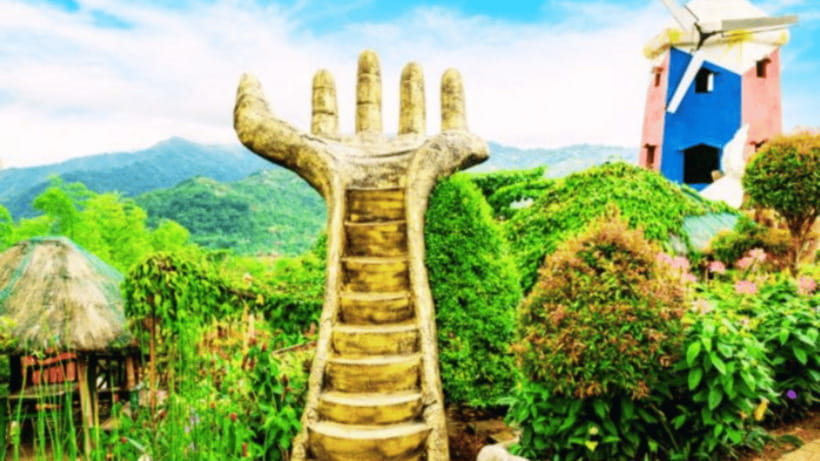
Sirao Garden is the day’s colorful opening stop. It is a botanical attraction with bright flower displays and playful settings often compared with a small Amsterdam-style garden.
The appeal here is visual rather than historical. You can expect a place built for views and photographs, with arranged flowers and imaginative garden features. It gives the morning a light start before the more serious historical and religious sites later in the day.
The hilltop setting also helps you see a different side of Cebu. The city below feels separate from the busy streets and churches you visit afterward. Bring a hat, sunscreen, and water, since outdoor walking in the Philippine sun can wear you down quickly.
Sirao Garden may be less satisfying if you prefer untidy, natural scenery or quiet plant collections. Its charm comes from designed displays, bright colors, and photo-friendly views. Allow yourself to enjoy it for what it is, rather than expecting a formal botanical garden.
Temple of Leah and a story of lasting love
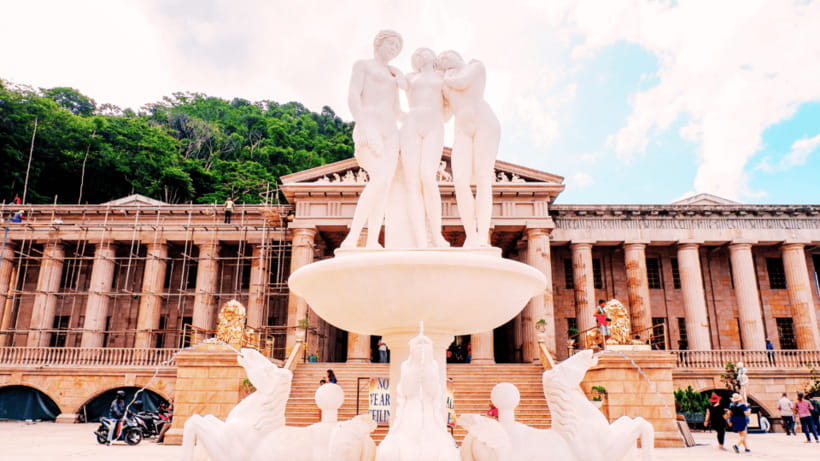
The Temple of Leah is one of Cebu’s most striking modern attractions. Its grand design was created as a tribute to eternal love, and its high position gives you broad views over the city.
This stop is about scale and setting. Large architectural details give the place a dramatic feel, while the outlook makes it easy to understand Cebu’s spread across the hills and lower city. After the cheerful displays at Sirao Garden, the temple shifts the mood toward something more stately.
I like the contrast between the two stops. You see how Cebu uses its high ground for both recreation and symbolic architecture. The Temple of Leah is not an ancient monument, so you should visit it as a modern expression of devotion, not as a surviving piece of colonial history.
The practical drawback is that grand outdoor sites can be tiring in hot or wet weather. Comfortable shoes matter, and a compact umbrella or light rain jacket is sensible. The tour specifically advises preparation for changing weather, which is good advice for this part of the day.
Taoist Temple, a quiet break above the city
The Taoist Temple gives you a calmer stop between the hilltop attractions and the historic center. It is a peaceful sanctuary set amid Cebu’s busy urban surroundings.
You are asked to respect local customs here. Dress modestly, avoid loud behavior, and follow any instructions about photography. Flash photography may be restricted in certain places, so keep your camera ready but use it with care.
This is one of the stops where clothing rules matter most. Shorts, short skirts, sleeveless shirts, tight leggings, and see-through clothing are not allowed under the tour guidance. Dressing properly is not just a matter of getting past a rule. It shows respect for a living religious place.
The Taoist Temple may not suit you if you want a long guided lesson in Taoism or a detailed architectural study. The available information presents it as a tranquil cultural stop, not a specialist lecture. Its value is in the change of pace and the chance to observe a religious tradition different from the Christian sites later in the day.
Magellan’s Cross and the start of Spanish Christianity
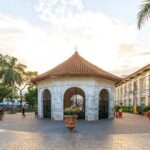
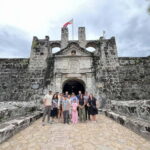
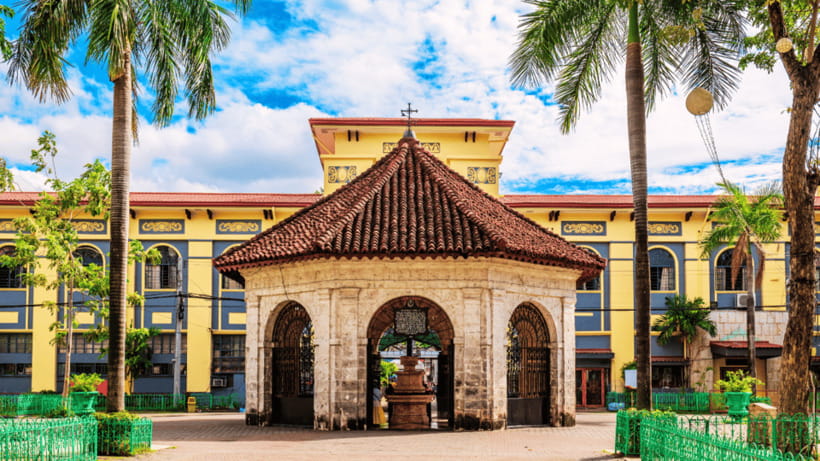
The move into central Cebu brings you to Magellan’s Cross, one of the city’s best-known historical markers. It represents the arrival of Christianity in the Philippines and points to a major turning point in the country’s past.
This is a compact stop, but its meaning reaches far beyond the structure itself. A good guide can explain how Cebu became a meeting point for local traditions, Asian trade, Spanish rule, and later American influence.
Cyrus, one of the guides associated with this tour, was praised for explaining that mix clearly. His approach connected Cebu’s Chinese trading links, Malay influences, 333 years of Spanish colonization, and American influence into a story that made the city easier to read.
That background is important because Magellan’s Cross can otherwise become a quick photograph and little else. You will get more from it if you listen to the explanation and consider the cross in the wider setting of religious change, colonial power, and local identity.
Expect people, activity, and a more urban feel here than at the hilltop stops. Keep your belongings close, follow your guide, and be ready to move on when the group does.


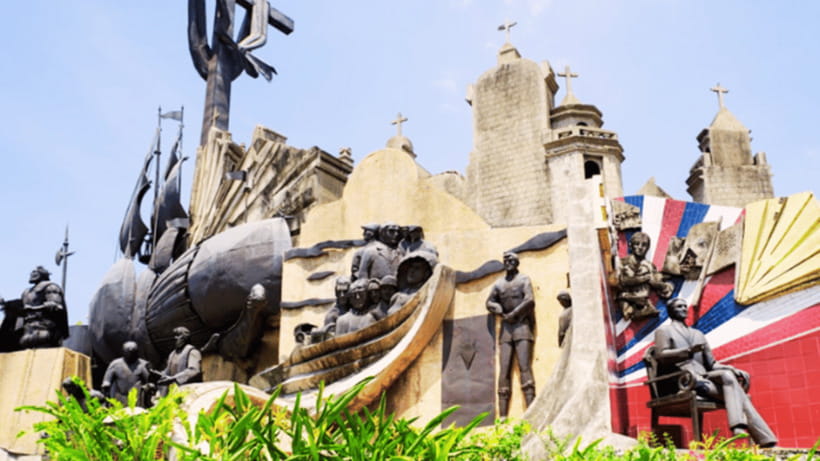
Heritage Park and Cebu’s public memory
The Heritage Park adds another piece to Cebu’s civic story. It celebrates the city’s endurance and historical importance through a public setting rather than a single church or monument.
This stop helps balance the religious focus of Magellan’s Cross and the Basilica Minore del Santo Niño. You get a broader look at how Cebu presents its past to residents and visitors.
I find this type of stop valuable on a city tour because it gives context to the streets around you. Cebu is not only a collection of famous places. It is also a city shaped by trade, conquest, faith, migration, and daily life.
The tour description does not provide a detailed list of monuments or the exact amount of time spent here. That means you should see it as part of the guided city introduction, not plan your entire visit around a long independent exploration. If a particular memorial matters to you, ask the guide for its background while you are there.
Basilica Minore del Santo Niño and Cebu’s living faith
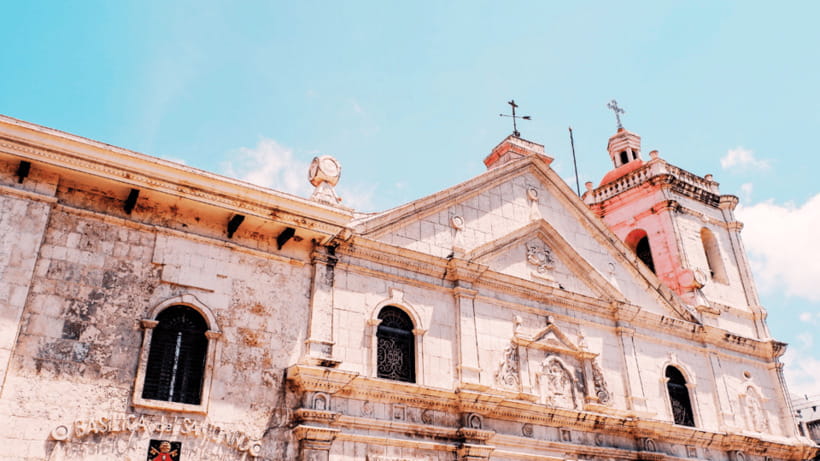
The Basilica Minore del Santo Niño is one of the most important religious sites in the Philippines. It houses the country’s most venerated religious relic, making it a meaningful stop even if you are not Catholic.
The basilica shows that Cebu’s Christian heritage is not just a museum subject. It remains part of local worship and public life. Enter quietly, dress with care, and follow any directions about where you may stand or photograph.
This is another reason the clothing guidance deserves attention. You are visiting active religious places, not simply sightseeing attractions. Covering your shoulders and knees is the sensible choice, even if rules vary from one stop to another.
The basilica can feel like a quick visit on a packed day, especially if you want time to study the building or attend a service. Still, its place in Cebu’s story gives the route a strong ending. Magellan’s Cross marks the beginning of Christianity’s arrival, while the basilica shows how that faith remains rooted in the city.
Markets, local rhythm, and what the tour cannot promise
The experience also aims to show Cebu’s marketplace culture, where color, food, and sound come together in everyday life. This is a useful goal because historic landmarks alone can make a city feel frozen in the past.
The details provided do not name a specific market or guarantee how long you will spend there. I would treat this as a possible part of the city experience rather than a guaranteed market-shopping session. If buying food or souvenirs matters to you, ask the guide early in the day what time is available.
Meals and drinks are not included. Carry water, and budget separately for food, snacks, and small personal costs. Toilet fees at tourist stops or on the way are also excluded, so keep some Philippine pesos handy.
One short five-star comment specifically praised food at Lechon Restaurant, but the tour information does not promise a meal there. Do not book this expecting lunch to be included or expecting one fixed restaurant stop.
Is $53 a fair price?
At $53 per person, the value depends on what you would otherwise spend on transport and entry fees. The price includes a guided Cebu City tour, admissions, parking, fuel, a driver, and a shared vehicle. For a full eight-hour day covering sites in different parts of the city, that is a reasonable package.
A private car would give you more freedom, but it would likely cost more. A do-it-yourself day could be cheaper if you use local transport and visit fewer paid attractions, but you would need to manage directions, fares, timing, and entry arrangements yourself.
The strongest value comes from the guide. Cyrus was praised for making Cebu’s mixed cultural past understandable and engaging. That kind of explanation is hard to reproduce with a quick internet search at each stop.
The price is less attractive if you already have transport, know Cebu well, or want to spend long periods at one location. The fixed group schedule is built for coverage, not for lingering.
Meeting point and the cancellation warning
The tour begins and ends at one location. Hotel pickup and drop-off are not included, so you must reach the SM City Cebu lounge outside the mall on your own.
This point deserves extra attention. Use Grab and search for the lounge name shown in the app, checking that the address is on M. Logarta Road in Subangdaku, Mabolo, Cebu City. A metered taxi driver can also take you there if you say SM City Cebu lounge. Google Maps may use a slightly different version of the name, but the references point to the same place.
Do not rely only on a pin that looks correct. Show the full address to your driver, leave extra time, and contact the operator if you are unsure. One person missed the tour after several phones and local taxi drivers failed to identify the meeting point.
There is also a serious scheduling risk during major events. One booking was cancelled 30 minutes before departure because the person was the only one booked and Sinulog was taking place. If your visit falls during a major festival, confirm the departure well before leaving your hotel and keep proof of any cancellation or refund communication.
The stated policy allows free cancellation up to 24 hours before departure and lets you reserve now and pay later. Those terms offer useful flexibility, but they do not remove the need to verify that the tour is running.
Who will enjoy this Cebu tour?
I would recommend it to you if you want one organized day that covers Cebu’s best-known sights, especially on a first visit. It suits people who enjoy a mix of scenery, architecture, religion, and history rather than a single narrow theme.
It is also a good match if you like meeting other people. With no more than 11 participants, the group is small enough for conversation without the scale of a full coach tour.
You should think twice if you are pregnant, use a wheelchair, or have difficulty with moderate walking. The activity is specifically not suitable for pregnant women or wheelchair users.
It may also frustrate you if you dislike fixed schedules, hot outdoor stops, or shared transport. Bring comfortable walking shoes, water, a hat, sunscreen, an umbrella, and light rain gear. Dress modestly from the start so you do not need to adjust your clothes at the religious sites.
FAQ
How long does the Cebu City tour last?
The tour lasts eight hours.
What language is the guided tour in?
The live tour guide speaks English.
How many people can join the group?
The group is limited to 11 participants.
Where does the tour start and finish?
It starts and ends at the SM City Cebu lounge outside the mall.
Is hotel pickup included?
No. Hotel pickup and drop-off are not included.
What does the $53 price include?
The price includes the guided tour, entrance fees, parking fees, a shared vehicle, fuel, and a driver.
Are food and drinks included?
No. Meals and drinks are not included.
What clothing should I wear?
Wear modest clothing. Shorts, short skirts, sleeveless shirts, tight leggings, and see-through clothing are not allowed under the tour guidance.
Should you book it?
Book this tour if you want a practical first look at Cebu and value having transport, entry fees, and a guide handled in one package. The combination of Sirao Garden, Temple of Leah, the Taoist Temple, Magellan’s Cross, Heritage Park, and the Basilica gives you a well-rounded day, while Cyrus’s cultural explanations can add real meaning to the route.
I would not book without confirming the meeting point and departure, especially during Sinulog or another major festival. If the operator confirms your place and you arrive early at the correct lounge, the tour offers solid coverage for $53. If you need a slower pace, hotel pickup, wheelchair access, or complete control over your schedule, a private arrangement will suit you better.