Cebu City: City and Mountain Highlights Tour
Cebu reveals its best sides quickly. This private tour links Cebu City’s major landmarks with the cooler mountain roads above town, so you get churches, forts, temples, gardens, and sweeping island views in one day. I like the air-conditioned private vehicle and the useful hotel pickup, especially in a city where traffic can make independent sightseeing tiring. I also like the mix of old Cebu and newer mountain attractions, from Magellan’s Cross to Tops and Temple of Leah.
The main thing to consider is the pace. The route covers a lot, and several stops are listed at around 90 minutes, while the full tour lasts eight hours. Traffic, crowds, and time spent taking photos can make the day feel compressed. The tour is also described as wheelchair accessible in one place but not suitable for wheelchair users or people with mobility impairments elsewhere, so you should confirm this directly before booking.
In This Review
- Key points to know before booking
- Why this Cebu tour works as a one-day introduction
- Magellan’s Cross and the Santo Niño
- Fort San Pedro and Cebu’s colonial chapter
- The Taoist Temple above the city
- Sirao Flower Farm and the highland views
- Sachiko’s Little Kyoto and Temple of Leah
- Tops Lookout and the view over Cebu
- 10,000 Roses and the final stop
- What the private vehicle and guide add
- Timing, comfort, and the tour’s limits
- Who should book this Cebu highlights tour?
- Should you book it?
- FAQ
- How long does the Cebu City and Mountain Highlights Tour last?
- Where does hotel pickup and drop-off take place?
- Is transportation included?
- Which entrance fees are included?
- Is food included?
- What language is the tour conducted in?
Key points to know before booking
- A private car makes a big Cebu route easier: Pickup and drop-off are available from hotels in Cebu City, Mandaue City, Lapu-Lapu City, Maribago, Cordova, Talisay, and Apas.
- The day combines two very different Cebus: You move from Spanish-era sites and Catholic landmarks to hillside temples, flower gardens, and modern viewpoints.
- Magellan’s Cross and Santo Niño belong together: These two nearby stops give you the clearest introduction to Cebu’s Catholic story.
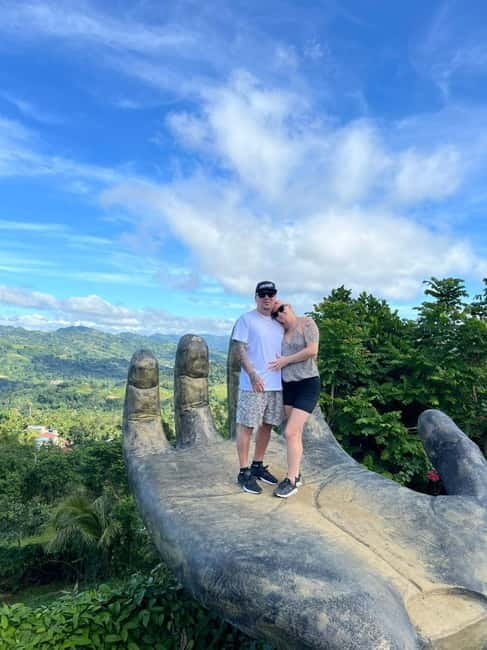
- The mountain section is photo-heavy: Sirao Flower Farm, Little Kyoto, Temple of Leah, and the Taoist Temple are designed around views, architecture, and photographs.
- The guide can make or break the day: Guides have helped with photography, solo sightseeing, and practical support. One highly praised guide was Jave, who drove, guided, and took photos.
- Eight hours requires sensible expectations: This is a broad highlights tour, not a slow cultural walk with long visits at every stop.
Why this Cebu tour works as a one-day introduction
Cebu City is not a place you understand from one viewpoint. Its story runs from early Spanish contact and Catholic devotion to Chinese Filipino culture, colonial defense, modern city growth, and highland leisure spots. This tour gives you a quick route through all of those layers.
I like the format for a first visit or a short stay. You do not need to arrange several taxis, compare entrance fees, or work out how to reach the hill attractions. Your guide and driver handle the route while you watch the city change from dense urban streets to higher, cooler roads.
The tour costs $88 per person. That is not the cheapest way to see Cebu, but the price includes a private tour, hotel transfers, several entrance fees, an English-speaking guide, and a long list of stops. For a solo visitor or a small group that values comfort and convenience, the cost can make sense. For a larger group sharing one vehicle, the value becomes stronger.
The tradeoff is depth. You will see many places, but you may not have time for a long visit at each one. I would choose this tour for breadth, transport, and easy organization, not for an unhurried study of every church, garden, or historic house.
You can also read our reviews of more tours and experiences in Cebu City.


Magellan’s Cross and the Santo Niño
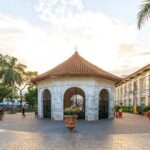
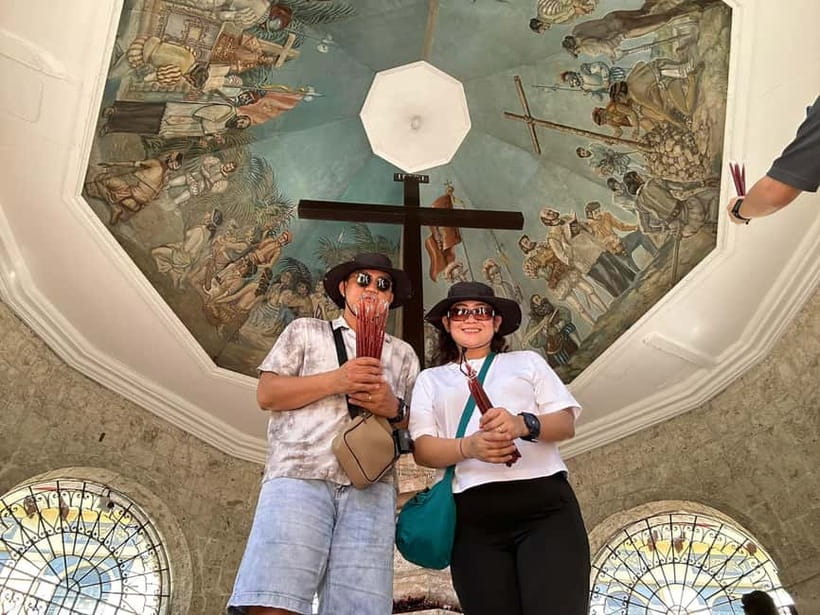
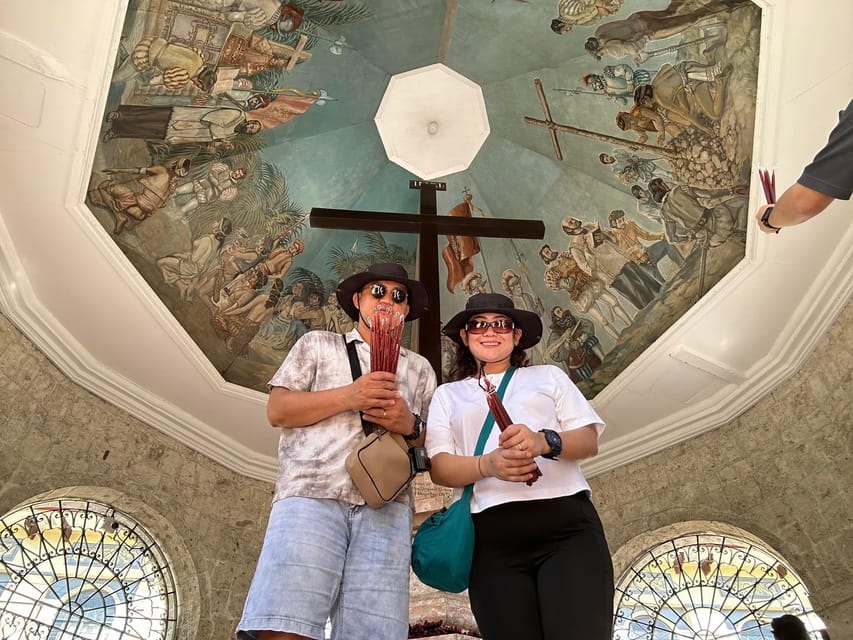
Begin with Magellan’s Cross, one of Cebu’s most familiar landmarks. It marks the arrival of Christianity in the Philippines and is closely linked with the city’s religious identity. The site is compact, so the visit is more about seeing the marker, understanding its importance, and taking a moment to observe the setting than spending a long period there.
From here, the Basilica Minore del Santo Niño gives the religious story more substance. It is one of the oldest churches in the country and houses the image of the Santo Niño, or Holy Child Jesus. The basilica is an active place of worship, not simply a museum stop, so respectful clothing and quiet behavior are sensible.
I like having these two stops early in a Cebu visit because they give context to the rest of the city. You are not just checking off an old cross and a church. You are seeing two places tied to the arrival and continuing practice of Christianity in the Philippines.
The listed visit at each site is about 30 minutes. That is enough for a first look, but not much more. If religious art, church architecture, or local devotional practice matters greatly to you, tell the guide early that you would prefer a little extra time here.
Fort San Pedro and Cebu’s colonial chapter
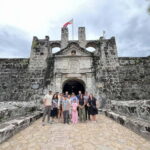
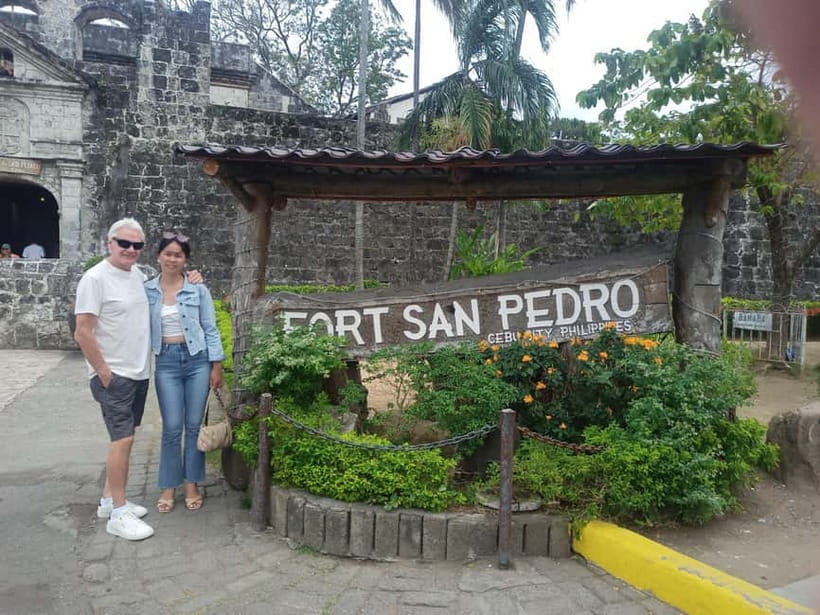
Fort San Pedro shifts the focus from religion to defense. This Spanish fortress dates to the 16th century and offers a compact look at Cebu’s colonial past. Its walls and enclosed layout make it easy to picture how the site once served a military purpose.
The planned visit lasts about an hour, giving you more breathing room than the short stops at Magellan’s Cross and the basilica. The fort is especially useful for visitors who want more than religious landmarks. It gives the day a physical sense of Spanish rule, rather than leaving the colonial period as an abstract date in a guidebook.
The broader heritage portion also includes Colon Street and the Yap-Sandiego Ancestral House. Colon Street is identified as the oldest street in the Philippines, while the ancestral house offers a closer look at Cebu’s domestic and cultural heritage. The itinerary describes the city portion as self-guided at several stops, so ask the guide for context if you want the stories behind the buildings rather than only a photo stop.
The city route can be affected by traffic. That matters because the tour tries to cover both central Cebu and the mountain area. A private vehicle gives you flexibility, but it cannot remove road delays.
The Taoist Temple above the city
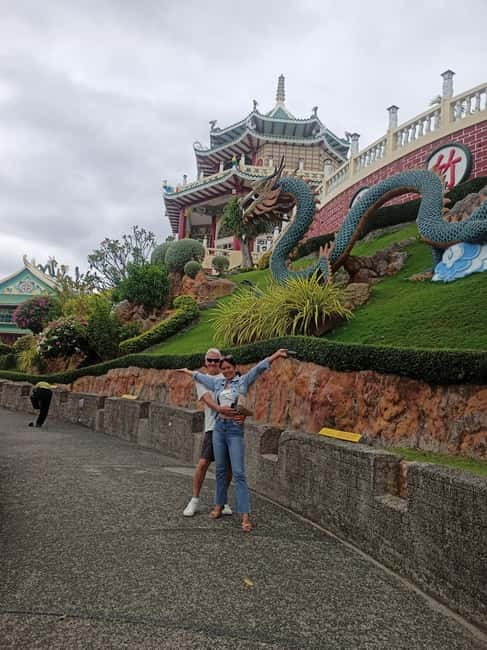
The Taoist Temple brings a different cultural tradition into the day. The hilltop complex features traditional Chinese architecture, quiet surroundings, and views across Cebu City. It also introduces Taoist rituals and beliefs, making it more than a scenic overlook.
This is one of the tour’s more peaceful stops. After the noise and movement of the city, the temple can feel like a reset. You should be prepared for steps or uneven walking, however, since the experience involves moving through a hilltop complex and the provider also lists the tour as unsuitable for people with mobility impairments.
The Taoist Temple appears in both the city and mountain descriptions. In practical terms, that means the exact order can vary depending on how your route is arranged. If it is included during the mountain section, you will not lose the visit. If it appears earlier, the highland route can continue with the flower garden, Little Kyoto, and Temple of Leah.
Sirao Flower Farm and the highland views
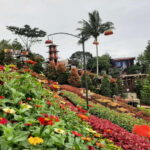
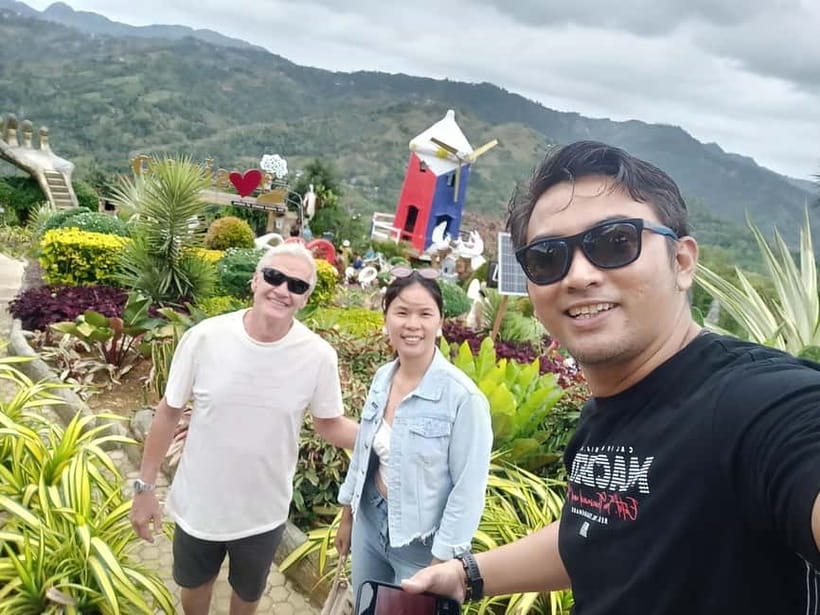
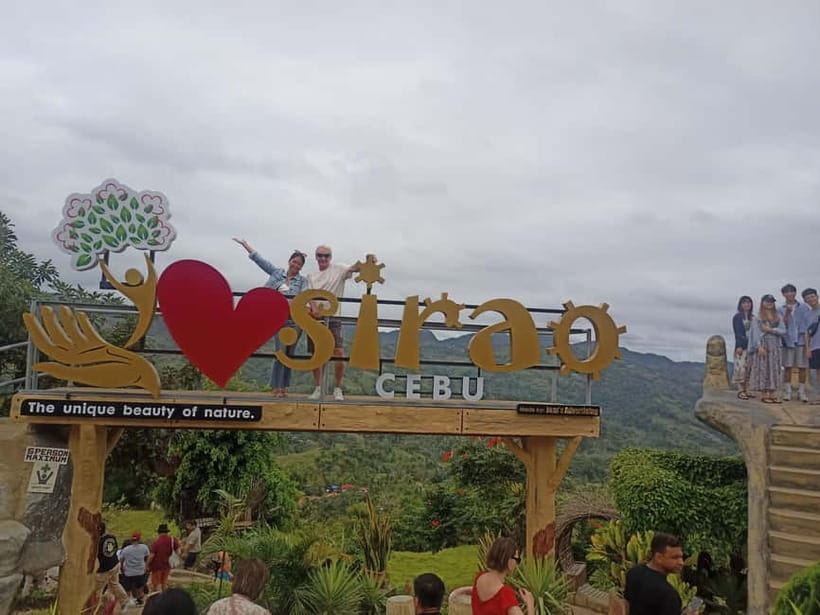
Sirao Flower Farm is one of the most visual stops of the day. It is known for colorful blooms and photo-friendly views, and the tour allows around 90 minutes there. This is a good place to slow down slightly, take photographs, and enjoy the change in air and scenery above the city.
The appeal is straightforward rather than historical. You come for flowers, open views, and a cheerful break from urban streets. The stop may feel less rewarding if you prefer museums or old buildings, but it gives the mountain portion a lighter mood.
The route description also highlights scenic views along the way. Keep your camera ready during the drives, but do not expect every roadside view to become a formal stop. The highlands are part of the experience, even when the vehicle is moving between attractions.
Bring water, sunscreen, and weather-appropriate clothing. The tour involves outdoor stops, and Cebu’s heat can make even a relaxed garden visit tiring. Comfortable shoes are also important, especially if you plan to walk around all the sites instead of staying near the vehicle.

Sachiko’s Little Kyoto and Temple of Leah
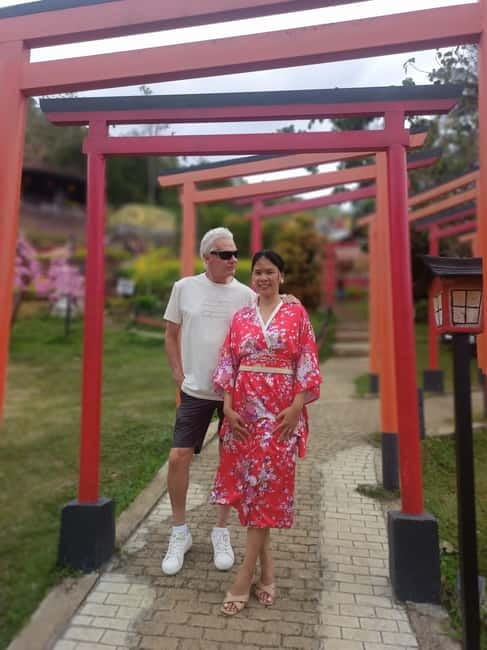
Sachiko’s Little Kyoto is another highland photo stop, with about 90 minutes set aside for sightseeing. The name signals its Japanese-inspired theme, while the tour description emphasizes aerial and scenic views. It works best as part of the mountain sequence, where the attraction provides a change from the flower garden and the grand architecture that follows.
Temple of Leah is the most dramatic architectural stop on the route. It uses Greco-Roman-inspired design and was built by a wealthy Cebuano businessman as a symbol of undying love for his wife. The result is a large, theatrical setting made for photographs and wide views.
I would think of Temple of Leah as a visual attraction, not an ancient temple. Its value comes from the story behind its construction, the scale of the architecture, and its position above the city. If you enjoy grand buildings and unusual modern landmarks, you will likely remember this stop. If you prefer genuinely old sites, Fort San Pedro and the basilica will matter more.
Both Little Kyoto and Temple of Leah are listed as self-guided visits. Your guide can help with transport and timing, but you may have more freedom to explore on your own at these locations. That is useful for photography, though it also means the amount of historical explanation may depend on your guide.
Tops Lookout and the view over Cebu
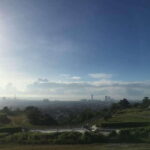
The mountain tour is built around elevated viewpoints, with Tops Lookout providing broad views of Cebu City and the surrounding islands. This is where the geography of the trip comes together. From above, you can see how the city spreads below the hills and why the mountain route is such a popular addition to a Cebu city visit.
The views are the reward, but height is also a consideration. The tour is not suitable for people afraid of heights, according to the activity information. Weather can affect visibility, so the lookout may be less impressive on a cloudy or hazy day.
Do not judge the whole day by the mountain views alone. Tops works because it follows the city landmarks and gives you a different way to understand the area. You see Cebu first at street level, then from above.
10,000 Roses and the final stop
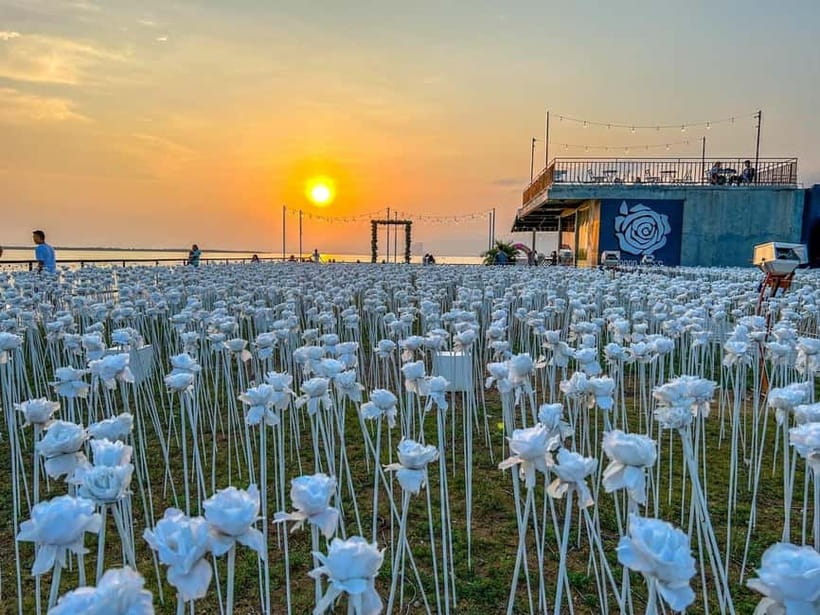
The route also includes 10,000 Roses Cafe & More, with about an hour for sightseeing. The attraction is known for its rose-themed setting and cafe, giving you another relaxed, highly photogenic stop before drop-off.
Meals are not included, so budget separately if you want food or drinks here. The cafe stop may be useful for a break, but you should not assume it replaces a full meal. Ask your guide how the timing works on the day, especially if you want to eat rather than simply look around.
This stop also adds a different feel to the tour. Much of the day is built around heritage sites, temples, and mountain views. The rose setting is more decorative and leisure-focused, so it suits visitors who enjoy photo locations and a relaxed final attraction.
What the private vehicle and guide add
The private format is one of the strongest reasons to book. Pickup is available at your hotel, and you receive the car, plate number, and driver details by email one day before the tour. That makes the early start less stressful, particularly if you are staying outside central Cebu City.
The provider lists pickup areas including Cebu City, Mandaue City, Lapu-Lapu City, Maribago, Cordova, Talisay, and Apas. Drop-off is available in the same general set of locations. Confirm your exact hotel when booking, since the practical route and available time can depend on where you begin.
The guide quality appears especially important here. Jave received strong praise for going beyond driving and acting as a personal photographer, a major benefit for a solo visitor. Other feedback also highlights friendly guides, air conditioning, and practical help throughout the day.
That personal support is valuable on a private tour. You can ask for assistance with photographs, timing, and the order of stops. Still, the service is listed as English-language only, so make sure that suits you.
Timing, comfort, and the tour’s limits
The advertised duration is eight hours. That is enough for a broad overview, but the route is ambitious. The listed stop times add up to more than eight hours if treated as fixed visits, and driving between sites takes time. In practice, you should expect the guide to adjust the length of stops to fit traffic and the day’s conditions.
The private air-conditioned vehicle is a real comfort advantage. Cebu can be hot, and moving between outdoor attractions without a cool place to rest would make this schedule harder. You still need comfortable shoes, water, sunscreen, and clothing suited to the weather.
The tour is described as wheelchair accessible in the activity details, but the additional information says it is not suitable for wheelchair users or people with mobility impairments. That is a clear conflict. Contact Boss J Cebu Tours before paying and ask about the exact vehicle, steps, walking surfaces, and access at each attraction.
Free cancellation is available up to 24 hours before the tour for a full refund, and you can reserve now while paying later. These terms are useful if your Cebu schedule is still changing, but the access question is more important to settle first.
Who should book this Cebu highlights tour?
I would recommend it to a first-time Cebu visitor who wants to cover the main sights without arranging several separate rides. It is also a strong match for solo visitors, couples, families who value a private vehicle, and anyone with only one free day.
The tour is especially good if you want photographs. The guide may help take them, and many stops offer views, flowers, grand architecture, or distinctive religious and historic settings.
I would be more cautious if you prefer long museum visits, extended church observation, or slow meals. The schedule favors variety. You should also reconsider it if you have serious mobility limits, dislike high viewpoints, or want a tour conducted in a language other than English.
At $88 per person, the value depends on how much you use the private service. The included admissions and hotel transfers reduce extra planning, while the air-conditioned car helps with Cebu’s heat and traffic. If you can share the cost with companions, this becomes a more attractive way to see both the city and the highlands.
Should you book it?
Book this tour if you want Cebu in broad strokes: Catholic landmarks, a Spanish fort, Chinese Filipino culture, mountain viewpoints, flower gardens, Temple of Leah, and 10,000 Roses in one organized day. The strongest parts are the private transport, helpful guide support, and wide range of places.
Skip it if you want a slow heritage tour or need guaranteed wheelchair access. Before booking, confirm how your hotel pickup affects the schedule and ask the operator to explain the accessibility contradiction. For everyone else, this is a practical and energetic introduction to Cebu, with enough variety to make a short stay feel full.
FAQ
How long does the Cebu City and Mountain Highlights Tour last?
The tour lasts eight hours. Starting times are available when you check the selected date.
Where does hotel pickup and drop-off take place?
Pickup and drop-off are available at hotels in Cebu City, Mandaue City, Lapu-Lapu City, Maribago, Cordova, Talisay, and Apas.
Is transportation included?
Yes. The experience is a private tour with hotel pickup and drop-off included. Vehicle and driver details are sent by email one day before the tour.
Which entrance fees are included?
The price includes entrance fees for Sirao Flower Garden, Little Kyoto, Temple of Leah, 10,000 Roses, Magellan’s Cross, the Basilica Minore del Santo Niño, Fort San Pedro, and the Taoist Temple.
Is food included?
No. Meals are not included in the tour price.
What language is the tour conducted in?
The live tour guide language is English.