Small Group Cebu City And Uphill Mountain Tour
Cebu packs centuries into one day. This eight-hour trip links Cebu City’s oldest landmarks with the cooler mountain roads above town, giving you a useful first look at the island’s history, culture, viewpoints, and food stops. I especially like the mix of Magellan’s Cross and Santo Niño Basilica with Sirao Garden and the Temple of Leah, since the day never stays in one lane for long. The main drawback is the pace: you see many places, but several visits last only 15 to 30 minutes.
I also like having air-conditioned transport and a driver-guide, since Cebu traffic and uphill roads can make independent sightseeing tiring. Guides such as Lee have been praised for clear explanations, friendly service, punctual pickup, and taking good photos. You should still allow extra money for lunch, the Temple of Leah admission, and other optional charges.
In This Review
- Key points to know before booking
- Why this route works for a first day in Cebu
- Sirao Garden gives the morning its color
- Temple of Leah adds scale and spectacle
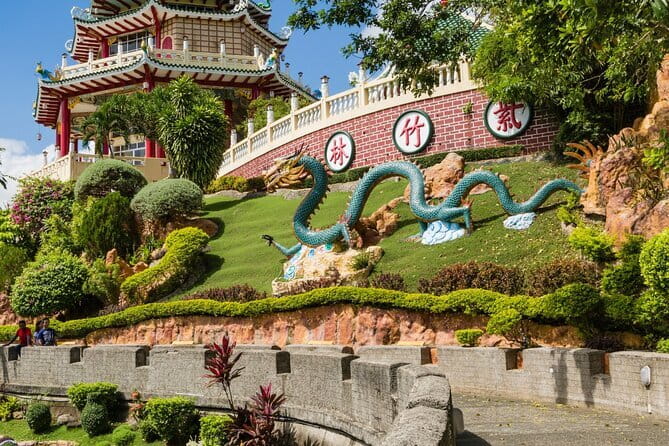
- The Taoist Temple offers a quieter pause
- House of Lechon brings Cebu to the lunch table
- Cebu Heritage Park connects the city’s story
- Magellan’s Cross and Santo Niño Basilica mark Cebu’s historic heart
- Taboan Public Market shows a more practical Cebu
- CCLEX leads to the glowing 10,000 Roses stop
- What the driver-guide adds to the day
- Is $60 good value for eight hours?
- Who should book this Cebu day tour?
- Practical tips for a smoother day
- Should you book the Cebu City and uphill mountain tour?
- FAQ
- How long does the Cebu City and uphill mountain tour last?
- Where is pickup available?
- Where does the tour end?
- Is lunch included in the tour price?
- How much does Temple of Leah cost?
- Is transportation air-conditioned?
- What language does the guide speak?
- Can I cancel the booking for a refund?
Key points to know before booking
- Eight hours, many contrasting stops: You move from flower gardens and mountain views to churches, markets, monuments, and a café by the water.
- The mountain section comes early: Sirao Garden, Temple of Leah, and the Taoist Temple make up the scenic first part of the day.
- A practical history route: Magellan’s Cross, Santo Niño Basilica, and the Heritage of Cebu Monument give you a quick look at Cebu’s Spanish-era and local past.
- Lunch is not included: House of Lechon is the planned meal stop, but you pay for your own food.
- Pickup is limited: Hotel pickup is available only within Cebu City Center, normally between 8 AM and 9 AM.
- Best for a first Cebu visit: The route suits you if you have limited time and want an organized overview rather than a slow, single-neighborhood tour.
Why this route works for a first day in Cebu
Cebu City can feel scattered. Its historic core, mountain viewpoints, markets, and newer roads are not all close together, and arranging transport for every stop takes time. This tour solves that problem by putting the major sights into one moving day.
You get a broad introduction rather than a specialist tour. In the morning, the route climbs into the hills for flowers, grand architecture, and Chinese religious tradition. Later, it returns to the city center for Cebu’s colonial-era landmarks, local shopping, and food culture.
That range is the strongest reason to book. You can see the side of Cebu shown in photographs, but you also get places that explain how the city developed. I would choose this trip for a first visit, a short stop between flights, or a day when you want someone else to handle the driving.
The schedule is full. The longest stop is the 1.5 hours at Sirao Pictorial Garden and Camping Site. Most other visits last 15 to 30 minutes, so you need to be comfortable taking a quick look, snapping a few pictures, and moving on.
You can also read our reviews of more tours and experiences in Cebu City.


Sirao Garden gives the morning its color
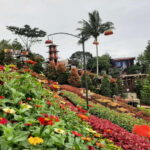
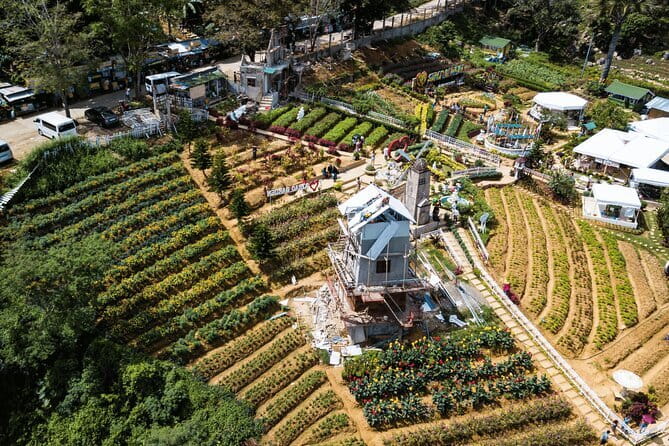
Sirao Pictorial Garden and Camping Site is the day’s longest attraction stop. It is known as Cebu’s Little Amsterdam because of its flower displays and colorful photo settings, although you should think of it as a scenic photo garden rather than a Dutch village.
You have about 1.5 hours here, which gives you time to walk around without feeling rushed. The elevated setting also starts the mountain portion of the trip on a pleasant note, with open views and plenty of places designed for photographs.
I like this stop because it gives the day an easy beginning. You can stretch your legs after pickup, enjoy the flowers, and get the scenic images that many people want from an uphill Cebu tour.
The tradeoff is that the garden is built around visual appeal. If you prefer museums, local neighborhoods, or long nature walks, you may find the visit light on cultural depth. Still, the generous time here makes it one of the more relaxed stops.
Temple of Leah adds scale and spectacle

The Temple of Leah is an architectural tribute to love, built with grand columns, statues, and formal spaces. You have about 30 minutes to explore, which is enough to appreciate the design and take pictures, but not enough for a slow visit.
The temple is one of the route’s most dramatic stops. Its hilltop position gives you a wide view over Cebu, and its large scale makes it feel very different from Sirao Garden. Several people have singled it out as one of the most memorable photo stops.
Admission is not included in the tour price. The listed cost is P150 per person, paid on site by you. That is a small extra, but it matters when you are comparing the advertised price with your full day’s spending.
Bring comfortable shoes and use the short stop wisely. You will likely spend much of the time moving between viewpoints and architectural details rather than sitting down.
The Taoist Temple offers a quieter pause
The Taoist Temple shifts the mood. Instead of flower displays and monumental decoration, you enter a calm sanctuary linked to Cebu’s Chinese heritage. The visit lasts about 30 minutes.
This stop is valuable because it gives the route a cultural balance. You are not seeing only postcard locations. You also get a place connected to religious practice and the Chinese Filipino community in Cebu.
You should treat the temple respectfully and follow any rules in place during your visit. The provided details do not specify particular restrictions, so your guide can help you understand what is appropriate once you arrive.
Thirty minutes is enough for a short look, but not for a lengthy cultural lesson. If this is the stop that interests you most, you may wish you had more time. The benefit is that the tour includes it at all, since a self-arranged city highlights trip might focus only on the most famous Christian landmarks.
House of Lechon brings Cebu to the lunch table
The planned lunch stop is House of Lechon, where you can try Cebu’s famous roasted pork. Lunch is not included, so you choose and pay for your meal yourself.
That arrangement keeps the tour price lower and gives you some control over what you order. It also means you should carry enough Philippine pesos or confirm accepted payment methods before the day begins, since no payment details are provided.
Lechon is an important Cebu food experience, but this is not a food tour. You get a set lunch pause inside a sightseeing day, not a long tasting session or a market-to-table explanation.
The listed visit lasts one hour. That should provide a useful break between the mountain stops and the historic center. I appreciate that the route allows time for a proper meal instead of forcing you to eat in the van, although your actual time may depend on traffic and restaurant service.



Cebu Heritage Park connects the city’s story
The Heritage of Cebu Monument, also described as part of Cebu Heritage Park, gives you a compact way to see key moments from the city’s past. The monument uses sculptural scenes to present Cebu’s historical and cultural story.
You have 30 minutes here. This is a good place to pay attention to your guide rather than simply take pictures, because the meaning comes from understanding what the scenes represent.
The stop also prepares you for the next two landmarks. After seeing Cebu’s story presented in one monument, you continue to Magellan’s Cross and Santo Niño Basilica, where several important chapters of that story are tied to actual sites.
The short visit is the limitation. You will get an introduction, not an exhaustive lesson. If you want detailed historical context, write down names and dates during the tour and return later on your own.
Magellan’s Cross and Santo Niño Basilica mark Cebu’s historic heart

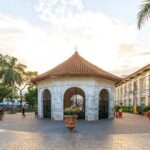
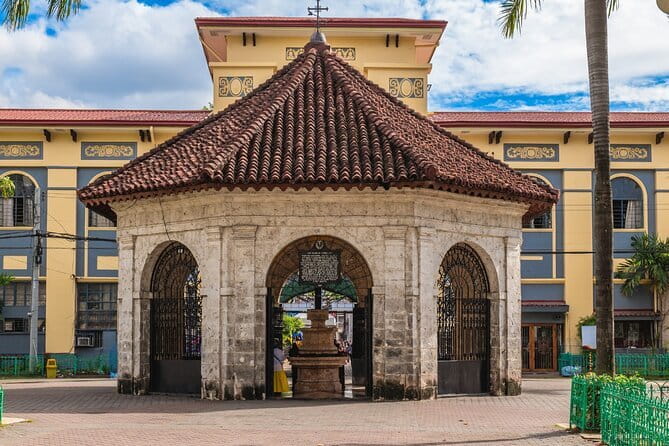
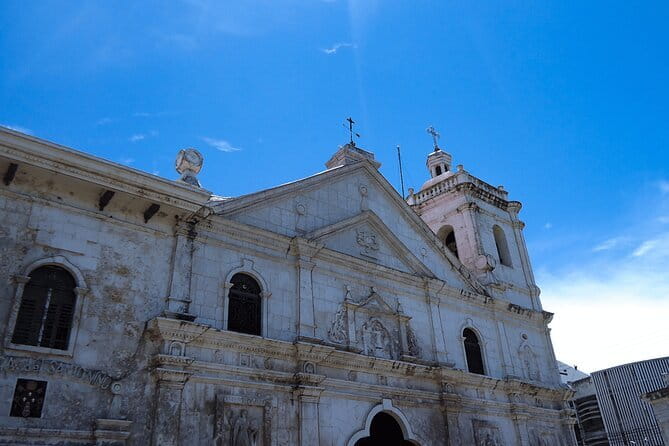
Magellan’s Cross is one of Cebu’s best-known landmarks. The small chapel and cross are tied to the arrival of Christianity in the Philippines, making this a meaningful stop even though the visit is only about 15 minutes.
The tour then continues to the Basilica Minore del Santo Niño de Cebu Pilgrim Center, also for about 15 minutes. Together, these stops form the spiritual center of the route and help explain why Cebu remains such an important destination for Filipino Catholic devotion.
You should expect a quick visit, not a long church tour. The schedule works well if you want to see the major sights and hear basic context, but it may feel too brief if you want time for prayer, quiet observation, or a detailed look at the church interior.
The timing can also be affected by religious services, crowds, or local events. Your guide can help you move through respectfully and keep the group on schedule. I would avoid planning another fixed activity immediately afterward.
Taboan Public Market shows a more practical Cebu
Taboan Public Market is where the route moves away from grand monuments and into everyday shopping. The market is known for dried fish and local treats, giving you a chance to see a more practical side of Cebu’s food culture.
You have about 30 minutes. That is enough for browsing and buying a few edible souvenirs, but you should be prepared for strong smells associated with dried seafood. If you are sensitive to those odors, this may be the least comfortable stop of the day.
I like the market because it makes the tour feel less polished and more connected to local life. You are not only visiting sites built for sightseeing. You can look at the foods people buy, compare packages, and choose something to take home.
Use the time carefully. Decide before entering if you want snacks, dried fish, or gifts, and keep your purchases easy to carry. The tour continues afterward, so large or fragile shopping bags may be inconvenient.
CCLEX leads to the glowing 10,000 Roses stop

The drive along the Cebu-Cordova Link Expressway, known as CCLEX, adds a modern piece to an otherwise historic day. The road leads to 10,000 Roses Café & More, a scenic spot famous for its field of LED roses.
The stop is listed at about 30 minutes. The illuminated roses create their strongest effect after dark, but the tour begins between 8 AM and 9 AM and lasts eight hours. That means the exact light at your visit can depend on traffic, the day’s timing, and the season.
This is an important point before booking. The café may still be attractive in daylight, but you should not assume you will receive a full nighttime display. If glowing roses are your main reason for booking, confirm the expected arrival time before you pay.
The stop works well as a final change of pace. After churches, markets, and monuments, you get a modern photo setting with a scenic drive to reach it. It is not the deepest cultural stop, but it gives the day a memorable visual finish.
The tour ends at SM City Cebu, rather than returning you to your hotel. Plan your evening from there, and remember that pickup is limited to Cebu City Center at the start.
What the driver-guide adds to the day
The driver-guide is central to the value of this experience. With so many stops, you need someone who can keep the vehicle moving, explain the sites, and help you make the most of short visits.
The strongest praise has focused on punctual pickup, friendly service, safe driving, and useful local explanations. Lee is one guide whose name has been specifically praised for being full of information, while other guides have been appreciated for staying on schedule and helping with photographs.
That combination matters. A driver who simply drops you at each stop would make this feel like a transfer service. A guide who keeps the mood easy and points out what matters turns the same route into a more useful introduction.
The tour is described as small group, but no exact group size is provided. Your experience may depend on who shares the van with you. The air conditioning is a major practical benefit in Cebu’s heat, especially after walking around gardens, churches, and markets.
Is $60 good value for eight hours?
At $60 per person, this is a fair value if you want to cover many parts of Cebu in one day. The price includes private conveyance, air-conditioned transportation, admissions, taxes and fees, and a driver-guide.
The value comes from the driving time you avoid arranging yourself. Sirao Garden, Temple of Leah, Taoist Temple, the historic core, Taboan Market, and 10,000 Roses are spread across different parts of the city and surrounding area. A private taxi plan could become expensive or complicated, especially if you are unfamiliar with local traffic.
The price is not all-inclusive. You need to budget separately for:
- Lunch at House of Lechon
- P150 per person for Temple of Leah
- P100 per person consumable fee at La Vie Parisienne, if that stop or charge applies to your booking
- Personal purchases at Taboan Public Market and the souvenir shop
The La Vie Parisienne fee is listed in the extra-cost information, but it does not appear among the timed stops in the route described here. Ask the operator to clarify this before departure. That small question can prevent confusion during an already busy day.
I would not choose this tour for a slow, flexible Cebu experience. I would choose it because $60 buys a lot of coverage, transport, and convenience in one organized day.
Who should book this Cebu day tour?
You are a good match if you want a broad first look at Cebu and do not have much time. Couples, first-time visitors, families who prefer organized transport, and people staying in Cebu City Center can all benefit from the route.
It also suits you if photographs are part of your travel plan. Sirao Garden, Temple of Leah, mountain viewpoints, and 10,000 Roses offer plenty of visual stops, and the guides have been praised for helping with pictures.
You may want another kind of tour if your priority is detailed history. The heritage stops are short, and the day gives equal weight to gardens, temples, food, markets, and scenic places. You will get a useful overview, not a specialist account of Cebu’s past.
I would also think twice if you dislike early starts, frequent van rides, or fixed timing. Pickup takes place between 8 AM and 9 AM, and the route finishes at SM City Cebu after a full eight hours.
Practical tips for a smoother day
Wear shoes that are comfortable for short walks and bring water. You will be stepping in and out of the vehicle often, with a mix of outdoor gardens, religious sites, markets, and paved public areas.
Keep a small amount of Philippine currency available for the Temple of Leah fee, lunch, market purchases, and any applicable La Vie Parisienne charge. The tour includes admissions listed as included, but the extra charges can add up if you arrive without cash.
Dress respectfully for the Taoist Temple and Santo Niño Basilica. The supplied details do not state a formal dress code, so modest clothing is the sensible choice for religious sites.
Do not fill the entire evening after the tour. Cebu traffic can affect the day, and the route includes several distant areas. Since the final drop-off is at SM City Cebu, use that location as your end point rather than expecting a return to your hotel.
You can cancel up to 24 hours before departure for a full refund, and you can reserve now while paying later. Check the available start time when booking, since the day lasts eight hours and pickup is limited to Cebu City Center.
Should you book the Cebu City and uphill mountain tour?
Book it if you want Cebu’s main sights in one efficient day, especially if this is your first visit or you have only a short stay. The combination of mountain viewpoints, Chinese and Catholic heritage, lechon, a local market, and 10,000 Roses gives you a much wider picture than a basic downtown tour.
Skip it if you want long visits, independent wandering, or a focused food and history experience. The schedule is packed, and the 10,000 Roses stop may not be fully dark despite its evening appeal.
For most short-stay visitors, I think the $60 price is justified by the transport, admissions, air conditioning, and range of stops. Go in expecting a fast-moving introduction, keep extra pesos handy, and you will get a practical and enjoyable day in Cebu.
FAQ
How long does the Cebu City and uphill mountain tour last?
The tour lasts eight hours, including pickup, sightseeing, transportation between stops, and the finish at SM City Cebu.
Where is pickup available?
Pickup is included from hotels within Cebu City Center only. The stated pickup window is from 8 AM to 9 AM.
Where does the tour end?
The tour finishes at SM City Cebu.
Is lunch included in the tour price?
No. Lunch at House of Lechon is not included, so you pay for your own meal.
How much does Temple of Leah cost?
Temple of Leah admission is listed as P150 per person, paid separately by you.
Is transportation air-conditioned?
Yes. The tour includes air-conditioned transportation and personal conveyance.
What language does the guide speak?
The live tour guide speaks English.
Can I cancel the booking for a refund?
Yes. You can cancel up to 24 hours in advance for a full refund. You can also reserve now and pay later.