Davao City Tour
Davao has a lot of ground to cover. This city tour gives you a practical first look at Mindanao’s largest city, linking cultural sites, civic landmarks, a Buddhist temple, a market, and Malagos Garden Resort in one outing. I like the hotel pickup and drop-off, and I like having air-conditioned transport in a hot, spread-out city.
The guide can add real value here. Decree Ray earned high praise for explaining Davao’s background and giving useful advice about visiting the city. The main caution is reliability: one booking turned into a long wait, a last-minute pickup change, and a much shorter tour than expected. Confirm the schedule before setting your day around it.
In This Review
- Key points to know before booking
- What this Davao tour is really designed to do
- Starting with Davao’s scale and character
- Long Hua Temple and Davao’s Chinese Filipino presence
- Malagos Garden Resort and the tour’s cheese stop
- Davao Chinatown and the city’s Chinese Filipino roots
- San Pedro Cathedral in the Poblacion District
- Civic Davao: the old municipal hall and Central 911
- Museo Dabawenyo and the city’s story
- Poblacion Market Central and the modern city
- Timing, transport, and the one serious warning
- Who will get the most from the $92.67 price
- Should you book this Davao City tour?
- FAQ
- Where does the Davao City tour take place?
- How long does the tour last?
- What is the price?
- Is hotel pickup included?
- Is transportation air-conditioned?
- Is a local guide included?
- What attractions are included?
- Are entrance fees included?
- Is lunch included?
- How many people can join the tour?
- Can I cancel for a full refund?
Key points to know before booking
- Hotel pickup keeps the day simple: Pickup and drop-off are offered at Davao City hotels only.
- The route mixes city life and culture: Expect Long Hua Temple, Museo Dabawenyo, San Pedro Cathedral, Chinatown, Poblacion Market Central, and civic sites.
- Malagos adds a food angle: The garden resort is noted for goat cheese, chèvre, feta, and blue cheeses.
- Air-conditioning matters: Davao’s size and heat make included transport a useful part of the price.
- The tour is intended for small groups: A maximum of 15 people keeps it more manageable than a large coach outing.
- Allow for schedule uncertainty: The stated duration is about three to four hours, but one booking was advertised as four to six hours and lasted only two hours and 35 minutes.
What this Davao tour is really designed to do
This is a get your bearings fast experience. Davao City covers 2,443.61 square kilometers, making it the Philippines’ largest city by land area. It is also the country’s most populous city outside Metro Manila and the largest city in Mindanao by population.
That scale matters. You cannot easily understand Davao by walking around one central district for an hour or two. A vehicle lets you connect neighborhoods and landmarks without spending your limited holiday time arranging separate rides.
The tour is priced at $92.67 per person. That is not a bargain-basement city shuttle, but the value depends on how much of the advertised route you receive. Transportation, a local guide, hotel transfers, entrance fees, and the convenience of one booking are included. Lunch is not.
I see the strongest value for a first-time visitor who wants a broad introduction rather than a long stay at one museum or attraction. If you already know central Davao well, the pace may feel too quick. If you are visiting for only a day or need an overview before exploring alone, the format makes more sense.
The group limit of 15 is also worth noting. It is small enough that commentary should be easier to hear and questions should be possible, though the exact experience will depend on the guide and the number of people booked that day.
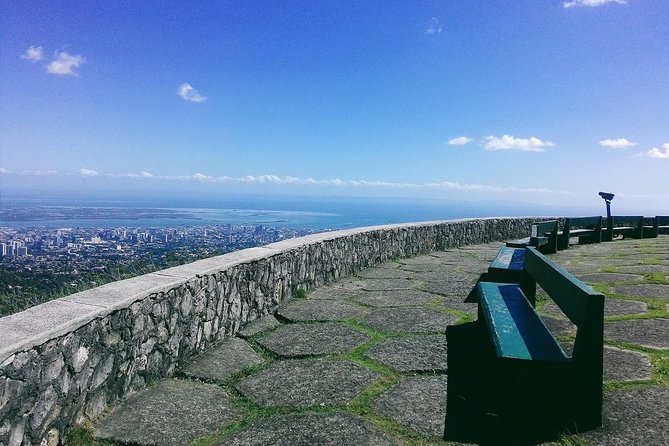
Starting with Davao’s scale and character
The opening city stop provides context rather than a single attraction. Davao is officially known as the City of Davao, with Cebuano and Filipino names also in common use. Its political status is unusual: it sits geographically within Davao del Sur but is governed independently as a highly urbanized city.
That background helps explain why the tour needs transportation. Davao is not a compact old town where every major sight sits around one plaza. The city’s size, population, and separate districts shape daily life, traffic, neighborhoods, and public services.
I would pay close attention to the guide during this first section. A good explanation can turn a string of disconnected stops into a story about how Davao grew. The strongest praise given to the experience went to Decree Ray, whose city overview included practical advice and useful details about visiting.
The drawback is time. The city introduction is listed for about 30 minutes, so you will get orientation rather than a full study of local life. Think of it as a map in your head, not the finished picture.
Long Hua Temple and Davao’s Chinese Filipino presence
Long Hua Temple, also called Lon Wa Buddhist Temple, is one of the largest Buddhist temples in the Philippines and the largest on Mindanao. It sits in the Agdao District, about three to four kilometers northeast of central Davao on Cabaguio Avenue.
This stop gives the tour a useful change of tone. Davao is often introduced through its government, public safety, and city center, but Long Hua Temple brings religion and the Chinese Filipino community into the picture. It helps you see the city as more than a Philippine business center.
The planned visit is about 30 minutes, with no separate admission charge listed. That is enough time for a brief look and an explanation from the guide, but not a long period for quiet observation. If you enjoy religious architecture, you may wish the schedule allowed more time.
Dress and conduct should be respectful at any place of worship. The supplied details do not specify a dress code or photography policy, so ask the guide before taking pictures inside.
Malagos Garden Resort and the tour’s cheese stop
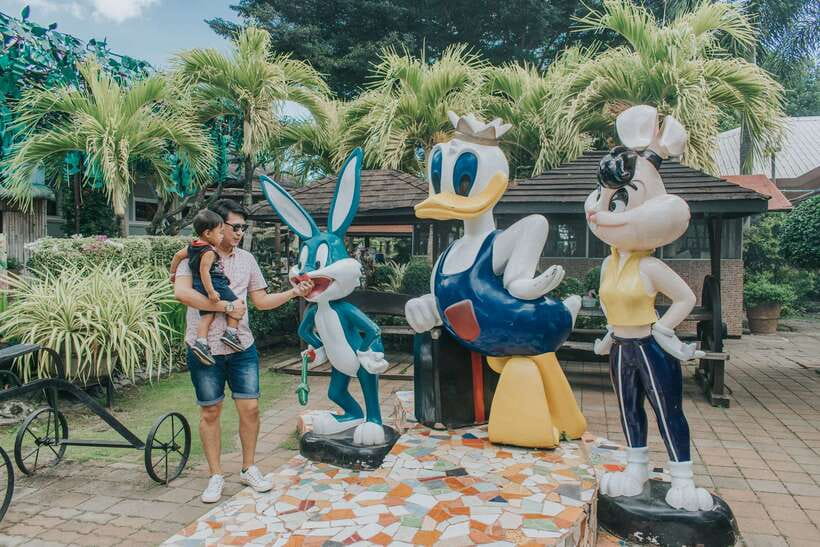
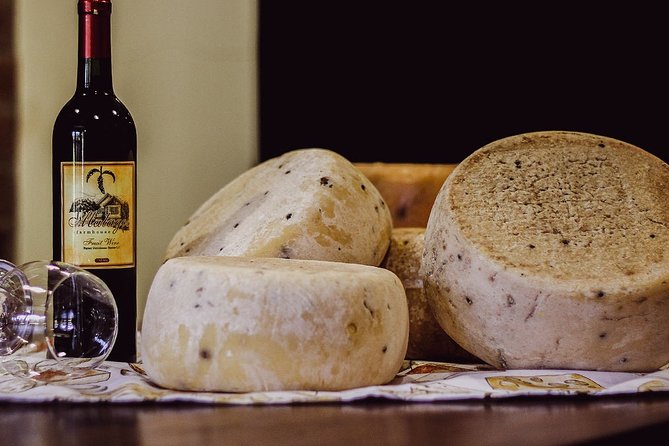
Malagos Garden Resort changes the subject from urban Davao to local food production. The stop is especially associated with cheese made from goat’s milk and cow’s milk.
The named varieties include fresh goat cheese, French-style chèvre, feta aged in brine, Blue Peppato with green peppercorns, and blue goat cheese. For me, this is one of the more unusual parts of the route because it adds a taste of regional food culture instead of giving you only monuments and public buildings.
The stop is scheduled for about 30 minutes. That is a short visit, so you should not expect a slow food tour or an extended resort stay. Still, the cheese focus gives the guide something concrete to explain, and it may be a welcome break from sightseeing in the vehicle.
Lunch is not included, so plan your food budget separately. The available details do not identify a lunch stop or promise tastings, so do not book this expecting a full meal. The cheese information confirms what the resort is known for, but it does not confirm that every variety is available to sample during your visit.
Davao Chinatown and the city’s Chinese Filipino roots
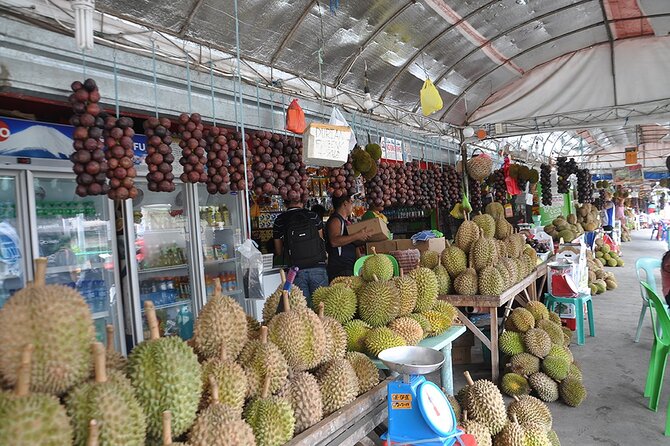
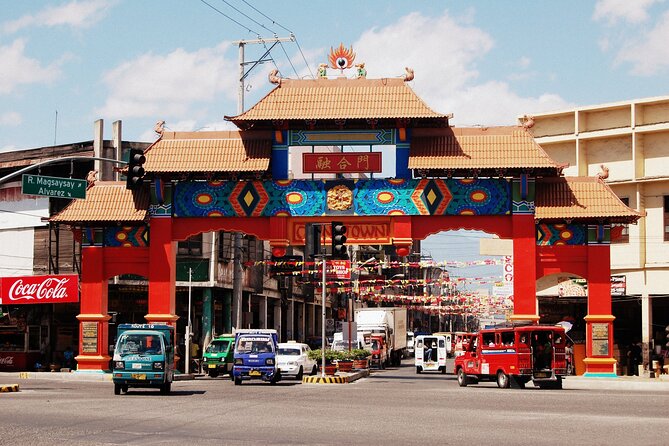
Davao Chinatown is identified as the only Chinatown in Mindanao. The district is bordered by Santa Ana Avenue, Monteverde Avenue, Ramón Magsaysay Street, and León García Street, and it is a primary residential area for the city’s Chinese Filipino community.
This is an important stop because it gives geographic shape to a part of Davao’s social history. A passing view from the vehicle may be useful, but I would listen carefully to how the guide explains the district’s role. The value is less about checking off a gate or sign and more about seeing how communities have helped shape the city.
No visit length is specified for the Chinatown stop in the supplied schedule. That means the amount of time on foot may vary. Ask whether you will get out or simply pass through, especially if photographing street details is important to you.
San Pedro Cathedral in the Poblacion District
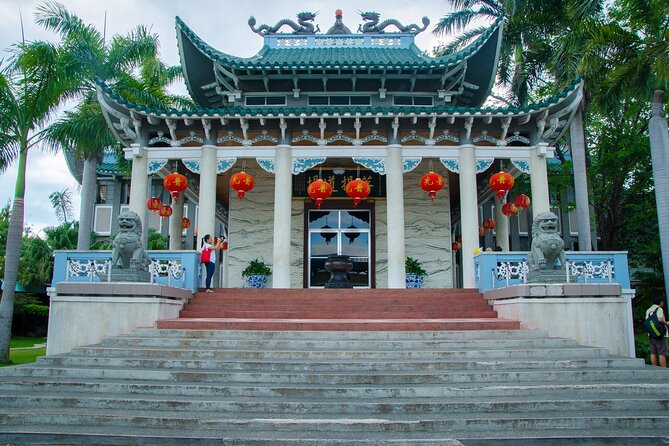
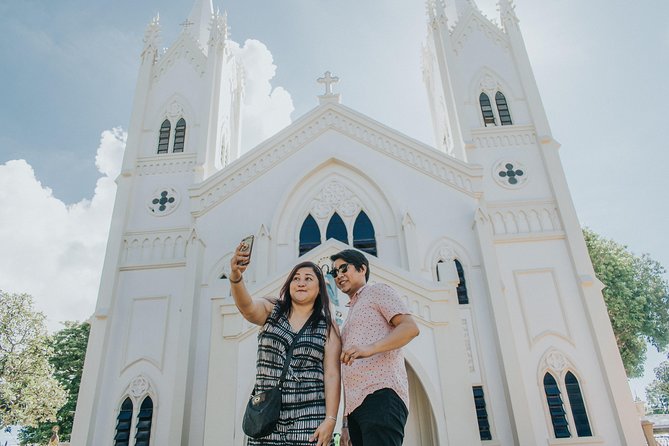
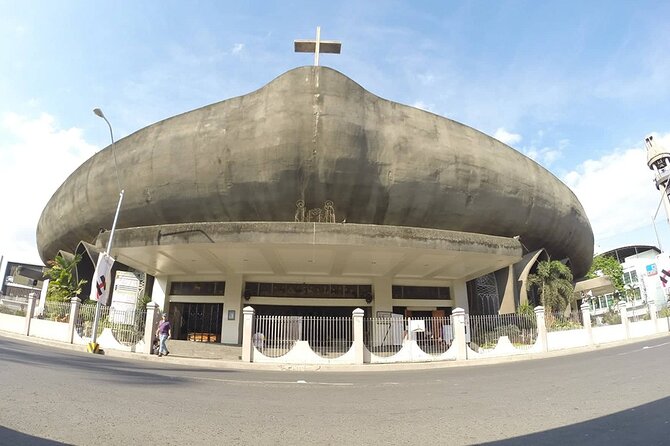
San Pedro Cathedral, also called Davao Cathedral, is a Roman Catholic cathedral in Barangay 2-A of the Poblacion District. It is dedicated to Saint Peter and serves as the seat of the Roman Catholic Archdiocese of Davao.
The cathedral adds a major religious landmark to a route that already includes a Buddhist temple. That contrast is one of the tour’s better features. In a short period, you get a glimpse of different faith communities and the central role religious buildings play in Philippine cities.
The stop is listed at about 30 minutes and admission is free. That should give you time to see the exterior and, if permitted, look inside. Since no service schedule or interior access rules are provided, your visit may need to remain brief and respectful.
I would avoid treating this as an architectural study. The schedule is built for a city overview, so the guide’s explanation will likely matter more than the amount of time available for close inspection.
Civic Davao: the old municipal hall and Central 911
Two civic stops give the tour a look at how Davao is governed and served.
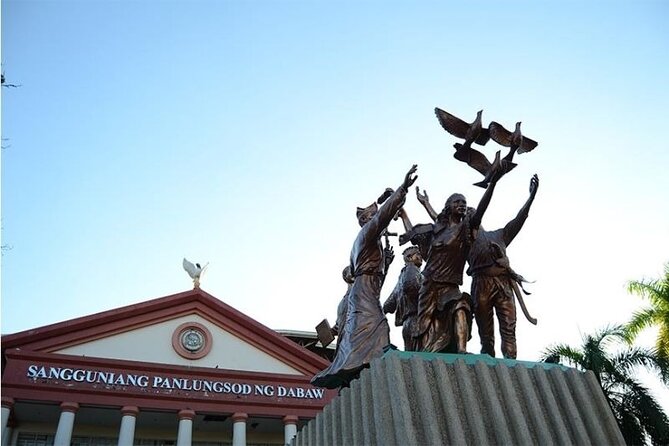
The local government building began as a municipal hall built by the American government in 1926. Davao became a chartered city in 1937 under President Manuel L. Quezon. That places the building within a key period of the city’s modern political development.
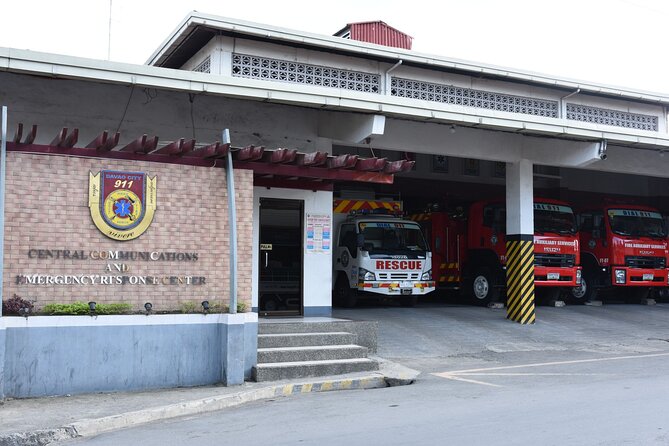
The other stop is the Davao City Central Communications and Emergency Response Center, commonly called Central 911. Its services include medical assistance, search and rescue, fire auxiliary support, and K-9 services. It was formally launched on September 27, 2002, through cooperation between Davao Light and Power Company and the city government.
The information provided gives the center an operating window of 8 a.m. to 5 p.m., with its listed address at 911 Building, Daang Patnubay Street, SIR Matina, Davao City. The scheduled visit is about 30 minutes.
These stops may appeal most to visitors interested in public administration and city services. They are less likely to thrill someone seeking scenic views or hands-on activities. Still, they make the tour more distinctive. Many city tours show churches and markets, then stop. This one also points to the systems that support daily life.
Do not confuse a visit to Central 911 with an emergency service for tour participants. It is presented as a civic stop, not as an attraction with guaranteed public access or a demonstration.
Museo Dabawenyo and the city’s story
Museo Dabawenyo occupies an older structure that was renovated and transformed into a museum in March 2008. The building had long been easy to overlook from the street, but its museum use renewed attention to Davao’s past.
This is the stop I would value most if you want context. A city tour can show you where things are, but a museum can explain why the city looks and feels the way it does. The scheduled visit is around 30 minutes, so you will need to keep moving and focus on the exhibits the guide considers most important.
The museum is a better fit for visitors who want history and local identity than for anyone hoping for a long, unhurried museum visit. Since the available information does not list current galleries, special displays, opening hours, or photography rules, ask the guide what is open that day.
Poblacion Market Central and the modern city
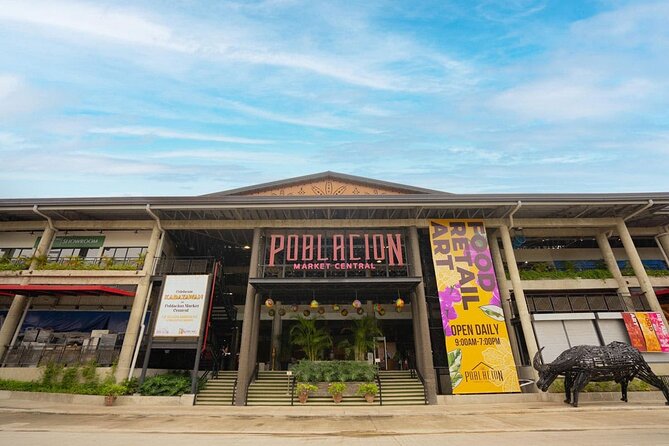
Poblacion Market Central is described as a modern version of the former Aldevinco shopping center and is rated as one of Davao’s top shopping centers. It gives the final part of the tour a more contemporary feel.
Markets and shopping districts often reveal more about a city’s everyday rhythm than formal monuments do. Here you may find a useful contrast with the museum, cathedral, and old municipal building. The route moves from heritage and government into current retail life.
The schedule does not state how long this stop lasts or what purchases are included. Entrance fees are covered, but your own shopping is not. If you want souvenirs, this may be a practical place to browse, but keep your spending and luggage space in mind.
Because the tour is short, you should not expect an extended shopping session. Treat Poblacion Market Central as a final snapshot of modern Davao rather than a dedicated retail tour.
Timing, transport, and the one serious warning
The stated duration is approximately three to four hours. That makes this a half-day activity, not literally a full-day tour, despite the broad amount of ground it covers. One account described an expected four to six hours but reported a two-hour-and-35-minute finish, along with a two-hour wait for the guide and a pickup change from 8 a.m. to 1 p.m.
That is a major concern. A city tour can be rushed even when it runs on time, and a late start can disrupt meals, museum plans, airport arrangements, or evening bookings. I would confirm your pickup time shortly before the tour and avoid scheduling anything important immediately afterward.
The air-conditioned vehicle is a genuine benefit. Davao’s size means road time is unavoidable, and the heat can make repeated stops tiring. Included transportation also removes the need to arrange several separate rides.
Pickup and drop-off are available at Davao City hotels only. If you are staying outside the city or at a different type of accommodation, confirm eligibility before paying.
Confirmation is issued at booking, mobile tickets are supported, and free cancellation is available if you cancel at least 24 hours before the start time. Changes or cancellations inside that window are not accepted for a refund.
Who will get the most from the $92.67 price
I would consider this tour for:
- First-time visitors with only a short stay
- People who prefer a guide to explain local history and civic life
- Visitors who want hotel transfers and air-conditioned transport
- Anyone interested in seeing several different parts of Davao without arranging separate rides
- Small groups that appreciate a maximum of 15 participants
I would hesitate if you want a relaxed pace, a long museum visit, a dedicated food experience, or firm control over your schedule. The $92.67 price is easier to justify when you use the transport, guide, entrance fees, and hotel service. It is harder to justify if the tour starts late or ends far earlier than planned.
The quality may also depend heavily on the guide. Decree Ray received especially strong praise for his city overview and practical advice, so guide assignment matters. The experience is at its best when the commentary connects the temple, cathedral, museum, market, and civic sites into one clear explanation of Davao.
Should you book this Davao City tour?
Book it if you want a broad first look at Davao and value convenience over a slow pace. The mix of Long Hua Temple, Malagos cheese, Chinatown, San Pedro Cathedral, Museo Dabawenyo, Poblacion Market Central, and civic landmarks gives you more range than a simple monument circuit.
I would not book it blindly if your schedule is tight. Confirm the pickup time, ask how long the actual route is expected to take, and leave room for delays. At $92.67, this is a useful orientation tour when it runs properly, but the short duration and one serious scheduling failure make reliability the deciding factor.
FAQ
Where does the Davao City tour take place?
The tour takes place in Davao City, Philippines, with stops in several city districts and nearby areas included in the route.
How long does the tour last?
The stated duration is approximately three to four hours. One booking was described as lasting two hours and 35 minutes, so actual timing may vary.
What is the price?
The listed price is $92.67 per person.
Is hotel pickup included?
Yes. Pickup and drop-off are included for hotels in Davao City only.
Is transportation air-conditioned?
Yes. Air-conditioned transportation is included.
Is a local guide included?
Yes. A local guide is included, and Decree Ray was specifically praised for providing a clear city overview and practical visiting advice.
What attractions are included?
The route includes Davao City orientation, Long Hua Temple, Malagos Garden Resort, Davao Chinatown, San Pedro Cathedral, the local government building, Central 911, Museo Dabawenyo, and Poblacion Market Central.
Are entrance fees included?
Yes. Entrance fees are included in the tour price.
Is lunch included?
No. Lunch is not included.
How many people can join the tour?
The activity has a maximum group size of 15 people.
Can I cancel for a full refund?
Yes, if you cancel at least 24 hours before the experience start time. Cancellations or changes made less than 24 hours before the start time are not refunded.