Mactan and Cebu Twin City Tour with Lunch
Cebu’s past fits into one busy day. This seven-hour private tour links Cebu City’s Spanish-era landmarks, family history, hilltop views, a local lunch, and Mactan Island’s best-known sights without making you arrange the transport yourself. I especially like the mix of major sites and smaller stops, including the Yap Ancestral House and a traditional guitar factory. I also like that hotel pickup and drop-off are included.
The main trade-off is pace. You cover a lot of ground, and Cebu traffic can make the day feel tightly scheduled. Lunch is included only with the selected lunch option, so check your booking carefully. At $116 per person, this is not a budget sightseeing bus, but a private vehicle, guide, admissions, and a full route make the price easier to justify for families or small groups.
In This Review
- Key Points at a Glance
- Why This Seven-Hour Route Works
- Magellan’s Cross and the Basilica of the Holy Child
- Fort San Pedro and Cebu’s Spanish-Era Story
- The 300-Year-Old Yap Ancestral House
- Cebu Taoist Temple and the City View
- Lunch at a Local Restaurant
- Crossing to Mactan Island via Marcelo Fernan Bridge
- The Lapu-Lapu Shrine
- Watching Traditional Philippine Guitars Take Shape
- Guide Quality, Vehicle, and Group Style
- Is $116 a Fair Price?
- Who Should Book This Tour?
- Should You Book It?
- FAQ
- How long does the Mactan and Cebu Twin City Tour last?
- What languages are available for the live guide?
- Is hotel pickup included?
- Is the tour private?
- Is lunch included?
- Which sites are included in the itinerary?
Key Points at a Glance
- Magellan’s Cross and the Basilica put Cebu’s 16th-century beginnings at the center of the day.
- The Yap Ancestral House offers a closer look at domestic life and old Cebu through a 300-year-old home and its antiques.
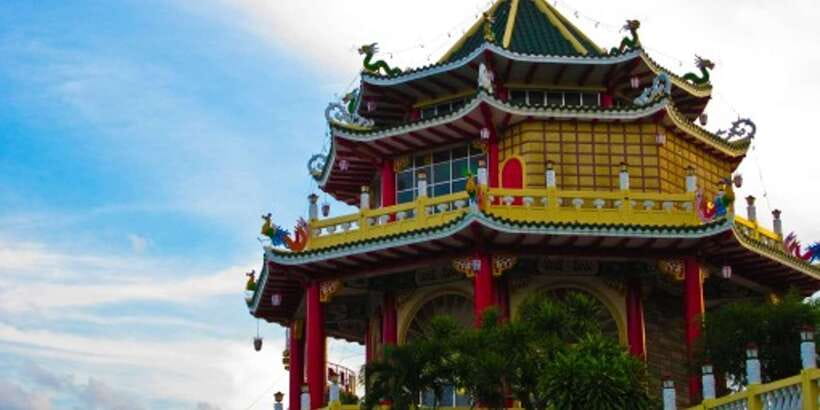
- The Cebu Taoist Temple adds a quiet pause and broad views toward Cebu City, Mandaue, and Lapu-Lapu.
- Lunch at a local restaurant breaks up the sightseeing, with a buffet-style meal reported as one strong option.
- Mactan Island brings the story forward to Datu Lapu-Lapu and the island’s guitar-making tradition.
- Private transport and hotel pickup matter in Cebu, where traffic can turn short drives into slow ones.
Why This Seven-Hour Route Works
Cebu City is not a place I would want to tackle only by walking between sights. Its important places are spread out, and the route crosses from the central city to higher ground, then over to Mactan Island. Having a vehicle and driver keeps the day practical.
The private-group format is useful if you want to ask questions, adjust the rhythm, or keep your own party together. It also makes the $116 price more sensible when two or more people share the experience, though the stated rate is per person. The guide speaks English or Japanese, and hotel pickup in Cebu City is included.
This is a history-first tour, but it does not stay inside churches and forts all day. You get religion, colonial-era stories, a private family house, Taoist worship, lunch, a national hero, and local craft. That range gives you a better feel for Cebu than a list of monuments alone.
Still, seven hours goes quickly. Traffic is the unpredictable part. One past pairing, guide Miss Belle and driver Carlo, earned especially strong praise, with Carlo handling difficult roads and Miss Belle explaining history in a friendly way. Other bookings named Liz as the guide, with similar praise for her explanations of Cebu’s culture and daily life. Guide assignments can vary, but these comments point to the value of having both a good guide and an experienced driver.
You can also read our reviews of more city tours in Cebu City
Magellan’s Cross and the Basilica of the Holy Child
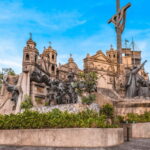
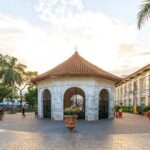
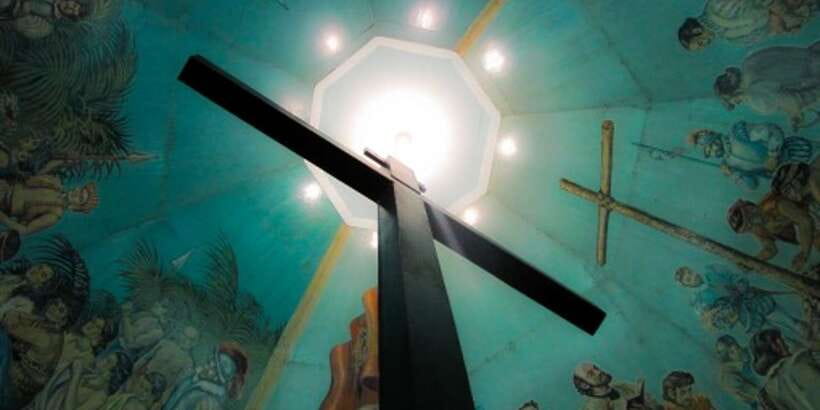
The tour begins at Cebu’s most famous colonial-era cluster: Magellan’s Cross and the Basilica of the Holy Child. Magellan’s Cross is kept inside a chapel, and tradition says the cross was planted when Ferdinand Magellan arrived in the Philippines in 1521.
The setting is compact, so you do not spend much time walking between the first two stops. That is helpful when the day has several more places ahead. It also means the area can feel concentrated, with a lot of historic meaning packed into a small space.
A few steps away, the Basilica of the Holy Child carries even greater weight in Philippine religious history. It was founded as the first church in the islands and became a basilica in 1965 during the 400th anniversary of Christianity in the Philippines.
The church is built of hewn stone and holds the figure of the Holy Child of Cebu, described as the country’s oldest relic. I would pay attention to the connection between the building and the image. This is not only an old church to photograph. It is a place tied to Cebu’s identity and to the arrival and spread of Christianity in the Philippines.
You should dress and act respectfully at religious sites. The schedule allows you to see the main points, but it is not designed as a long, quiet church visit. If your main interest is religious art or worship, you may want more time than this route provides.
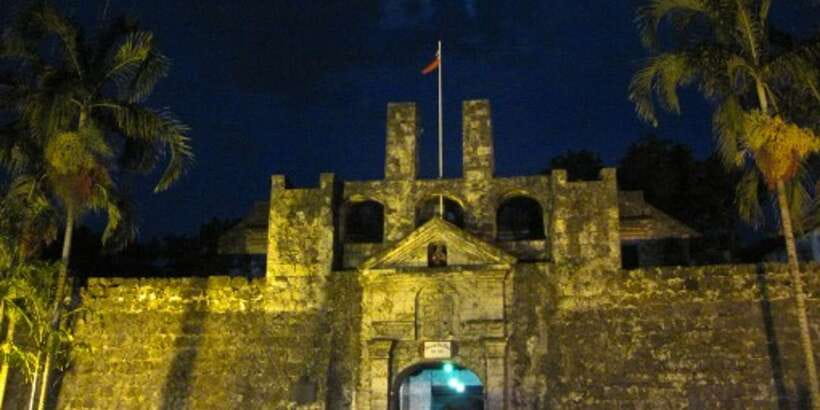
Fort San Pedro and Cebu’s Spanish-Era Story
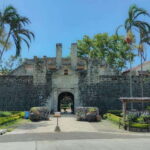
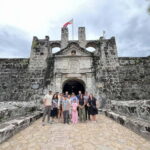
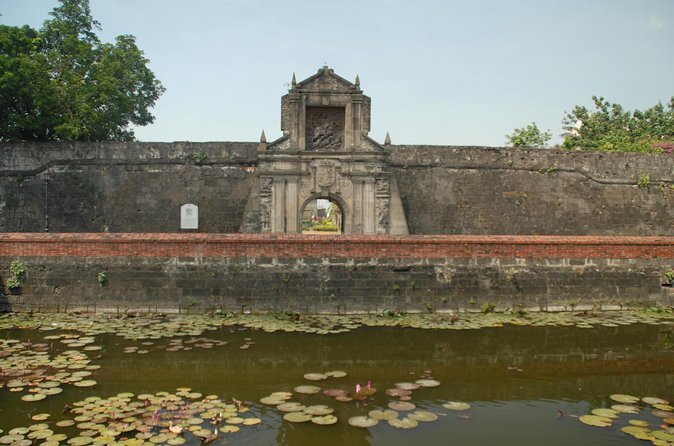
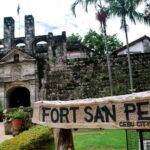
Fort San Pedro follows the basilica. It was built by Spanish and indigenous Cebuano laborers, giving the site a direct connection to the colonial period and to the local people who constructed it.
The fort adds a military angle to the morning. After the cross and church, you see how the Spanish presence was defended rather than only commemorated. The stop helps connect Cebu’s religious, political, and military past.
Do not expect a huge fortress complex. The value lies in the setting and the explanation. A guide can help you understand why this small fort matters in the wider story of Cebu, something that is harder to grasp from a quick walk around the walls.
This is one point where a private tour has a clear advantage. You can ask for context instead of simply moving from one photo stop to the next. The quality of the explanation will depend on the guide assigned, but the strongest feedback for this tour repeatedly praised the guides’ ability to make history easy to follow.
The 300-Year-Old Yap Ancestral House
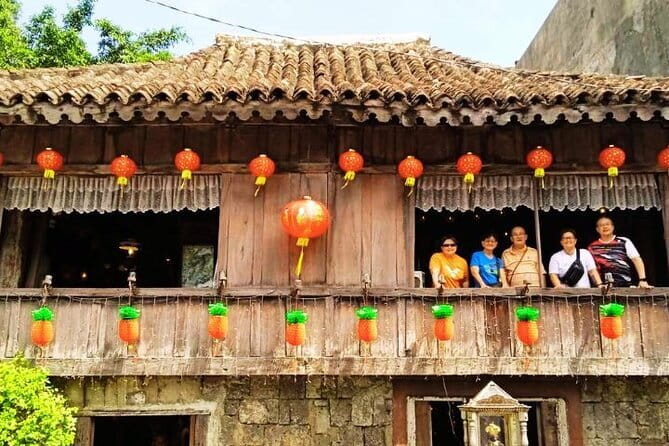
The Yap Ancestral House changes the tone of the morning. This 300-year-old home has been converted into a showcase for a personal collection of antiques.
I like this stop because it shifts attention away from official monuments. A house can tell you about family life, taste, storage, furniture, and the way earlier generations lived. The antiques give the guide something concrete to discuss, rather than asking you to picture Cebu’s past from dates alone.
The supplied details do not list every object in the collection, so it is best to approach this as a historic home with antiques rather than expect a formal museum with a fixed collection. The stop should suit you if you enjoy old buildings and personal objects. It may feel less essential if you only want the city’s biggest landmarks.
Its age is the key point. At 300 years, the house connects Cebu’s present streets with a period long before modern hotels, bridges, and traffic. That makes it a useful counterpoint to the grander basilica and fort.
Cebu Taoist Temple and the City View
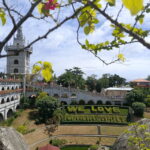
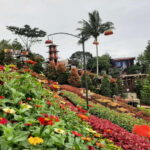
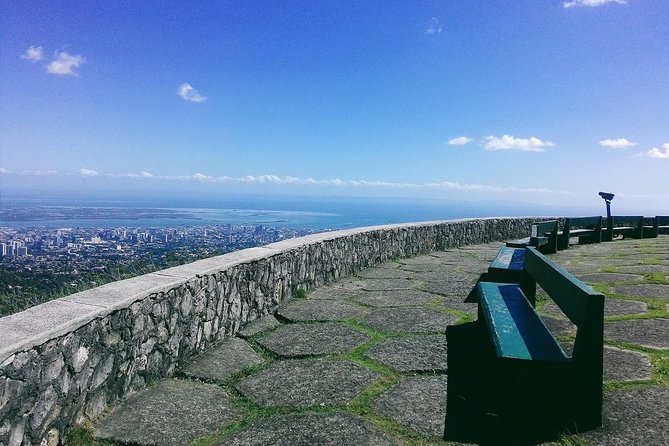
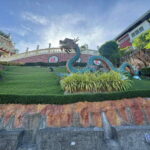
The Cebu Taoist Temple offers a quieter section of the route. You visit the temple and take in views of Cebu City, Mandaue, and Lapu-Lapu.
This stop gives the itinerary breathing room. After several historical sites in the central city, the temple offers a different religious setting and a higher viewpoint. The view also helps you understand the relationship between the places you visit during the day, especially Cebu City and Mactan’s Lapu-Lapu.
The visit is described as peaceful, which is exactly how I would treat it. You are not coming here for a long religious lesson or a strenuous walk. You are coming for the temple atmosphere, the change of pace, and the city view.
Because this is an active religious place, behave with care and follow local expectations. The tour provides a general visit rather than promising a private ceremony or special access. That is worth knowing before you arrive.
A few more Cebu City tours and experiences worth a look

Lunch at a Local Restaurant
Lunch comes after the Taoist Temple and before the crossing to Mactan Island. The meal is included only if you choose the lunch option, and drinks and snacks are not included.
One past booking specifically praised a buffet called PUSO. The meal was described as generous, with attentive staff making sure the group was looked after. Another booking praised the lunch as delicious and plentiful. These details suggest that the meal is more than a token stop, but the exact restaurant and menu should not be treated as guaranteed unless confirmed for your date.
The timing makes sense. You have already visited several sites, and a proper meal gives you a chance to sit down before the afternoon route. If you choose the option without lunch, you will need to budget for food yourself. Either way, remember that drinks are extra.
I would compare the two booking options before paying. If the price difference is modest, the included lunch may be worthwhile for convenience. If you have strict dietary needs, ask what the selected restaurant can provide, since the supplied information does not give menu or dietary details.
Crossing to Mactan Island via Marcelo Fernan Bridge
After lunch, the tour heads to Mactan Island across Marcelo Fernan Bridge. The bridge connects Cebu City and Mactan Island and marks a clear change in the day’s geography.
This is not presented as a separate sightseeing stop, but it helps make the twin-city idea clear. You begin in Cebu City, then cross to Mactan for sites linked to the island’s own history and craft traditions.
Traffic is the practical concern. Cebu roads can be difficult, and one highly praised driver was singled out for handling the traffic skillfully. That is an important part of the experience, not a minor detail. A private vehicle means you are not searching for taxis between stops, but it cannot remove congestion from the route.
If you are prone to motion sickness or simply dislike long road stretches, keep that in mind. The tour is seven hours, and the bridge crossing is part of a larger driving itinerary rather than a scenic cruise.
The Lapu-Lapu Shrine
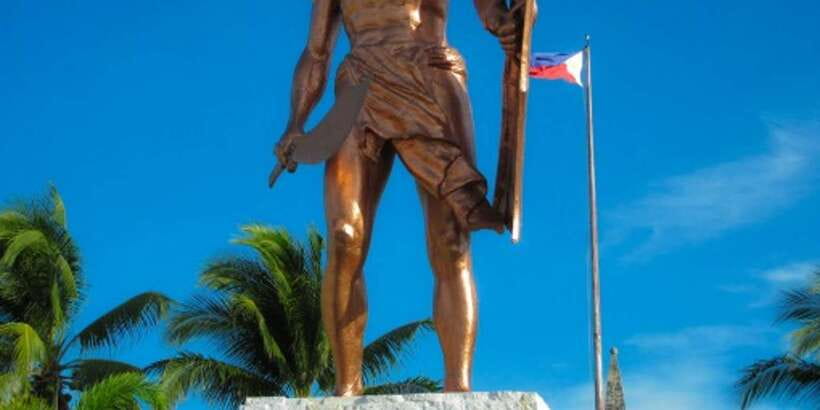
The first Mactan stop is the Lapu-Lapu shrine, marked by a 20-meter bronze statue honoring Datu Lapu-Lapu, an indigenous hero.
The statue brings the 1521 story into a different frame. Earlier in the day, Magellan’s arrival is presented through the cross and basilica. Here, the focus turns to the local figure associated with resistance to Magellan. Seeing both sites on one route gives you a fuller picture than treating the arrival as a one-sided European story.
The shrine is a direct, visual stop. The giant bronze figure makes the location easy to understand even if you are not a specialist in Philippine history. Your guide’s explanation is important here, since the meaning of the statue reaches beyond its size.
Do not expect a long museum visit at the shrine based on the information provided. It is best regarded as a place to see the monument, hear the story, and connect Mactan with the events introduced earlier in Cebu City.
Watching Traditional Philippine Guitars Take Shape
The final stop is a local guitar factory. You see how traditional Philippine guitars are made before returning to your hotel.
This is a welcome finish because it shows a living craft rather than another historical site. You have spent the day looking at old buildings, relics, statues, and antiques. The guitar factory gives you something made in the present and tied to local skill.
The description does not promise a hands-on workshop or a chance to build an instrument. You should expect a visit focused on seeing the production process. If you like craft traditions, this may be one of the most memorable stops because it connects culture with work and everyday products.
It is also a useful place to consider purchases, though the provided details do not state whether instruments or other goods are sold. Ask your guide rather than assume. The stop is included as part of the route, and the tour then returns you to your Cebu City hotel.
Guide Quality, Vehicle, and Group Style
The strongest praise goes to the staff. Miss Belle, also called Annabelle, was praised for making historical information friendly and easy to follow. Liz was also praised for explaining history, culture, and life on Cebu. Driver Carlo received repeated approval, especially for professional driving in difficult traffic.
Those names come from individual bookings, so you should not assume a particular guide or driver will be assigned to you. Still, they show what makes this type of tour work: a guide who can explain without turning the day into a lecture, and a driver who knows how to manage the roads.
Transportation is included, as are entrance and admission fees. Hotel pickup and drop-off are included for hotels in Cebu City. The group is private, and the available guide languages are English and Japanese.
The transport received a perfect score from 91 percent of the people who rated that part of the service. The overall score is 4.8 from 24 ratings. That is a small sample, but the pattern is clear: service and transport are central strengths.
Is $116 a Fair Price?
At $116 per person, this tour costs more than arranging a few independent taxi rides and visiting only the cheapest stops. You are paying for a private group, hotel transfers, a driver, a live guide, entrance fees, and a route that links Cebu City with Mactan Island.
The value improves if you are traveling with family or friends and want a private vehicle. It also improves if you would otherwise spend time arranging several separate rides. Cebu traffic makes that planning more tiring than the map might suggest.
The lunch option changes the calculation. A buffet-style lunch has been praised for generous portions, but snacks and drinks remain extra. Check that lunch is selected if you want it included.
I would consider this a good value for a first visit, especially if you have one day for the two cities and want historical context rather than isolated photo stops. It is less attractive if you prefer a slow schedule, independent exploration, or long visits at each site.
Who Should Book This Tour?
I would recommend it to first-time visitors staying in Cebu City who want a broad introduction in one day. Families may appreciate the private format and hotel transfers, while history-minded visitors will value the cross, basilica, fort, ancestral house, and Lapu-Lapu shrine.
It also suits you if you want to combine city sights with Mactan Island without arranging the bridge crossing and separate transport yourself. English and Japanese guiding make the tour practical for a wider range of visitors.
I would hesitate if your priority is shopping, beaches, nightlife, or a relaxed schedule. This is a sightseeing route with several stops and road time. The itinerary is full, and traffic can affect how long you spend in each place.
Should You Book It?
Book this tour if you want Cebu’s main historical sights, Mactan’s Lapu-Lapu shrine, a local lunch option, and a guitar-making visit handled in one private day. The best reasons are the range of stops, the included transport and admissions, and the strong record for guides and drivers.
Before booking, confirm the lunch option, your hotel’s pickup eligibility, and the available guide language. If you accept a fairly busy schedule, $116 buys a useful first look at both Cebu City and Mactan Island. If you want depth at one or two sites, choose a slower, more focused outing instead.
FAQ
How long does the Mactan and Cebu Twin City Tour last?
The tour lasts seven hours.
What languages are available for the live guide?
The guide is available in English or Japanese.
Is hotel pickup included?
Yes. Pickup and drop-off are included from your hotel in Cebu City.
Is the tour private?
Yes. The experience is offered for a private group.
Is lunch included?
Lunch is included if you choose the lunch option. Snacks and drinks are not included.
Which sites are included in the itinerary?
The route includes Magellan’s Cross, the Basilica of the Holy Child, Fort San Pedro, the Yap Ancestral House, Cebu Taoist Temple, the Lapu-Lapu shrine, and a local guitar factory.