Half-Day Manila City Tour
Manila rewards context. This four-hour city tour links Spanish colonial sites, Jose Rizal’s memorial park, Manila Bay, and a quiet World War II cemetery, giving you a clear first look at the city without wrestling with transport on your own. I especially like the small maximum group of six and the way the route joins several very different chapters of Philippine history.
I also like that admission fees are included and that an English-speaking guide leads the visit. Guides such as Jonas, Richard, Jen, Joan, Amy, Vangie, and Jezzy have been praised for clear explanations, good humor, and real enthusiasm for Manila. The main drawback is time: four hours goes quickly, and city traffic can stretch the tour while leaving some stops feeling brief.
In This Review
- Key Points Before You Book
- Why This Short Tour Works as a First Look
- Casa Manila: A Colonial Home You Can Read
- Rizal Park and the Story of National Identity
- San Agustin Church: The Oldest Church on the Route
- Intramuros: Manila Behind the Walls
- Fort Santiago and Manila Bay
- The American Cemetery and Memorial
- Guides, Drivers, and the Value of Personal Attention
- Is $107.70 a Fair Price?
- Timing, Pickup, and What to Bring
- Who Will Get the Most From This Tour?
- Should You Book the Half-Day Manila City Tour?
- FAQ
- How long does the Manila City Tour last?
- What is included in the price?
- Is hotel pickup available everywhere in Manila?
- What sites are included?
- Is food included?
- How many people can join the tour?
- Is the tour suitable for children?
- What happens if bad weather cancels the tour?
Key Points Before You Book
- Small groups of up to six: You get a more personal format than a large coach tour, with a better chance to ask questions.
- Three centuries of history in one morning or afternoon: Intramuros and San Agustin Church explain Spanish rule, while Rizal Park and Fort Santiago add the story of national identity and wartime memory.
- Hotel pickup is limited: Transfers cover hotels in Manila Bay or Makati, not every address in the wider Manila area.
- The American Cemetery is a major stop: Its calm setting and World War II memorial give the tour a different mood from the colonial sites.
- The price is $107.70 per person: That is a substantial outlay for four hours, but it includes transport from eligible hotels, a guide, and entrance fees.
- Plan for a little walking: You need a moderate level of fitness, and the tour works best with comfortable shoes and a flexible attitude toward traffic.
Why This Short Tour Works as a First Look
Manila can feel hard to read at street level. Several historical periods overlap, neighborhoods are spread apart, and traffic can turn a simple journey into a slow one. This tour helps by putting the main sights into a single route and giving you a guide to explain how they connect.
You are not simply checking off churches and forts. The route moves from Spanish colonial power to Filipino nationalism, then to World War II and the American military presence. That sequence gives the tour a useful shape, even though each stop receives only about 30 minutes.
The small group limit matters here. With no more than six people, you should have a better chance to hear the guide and ask about details that catch your attention. The strongest reports about the guides praise their personal attention, punctuality, humor, and ability to answer questions. Joan, Richard, Jen, Amy, Vangie, Jezzy, and Jonas are all singled out for making the history easier to follow.
Still, keep your expectations sensible. This is an introduction, not a slow study of Intramuros. You may leave with a strong sense of what you want to revisit later, but you will not have hours for every museum room, church detail, or fort passage.
You can also read our reviews of more city tours in Manila
Casa Manila: A Colonial Home You Can Read
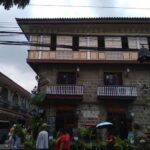
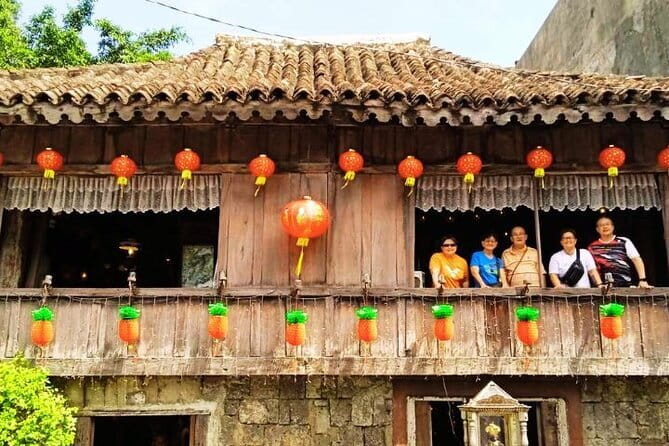
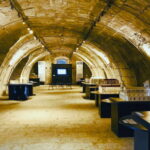
Casa Manila is a museum in Intramuros that presents the lifestyle of the Spanish colonial period. Its value is visual and practical. Instead of hearing only about colonial society in the abstract, you see how a well-off home was arranged and furnished.
The 30-minute visit is short, so listen closely to the guide rather than trying to inspect every object at leisure. The house helps explain the social order behind Intramuros, where government, religion, and elite life were concentrated during Spanish rule.
I like this stop because it adds daily life to a tour otherwise filled with grand public places. Churches and fortifications tell you who held power. Casa Manila helps show how that power shaped the home.
You may find the pace a little brisk if historic interiors are your main interest. For a first visit, though, the short stop gives you enough background to make the rest of Intramuros more meaningful.
Rizal Park and the Story of National Identity
Rizal Park, formerly called Bagumbayan during the Spanish colonial period, is one of the tour’s most important historical spaces. It is tied to Jose Rizal, the Filipino national hero, and offers a setting for understanding the country’s movement toward national identity.
The park also provides a change of rhythm. After the enclosed streets and old buildings of Intramuros, you get open public space and a chance to take in Manila at a broader scale. The tour allows time for a visit, though no exact duration is given, so the guide may adjust the stop according to traffic and the group’s schedule.
I would pay attention to the explanation here, especially if you know little about Rizal or Philippine independence. The stop is not only about a pleasant park. It helps explain why certain people and events remain central to the country’s public memory.
One practical point: do not count on a long, unhurried stroll. This is a highlights tour, and the route has several more stops ahead.
San Agustin Church: The Oldest Church on the Route
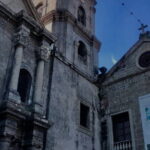
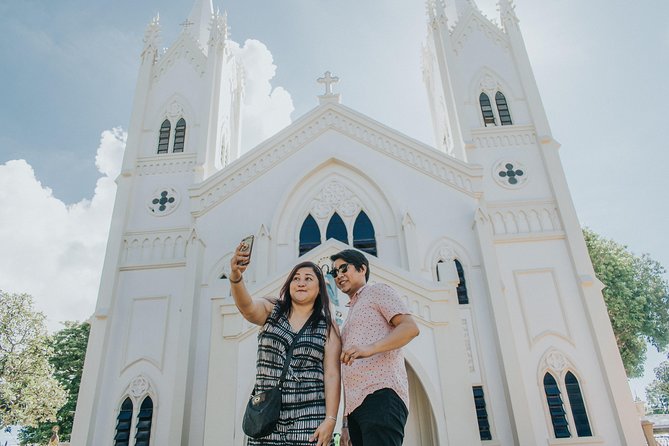
San Agustin Church, also called the Immaculate Conception Parish, was completed in 1607 and is identified as the oldest church in the Philippines. Its age alone makes it a key stop, but the larger value comes from seeing how religion shaped Spanish Manila.
You get about 30 minutes with admission included. That is enough for a focused visit and an explanation of the church’s place in the country’s past. Your guide can connect the building to the Order of St. Augustine and to the wider role of Catholic institutions during Spanish rule.
I would use this stop to ask questions. A good guide can help you notice details that might otherwise blend into the general appearance of an old church. The guide quality is one of the tour’s most praised features, and this is exactly the kind of site where clear explanation improves the visit.
The limitation is the same as at Casa Manila. Half an hour is an introduction. If you care deeply about church architecture, religious art, or colonial construction, you may want to return later with more time.
Intramuros: Manila Behind the Walls
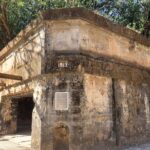
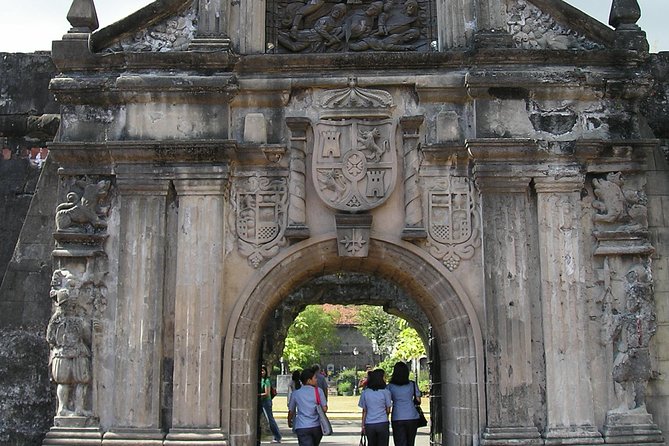
Intramuros means within the walls, and this walled city was once the center of Spanish government and political power in Manila. The tour gives you another 30-minute portion of the visit here, alongside Casa Manila, San Agustin Church, and Fort Santiago.
That concentration is useful. You see that Intramuros is not one isolated monument. It is a historic district where homes, religious buildings, government power, and military defense once worked together.
The guide’s role is especially important on the streets. Without context, old walls and colonial buildings can seem like scattered remnants. With a good explanation, you begin to understand Intramuros as the Spanish seat of Manila and a symbol of colonial rule.
There is also a caution here. One report describes a guide who stayed on the vehicle or outside some sites rather than walking in to explain them. That experience appears inconsistent with the stronger reports, but it is a fair question to clarify at the start: ask if the guide will accompany you inside each stop.
A few more Manila tours and experiences worth a look




Fort Santiago and Manila Bay
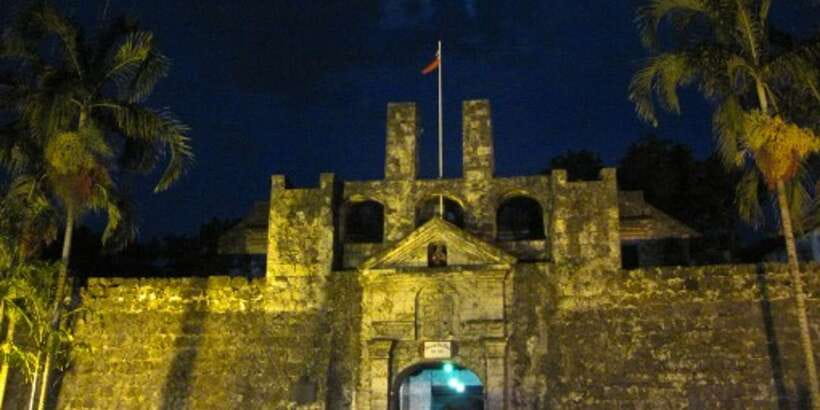
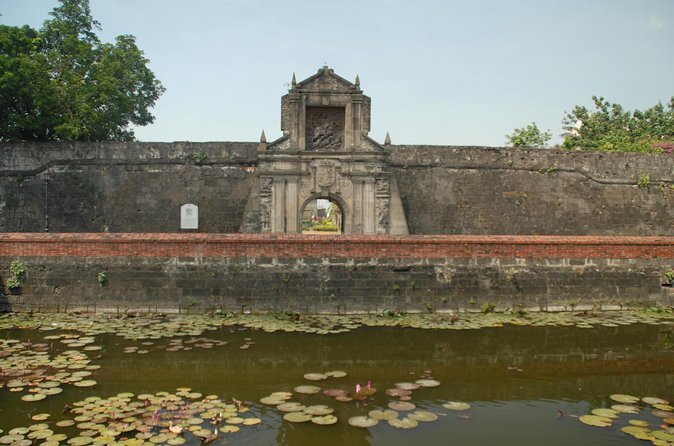
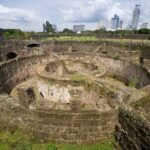
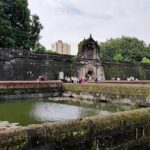
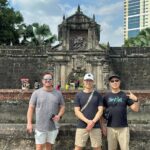
Fort Santiago was first built by Spanish navigator and governor Miguel López de Legazpi for the new city of Manila. It formed part of Intramuros’s defensive walls and gives the colonial section of the tour a military focus.
The 30-minute visit is enough to understand why the fort mattered, but not enough for a leisurely exploration. I would listen for how the fort fits into the larger story of Manila rather than treating it as a standalone photo stop.
Manila Bay is also included in the route. It is a natural harbor serving the Port of Manila, and its presence helps explain the city’s long importance as a port and center of trade. The supplied details do not specify a separate admission or exact stop length, so you should think of this as a route highlight rather than a guaranteed long waterfront visit.
Together, Fort Santiago and Manila Bay show why Manila mattered to outside powers. The fort protected the city, while the harbor connected it to wider trade and military networks.
The American Cemetery and Memorial
The American Cemetery and Memorial honors World War II veterans and adds the tour’s most reflective stop. It is a useful counterpoint to the Spanish colonial sites because it shifts the story forward into the twentieth century and the war in the Pacific.
The visit is listed as 30 minutes. That may be enough to walk through the memorial area, take in the names and setting, and listen to the guide’s explanation. One strong account calls this the highlight of the tour, while another praises the chance to honor those who fell.
I would not rush this stop. The cemetery has a different mood from the other locations, and its meaning depends less on sightseeing than on taking a quiet moment to understand what happened. If World War II history matters to you, this part may be the main reason to choose the tour.
It also helps prevent a narrow view of Manila. The city’s story is not only Spanish churches and old walls. The war left its own mark, and this memorial makes that clear.
Guides, Drivers, and the Value of Personal Attention
The clearest strength of this experience is the human side. Multiple guides are praised for punctuality, clear English, friendliness, humor, and strong command of local history. Jonas is described as attentive and enthusiastic. Richard is praised for historical depth and humor, while Jen is noted for flexibility and extra help during and after the tour.
Joan is praised for communication and for showing the main sights on time. Amy receives credit for one-on-one explanations and answering questions. Vangie is described as fun and well organized, and Jezzy is praised for making the history memorable.
Those details matter more than a polished vehicle or a long list of stops. Manila’s history has many names, dates, and changes in government. A guide who explains the links can turn a quick ride into a useful orientation.
The driver also matters because traffic affects the whole experience. One account praised Richard and driver Frances as professional and well informed. Another said traffic made the tour longer than expected. You should allow some flexibility after the scheduled four hours, especially if you have a flight, dinner reservation, or another timed activity.
Is $107.70 a Fair Price?
At $107.70 per person, this is not a bargain city shuttle. The price makes more sense if you value convenience, a small group, a private-feeling format, and a guide who can put the sights into context.
Your fee includes admission to all sites, professional English-language guiding, and hotel pickup if your hotel is in Manila Bay or Makati. Food and drinks are not included. Since transport is arranged for you, you avoid figuring out how to connect distant parts of Manila during a short visit.
The value drops if you are staying outside the eligible pickup area, dislike a fixed schedule, or prefer to spend a full afternoon at one historic district. It also drops if your guide does not accompany you inside the sites, since explanation is a major part of what you are paying for.
For a first visit with limited time, I think the cost can be justified. You are buying orientation and reduced friction, not just entry tickets. For repeat visitors, independent explorers, or people focused on one subject, a longer and more focused outing may make better sense.
Timing, Pickup, and What to Bring
The tour lasts about four hours, but traffic can extend the total time. Pickup is provided only for hotels located in Manila Bay or the Makati area, and the pickup time is supplied at least one day before the tour.
Be at the hotel entrance at the stated time. The maximum wait is 30 minutes, and failing to arrive during that window is treated as a no-show. Since the activity is non-refundable and cannot be changed after booking, check your hotel address and schedule carefully before paying.
Wear comfortable shoes and be ready for a moderate amount of walking. You will move through historic areas, a church, a fort, a park, and a memorial site. Food and drinks are your responsibility, so plan around the half-day timing.
The tour requires good weather. If poor weather causes cancellation, you are offered another date or a full refund. That is helpful, but you should still avoid placing an important same-day connection too close to the scheduled finish.
Who Will Get the Most From This Tour?
I would recommend it most strongly to first-time visitors who want a clear introduction to Manila. It suits you if you want the major historical stops, prefer not to manage city transport, and enjoy asking a guide questions along the way.
It is also a good fit for visitors with only one free morning or afternoon. The route covers Spanish colonial Manila, Filipino national memory, Manila Bay, and World War II in a compact format.
Families may like the simple logistics, but remember that the child rate applies only when a child shares with two paying adults. Children must be accompanied by an adult.
You may want another option if you need a slow pace, have limited walking ability, or want long, detailed visits inside each site. The supplied information calls for moderate physical fitness, and the schedule leaves little room for lingering.
Should You Book the Half-Day Manila City Tour?
Book it if you want a well-organized first look at Manila and place a high value on a strong English-speaking guide. The best parts are the small group size, included admissions, hotel transfer from Manila Bay or Makati, and the range of history covered in four hours.
Before booking, confirm that your hotel qualifies for pickup and that you can handle a fixed schedule with possible traffic delays. Ask whether the guide will enter each site with you, since one account found that this made a major difference.
At $107.70, the tour is best viewed as a convenient history lesson with transport, not a cheap sightseeing ride. For a first visit, I would choose it when time is tight. For a slower, more independent trip, use it as an orientation and return to Intramuros and the cemetery on your own schedule.
FAQ
How long does the Manila City Tour last?
The tour lasts approximately four hours. Traffic may make the overall experience longer than scheduled.
What is included in the price?
Entrance fees to all listed sites, a professional English-speaking guide, and hotel pickup are included for eligible hotels in Manila Bay or Makati.
Is hotel pickup available everywhere in Manila?
No. Hotel pickup is provided only for hotels located in the Manila Bay or Makati areas.
What sites are included?
The route includes Casa Manila, Rizal Park, San Agustin Church, Intramuros, Manila Bay, Fort Santiago, and the Manila American Cemetery and Memorial.
Is food included?
No. Food and drinks are not included in the tour price.
How many people can join the tour?
The activity has a maximum of six travelers.
Is the tour suitable for children?
Children must be accompanied by an adult. The child rate applies only when sharing with two paying adults.
What happens if bad weather cancels the tour?
If poor weather causes cancellation, you will be offered a different date or a full refund.