Manila: Old & New 4-Hour City Tour
Manila tells its story in layers. This half-day tour links modern Makati with the walled Spanish city of Intramuros, the American Cemetery, Rizal Park, and Fort Santiago, giving you a useful first look at how the Philippines moved from colonial rule to a modern financial capital. I especially like the strong contrast between Makati’s polished office towers and Intramuros’ weathered stone walls, plus the chance to visit the beautifully kept American Cemetery and Memorial. The main drawback is time: four hours is enough for an overview, but traffic can stretch the outing to five hours and leave Old Manila feeling a little rushed.
I also like that the tour uses an air-conditioned van, a real comfort in Manila, and includes admission fees and hotel transfers from selected areas. Guides such as Omar, Fernando, Richard, Stella, and Rolly have earned praise for making the history clear, warm, and conversational. You should still wear good walking shoes, since Fort Santiago and Intramuros are explored on foot.
In This Review
- Key points at a glance
- Why this tour works for a first look at Manila
- Makati and Ayala Boulevard: Manila’s modern face
- The American Cemetery and Memorial: a quiet and serious stop
- Roxas Boulevard and Rizal Park: the road into old Manila
- Walking into Intramuros: stone walls and Spanish rule
- San Agustin Church: the finest architectural pause
- Fort Santiago: Jose Rizal’s final days
- The guides and driver make the difference
- Timing, pickup, and practical details
- Who should book this Manila city tour?
- Should you book the Manila Old and New tour?
- FAQ
- How long is the Manila Old and New city tour?
- Where can pickup and drop-off take place?
- Is the tour conducted in English?
- Are entrance fees included?
- Is food included?
- Is the tour suitable for wheelchair users?
Key points at a glance
- Makati begins the story: Start among Manila’s financial towers before crossing into older districts.
- The American Cemetery is a quiet pause: Thirty minutes here brings a serious World War II memorial into the day.
- Intramuros supplies the strongest sense of place: Ancient walls, cobbled streets, ruins, and churches show Manila under Spanish rule.
- San Agustin Church is a major highlight: Its Baroque design and status as the country’s oldest stone church make it more than a quick photo stop.
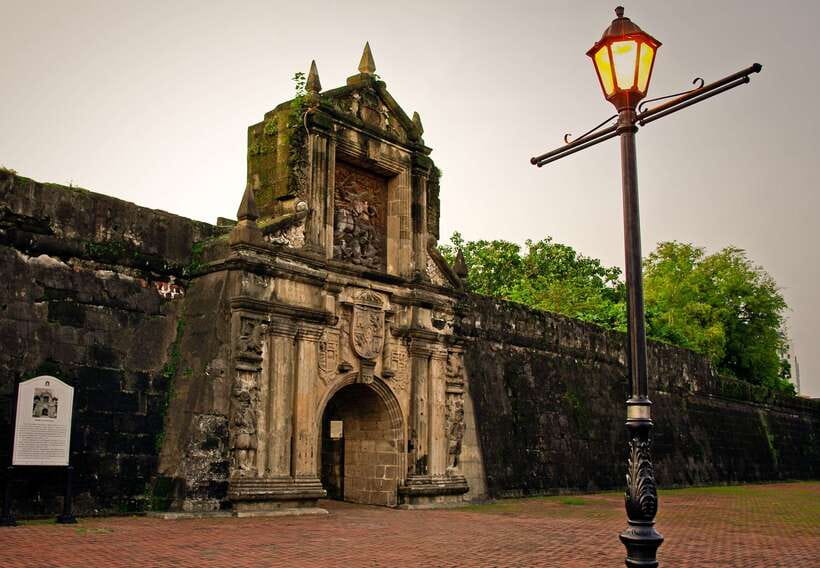
- Fort Santiago adds a personal Philippine story: Jose Rizal spent his final days here and wrote My Last Farewell.
- Traffic shapes the experience: The driver is essential, but you should avoid scheduling another fixed activity immediately afterward.
Why this tour works for a first look at Manila
Manila can be hard to read from a car window. The city is spread across several districts, and its modern business centers, colonial core, memorials, shopping areas, and crowded streets do not form one tidy postcard view. This tour gives you a basic map and a historical frame in a short time.
The route begins in Makati, the Philippines’ financial center. From there, it moves past Ayala Boulevard and Forbes Park, then toward Manila’s older center along Roxas Boulevard. The shift is the point. You see wealth and corporate power, memorial grounds and national parks, then the surviving walls of a Spanish fortress city.
I would choose this tour if you have only a morning or afternoon in Manila, are stopping over between flights, or want some orientation before exploring on your own. It also suits you if history matters more than shopping or nightlife. The commentary is a major part of the value, since the guide explains not only the places you visit but also many of the sites passed during the drive.
At $60 per person, it is not the cheapest way to get around Manila. But the price covers a licensed English-speaking guide, an air-conditioned van, return transfers from the Makati and Bay areas, and all entrance fees. For a first visit, that bundle can be worthwhile, especially when you consider the difficulty of crossing Manila in heavy traffic without local help.
You can also read our reviews of more city tours in Manila
Makati and Ayala Boulevard: Manila’s modern face
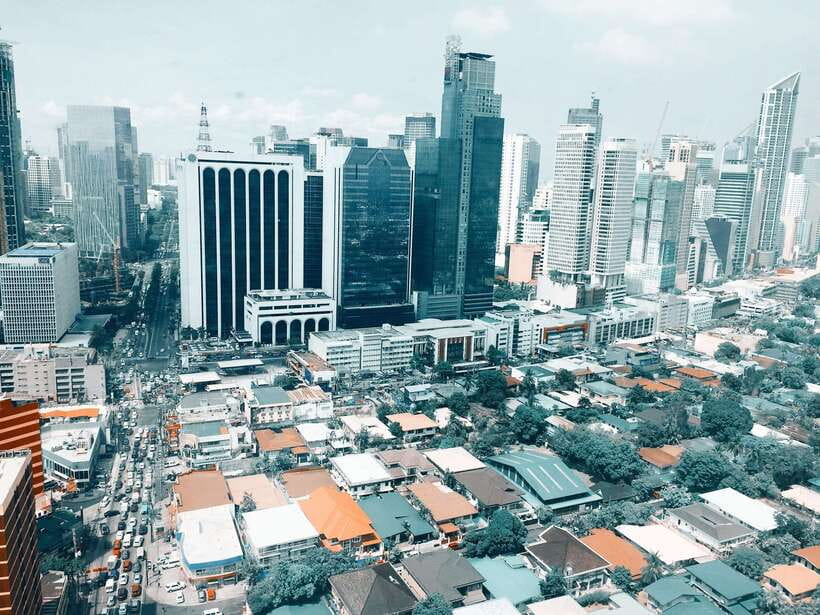
The first part of the route places you in Makati, the city’s financial heart. The tour calls at Nielsen’s Tower along Ayala Boulevard and drives through Forbes Park, an exclusive residential area often known as Millionaire’s Row.
You will not spend the whole tour walking around Makati. This section is mainly a scenic drive, lasting about 45 minutes, with the guide filling in the story from the van. That makes it useful for seeing the scale and character of the modern city without using up your limited walking time.
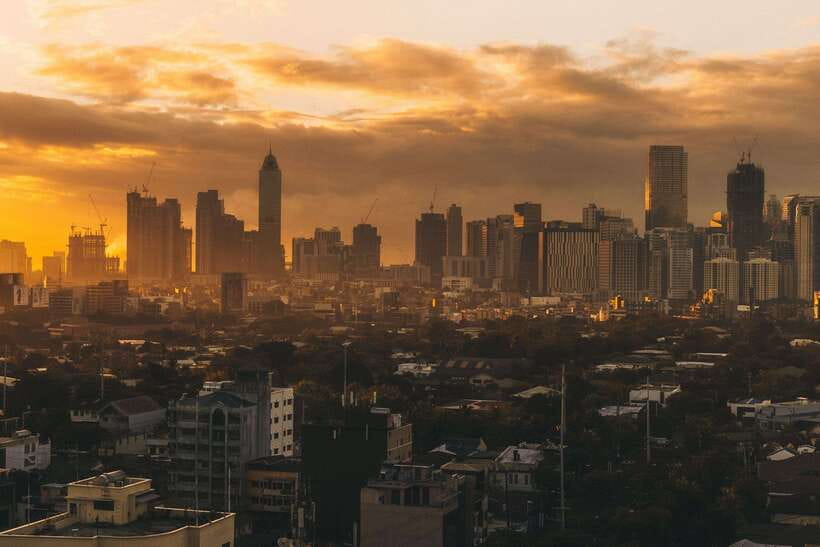
Makati gives the tour its present-day half. Its corporate identity and high-value residential districts offer a clear counterpoint to the old Spanish center. I like this opening because it prevents the tour from treating Manila as only a colonial museum. The city you see today is also a major business center with a very different rhythm and appearance.
The limitation is that a drive cannot replace time on foot. If you want detailed exploration of Makati itself, this tour will not provide it. Think of this section as context, not a full neighborhood visit.
The American Cemetery and Memorial: a quiet and serious stop
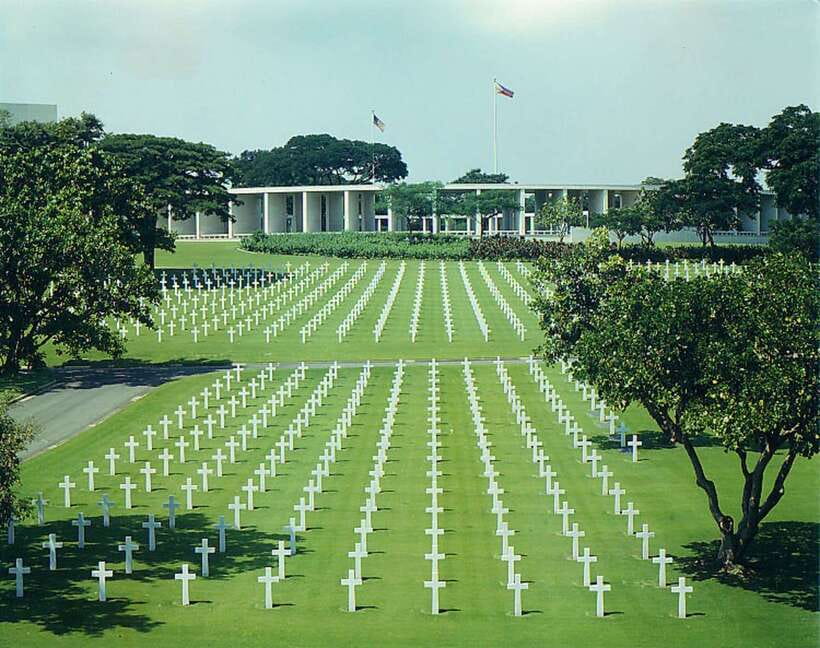
The American Cemetery and Memorial is the first major stop, with roughly 30 minutes for a guided visit, walking, and photographs. It is described as the largest and most beautiful American memorial outside the continental United States, but the value here is not only visual.
The grounds create a sharp change from Manila’s traffic and dense streets. The memorial is connected to the American military dead of World War II, and the setting encourages a slower, more respectful pace. Several people who took the tour singled out this stop as especially interesting or sobering.
Your guide can give the memorial meaning beyond the rows of names and graves. That matters because a quick self-guided visit might leave you seeing only a well-maintained cemetery, rather than understanding its place in the Philippines’ wartime story.
Thirty minutes is enough to see the main features, but not enough for a long, reflective visit. If military history is your main interest, you may wish for more time. For a general city tour, the length is sensible and keeps the route moving.
Roxas Boulevard and Rizal Park: the road into old Manila
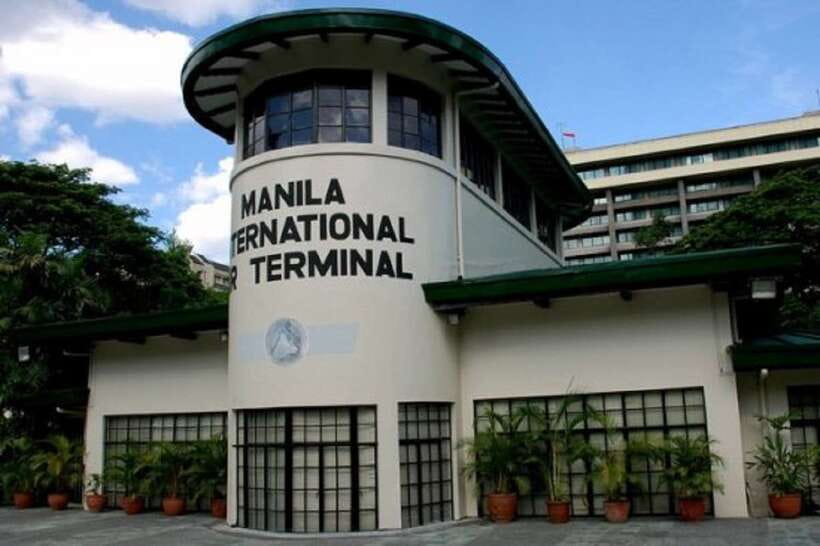
The van then heads toward old Manila along Roxas Boulevard, known as Dewey Boulevard in the past. This drive is more than a transfer between attractions. It helps connect the modern business district with the historic core and gives your guide room to explain the city’s changing identity.
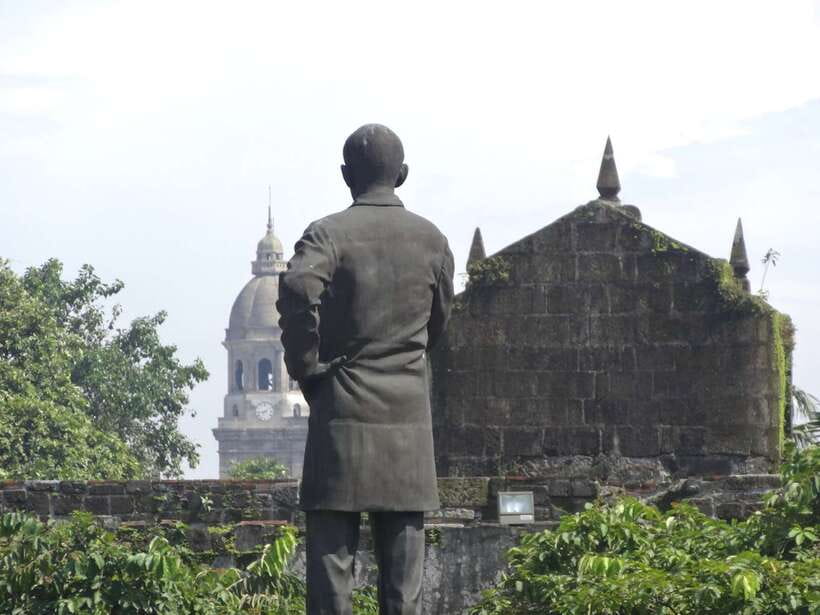
Rizal Park, also called Luneta Park, receives about 20 minutes. It is associated with Dr. Jose Rizal, the Philippine national hero, whose execution helped shape the country’s national story. The stop includes a visit, guided commentary, and photographs.
You should treat Rizal Park as a brief orientation stop rather than a full park visit. Twenty minutes allows you to see the main area and hear why Rizal matters, but not to explore every part of the grounds. The visit works best as a bridge to Fort Santiago, where Rizal’s final days become more personal and tangible.
Traffic can affect this portion of the tour. Manila roads may move slowly, and the time shown for a scenic drive does not always translate into a precise schedule. One afternoon tour ran to around five hours because of traffic, so I would not book a flight, spa treatment, or other timed activity immediately afterward.
Walking into Intramuros: stone walls and Spanish rule

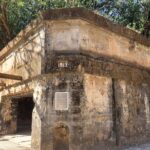
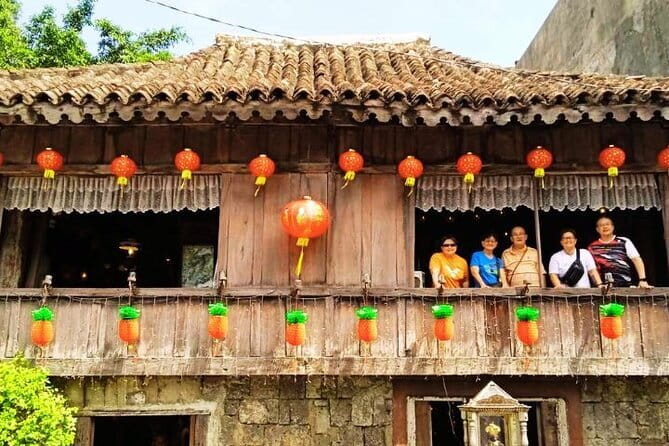
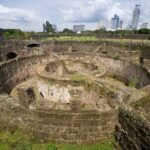
Intramuros means within the walls, and that name explains the district’s basic character. The tour takes you through the old walled city, where you can see ancient defenses, church ruins, colonial remains, and cobbled streets.
This is where the tour becomes most atmospheric, but it also requires the most walking. The old streets and fort grounds are not the place for delicate footwear. Comfortable shoes are specifically recommended, and that advice is worth taking seriously.
The guide’s role is especially useful here. The walls and ruins can look impressive without context, yet the story of Spanish conquest, colonial power, religious influence, and war gives them weight. The tour is not simply showing you old buildings. It is helping you understand why this district still matters to the national story.
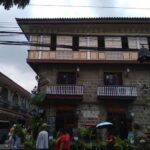
You should expect a working city rather than a perfectly preserved open-air museum. Parts of central Manila can feel crowded, worn, and dirty, a point one visitor made plainly. That contrast is part of the experience. Intramuros has beauty and damage side by side, and the tour gives you only a short look at both.





San Agustin Church: the finest architectural pause
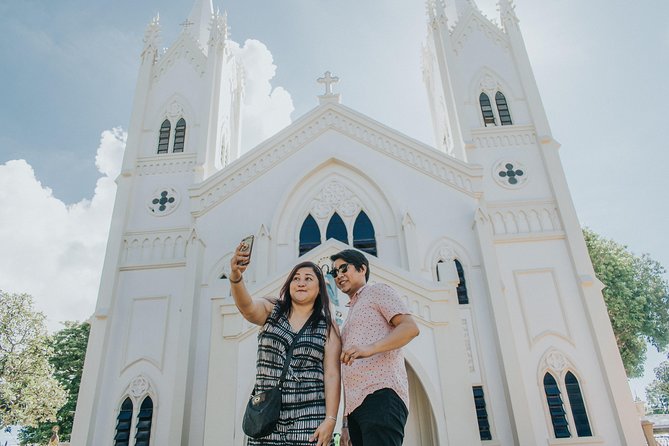
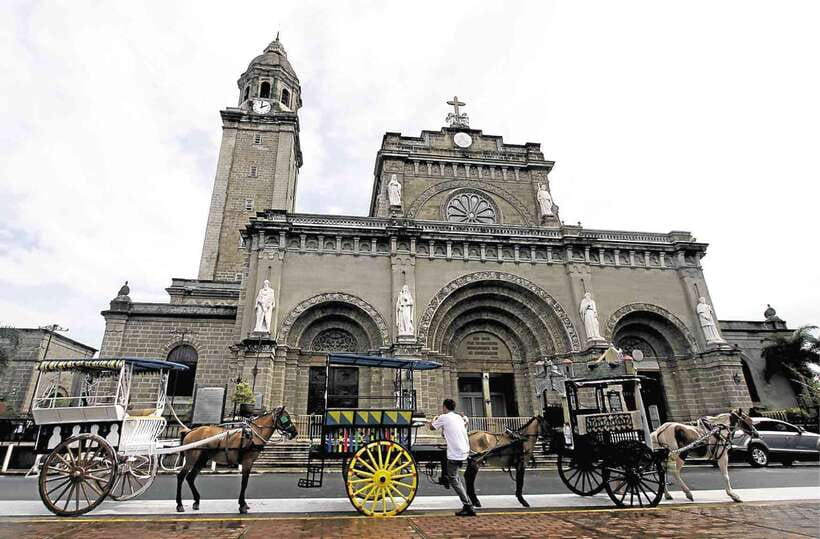
San Agustin Church is one of the strongest stops for architecture. It is the oldest stone church in the Philippines and is known for intricate Baroque design. The visit lasts about 25 minutes and includes sightseeing and walking.
The church gives you a close look at the religious architecture that shaped colonial Manila. Details matter here: stone construction, decorative forms, and the sense of age are more rewarding when a guide points out what you are seeing.
I would not reduce this stop to a quick church photograph. Its UNESCO World Heritage status adds to its importance, but the building is worth attention on its own. Listen to the guide, then take a moment to look upward and around rather than rushing straight back to the van.
Time is again the compromise. Twenty-five minutes is enough for an introduction, but not a long architectural study. If churches are your main interest, you may want a separate visit later. On this tour, San Agustin works well as a focused taste of Intramuros.
Fort Santiago: Jose Rizal’s final days
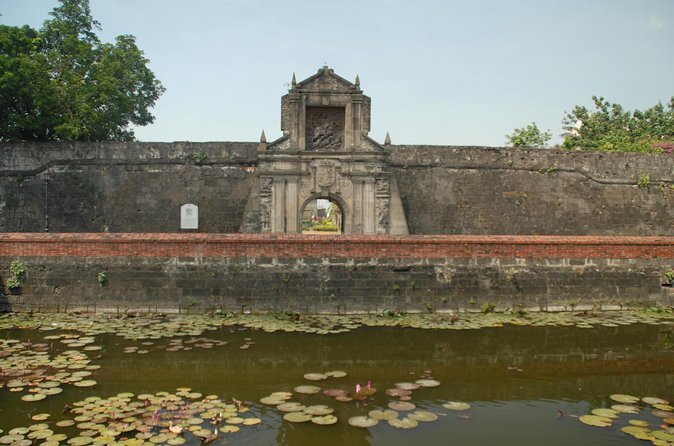
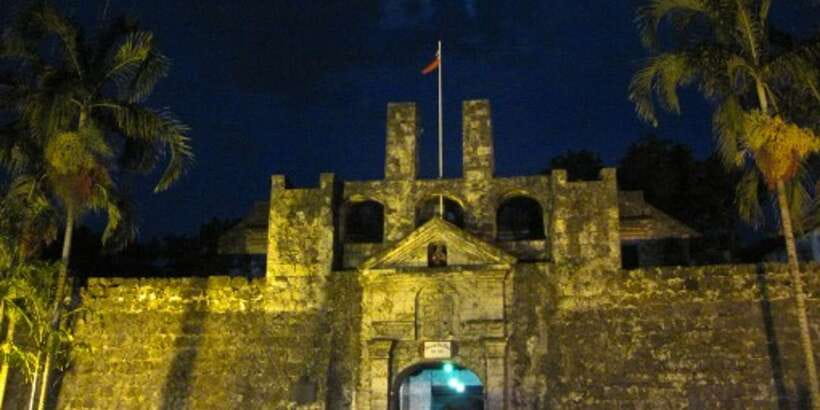
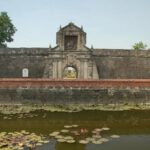
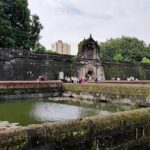
The tour finishes its historical core at Fort Santiago, with around 45 minutes for a guided visit, walking, and photographs. The fortress guarded the entrance to the Pasig River and served as a major Spanish military site.
Fort Santiago is also tied to Jose Rizal, who spent his last days there before his execution. It was here that he wrote My Last Farewell, giving the fortress a personal and emotional link to the national story introduced at Rizal Park.
This is likely the most meaningful stop for you if you want Philippine history rather than simple sightseeing. The fort’s military purpose is important, but Rizal’s imprisonment and final writings make the site easier to connect with as a human story.
The fort requires walking, and the experience can feel more demanding than the earlier stops. One person specifically noted that the air-conditioned vehicle made transport comfortable but that Fort Santiago involved a good amount of walking. Plan for uneven or historic surfaces and outdoor heat, even if the van provides relief between sites.
The guides and driver make the difference
The tour’s strongest repeated quality is the human element. Guides named Omar, Fernando, Richard, Stella, Rolly, RJ, Frank, Ronnie, Norie, and others have been praised for clear explanations, humor, patience, and an ability to answer questions.
That matters because four hours can otherwise become a parade of names and dates. A good guide turns the drive into part of the tour, explains the places you pass, and connects Makati’s modern economy with the colonial and wartime sections of Manila.
Stella received especially warm praise for discussing not only history but also Philippine culture, economic issues, and social concerns. Rolly was praised for recalling dates and responding to questions about history and culture. Omar was often described as friendly and informative, while Richard was noted for his relaxed style and detailed stories.
The drivers deserve credit too. Manila traffic can be severe, and several people praised drivers for handling difficult roads safely. One afternoon journey from a meeting point took much longer than expected because of congestion, while another account described the driver weaving through extremely heavy traffic.
Your experience will depend partly on which guide leads the group. The overall pattern suggests strong guiding, but no short tour can guarantee a particular person. If you are curious and willing to ask questions, you will likely get more from the commentary than someone who treats the van as silent transport.
Timing, pickup, and practical details
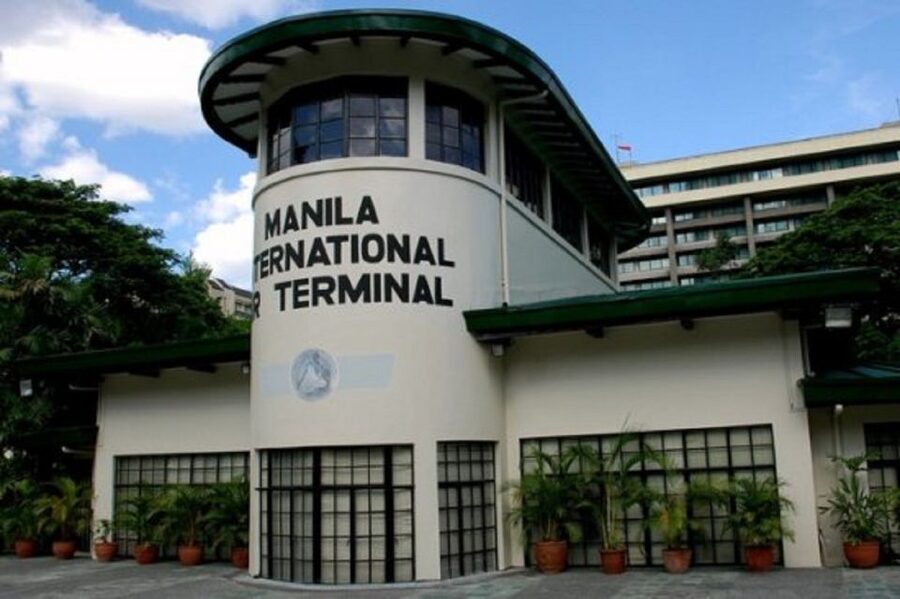
Pickup is offered at four stated hotels: The Manila Hotel, Fairmont Makati, Conrad Manila, and The Peninsula Manila. Return drop-off locations are the same four hotels. Transfers are included only for hotels within Makati City and the Bay Area, so check your accommodation carefully before booking.
You are asked to wait in the hotel lobby 10 minutes before pickup. The driver may hold a sign with your name, or the hotel concierge may page you. Exact pickup details arrive by email, and you should check your spam folder if the message does not appear.
The start time can vary, so check availability for the day you want. An early departure is the safer choice if you want to reduce the chance of losing time to traffic. If you are staying outside the listed pickup zone, allow plenty of extra time to reach the meeting point. One person coming from Quezon City allowed 90 minutes and still arrived late after a trip of more than two hours.
The tour is not suitable for wheelchair users. Smoking and large bags are not allowed, and food and drinks are not included. Bring comfortable shoes, a small personal bag, and your contact details so the local operator can confirm the pickup.
Free cancellation is available up to 24 hours before departure, and you can reserve now and pay later. Those options help if your Manila plans may change, though the key practical question remains the same: can you give the tour a flexible block of time?
Who should book this Manila city tour?
I would recommend it most strongly for first-time visitors, short-stay visitors, and people passing through Manila with limited free time. It gives you modern Makati, a major war memorial, Rizal Park, Intramuros, San Agustin Church, and Fort Santiago in one organized half-day.
It is also a good fit if you want history explained in plain English. The tour has a clear historical focus, with culture and present-day Manila added along the route. You will not spend much time shopping, eating, or exploring neighborhoods independently.
I would hesitate if you prefer a slow pace. The route covers a lot, and the schedule allows only short visits at several places. I would also hesitate if you need a guaranteed finish time, since traffic can extend the day.
Should you book the Manila Old and New tour?
Book it if you want a useful first portrait of Manila without arranging several separate visits. The combination of Makati’s modern wealth, the American Cemetery’s quiet memorial grounds, and Intramuros’ churches and fortifications gives you a much broader view than a tour focused only on old Manila.
The $60 price is reasonable when you use the included transport, guide, and entrance fees. It becomes less attractive if you are already staying near Intramuros and want to explore that district slowly on foot.
Choose an early start, wear sturdy shoes, and leave your afternoon open. If you do that, this tour offers a thoughtful, efficient introduction to Manila’s past and present, with enough history to make the city’s contrasts easier to understand.
FAQ
How long is the Manila Old and New city tour?
The advertised duration is four hours, though heavy traffic can make the tour last longer. One reported outing took around five hours.
Where can pickup and drop-off take place?
Pickup and drop-off are offered at The Manila Hotel, Fairmont Makati, Conrad Manila, and The Peninsula Manila. Hotel transfers apply to locations within Makati City and the Bay Area.
Is the tour conducted in English?
Yes. The tour includes a live English-speaking guide.
Are entrance fees included?
Yes. All entrance fees are included in the $60 price, along with the licensed guide, air-conditioned van, and return hotel transfers from the stated areas.
Is food included?
No. Food and beverages are not included.
Is the tour suitable for wheelchair users?
No. The experience is not suitable for wheelchair users and includes walking at places such as Intramuros and Fort Santiago.