The first time I stepped out of NAIA Terminal 3 with luggage in tow, an older relative back home had texted me a single line: “Be careful, Manila is dangerous.” Six years and dozens of returns later, that line still amuses me. Manila has rough edges. Of course it does. But the city’s reputation, shaped largely by drug-war headlines from the late 2010s and a few viral taxi-scam threads, runs years ahead of the average tourist’s day-to-day reality.
I have walked Makati at 1am to find a late-night sisig. I have ridden a jeepney through Quiapo with a camera bag and not lost a peso. I have also seen a stranger get scammed at a money changer near Mabini Street and watched a Pedro Gil block at midnight that I would not send a first-timer down. Both things are true. The trick is knowing which version of Manila you are in at any given moment, and adjusting accordingly.
This article contains affiliate links. If you book through them I earn a small commission, which covers the hosting bill.
In This Article
- Quick Answer: Yes, With the Usual Rules
- Reputation vs Reality
- Safe Areas vs Less-Safe Areas
- Makati (safe, the default)
- BGC (Bonifacio Global City) (safe, often safer than Makati)
- Intramuros (safe by day, fine in the early evening, deserted late)
- Ortigas (safe, business-district feel)
- Malate and Ermita (mixed, the bay-front strip is fine)
- Cubao and the Quezon City core (safe, normal urban)
- Tondo (avoid for hotels, fine for guided visits)
- Parts of Caloocan and the Quezon City fringes (be selective)
- Around Pedro Gil LRT-1 after dark
- Pasay around the airport (safe, if a bit grim)
- Time of Day Patterns
- Common Scams to Avoid
- The “broken meter” taxi
- The currency exchange short-count
- The Rizal Park “free tour guide”
- Drink-spiking on P. Burgos Street
- The fake police officer
- The street game
- Solo Female Traveller Notes
- LGBTQ+ Traveller Notes
- Pickpocketing and Petty Theft
- What to Actually Worry About: Traffic
- Practical: Emergency Numbers, Grab, and ATMs
- Emergency numbers (memorise these)
- Using Grab safely
- ATM safety
- Hotel safe and passport copy
- Travel insurance
- Manila vs Other Asian Capitals
- FAQ
- Is Manila safe for first-time travellers in Asia?
- Is it safe to walk in Manila at night?
- What is the safest area to stay in Manila for tourists?
- Is the Manila airport safe?
- What about typhoons and earthquakes?
- Are jeepneys safe?
- Is Manila safe for kids and family travel?
- The Bottom Line
Quick Answer: Yes, With the Usual Rules
Yes, Manila is safe for most travellers, especially if you stay in the right neighbourhoods, use Grab instead of street taxis after dark, and apply the same big-city common sense you would in Bangkok, KL, or Saigon. Violent crime against tourists is rare. Petty theft is the realistic risk, and traffic is the genuinely dangerous one.
If you stick to Makati, BGC, Intramuros during daylight, Ortigas, or the bay-front parts of Malate and Ermita, you will be fine. If you wander Tondo at night with an expensive camera, you will probably regret it. The middle of that range is what most of this guide is about.
Reputation vs Reality
Manila’s image abroad is shaped by three things: the Duterte-era drug-war coverage from 2016-2022, a small handful of viral scam stories from a decade ago, and the general Western media tendency to treat Southeast Asian capitals as automatically risky. None of that survives contact with the actual streets of Makati on a Tuesday afternoon.
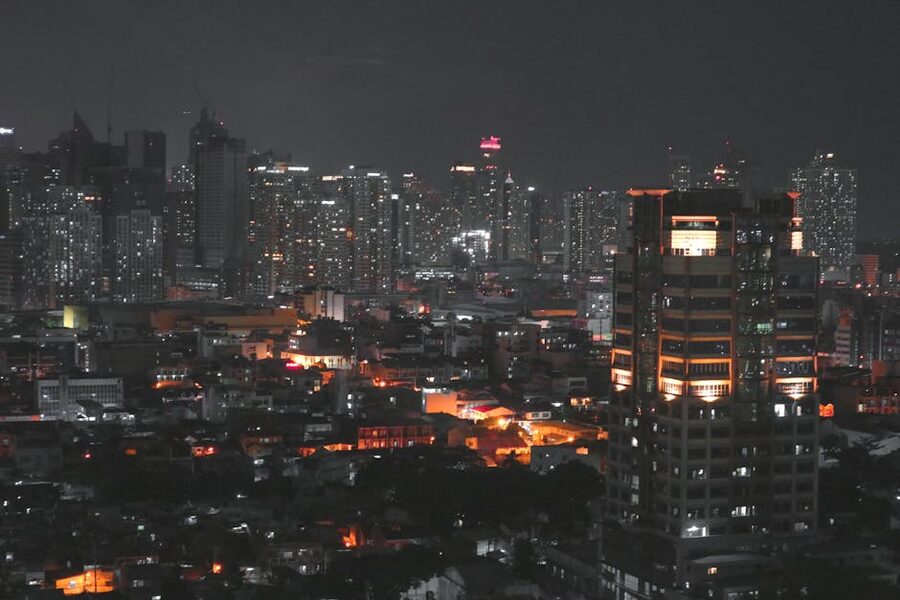
The day-to-day tourist experience here is closer to mid-tier urban Asia than to a war zone. Big malls. Coffee shops. Office workers in lanyards crossing Ayala Avenue. Security guards at every mall and condo entrance, frisking bags as a matter of routine. English everywhere. Shopkeepers who will help you if you look lost.
That does not mean the rough side does not exist. It means the rough side and the tourist side are largely two different cities that share a name. You can do an entire week in Metro Manila and never set foot in a neighbourhood where you should be worried, the same way you can do a week in London without ever ending up in a bad corner of Croydon.
The numbers, for what they are worth: most international safety indexes put the Philippines in the middle of the global pack, and Manila scores worse than its country average mainly on petty theft, not on violent crime. Reading those rankings as “the country is dangerous” is a misread. Reading them as “watch your phone in a crowd” is correct.
Safe Areas vs Less-Safe Areas
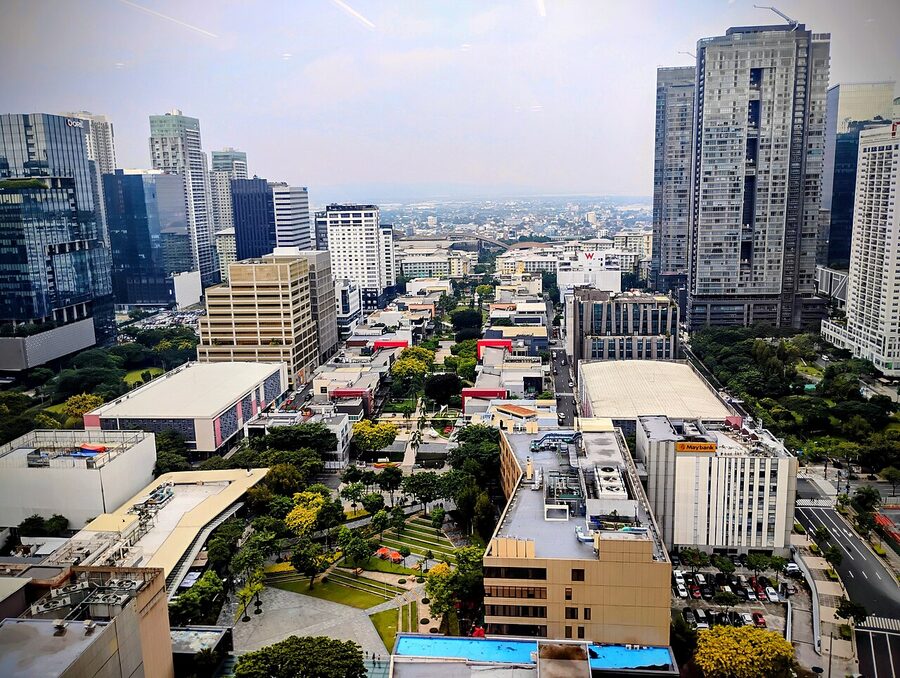
“Manila” colloquially means Metro Manila, which is 16 cities plus a municipality glued together by traffic. Some are great. Some are fine. A few you should keep your hotel out of. Here is the breakdown the way I would explain it to a friend.
Makati (safe, the default)
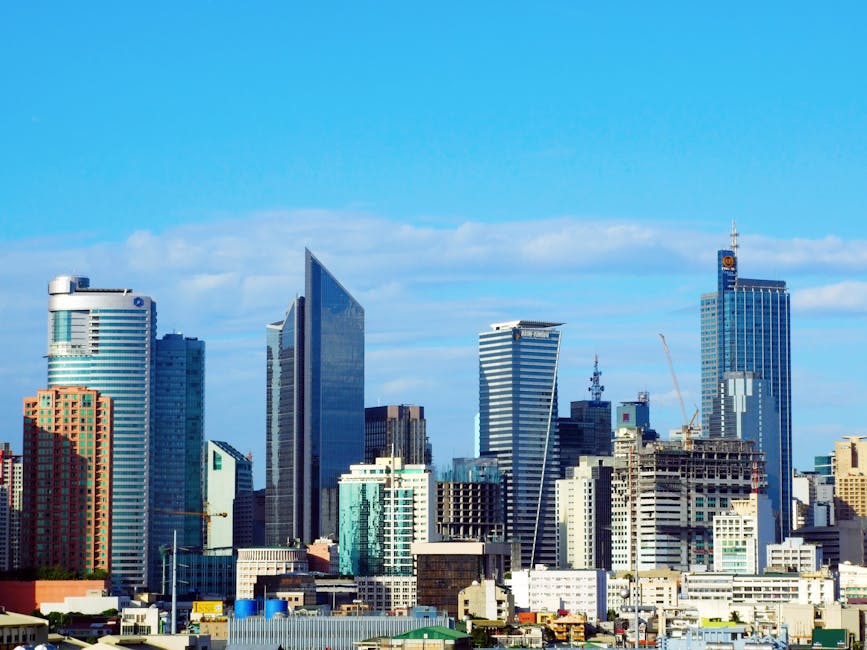
The Makati CBD, Salcedo, Legazpi, and the more central parts of Poblacion are as safe as urban Asia gets. Office workers everywhere during the day, restaurants and bars at night, security guards on every corner. I have walked from Greenbelt back to a hotel near Salcedo at 2am with zero issues, more times than I can count.
If you want the fuller breakdown of where to stay here, my Manila accommodation guide goes deep on the neighbourhoods. But for safety alone, Makati is the easy answer.
BGC (Bonifacio Global City) (safe, often safer than Makati)
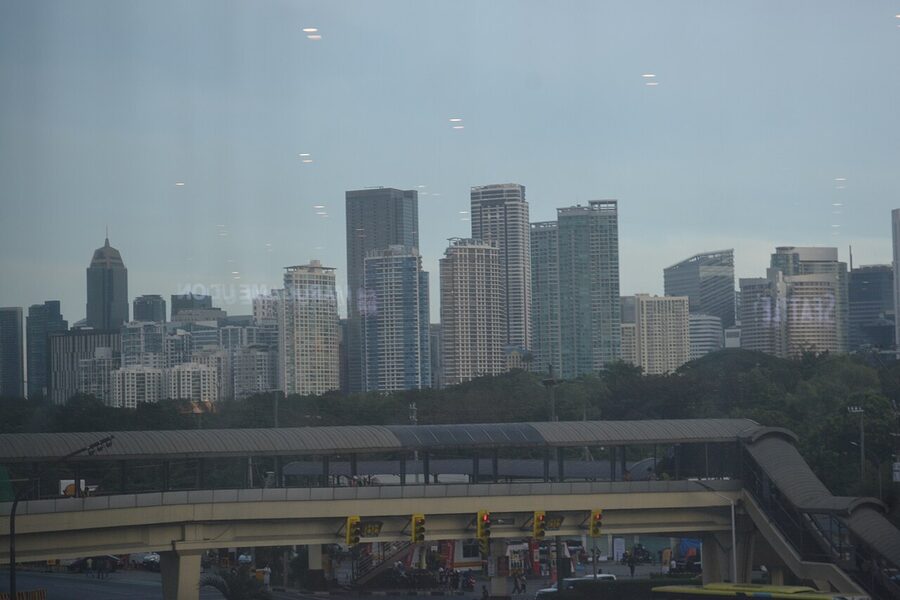
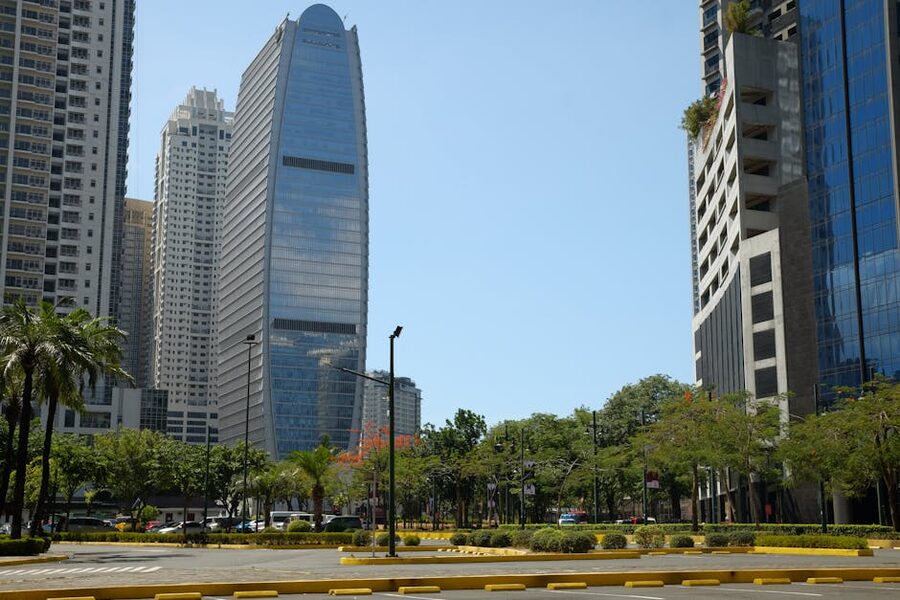
BGC is the easiest neighbourhood in the country. Master-planned grid, wide sidewalks, well-lit streets, dedicated bike lanes, security in every building lobby. If you have any anxiety at all about safety in Manila, base yourself in BGC for the first two nights and let your read on the city catch up to reality.
The downside is that BGC is so manicured it can feel a bit sterile, more Singapore than Manila. That is a trade-off most first-timers happily make.
Intramuros (safe by day, fine in the early evening, deserted late)
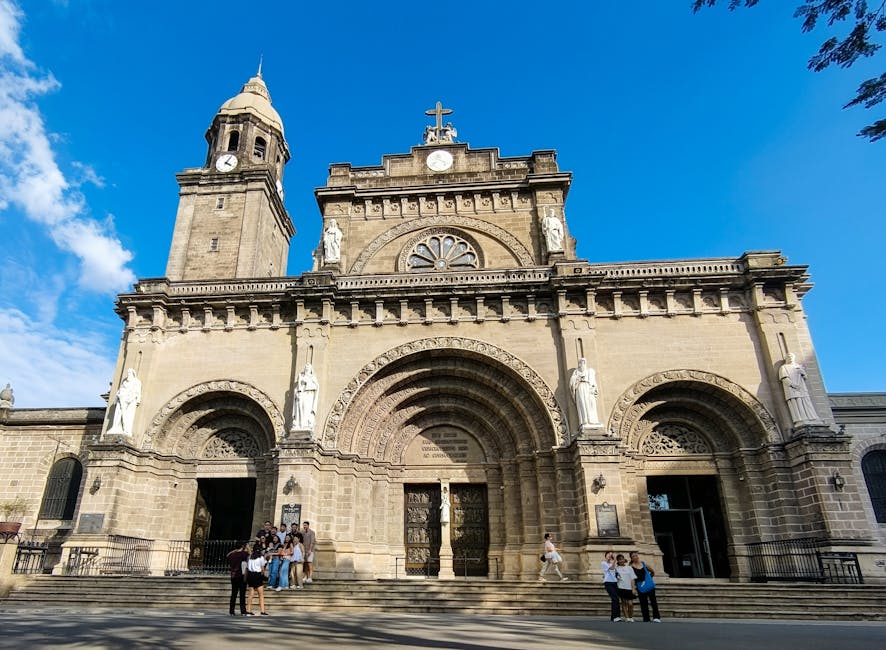
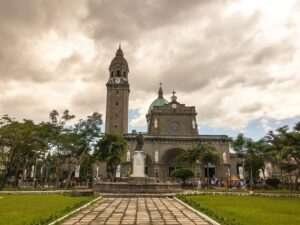
The walled Spanish quarter is touristy in the middle of the day, with school groups and kalesa drivers and quiet courtyards. It is genuinely safe in daylight. After dark, most of it shuts. The walls and parks empty out, and there is no real reason to be inside Intramuros at midnight unless you are doing the Bambike night tour. I would not call it dangerous; I would call it deserted, which is its own thing.
If you are visiting the cathedral, San Agustin, and Fort Santiago, do it before 5pm and you will not need to think about safety once. My 3-day Manila itinerary sequences the day around exactly this rhythm.
Ortigas (safe, business-district feel)
Ortigas Center sits between Pasig, Mandaluyong, and Quezon City. It is another office-and-mall corridor, less polished than BGC, but perfectly safe. SM Megamall, Robinsons Galleria, the Edsa Shangri-La. If your conference is here, no concerns. If you are exploring, it is a less interesting base than Makati or BGC, but nothing to avoid.
Malate and Ermita (mixed, the bay-front strip is fine)
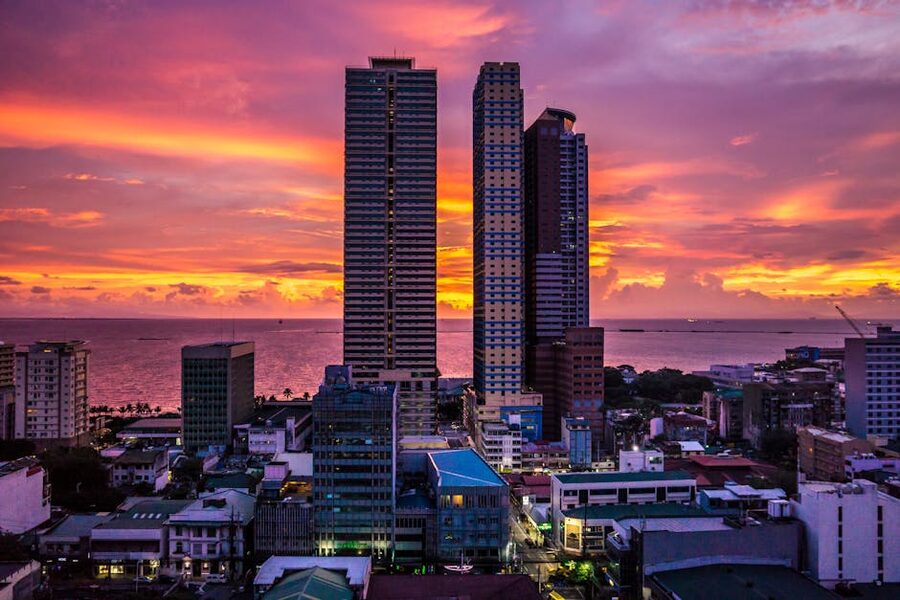
This is where I tell people to be slightly more thoughtful. The bay-front side, Roxas Boulevard down to the Cultural Center complex and the bay walk, is fine and worth a sunset. The interior streets of Malate and Ermita are tireder, and a few blocks have lingering red-light energy left over from earlier decades. Getting a hotel right on or near the boulevard is fine. Getting one three blocks back on a side street, less so. Look at the map before you book.
Cubao and the Quezon City core (safe, normal urban)
Cubao around the Araneta complex, Quezon City around Tomas Morato or Maginhawa, plus the U.P. Diliman and Katipunan area, are all fine. Normal Filipino-urban: malls, restaurants, students, traffic. Worth visiting, especially for the food. The Quezon City fringes, particularly the further-out barangays toward the city’s outer edges, are a different matter, see below.
Tondo (avoid for hotels, fine for guided visits)
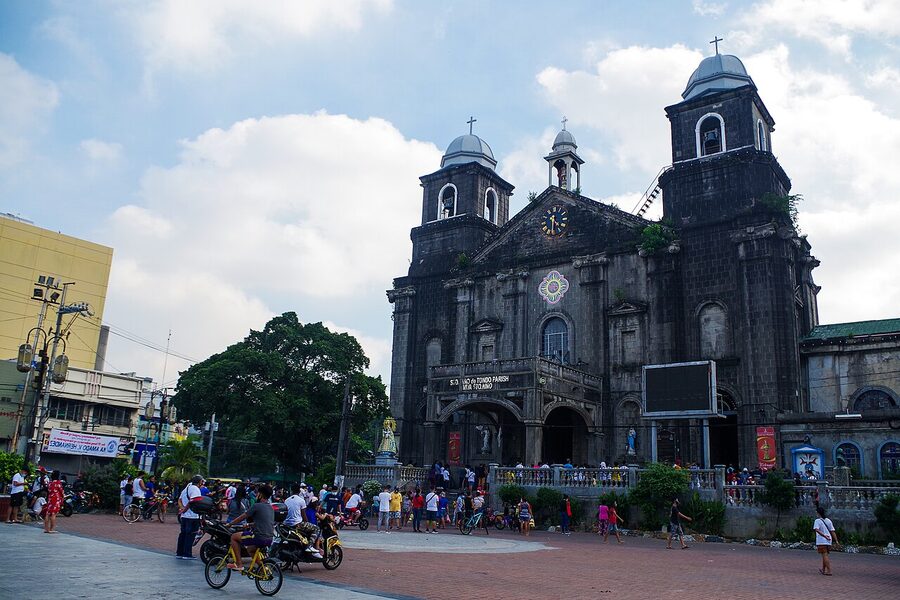
Tondo is the historic working-class district north of the river. It is poorer, denser, and has a higher street-crime rate than the tourist neighbourhoods. It is also where Smokey Mountain was, and where a lot of foreign press cliches get filmed. If you are doing a guided community visit during the day with a local nonprofit, you will be fine. If you are wandering with a DSLR after dark looking for “real Manila,” you are asking for trouble. Do not put your hotel here.
Parts of Caloocan and the Quezon City fringes (be selective)
Outer Caloocan and some of the further-flung barangays at QC’s edges (parts of Bagong Silang, Payatas) are not where tourists end up by accident, but they are also not where you should book a guesthouse to save 800 pesos a night. If you are not sure about an address, drop it into Google Maps street view first; if it looks rough on the screen, it is probably rougher in person.
Around Pedro Gil LRT-1 after dark
The streets immediately around the Pedro Gil station after dark are an interesting micro-area. Daytime, completely normal. After 10pm, the energy shifts on a few specific blocks toward sex tourism and the kind of approach you do not want. Cross to the bay side or get a Grab. It is not violent; it is just unpleasant and easy to avoid.
Pasay around the airport (safe, if a bit grim)
Pasay near NAIA is fine for a layover hotel; the area immediately around the terminals is heavily policed. It is not a charming neighbourhood and there is little reason to wander, but for a one-night stay before a 5am flight, no concerns. I covered the actual hotel options in my where to stay guide.
Time of Day Patterns
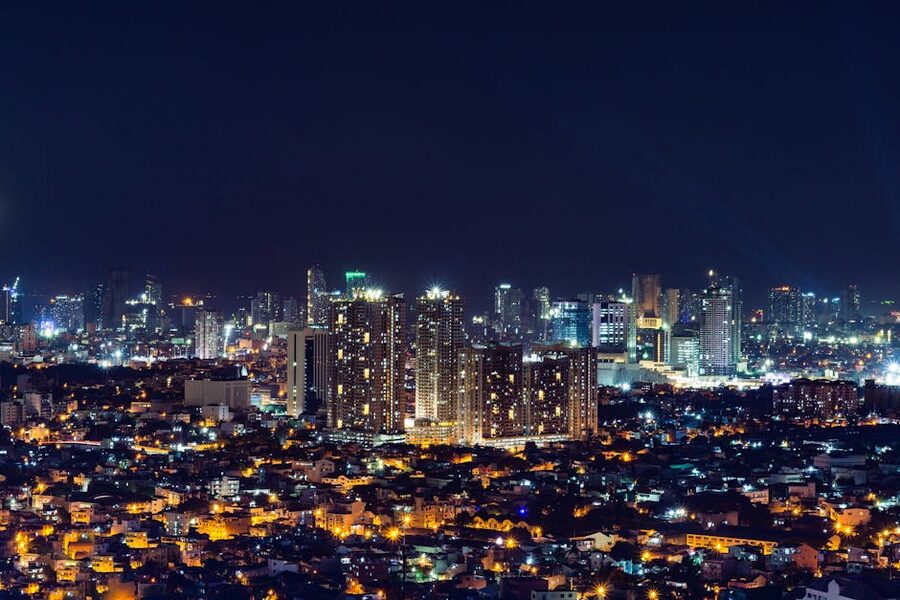
Manila has clear time-of-day rhythms and you should use them.
6am to 7pm: almost everywhere I have described as “safe” is genuinely fine. Walk, take a jeepney, ride the LRT, do whatever. Petty theft awareness applies, full stop.
7pm to midnight: stick to lit main streets in the safe neighbourhoods. Side streets in Makati and BGC are still totally fine. Side streets in Malate or the older parts of Manila proper, less so. Use Grab between districts rather than walking through transition zones.
Midnight to 5am: Grab only. Main streets only when on foot. Do not walk back to your hotel from a P. Burgos bar at 3am even if it is “just six blocks.” Six pesos on Grab is fine; six blocks at 3am with a new haircut and a Western face is asking for someone to follow you. The Burgos area in particular has predatory taxi drivers and the occasional drink-spiking, more on which below.
Common Scams to Avoid
None of these are unique to Manila and most are mild. Learn them once and you are basically immune.
The “broken meter” taxi
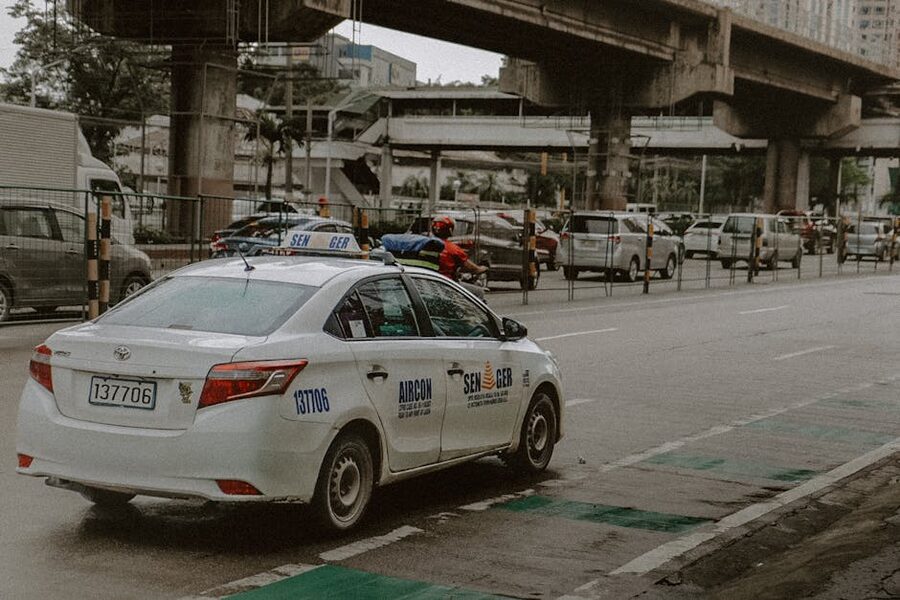
You flag a yellow or white taxi, you tell the driver where you are going, and the meter is suddenly “broken.” He quotes 800 pesos for a 200-peso ride. Solution: get out, or never get in. Use Grab instead. Grab fares are fixed in the app and the driver knows your name and rating, which kills the incentive to scam.
I have not used a flagged taxi in Manila in five years. There is simply no reason to.
The currency exchange short-count
Walk into a money changer on a Mabini Street side street, hand over 200 USD, and watch the count happen too fast for you to follow. They hand back a stack that looks right and is short 1,000 pesos. The fix: only change money inside Robinsons, SM, or Ayala malls (Sanry’s, Czarina, and the bigger chains are fine), or at your hotel. Avoid the cheaper-rate sketchy shops near the bay; the spread is small and the loss potential is large.
The Rizal Park “free tour guide”
A friendly local appears, walks you around Rizal Park or Intramuros, then aggressively asks for an unreasonable tip at the end. Not violent, just annoying. Tell them up front you are not hiring a guide, or book a real one through Klook or your hotel.
Drink-spiking on P. Burgos Street
This one I take seriously. P. Burgos in Makati is the old red-light strip. The clip joints there have a history of drink-spiking and inflated bar bills running into thousands of dollars on credit cards. It is a real and ongoing risk. The fix is simple: do not drink there. Poblacion is two blocks away, has better bars, and is fine. The Manila nightlife guide I wrote spells out the line between Burgos and Poblacion in detail. Stay on the Poblacion side and you will not have a problem.
The fake police officer
Rare, but worth knowing. Someone in plainclothes flashes a badge and asks to “inspect” your wallet or passport. Real Philippine police do not do random street stops on tourists. Politely decline, walk to a security guard at the nearest mall or hotel, and if you genuinely think you are in trouble, dial 911.
The street game
You see two guys playing a card game with a third onlooker winning easily; the onlooker invites you to bet. It is rigged. Walk away. Petty money lost, but unnecessary.
Solo Female Traveller Notes
I have travelled Manila both with female friends and gotten reports back from solo female friends who have done the city alone. Consensus: it is one of the easier Asian capitals for solo women, in part because the staring culture is much milder than in, say, India or parts of the Middle East, and in part because English fluency means you can have a normal conversation in a cab or with a hotel desk if something feels off.
The standard precautions still apply. Grab over street taxis at all hours. Do not take a drink from a stranger in a bar, especially anywhere near Burgos. Skip the late-night walk from the bar back to the hotel; spend the 80 pesos on Grab. Do not stay in a hostel dorm in a sketchy neighbourhood just to save a few hundred pesos; the trade-off is bad. The budget-hostel scene in Makati and BGC is excellent and the cost difference between a dorm there and a dorm in Pasay is small.
One specific note: Filipino men flirt in a way that can read as forward by Western standards. Catcalling, “hi ma’am, where you from,” that sort of thing. It is rarely menacing and almost never followed up if you ignore it. Sunglasses and headphones are universal solvent.
LGBTQ+ Traveller Notes
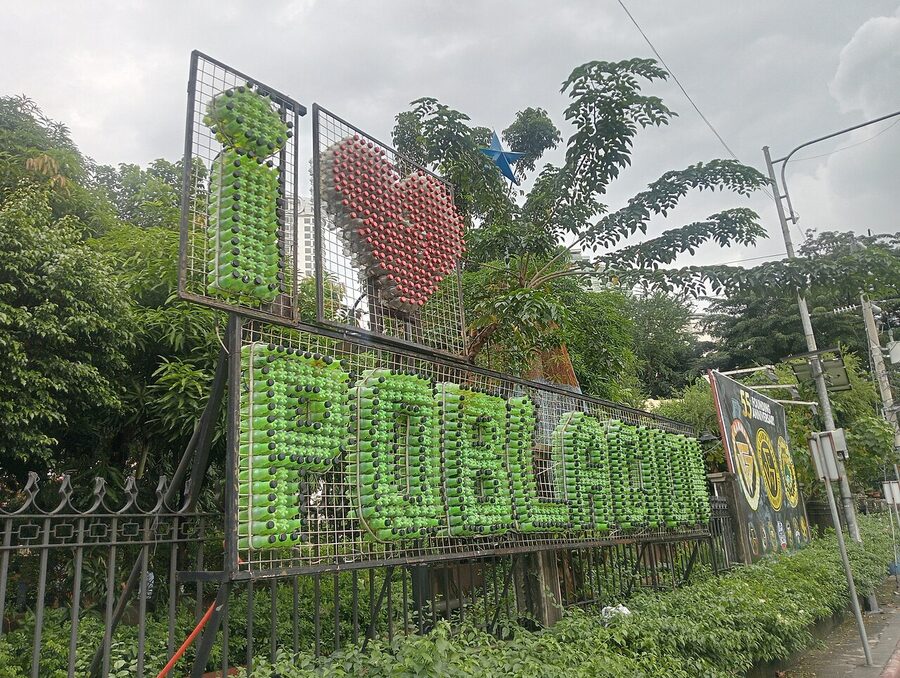
The Philippines is socially complicated on this. There is no same-sex marriage and the country is more conservative than urban Western standards in the abstract, but Manila day-to-day is one of the more tolerant Southeast Asian capitals for queer travellers. Same-sex couples will not raise eyebrows in Makati, BGC, Poblacion, or any of the bigger malls. Public displays of affection are generally muted across the board (straight couples included), so anything you would do at a Western airport is fine here.
The active queer scene clusters around Poblacion (Today x Future before it closed shaped a lot of the current scene; spots like Adarna and Oto are spiritual descendants), parts of BGC, and a few QC bars. Outside the city, attitudes vary; provincial areas are more conservative, but harassment is rare even there. Trans travellers should carry passport documents matching whatever ID you booked your flight with, just because Philippine immigration is paperwork-driven and questions are usually solved by paperwork.
Pickpocketing and Petty Theft
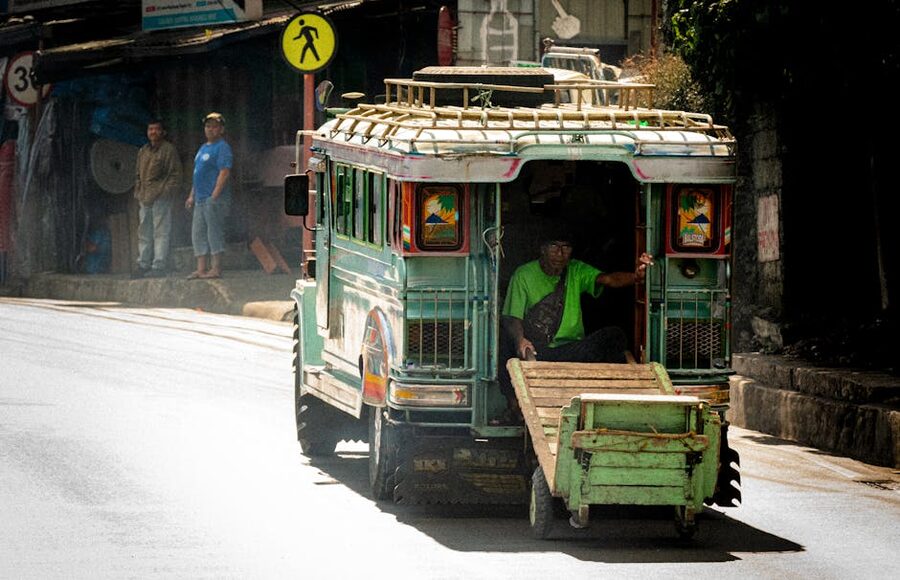
This is the realistic crime risk for tourists in Manila. Phones, wallets, and the occasional snatched chain. Jeepneys, packed LRT-1 and MRT-3 cars at rush hour, and tight crowd zones around Quiapo and Divisoria are the classic venues.
The fixes are boring and effective. Wear your daypack on your front, not your back, on jeepneys and trains. Keep your phone in a zipped pocket, not your back pocket. Do not flash a thick fold of pesos at a 7-Eleven counter. Do not hang a DSLR on a single shoulder strap walking through Quiapo. If you are taking pictures in a market, hold the camera in both hands.
The actual pickpocket method on jeepneys is a small group: one bumps you, one creates a reason to move closer, the third lifts whatever you have in a side pocket. It takes seven seconds. Sit toward the front of the jeepney near the driver, not the back, and you significantly reduce the chance.
If something does get lifted, it is almost always a phone or wallet, never a passport from a hotel safe and never anything you fight for. The right response if you feel a hand is to step away and check your pockets, not to grab the person. Manila pickpockets are rarely violent. Manila pickpocket sting operations gone wrong sometimes are.
What to Actually Worry About: Traffic
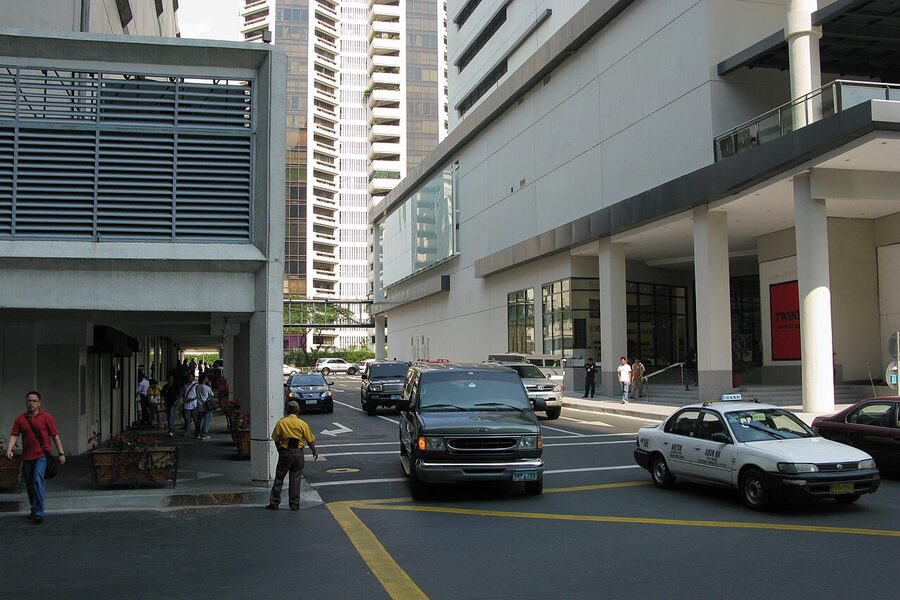
Here is the part most safety articles bury. Tourists in Manila are far, far more likely to be hurt by a car or a motorcycle than by a criminal. The country has one of the higher road-fatality rates per capita in Asia. Manila streets are pedestrian-hostile in places, sidewalks vanish without warning, motorcycles weave through gaps you would not believe possible, and crossing signals exist mostly as theatrical suggestions.
The practical rules:
- Cross at pedestrian overpasses where they exist. EDSA in particular has them every few hundred metres, use them. Crossing EDSA at street level is genuinely dangerous.
- Look both ways twice, even on one-way streets. Motorcycles will go the wrong way down a one-way without hesitation.
- Step into the road only when you have eye contact with the lead driver. Do not assume they see you.
- Do not jaywalk on big avenues. Police can fine you, and more importantly, you can get hit.
- If you rent a motorbike outside the city, wear a real helmet. Not the open-face thing the rental place hands you. Bring or buy a proper one. Most expat injuries here are scooter-related.
This sounds dramatic. It is not. It is just the actual numbers. Far more travellers are wheeled into St Luke’s after a Pasay City scooter clip than are mugged in Makati.
Practical: Emergency Numbers, Grab, and ATMs
Emergency numbers (memorise these)
- 911: nationwide emergency hotline. Same as the U.S. by design. Works for police, fire, and ambulance.
- 117: older Philippine National Police direct line, still works.
- 1343: anti-trafficking hotline, useful if you witness or suspect something involving minors.
- (02) 8527-3743: Philippine Red Cross emergency.
Save 911 in your phone before you land. Save your hotel’s number too; the front desk can often dispatch help faster than 911 in practice.
Using Grab safely
Download Grab before you arrive. Top up via your hotel desk, a 7-Eleven, or your foreign credit card (most international cards work). Within Grab:
- Confirm the licence plate before you get in. Grab driver’s plate is in the app, and it should match the car.
- Confirm your name with the driver as he pulls up. He should know it; they all do.
- Share your trip with someone via the in-app share function for night rides.
- Pay through the app if you can. Cash is fine, but in-app pay leaves a record.
- Do not get in if the car looks beat-up in a way that does not match the photo, or if a second person is in the front seat.
Grab fares from NAIA to Makati run roughly ₱400-700 (~$7-13) depending on traffic and time. Anyone quoting ₱2,000 outside arrivals is running you. Walk past them and book in the app.
ATM safety
Use ATMs only inside malls or inside bank branches during business hours. The ATMs on the street, especially the off-brand ones outside small convenience stores, are where skimmers live. BPI, BDO, Metrobank, and Security Bank ATMs inside Ayala Center, SM Aura, Greenbelt, Glorietta, Robinsons, and similar are all fine. Cover the keypad with your other hand when entering your PIN, the same way you would anywhere. Take the receipt or shred it.
Most Philippine ATMs cap withdrawals at ₱10,000 (~$175) per transaction and charge a foreign-card fee of around ₱250. Pull out a few days’ cash at once rather than running back daily.
Hotel safe and passport copy
Use the in-room safe. Set a code that is not 0000, 1234, or your room number. Leave your passport in it once you are checked in; carry a printed photocopy or a phone photo when you go out. The cops will accept a photocopy plus the photo of the data page; almost no one needs the physical document on the street.
Travel insurance
Get it. The Philippine medical system is patchy, the better hospitals (Makati Med, St Luke’s, The Medical City) want payment up front, and a serious motorbike accident in the provinces can require a medevac. SafetyWing and World Nomads are the obvious options. Skipping this is the single biggest mistake I see travellers make.
Manila vs Other Asian Capitals
If you have already done a few Asian cities, here is roughly where Manila sits.
vs Bangkok: Manila has slightly more street crime, slightly less scam volume, similar traffic risk. Bangkok feels glossier; Manila feels more urgent. Both are fundamentally safe. Bangkok’s Patpong-equivalent scams are more elaborate; Manila’s are blunter.
vs Kuala Lumpur: KL is calmer, more orderly, and somewhat safer overall, especially for solo women. Manila is grittier and the public infrastructure is rougher. If KL is a 4 out of 10 on stress, Manila is a 6.
vs Ho Chi Minh City (Saigon): Saigon is more aggressive on motorbike snatch-and-grab; Manila is less so. Both have similar petty theft. Saigon’s traffic is more chaotic but has fewer cars; Manila’s is more cars and more gridlock. Pick your poison.
vs Jakarta: Manila and Jakarta feel similar in scale and intensity. Both are megacities with rough edges and well-developed safe zones. Jakarta’s English level is lower, which can make navigating a problem feel harder.
None of these is “dangerous” by any reasonable definition. They are all big Asian cities. The differences are texture, not threat level.
FAQ
Is Manila safe for first-time travellers in Asia?
Yes, with caveats. If this is your first trip to Asia, base yourself in BGC for the first two nights and let your read on the city catch up. The infrastructure is well-developed, English is universal, and the urban patterns will become familiar fast. By night three you will not be thinking about safety at all.
Is it safe to walk in Manila at night?
In Makati CBD, BGC, Poblacion, Salcedo, Legazpi, Ortigas, and central QC, yes, until around 11pm with normal precautions. After midnight, switch to Grab. In transitional or older neighbourhoods (Malate side streets, anything around Pedro Gil after dark, Tondo), do not walk at night.
What is the safest area to stay in Manila for tourists?
BGC for first-timers and anyone nervous about safety. Makati CBD or Salcedo for the best balance of safety and atmosphere. Poblacion if you want the food and nightlife scene next to the bedroom. Skip Pasay for a base unless you have an early flight; skip Malate’s interior streets unless you know the city.
Is the Manila airport safe?
NAIA is fine inside the terminals. Outside, the official taxi stand is overpriced; Grab is cheaper and more reliable. The airport district itself is heavily policed. Layover hotels in Pasay or near Newport are safe.
What about typhoons and earthquakes?
Typhoon season is roughly June to November, peaking August through October. Manila gets glancing blows rather than direct hits most years, but heavy rain and flooding can shut down a day or two of your trip. Earthquakes happen; the Big One on the West Valley Fault is talked about a lot, but day-to-day risk while you are there is small. Travel insurance with weather-disruption coverage handles the realistic version.
Are jeepneys safe?
Yes, with the pickpocket awareness above. Sit toward the front, keep your bag in front of you, do not put your phone in your back pocket. Beyond that they are a fine, cheap way to get around for short hops. The Manila transport guide has the full breakdown of which lines are useful and which to skip.
Is Manila safe for kids and family travel?
Yes, if you base yourself in BGC, Makati, or Ortigas. The malls are family-paradise (large play areas, cinemas, restaurants). The harder thing with kids in Manila is not safety but the heat and the traffic; build naps and pool time into the day. Pickpockets do not target tourist children, but standard awareness applies.
The Bottom Line
Manila gets a reputation it has not actually earned in a decade. The city has rough corners, like any 14-million-person megacity in Asia, and you should not pretend otherwise. But the day-to-day reality of staying in Makati or BGC, eating well, riding Grab, and doing a couple of cultural mornings in Intramuros is closer to a normal Asian capital trip than to anything alarming.
The rules of engagement are simple. Stay in the safe neighbourhoods. Use Grab after dark. Watch your bag in crowds. Treat every road crossing like it might kill you (statistically, that is the real risk). Carry a passport copy, not the original. Get travel insurance.
Do those things and you will spend your week eating sisig, walking Roxas Boulevard at sunset, getting stuck in EDSA traffic, and wondering why anyone ever told you to be careful. If you want to plan the actual trip from here, the 3-day itinerary is the next stop, and the street food guide is the part you will actually remember.