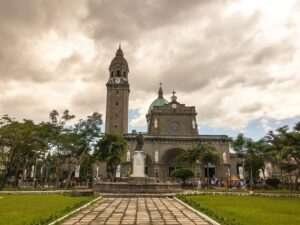
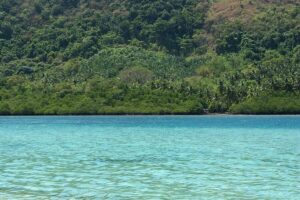
Boracay does not have an airport. That sentence trips up more first-time visitors than anything else about the trip. You fly to one of two airports on the neighbouring island of Panay, you take a fifteen-minute boat, and then you grab a tricycle to your hotel. The whole thing is straightforward once you’ve done it. The first time, it feels like a relay race nobody warned you about.
I’ve made this trip in every form. The smug 50-minute hop into Caticlan when budget didn’t matter. The sweaty Kalibo run when it did. The 4am taxi to NAIA when I should have stayed at an airport hotel. The missed last boat at 5pm that turned into an unplanned night in Caticlan town. So this is the version of the guide I wish someone had given me before my first attempt: door-to-door times, real peso costs, the difference between the two airports, and why the cheaper option isn’t always cheaper once you do the maths.
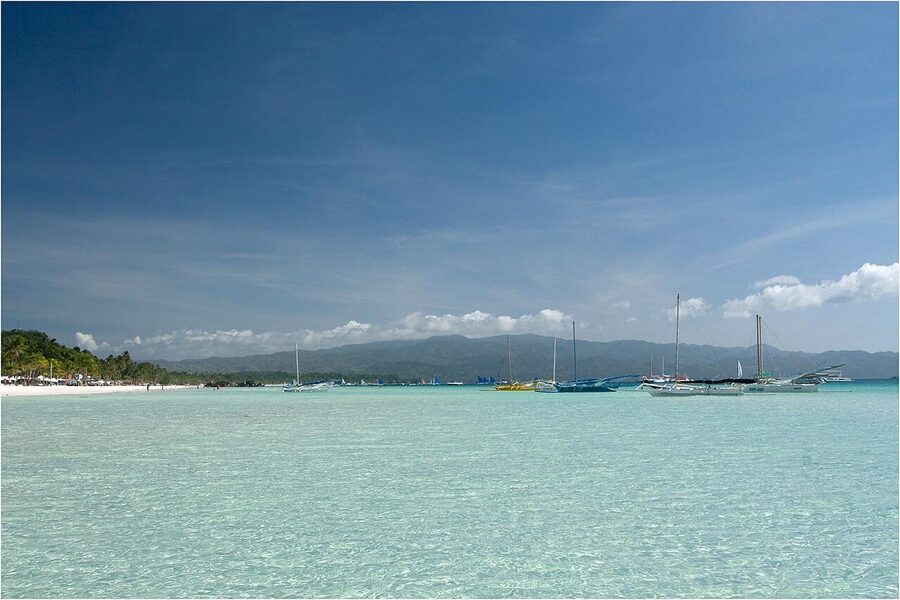
Affiliate disclosure: some of the links below earn me a small commission if you book through them. It covers the hosting bill. That’s it.
In This Article
- Quick Answer
- Option A: NAIA to Caticlan (the Fastest Way)
- Option B: NAIA to Kalibo (the Cheaper Way)
- The Decision Tree: Which Route Should You Pick
- The Caticlan Jetty: What Actually Happens
- Cagban to White Beach
- What to Book in What Order
- Booking Tips That Actually Save Money
- Total Time Door-to-Door
- The Return Trip
- What I Would Skip
- FAQ
- Is there a direct flight from Manila to Boracay?
- How long does it take to get from Manila to Boracay?
- How much does it cost to get from Manila to Boracay?
- Can I take a ferry from Manila to Boracay instead?
- What time does the last boat to Boracay leave Caticlan?
- Do I need to book the boat in advance?
- Which is cheaper, Cebu Pacific or AirAsia for Manila to Boracay?
- Is the boat ride rough?
- If You’re Flying Onward
Quick Answer
You fly Manila (NAIA) to either Caticlan (MPH) or Kalibo (KLO), then transfer overland or by van to the Caticlan jetty port, then take the short boat across to Cagban Port on Boracay, then a tricycle to your hotel on White Beach or wherever you’re staying. Caticlan is the closer, faster, more expensive route. Kalibo is the cheaper, slower one with an extra van leg.
Total door-to-door time, NAIA curb to White Beach hotel: 4 to 6 hours if everything works. Plan for 6 to 7 to be safe. Total spend on the back end (boat plus three small fees plus tricycle to your hotel) usually lands between ₱350 and ₱500 (~$6 to $9) per person, on top of your flight. Flights from Manila run anywhere from ₱2,500 to ₱9,000 (~$45 to $160) one-way depending on how far ahead you book and which airline.
Option A: NAIA to Caticlan (the Fastest Way)
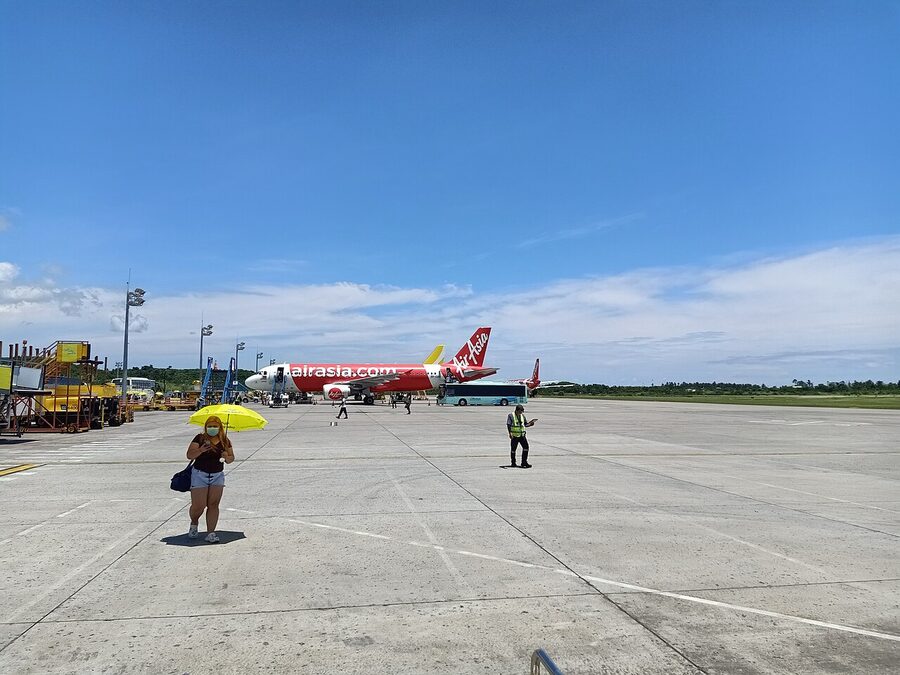
Caticlan, properly Godofredo P. Ramos Airport (code MPH), is the airport that exists for Boracay. It sits on the mainland of Panay island, about a 10-minute tricycle ride from the Caticlan jetty port where the boats leave. If you’re flying into MPH, you can theoretically be on White Beach within an hour of landing. I have done it in 50 minutes once, on a Tuesday morning when the boats were quiet. That’s the dream version.
The flight itself is short. NAIA to Caticlan is roughly 1 hour. Cebu Pacific, AirAsia Philippines, Philippine Airlines, AirSWIFT, and Sunlight Air all run this route. AirSWIFT and Sunlight Air use smaller turboprops or ATR aircraft, which is what you’ll often end up on simply because the runway at Caticlan is short and constrained. Bigger A320s and A321s have started using it as the runway extension projects have progressed, but capacity is still limited compared with Kalibo.
Because demand is steady and supply is capped, Caticlan flights cost more. Booked 3 to 6 months in advance you can find one-way fares around ₱2,500 to ₱4,500 (~$45 to $80). Booked a week out in peak season, the same seat is ₱7,000 to ₱12,000 (~$125 to $215). The price gap with Kalibo gets dramatic close to your travel date, which is half the reason people end up taking the Kalibo route by accident.
If you’re staying at a high-end resort like Shangri-La or one of the picks in my Boracay hotels guide, the resort will often arrange a private transfer that meets you at MPH and walks you through the boat process. That’s worth taking if it’s free or close to it. The boat fees still apply (everyone pays them), but the queueing pain disappears.
Option B: NAIA to Kalibo (the Cheaper Way)
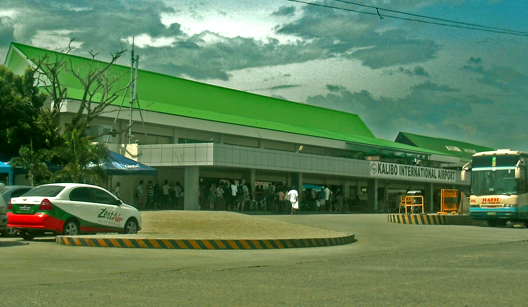
Kalibo (airport code KLO) is the bigger airport on Panay. It can take wide-body aircraft, it has more flights per day, and the seat capacity is meaningfully larger than Caticlan. All of that translates into cheaper fares. The trade-off is that Kalibo town is a long way from the Caticlan jetty. You add a 1.5-hour van transfer (occasionally 2 hours in heavy traffic) before you even reach the boat queue.
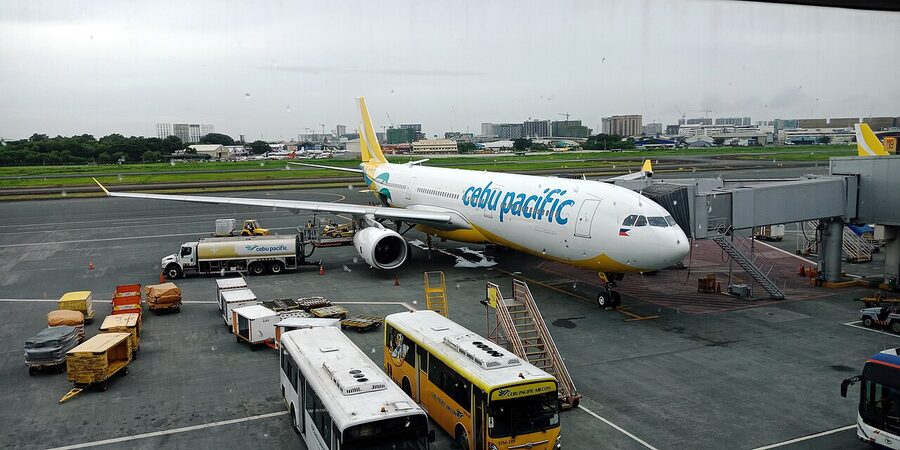
NAIA to Kalibo is around 1 hour 15 minutes by air, slightly longer than the Caticlan flight because most carriers route around restricted airspace. Cebu Pacific, AirAsia, and Philippine Airlines all serve this route, often with multiple daily departures. Fares booked well in advance can be as low as ₱1,800 to ₱3,000 (~$32 to $54) one-way. Booked at the last minute, ₱5,000 to ₱8,000 (~$90 to $145) is more typical, but that’s still usually cheaper than the same-day Caticlan flight.
From Kalibo airport you have two options. Air-conditioned shuttle vans run constantly, leave when full, and drop you at the Caticlan jetty port. The fare is around ₱250 to ₱400 (~$5 to $7) per person depending on the operator. Southwest Tours, Island Star Express, and 7107 Tours are the names you’ll see at arrivals; they’re all roughly equivalent. The other option is a private taxi or a pre-booked private van, which runs ₱2,500 to ₱4,500 for the whole vehicle. If you’re a group of four, that maths out about even with the shared shuttle.
The road itself is fine. Two lanes most of the way, well-paved, no white-knuckle moments. Bring water and a podcast. The drivers know where they’re going and they’re trying to make as many runs as possible per day, so they don’t dawdle.
The Decision Tree: Which Route Should You Pick
The shorthand I use: Caticlan if convenience matters more than price, Kalibo if the reverse is true. But the maths shifts depending on a few things.
Pick Caticlan if you booked late and the price gap is small, you have a tight window in Boracay (a long weekend, basically), you have heavy luggage, you have kids who are going to lose patience halfway through a 1.5-hour van ride, or you’re going for a milestone trip and don’t want the transit to eat into it. Add the saved 1.5 to 2 hours each way to your beach time and decide if that’s worth the extra ₱2,000 to ₱4,000.
Pick Kalibo if you booked 3 to 6 months out and Cebu Pacific or AirAsia have one of their seat sales, you’re a budget traveller stretching the trip across more days, the savings on a return ticket cover an extra night at a Henann property, or you’re flying as a group and the per-person savings stack. Some of the cheapest beachfront stays in my Boracay hotels list only make financial sense if you arrive via Kalibo, otherwise you’ve spent your hotel savings on the flight.
The route I’d avoid: Kalibo when you’ve booked the day before. By that point the Kalibo fare has often climbed close enough to the Caticlan one that the time penalty isn’t worth it. Check both before you commit.
The Caticlan Jetty: What Actually Happens
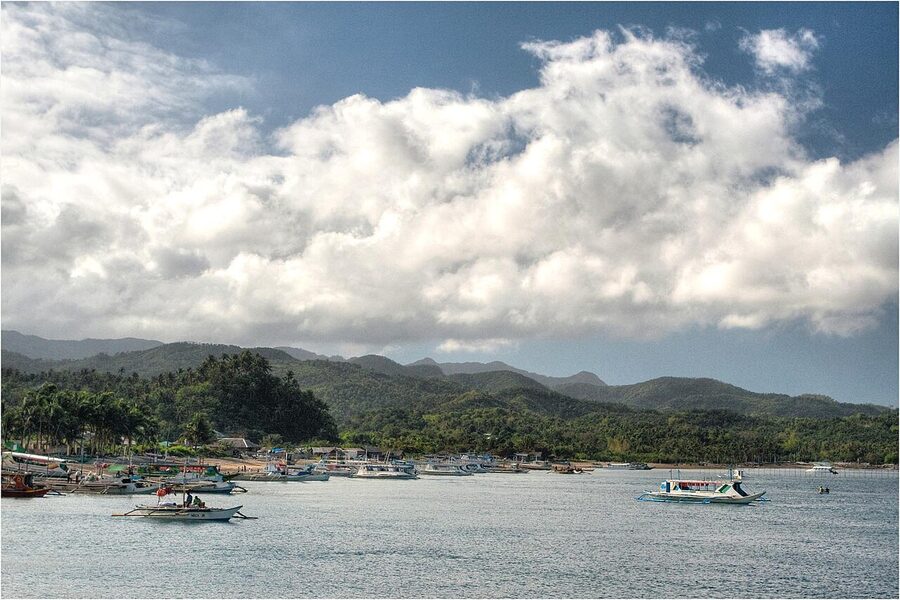
However you arrive, you end up at the same place: the Caticlan jetty port. From here you take a small open-sided pumpboat or a covered ferry across the Tabon Strait to Cagban Port on Boracay. The boat ride itself is 15 to 20 minutes, sometimes a little longer if the wind is up. It’s a quick, pretty crossing. You can see Boracay’s coastline almost the entire way.
The fee structure at the jetty has caught more visitors off-guard than anything else on this trip. You pay three things, in this order, at three different counters:
- Boat fare: ₱75 (~$1.30) per person each way for the standard pumpboat. Fast craft cost a bit more.
- Terminal fee: ₱100 (~$1.80) per person.
- Environmental fee: ₱100 (~$1.80) per person, sometimes called the eco fee or the Boracay Sustainable Tourism Fee.
So the boat itself, with all fees, runs about ₱275 per person one-way. Carry small bills. The counters don’t always have change for a ₱1,000 note and the queue behind you will not be charmed by your card-only travel philosophy.
You’ll also be asked for proof of accommodation. Boracay rules require it. A booking confirmation on your phone is fine. Walk-up arrivals without proof get sent to the registration counter to sort it out, which adds 20 to 30 minutes you don’t need to spend.
Boats run roughly 6am to 5pm. The last regular boat from Caticlan to Boracay is around 5pm, give or take depending on weather. Special chartered boats run later for guests of certain resorts at extra cost, but if you’re showing up cold, plan to be at the jetty by 4pm at the latest. I’ve watched too many people miss the last boat by ten minutes and end up booking a hotel in Caticlan town for the night. Don’t be that person.
Cagban to White Beach
The boat lands at Cagban Port on the south end of Boracay. Cagban is not where you want to stay. White Beach, where almost every Boracay hotel sits, is on the west coast of the island, a short ride away. From Cagban you have three options.
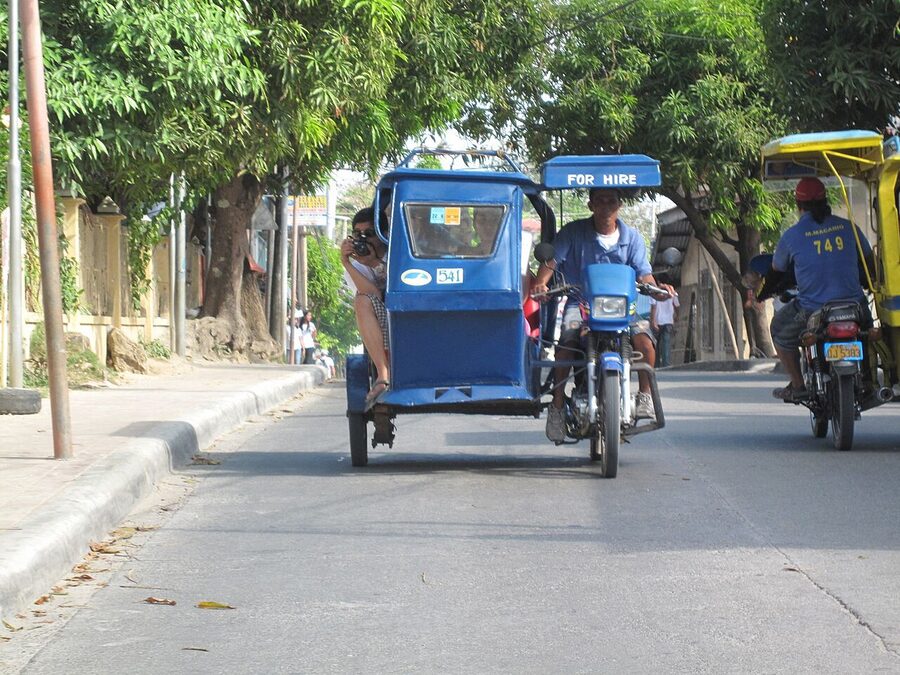
The standard option is a tricycle. Boracay tricycles are different from the noisy Manila version. They’re often electric (e-tricycles) and cleaner-looking, with covered passenger compartments. Fares are flat by station. Cagban to Station 1 runs about ₱150 to ₱200 (~$3 to $4) for the whole tricycle, not per person. To Station 2 or 3, ₱100 to ₱150. With a heavy bag they may charge a small extra. There’s almost always a queue of trikes waiting at Cagban; you won’t be hunting one down.
If you’re staying at a bigger resort, your hotel may have a shared van transfer that meets the boat. Sign up for it when you book. The vans cost a bit more than a tricycle but they fit the whole family with luggage and they go directly to the resort entrance, which on the bigger properties matters because some are set back from the road. The third option is to walk, which I would not recommend with luggage in tropical heat. Save the walking for after you’ve checked in.
The whole back-end transit, jetty fees plus boat plus tricycle to your hotel, lands somewhere between ₱350 and ₱500 (~$6 to $9) per person if you’re solo, less per head if you’re sharing a tricycle with a group. Budget ₱500 each just to be safe.
What to Book in What Order
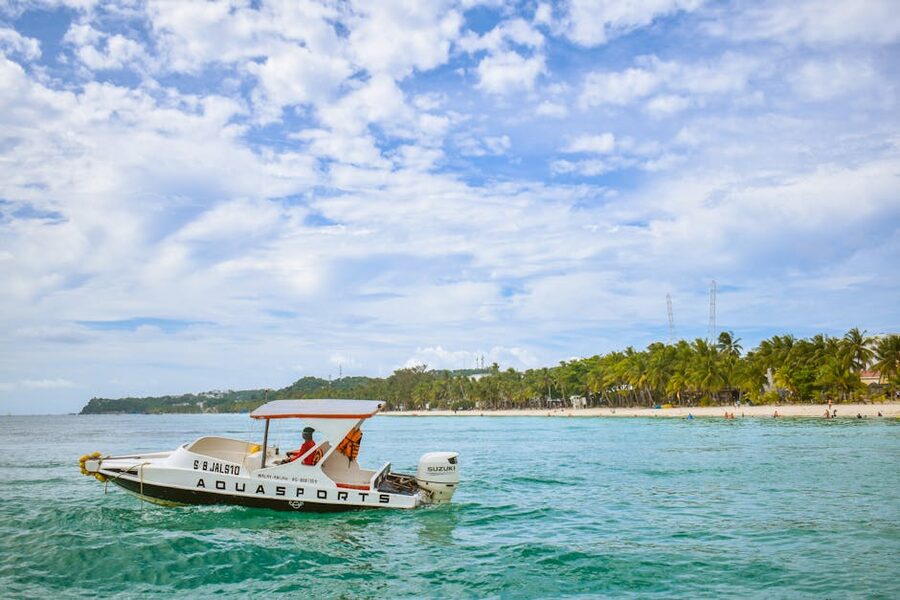
The flight is the bottleneck. There are far more hotels than seats on any given day, especially during peak season (December through May). So the rule is: lock in flights first, then hotel, then transfers if you want to pre-book any of that.
For flights, I check Cebu Pacific and AirAsia direct, plus Skyscanner as a sanity check. Direct sites give the cheapest base fare. Skyscanner sometimes surfaces a bundled deal that beats it, but more often it just confirms you should book with the airline. Watch for sale-fare windows at Cebu Pacific and AirAsia, which usually drop on Mondays or around payday weekends. A ₱1 fare sale is real and worth the inbox spam.
For hotels, look at my Boracay hotels guide for the breakdown by station and price tier. Station 1 is calmest and most upscale. Station 2 is the busiest, where you’ll find most of the bars, restaurants, and the D’Mall shopping spine. Station 3 is the budget end and Bulabog beach on the other side of the island is for kitesurfers. Pick station based on the trip you actually want, not on which photos look prettiest.
For transfers, the question is whether to pre-book a package (flight plus hotel plus boat plus tricycle, all in one) or do it yourself piece by piece. Packages are easier and usually cost a small premium. DIY saves money and gives you flexibility (you can change boats if you arrive late, you can pick a different tricycle, you can decide on the spot to upgrade to a private van). I’ve done both. For first-time visitors who don’t enjoy logistics, the package is fine. Repeat visitors almost all DIY.
Booking Tips That Actually Save Money
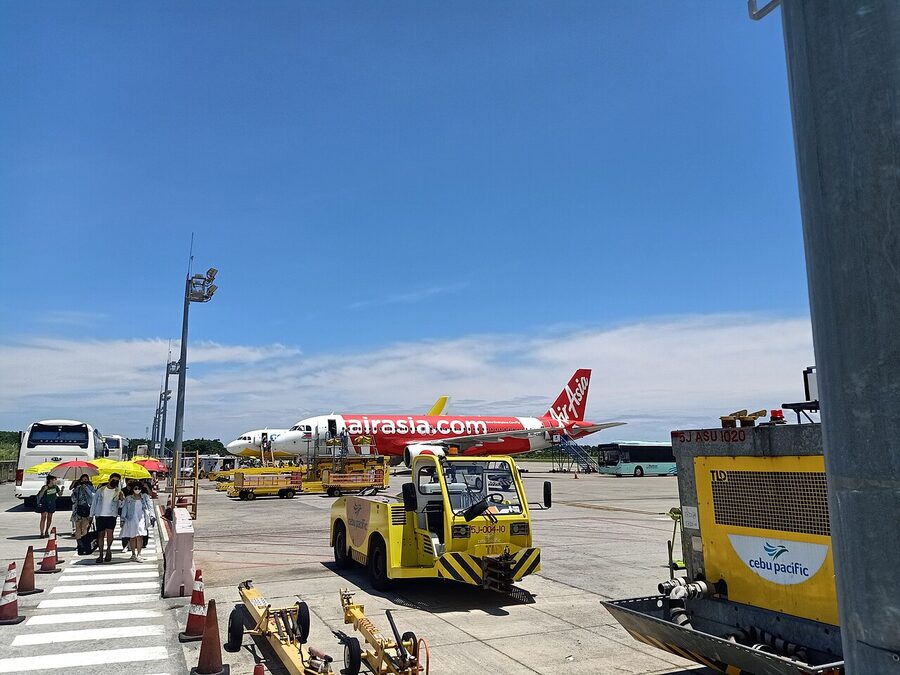
Three to six months ahead is the sweet spot for Manila to Caticlan or Kalibo. You’ll pay about a third of what last-minute travellers pay. I have seen Cebu Pacific Manila-Kalibo round trips drop to ₱2,800 in a flash sale (book months out, fly in low season) and the same route the week before peak Christmas hit ₱18,000. The volatility is enormous.
Avoid Holy Week (the Thursday through Sunday around Easter) and the Christmas-New Year week unless you’ve booked very early. Filipino domestic travel demand spikes hard at those windows and prices go vertical. Late January through early March is gorgeous in Boracay (Amihan trade winds, calm west-side water) and prices are noticeably softer than peak Christmas or Holy Week.
Watch the airline emails. Cebu Pacific and AirAsia run sale fares constantly, and the Manila to Kalibo / Caticlan routes are usually included. Sign up for both newsletters; the unsubscribe link works fine after you’ve booked. Pay attention to baggage. The cheap fare is sometimes hand-carry only, and bringing a checked bag pushes it close to the next-tier fare. Do the maths properly before you celebrate the deal.
If you’re flying within the Philippines onward (say Manila to Boracay then onward to Cebu or El Nido), check whether multi-city pricing beats two one-ways. Sometimes the airlines bundle, sometimes they don’t. Cebu Pacific in particular has decent multi-city pricing for trips that route through their hubs.
Total Time Door-to-Door
Realistic numbers, with all the queueing and waiting and small frictions added in:
- Caticlan route: 4 to 5 hours from your Manila accommodation to your White Beach hotel, assuming a daytime flight and no major delays. Best case 3.5 hours, worst case 6 hours if NAIA is in one of its moods.
- Kalibo route: 6 to 7 hours from your Manila accommodation to your White Beach hotel. Best case 5.5 hours, worst case 8 hours.
For both routes, the wildcard is NAIA traffic. Manila’s airport sits in the middle of the city and rush-hour traffic to it can take 90 minutes from Makati. If you have a morning flight, leave 3.5 hours before departure if you’re south of Pasay, 4 hours from BGC or Makati. My Manila transport guide has the realistic times for each option, and the 3-day itinerary has notes on how to plan a Boracay extension without losing a day to transit.
The Return Trip
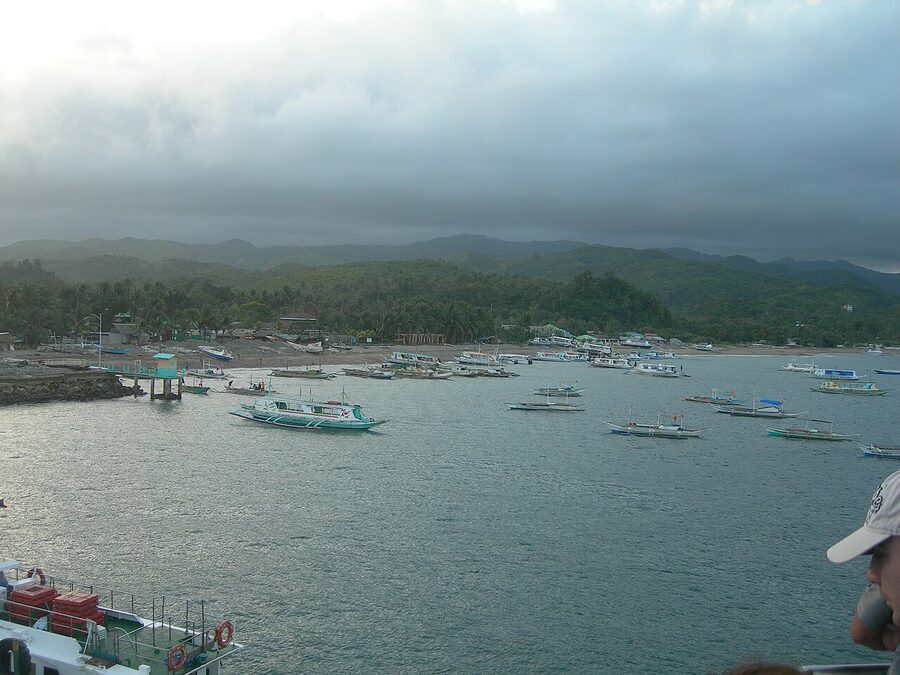
Going home is the inverse, but with one critical detail: the last boat from Boracay back to Caticlan runs around 5pm, sometimes earlier if the weather is poor. So your return flight from Caticlan or Kalibo has to allow for the boat plus the van leg (if Kalibo) plus airport check-in. I work backward from my flight time:
- Caticlan flight at noon: last boat from Boracay at 9am, allowing 30 minutes at jetty plus 10 minutes to airport plus 90 minutes check-in.
- Caticlan flight at 5pm: last boat from Boracay at 2pm. Plenty of buffer.
- Kalibo flight at noon: last boat from Boracay at 7am, then a 1.5-hour van. This is tight. Take the 6:30am boat to be safe.
- Kalibo flight at 5pm: last boat from Boracay at noon. Comfortable.
If your flight out is early morning, you have to spend the previous night in Caticlan or Kalibo town. Most people don’t realise this until they’re packing the day before and start doing the maths. The hotels around Caticlan jetty are basic but functional; Kalibo town has more options if you don’t mind the longer trip the next morning. Better still, just don’t book a 6am flight back. Pay slightly more for a midday departure and save yourself the logistics headache.
One more practical note. Boracay has been closed before. The 2018 six-month rehabilitation shut the island entirely from April to October that year, while the government cleaned up sewage outfalls and rebuilt drainage. The closure rewrote how the island operates. Hotels that didn’t meet the new environmental standards lost their permits. The boats now have stricter passenger limits. The beach is much cleaner than it was in 2017. You’ll see signs about not bringing single-use plastic, no smoking on the sand, no drinking outside designated spots; those rules are real and they get enforced. Pack accordingly.
What I Would Skip
The overland-plus-ferry route from Manila by bus and overnight ferry. It exists. Some travellers swear by it for the savings and the experience. I have done it. It takes 18 to 24 hours, costs ₱1,800 to ₱2,500 by the time you’ve added every leg, and dumps you at the same Caticlan jetty as the people who flew. The plane is two hours flat for ₱2,500 in a sale. The maths doesn’t work unless you specifically want the ferry experience, in which case the Manila to El Nido overland route is a more rewarding test of patience. For Boracay, fly.
The other thing I’d skip: pre-paying for a tricycle from Cagban to White Beach through some online intermediary. The tricycle drivers at Cagban are organised, fares are posted, and you’ll save 30 to 50 percent paying on the spot. The intermediary takes a cut for a service that doesn’t need intermediating.
FAQ
Is there a direct flight from Manila to Boracay?
Sort of. Boracay itself has no airport. The closest one, Caticlan (MPH), is on the neighbouring island and is basically the Boracay airport in everything but name. From MPH you’re 25 minutes from White Beach. Manila to MPH on Cebu Pacific, AirAsia, or Philippine Airlines is the closest thing to a direct Manila to Boracay flight.
How long does it take to get from Manila to Boracay?
Door-to-door, 4 to 6 hours via Caticlan, 6 to 7 hours via Kalibo, including the flight, the boat, the tricycle, and average waiting time. Add an extra hour or two if NAIA traffic is bad on the Manila side.
How much does it cost to get from Manila to Boracay?
Flights run ₱2,500 to ₱9,000 (~$45 to $160) one-way depending on how far ahead you book. The boat plus jetty fees plus tricycle from Caticlan to your White Beach hotel adds another ₱350 to ₱500 (~$6 to $9). If you fly into Kalibo, add ₱300 to ₱400 for the shared van. Round-trip total for a budget traveller booking 3 months out: around ₱6,000 (~$110). Round-trip for last-minute peak-season: easily ₱20,000 (~$360).
Can I take a ferry from Manila to Boracay instead?
You can, but I wouldn’t. The 2GO overnight ferry from Manila to Caticlan exists, takes around 14 to 18 hours, and costs ₱1,800 to ₱2,500. By the time you add the bus to the port and the boat at the other end you’re at 18 to 24 hours of travel for marginal savings over a sale-fare flight. Worth it once for the experience, not worth it as your default.
What time does the last boat to Boracay leave Caticlan?
Around 5pm for the regular pumpboat service, sometimes earlier if the wind is up. Resort-arranged private boats can run later. Plan to be at Caticlan jetty by 4pm if you want to be sure. Coming back, the last boat from Boracay to Caticlan also runs around 5pm.
Do I need to book the boat in advance?
No. The pumpboats and ferries run continuously through the day. You buy tickets at the jetty counter when you arrive. The only time you’d pre-book is if your hotel arranges a private speedboat transfer; in that case it’s already arranged before you land.
Which is cheaper, Cebu Pacific or AirAsia for Manila to Boracay?
Both run sale fares regularly and they’re usually within ₱500 of each other on any given day. AirAsia tends to have lower base fares but charges aggressively for baggage and seats. Cebu Pacific is similar. Check both. The “cheapest” airline shifts week to week. AirSWIFT is genuinely premium-priced and rarely the value play to Caticlan; Sunlight Air sits in between but has limited frequencies.
Is the boat ride rough?
Usually no. The Tabon Strait between Caticlan and Boracay is short and protected. In typhoon season (June through November, with peak storms August through October) the boats can get bumpy or be cancelled outright if the weather is bad. In dry season (November through May) it’s almost always glassy. If you’re prone to seasickness, take a Bonamine 30 minutes before boarding.
If You’re Flying Onward
One of the underrated tricks for a Philippines trip is to use Boracay as a stop in a multi-island chain rather than a Manila return. Cebu Pacific runs Caticlan to Cebu and Caticlan to Clark routes that let you skip the Manila double-back. AirSWIFT flies Caticlan to El Nido directly, which is the only sane way to combine Boracay and El Nido without losing a day to Manila transit. If your Philippines trip is more than a week, plan that connection in early. The flights have small aircraft and they sell out.
For the broader Philippines trip planning, my notes on when to visit the Philippines have the wet-season and festival calendar that should drive your dates more than the airfare. Boracay is glorious from December to early May, soggy from June to October, and on the borderline either side of those windows. Plan around the season first, the flight second.