There are two ways to get from Manila to El Nido and they could not be more different. You can fly straight in for an hour and ten minutes of small-plane comfort, step off the tarmac, and be on a balcony with a Bacuit Bay sunset by dinner. Or you can fly to Puerto Princesa for a third of the price, then point yourself north for five or six hours of mountain switchbacks until the limestone karsts finally appear in the windscreen. Both options are valid. They suit very different travellers and very different budgets, and the choice you make changes the whole shape of your trip.
I have done both, more than once, in both directions. This is what actually happens, what each route costs, and how to decide which one is right for the trip you are planning.
I earn a small commission on some of the booking links below. It covers the hosting bill, that’s it.
In This Article
- Quick Answer
- Option A: AirSWIFT Direct from Manila
- Booking AirSWIFT
- What landing at Lio is like
- Option B: Manila to Puerto Princesa, Then Van
- The van ride from PPS to El Nido
- When the road version is the right call
- Option C: Overnight Bus from Puerto Princesa
- Option D: Coron to El Nido by Fast Ferry
- Which Option Suits Which Traveller
- Booking Strategy and Common Mistakes
- The Return Trip from El Nido
- The Puerto Princesa Stopover Question
- A Real Word on Travel Sickness
- What Awaits When You Get There
- When to Time This Trip
- A Note on Arrival Day Logistics
- Frequently Asked Questions
- How long does it take to get from Manila to El Nido?
- How much is a flight from Manila to El Nido?
- Is it better to fly to Puerto Princesa or El Nido?
- How long is the van ride from Puerto Princesa to El Nido?
- Can you take a bus from Manila to El Nido?
- When do AirSWIFT seats sell out?
- Is the road from Puerto Princesa to El Nido safe?
- Should I stop in Puerto Princesa on the way?
Quick Answer
- Fastest and easiest: AirSWIFT direct from Manila (MNL) to El Nido Lio Airport (ENI). About 1 hour 10 minutes in the air, ₱8,000 to ₱15,000 (~$140 to $260) one way. Limited daily seats, books out in peak season.
- Cheapest and most flexible: Fly Manila (MNL) to Puerto Princesa (PPS) on Cebu Pacific, AirAsia, or Philippine Airlines, then take a shared van north. Flights ₱2,000 to ₱6,000 (~$35 to $105) one way. Van adds 5 to 6 hours and ₱700 to ₱1,200 (~$12 to $21).
- Roughly the same flying time, very different door-to-door: AirSWIFT puts you in El Nido in about 4 to 5 hours from leaving your Manila hotel. The Puerto Princesa route is 9 to 12 hours door-to-door if you connect same day, or two days if you sleep in PPS.
- If you are already in Coron: the fast ferry to El Nido is the move. Different starting point, covered below.
Option A: AirSWIFT Direct from Manila
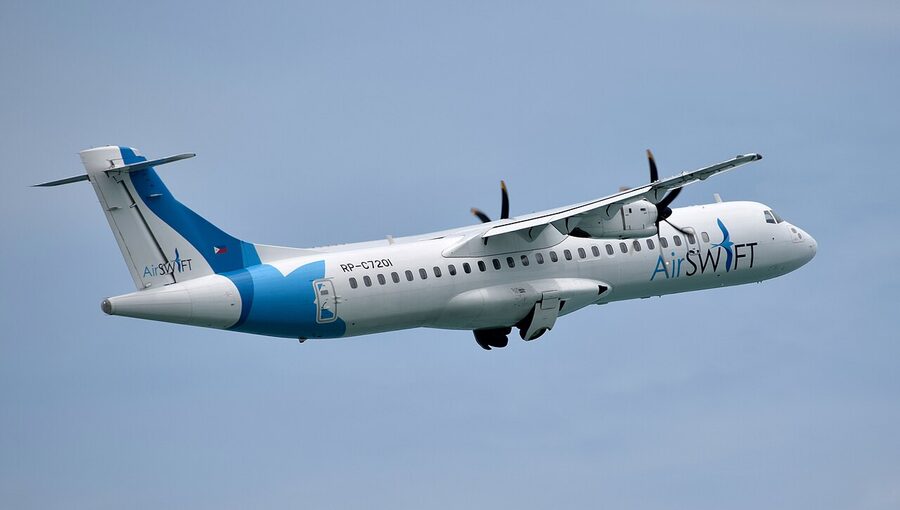
AirSWIFT is the only carrier that flies Manila to El Nido directly, and they have effectively been running the route alone since 2016. The aircraft is a 50-seat ATR 42 turboprop. The flight takes about 1 hour 10 minutes. You land at El Nido Lio Airport (ENI), a tiny single-runway strip in the Lio Estate development. From the terminal it is roughly 20 minutes by van to El Nido town and 5 minutes to the Lio resorts.
What you give up for that convenience is money. AirSWIFT pricing sits between premium and luxury for the route. ₱8,000 (~$140) is the floor if you book months ahead in shoulder season. ₱12,000 to ₱15,000 (~$210 to $260) one way is normal in peak. I have seen ₱18,000 (~$315) one way for last-minute bookings in March. Cebu Pacific tried the route briefly in 2024 and pulled back. AirAsia also runs occasional MNL-ENI flights, worth checking on the booking sites, but supply is thin and not always reliable.
Two practical things about flying AirSWIFT. First, the baggage allowance is tighter than a normal Philippine domestic flight. Standard fare gets you 10kg checked plus 7kg cabin. If you are travelling with diving gear or a full week of beach kit, expect to pay excess. Second, the ATR-42 is a turboprop, which means it bounces around more in turbulence than a jet would. If you are nervous on small planes, take the morning flight. Afternoon thunderstorm activity in wet season is a real thing.
Booking AirSWIFT
Book directly on the AirSWIFT website if you can. Their own site usually has the best price compared with Skyscanner or Expedia for this specific carrier, and the route is short enough that you do not need third-party miles to make sense of it. Seat inventory is limited, so peak-season flights (mid-December to mid-January, plus the dry-season window of February to early May) sell out three months ahead. If you are flying in March or April and you are still tossing up dates in February, you might already be too late at the price point you wanted.
What landing at Lio is like
Lio Airport is genuinely tiny. One runway, one terminal building that feels closer to a beach club than an airport, no jet bridge, no second gate, no second carousel because there is only one. You walk down stairs onto the apron, your bag arrives on a trolley five minutes later, you are out the front in fifteen. There are van transfers waiting outside that go to El Nido town for ₱500 to ₱700 (~$9 to $12) per person, or you can pre-book a private transfer through your hotel. If you are staying in the Lio Estate (Seda Lio, Casa Kalaw, Hotel Covo, Balai Adlao), the resorts run their own shuttle and it takes five minutes.
I cover where to actually stay once you arrive in the dedicated El Nido hotels guide, with full breakdowns of the four areas (town, Corong-Corong, Lio Estate, and the Bacuit Bay private island resorts).
Option B: Manila to Puerto Princesa, Then Van
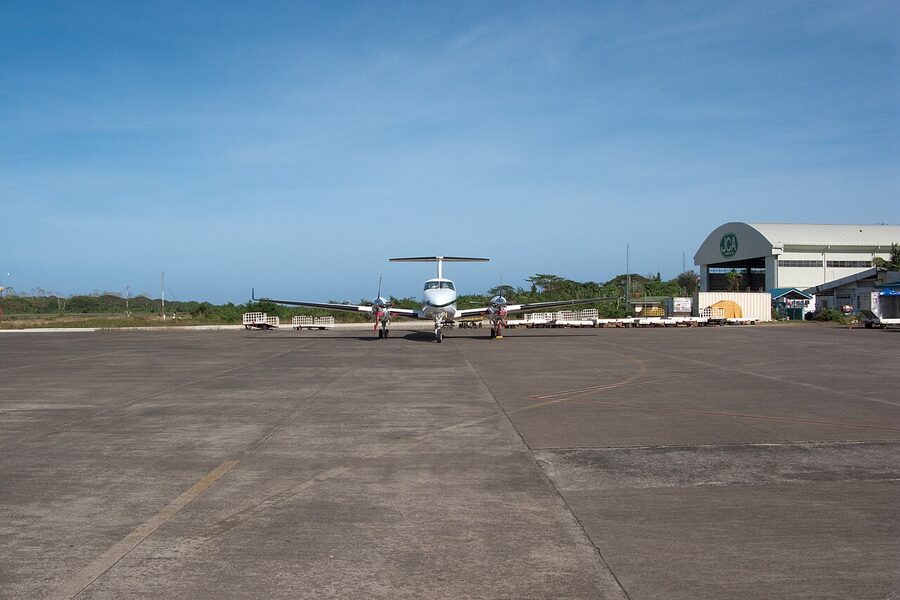
This is the route most travellers actually take. You fly Manila to Puerto Princesa (PPS) in 1 hour 25 to 1 hour 30 minutes on Cebu Pacific, AirAsia Philippines, or Philippine Airlines. There are usually 8 to 12 daily flights on this route, which means cheap promo fares are easy to find. ₱1,500 (~$26) one way is achievable on a Cebu Pacific seat sale. ₱2,500 to ₱4,000 (~$45 to $70) one way is the normal range. ₱6,000 (~$105) is what you pay if you book the day before.
The catch, and it is a real one, is what happens after you land at PPS. The airport sits on the eastern edge of Puerto Princesa city. El Nido is on the northern tip of Palawan island, 233 kilometres up the Palawan Highway. There is no train. There is no internal flight that gets you north faster. There is the road, and the road is what makes this option an adventure.
The van ride from PPS to El Nido
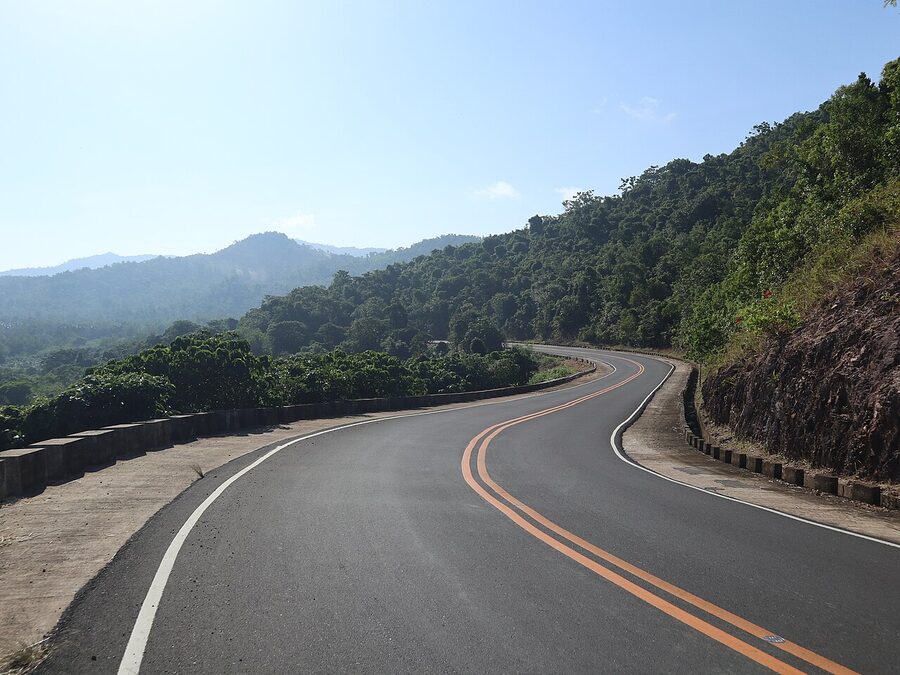
Shared minivans run all day from the PPS van terminal to El Nido town. The companies you will see most are Lexxus, Cherry, Daytripper, Eulen Joy, and Recaro. They all charge roughly the same: ₱700 to ₱800 (~$12 to $14) for a shared seat, ₱1,200 (~$21) if you want the front row or one of the bigger Hyundai vans. Departure points are at the central van terminal in PPS proper or directly from the airport curb if you book a transfer-included package. The companies all use messenger or their own websites to book seats; walk-up is also fine if you are flexible on timing.
The drive itself takes 5 to 6 hours in good conditions and 7 to 8 hours when something goes wrong, which it sometimes does. The road has been progressively repaved since 2018 and the Taytay-El Nido stretch is now actual highway most of the way. But Palawan is a long thin mountainous island, and the road climbs and falls and bends through the spine of those mountains for about three of those hours. If you get carsick, take a tablet 30 minutes before departure. If you are a confident reader, don’t try to read. Look at the trees and the occasional glimpses of the South China Sea on the western side and you will be fine.
Vans stop once for a bathroom break and lunch around the halfway point in Roxas. There is one cleanish toilet, a sari-sari store, and a row of carinderias selling rice plates for ₱120. Eat before you board if you are picky.
When the road version is the right call
The Puerto Princesa route is not just a budget compromise. It is the right choice for several types of trip. If you have a week or more in Palawan and want to see the Underground River, you basically have to land in PPS anyway because that is where the boats to Sabang leave from. If you are a backpacker on a multi-week loop, the savings versus AirSWIFT pay for several nights of accommodation in El Nido. And if you want to break the journey with a stopover in Port Barton or Sabang, you need the road, because AirSWIFT skips over both of those.
It is also genuinely interesting to see the middle of Palawan. You pass through small towns, hand-painted political posters, copra-drying yards, and the occasional water buffalo on the verge. It is not a scenic tourist drive in the European sense, but it is real Palawan, which the airport-to-airport version skips entirely.
Option C: Overnight Bus from Puerto Princesa
Cherry Bus and Roro Bus run public buses on the same PPS to El Nido route, but they are slower and less comfortable than the vans. The trip takes 8 to 10 hours, the bus stops more often, and the seats are not built for the curves. The fare is ₱500 to ₱600 (~$9 to $11), so you save roughly ₱200 versus the van. There is an overnight service that leaves PPS around 9pm and arrives El Nido around 5am.
I have done the overnight once and I would not do it again unless I genuinely could not afford the van. The savings are small, the sleep is awful, and you arrive at 5am at the El Nido bus terminal in the dark with no breakfast options open and no hotel that will check you in until noon. If you are a hardened budget traveller and you will spend six hours napping on a beach bench until check-in, fine. Otherwise pay the extra ₱200 and take the morning van.
The one situation where the overnight bus genuinely makes sense is if you have a 6am AirSWIFT or PAL flight out of PPS the next morning and you want to leave El Nido at a normal time the night before. In that direction the timing works. Coming up to El Nido the timing is just bad.
Option D: Coron to El Nido by Fast Ferry

This option only applies if you are starting in Coron, but a lot of travellers are. Coron is on Busuanga Island in northern Palawan, and Busuanga has its own airport (USU) with multiple daily Manila flights on Cebu Pacific, AirAsia, and PAL. If you are doing a two-stop Palawan trip and you start in Coron, the way you get to El Nido is the fast ferry across the Linapacan Strait.
The companies running this route are Montenegro Lines (the Atienza ferries) and Phil Harbour Travel and Tours. The crossing takes about 4 hours in good weather and 5 to 6 hours if it is rough. Departures are usually one a day at 6am or 7am from Coron, arriving El Nido late morning. Tickets are ₱1,800 to ₱2,500 (~$32 to $44) one way and you can book online through Phil Harbour or through 12go.asia.
The crossing is open sea in places and the boat does roll. On a calm day you could read a book. On a rough day there will be people quietly throwing up into bags. If you are at all motion-sensitive, take the tablet, sit at the back, look at the horizon. The route is genuinely beautiful as it weaves through the Linapacan archipelago, which is some of the clearest water in the country.
If you are doing the reverse direction (El Nido to Coron), the same boats run and the timing is the same. There are also overnight slow ferries by Atienza that take 8 to 10 hours and cost less, but they are uncomfortable and not worth the saving.
Which Option Suits Which Traveller
If you have less than 4 nights in El Nido and your travel budget is not the main constraint, fly AirSWIFT both directions. The 5 to 6 hours each way that the road would burn is gone, and you get two extra meals, a sunset, and a sunrise in El Nido that you would otherwise spend in transit.
If you have 5 to 7 nights and you want to see Puerto Princesa Underground River as well, fly into PPS, do the Sabang trip, then take the morning van north to El Nido. Fly back from El Nido on AirSWIFT direct. This combination is what I recommend most often. You see the southern half of Palawan and you skip the dreaded second long van ride.
If you have 10 plus nights, the budget version makes complete sense. PPS in, road north with overnight stops in Sabang or Port Barton, El Nido base, then ferry to Coron, then USU back to Manila. This is the classic Palawan loop and it is one of the better long itineraries in Southeast Asia.
If you are a couple flying in for a long weekend, especially mid-week to avoid the Friday airfare spike, AirSWIFT both ways is genuinely the only option that gives you enough time on the ground. The road would eat your trip.
Booking Strategy and Common Mistakes
The AirSWIFT seat inventory is the single most common booking mistake. People plan their trip around being in El Nido for a specific 4-day window in March or April, then look for AirSWIFT seats two weeks out and find them sold or priced at ₱18,000 (~$315) one way. If you are travelling in dry season (December through April), book AirSWIFT before you book your hotel. Their fare bucket structure means waiting 30 days to “see if a deal pops up” is just how you end up paying the highest fare.
For Manila to PPS, the opposite is often true. Cebu Pacific runs sales every other week and AirAsia drops promo fares on Wednesday afternoons. If you are flexible on dates, set price alerts on Skyscanner and book when the fare drops to ₱1,500 (~$26) or below. The promo fares are real but they are fully non-refundable.
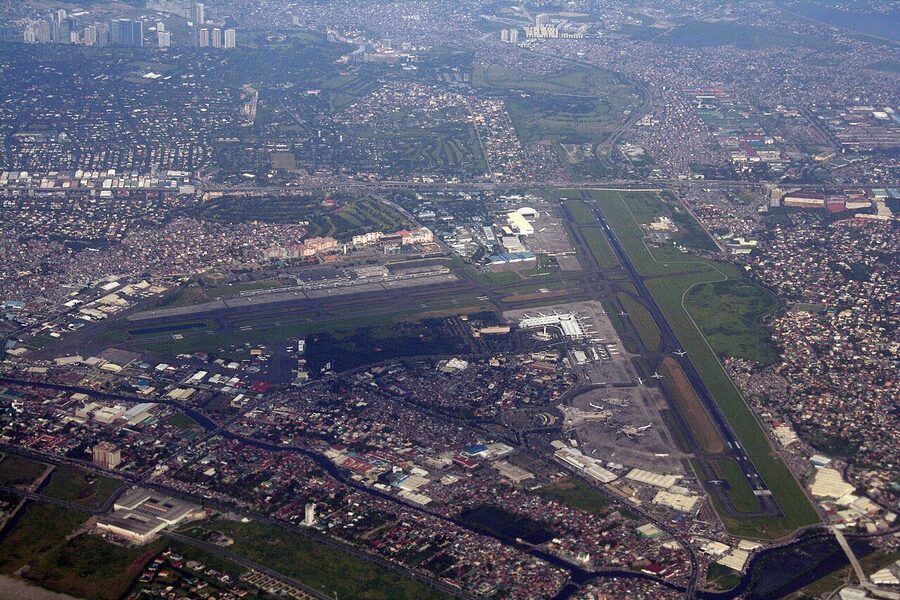
The other common mistake is underestimating how much time NAIA itself eats. The four NAIA terminals are not connected airside. AirSWIFT flies out of Terminal 4 (also called the Manila Domestic Airport, the old one) which is small and easy to navigate. Cebu Pacific is at Terminal 3. PAL is at Terminal 2. AirAsia is at Terminal 3. If you are connecting from an international flight, you have to clear immigration, collect bags, and either walk between terminals (theoretically possible between 2 and 3, painful in tropical heat with luggage) or take a free shuttle bus that runs every 20 minutes but is often delayed in traffic. Build in 4 hours minimum between an international arrival and a domestic departure on the same day. I would just sleep near the airport overnight if I had the option, which is what the NAIA airport hotels guide covers.
And on the Manila side: if you are staying in Makati or BGC and you have a morning AirSWIFT flight, leave your hotel at least 2 hours before departure during weekday morning traffic. EDSA Carousel and Grab times are unpredictable. The getting around Manila guide has the real numbers on which routes actually work at which times.
The Return Trip from El Nido
Going home is where the road option becomes harder. From El Nido back to Puerto Princesa for a same-day flight, you need to leave El Nido by 5am or 6am to reliably catch a 1pm or later PPS flight. The vans run on this schedule precisely because of the airport connection. ₱700 to ₱800 (~$12 to $14) for a shared seat, ₱1,200 (~$21) for a private spot, same companies as the northbound route.
Several travellers have ended up sprinting through PPS terminal because they took an 8am van and hit road works in Roxas. Build in buffer. If your flight out of PPS is at noon, take the 5am van. If it is at 4pm or later, the 7am van is fine. Anything tighter is gambling.
The AirSWIFT return is much more forgiving because Lio Airport is 20 minutes from town. Hotels arrange transfers automatically. The check-in counter opens 1 hour 30 minutes before departure and there is no security line worth speaking of. You can have a long lunch in El Nido town and still make a 3pm flight back to Manila.
The Puerto Princesa Stopover Question
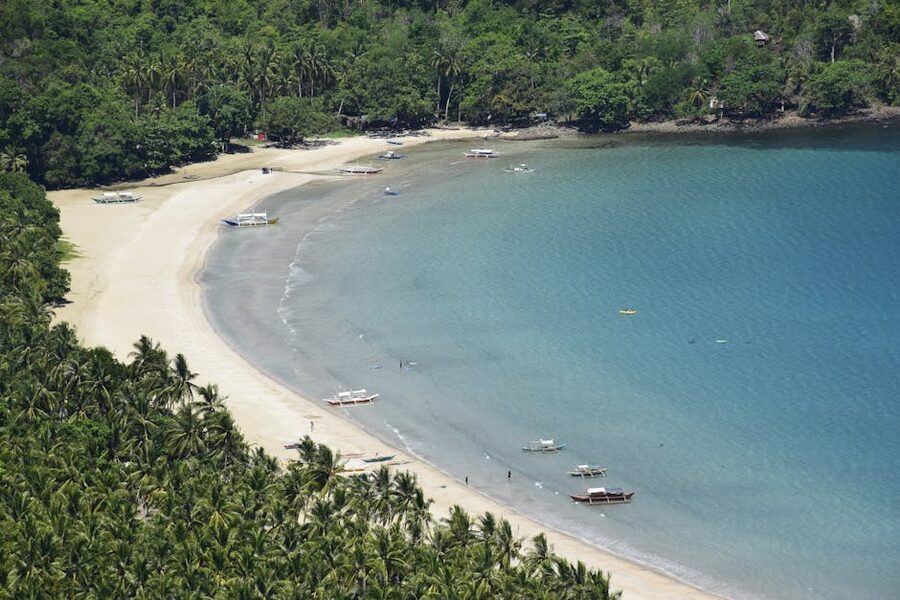
Most travellers fly into PPS, take the van straight to El Nido, and never see Puerto Princesa city. That is a defensible choice if you only have 4 or 5 days. But if you have a full week or more in Palawan, 1 to 2 nights in PPS is genuinely worth it.
The Puerto Princesa Underground River is the obvious reason. It is a UNESCO World Heritage site, it is one of the seven New Wonders of Nature, and it is a genuinely impressive 8-kilometre subterranean river that you ride on a small paddle boat. The catch: you cannot just turn up. The park has a daily visitor cap and almost all permits go through licensed tour operators. Book through your hotel or directly with a Sabang-based operator at least 2 days ahead. The full day trip from PPS costs ₱1,500 to ₱2,500 (~$26 to $44).
The non-obvious reason to stop in PPS is Honda Bay island hopping. It is cheaper, more relaxed, and less crowded than El Nido’s Bacuit Bay tours. You hire a bangka, you visit three or four islands (Cowrie, Pandan, Luli, Starfish), you snorkel on shallow reefs, you eat grilled fish on a beach. It is one of the genuinely good half-day trips in the Philippines and it costs ₱1,200 to ₱1,800 (~$21 to $32) per person including lunch and gear.
If you are stopping, base yourself on Rizal Avenue near the Robinsons Place mall for food access, or at Sheridan Beach Resort in Sabang if you want to do the Underground River and stay close. One night in PPS plus the Underground River day plus the morning van north is a genuinely good 36 hours.
A Real Word on Travel Sickness
I have to mention this because every season, someone tells me they wish they had known. The Palawan Highway between Puerto Princesa and El Nido has been improved enormously over the last decade. The asphalt is solid. The bridges are real bridges, not the wooden plank affairs they were in 2010. But the road is still a 230-kilometre serpentine through mountains. The first 90 minutes north of Roxas are nearly straight. The middle section is curves, climbs, and descents. The last 30 minutes into El Nido is also curves.
If you have any tendency to motion sickness, take a Bonine or Stugeron tablet 45 minutes before you board the van. Sit in the front passenger seat if you can (the pricier ₱1,200 seat). Look at the road ahead, not at your phone. Eat lightly before the trip. Avoid greasy food at the Roxas lunch stop because the second half of the drive is the windier half.
The vans do not have plastic bags by default. Bring your own. The driver will pull over if asked, but the road has limited safe shoulders, so request the stop early when you start to feel it.
What Awaits When You Get There

I will spare you the pages of “El Nido has crystal-clear water” because of course it does. The four standard island-hopping tours (A, B, C, and D) cover almost everything you would want to see in Bacuit Bay. The full breakdown of which tour is best, which beach is worth lunch, and how to get the early-morning slot at Big Lagoon is in the dedicated El Nido travel guide. For the bigger Palawan picture, the Palawan travel guide covers Coron, Port Barton, and the rest of the long thin island.
Whether you fly direct or take the road, the moment you walk down to the El Nido waterfront and look at the limestone karsts at low light, the question of how you got there stops mattering. That is the whole point.
When to Time This Trip
Palawan has two seasons: dry (December to May) and wet (June to November). The peak dry months are February, March, and early April. May is hot and starting to get afternoon storms. October and November are the wet peak, with frequent tropical storms and occasional flight cancellations on AirSWIFT (small turboprops do not fly through thunderstorms). The wider best time to visit Philippines guide has the regional breakdown if you are also planning Cebu, Bohol, or Boracay on the same trip.
The other timing factor is Holy Week (the week leading up to Easter Sunday). Domestic flight prices double, hotels run full, and AirSWIFT seats sell out a month in advance. If you can avoid Holy Week, do.
A Note on Arrival Day Logistics

One last thing that is worth saying. Whichever option you pick, try to plan your arrival in El Nido before sunset. The light hitting the karsts in the last hour of daylight is genuinely the welcome you came for. Arriving at 9pm in the dark, after either a delayed AirSWIFT or a long van, means you go to bed not having seen the place yet. If you can land at 4pm, you can drop your bag, walk down to the beach, get a San Mig at one of the front-row bars, and watch the sun go down behind Cadlao Island. That is the right way to start the trip.
Frequently Asked Questions
How long does it take to get from Manila to El Nido?
By AirSWIFT direct, about 4 to 5 hours door to door from a central Manila hotel. By Manila to Puerto Princesa flight plus van, 9 to 12 hours door to door if you connect same day, longer if you sleep in PPS.
How much is a flight from Manila to El Nido?
AirSWIFT direct one way is ₱8,000 to ₱15,000 (~$140 to $260) depending on season and how far ahead you book. Manila to Puerto Princesa one way is ₱2,000 to ₱6,000 (~$35 to $105). Add ₱700 to ₱1,200 (~$12 to $21) per person for the van north.
Is it better to fly to Puerto Princesa or El Nido?
For trips of 4 nights or less, fly direct to El Nido on AirSWIFT. For trips of 5 nights or more where you also want to see the Underground River or save money, fly to Puerto Princesa and take the van. Many travellers fly into PPS and out of ENI to see both ends of Palawan without doubling back.
How long is the van ride from Puerto Princesa to El Nido?
5 to 6 hours in normal conditions. 7 to 8 hours if there is bad weather or road works. Vans depart from the PPS van terminal and from the airport hourly throughout the day until late afternoon. Cost is ₱700 to ₱1,200 (~$12 to $21) per person depending on whether you take a shared seat or a premium front-row spot.
Can you take a bus from Manila to El Nido?
Not directly. You would have to take a bus from Manila to Batangas, a ferry from Batangas to Coron or Puerto Princesa (24 to 30 hours), then a bus or van north. This is a multi-day journey and almost no one does it. Fly to PPS or fly AirSWIFT to ENI.
When do AirSWIFT seats sell out?
Peak dry-season flights (mid-December through early April) sell out 6 to 10 weeks ahead. Holy Week sells out 12 weeks ahead. May to November is easier and you can often book 2 weeks out at the lower price tier. Book direct on the AirSWIFT website for the best fare.
Is the road from Puerto Princesa to El Nido safe?
Yes. The Palawan Highway has been progressively repaved since 2018 and the Taytay-El Nido stretch is a proper 2-lane sealed road. Drivers are generally professional. Wet-season landslides occasionally close sections for a few hours but full-day closures are rare. If you are prone to motion sickness, take a tablet before you board and pick a forward seat.
Should I stop in Puerto Princesa on the way?
If you have a week or more in Palawan, yes. One or two nights in PPS plus the Underground River day trip and Honda Bay island hopping is a strong addition to an El Nido trip. If you only have 4 nights total, skip it and head straight north.