Malapascua: Advance Divers Shark Dive & Optional Transfer
Thresher sharks appear before breakfast. Malapascua gives certified scuba visitors a rare chance to see these long-tailed sharks almost every day, often at close range. I like the early boat ride to Monad or Kimud Shoal, and I like that the trip may include two or three underwater outings rather than a rushed single descent. The main catch is timing: you must stay on Malapascua Island the night before unless you pay for the Cebu or Mactan transfer option.
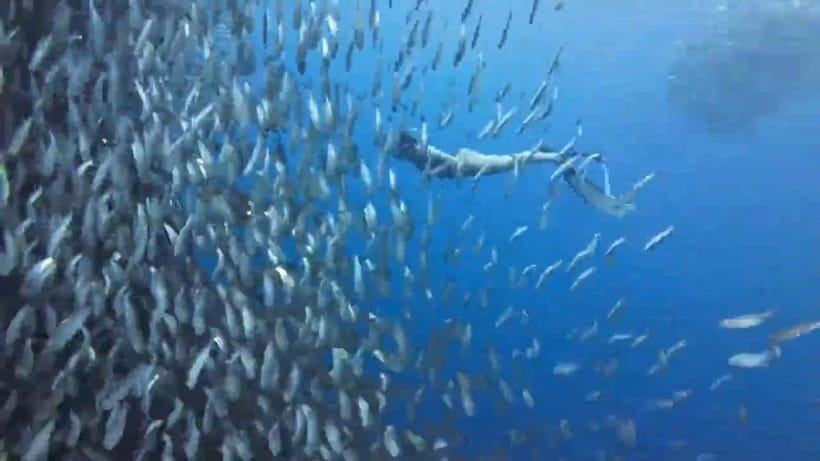
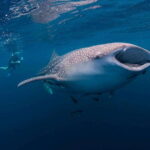
The strongest part of this experience is the chance to see thresher sharks in their natural setting, with their huge eyes and sweeping tails moving through the blue. I also appreciate the mix of possible marine life, from devil rays and frogfish to whitetip reef sharks, ghost pipefish, nudibranchs, and shrimps.
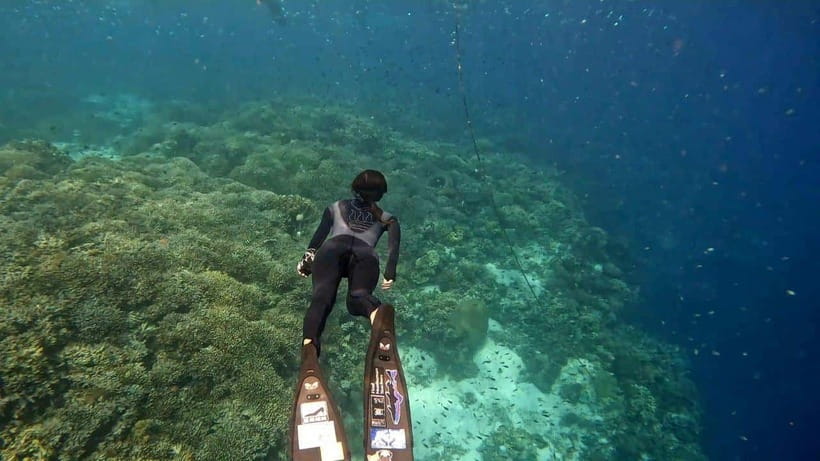
This is not a casual introduction to scuba. Monad Shoal can reach 16 to 30 meters, and Kimud Shoal reaches about 12 meters. You need certification, solid recent experience, and possibly a refresher session or check dive if you have been out of the water for a while.
In This Review
- Key points to know before booking
- Why Malapascua is famous for thresher sharks
- The early morning start on Malapascua
- Riding the banca boat to the shark sites
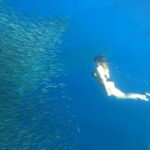
- What the thresher shark encounter is like
- Other marine life worth watching for
- When Gato Island enters the schedule
- Certification, depth, and comfort
- The real cost beyond the $103 price
- How to plan the night before
- Who will get the most from this outing
- Booking flexibility and practical details
- Should you book the Malapascua shark outing?
- FAQ
- Where does the shark outing begin?
- What time does the activity start?
- Which certification do I need?
- How many underwater sessions are included?
- What extra costs should I expect?
- Can I fly within 24 hours afterward?
Key points to know before booking
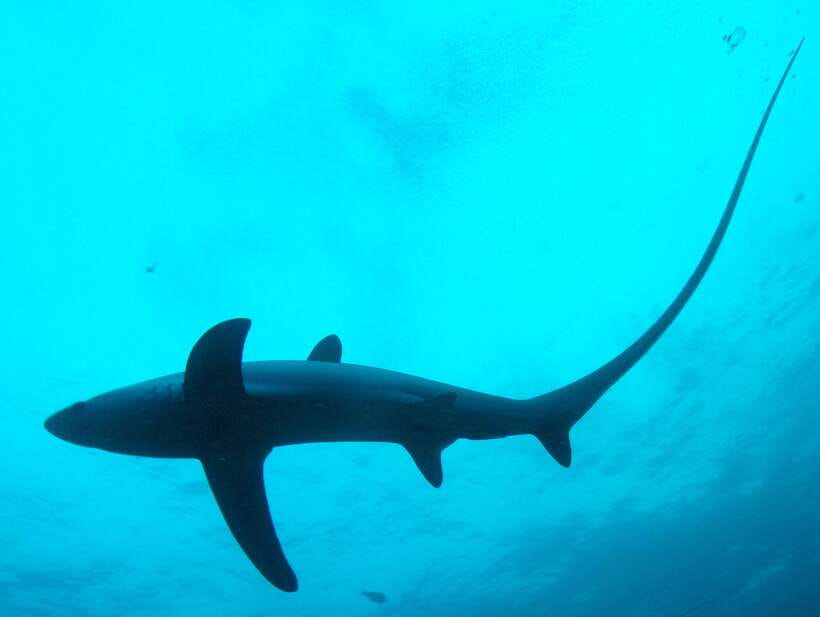
- Thresher sharks are the main event: Sightings are promised, with trips usually heading to Monad Shoal or Kimud Shoal.
- The schedule changes daily: Departure is commonly around 6 AM, sometimes earlier, and the exact sites are confirmed only the day before.
- You may get two or three underwater sessions: Some outings add Gato Island, a well-known site where you might spot a tiger shark.
- The $103 price is only the starting cost: Equipment, marine park fees, and fuel charges are paid separately.
- You need to sleep on Malapascua first: The early departure makes a same-morning trip from Cebu impossible without the optional transfer arrangement.
- This suits experienced certified scuba participants: Open Water certification may be accepted with an instructor for an extra fee, but the standard program is for Advanced Open Water participants.
Why Malapascua is famous for thresher sharks
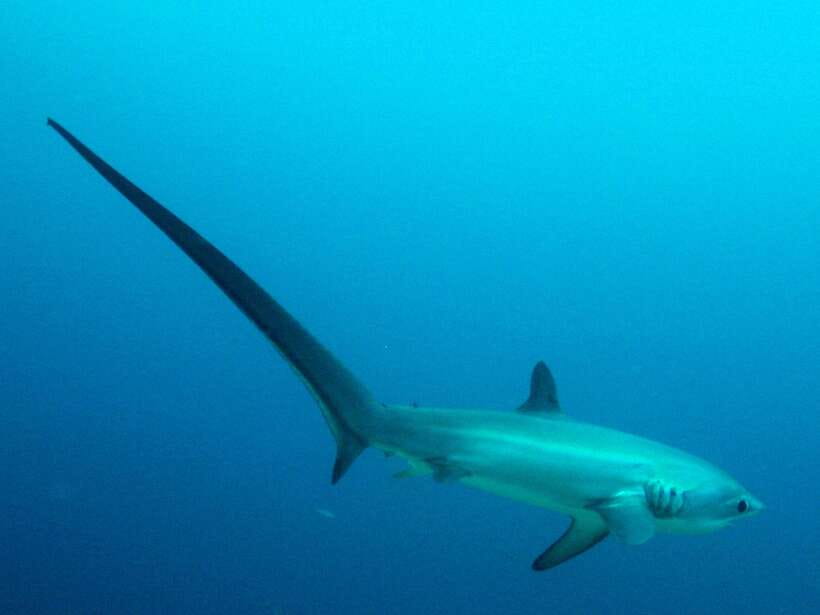
Thresher sharks are easy to recognize. Their tails can be nearly as long as the rest of their bodies, and their large eyes give them an almost curious look. They are not the usual reef shark sighting, and the chance to see them regularly is the reason many people make the trip to this small island in the Visayas.
Malapascua is described as the only place in the world where you can see thresher sharks every day. That does not mean every encounter will be identical. Visibility, currents, weather, and the animals themselves still affect the quality of the morning. But the area has an unusually strong record for sightings, which gives this trip more purpose than a general reef outing.
The best-known site is Monad Shoal. The usual underwater depth there is between 16 and 30 meters, so you need to be comfortable with a more demanding profile. The deeper setting is part of the appeal, but it also means you should take your certification and recent experience seriously.
Kimud Shoal is shallower, at around 12 meters. It was once particularly known for hammerhead sharks, which are still occasionally seen, though much less reliably than the threshers. If you hope for hammerheads, treat them as a lucky extra rather than the reason to book.
You can also read our reviews of more tours and experiences in Cebu City.
The early morning start on Malapascua
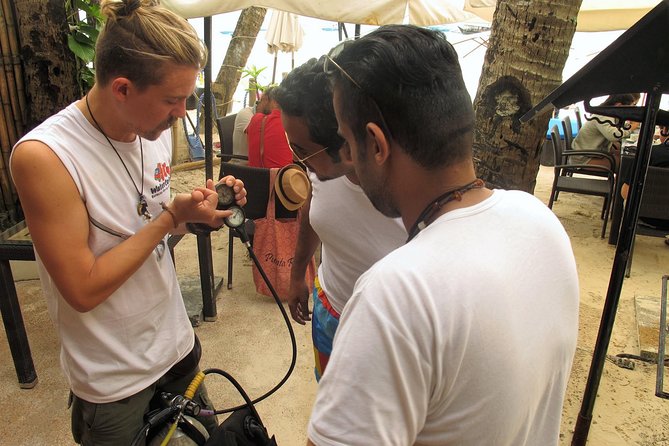
You will usually meet at the dive center around 5 or 6 AM, depending on the final plan for the day. The exact departure time can change, so I would visit the shop the afternoon before. That is when you can complete paperwork, check your certification, arrange equipment, and confirm the boat schedule.
This early start is practical rather than glamorous. You are up before most of the island is moving, and the boat leaves while the day is still cool. The reward is the chance to reach the shark site during the period traditionally linked with thresher sightings.
The operator now reports sightings through more of the morning, not just at first light. That has allowed the program to offer double-shark outings and, on some days, three-shark trips. Still, you should not expect the exact plan advertised for a particular future date. Weather, sea conditions, and local operating decisions determine the schedule, usually only one day ahead.
For a short stay, this uncertainty matters. You may have several possible formats, but you cannot count on one exact combination of sites until you arrive. I would allow at least one flexible day in Malapascua if seeing the sharks is the main reason for your visit.
Riding the banca boat to the shark sites
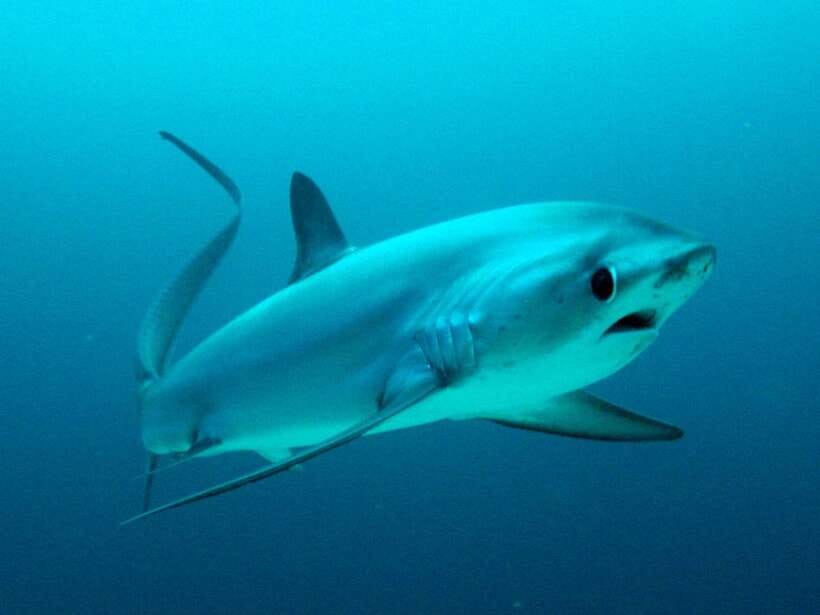
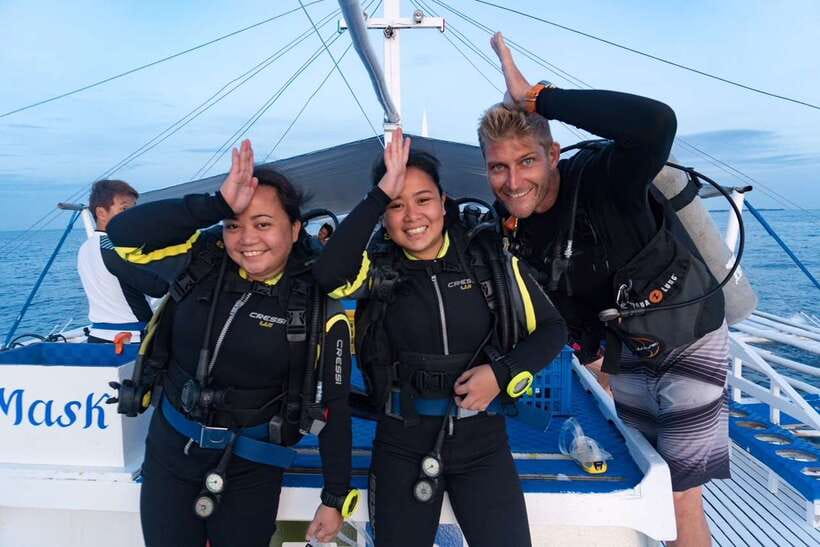
Once paperwork and preparation are complete, you board a spacious banca boat. This traditional Philippine boat style is well suited to island transport and gives you an open-air ride to the sites.
The boat ride is included in the listed price, as are your tank, weights, coffee, tea, and drinking water. Those small comforts matter at this hour. A hot drink and water are useful when you are preparing for a demanding morning in cooler water.
The boat takes you toward Monad Shoal or Kimud Shoal. The final site depends on the day’s plan, weather, and shark program. An experienced PADI Divemaster leads the underwater portion, helping you stay with the group and approach the animals responsibly.
Do not expect a private charter. The maximum group size is 15 people. That is still a manageable number for a professional boat outing, but the experience will feel more social and less personal than a one-on-one guide arrangement.
What the thresher shark encounter is like
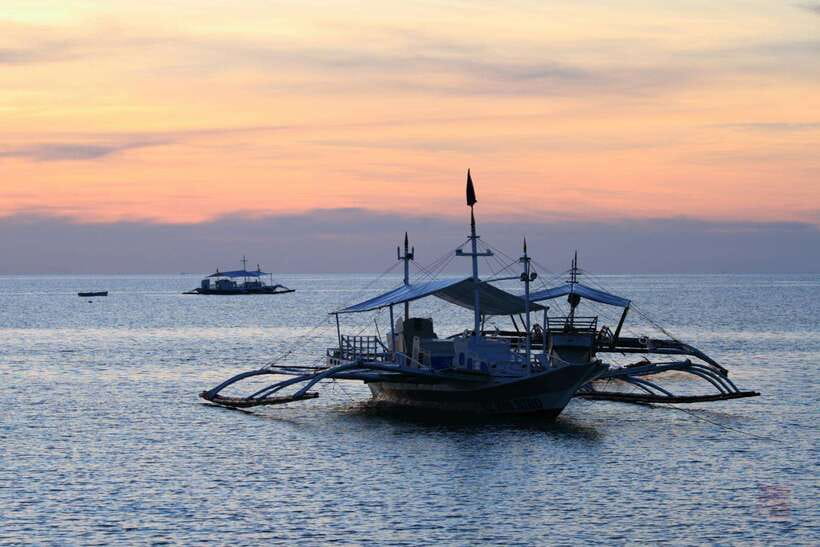
The aim is to observe the sharks without chasing or crowding them. Threshers are known for their graceful movement, and their long tails are often the first feature that catches your attention. The best moments may be brief, so patience and calm buoyancy are important.
You may see the sharks close by, but the distance and length of the encounter cannot be guaranteed in a human sense. The program states that threshers are guaranteed, yet marine wildlife never follows a script. You should book for a strong chance at a memorable sighting, not for a staged performance.
Monad Shoal provides the deeper setting. If you are comfortable at those depths and have the right certification, it can feel like a serious marine encounter rather than a shallow sightseeing trip. If deeper profiles make you uneasy, tell the operator before the morning begins and ask about the day’s plan.
Kimud Shoal is shallower and may feel less demanding from a depth perspective. It is also linked with occasional hammerhead sightings, though the thresher sharks remain the reliable draw. The possibility of moving between different sites adds variety, but it also means you should stay open to a changing plan.
Other marine life worth watching for
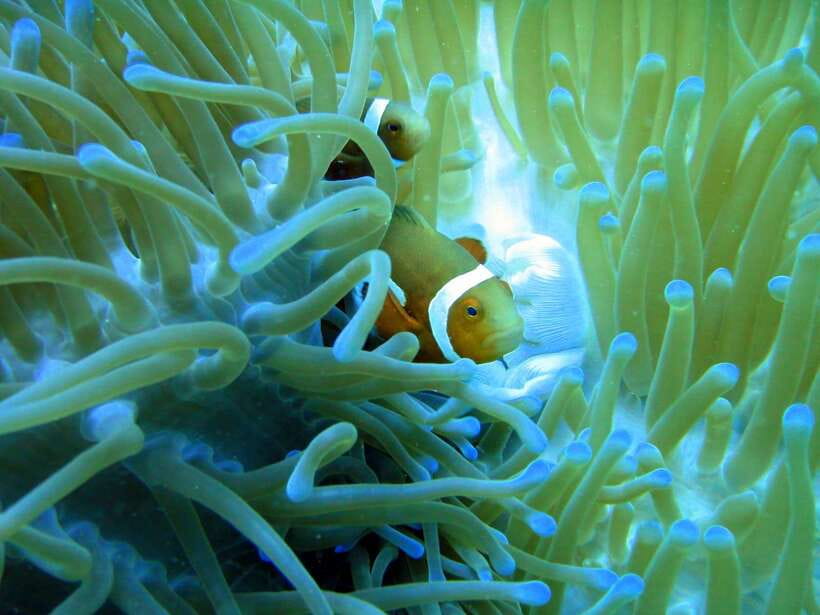
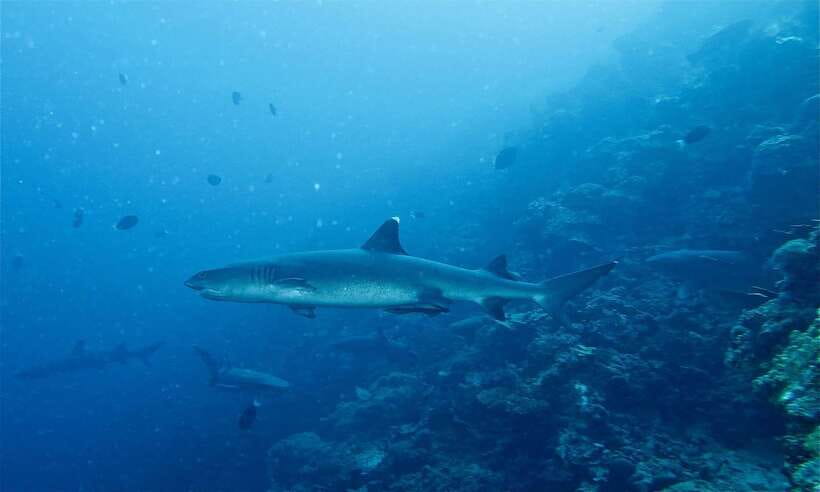
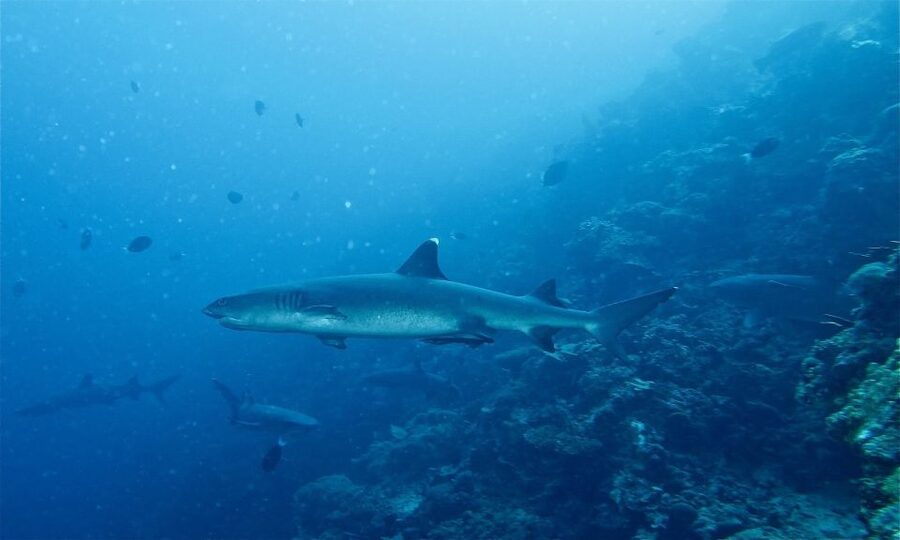
Thresher sharks dominate the advertising, but Malapascua’s underwater life gives the rest of the morning real value. You might see large rays, devil rays, whitetip reef sharks, or grey sharks sharing the area.
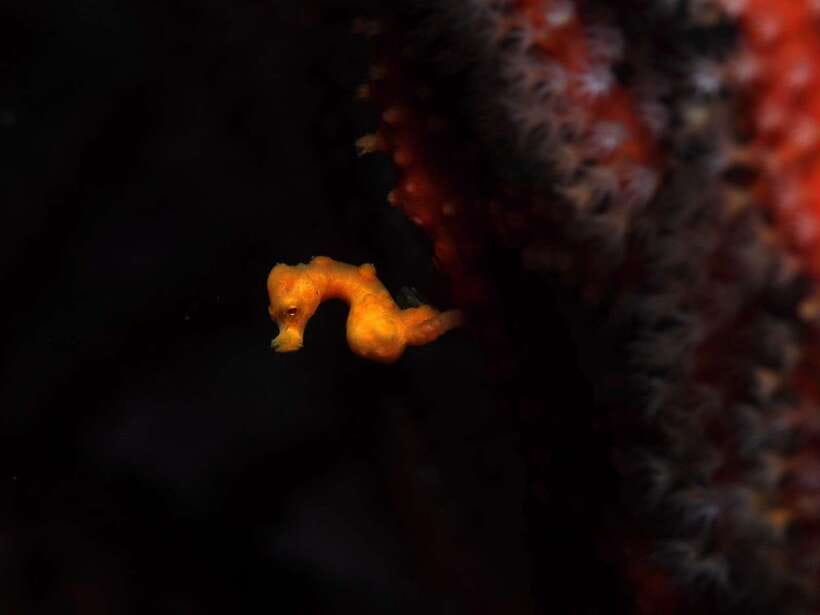
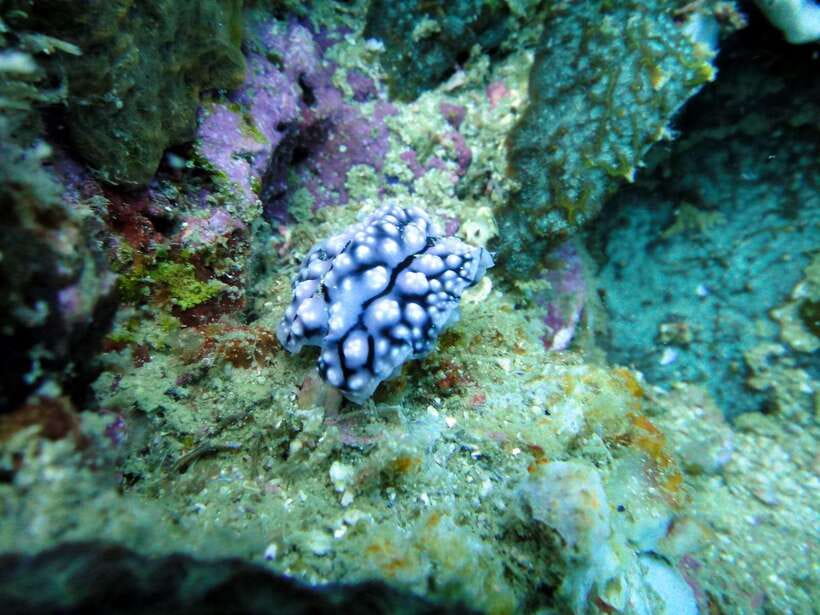
The smaller creatures are just as interesting if your guide points them out. Blue-ringed octopus, ornate ghost pipefish, frogfish, nudibranchs, and shrimps are all listed possibilities. These animals reward a slow eye and careful attention, especially after the excitement of a shark sighting has passed.
The range of creatures makes the trip worthwhile even when the sharks are not immediately in view. You can spend one session watching the open water and another looking closely at the reef. That contrast is one reason I prefer the possible two or three-session format to a single short outing.
When Gato Island enters the schedule
Some versions of the day include Gato Island after the shark outing. Gato is described as the operator’s best-known site aside from the thresher locations, and the format can include three sessions for the sharks followed by two at Gato.
That is a long underwater morning. It suits people who want a full day of scuba and have the stamina to manage several tanks, surface intervals, and boat movements. It may not suit you if your main goal is one focused shark encounter or if you prefer a slower schedule.
The exact Gato plan is not fixed in advance. Ask the shop the day before how many sessions are planned, which sites are included, and how the total time will be organized. If a tiger shark is possible at Gato, treat it as an additional chance rather than a promised sighting.
Certification, depth, and comfort
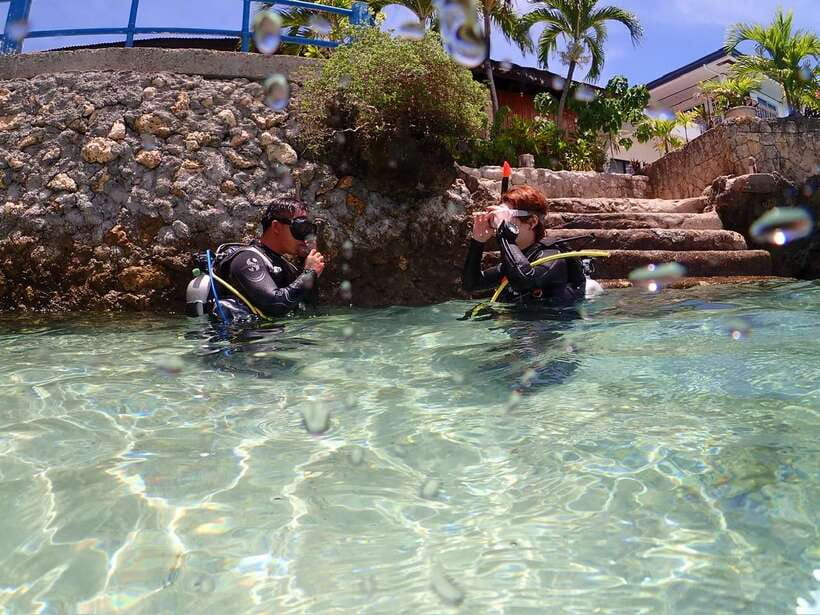
The standard program is for Advanced Open Water Divers. You must bring proof of scuba certification, and the operator may ask you to complete a check dive or refresher the previous day if you have limited experience or have not been underwater recently.
Open Water participants may be able to join with an instructor for an additional fee. That is not the same as casually joining the standard group. Monad and Kimud are described as more challenging sites, so your comfort, buoyancy, air use, and recent practice all matter.
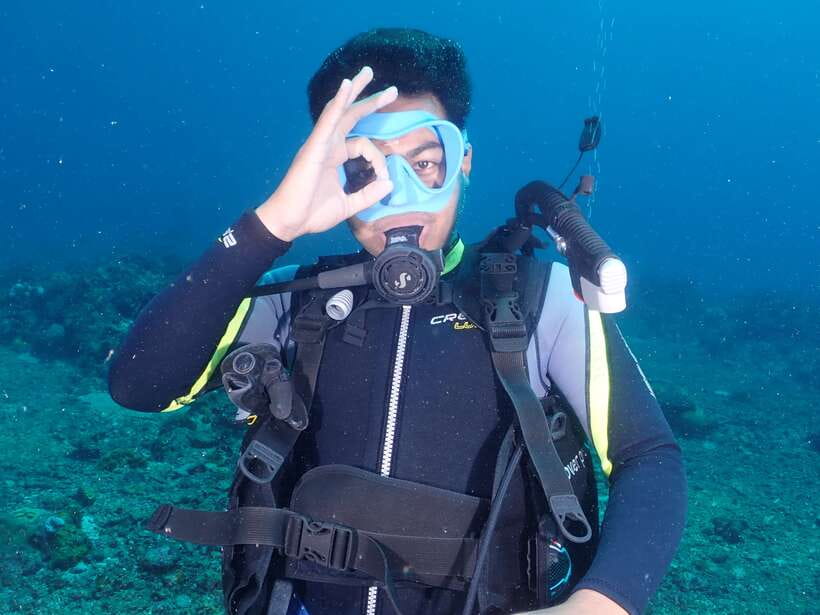
I would not book this as your first scuba experience. You should already be comfortable following a guide, managing your equipment, monitoring your air, and staying calm when a large animal appears. The sharks are the attraction, but safe behavior is what lets you enjoy them.
There is also a standard post-scuba flight precaution. Taking a flight within 24 hours after the outing is not recommended. Plan your island stay and onward transport with that rule in mind.
The real cost beyond the $103 price
The listed price is $103 per person, which covers important basics: a tank, weights, boat transport, coffee, tea, water, and a professional PADI Divemaster. For a specialized shark program in a famous location, that can be fair value, especially if your trip includes multiple underwater sessions.
You need to budget for several extras. Equipment rental costs 400 Philippine pesos per session, or 800 pesos for a two-session trip. Nitrox is optional at 350 pesos per session. The marine park fee is 450 pesos per day at the stated rate.
There is also a fuel surcharge of 500 pesos per session. This is especially important if your schedule includes two or three sessions, because the total can rise quickly. The fuel fee and marine park fee are paid on site, so do not assume the headline price covers every cost connected with the morning.
Transfers from Cebu City or Mactan can be added through the appropriate booking option. Malapascua is about five to six hours from Cebu City and Mactan, so the transfer may be valuable if you are staying in those areas and want the operator to handle the long connection.
Without a transfer, you must sleep on Malapascua the night before. There is no realistic way to leave Cebu in the morning and reach a 5 or 6 AM meeting time on the island. If you are already staying on Malapascua, the no-transfer option is the simpler and probably more economical choice.
How to plan the night before
Visit the shop the day before your scheduled outing. Confirm the departure time, complete the paperwork, and sort out your equipment. This is not just a formality. The schedule may change with weather, and you need to know when to report in the morning.
Ask specifically if the plan is a two-session or three-session outing, which site comes first, and whether Gato Island is included. You can also clarify the fuel surcharge, equipment cost, marine park fee, and any instructor charge if your certification level requires one.
The program is offered in English and Tagalog. The staff includes a professional PADI Divemaster, and the experience provider is Thresher Shark Divers. The available information does not name an individual guide, so you should not expect to request a particular person by name.
Who will get the most from this outing
I would recommend this to an Advanced Open Water participant who has thresher sharks high on a Philippines itinerary. You will get the most from it if you enjoy early starts, changing plans, open-water conditions, and several scuba sessions in one morning.
It also suits photographers and marine-life enthusiasts, though the available information does not promise special photography support. Bring only the equipment you are comfortable handling and ask the shop about rental arrangements before departure.
This is not suitable for children under 15 or anyone without certification. It is also a poor fit if you have not practiced recently and do not want to spend time on a refresher. A check dive may be necessary for your safety and comfort, and that is a sensible trade rather than an inconvenience.
The group limit of 15 keeps the outing from becoming a huge boat party, but you should still expect to share the boat and follow a group plan. If you want a fully private schedule, ask about alternatives before paying.
Booking flexibility and practical details
You can cancel up to 24 hours before the activity for a full refund, and the reserve-now, pay-later option gives you some flexibility. That helps because the exact shark schedule is not set until the day before.
Availability can change during major holidays, especially for last-minute bookings. I would contact the operator in advance if your island stay is short, your certification needs checking, or you require the Cebu or Mactan transfer.
The activity ends back at the meeting point. Plan the rest of your day around a morning on the water, several possible sessions, and the normal need to rest after scuba. Keep your schedule light rather than squeezing in another demanding activity immediately afterward.
Should you book the Malapascua shark outing?
Book it if seeing thresher sharks is a top priority and you are already a confident, recently active Advanced Open Water participant. The chance to see these unusual sharks, plus rays, reef sharks, frogfish, ghost pipefish, and smaller reef creatures, gives the morning genuine substance.
Think twice if you dislike uncertain schedules, have not been underwater recently, or are watching your budget closely. The $103 starting price does not include equipment, the 450 peso park fee, or the 500 peso fuel surcharge per session, and a three-session plan can cost more than expected.
My practical advice is simple: stay on Malapascua for at least the night before, keep the next day flexible, confirm every fee at the shop, and ask about the final plan before you turn in. For the right certified scuba participant, this is one of the clearest reasons to put Malapascua on a Visayas itinerary.
FAQ
Where does the shark outing begin?
It begins at the dive center on Malapascua Island. You need to stay on the island the night before unless you book an available Cebu City or Mactan pickup and drop-off option.
What time does the activity start?
The departure is usually around 5 or 6 AM, but the exact time changes from day to day. Check in at the dive shop the day before to confirm it.
Which certification do I need?
The standard program is for Advanced Open Water Divers. Open Water participants may be able to join with an instructor for an additional fee.
How many underwater sessions are included?
The outing may include two or three sessions. The exact number and sites are confirmed the day before and depend on weather and other conditions.
What extra costs should I expect?
Equipment rental is 400 Philippine pesos per session, or 800 pesos for two sessions. Nitrox costs 350 pesos per session if selected, the marine park fee is 450 pesos per day, and a fuel surcharge of 500 pesos applies per session at the stated rates.
Can I fly within 24 hours afterward?
Taking a flight within 24 hours after scuba activity is not recommended. Plan your onward journey accordingly.