The first time I went to the Chocolate Hills, I went in late May. Dry season was running long, and the hills had finally turned the colour the postcards keep promising. Brown. Mottled, slightly rusty, the colour of cocoa powder if you sprinkled it across a thousand mounds and walked away. The lookout was packed with people taking the same shot from the same railing, and everyone had the same look on their face, half satisfied, half slightly underwhelmed at how compact the famous view actually is. Most months, by the way, the hills are green. They turn brown in late dry season, peak Mar to May, and look like ordinary jungle hills the rest of the year. If you fly to Bohol in November expecting chocolate, you will see broccoli.
That said, Bohol is a great island. I keep going back. The Chocolate Hills are the headline, but the real reason to come is everything around them: a small white-sand island called Panglao that you can drive a tricycle around in two hours, a tarsier sanctuary in the hills behind Tagbilaran where you can stand a metre from the world’s smallest primate, a river cruise that’s properly touristy and oddly enjoyable anyway, and a quiet east coast that almost nobody visits. Pair Bohol with Cebu via the two-hour ferry and you have a one-flight loop through the Visayas that does about everything a Philippines first-timer needs. If you’re still planning the wider trip, our three-day Manila itinerary is what most travellers anchor the Bohol leg around, with a return through Manila for the long-haul flight home.
I sometimes earn a small commission when you book through links in this guide. It covers the hosting bill.
In This Article
- What Bohol Actually Is
- Panglao Island Beaches
- Chocolate Hills: Carmen vs Sagbayan
- Carmen Complex (the official one)
- Sagbayan Peak (the better one)
- Tarsiers: Where to Actually See Them Ethically
- Loboc River Cruise
- Diving: Balicasag, Cabilao, Anda
- Anda and Cabilao: The Quiet East Coast
- Hinagdanan Cave and Bilar Forest
- Where to Eat
- Tagbilaran, Baclayon, and the 2013 Earthquake
- Pairing Bohol with Cebu
- When to Go
- What’s Overrated in Bohol
- Frequently Asked Questions
- How many days do I need in Bohol?
- Is Bohol better than Cebu?
- Can I see the Chocolate Hills brown?
- Where do I see tarsiers ethically?
- How do I get from Manila to Bohol?
- How do I get from Cebu to Bohol?
- Is the Loboc River cruise worth it?
- What is the rainy season like in Bohol?
What Bohol Actually Is
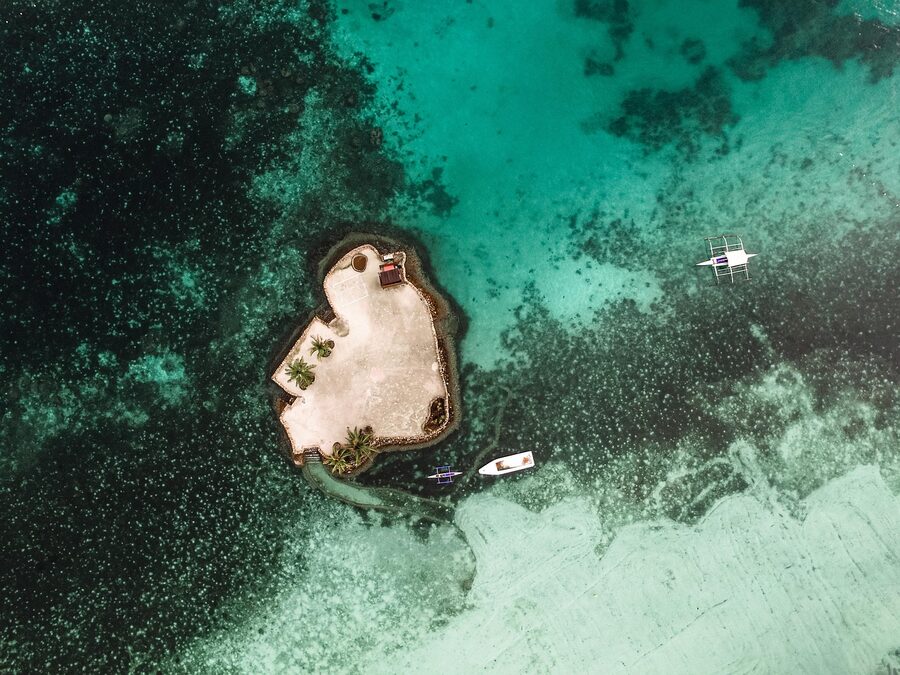
Bohol is the tenth-largest island in the Philippines, sitting in the Central Visayas about 80km southeast of Cebu. If you’re flying in from the capital after a few days of Intramuros and Binondo, the change in pace is the whole point. The provincial capital is Tagbilaran, a small port city of around 110,000 people on the southwestern shoulder of the main island. Almost all the tourism, though, happens on Panglao, a smaller white-sand island connected to Tagbilaran by two short causeway bridges. New Bohol-Panglao International Airport opened in late 2018 on Panglao itself, which means most travellers now land within 20 minutes of Alona Beach without ever stopping in Tagbilaran proper.
The island runs on three tourism economies. Beach and dive tourism on Panglao. The “countryside tour” loop into the interior of the main island, which packs Chocolate Hills, tarsiers, the Loboc River, the Bilar man-made forest, and a couple of Spanish-era churches into a ten-hour day-trip from Panglao. And a much quieter circuit on the east coast around Anda and Candijay, which I’ll get to later. Most travellers do the first two, base in Panglao, and never see the east coast at all. That is fine for a first trip, but worth knowing if you come back.
For practical comparison: if you’re already planning to visit Cebu, Bohol is the natural pair. If you’re choosing between Bohol and El Nido, they are not the same trip. Bohol is calmer, cheaper, easier with kids, and stronger on land-based attractions. El Nido is a boat-tour archipelago. Different rhythm.
Panglao Island Beaches
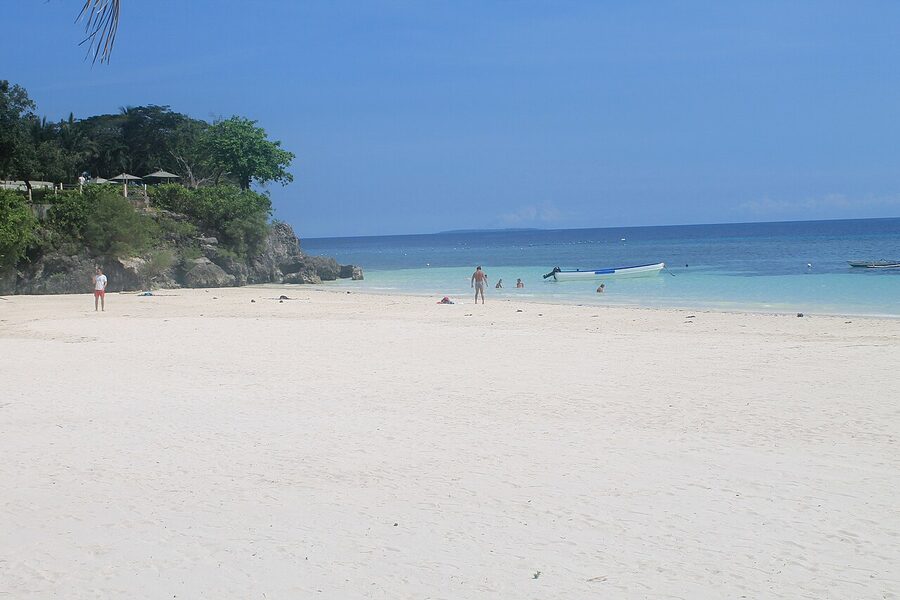
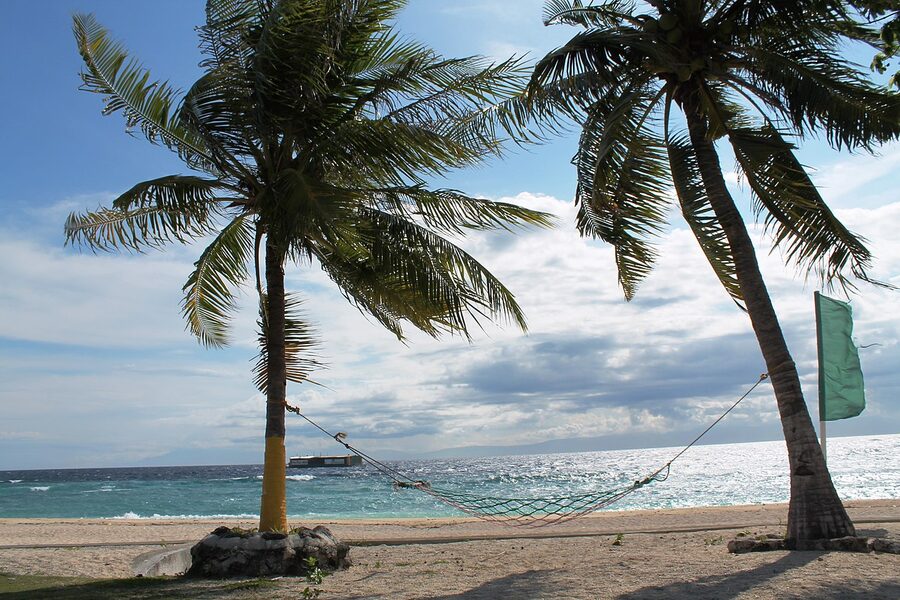
Panglao has four beaches that matter. Alona is the famous one. Dumaluan is the long one. Bolod is the quiet one in the middle. Doljo is the shallow one at the western tip. They are all on the southern side of the island and all face the Bohol Sea, which is the right side of Panglao for sunset and the wrong side for sunrise.
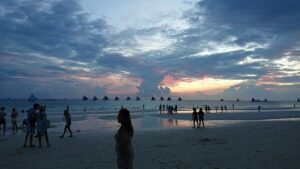
Alona Beach is a 1.5km strip of fine white sand lined with about forty restaurants, dive shops, and small resorts. It is the most developed and the most touristy on the island, and it is where almost every island-hopping boat leaves from in the morning. The water is clean, the sand is real, and the sunset directly off the beach is genuinely good. I rate it for one or two evenings, including a long dinner at Linamnam at Alona, which does a respectable kinilaw and an even better grilled tuna belly. Sleep two streets back from the beach if you want quiet, sleep on the beach itself if you want to stumble home from a sundowner.
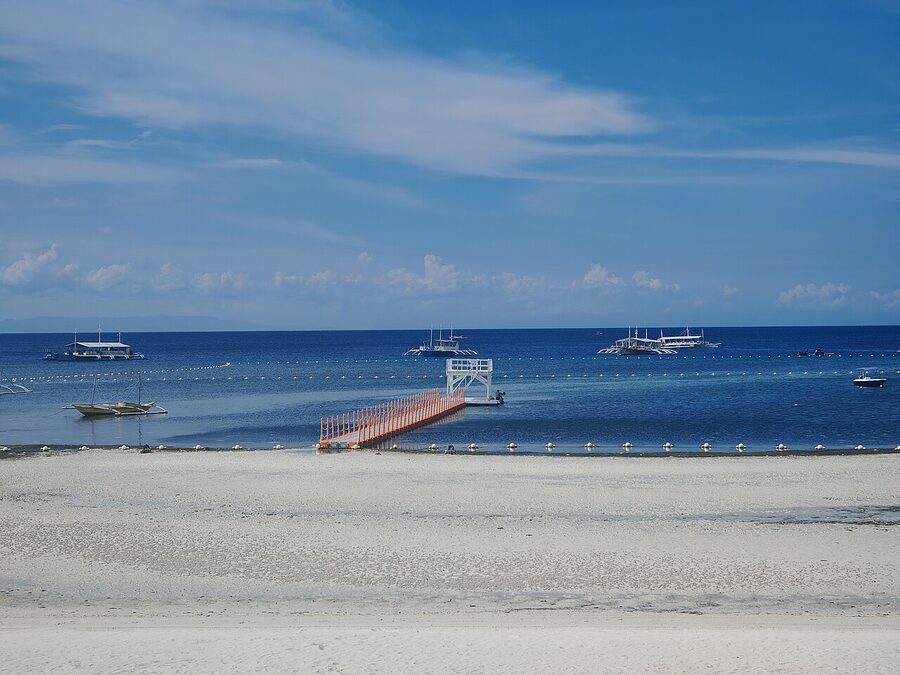
Dumaluan Beach is the long one east of Alona, about 800m of nicer sand with one mid-range resort sitting on it (Bohol Beach Club). Public access is at the far end, ₱100 day-use fee through the resort. It feels like a quieter Alona without the dive-shop hustle.
Bolod Beach is between the two, mostly residential, and a couple of mid-range hotels with their own beach access. Worth a tricycle ride if you’re staying nearby and want a strip with no bars.
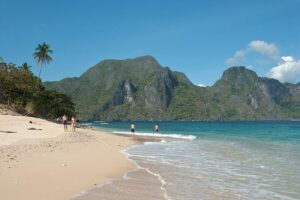
Doljo Beach is on the western tip, 25 minutes by tricycle from Alona, mostly fronted by South Palms and a few small private resorts. The water is shallow at low tide, which is annoying for swimming but excellent for kids. The reef just offshore is decent for snorkelling. Of the four beaches, this is the one I’d pick for a slower trip.
For accommodation across the island and the various neighbourhoods, you can browse Booking.com for Panglao to compare. Alona and Bolod have the highest density. Punta Cruz on the western tip is genuinely quiet.
Chocolate Hills: Carmen vs Sagbayan
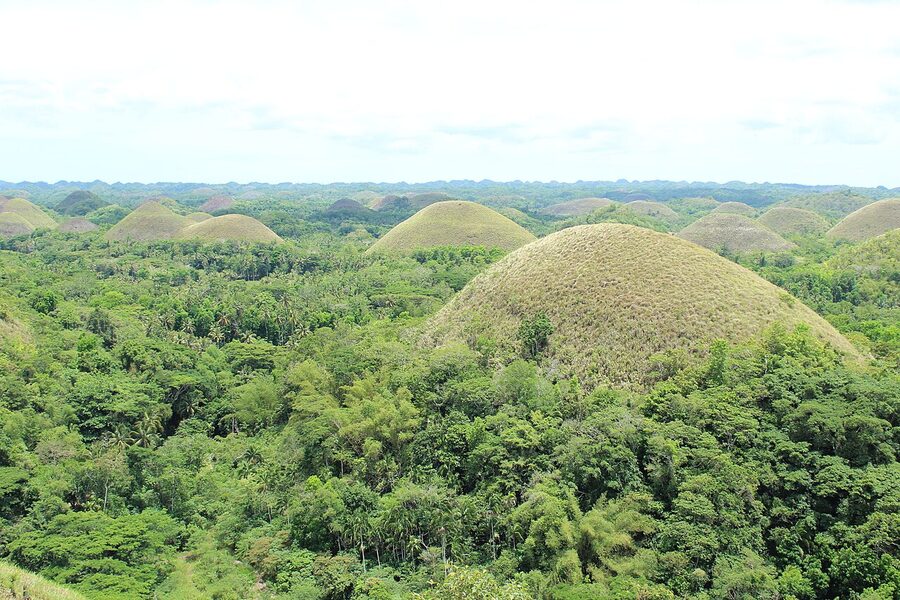
So here is the thing nobody mentions in the brochures. There are over 1,200 of these conical limestone hills spread across about 50 square kilometres of central Bohol, and most travellers see exactly two viewpoints. The famous one in Carmen, and a less famous one in Sagbayan. They give you very different days. Pick wrong and you’ll spend an hour standing in a car park looking at hills through a chain-link fence with two hundred other people. Pick right and you’ll have a small viewing tower mostly to yourself.
Carmen Complex (the official one)
The Chocolate Hills Complex in Carmen is the official viewpoint and the one every tour stops at. There is paved access from the highway, a small car park, a 214-step climb to a stone viewing platform, a snack bar, and a few souvenir stalls. The viewpoint sits roughly in the middle of the densest cluster, so the hills genuinely do extend in all directions like the postcard. The catch is that the platform is small (think two ping-pong tables), and between 10am and 2pm it is shoulder-to-shoulder with countryside-tour groups. Entry is ₱100 per person. Coach parking, the lot, the climb, and ten minutes at the top is the whole experience.
Sagbayan Peak (the better one)
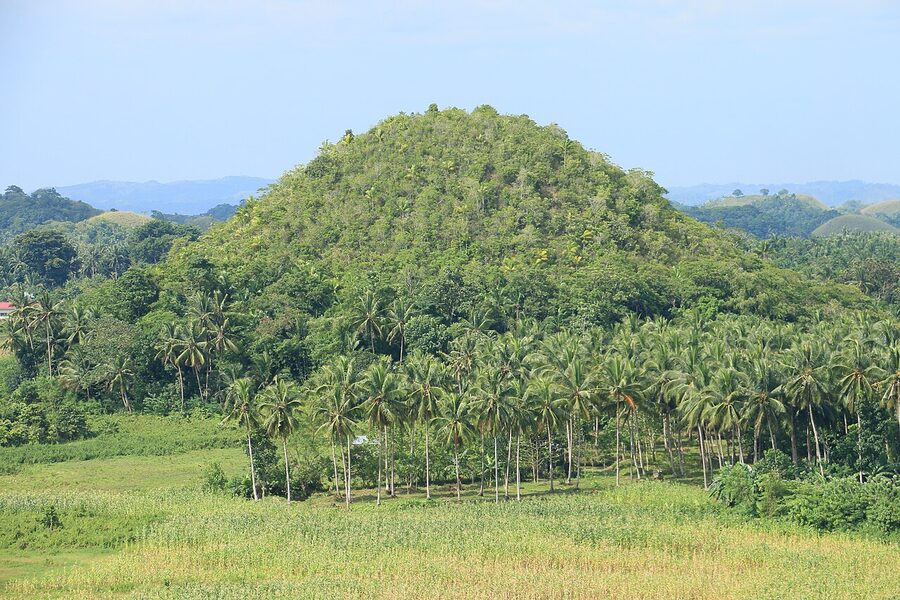
Sagbayan Peak is 18km north of Carmen, sits 100m higher, and is set up as a small theme park (with a sad little tarsier enclosure I’d skip on principle, see the Tarsier section). Entry is ₱60. The viewpoint itself is a multi-level wooden tower with three viewing decks, and on a clear day you can see Cebu, Negros, and even Siquijor on the horizon. The hills here are slightly less dense than at Carmen but the panorama is wider, and crucially, the place is almost empty after 3pm because most countryside tours have already left for the drive back to Panglao. Go to Sagbayan in the late afternoon for sunset. It’s the move. If you also want the classic postcard angle, hit Carmen at 7am on the way up, when the morning haze is still on the hills, then Sagbayan in the afternoon. Two viewpoints in one day, both quiet.
Best time to see brown hills: April to early June, end of dry season. The rest of the year they’re various shades of green. The October to February months they look like ordinary jungle hills. Don’t fly here in November expecting chocolate.
Tarsiers: Where to Actually See Them Ethically
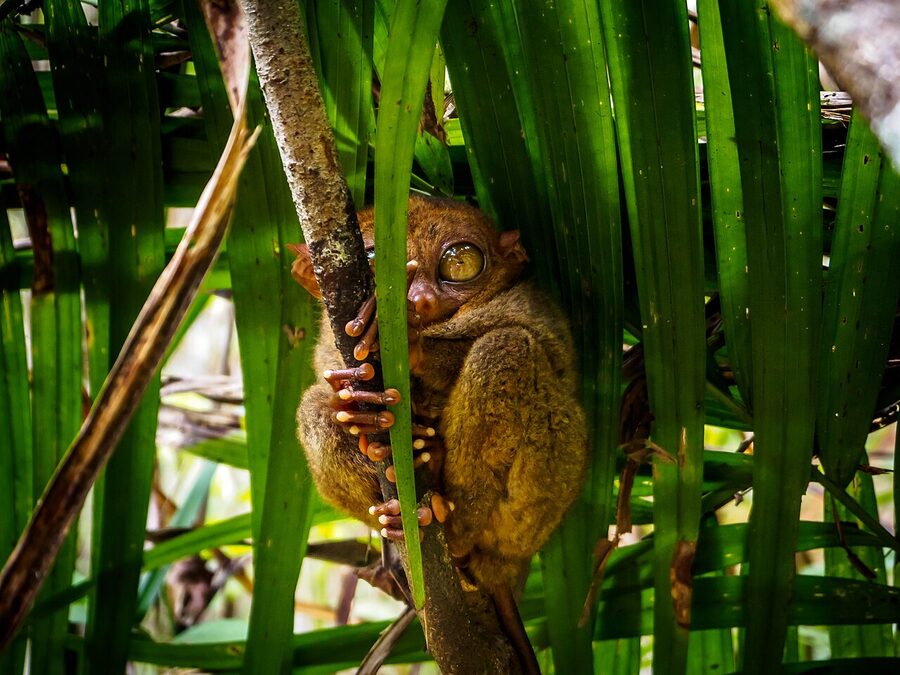
This one matters. There are two main places to see tarsiers in Bohol, and they are not equivalent.
Philippine Tarsier Foundation Sanctuary in Corella, 14km northeast of Tagbilaran, is the ethical option. It’s a 7-hectare protected forest where the tarsiers are wild and habituated to a roped trail. Guides walk you along quietly, point out individual sleeping animals through the foliage, and ask you not to touch, not to use flash, and not to make noise. Entry ₱120. There is a small visitor centre and an information panel about how seriously stressful captivity is for these animals (they have been known to bash their own heads against cages from anxiety, which is not a fact I wanted to learn but it’s why this matters).
Loboc Tarsier Conservation Area, on the highway between Loboc and Bilar, is the roadside one most countryside tours stop at. It’s a tiny enclosed area, the tarsiers are positioned on accessible branches at eye level, and the staff are not always strict about flash and crowding. It’s quicker, cheaper (₱60), and far worse for the animals. Skip it. You’ll be done in ten minutes feeling slightly weird about it. Tell your tour driver you want Corella instead. Most will swap if you ask in the morning. If they push back, find a different tour.
The Philippine tarsier (Carlito syrichta) is one of the smallest primates in the world, about 12cm head to body, eyes bigger than its brain, and fully nocturnal. Daytime visits mean watching them sleep. They look constantly miserable; that’s just their face. The Foundation runs a captive breeding programme as well, but the bulk of the experience at Corella is genuinely just walking through forest and finding wild animals at rest.
Loboc River Cruise
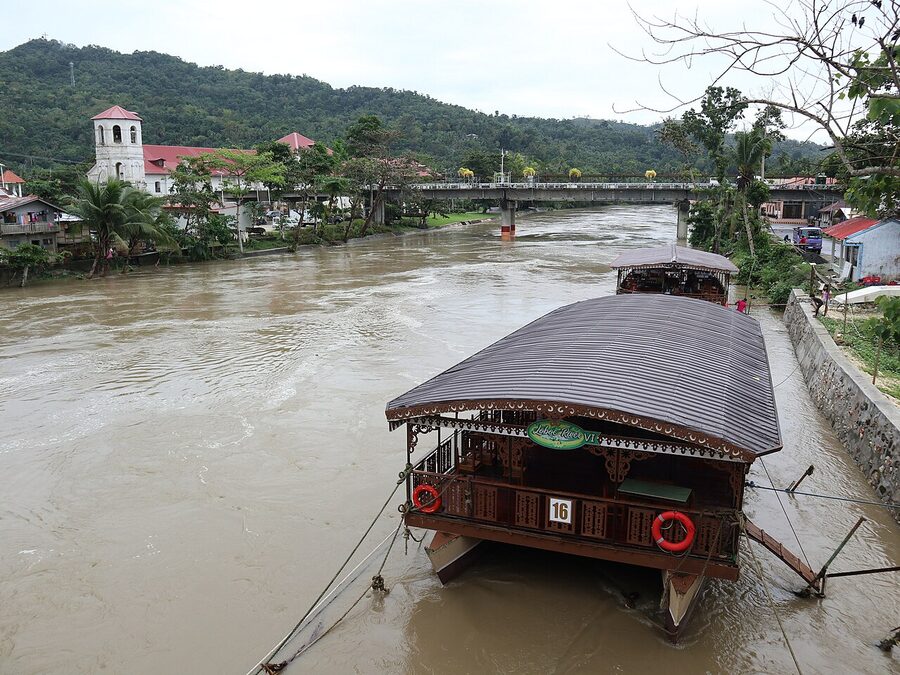
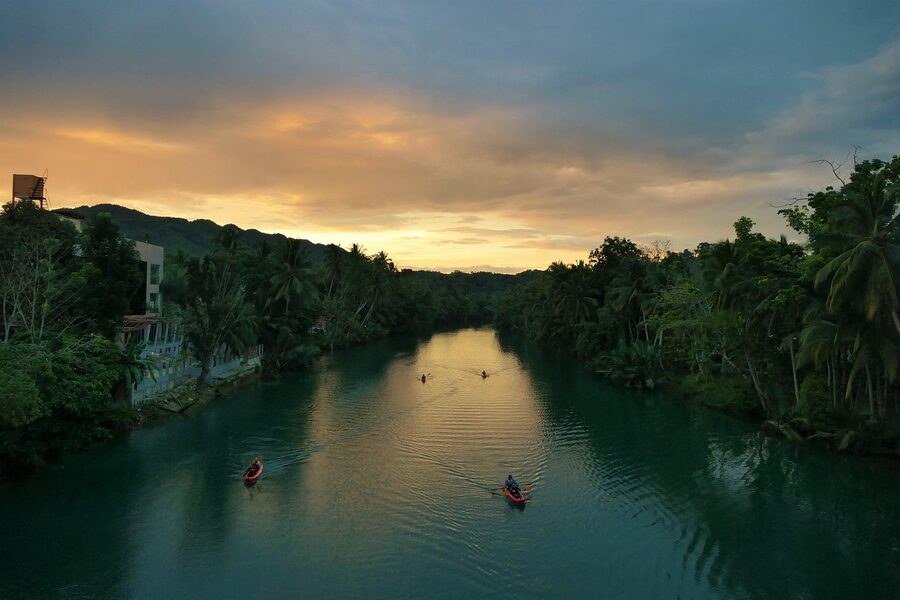
The Loboc River cruise is the most touristy thing on Bohol and I will defend it anyway. You eat lunch on a covered floating platform that motors slowly upstream from Loboc town to a small waterfall, while a buffet of local food is served and a band plays Filipino covers and the occasional Adele. It takes about an hour and costs ₱650 to ₱800 per person depending on which jetty you book from. About halfway up there’s a “cultural stop” where village kids do a Tinikling dance for tips. The food is fine, not great. The setting is genuinely lovely, especially in dry season when the river is clearer and you can see the limestone cliffs through the canopy.
It is not subtle. There are three cruise operators that all do the same thing, and they all leave together at 11.30am, 12.30pm, and 1.30pm. You can either commit to it as a fun lunch or give it a miss. I’d commit. It’s one of those things that sounds awful on paper and is somehow good in practice. Pair it with a Carmen morning and a Sagbayan evening for a full countryside day.
The river itself was the location of the Loboc Eco-Adventure Park zipline (₱350), which is a 500m line strung 120m above the river, separately bookable. Worth it if you like that sort of thing. I do.
Diving: Balicasag, Cabilao, Anda
Bohol has three dive areas worth knowing about, and they don’t overlap.
Balicasag Island is the iconic one. It’s a small marine sanctuary 6km off the southern tip of Panglao, with a wall that drops to 50m and resident schools of jackfish, barracuda, and the occasional turtle right up at the reef edge. Boat from Alona is 25 minutes. Two-tank dive packages run ₱2,800 to ₱3,500 (~$50 to $65) including gear and lunch through the bigger Alona shops. Snorkelling-only is also offered (₱1,500 per person) and is genuinely worthwhile. Get on the 7am boat. By 10am the reef is full of snorkelling tour boats and the visibility drops with the kicked-up sand.
Cabilao Island is 20km northwest of Panglao, off the main island’s west coast. Quieter, fewer dive shops, sharper drop-offs, and (this is the headline) thresher sharks at a deep cleaning station off the southern reef. November to May the threshers are reliable. Outside that window the diving is still very good but you’re there for the wall and the macro, not the sharks. Whale shark sightings happen around Cabilao between November and May too, mostly in February and March, although they are far less consistent than Oslob in Cebu. There are two small dive resorts on Cabilao itself if you want to stay (Polaris and Sea Explorers); most divers come on a day boat from Panglao (₱4,500 to ₱5,500 two-tank).
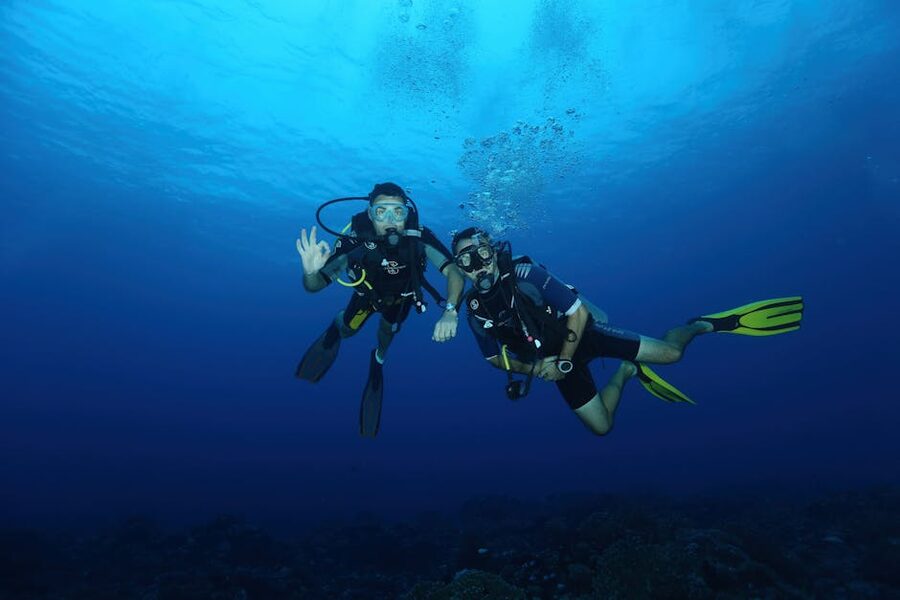
Anda on the east coast is the macro destination. The walls are alive with nudibranchs, frogfish, ghost pipefish, pygmy seahorses if your guide knows where to look, and a strange cold-water current that brings in pelagics occasionally. There are a handful of small dedicated dive resorts in Anda (Magic Oceans is the best known), and they run their own boats. If you’re a serious diver you base here for three nights and dive twice a day. If you’re a casual diver you do not need to.
Anda and Cabilao: The Quiet East Coast
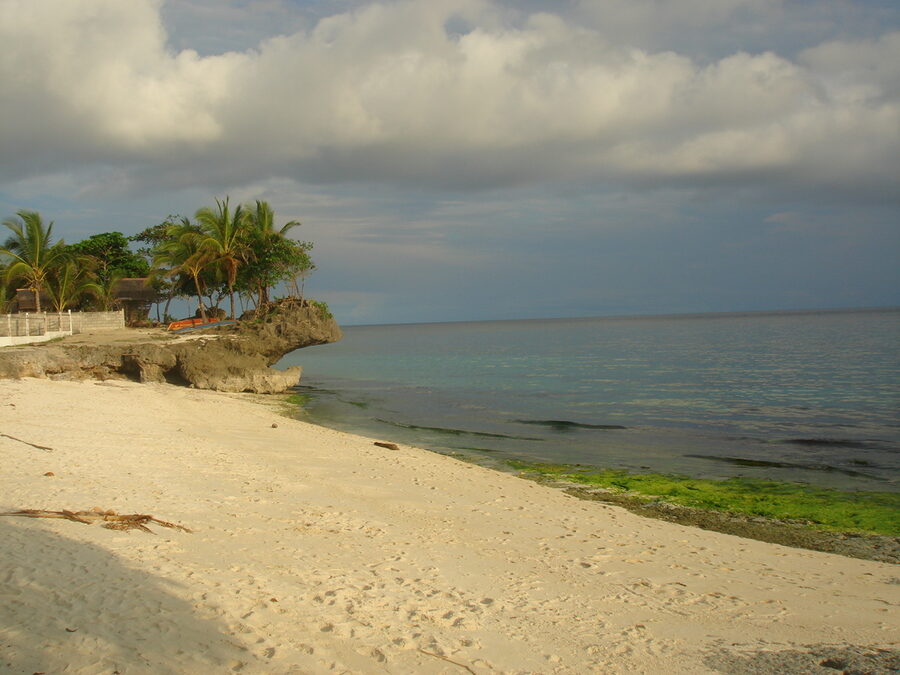
Anda is a small fishing town three hours by van east of Tagbilaran. The reason to go is that it has Bohol’s nicest white-sand beach, a 5km strip on the south coast, and almost no tourists. There are about six small resorts ranged along the beach, mostly Italian and German owned, and the food is dive-shop pasta or a half-decent grilled fish at the village ihaw-ihaw stalls. The local government collects a ₱50 environmental fee at the entrance to Anda Beach proper.
The town itself has a small Spanish-era church (Lamanok) and a couple of cave systems with cliff jumps. The big draw, beyond the beach, is the diving. If you don’t dive, two nights in Anda is a great pause between the chaos of a Carmen-Loboc day and the flight out from Panglao.
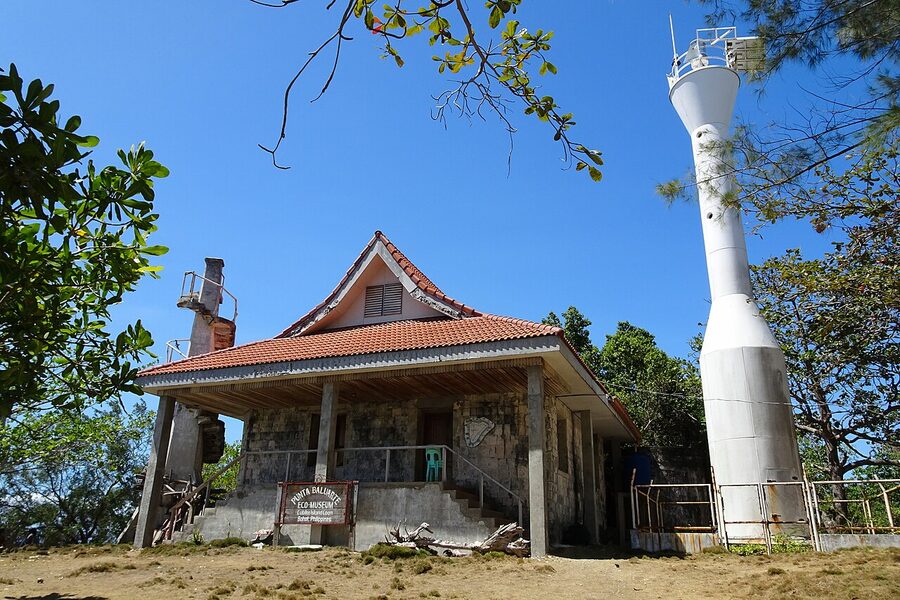
Cabilao Island is even quieter, a small island reachable by 15-minute pumpboat from Mocaboc Port (1.5 hours by van north of Tagbilaran). About 3,000 people live on the whole island, there are no roads worth mentioning, the dive resorts are clustered on the southern coast, and the Spanish-era lighthouse on Cabo Point is the photo op. If you want a place that’s still genuinely sleepy, this is it. November to May the thresher sharks come in and divers fly in from all over Asia for them.
Hinagdanan Cave and Bilar Forest
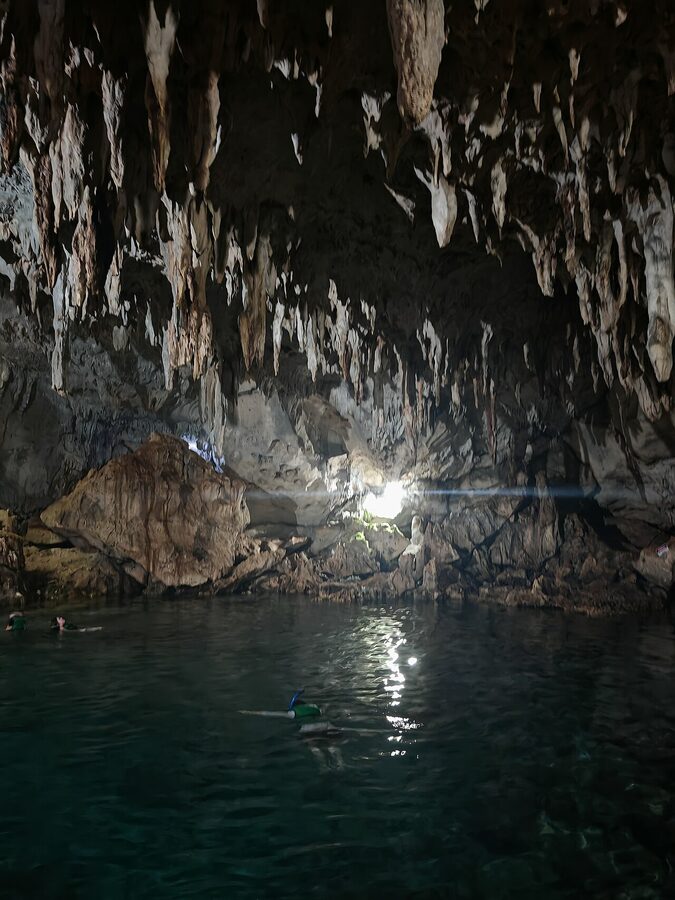
Hinagdanan Cave is on Panglao Island itself, about 25 minutes by tricycle from Alona, on the way to Doljo. It’s a small, naturally lit limestone cave with a freshwater pool you can swim in, ₱75 entry plus another ₱25 if you want to swim. There are about a hundred bats sleeping in the ceiling. The water is cold and clean. The whole visit takes 20 minutes including the photo. Go on a sunny day, when the shaft of light hits the pool through the natural skylight; on a cloudy day the cave is dim and uninspiring. It’s a fine quick stop, not a destination on its own.
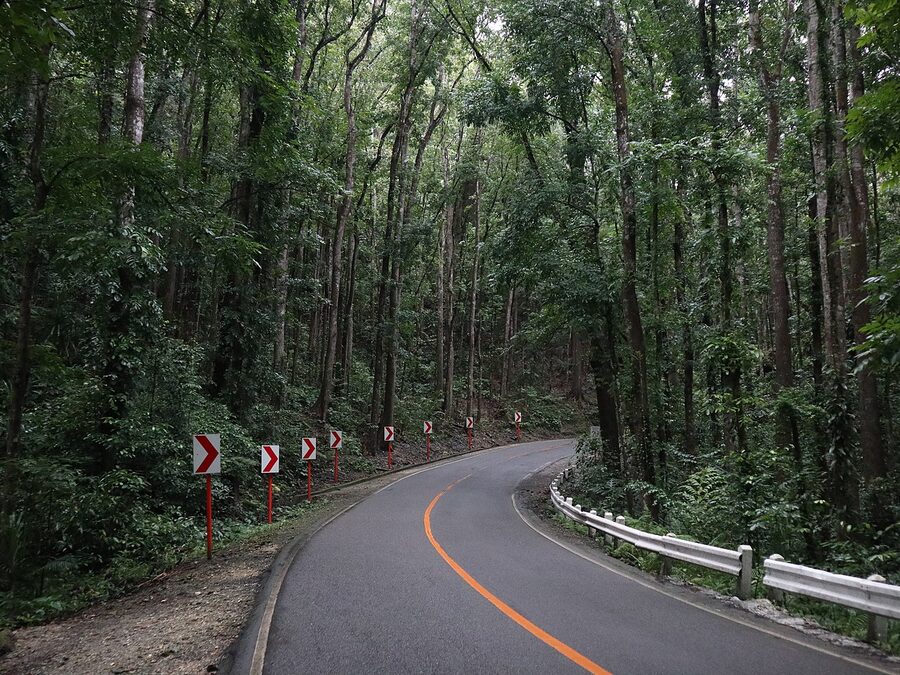
The Bilar Man-Made Forest is a 2km mahogany corridor on the Loay Interior Road between Loboc and Bilar town, and it is on every countryside tour itinerary because it is genuinely beautiful. The trees were planted in the 1960s as a soil-conservation project, and the canopy now closes completely overhead so you drive through a green tunnel for ten minutes. Most tours stop for a five-minute photo about halfway through. Tell your driver to do the slow drive instead. If you have your own scooter, this is the bit of the day to enjoy it. Bring mosquito spray; the forest floor is damp.
Where to Eat
Bohol is not Cebu on food. The signature dish here is fresh seafood and not much else. There is no equivalent of Cebu lechon. Tagbilaran has an okay public market for breakfast tinapa and longanisa, and Panglao has a small but interesting concentration of cafes and beach restaurants serving everything from organic salads to wood-fired pizza.
Bohol Bee Farm sits on the Dauis side of Panglao, a 15-minute drive from Alona, and it does the things a farm-to-table place should do: organic vegetables, honey from on-site hives, organic ice cream in flavours that exist nowhere else (squash, malunggay, spicy ginger), and a flower-petal tea that’s better than it sounds. Lunch buffet is around ₱650 (~$12). The ice cream alone is worth the tricycle ride. They also do a short farm tour for ₱100.
Hayahay Beach Resort and Restaurant in Doljo serves grilled tuna, sinigang, and ginataang manok at family-style picnic tables right above the beach. It looks unremarkable from the road. The cooking is the real thing. Plan dinner here on your Doljo day.
Linamnam at Alona is a small open-front restaurant a hundred metres back from the beach, doing kinilaw, sinigang, and grilled seafood that the resort restaurants charge twice the price for. The grilled tuna belly is the order. ₱400 to ₱600 per main.
Shaka Cafe is the Panglao smoothie-bowl place. Two locations, one on Alona and one on the Dauis road. Quinoa, acai, dragon fruit, all the things. ₱350 a bowl. Yes, it’s expensive for a Filipino island. No, you don’t have to eat there. If you’ve been on the road in the Philippines for two weeks and would like a vegetable that isn’t rice, you do.
For the long countryside-tour day, lunch is the Loboc River cruise buffet (covered above). For dinner on a non-Alona night, the Italian-run resorts on Bolod and Doljo do a respectable wood-fired pizza. The pizza-in-paradise thing is a Panglao staple. There is also a quiet trickle of Korean-run grill restaurants near the airport road, opened in the last three years, that do a competent samgyeopsal if you’ve had enough seafood.
Tagbilaran, Baclayon, and the 2013 Earthquake
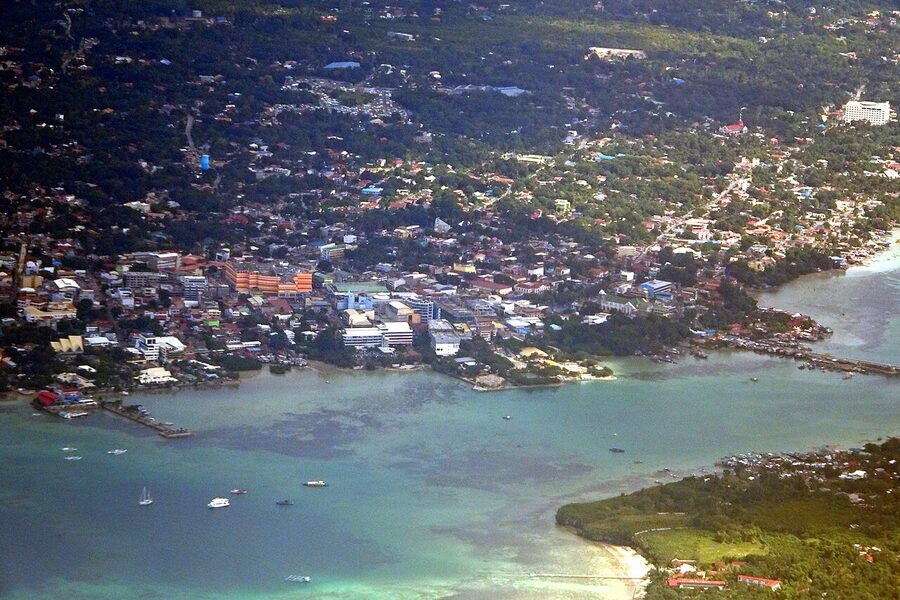
Tagbilaran is small, hot, and not really a tourist city. It has the port for the ferries to Cebu, the Bohol Quality department store, and a 17-century-Spanish foundation in the middle that almost everyone breezes past on the way to Panglao. If you are spending one afternoon in town, see Blood Compact Shrine (where Spanish conquistador Miguel Lopez de Legazpi and Datu Sikatuna sealed the 1565 treaty with a cup of mixed blood; the bronze tableau is small, the symbolic weight is enormous), then walk along the seawall to the cathedral. Total time, two hours.
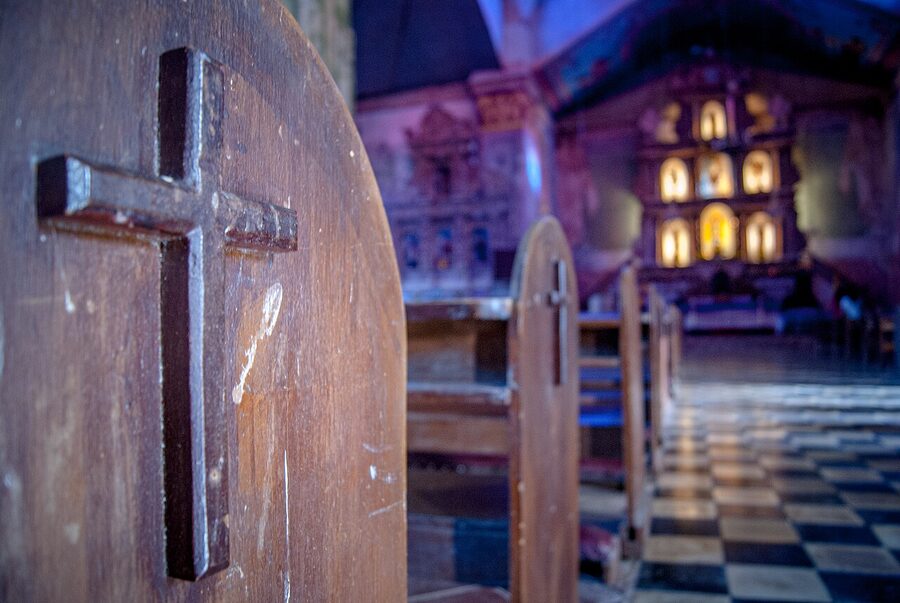
The bigger reason to head into town is to see the 2013 earthquake history. On 15 October 2013 a 7.2-magnitude quake struck just north of Bohol, killing 222 people and damaging or destroying many of the island’s Spanish-era stone churches. Three of the most famous, in Loboc, Baclayon, and Loon, were partly or wholly flattened. Walk the ruins now and you’ll see scaffolding, careful reconstruction, and the original coral-stone walls patched with newer materials.
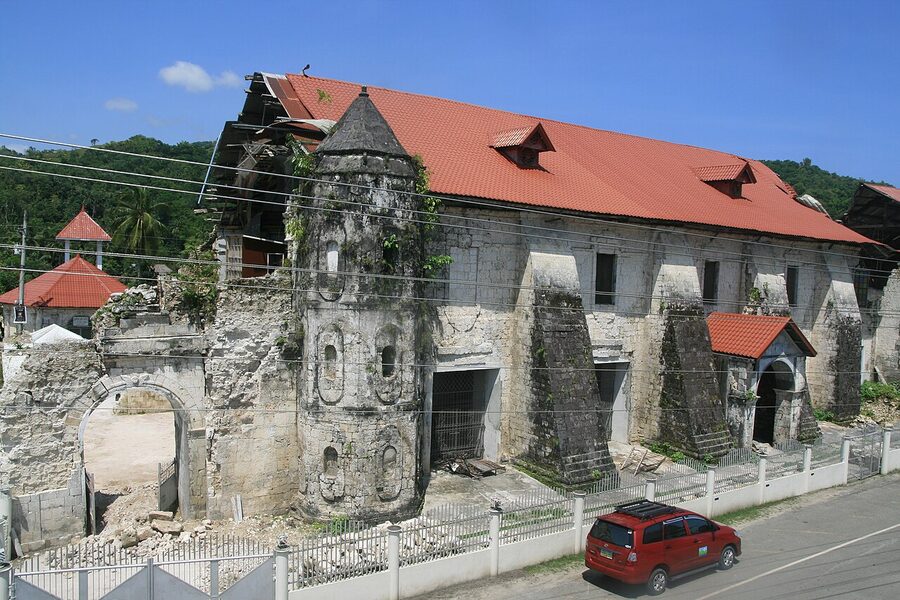
Loboc Church (San Pedro Apostol Parish) is a five-minute walk from the river cruise jetty. The 1602 church was reduced to its façade and a few standing walls in the quake, and the convent next door is now a small heritage museum (₱50, mostly old religious art and earthquake photos). It is one of the more moving stops on a Bohol countryside loop, and most tour drivers don’t include it unless you ask. Ask. Baclayon Church is 6km east of Tagbilaran and is the second-oldest stone church in the Philippines (built 1727, on foundations from 1596). Its museum has the best collection of Spanish-era religious artefacts in the Visayas. Both are worth the pause.
Pairing Bohol with Cebu
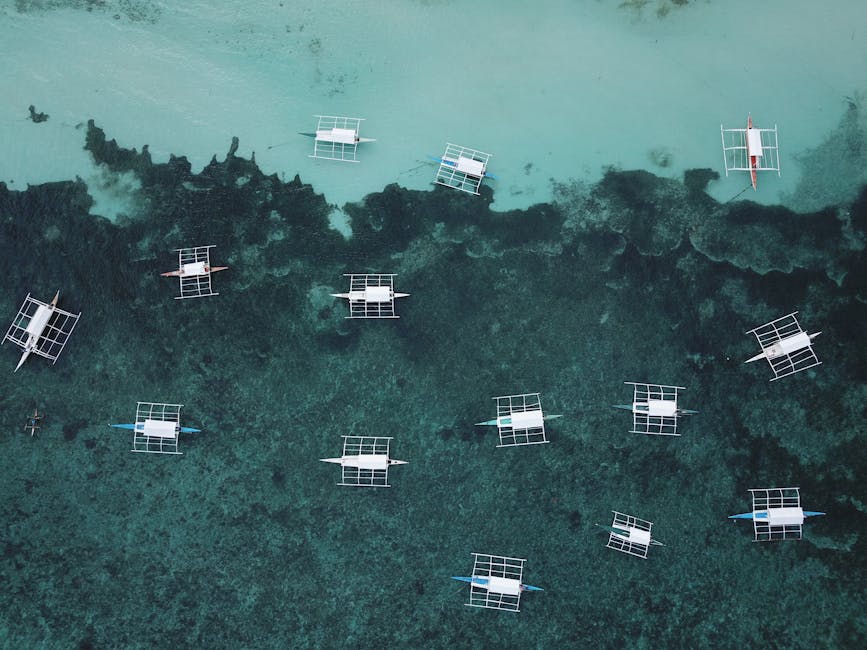
Bohol and Cebu are paired so often they’re almost one trip. The 80km strait between them is served by two fast-ferry operators, Oceanjet and SuperCat, with about ten daily sailings each direction between Tagbilaran and Cebu’s Pier 1. The crossing takes 2 hours and tickets run ₱500 to ₱800 (~$9 to $14) one way depending on the operator and class. Book online a day or two ahead in peak season; turn up an hour before sailing for the security and ticketing process. Both ferries are air-conditioned and reasonably comfortable.
The standard Visayas loop for a first-time traveller is: fly into Cebu, do two or three days in Cebu City and Mactan with a side trip to Moalboal or Oslob, ferry to Tagbilaran, three or four days in Bohol, fly out from Bohol-Panglao back to Manila. You don’t double back. Don’t try to fit Boracay or Palawan into the same trip; the inter-island flights eat your days. If you want one of those instead of Cebu, look at our timing guide and split the trip differently. For accommodation on the Cebu leg, our Cebu hotels guide covers the city, Mactan resort island, and the Moalboal cluster.
The other pair worth knowing about: Bohol and Siquijor. There’s a daily fast ferry from Tagbilaran to Larena on Siquijor (2 hours, ₱600), and Siquijor is the quieter beach island people go to instead of Cebu’s Moalboal. If you’ve been to Cebu before and want a slower second-island, Siquijor is the move.
When to Go
Bohol’s dry season is December to May. The rest of the year is the wet season, with the heaviest rain typically July to October. Typhoons that affect Bohol come from the east, October to early December, but they are infrequent compared to northern Luzon. Sea conditions for the Cebu ferry can shut sailings during weather warnings; you usually get 24 hours notice.
The shoulder I’d recommend is mid-March to mid-May. The Chocolate Hills are at their brownest, the seas are calm, the diving is at its best at Balicasag and Cabilao, and you avoid the Christmas-New Year crowds. April is hottest (mid-30s daily) and the most humid; bring electrolytes if you’re doing the countryside tour by van. December and January are slightly cooler and the busiest, especially around Christmas. June through September the weather is genuinely variable, but accommodation is cheaper and the island is quieter; visibility for diving is sometimes lower.
One day not to fly: 9 January, Sinulog Sunday weekend in Cebu. The ferries are packed and Cebu City is a city-wide street party. If you’re connecting through Cebu Airport, give yourself an extra two hours for traffic.
What’s Overrated in Bohol
A few things here that nobody seems willing to say out loud.
The countryside tour day, condensed. The all-day van tour that does Carmen, Loboc cruise, tarsiers, Bilar, and Hinagdanan in one ten-hour push is exhausting and shallow. You see everything for fifteen minutes and feel nothing. If you have three days on Bohol, do Carmen and Sagbayan one day, river cruise and tarsiers the next, leave Hinagdanan and Bilar as a slow third day with your own scooter. The package tour is a good deal at ₱2,500 (~$45) per person; it is a bad way to actually see the island.
The Loboc tarsier roadside stop. Covered above. Skip it for Corella.
Boating to Virgin Island. There is a Panglao island-hopping itinerary that includes a sandbar called Virgin Island. The sandbar is genuinely pretty when it’s exposed. The visit is twenty minutes long, costs ₱1,500 in the package, and is shared with twelve other boats. Skip it. The dolphin-watching that’s bundled with the same trip is also a problem; the boats chase pods at speed and stress the animals. Spend that morning at Balicasag instead.
Sky Adventure ziplines and “Chocolate Hills Adventure Park.” There is a separate small theme park near the Carmen complex with a horizontal bike on a wire across a valley. ₱600. The view is fine; the gimmick is exactly what it sounds like. Pass.
Alona Beach at midday. Come in the morning for sunrise, leave by 10am, come back at 4pm for sunset. Between those hours the beach is hot, crowded, and the touts are at their most persistent. Use the middle of the day to drive somewhere else.
Frequently Asked Questions
How many days do I need in Bohol?
Three full days is the minimum for Panglao plus one countryside day. Four days lets you spread the countryside out and add Hinagdanan/Bilar at your own pace. Five days lets you add Anda or Cabilao on the east coast. Day-trippers from Cebu generally do too much in too little time; if you only have one day, focus on Carmen and Loboc, and accept you’ll be on a van the whole time.
Is Bohol better than Cebu?
Different trips. Bohol is calmer, easier with kids, and has Panglao’s white-sand beaches plus the Chocolate Hills and tarsiers. Cebu has stronger food, more nightlife, the Sinulog festival, and Moalboal’s sardine run. Pair them. Don’t pick one.
Can I see the Chocolate Hills brown?
Only at the end of dry season, late March through early June. Most of the year they’re green. If a brown panorama is the entire reason you’re going, time the trip for late April or early May.
Where do I see tarsiers ethically?
Philippine Tarsier Foundation Sanctuary in Corella, 14km northeast of Tagbilaran. Avoid the roadside Loboc tarsier conservation area. The Foundation has a forest trail with wild habituated animals. The Loboc one is a tourist enclosure.
How do I get from Manila to Bohol?
Direct flights from Manila NAIA to Bohol-Panglao Airport (TAG, 1 hour 25 minutes) on Cebu Pacific, AirAsia, and Philippine Airlines, ₱2,500 to ₱6,000 one-way depending on day and how far ahead you book. The airport sits on Panglao Island, 20 minutes from Alona by tricycle (₱200) or van (₱500).
How do I get from Cebu to Bohol?
Two-hour fast ferry from Cebu’s Pier 1 to Tagbilaran. Operators are Oceanjet and SuperCat, ₱500 to ₱800 (~$9 to $14) one way, about ten sailings a day each direction. Book a day or two ahead during peak season. From Tagbilaran Port, taxis or vans to Alona Beach are ₱500 to ₱700.
Is the Loboc River cruise worth it?
Yes, if you accept what it is. A buffet lunch on a slow boat with a band, surrounded by tropical greenery, ₱650 to ₱800. It is touristy and unsubtle and somehow good anyway. Do it once.
What is the rainy season like in Bohol?
July to October is the wet season, with the heaviest rain in August and September. Typhoons mostly track north of Bohol and are infrequent here, but the Cebu ferry can be cancelled during weather warnings. December to May is reliably dry.