The first time I flew into Mactan from Manila, I made the same mistake everyone does. I assumed Cebu was one place. It is not. Cebu City is a Spanish-colonial trading port that smells like grilled pork and burning incense at the same time. Mactan is a thirty-minute taxi from the airport across a bridge to a strip of resort hotels that face the Hilutungan Channel. And the south coast, four hours by van down the western highway, is where the swimming actually happens.
You can do all three on one trip. You should, if you have a week. But you need to know they are not interchangeable, and the trip you build depends on which version of Cebu you came for.
This page contains affiliate links. I earn a small commission if you book through them, it covers the hosting bill, that’s it.
In This Article
- Cebu in One Sentence (or Two)
- Cebu City: History, Heat, and Lechon
- Magellan’s Cross
- Basilica Minore del Santo Niño
- Fort San Pedro
- Heritage of Cebu Monument
- Casa Gorordo and the Heritage Walk
- Cebu Provincial Museum (Museo Sugbo)
- Tops Lookout and Temple of Leah
- Sirao Flower Garden and Celosia
- Cebu Taoist Temple
- Mactan Island: The Resort Reset
- The Resort Row, Picked Apart
- Olango Island Bird Sanctuary
- Hilutungan and Nalusuan Island Hopping
- Moalboal and the Southwest Coast
- The Sardine Run, Year-Round
- Pescador Island
- Kawasan Falls and the Canyoneering Jump
- Tumalog and Aguinid Falls
- Oslob: The Whale Shark Question
- Bantayan and Malapascua: The Quiet North
- Bantayan Island
- Malapascua and the Thresher Sharks
- Where to Eat
- Lechon, the Three Names
- Larsian and the BBQ Pits
- Ramen, Coffee, and Sea View
- Where to Stay
- Getting There and Around
- When to Go
- Sinulog Festival, Third Sunday of January
- What’s Overrated in Cebu
- Common Questions
- How many days do I need for Cebu?
- Is Cebu safer than Manila?
- Should I do Oslob whale sharks?
- Cebu City or Mactan for the airport hotel?
- Can I do Cebu and Bohol on the same trip?
- How does Cebu compare with Boracay or El Nido?
- What about getting from Manila to Cebu?
Cebu in One Sentence (or Two)
Cebu Province is a long, narrow island plus a handful of smaller satellites, anchored by Cebu City on the east coast and Mactan resort island a five-minute bridge away. The south coast (Moalboal, Oslob, Kawasan) is where you go for sardines, whale sharks, and the canyoneering jump everyone posts on Instagram. The north (Bantayan, Malapascua) is for quieter beaches and one of the only places on the planet where you can dive with thresher sharks at sunrise.
Most people give Cebu three to five days and rush. If you have a week, you can do the city, Mactan for a beach reset, two nights in Moalboal, and a Bantayan or Malapascua run for the slow finish.
Cebu City: History, Heat, and Lechon
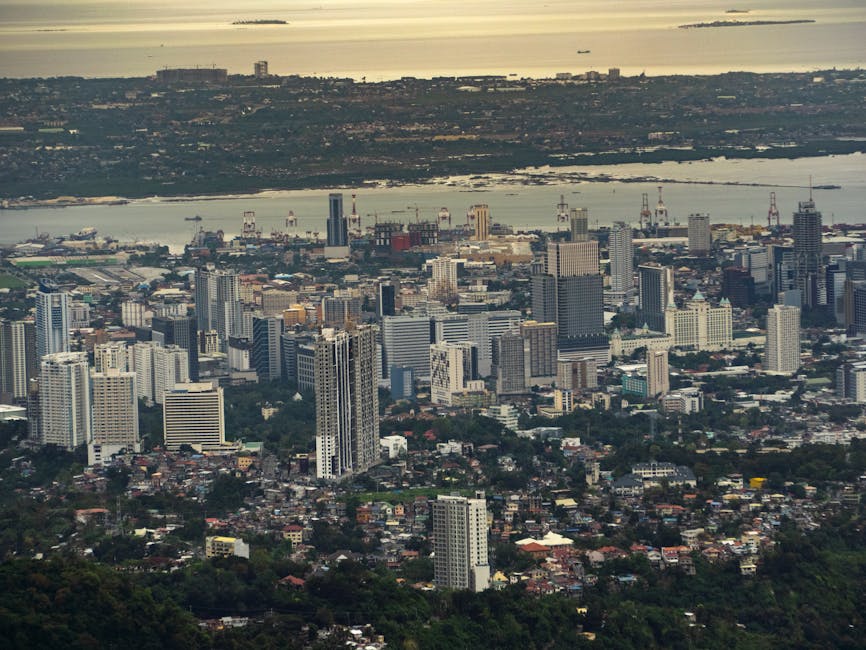
Cebu City is where the Spanish first stuck a flag in the Philippines, in 1521, and where they built the first stone settlement after Magellan’s death made it personal. The colonial core is tiny, walkable, and dense with the kind of mid-afternoon heat that turns coffee shops into refuges. Plan your sightseeing for the morning, plan a long lunch, and plan to come out again at golden hour.
Magellan’s Cross
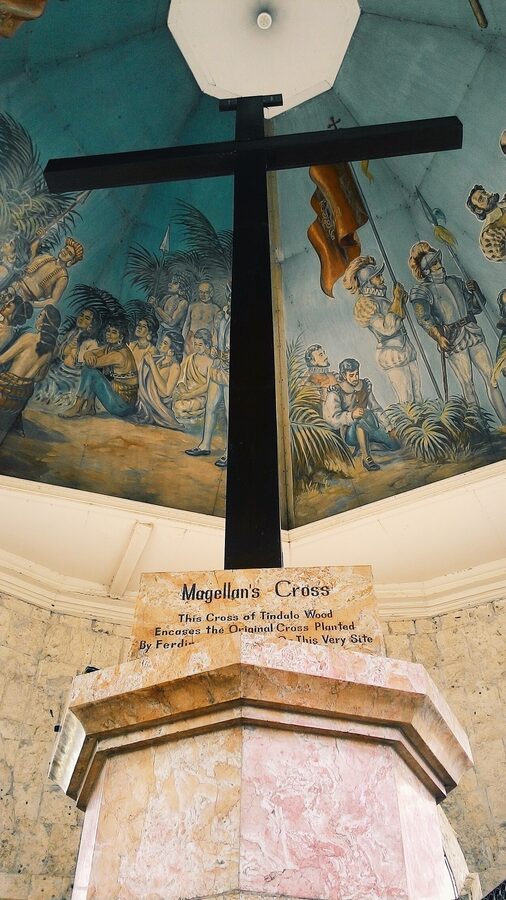
The wooden cross Ferdinand Magellan ordered planted on 14 April 1521 sits inside a small octagonal pavilion across from the basilica. The cross you see is a hollow tindalo-wood casing built around the (probably) original to stop people chipping souvenirs off it. There is a ceiling mural showing the planting and the conversion of Rajah Humabon, his wife Hara Humamay (renamed Juana), and a few hundred locals. It takes five minutes to see. Free. Open daylight hours. Worth it because of where you are standing, not because of what is in front of you.
Basilica Minore del Santo Niño
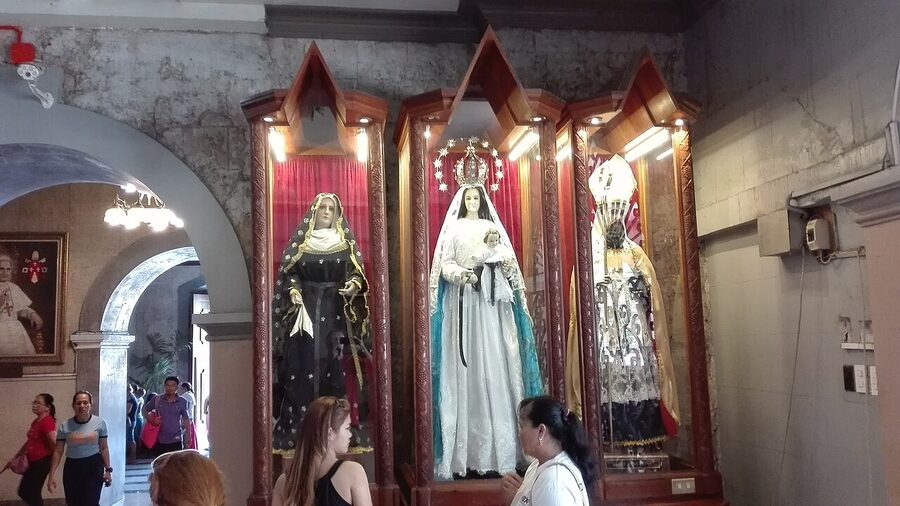
Right beside the cross is the oldest Roman Catholic church in the Philippines, founded in 1565 and rebuilt in stone in 1735. The wooden image of the Santo Niño that Magellan gave to Hara Humamay in 1521 still lives here, in a glass case behind the main altar. It is the most venerated Catholic image in the country and the reason the third Sunday of January (Sinulog) turns this corner of the city into a sea of red and gold dancers.
Quick rules: shoulders covered, hush in the nave, and the side chapel where pilgrims light candles is where you actually feel the place. The queue to touch the image moves slowly. If you only have an hour, look at the candle chapel, look at the courtyard, and skip the relic queue.
Fort San Pedro
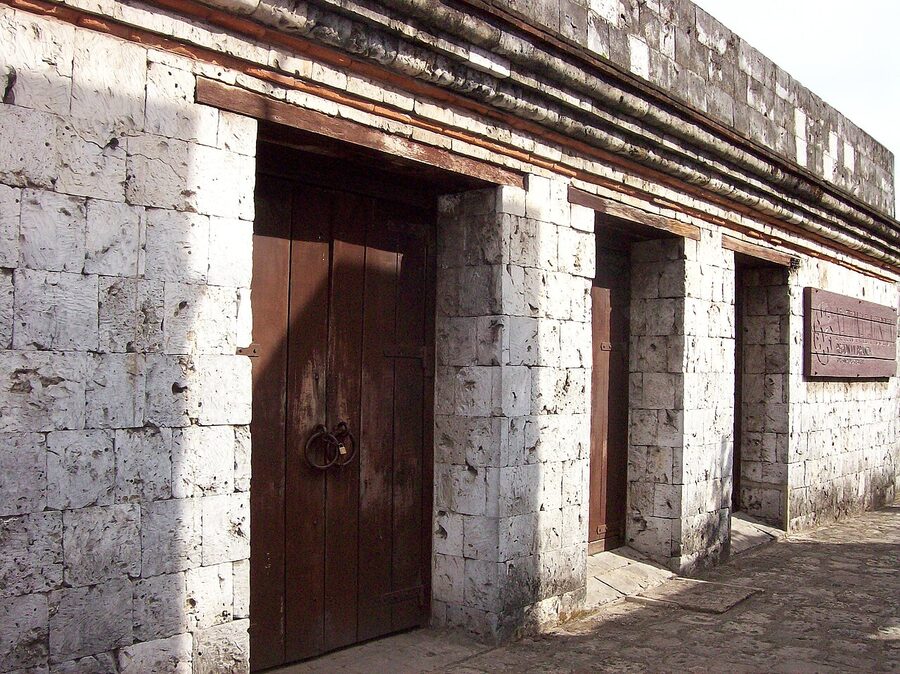
The smallest, oldest stone fort in the country, finished in 1738. Triangular, coral-block walls, a cannon platform, and a small garden inside. Entry is around ₱30. Allow forty minutes. The fort is more interesting when you read the markers about the Spanish, then American, then Japanese (briefly), then Filipino prisoner-of-war use. The Plaza Independencia outside is where families come at dusk; you can sit on the wall and watch the city slow down.
Heritage of Cebu Monument
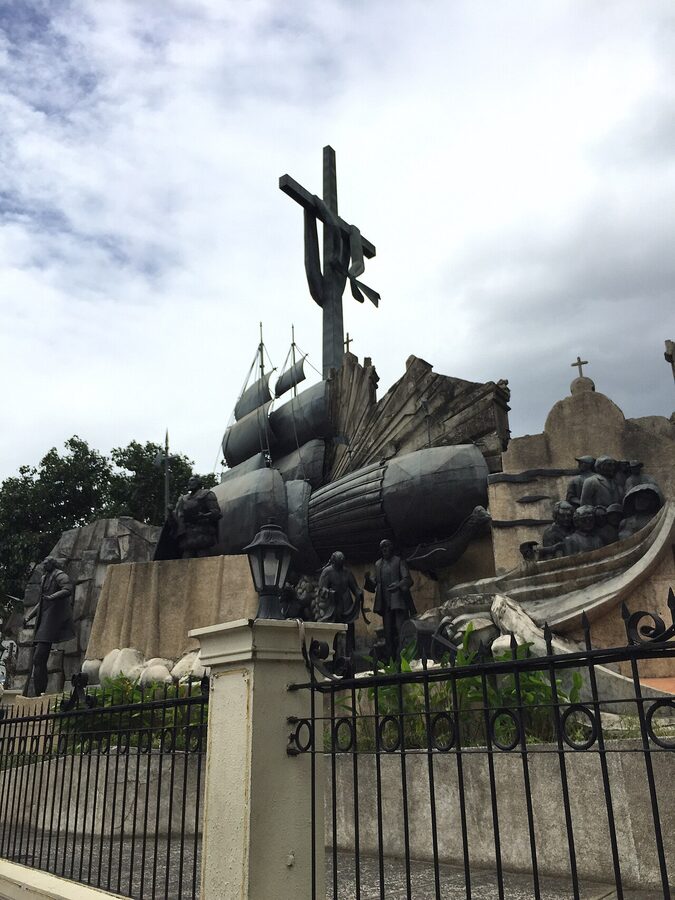
An enormous tableau of bronze and concrete in the Parian district that compresses about five centuries of Cebu history into a single sculptural group. Lapu-Lapu fights Magellan, Sergio Osmeña gives a speech, the Santo Niño is carried through the crowd, the Spanish galleons arrive. It is busy, dense, and rewards reading the signage. Free. Open all the time. Best at sunset when the bronze warms up.
The Parian district itself is the old Chinese trader quarter and worth a slow loop. Casa Gorordo Museum is two streets away.
Casa Gorordo and the Heritage Walk
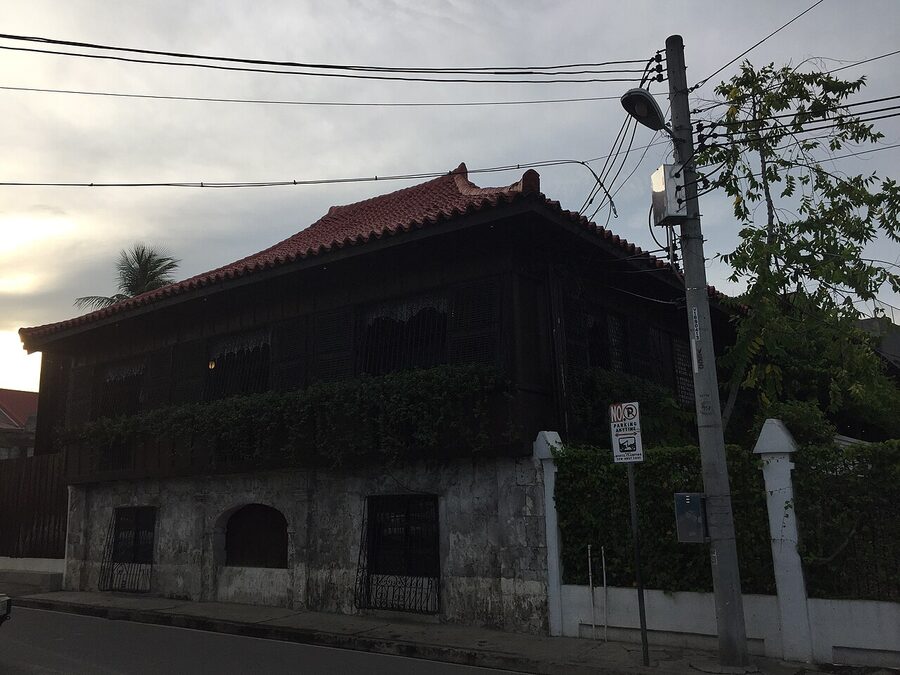
Casa Gorordo is a 19th-century bahay-na-bato that was the home of Cebu’s first Filipino bishop. It is run by the Ramon Aboitiz Foundation now and gets the museum thing right; the rooms are staged like a family lived there yesterday, not like a glass case. Entry is ₱120. Allow an hour.
From Casa Gorordo, the unofficial Cebu Heritage Walk takes you to the Yap-Sandiego Ancestral House (one of the oldest Chinese-Filipino houses in the country, also a museum, ₱50), the Jesuit House of 1730, and back toward the basilica. Two kilometres of slow, hot walking that is genuinely good if you start early and stop for halo-halo.
Cebu Provincial Museum (Museo Sugbo)
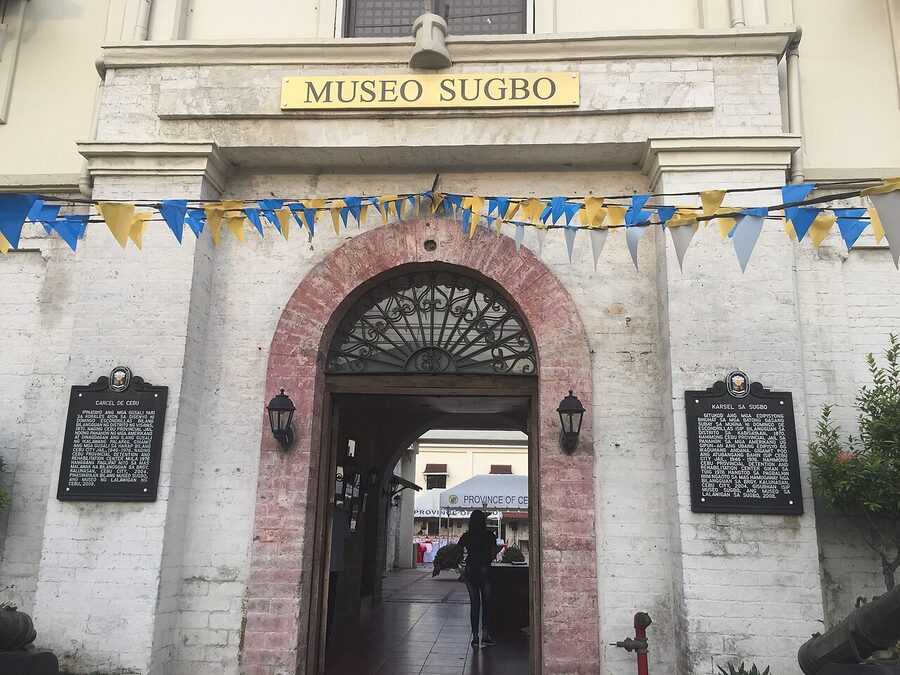
The provincial museum lives in the old Carcel de Cebu, a Spanish prison from 1869 that later became a Japanese internment site, then a Philippine penal colony. The galleries cover prehistoric Cebu through to the post-war republic. It is unevenly put together but the building itself carries the weight, and the Japanese occupation room is genuinely good. ₱75 entry. Closed Sundays.
Tops Lookout and Temple of Leah
Up the mountain road behind the city are two stops you can pair in a single half-day taxi. Tops Lookout is a circular concrete viewing deck about 600 metres above sea level, with a 360-degree look at the city, Mactan, the channel, and Bohol on a clear afternoon. Entry is ₱100. Best at sunset, but the road can clog with weekend cars; come on a weekday.
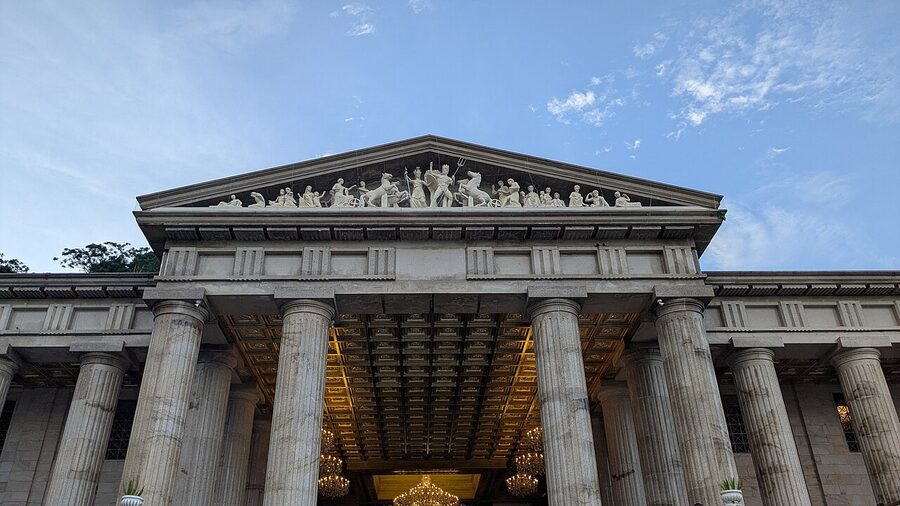
The Temple of Leah, a few minutes lower down the mountain, is a Greco-Roman style building completed in 2012. A man named Teodorico Adarna built it as a memorial to his late wife Leah. It is very modern, very pink-cream stone, very Instagram. ₱120 entry. Worth a stop on the way down from Tops, not a destination on its own. Treat the marble lions and the upstairs balcony as a folly with a story behind it; the story is the part that gives it any depth.
Sirao Flower Garden and Celosia
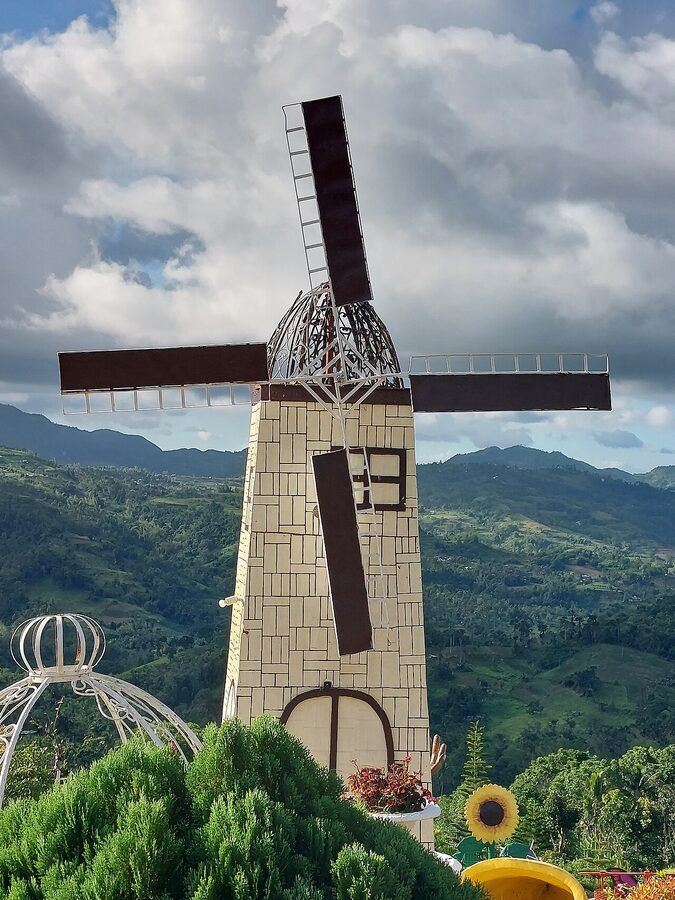
About forty-five minutes up the mountain road from the basilica, in Barangay Sirao, are a cluster of cut-flower farms that became weekend day-trips when the photos started circulating around 2017. The original Sirao Garden and the newer Celosia Garden grow rows of red, orange, and yellow celosia (cockscomb) on a hillside that drops away to the city below. Entry around ₱100 each. Avoid Sundays. The road up is bumpy, take a habal-habal motorbike from Tops if your taxi balks.
Cebu Taoist Temple
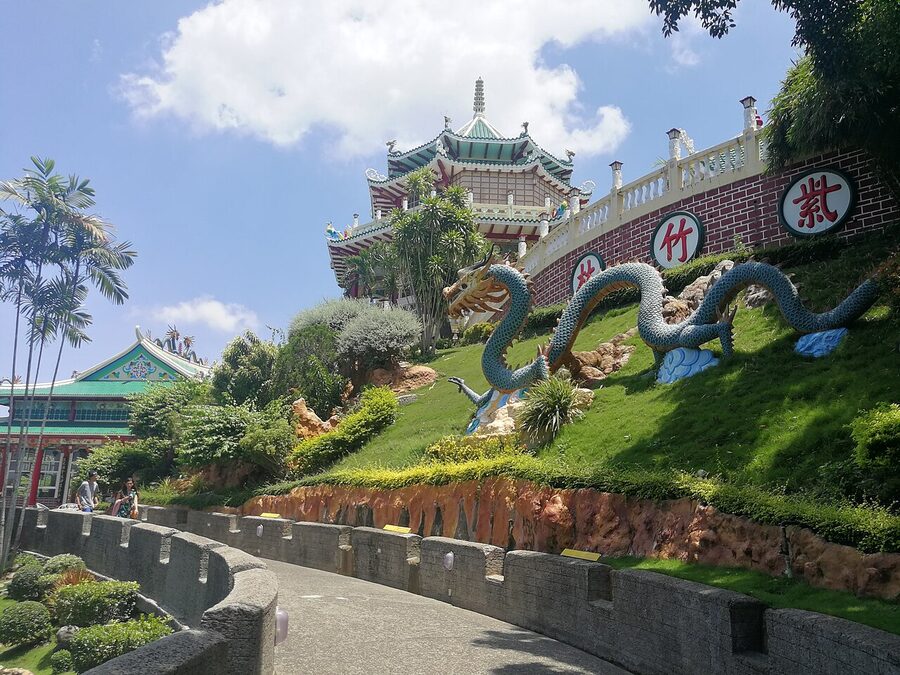
Built in 1972 by Cebu’s Chinese community, this is a working temple and pilgrimage site in the Beverly Hills subdivision above the city. Three temples, 81 steps to the main pavilion (one for each chapter of the Tao Te Ching), and a long view of the harbour. Free. Quiet on weekday mornings. Modest dress. The fortune-telling stick ritual is a thing here; if you do not know what you are doing, you can buy a small numbered slip from the priest who interprets it.
Mactan Island: The Resort Reset
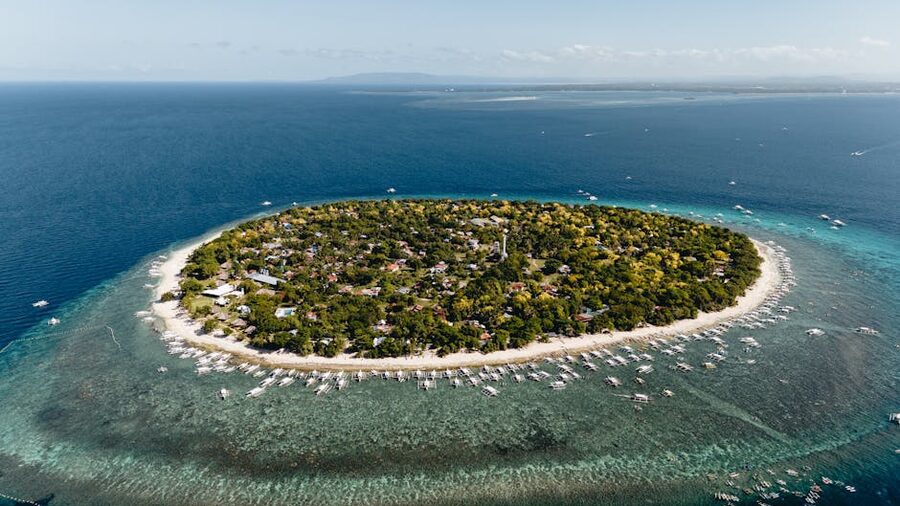
Mactan is the airport island. Bridge across, and you are in resort country: Shangri-La, Crimson, Movenpick, JPark, Plantation Bay, Bluewater Maribago. The east coast strip from Punta Engaño south through Maribago to Marigondon is where the big properties cluster. The west coast (Lapu-Lapu City proper) is the local town side and is busy and not pretty.
I would not recommend Mactan as the only base for a first-time Cebu trip. The beaches are short, the channel is the actual swimming, and you will spend a lot of time inside resort gates. As a two-night reset before or after the south coast, it works perfectly. For where to actually book, the breakdown lives in my Cebu hotels guide.
The Resort Row, Picked Apart
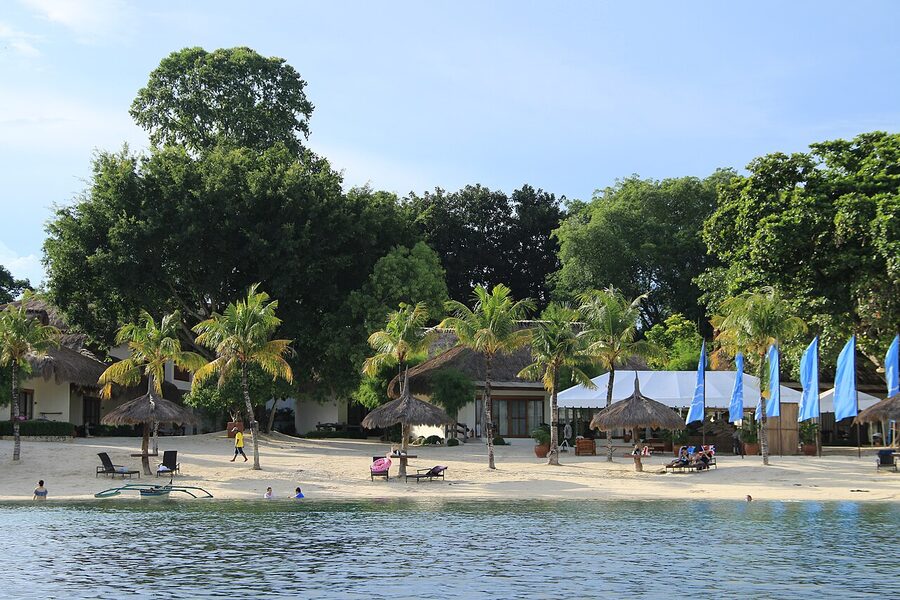
Most resorts allow day passes if you are not staying. Shangri-La’s Mactan Resort & Spa runs the largest beachfront and the swim quality is the best on the strip. Plantation Bay has the famous saltwater lagoon (no actual ocean access, the lagoon is the swim). JPark is younger and family-loud with two big slides. Crimson is a little quieter, hidden up in Punta Engaño.
The trade-off is that for the price you are paying for a Mactan resort, you are inside a beautifully designed compound and the actual public beach right outside the gate is not great. That is the deal. Decide how much of your trip you want to spend behind a wristband.
Olango Island Bird Sanctuary
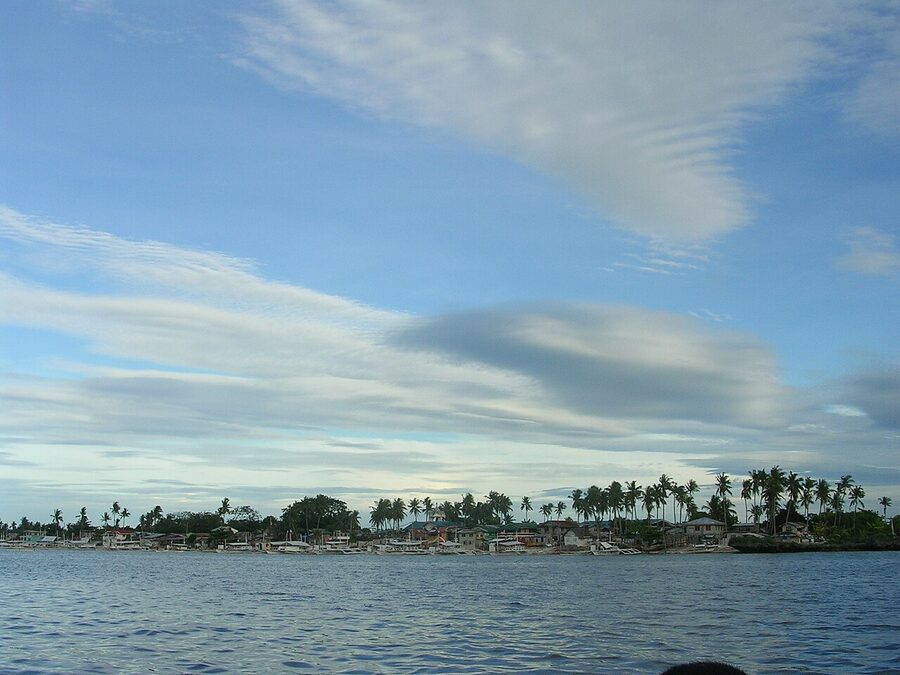
A ten-minute boat from Mactan’s Punta Engaño jetty (around ₱25 one-way), Olango is a flat coral island with one of the most important migratory waterbird stopovers in East Asia. The sanctuary on the south side gets bar-tailed godwits, Asiatic dowitchers, Chinese egrets, and herons in the boreal autumn-to-spring window. There is a small visitor centre, a boardwalk over the wetland, and a guide if you want one (₱200 to ₱500). Bring water; there is no shade on the boardwalk.
Hilutungan and Nalusuan Island Hopping
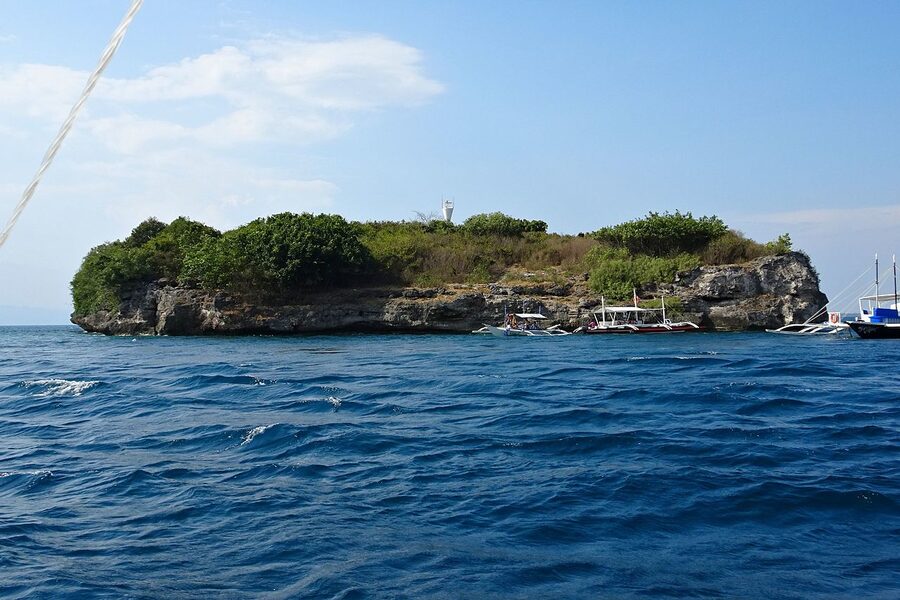
The Hilutungan Channel between Mactan and Olango has half a dozen small islets that make the standard Mactan island-hopping circuit. Hilutungan and Nalusuan Marine Sanctuaries are the snorkelling stops; you pay an entrance fee at each (around ₱100 each), the reef edge drops off about ten metres from shore and the visibility is good in dry season. A standard half-day tour is ₱1,500 to ₱2,500 per person depending on how many of you fill the boat.
If you can only do one trip from Mactan, I would skip this and drive south to Moalboal instead. The fish density there is in another league.
Moalboal and the Southwest Coast
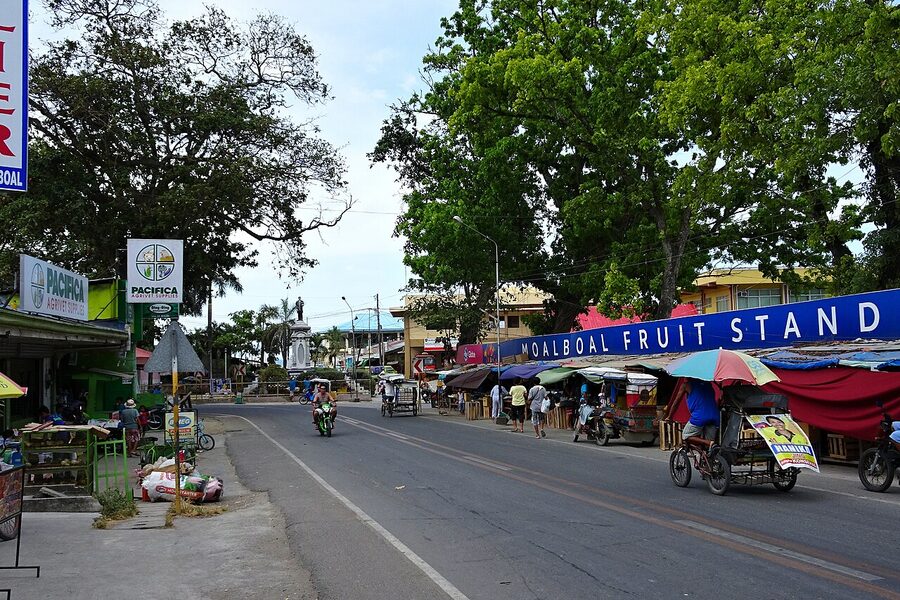
Three hours south of Cebu City by van or bus, Moalboal is the diving and snorkelling town that everyone with a fin in their carry-on ends up at. Panagsama Beach is the long-time travellers’ strip, with hostels, dive shops, and beach bars. White Beach a couple of kilometres north is the actual sandy beach if you want a sunbathing day.
The reason you come is the sardine run.
The Sardine Run, Year-Round
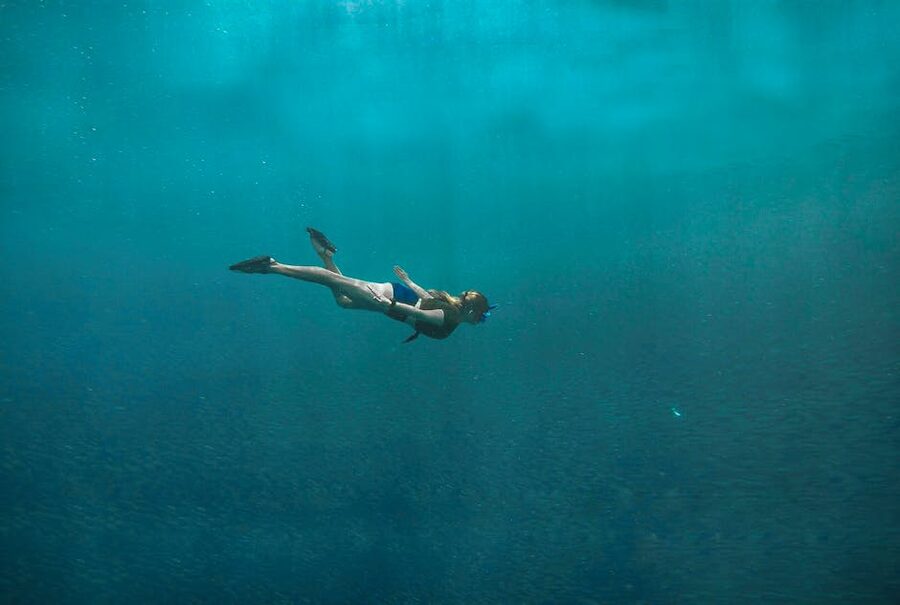
Moalboal’s sardine run is the genuinely strange thing about this town. A tornado of millions of sardines, the size of a large room, hangs about ten to fifteen metres off Panagsama’s shore, every single day of the year, year-round. You walk in from the beach in fins, swim a hundred metres, and there it is. No boat needed. Most snorkellers stay between three and ten metres deep and watch the wall shift around them.
Bring your own mask if you can. Rentals are everywhere on the strip (₱150 to ₱300 a day). Best visibility is morning, before the day boats arrive. The sardines occasionally vanish for a few hours; that is normal, they are a moving school.
Pescador Island
A small green islet about twenty minutes by banca off Panagsama, Pescador is the headline dive site. Walls drop to 40 metres, there is a swim-through called The Cathedral, and big-fish drift dives happen on the north side. For snorkellers, you can see plenty of reef fish at the surface, but the real show is below ten metres. A standard two-tank boat dive is ₱2,800 to ₱3,500. A half-day snorkel boat is ₱700 to ₱1,200 per person.
Kawasan Falls and the Canyoneering Jump
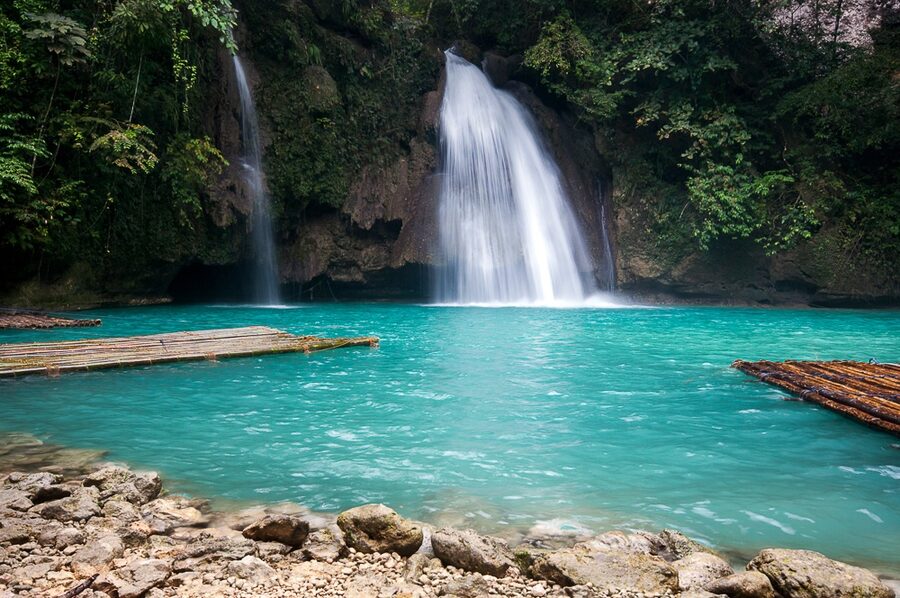
Forty-five minutes south of Moalboal in the town of Badian, Kawasan Falls is the three-tiered turquoise waterfall that sits at the end of every Cebu Instagram reel. You can walk in from the parking area for ₱60 and swim in the lower basin. That is the calm version.
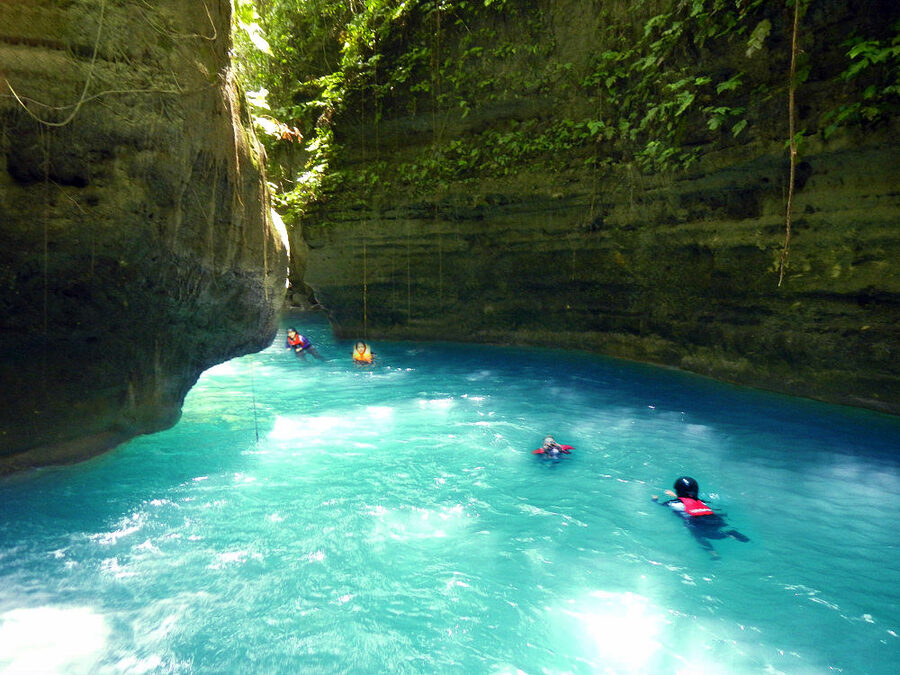
The other version is canyoneering down the Kanlaob River from Kanlaob Bridge in Alegria, finishing at Kawasan. Three to four hours of jumps (4 metres up to 12 metres if you choose), slides, and swims through narrow canyon. Standard tour is ₱1,500 to ₱2,500 with helmet, life jacket, dry bag. The 12-metre jump is optional; the rest of the route works fine without it. This is one of the few activities I will recommend you book through a local Moalboal hostel rather than online; the small operators run smaller groups.
Tumalog and Aguinid Falls
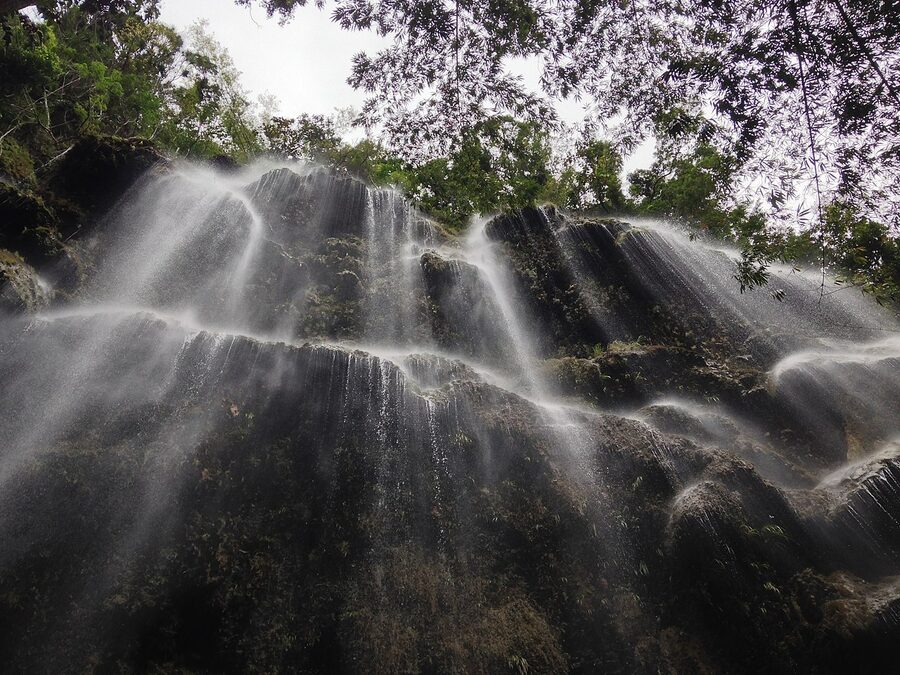
If you base in Moalboal or do the south as a loop, two more falls are worth pulling over for. Tumalog Falls in Oslob (a few kilometres up from the whale-shark pier) is a soft, wide curtain of mist falling about thirty metres into a shallow pool. ₱30 entry plus ₱50 habal-habal up the steep road. Twenty minutes is enough.
Aguinid Falls in Samboan, on the south-west tip past Bato, is a five-tier climbable waterfall where the water flows over staircases of mineral terraces. ₱50 entry plus a guide (mandatory, ₱200 to ₱500). It is more physical than Tumalog but less crowded than Kawasan. Best for travellers ending or beginning the south loop; not worth the dedicated day-trip on its own.
Oslob: The Whale Shark Question
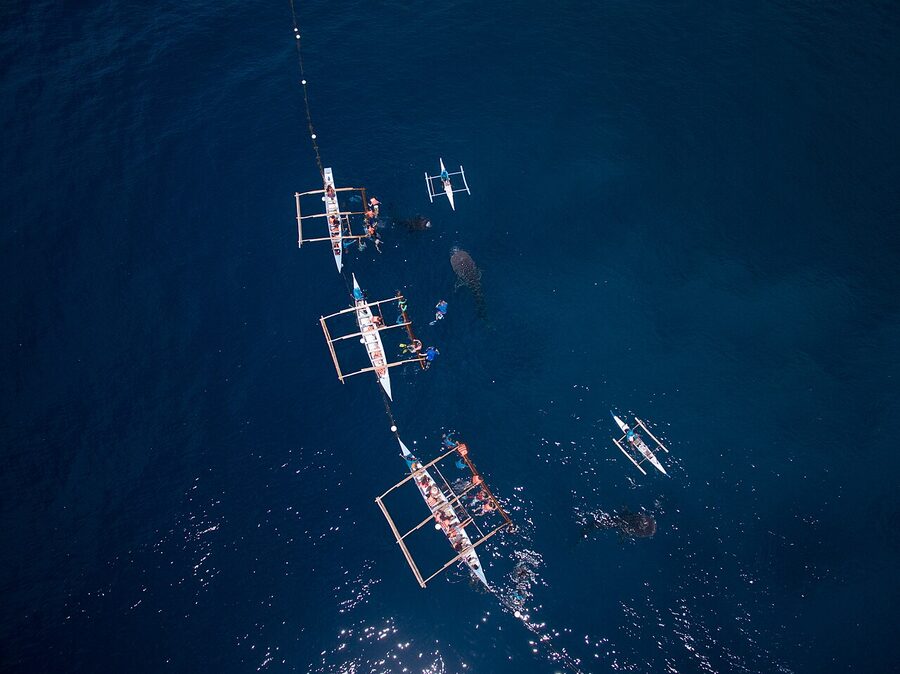
I have to be straight with you here. Oslob is the most heavily marketed activity in Cebu and the best I can do is give you the facts and let you make the call.
In the village of Tan-awan in Oslob, on the south-east coast, fishermen have been hand-feeding wild whale sharks since 2011. The animals are fed sergestid shrimp from small skiffs every morning between roughly 6am and 1pm. About 30 to 40 individual whale sharks have learned the routine and now show up daily. Tourists pay around ₱1,000 (~$18) for thirty minutes of swim-with-them snorkelling, in waist-deep water about ten metres from the feeding boats.
The biology, the welfare argument, and the conservation argument are not on Oslob’s side. Provisioning (the technical term for paying-feeding) breaks the species’ natural migration and feeding patterns. Boat strikes have left visible scars on a number of the regulars. Researchers at Large Marine Vertebrates Project (LAMAVE) and the Marine Wildlife Watch of the Philippines have published critical work on what daily provisioning does to whale shark behaviour and energy budgets.
The economic and practical argument is on Oslob’s side. The village fishermen are not poaching whale sharks any more, the local economy is the highest-earning in the region, and the alternative to legal regulated tourism here is uncontrolled tourism somewhere worse.
If you want to swim with wild whale sharks without provisioning, two options:
Donsol, in Sorsogon (Bicol, Luzon), is the original Philippine whale-shark sanctuary. Sightings are seasonal (December to May, peak February to April), boats spot animals from the surface and you slip in to watch them swim past. No feeding. Around ₱3,500 per person for a half-day boat. The catch: sightings are not guaranteed.
Pintuyan, in Southern Leyte, is the quieter sister site. Sightings November to April. Boats are fewer, animals are not provisioned, and the dirt road in keeps numbers low.
I will not tell you not to go to Oslob. I will tell you the alternative exists, the conservation literature is critical of the daily-feeding model, and your decision is yours.
Bantayan and Malapascua: The Quiet North
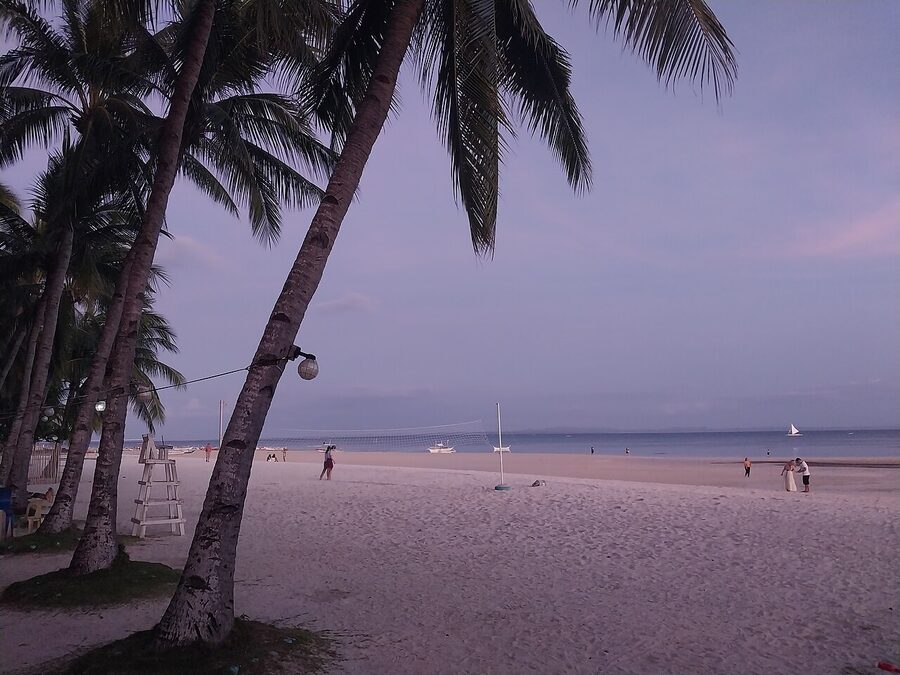
The two northern islands are where Cebu finally slows down. They are also a longer trip, so add a couple of days if you are coming.
Bantayan Island
Three and a half hours by bus from Cebu City to Hagnaya port, then a 75-minute ferry (₱220) to Santa Fe on Bantayan. The island is flat, wide, and ringed by genuinely white sand. Santa Fe and Maya beaches are the swimming side. The local pace is slow. Most accommodation is small family-run resorts; there is one Kota Beach Resort that runs a long beachfront, and a cluster of boutique places near Paradise Beach. Bring cash; ATMs are unreliable.
The beach quality on Bantayan rivals anything in the southern Visayas. Typhoon Haiyan/Yolanda in 2013 levelled the place; what you see now is fully rebuilt. Three nights is the right amount.
Malapascua and the Thresher Sharks
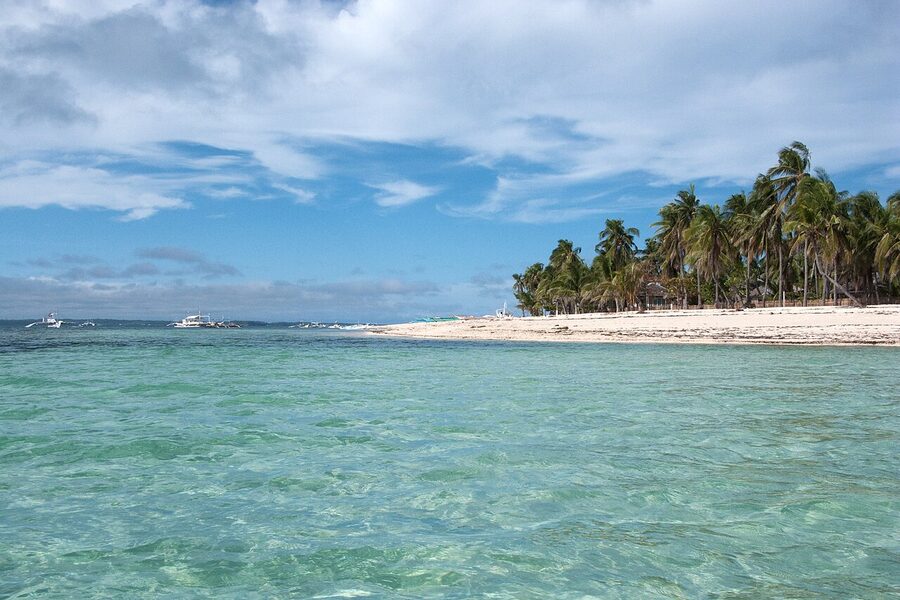
Malapascua is a tiny island off the north tip of Cebu, reached by a 4-hour bus from the city to Maya, then a 30-minute banca (₱100 to ₱200). Most travellers come for one reason: Monad Shoal.
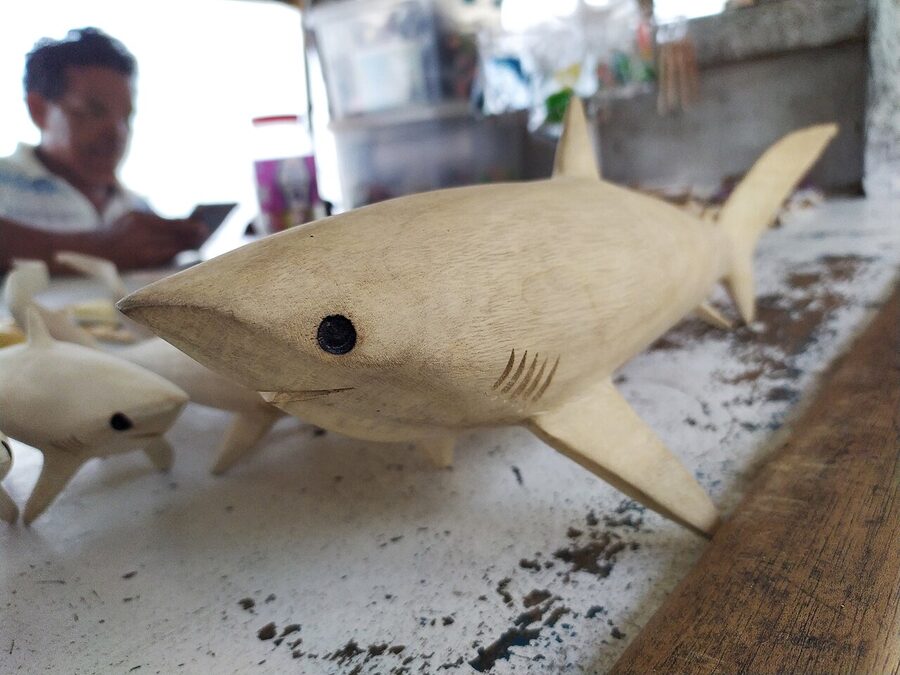
Monad Shoal is the only reliable place in the world where pelagic thresher sharks come up to a reef cleaning station every dawn, day after day, year-round. The shoal sits at 25 metres so this is an Advanced Open Water dive (or you can do the certification course on the island). Boats leave Bounty Beach around 4:30am, you do an hour-ish dive, and you are back in time for breakfast. Cost is around ₱3,500 to ₱4,500 per dive depending on shop. If you only do one dive in your life, this is a candidate.
Beyond the threshers, Malapascua has Gato Island for white-tip reef sharks and a few decent macro sites. The island itself is small, the snorkelling off Bounty Beach is mediocre, and the pace is sleepy. If you do not dive, give it one night, no more. If you do, three nights minimum.
Where to Eat
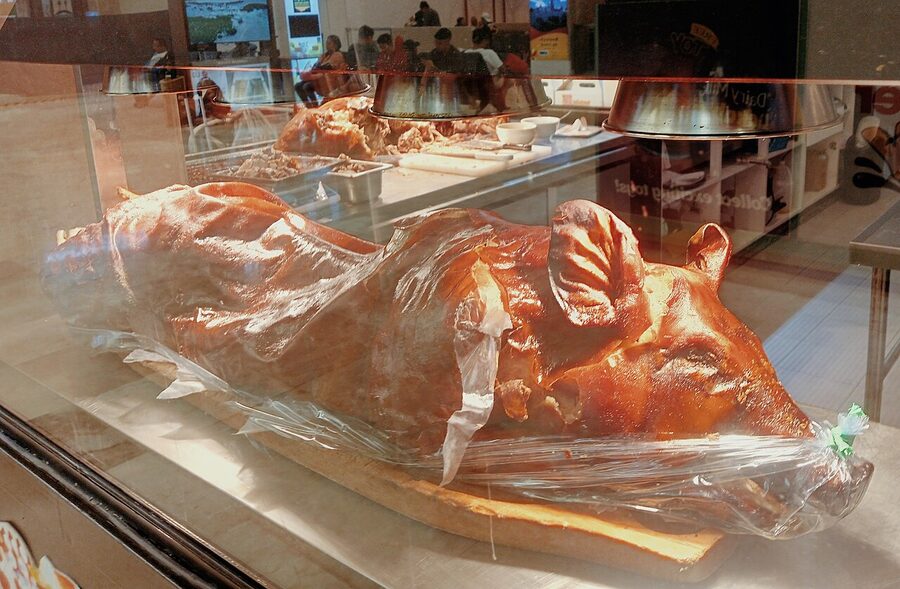
Cebu’s food argument with the rest of the country is that its lechon is better. The defence rests on lemongrass and the Cebuano stuffing, which makes the meat moist enough that no sauce is needed. Most other regional lechons get dipped in liver-based sarsa. Cebu lechon is meant to stand on its own.
Lechon, the Three Names
House of Lechon in IT Park has the central-Cebu-City sit-down version. Order by the kilo (around ₱600 to ₱800 a kilo, ~$10 to ~$15), they will carve a fresh quarter at your table. Solid, consistent, fair price.
Zubuchon on Escario Street is the famous one Anthony Bourdain put on the map in 2009 (“the best pig, ever”) and it has held up. Their lechon is sold by weight, plus they do a smoked lechon sisig that is criminally good. Multiple branches now (the airport one is convenient if you are flying out hungry).
CnT Lechon in Pier 1 / V. Rama is the locals’ choice. Less polish, lower prices, longer queue at lunch. Cash only at the older branches.
Larsian and the BBQ Pits
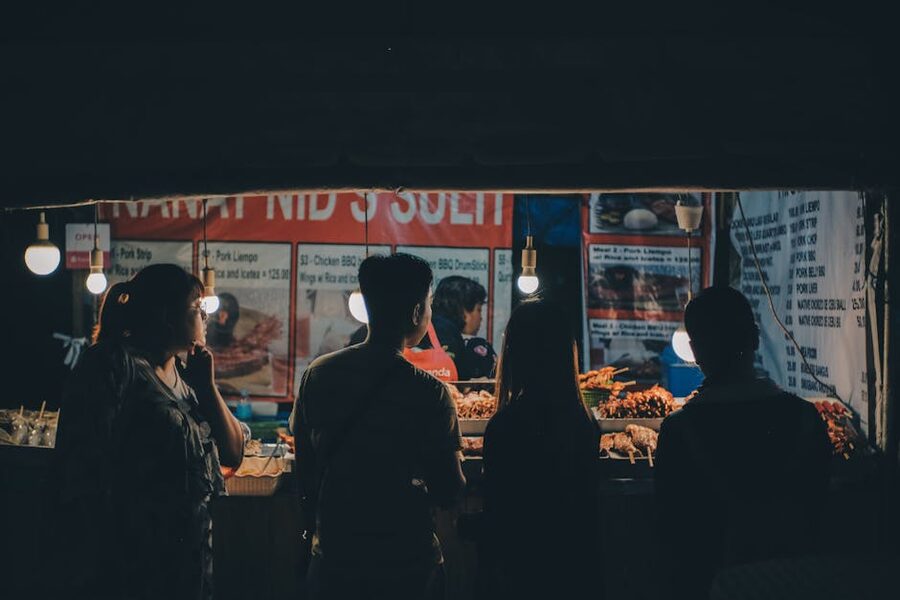
Larsian sa Fuente, on Fuente Osmeña Circle, is the open-air BBQ institution where you point at skewers, the cook grills them on a long row of charcoal pits, and you eat them with your hands and a basket of puso (rice steamed in woven coconut leaves). Pork belly, chicken thighs, isaw (intestine), pork blood, pork ear, the whole map. Starts around 4pm and runs late. Cash only. Cheap.
Casa Verde in IT Park is the burger answer to the lechon. The Brian’s Ribs are the menu legend, but the Casa Verde Burger (₱325) is a half-pound patty that holds up. Expect to queue 30 to 45 minutes at peak.
Ramen, Coffee, and Sea View
Ramen Bar Cebu in Banilad is one of the better Japanese ramen rooms in the country, run by a Japanese chef. Tonkotsu and shio are the picks. Around ₱400 to ₱600 per bowl.
AA Roasting on Wilson Street is the local third-wave coffee favourite, doing single-origin pour-overs and a quiet morning crowd. Around ₱150 a cup. Strong wifi if you need an hour to write.
Lantaw at Mactan Newtown has the wide harbour view at sunset; food is solid Filipino, prices are mid (₱400 to ₱700 mains). Ocean Blue Marina in the Marina Mall area is similar but quieter, with a longer pier walk.
Where to Stay
The full breakdown of where to actually book lives in the dedicated Cebu hotels guide, with twenty-two properties broken down by Cebu City CBD, Mactan resort cluster, Moalboal, and the budget side. Quick orientation:
If you want to be in the heritage core and walk to the basilica, Marco Polo Plaza, Radisson Blu, Bai Hotel, and Quest Hotel are the city picks. Marco Polo wins on the view, Bai wins on the location near Ayala. If you want a Mactan resort, Shangri-La Mactan and Crimson Punta Engaño are the top two; JPark is the family choice. Moalboal does not run big-brand hotels. Magic Oceans Dive Resort is the dive-focused pick a little south. Panagsama and White Beach run smaller boutique stays and dive-shop accommodations.
Getting There and Around
From Manila, the flight to Mactan-Cebu International Airport is one hour and twenty minutes. Cebu Pacific, AirAsia, and Philippine Airlines all run multiple daily slots. Fares are typically ₱2,500 to ₱6,000 (~$45 to ~$110) one-way booked a few weeks out. The airport has a new terminal that is an actual pleasant experience.
Mactan-Cebu Airport is on Mactan Island; the airport is a 30-minute taxi to the city CBD across two bridges (Marcelo Fernan or Mactan-Mandaue). A metered Grab is around ₱350 to ₱500 to most CBD hotels. Allow 45 minutes during morning rush.
South coast logistics: from Cebu City South Bus Terminal, Ceres buses to Moalboal run roughly every 30 minutes, take three hours, and cost about ₱180. Vans are quicker and ₱220 to ₱300. To Oslob from the same terminal, three to four hours, ₱200. Whale-shark watching has its own dedicated operators who pick up from Cebu City or Moalboal hostels at 4am for the dawn shuttle.
North coast logistics: Cebu City North Bus Terminal to Hagnaya (Bantayan ferry) is three and a half hours by Ceres bus, ₱200, then 75 minutes ferry. To Maya for Malapascua, four hours by bus, ₱220, then 30-minute banca. Last northern bus from Cebu City is around 5pm; do not cut it fine.
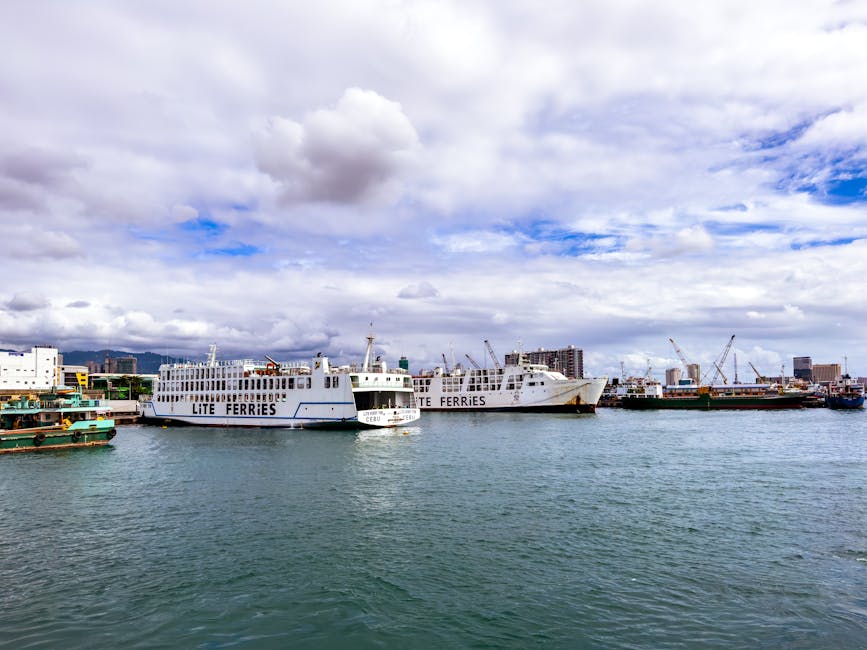
If you are coming from Bohol, the Oceanjet and SuperCat fast ferries run Tagbilaran (Bohol) to Cebu Pier 1 in two hours, ₱500 to ₱800. The Bohol travel guide has the full pairing logic.
When to Go
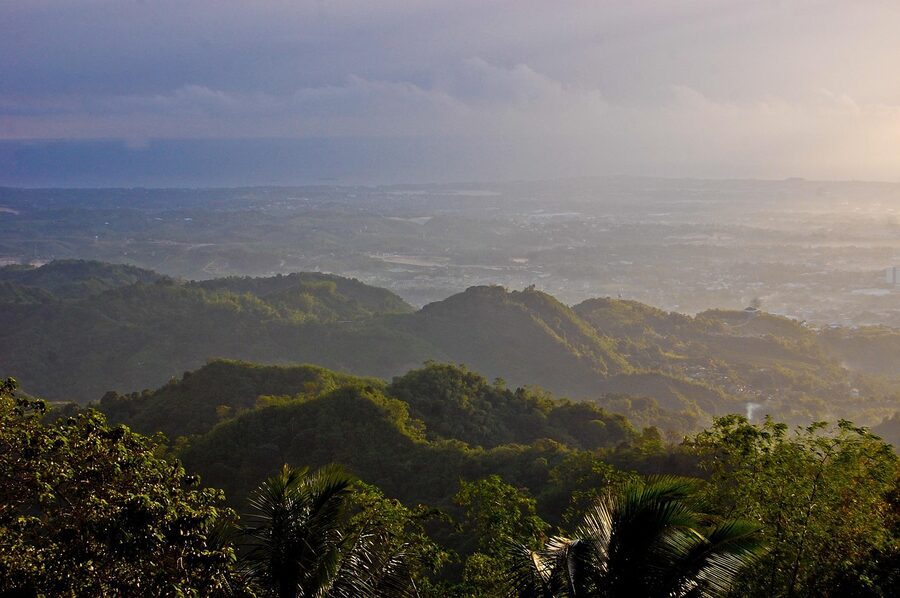
Cebu sits in the dry-on-the-east, wet-on-the-west belt of the Philippines, but the practical answer is that the whole island is most reliably dry from January to May, which is also peak tourist season. Diving visibility is best November through May. Typhoon season is technically June to November but Cebu is more sheltered than the eastern Visayas; serious storms are uncommon but do hit (Haiyan in 2013, Odette in 2021). The full month-by-month breakdown is in best time to visit the Philippines.
Sinulog Festival, Third Sunday of January
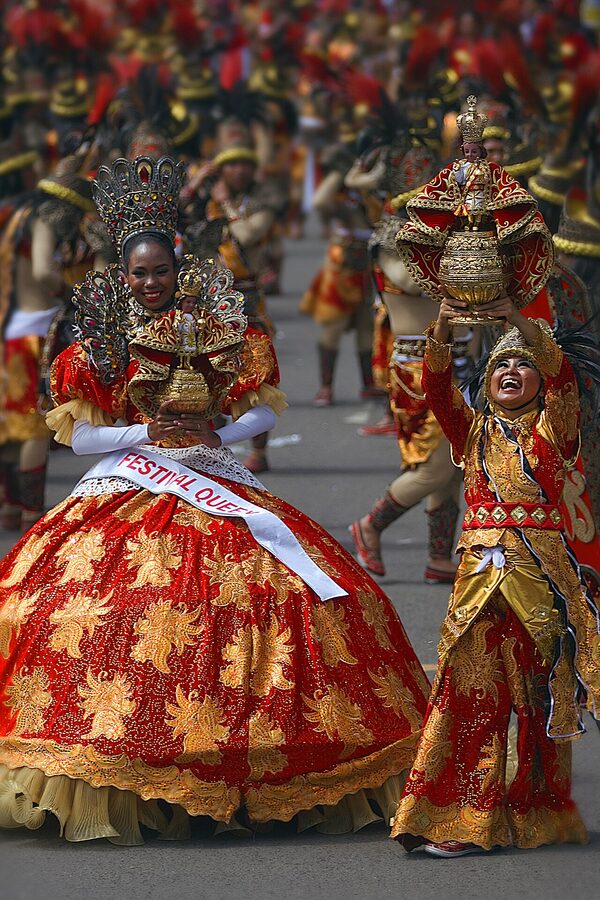
Sinulog is the religious-and-cultural festival around the Santo Niño image, held the third Sunday of January with build-up across the second week. The grand parade is a six-kilometre route of dance contingents in red, gold, and white, with float bands and the chant of “Pit Senyor” answering down every street. The novena masses at the basilica through the preceding week are the religious half. The street parties through the night are the secular half.
If you come for Sinulog, book accommodation three to four months out. Hotels in the CBD triple their rates. Expect blocked streets, big crowds, and the best version of Cebu City’s energy you will ever see.
What’s Overrated in Cebu
Some unvarnished calls after enough trips down:
The standard Mactan island-hopping circuit is fine but unmemorable if you have already been or will be doing a Moalboal sardine swim. Save the day, go further south.
The Temple of Leah does not deserve a dedicated trip up the mountain by itself. Pair it with Tops if you want the photo; otherwise skip it.
Sirao Garden has been so heavily Instagrammed that the Sunday queues now take longer than the actual walk through the rows. Go on a weekday morning or do not bother.
The “Carbon Market” recommendation that gets repeated in every Cebu list is genuinely just a wholesale wet market. It is interesting for forty minutes if you like markets. It is not a destination if you do not.
And the most contrarian one: Cebu City as a tourist destination is overrated for first-time Philippines travellers. The history is real, the lechon is real, the food culture is real, but if you have only five days in the country, my pick would still be Manila plus Palawan or Manila plus Boracay before Cebu. Cebu is best as the second-island trip.
Common Questions
How many days do I need for Cebu?
Three days is enough for Cebu City and one Mactan beach day. Five days lets you add Moalboal. A full week opens up Bantayan or Malapascua and the south coast loop. Less than three days, focus on Cebu City and skip the north entirely.
Is Cebu safer than Manila?
Cebu City and Manila are roughly comparable in petty-crime risk; both want sensible city-traveller habits (no flashy phones in jeepneys, Grab not random taxis, ATMs inside malls). Cebu’s beach destinations are very low-risk. The standard travel-rules apply. For Manila specifically, see is Manila safe for travellers.
Should I do Oslob whale sharks?
It is a personal call. The animals are wild but provisioned (hand-fed daily), which most marine biologists oppose. Donsol and Pintuyan offer wild non-provisioned whale-shark experiences, with the trade-off that sightings are seasonal and not guaranteed. If guaranteed close-up encounters matter most, Oslob delivers; if the wildness of the encounter matters more, go elsewhere.
Cebu City or Mactan for the airport hotel?
Mactan if your flight is before 9am. Cebu City if you have time. The bridges between them are the bottleneck, and a 6am flight from a Cebu City hotel means leaving at 4am.
Can I do Cebu and Bohol on the same trip?
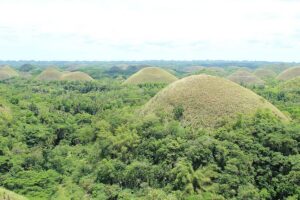
Yes, easily. The two-hour fast ferry between Cebu Pier 1 and Tagbilaran runs multiple times a day. Three days each is a comfortable pairing. The full breakdown is in the Bohol travel guide; the Chocolate Hills and Loboc tarsiers are Bohol’s headliners.
How does Cebu compare with Boracay or El Nido?
Boracay is one beach you do really well; everything serves the beach experience. El Nido is the lagoons and the limestone karsts of Bacuit Bay, an island-hopping destination. Cebu is more like a small country: a city, a resort island, a dive coast, a quiet north. If you want a single iconic beach holiday, see Boracay travel guide or El Nido travel guide; if you want a varied trip with food, history, and the sea, Cebu is the call.
What about getting from Manila to Cebu?
The flight is the only sensible option for travellers; one hour and twenty minutes, multiple daily flights on three airlines. Ferry from Manila exists (2GO, 22 hours) and is an experience but not a recommendation unless you are bringing a vehicle. From Cebu Mactan you can connect onwards to the rest of the Visayas, including Bohol, Dumaguete, and Boracay (via Caticlan). If you have a few Manila days first, the Manila three-day itinerary stacks well before flying south.