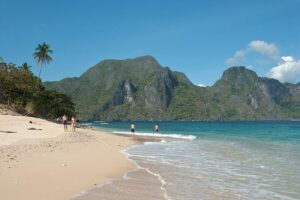
The first thing you see, when the Tour A boat rounds the first headland and the morning mist starts to lift off Bacuit Bay, is a wall of grey limestone that should not exist. Then another. Then another. Karsts the size of small mountains pushing straight up out of jade-green water, the tops fuzzy with green where something has decided to grow on near-vertical rock. The boat captain cuts the engine. Nobody talks for a minute. That is the El Nido moment, and it is the reason you flew here.
What I want to do in this guide is set you up so you actually have that moment, instead of arriving at Big Lagoon at 10am behind 40 other boats and wondering why everyone said this place was paradise. El Nido is genuinely one of the best things in the Philippines. It also has a tour-boat traffic problem, a tricycle-only town, and a season that turns from bone-dry to wet in a matter of weeks. Get the timing and the choices right, and you will leave wondering why you only booked four nights.
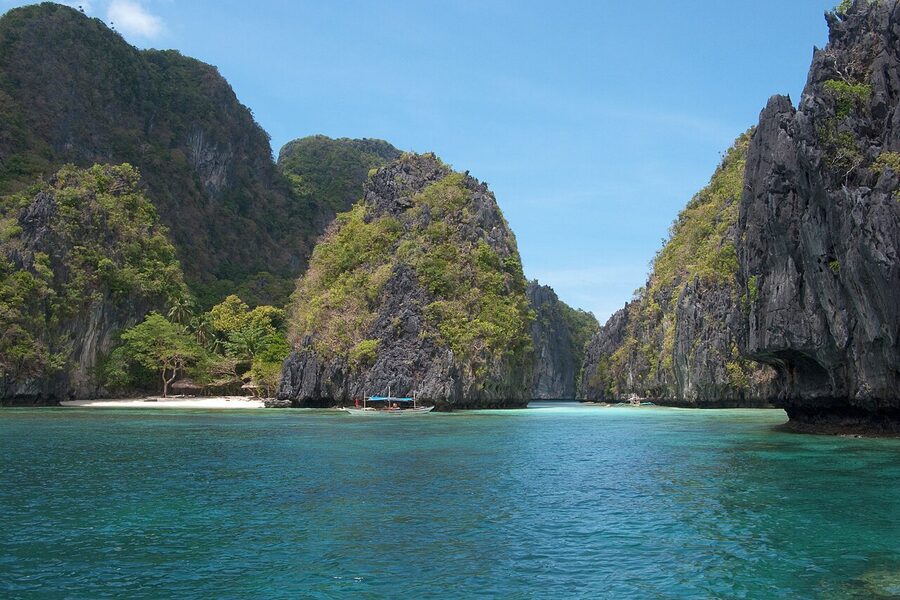
Some links here are affiliate links. I earn a small commission if you book, it covers the hosting bill, that is it.
In This Article
- What El Nido Actually Is
- The Four Tours: A, B, C, D
- Tour A: the postcard one
- Tour C: the underdog
- Tour B: rocky and underrated
- Tour D: the quietest
- Private vs Joiner Boats
- Where to Eat in El Nido
- Where to Stay: Town vs Corong-Corong vs Lio
- Getting Around El Nido
- Day Trips: Nacpan, Marimegmeg, and Las Cabanas
- Las Cabanas Beach (sunset)
- Marimegmeg Beach
- Nacpan Beach (the day trip)
- Diving, Snorkelling, and the Reef
- When to Go
- What’s Overrated About El Nido
- Practical Notes Before You Book
- FAQ
- How many days do you need in El Nido?
- Is El Nido better than Coron?
- Can I just walk up and book a tour the day I arrive?
- How much should I budget per day?
- Do I need to book hotels in advance?
- Is the water actually that clear?
- What do I actually pack?
What El Nido Actually Is
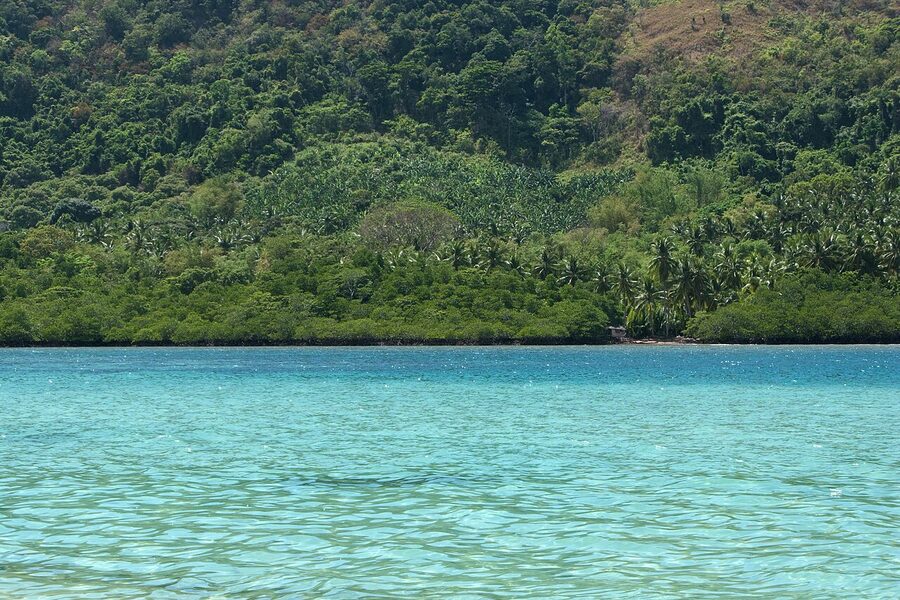
El Nido is a small fishing town at the northern tip of mainland Palawan, facing into a bay called Bacuit Bay that is dotted with around 45 islands. Most of those islands are limestone karst, the same geology you see in Halong Bay or Krabi, just less famous and less developed. The town itself is maybe ten blocks square, sitting at the foot of a single huge cliff that you cannot miss when you arrive.
The whole region is a protected marine area, which is why the water stays so clear. It is also why every visitor pays a ₱200 environmental fee on arrival, valid for 10 days, that you have to flash at most check-in counters and tour briefings. Keep the receipt in your phone case. You will be asked.
El Nido is not Boracay. There is no real beach in town worth swimming at. The reason to be here is the boats: four standard island-hopping tours that cover the bay and the surrounding islands, plus the option of going private and skipping the queues. Almost everything else, food, sunsets, the one decent bar, exists to fill the time between boat days.
The Four Tours: A, B, C, D
Every tour boat in El Nido sells one of four lettered itineraries. The names sound like a multiple-choice exam and the boat captains take it just as seriously. The standard joiner price is around ₱1,400 to ₱1,800 (~$25-32) per person depending on the tour and the operator, lunch and snorkel mask included. You book the day before either at your hotel or at any of the dozen tour shacks lining the seafront.
One thing nobody tells you up front: you do not have to do all four. Two tours back to back is the realistic limit before sun-fatigue sets in and the karsts start to look the same. Pick the two that match what you actually want.
Tour A: the postcard one
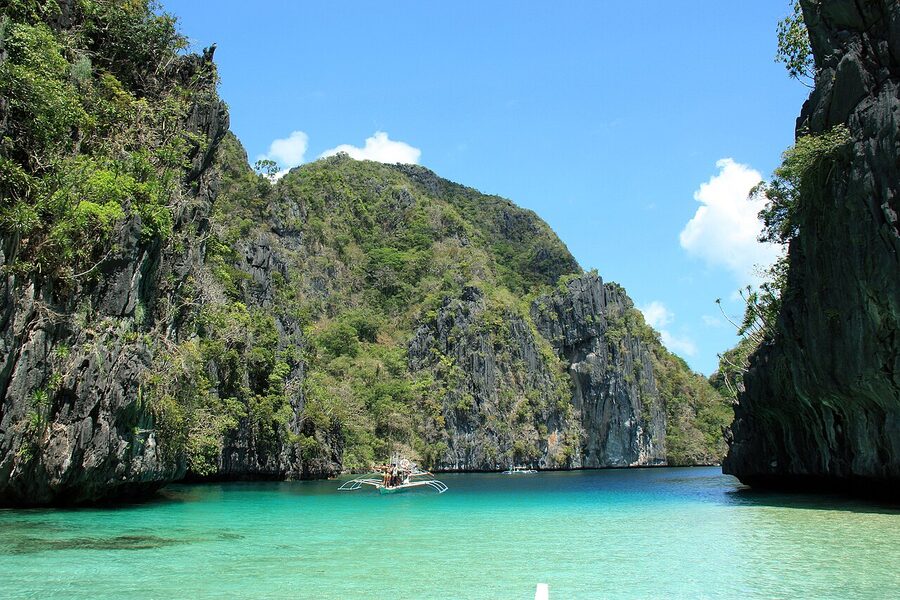
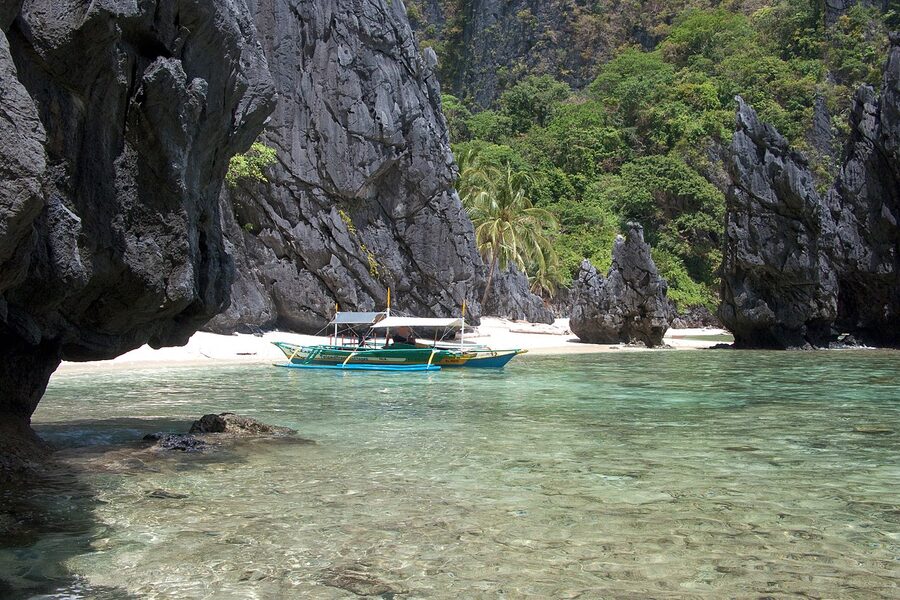
Tour A is the one you came for. Big Lagoon, Small Lagoon, Secret Lagoon, Shimizu Island, and 7 Commandos Beach. Big Lagoon is the photograph you have seen, a long shallow channel of water threaded between cliffs. Small Lagoon is reached by a narrow rock cleft you have to time with the swell. Secret Lagoon you crawl into through a hole in a rock face. Shimizu is a snorkel stop. 7 Commandos is a long sand beach for lunch.
This is the busy one. On a peak-season morning you can have 40 boats anchored at the Big Lagoon entrance by 10am, all unloading kayakers at the same time. Two ways out: book the earliest start you can (most boats leave at 9am, but some go at 7 or 8 if you ask), or pay for a private trip and do Tour A in reverse so you arrive at Big Lagoon as the joiner crowd is leaving.
Tour C: the underdog
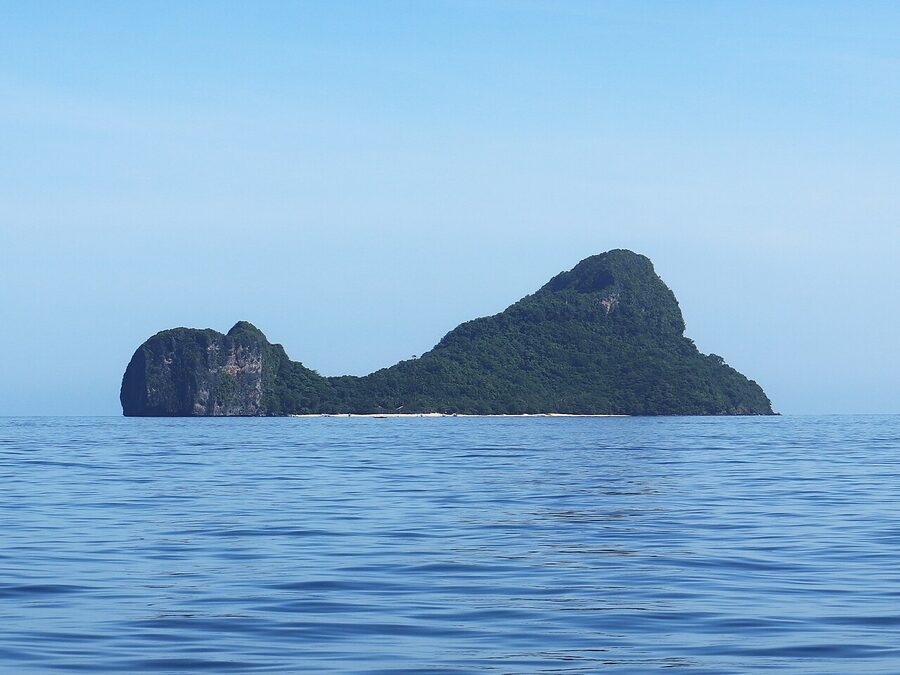
Tour C is the one I tell repeat visitors to do first. Hidden Beach, Matinloc Shrine, Helicopter Island, Star Beach, Talisay Beach. The route goes further out into Bacuit Bay than A or B, the boats spread out more, and the snorkelling on Helicopter Island and Talisay is the best of the four standard routes.
Hidden Beach is a small cove tucked behind a cliff that you swim or wade into through a gap. Matinloc Shrine is the strange one: an abandoned Catholic shrine on a private island, ₱200 entry, and a steep climb up to a viewpoint that gives you the best aerial-style shot of Bacuit Bay you will get without a drone. People skip it because of the entry fee. Don’t. The view is worth it.
Tour B: rocky and underrated
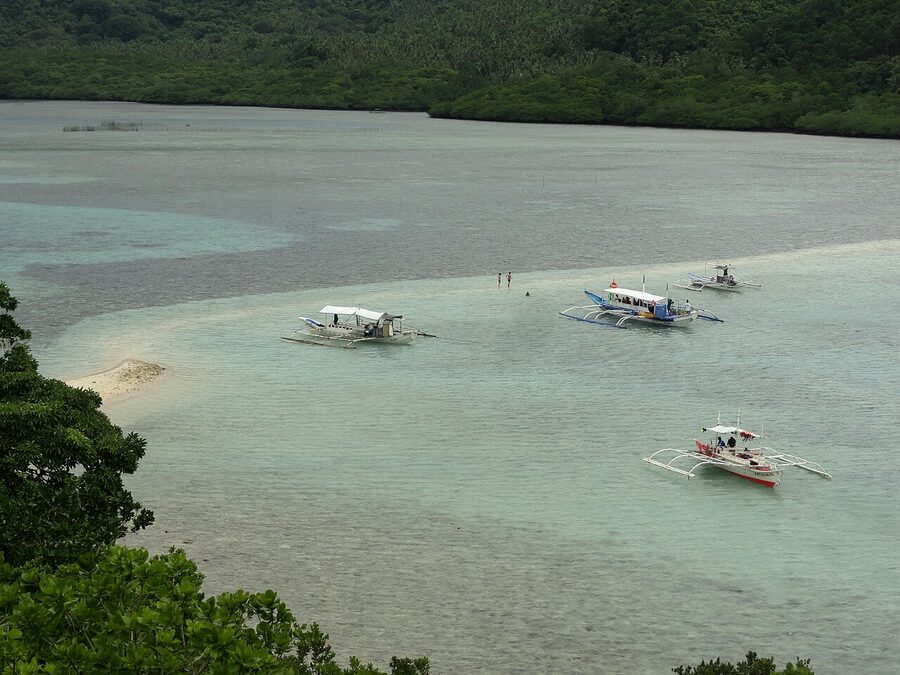
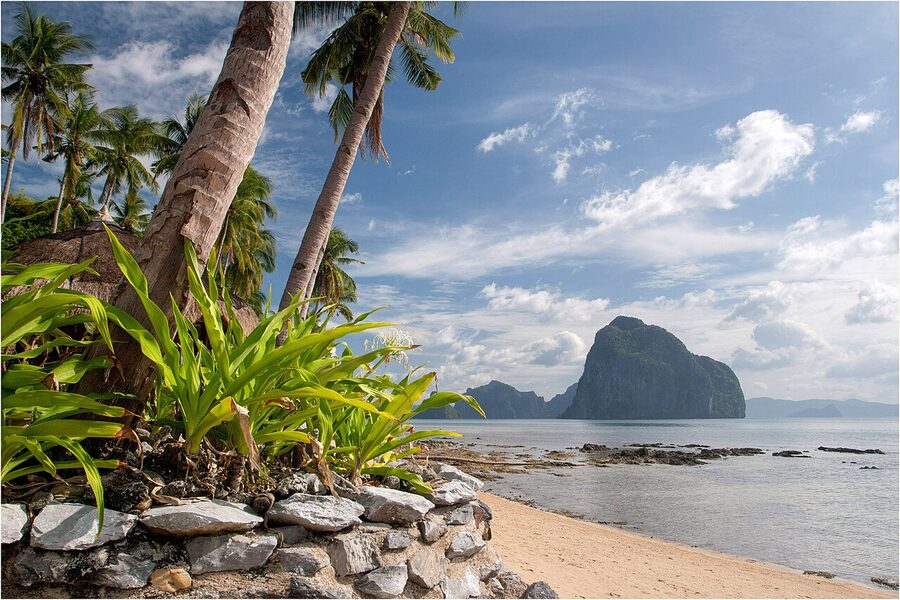
Tour B gets less love than it deserves. Snake Island, Cudugnon Cave, Cathedral Cave, and Pinagbuyutan Island. Snake Island is a long curving sandbar that connects two land masses at low tide, and at the right hour it photographs as well as Big Lagoon. Cudugnon Cave is a low-roofed limestone cave you crouch into. Cathedral Cave is a sea cave the boat noses straight into.
The reason to do Tour B is Pinagbuyutan, a near-perfect cone-shaped karst island with a coconut-palm beach at its base. It looks like the Bond-villain establishing shot. If you have time for three tours, this is your third.
Tour D: the quietest
Tour D is Cadlao Island, Pasandigan Cove, Bukal Beach, and Paradise Beach. It is the closest tour to town, the cheapest, and the least popular, which is exactly the appeal. Fewer boats, more time at each stop, calmer water. Cadlao is the largest island in the bay and you cruise along its lagoon-side. Bukal Beach has good shore snorkelling.
If you have one day and you want to swim and laze rather than queue at lagoons, Tour D is the call. If you only have one day and you want the iconic photos, you do Tour A. That is the trade.
Private vs Joiner Boats
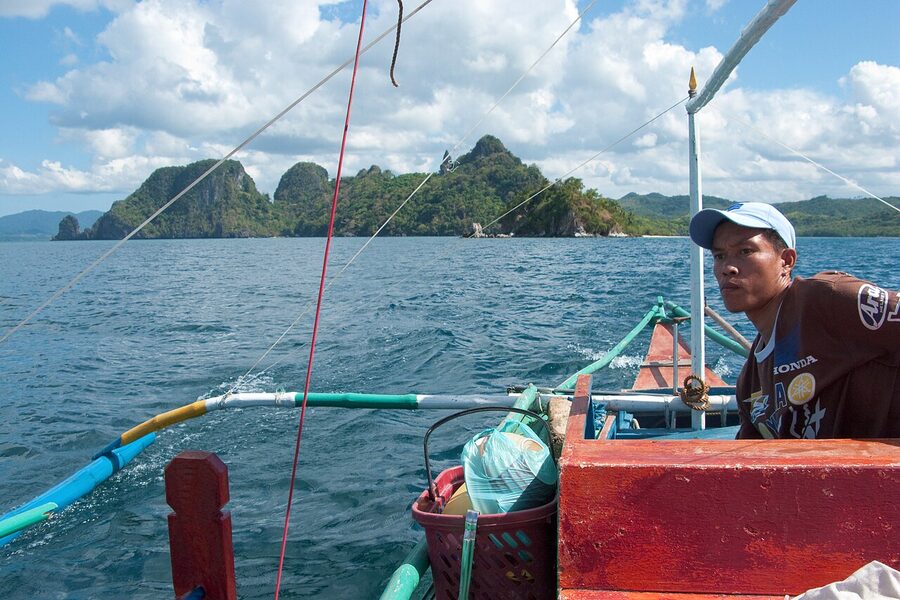
This is the single most important decision you will make in El Nido. A joiner tour costs around ₱1,400-1,800 per person, includes lunch and snorkel gear, and puts you on a boat with 12 to 18 strangers. You go where the captain goes, you stop when he says, you eat the rice-and-fish lunch he packed.
A private boat costs ₱8,000 to ₱15,000 (~$140-265) for the whole boat, depending on the size and the season. Split between two people that is steep. Split between four or five it is around ₱2,500 each, which is barely more than the joiner price, and you get to set your own schedule. You can leave at 6:30am and reach Big Lagoon before any joiner has even put on sunscreen. You can skip the stops you don’t care about and double the time at the ones you do. You can ask the captain to take you to one of the Tour A islands plus one Tour C island and combine itineraries.
If you are a couple, the maths is not great. If you are three or more, the private boat almost always pays for itself in saved queue time and better photos. Book it through your hotel, not through the seafront tour shacks. Hotel rates are usually cheaper because the operator does not pay a commission to a tout.
Where to Eat in El Nido
Town is small enough that you can walk past every restaurant in 20 minutes. The food scene is heavily skewed toward backpacker pizza and bowl places, but a few spots are genuinely worth seeking out. I have eaten badly in El Nido and I have eaten very well, and the difference came down to which streets I walked.
For pizza, Trattoria Altrove on Calle Hama is where I send everyone. Wood-fired oven, properly thin base, queues out the door from 6:30pm and they don’t take reservations. Around ₱500 for a margherita. Get there by 6 or be willing to wait an hour.
For the sunset drink, Republica Sunset Bar on the south end of the seafront has the best beachfront view in town and the cocktails are decent rather than amazing. Show up at 5:15pm for a 5:45 sunset, order a San Miguel rather than a fancy mojito, you will be happier.
For lunch and breakfast, El Nido Boutique & Art Cafe is the OG. It has been there since long before Instagram found this town, the owner is friendly, the calamansi muffins are still good. Big breakfast plates around ₱300-400.
Squido’s does seafood properly: fresh lapu-lapu (grouper), grilled and split with garlic rice and a small calamansi-soy dipping bowl. Around ₱600 a head with one drink. Local rather than touristy.
Habibi on Calle Hama is the Middle Eastern place and it is a serious win on day three when you have eaten enough rice. Falafel wraps, hummus, fresh flatbread. It does not look like much from the street. It is.
For a late drink, Pukka Bar is the closest thing El Nido has to a proper bar. Reggae most nights, occasional live band, busy from 10pm. Walking distance from anywhere in town, which in El Nido means under 7 minutes.
Where to Stay: Town vs Corong-Corong vs Lio
El Nido has three main areas and they are not interchangeable. Picking the right one shapes your whole trip. I wrote a separate piece on the specific properties at the best El Nido hotels and beach resorts, but the area decision sits here because it sets the rest.
Town centre means you can walk to every restaurant, every tour shack, the seafront, and the boat departure beach. Trade-off: it is loud at night, the streets are narrow, and the beach in town is not really a swimming beach. If you are here for tours and food and you do not mind a tricycle to anywhere with a sunset, town is the right call.
Corong-Corong is the next bay over, about a ten-minute tricycle south. Better sunsets, calmer beach, more boutique-style stays. You will spend ₱150-200 a day on tricycles to and from town, and you will eat fewer meals at the good restaurants because you cannot just pop down. Worth it if you want to actually relax on a beach when not on a boat.
Lio Estate is a planned development north of town with the airport, a few mid-to-luxury hotels (Seda Lio, Hotel Covo, Casa Kalaw), a few overpriced beach restaurants, and an arrival lounge feel. Comfortable but sterile. Pick this if you flew in on AirSWIFT and want to skip the town entirely. Skip it if you want any local atmosphere at all.
For where to actually base yourself, the El Nido hotels guide walks through the specific properties in each zone with prices and what they’re best for.
Getting Around El Nido
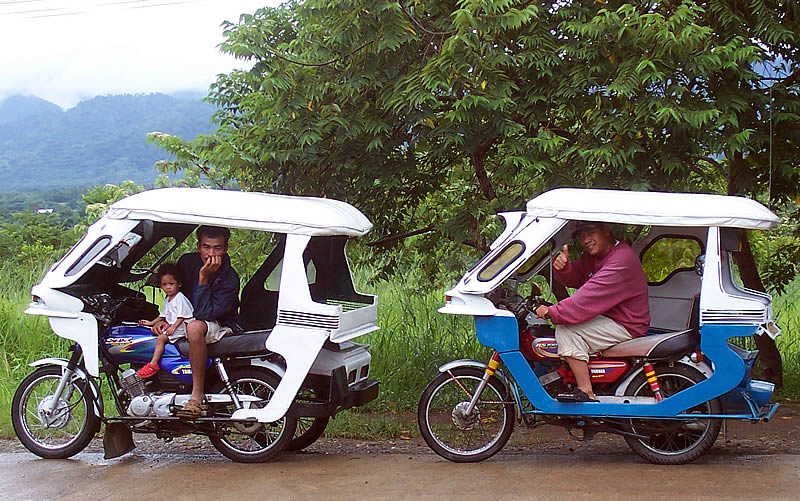
There are no taxis in El Nido. There is no Grab. There are tricycles, which are essentially a motorbike with a sidecar bolted to it, and there are your own two feet. That is the whole transport menu.
Tricycles run a flat rate around town: ₱50-100 for most rides, ₱150 for slightly longer hops like into Corong-Corong, ₱250-350 to the Lio Estate or the airport. Always agree the fare before you sit down. The drivers are not trying to scam you, but if you don’t say a number first they will name a higher one and you will be too jet-lagged to argue.
For day trips out of town (Nacpan, the long beach hour up the coast), you can either hire a tricycle for the day at around ₱1,500-2,000 round trip including waiting time, or join one of the cheap shared vans that leave from the bus terminal for around ₱500 round trip. The van is faster and air-conditioned. The tricycle is more flexible if you want to stop on the way.
From town to the boat departure beach is a 3-minute walk for any town-centre hotel. You don’t need a tricycle for boat days unless you are staying in Corong-Corong or Lio.
Day Trips: Nacpan, Marimegmeg, and Las Cabanas
The classic El Nido itinerary is “boats every day for four days,” which is fine if you have stamina but is also why people get sun-fatigued. On a tour-rest day, the three beach trips out of town are exactly what you need.
Las Cabanas Beach (sunset)
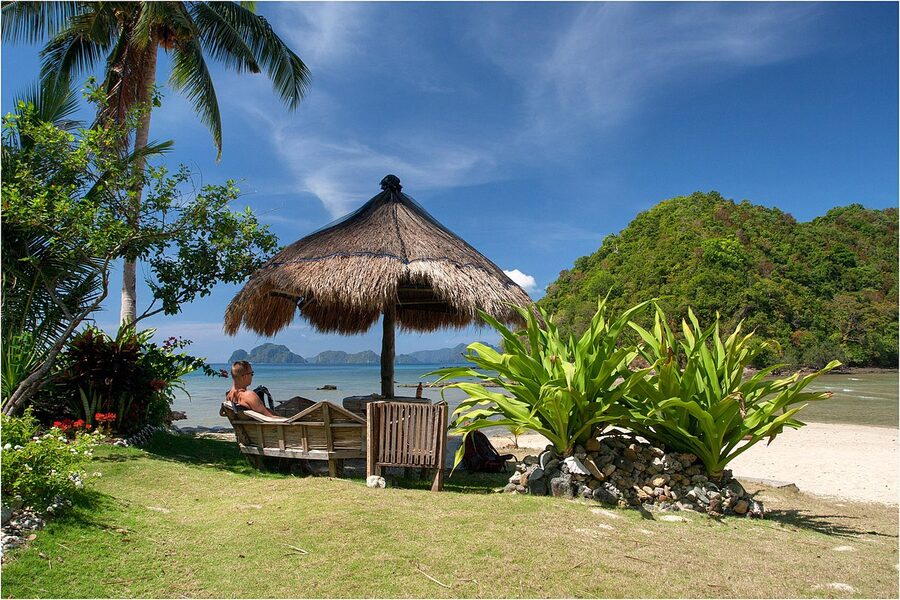
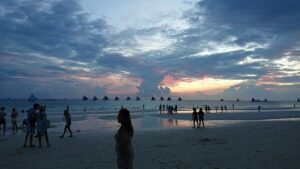
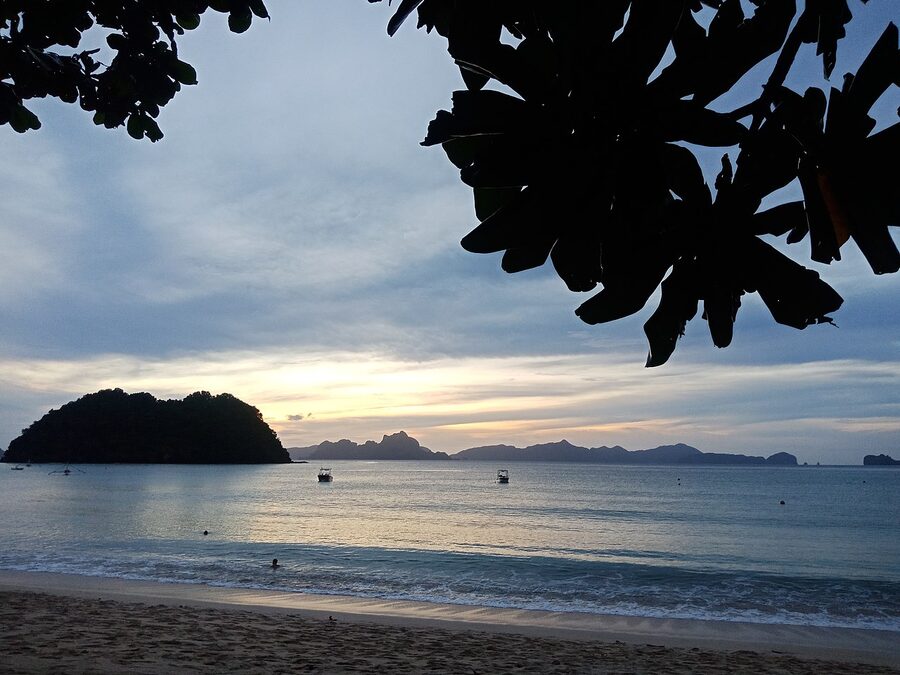
Las Cabanas is the sunset beach. Fifteen minutes from town by tricycle (₱150 each way), a long crescent of sand backed by a row of small beachfront bars. The sunset hits a gap between two small islands, and on a clear evening it is one of the better sunset views in the Philippines. Get there by 4:30pm if you want a good bench. Stay through dinner, the BBQ stalls fire up after dark.
There is also a zipline that runs from a small headland out to Depeldet Island and back. ₱600 each way. Mostly a photo opportunity rather than an actual thrill, but it earns you a beer.
Marimegmeg Beach
Marimegmeg is the cove just north of Las Cabanas, a 5-minute tricycle from there or 12 minutes from town. Smaller, less developed, no big bar scene. If Las Cabanas feels too crowded on a peak-season weekend you walk over the headland to Marimegmeg and find a stretch of sand to yourself. It does not have the famous sunset view, but it has a better afternoon swim because the water is calmer.
Nacpan Beach (the day trip)
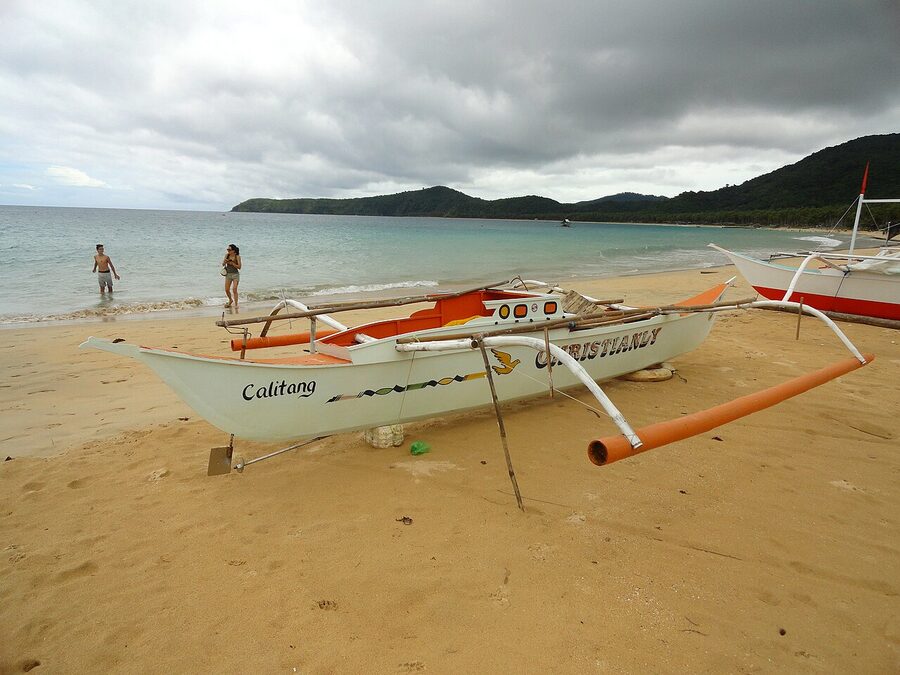
Nacpan is the proper day trip. Four kilometres of soft sand, real swimmable water, almost no development beyond a few shack-style beach bars. It is about an hour up the coast in a shared van (₱500 round trip from the El Nido bus terminal) or 75 minutes in a tricycle (₱1,500-2,000 round trip).
The far north end of Nacpan is where the so-called Twin Beach is, a sandbar that connects to a smaller cove at low tide. It is not as dramatic as the marketing photos suggest but it is a nice 30-minute walk along the sand. The middle of Nacpan has the few bars and the lifeguard hut. Bring more cash than you think you need, the ATM situation in El Nido is patchy at the best of times and Nacpan has none.
Real talk: Nacpan is more “go because it is a good break” than “go because it is the best beach in the Philippines.” It is good. It is not Boracay. It is also not crowded, which is the thing.
Diving, Snorkelling, and the Reef
The snorkelling on the standard tours is decent but not amazing. Helicopter Island, Talisay, Shimizu, all have living reef close to the surface, but you are queueing for a snorkel slot with 16 boatmates and the visibility tends to drop after the third boat shows up.
For real reef, you need to do a proper dive trip. There are seven or eight dive shops in town, the most established are Submariner Diving, Palawan Divers, and El Nido Marine Club. A two-tank fun dive runs around ₱4,500-5,500 (~$80-100) including gear and lunch. The signature sites are Dilumacad Tunnel (a long swim-through cave), South Miniloc (coral garden in calm water), and Tres Marias for the bigger stuff.
Visibility is best in the dry season (December to May), 20-30 metres on a good day. Wet season visibility drops to 10-15 metres because of run-off. If you are not certified, the standard advice is to skip the Discover-Dive sales pitch and just snorkel on the tours. The dive sites are deeper than the snorkel sites for a reason.
When to Go
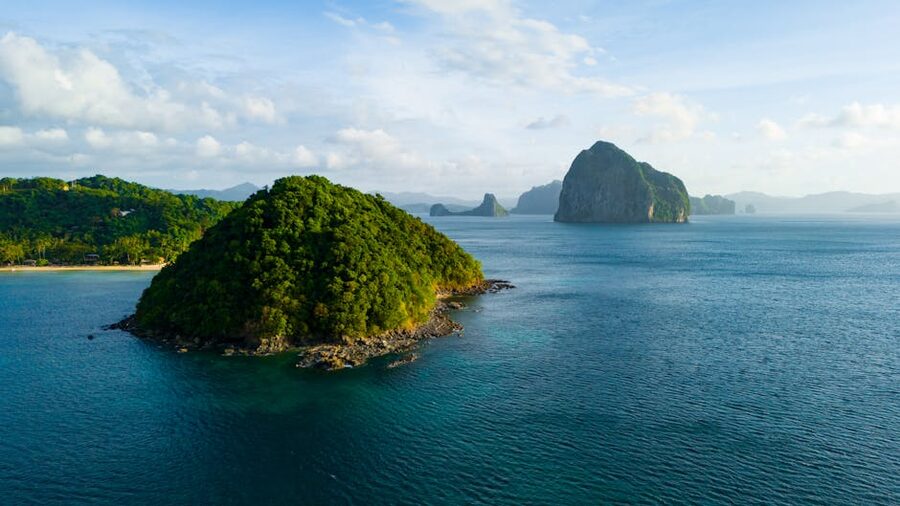
El Nido has two seasons: dry (December to May) and wet (June to November). The shorthand is true but it hides the nuance.
December to February is the busiest stretch. Cool by Philippine standards (28-30C), low humidity, water like glass, perfect for boats. Hotel prices peak around Christmas and Chinese New Year. Book lodging at least two months ahead.
March to May is the dry season peak: hot, sticky, no rain, bay flat as a pond. Easter week is mobbed because every Filipino family in Manila descends on Palawan at once. Avoid Holy Week unless you have lodging locked in months in advance.
June to August is officially wet but in practice you get sun-rain-sun cycles, fewer boats on the water, lower hotel prices, and most tours still run. It is the contrarian’s choice. The risk is a typhoon brushing past, in which case the bay is closed for 2-3 days.
September to November is peak typhoon season. Boat cancellations are common. Some hotels close. Don’t book here unless you have generous time buffers and don’t mind reading on a balcony for two days when the wind picks up. The upside is hotels at half price and the lagoons feel like 2010 again.
For a more granular country-wide breakdown by region and activity, my best time to visit the Philippines piece goes into the weather quirks province by province.
What’s Overrated About El Nido
I love this place. I am also tired of the social-media gloss. Two things people never warn you about:
First, the Big Lagoon experience is not what it looks like in your feed unless you are there before 9am or after 3pm. At 10:30am in March there are 40 boats anchored at the entrance, 200 kayakers in the channel, and zero quiet. The water is still gorgeous, the cliffs are still vertical, but the experience is closer to a queue than a wonder. Either start at 7am with a private boat, or do Big Lagoon as your last stop in the afternoon when most joiner tours have moved on.
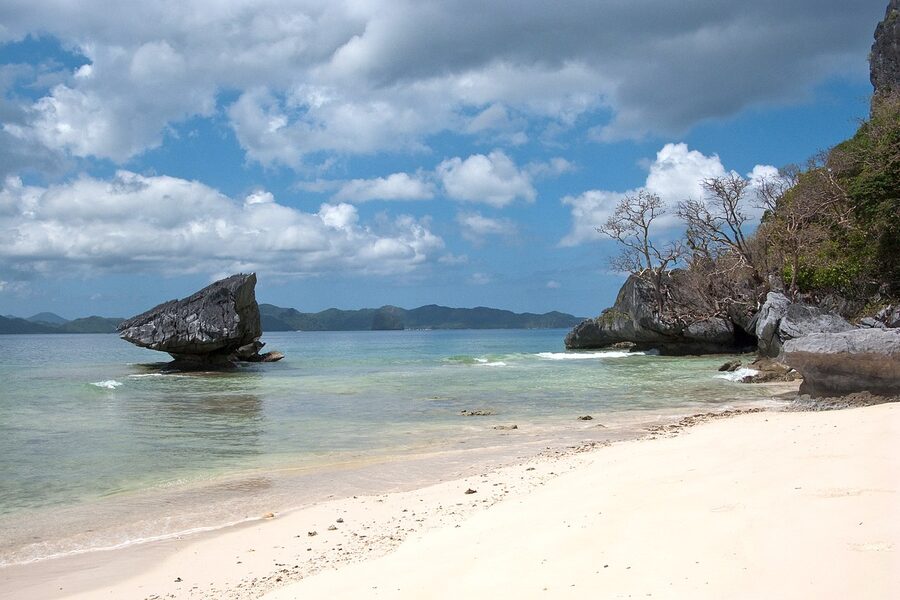
Second, the town beach is not a beach. People arrive expecting Boracay-style sand and find a working harbour with bangka boats lined up and oil-stained pavement at the high-tide mark. The town beach is for getting on a boat. The swimming beaches are at Las Cabanas, Marimegmeg, Nacpan, or any island you go to on a tour. Don’t book a hotel “right on the beach in town” expecting Maldives. You will be disappointed for the wrong reason.
Third (I lied about two), the food scene is weaker than the rest of the Philippines. Cebu is better. Manila is much better. Boracay is arguably better. El Nido has Trattoria Altrove and a few decent local spots, and that’s it. Set expectations to “you came for the bay, not the meals” and you will eat fine. Set them higher and you will be hunting for something that isn’t there.
Practical Notes Before You Book
The environmental fee is ₱200, paid once on arrival, valid for 10 days. You will be asked to show the receipt at hotel check-in and again at boat briefings. Take a photo of it.
El Nido has poor connectivity. Globe and Smart both work in town, but speeds are slow and patchy. The hotel WiFi is usually the slowest WiFi you have used since 2008. Plan to be partly offline. If you need real internet, work from El Nido Boutique & Art Cafe in the morning, the speeds there are the best in town.
ATMs are unreliable. There are three or four in town and at least one is always out of cash, especially on weekends. Bring more pesos with you than you think you need. Most restaurants and tour operators take cash only. The mid-range and luxury hotels take cards.
For the route from Manila, the options and trade-offs are in how to get from Manila to El Nido: AirSWIFT direct to Lio is fast and pricey, the Puerto Princesa flight plus van is cheap and brutal on a hangover. The 2024 highway upgrade has cut the van time but it still takes 5-6 hours.
El Nido is one piece of a much bigger island. If you are mixing it with Coron, Puerto Princesa, or Port Barton, the Palawan travel guide covers the inter-town logistics and which combinations actually fit a 7-10 day trip without dead days. And if you have been moving fast through the Philippines, a slower few days in El Nido pairs well with the city contrast in things to do in Manila for the bookend before or after.
FAQ
How many days do you need in El Nido?
Three full days is the minimum and four is better. Three lets you do two tours plus a Nacpan day. Four adds a third tour or a slow day at Las Cabanas. Anything less than three and you are spending too high a percentage of your trip on planes and vans for the actual time on the water.
Is El Nido better than Coron?
Different. El Nido has the more dramatic karsts and lagoons; Coron has the WWII shipwreck dives and the bluer water at Kayangan Lake. If you are a snorkeller, El Nido. If you are a certified diver, Coron. If you only have time for one, El Nido has the more iconic photographs. Many people do both and the 4-hour fast ferry between them is fine.
Can I just walk up and book a tour the day I arrive?
Yes, in low and shoulder season. In peak season (March-April, Christmas, Chinese New Year), the popular tours sell out a day ahead. Book through your hotel the night before to lock it in. Same-day bookings work in June-October if you don’t mind the boat that’s still got space.
How much should I budget per day?
Backpacker: ₱2,500-3,500 a day with a hostel bed, joiner tours, and street food. Mid-range: ₱5,000-8,000 with a town-centre boutique hotel, joiner tours, and proper restaurants. Higher end: ₱12,000-20,000+ with private boats and Lio Estate or island-resort lodging. The single biggest variable is whether you go private on the boat days.
Do I need to book hotels in advance?
Yes from December to April, definitely. Town centre and Lio Estate get tight by January. Corong-Corong has more inventory and tends to be the last to fill. June to October you can usually walk in, but the better-value places still go early. The full breakdown by area sits in the El Nido hotels guide.
Is the water actually that clear?
In dry season, yes. 15-25 metres of underwater visibility on a good day, the kind of clear where you see your shadow on the sandy bottom from 8 metres up. In wet season the same bays drop to 5-10 metres of visibility because of river run-off. The tour photos you see are all dry-season shots.
What do I actually pack?
Reef shoes. Two swimsuits. A dry bag for the boat (cheap ones at any tour shack for ₱200 if you forget). Reef-safe sunscreen, the regular kind is technically banned in the protected area. A light rain shell even in dry season for the early morning boat ride. Cash, more than you think.