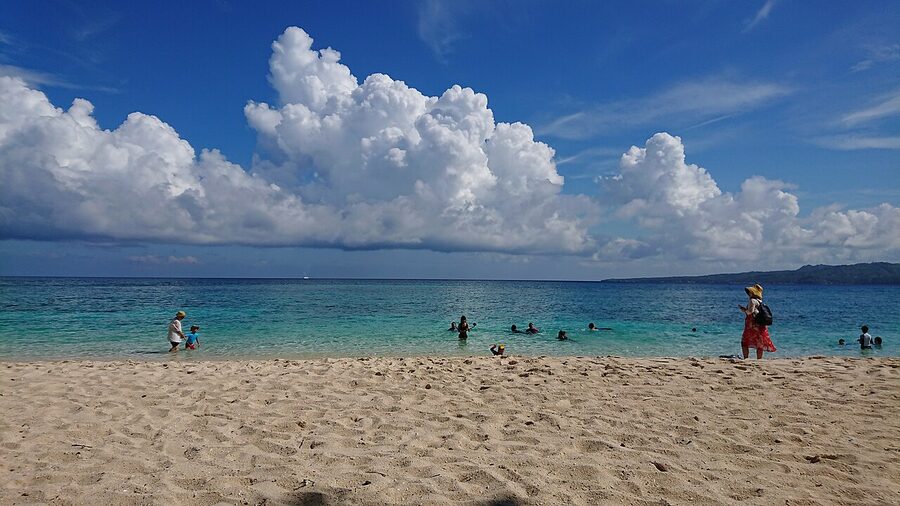
Get to White Beach for sunrise once and you understand the rest of Boracay differently. Around 5:40am the sky over Panay turns the soft kind of pink that does not photograph well, the wooden paraw outriggers are still drawn up on the sand like sleeping animals, and the only people walking the beach are the early joggers and a few hotel staff sweeping up last night’s footprints. By 7am the day-trippers start arriving and the powder sand begins its slow turn into a wedding-shoot backdrop. By 5:30pm the same beach is wall-to-wall sunset crowd. The four-kilometre strip works on completely different rhythms, and which Boracay you get depends on what hour you show up.
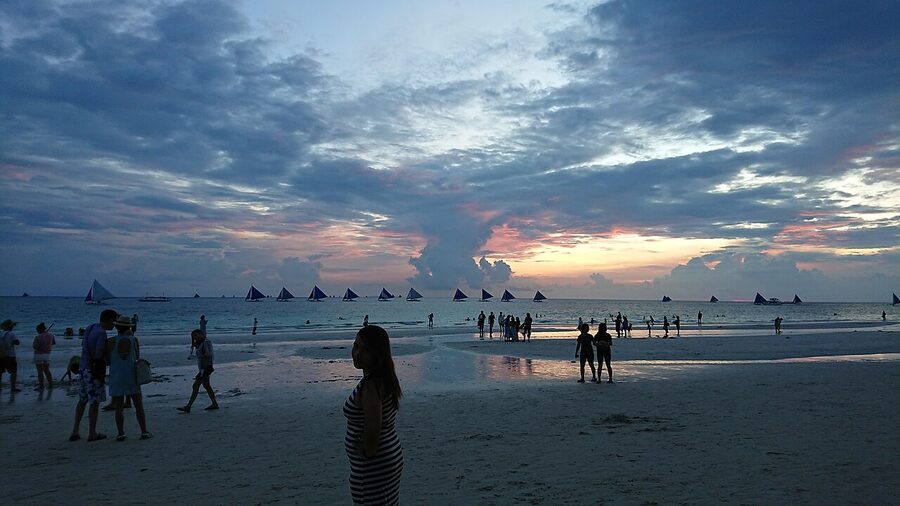
I have been coming to Boracay for years, before and after the 2018 closure, in low season and high, on a kitesurf trip and on a do-nothing trip with my mother. The thing I tell first-time visitors is that Boracay is not one beach. It is six. White Beach has three named stations that feel completely different from each other, plus a quiet north end (Punta Bunga, Diniwid), a windy east side (Bulabog) that is one of Asia’s best kite spots half the year, and a coarse-sand cove on the north tip (Puka) that looks like the postcard nobody else has been to. Pick the wrong one for what you came for and the trip is fine. Pick the right one and it is genuinely one of the best beaches in Asia.
I earn a small commission on bookings through some of the links here. It covers the hosting bill.
In This Article
- The Three Stations: how White Beach is divided
- Station 1: the postcard end
- Station 2: the centre, the noise, the everything
- Station 3: the budget south end
- Things to do in Boracay (and what is worth your time)
- Island hopping: Crystal Cove, Crocodile Island, Magic Island
- Sunset paraw sail
- Kitesurfing on Bulabog (Habagat May to October, Amihan November to April)
- Scuba diving
- Paddleboarding and kayaks
- ATV up to Mt Luho
- Parasailing and the rest of the watersports
- Where to eat in Boracay
- Real Coffee and Tea Cafe
- Ariel’s at sunset
- Cyma Greek
- Lemoni Cafe
- Sunny Side Cafe
- Smoke Resto
- Coco Mama and the halo-halo question
- Boracay nightlife: where it goes after sunset
- Epic
- Bom-Bom Bar
- Coco Bar and the lazy beachside drink shacks
- When to go: Habagat vs Amihan
- The 2018 closure: what changed
- Where to stay: Stations vs Bulabog vs Punta Bunga
- Getting to Boracay
- Environmental rules: what you cannot do on White Beach
- What is overrated in Boracay
- FAQ
- How many days do you need in Boracay?
- Is Boracay still worth visiting after 2018?
- Can you swim in Bulabog Beach?
- What is the best month to visit Boracay?
- How do you get around Boracay once you are there?
- What does it cost for a week in Boracay?
- Do you need to book hotels and flights in advance?
The Three Stations: how White Beach is divided
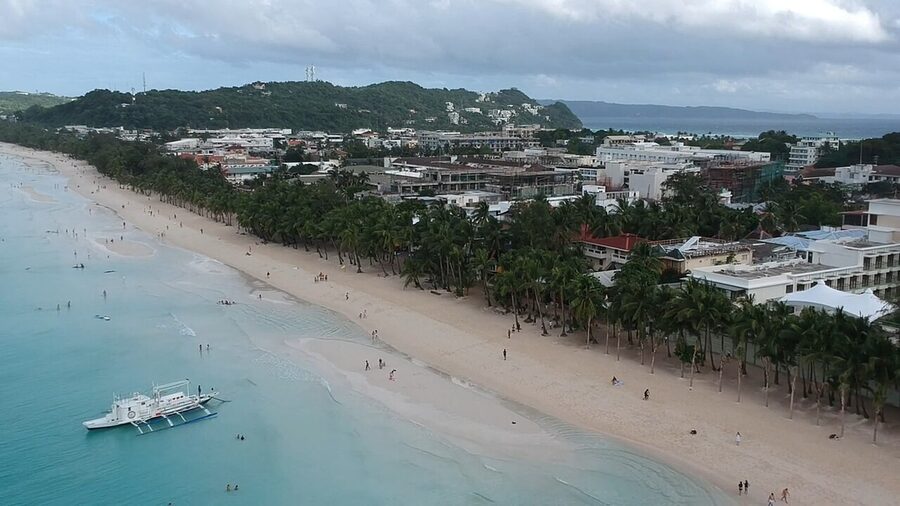
White Beach is one continuous four-kilometre stretch on the west coast of the island, but it has been divided into three “stations” since the early days of tourism, originally based on where the boats used to land. The names stuck. Each station has a clear character, and where you stay defines what kind of trip you have.
Station 1: the postcard end
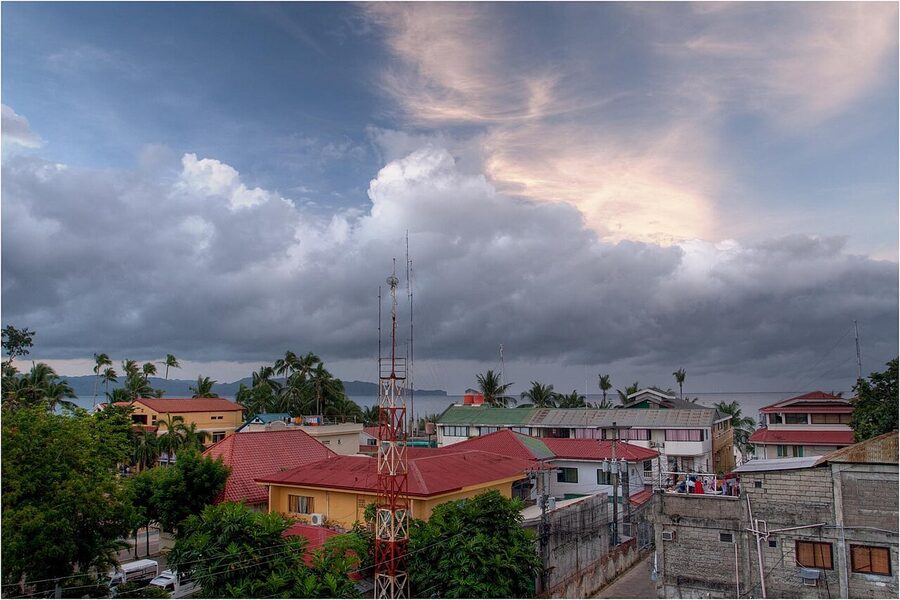
Station 1 sits at the north end of White Beach. It is where the powder sand is finest, the water shelves the gentlest, and the iconic Willy’s Rock photo gets taken (a small offshore boulder with a Madonna shrine on top, accessible at low tide). The luxury hotels cluster here. Discovery Shores, The Lind, and a string of smaller boutiques line the beach. The north end past Discovery Shores is the quietest patch of beach on the island during the day.
Stay here for the best stretch for swimming, the postcard photos, and the most boutique-feeling stretch of the beach. You will pay extra for it, and you will walk 10 to 15 minutes south for the bigger restaurant and bar scene at D’Mall. If you want quiet beach in the day and not too far from action at night, this is your station. The luxury options are unpacked in the dedicated Boracay hotels guide.
Station 2: the centre, the noise, the everything
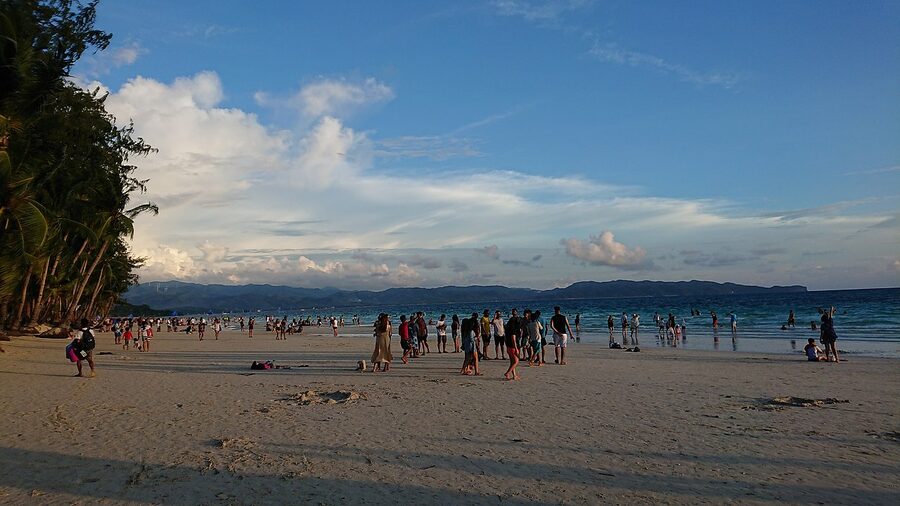
Station 2 is the middle of the strip and the centre of everything. D’Mall is here. Most of the restaurants, beach bars, dive shops, ATMs, and massage tents are here. The two big Henann resorts, Regency and Crystal Sands, are here. So is Coast, the adults-only design hotel, plus a stack of mid-range options that put dinner two minutes from your room.
The trade-off is noise. Music carries until 1am most nights in peak season. The beachfront in front of D’Mall on a Saturday at sunset is the busiest patch of sand in the country. If it is your first Boracay trip and you want everything within walking distance, you stay in Station 2. If you came for quiet, you do not.
Station 3: the budget south end
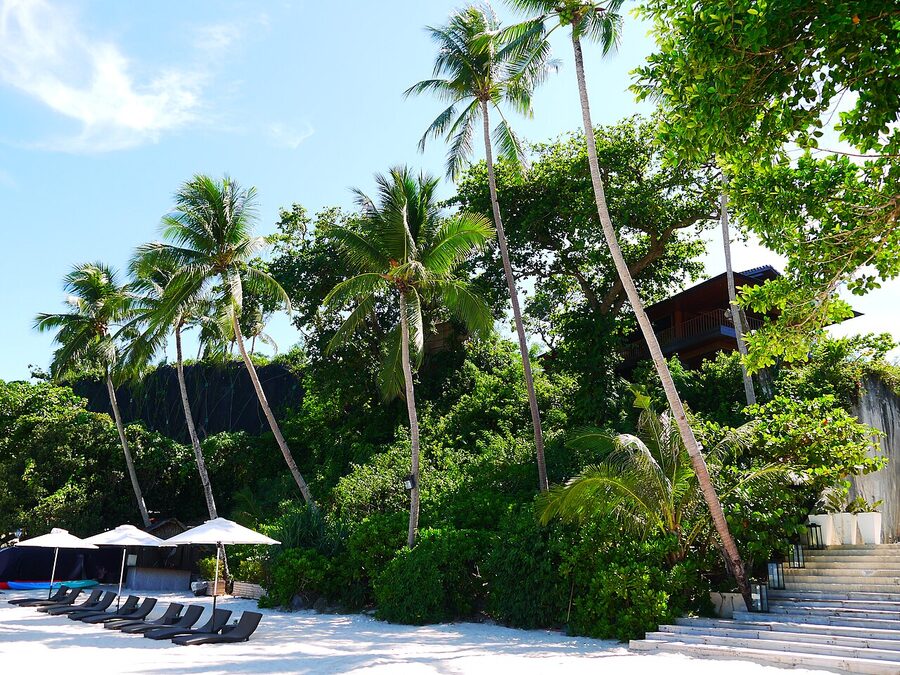
Station 3 is the south end. Backpackers, mid-budget Filipino families, and longer-stay travellers end up here. The sand is coarser, the water shallower, the prices are lower, and Cagban Port (where boats from Caticlan land) is just behind the back road. That last bit means the post-flight ride to your hotel is shortest from this side, which matters more than you think when you have been travelling all day.
Stay here for the cheapest beachfront beds, a quieter post-sunset scene than Station 2, and the easiest island-hopping departures. Skip if you are after the picture-perfect Station 1 shots. There is also a healthy clutch of beachside drink shacks down the south end that do beer at half what Station 2 charges, which is its own argument for staying here.
Things to do in Boracay (and what is worth your time)
Most people come to Boracay to do nothing. That is a fine plan. But the island has a real backbone of activities, and the trick is knowing which ones are worth the money. Some of these are tourist traps with photos to match. Others are genuinely the best version of that activity in the Philippines.
Island hopping: Crystal Cove, Crocodile Island, Magic Island
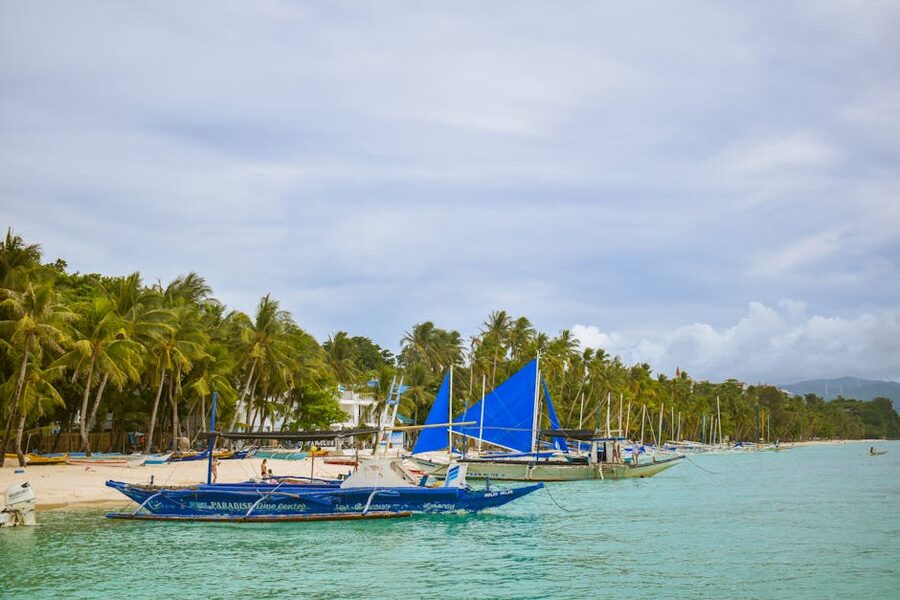
The standard Boracay island-hop is a half-day boat trip that hits three spots: Crystal Cove (a small private island with two limestone caves you walk through, ₱200 entry on top of the boat), Crocodile Island (snorkelling around a reef shaped vaguely like a crocodile head), and Magic Island (a cliff jumping platform, ₱200 entry, jumps from 3, 5, and 8 metres). Lunch on a boat or a small island is usually included in the package.
The verdict from someone who has done it three times: Crystal Cove and the cliff jumping are fun, the snorkelling at Crocodile is mediocre by Philippine standards (Cebu’s Moalboal and Coron’s lagoons are leagues better), and the boat itself is half the experience. Expect ₱1,500 to ₱2,500 (~$25 to $42) per person for a group tour, more for a private banca. Book the day before from any operator on the beach. Do not book online with the inflated rates the third-party sites charge.
Sunset paraw sail
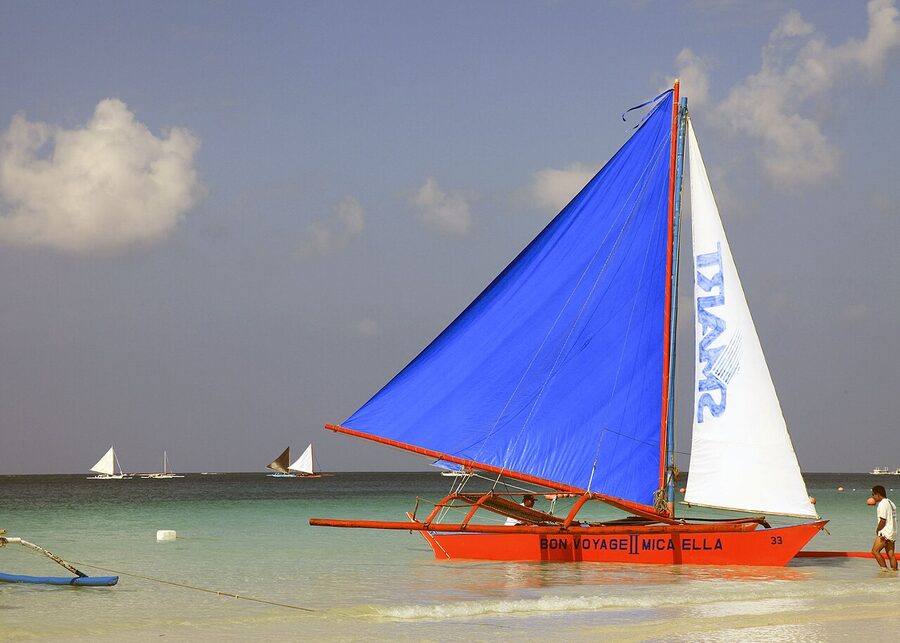
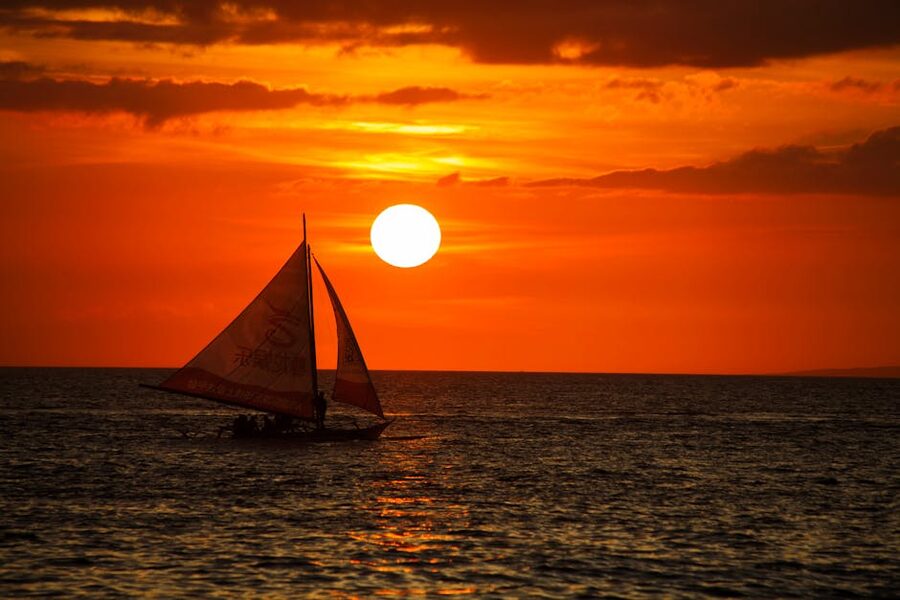
If you do one paid activity in Boracay, do this one. The paraw is the traditional Filipino outrigger sailboat, double-outriggered, with a brightly coloured triangular sail. A sunset sail leaves from the beach in front of Station 1 around 5pm, sails out into the Sulu Sea while the sun goes down behind the boat, and gets you back to the sand around 6:15pm. Cost is ₱500 to ₱800 per person for a shared paraw, ₱2,000 to ₱3,000 (~$35 to $50) to charter the whole boat. The water is calm in dry season and the angle of the sun coming through the sail is genuinely something you will remember.
Pay the boatman directly on the beach. Do not pre-book through your hotel concierge unless you cannot be bothered, because they add 30 to 50 percent. The boats line up just behind the row of beachfront bars at the south end of Station 1.
Kitesurfing on Bulabog (Habagat May to October, Amihan November to April)
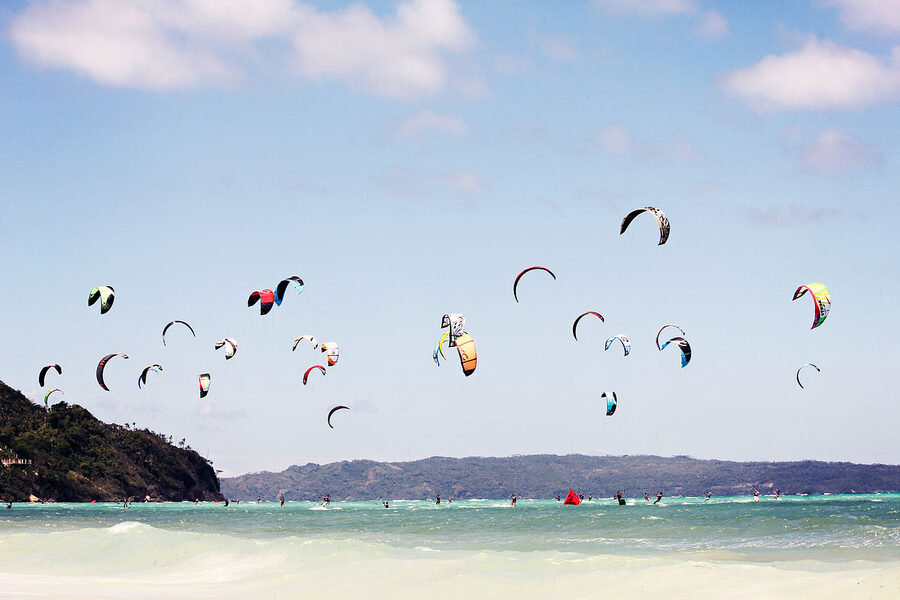
Boracay is one of the top three kitesurf destinations in Asia and the season runs roughly mid-November to mid-April, when the dry-season Amihan trade wind blows steadily across the island from the northeast. The wind hits the east side first, which is why all the kite schools and kite-surfing hotels are on Bulabog Beach, not White Beach.
You want a school. The big ones are Hangin Kite Center, Funboard Center, and Habagat Kite. A 10-hour beginner package runs around ₱32,000 to ₱45,000 (~$555 to $780) including kite, board, harness, and a one-on-one instructor. Once you can ride upwind, gear rental is around ₱2,500 (~$45) a day. Pick a school by walking down Bulabog and asking the instructors who is teaching that day. The wind is strongest from 11am to 4pm.
From May through October the Habagat wind takes over, blowing from the southwest. White Beach gets the chop, Bulabog goes calm and weedy, and the kite season is officially closed. This is windsurf shoulder, and a few schools rent SUPs and kayaks instead.
Scuba diving
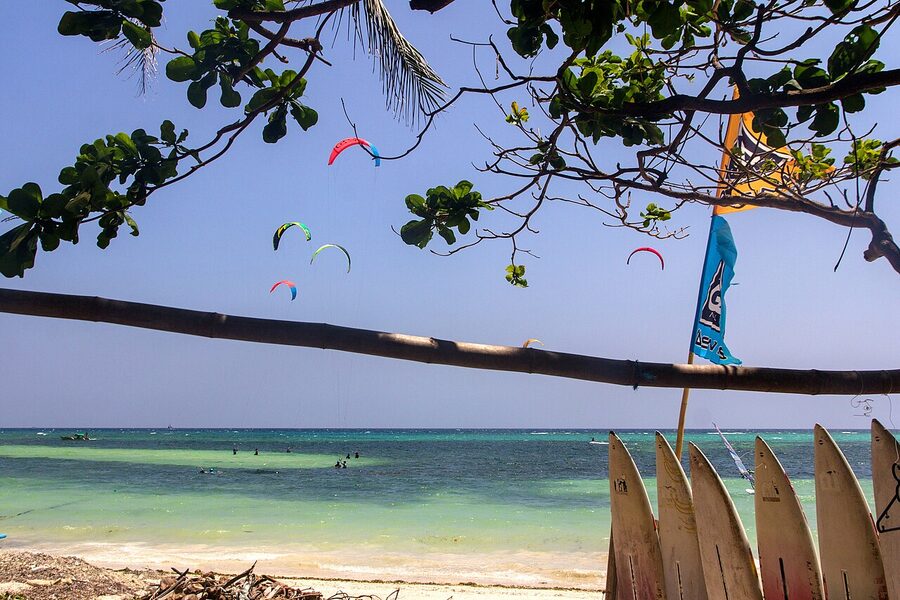
Boracay is not the Philippines’ best dive destination (that is either Anilao, Coron, or Tubbataha). It is, however, a perfectly good place to do your Open Water certification. Most of the dive sites are 10 to 25 minutes by boat from Station 2 and underwater visibility is generally 15 to 25 metres. PADI Open Water runs ₱20,000 to ₱28,000 (~$345 to $485) over three days. Reputable operators include Calypso, Victory, and New Wave Divers. Discover Scuba day trips for non-certified divers run ₱4,500 to ₱6,000 (~$78 to $105).
Paddleboarding and kayaks
SUP rental is around ₱500 (~$9) per hour or ₱1,500 for a half-day along Station 1 or off Diniwid Beach (a ten-minute walk north of Station 1). Calmest water for paddling is the Punta Bunga side or off Crystal Cove. If you have not done it before, the protected water in front of Discovery Shores is shoulder-deep for fifty metres out.
ATV up to Mt Luho
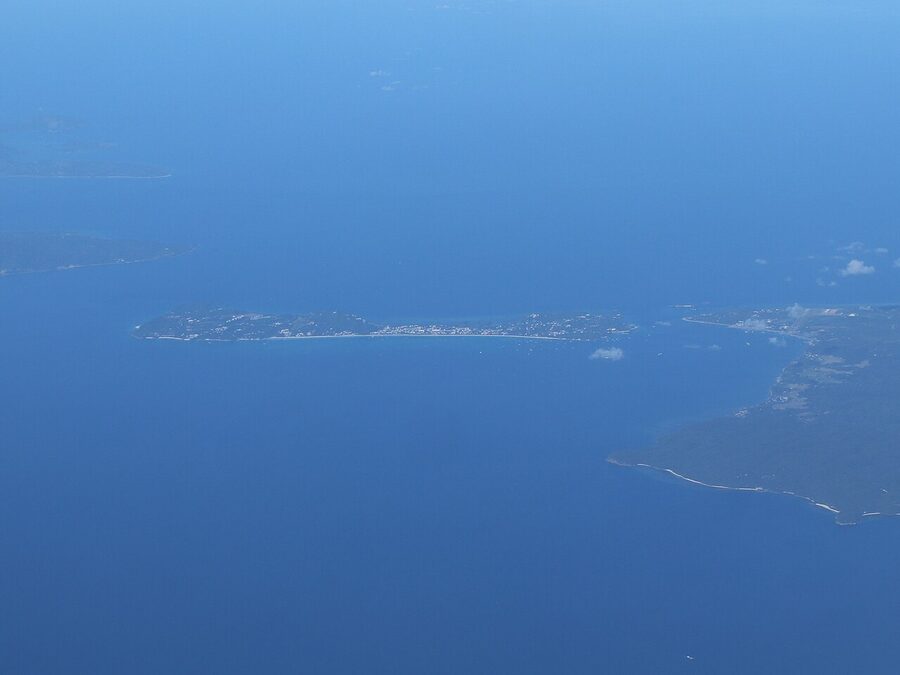
Mt Luho is the highest point on Boracay, all 100 metres of it. The viewpoint at the top puts White Beach to your left, Bulabog to your right, and the whole skinny shape of the island in front of you. Most people do it as a 90-minute ATV tour for ₱1,000 to ₱1,500 (~$17 to $26). You can also reach the viewpoint by tricycle for ₱300 to ₱400 round trip if you do not want the ATV experience. Go in the morning before the haze kicks in.
Parasailing and the rest of the watersports
The strip behind Station 1 and the south end of Station 2 has the watersports operators lined up: parasailing (₱2,000 to ₱2,500 per person, 12 to 15 minutes in the air), banana boat rides, jet ski rental, flyboarding. Parasailing is fun and the views from the harness are good. Banana boats are mostly drunk Saturday afternoon entertainment. Jet skis I would skip; the price is high and the rental loops are short.
Where to eat in Boracay
Boracay’s food scene is better than it gets credit for. There are still tourist traps charging ₱650 for plain pancit, but there is also good Filipino, Greek, Italian, Japanese, and one of my favourite breakfast spots in the country.
Real Coffee and Tea Cafe
Real Coffee has been at Station 2 since the 1990s and is the best breakfast on the island. The signature item is the calamansi muffin, made with the small Filipino lime that gives it a sour-sweet edge no banana muffin will ever match. The mango pancakes are stacked thick. Everything is ₱200 to ₱400. Get there before 9am or expect to queue.
Ariel’s at sunset
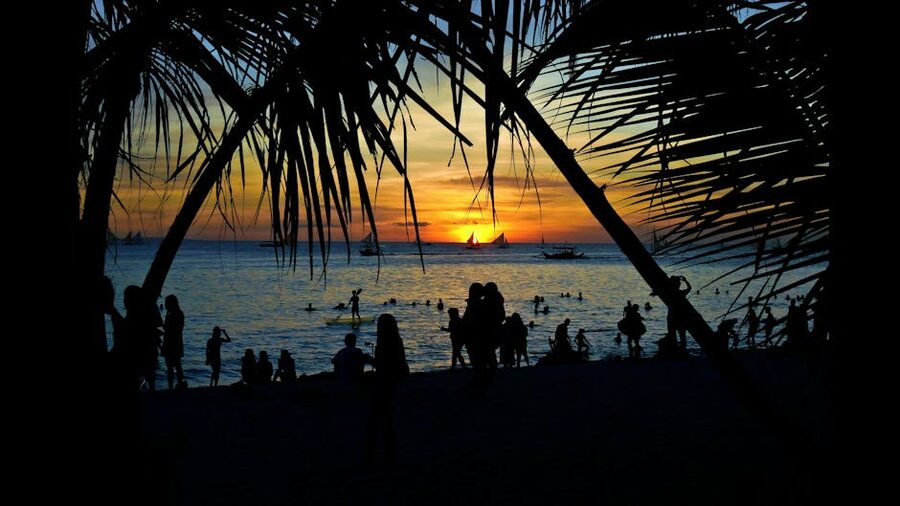
Ariel’s Point started as a cliff-jumping day trip a 30-minute boat ride from Boracay (and that day trip is still excellent, ₱2,500 with lunch and four cliff jumps from 3 to 15 metres). Ariel’s beachfront restaurant on White Beach is now where you go for sunset on Station 2. Book a beachfront table at 5pm, order the calamari and a San Miguel, and let the sunset crowd happen around you.
Cyma Greek
Cyma is a Greek restaurant chain that started in Boracay and worked, which sounds odd until you eat there. The saganaki (flaming cheese) is a small theatrical event and the lamb gyros plate is good. ₱600 to ₱1,200 (~$10 to $21) for mains. The Boracay branch is in D’Mall and stays open late.
Lemoni Cafe
Lemoni at D’Mall is the dependable lunch option when you want salads, sandwiches, and pasta in air-conditioning. The carbonara is good, the iced calamansi is better than soft drinks for the heat, and the cheesecake is one of the better desserts on the island. ₱350 to ₱700.
Sunny Side Cafe
Sunny Side does the best brunch in Boracay. The pancakes (lemon-blueberry, banana, classic) are the order. They have an avocado toast that is equal to anything in Manila for half the price. Locations at Station 2 and Station 3.
Smoke Resto
Smoke is the cheap dependable Filipino place. Sisig, adobo, fried bangus, beef tapa with fried rice and egg. ₱180 to ₱350 a plate. Two locations, both inside D’Mall. This is where you eat when you have been at the beach all day and you do not want a tourist menu.
Coco Mama and the halo-halo question
Coco Mama is a small Filipino dessert chain whose Boracay branch does the cleanest halo-halo (the mixed shaved-ice dessert with ube, leche flan, sweet beans, jellies, and evaporated milk) on the island. The Henann Regency’s poolside halo-halo is also worth the detour if you are staying there or near it. Either is ₱180 to ₱250.
Boracay nightlife: where it goes after sunset
Boracay nightlife is more low-key than it used to be. The 2018 closure cleaned up most of the loud beachfront clubs and a smoking ban on the sand pushed the late-night scene back from the water’s edge. What survived is mostly bars and beachside drink shacks rather than clubs. That said, the place still goes until 2am most nights in dry season.
Epic
Epic is the surviving big nightclub at Station 2, on the back road just behind the beach. Mainstream EDM and hip-hop, decent sound, ₱400 cover most nights. Door opens around 10pm and it is dead until midnight. Drinks are ₱250 to ₱400. This is where the late twenties and early thirties travellers end up.
Bom-Bom Bar
Bom-Bom is the live reggae bar on the south end of Station 2 and one of the longest-running beach bars on the island. Seven-man house band, weak cocktails, beach seating, and a crowd that ranges from honeymooners to backpackers. ₱150 to ₱250 a drink. This is my pick if you want the easy version of Boracay nightlife.
Coco Bar and the lazy beachside drink shacks
Coco Bar is in the same family of beachfront bars: bamboo seating, fairy lights, a chalkboard cocktail list, and a band that loops through the same fifteen songs as every other beach bar. The unnamed drink shacks down the south end of Station 3 charge half what the named bars charge for a San Miguel and have better sand-toes-out seating. The trick is to walk south past the Coast Boracay area and you will find them.
When to go: Habagat vs Amihan
The single most useful thing to know about Boracay weather is that the island has two prevailing wind seasons and they are mirror images. Get this wrong and you can land on the wrong side of the island for what you came to do.
Amihan (November to April). The cool dry trade wind from the northeast. White Beach is calm and swimmable. Bulabog gets the wind, which is why kite season runs through these months. December and January are the coolest, with overnight lows around 24°C and daytime highs around 30°C. February to April are warmer and drier still. This is peak season. Hotels run their highest rates from late December through Easter and the island is busy.
Habagat (May to October). The wet southwest monsoon. Wind direction reverses. Bulabog goes calm and a bit weedy, White Beach gets chop and afternoon thunderstorms. Kite season is over. Algae blooms tend to show up on the White Beach side from May to July. This is low season, hotel prices drop 30 to 50 percent, and the island feels noticeably emptier. The thing nobody warns you about is that the algae is non-toxic but it stinks for a few days when it dies off, and the rain in August can be heavy enough to lose a beach day to.
Shoulder season picks: Late October to mid-November is the best value-quality combination. The Amihan starts kicking in, the Habagat algae is gone, hotel prices have not climbed yet, and the crowds are thin. Mid-April to early May is also good for kitesurfing, with the last reliable Amihan wind and shoulder pricing. For the regional context across all the islands, the best time to visit the Philippines guide breaks the pattern down by region and festival.
The 2018 closure: what changed
For six months in 2018, from April 26 to October 26, Boracay was closed to all tourists. The Duterte government called the island a “cesspool” in early April after years of unchecked overdevelopment. Sewage was being released directly into the sea by 195 establishments. Beach setbacks (the protected zone between the high-tide line and built structures) had been illegally encroached on by 50-plus hotels and bars. Coliform readings on White Beach in the worst patches were many times above the safe limit. The closure was abrupt and brutal for the local economy, but the cleanup that followed genuinely changed the island.
What you see today is the result. Beach vendors are now licensed and limited (the random photo-printing kids and amateur masseurs who used to roam the sand are gone). Drinking on the sand is restricted to specific zones. Smoking is banned on the beach. Sandcastles are no longer permitted (the daily castle-builders used to add up to a beach problem). Bonfires and fire-dancing on the sand are banned. Single-use plastic bottles are restricted in some establishments. The sewage system was rebuilt for actual capacity. Setbacks were enforced and a strip of older beachfront construction was demolished.
The result is that the water is genuinely cleaner than it was in 2017. The beach feels less cluttered. Some of the character has gone with it (the fire dancers were part of the old vibe), but most regulars I know say the trade is worth it.
Where to stay: Stations vs Bulabog vs Punta Bunga
The short version, for those who want it without a full hotel guide:
Station 1 for the best beach quality, the postcard photos, the boutique-luxury hotels (Discovery Shores, The Lind), and a slightly quieter day-time scene. Walk south for D’Mall.
Station 2 for first-timers who want everything within five minutes, the busiest beachfront, the most restaurants, and the most affordable mid-range hotels right on the beach. The Henann group dominates.
Station 3 for budget travellers, longer-stay backpackers, families on a tighter budget, and anyone with an early flight from Caticlan. Cheaper beachfront beds and the closest jetty.
Bulabog Beach only if you came to kitesurf or windsurf. Otherwise the wrong side of the island.
Punta Bunga and the north headlands for total privacy at the top of the budget. Shangri-La Boracay, Movenpick, and Crimson are here. Plan to use the resort shuttle or tricycles for any restaurant outside the property.
The full breakdown of every hotel by station and price tier is in the Boracay hotels guide. It also covers the kitesurf-side specialists and the budget hostels Station 3 is famous for.
Getting to Boracay
Boracay does not have an airport. You fly to one of two airports on the mainland Panay Island, take a short van ride to the Caticlan jetty, then a 15-minute boat across to Cagban Port on Boracay, then a tricycle to your hotel. The two airports are Caticlan (MPH, the closest, 5 minutes from the jetty) and Kalibo (KLO, 1.5 hours from the jetty by van but with cheaper flights). Door-to-door from Manila to your Boracay hotel takes 4 to 6 hours either way. The full step-by-step with current fees, which airline is best for which season, and the return logistics are in the Manila to Boracay guide.
Environmental rules: what you cannot do on White Beach
The post-2018 Boracay has a list of beach rules that surprise first-timers. Most are signposted. A few are still enforced inconsistently, but the fines when they catch you are steep. Here is what is now banned on White Beach:
No drinking on the sand outside designated zones (most beachfront bars have a setback area with chairs where drinking is allowed). No smoking on the sand at all, with smoking zones marked back from the water. No sandcastles. No fire dancing or bonfires. No single-use plastic in some establishments (drinks come in paper cups, bring your own water bottle). No buying from unlicensed beach vendors (the licensed ones wear an ID lanyard). No entering the water with sunscreen labelled as containing oxybenzone or octinoxate (the reef-damaging chemicals; physical sunscreens are fine).
The environmental fee at the jetty is ₱300 (~$5) and the terminal fee is ₱150. You pay both at Caticlan jetty going in. They go directly into the island’s waste management and sewage treatment infrastructure, which is the whole reason the water is now cleaner than it was a decade ago.
What is overrated in Boracay
Some of the things you will get pitched are not worth doing. After enough trips here I will say the loud parts:
The henna tattoo and hair-braiding stalls. The ₱100 starter price is real, but the upsell game is hard. Half the henna ink is the chemical kind that leaves a rash. Skip.
Banana boat rides. Twelve minutes of getting flipped into the water for ₱600 is fine if you came with a group of nine. As a solo or couple it is overpriced and not memorable.
Jet ski rentals along Station 1. Short rental loops, high prices (₱3,500 for 30 minutes), and you cannot leave the small zone they mark out. Save it for somewhere with actual open water.
The “fire dance” shows that have come back at some bars. The originals on the sand were genuine. The current versions on bar stages are tired. The dancers know it. Skip unless your hotel includes it.
Day-trip island hops booked through the big online platforms. Same boats, double the price. Walk down the beach and book direct.
What is not overrated: the sunset paraw sail, Real Coffee’s calamansi muffins, Ariel’s beachfront tables booked one day in advance, kitesurfing in January, walking up to Diniwid Beach for the quiet ten-minute breakfast spots, and Puka Beach on a day when Station 2 feels too busy. If you are coming on a longer Philippines trip, pair this with a Manila three-day itinerary on the front or back end and you have a balanced city-and-beach week. People who want the urban fix before the flight to Caticlan should also see the things to do in Manila rundown.
FAQ
How many days do you need in Boracay?
Three full days plus arrival and departure days is the sweet spot. Day 1 to settle in, walk White Beach end to end, and do the sunset paraw. Day 2 for the island hop in the morning and a beach afternoon. Day 3 for kitesurfing, ATVing, or Puka and Diniwid. Two days works if you are short on time. A week starts to feel slow unless you are kitesurfing or doing your Open Water cert.
Is Boracay still worth visiting after 2018?
Yes, more than before. The water is cleaner, the beachfront is less cluttered, and the sand is the same powder it always was. The trade-off is fewer beach vendors, no fire dancing, no sandcastles, and stricter zones. Most people who came before and after will tell you the cleanup was worth what was lost.
Can you swim in Bulabog Beach?
Technically yes, but it is the wrong beach for swimming. The water is shallow, weedy, and during kite season (November to April) the wind makes it choppy and dangerous to swim across the kite zone. White Beach is what you came for if you want to swim. Save Bulabog for kitesurfing or for going to look at the kites in the air.
What is the best month to visit Boracay?
Mid-November to mid-April for dry weather and calm White Beach. The crowds and prices are highest from late December through Easter, lowest in May to October (which is also algae and rain season). Best value-quality combinations are late October to mid-November and mid-April to early May. Kitesurfers want December to March specifically.
How do you get around Boracay once you are there?
E-tricycles. The roads inside the island are too narrow for proper cars, so e-trikes are the local taxi. ₱20 per person for a short hop within Station 2 to D’Mall, ₱50 to ₱100 for a one-way private ride between Station 1 and Station 3, ₱500 per hour to charter for an island land tour. Walking the length of White Beach takes 35 to 45 minutes.
What does it cost for a week in Boracay?
Budget: ₱25,000 to ₱40,000 per person for a week, hostel beds, jeepney-style food, two paid activities. Mid-range: ₱50,000 to ₱90,000 per person for a 4-star Henann or similar, mix of restaurants and Smoke-style cheap eats, three or four paid activities. Luxury: ₱150,000-plus per person for a stay at Shangri-La, The Lind, or Crimson with daily activities and good restaurants. International flights extra.
Do you need to book hotels and flights in advance?
For peak season (mid-December to Easter, Chinese New Year, Holy Week) yes, three to six months out for the best Henann or Discovery Shores rates. For shoulder and low season, two to four weeks is usually enough. For Caticlan flights specifically, the AirSwift and Cebu Pacific direct routes fill up first because everyone wants the short transit; book those first if you are flying in peak season.