Cebu City Tour (Private Tour)
See Cebu in one long, useful day. This private tour links Cebu’s major heritage sites with cool hilltop attractions, including Sirao Garden, the Temple of Leah, and the Taoist Temple. You get hotel pickup, air-conditioned transport, entrance fees, and a driver who speaks English.
I like the mix of old Cebu and high-country views. I also like the privacy: your group has its own vehicle rather than following a large coach. The main caution is timing. A recorded booking involved an 8:00 a.m. pickup that did not arrive until about 9:20 a.m., after a message said the arrival might be 9:30. If you book, confirm the pickup time clearly and keep your morning flexible.
The $72 per person price makes the most sense for a small private group that wants transport and admissions handled in one package. Lunch is not included, and the schedule covers a lot of ground, so this is a sightseeing day rather than a slow, relaxed walk through one neighborhood.
In This Review
- Five things to know before booking
- Why this Cebu day trip works
- Starting with Sirao Garden above Cebu
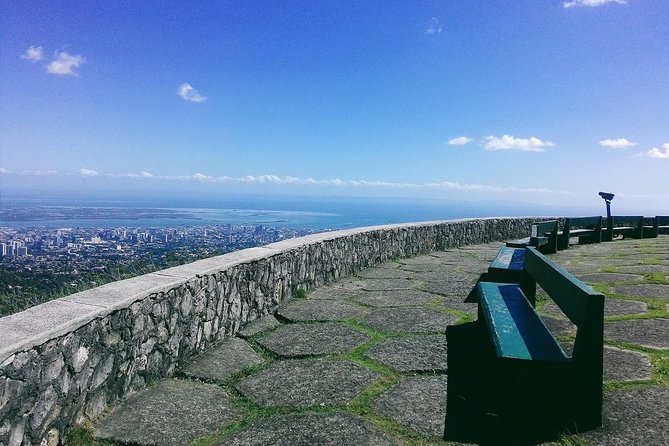
- Temple of Leah and the city views
- Taoist Temple and Cebu’s wider cultural picture
- Cebu Heritage Monument: the city’s story in one place
- Fort San Pedro and Cebu’s colonial past
- Magellan’s Cross and Santo Niño Church
- Colon Street and the old city center
- Souvenir shopping and Taboan Market
- What the private format is really worth
- Timing, transport, and the reported delay
- Who should book this tour?
- Should you book the Cebu City Tour?
- FAQ
- How long is the Cebu City Tour?
- What time is hotel pickup?
- Where is pickup available?
- Is this a private tour?
- Is transportation included?
- Are entrance fees included?
- Is lunch included?
Five things to know before booking
- Sirao Garden and Cebu’s hilltops: The afternoon takes you above the city for cooler air and broad views.
- Magellan’s Cross and Santo Niño Church: These are central stops for understanding Cebu’s place in Philippine history and Catholic tradition.
- Private, air-conditioned transport: Pickup and drop-off are included, with fuel, parking, and entrance fees covered.
- Nine hours on the road: The planned day runs from the city’s old core to hillside attractions, then on to shopping stops.
- City Town proper pickup only: The stated pickup window is 8:00 to 9:00 a.m., and pickup is limited to hotels in City Town proper.
Why this Cebu day trip works
Cebu City is one of the Philippines’ oldest urban centers and its second major city. Its location helped turn it into a trade center, and the old streets still bring together churches, forts, monuments, markets, and everyday commerce.
That gives this tour a useful shape. You are not spending nine hours looking at similar buildings. The route changes character throughout the day. You begin with heritage sites, move through Cebu’s central religious and historic quarter, then head uphill for gardens and viewpoints before finishing with shopping and local market stops.
I like this kind of arrangement when you have limited time in Cebu. It gives you a first look at the city’s main landmarks without asking you to arrange several taxi rides or negotiate entrance fees yourself.
The tradeoff is pace. The tour covers many stops, so you should expect short visits at some places. If you want to study every inscription, linger in every church, or shop at length, you may feel hurried.
You can also read our reviews of more city tours in Cebu City

Starting with Sirao Garden above Cebu
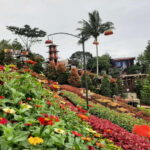
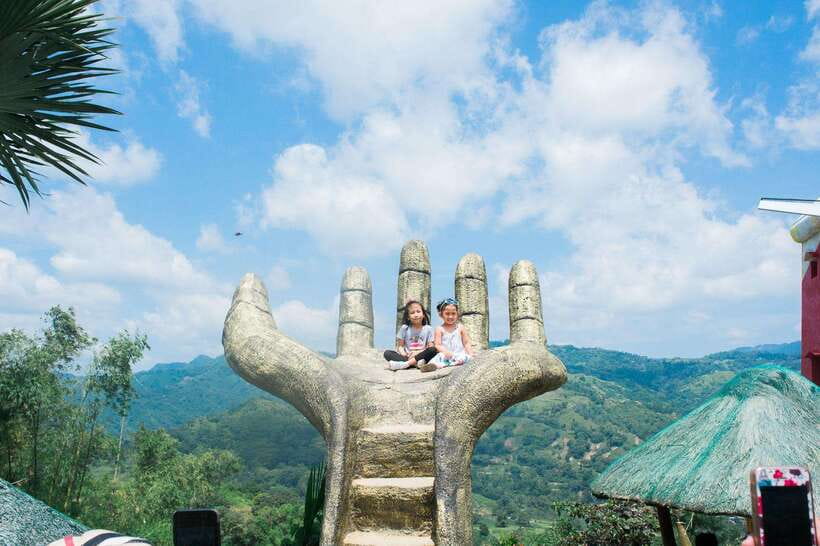
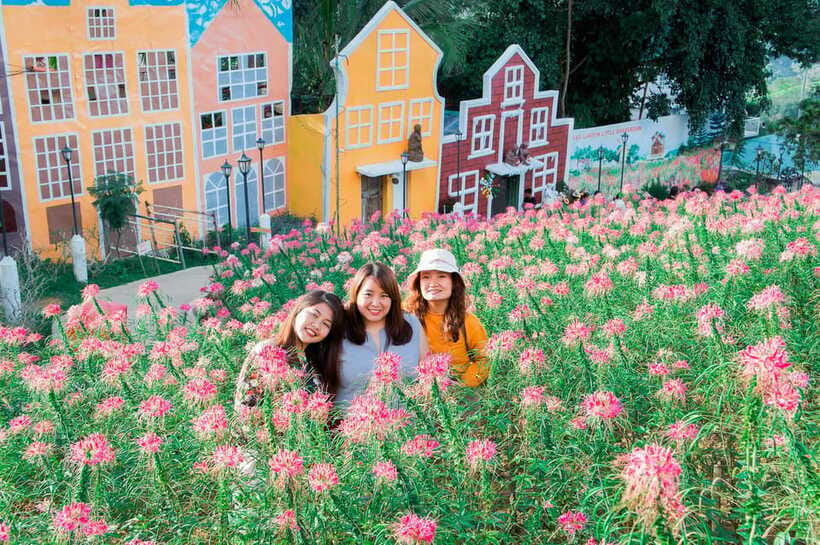
Sirao Garden is one of the tour’s more scenic stops. Set in the hills above the city, it offers a change from Cebu’s streets and historic buildings. The attraction is known for its decorative garden setting and elevated views, making it a good place to take photographs and get a sense of Cebu from above.
The cooler air is part of the appeal. Cebu’s lower city can feel warm, while the higher ground offers a fresher break during the afternoon portion of the outing.
I would treat Sirao Garden as a visual stop rather than a major cultural site. It does not explain Cebu’s past in the way Fort San Pedro or the Cebu Heritage Monument does. Its value comes from the setting, garden displays, and contrast with the urban portion of the day.
Because the tour includes several hillside locations, the road time matters. Your air-conditioned vehicle is especially useful here. The tour is not suited to people with mobility impairments, and you should keep that in mind for garden paths, steps, and uneven surfaces.
Temple of Leah and the city views
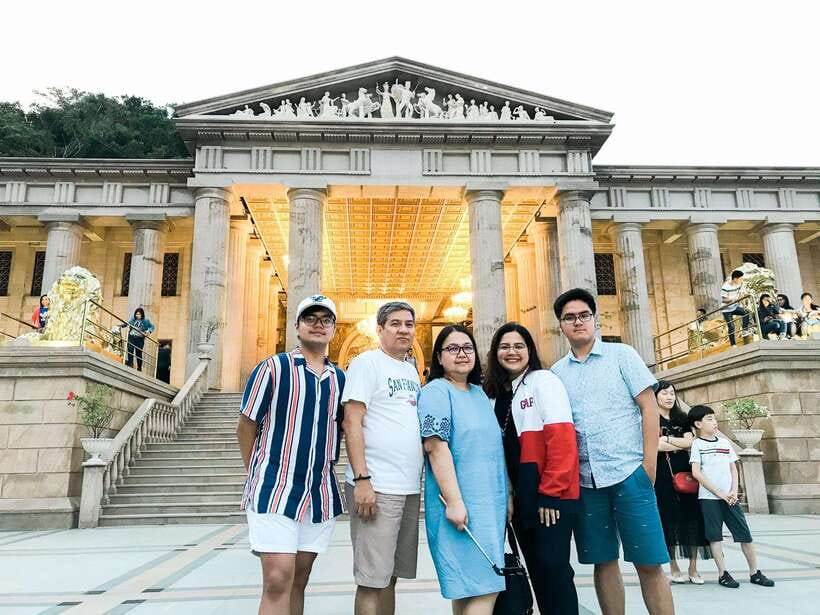
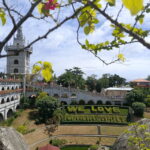
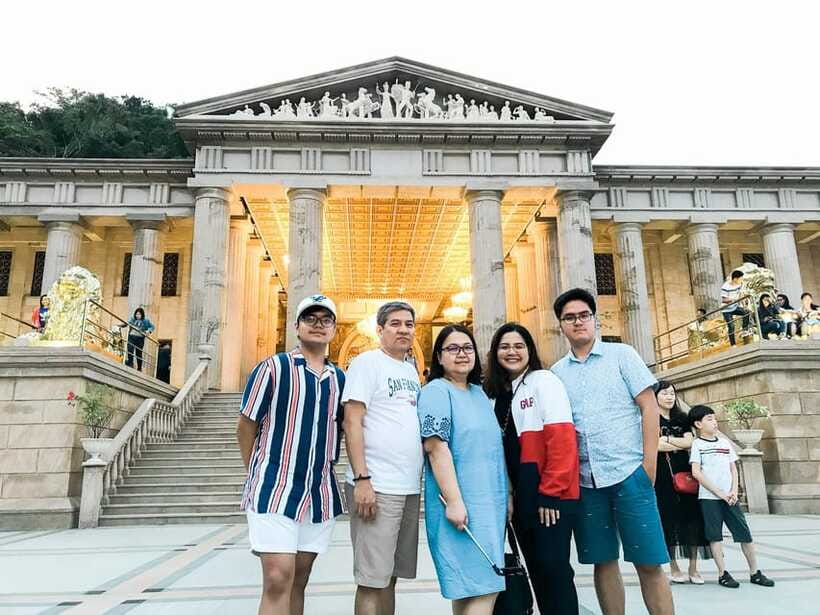
The Temple of Leah is another hillside attraction. It adds a grand, decorative style to the itinerary and gives you more time above the city. The site is a useful contrast to Cebu’s older religious and military buildings because it feels more like a monumental tribute than a colonial-era landmark.
You will likely appreciate this stop most if you enjoy architecture, large ornamental details, and elevated views. It also gives the day a visual rhythm: heritage buildings in the morning, hillside scenery later.
The tour description does not promise a long guided explanation at each site. Your driver acts as your guide, so the depth of commentary may depend on the individual driver. If a particular historical detail matters to you, ask questions as you go rather than waiting for a formal walking tour.
That driver-guide setup keeps the experience flexible, but it is not the same as having a specialist historian leading you through every stop. The private format gives you personal transport and a more direct day, while the commentary may be less detailed than a dedicated guide-led tour.
Taoist Temple and Cebu’s wider cultural picture
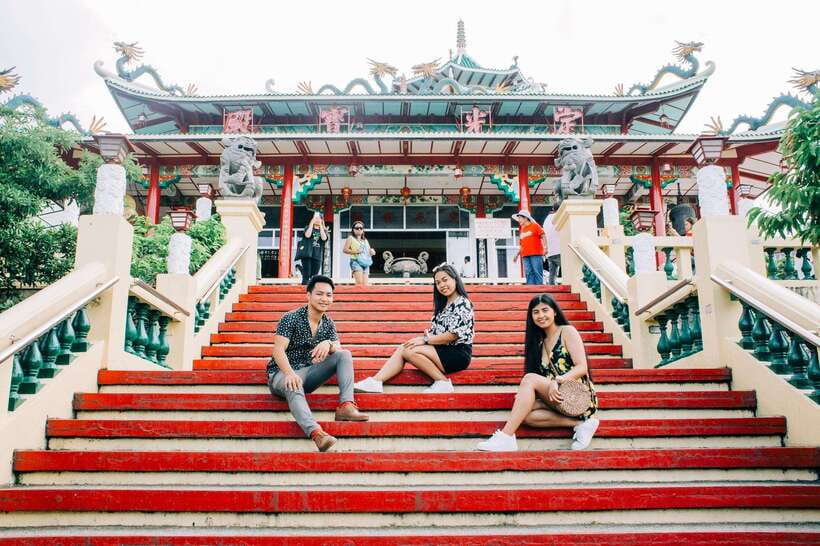
The Taoist Temple adds a different religious and cultural perspective. Its presence on a Cebu City itinerary is important because the city’s story is not limited to Spanish-era churches and forts.
This stop helps you see Cebu as a trading city with different communities and traditions. The hillside location also continues the afternoon’s focus on views and cooler surroundings.
As with the other hilltop sites, allow for the practical limits of a full-day route. You are visiting several places, not spending the entire afternoon at the temple. Dress and behave respectfully at religious sites, and follow any posted rules during your visit.
The tour includes entrance fees, which removes one small source of hassle. You do not need to keep calculating admission costs at every stop, though personal purchases and food remain your responsibility.
Cebu Heritage Monument: the city’s story in one place
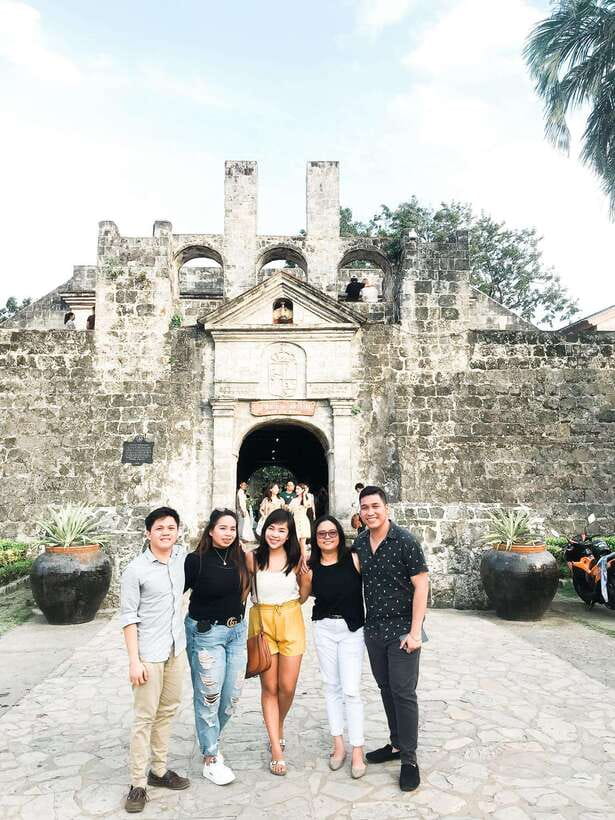
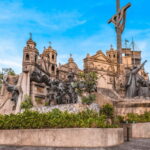
Back in the historic part of the city, the Cebu Heritage Monument brings together important scenes from Cebu’s past. It is a useful stop because the monument gives you a compact visual introduction to events and figures connected with the city.
This is the sort of place where a driver-guide can add real value. Look closely at the figures and scenes, then ask how they connect to the other sites on your route. The monument makes more sense when you view it alongside Magellan’s Cross, Santo Niño Church, and Fort San Pedro.
You may find this stop more rewarding after visiting the hilltop attractions. The route gives you both the broad city view and the close-up historical symbols.
Do not expect a museum visit lasting several hours. The monument is one part of a larger circuit, and the day’s schedule continues through several central landmarks.
You can also read our reviews of more private tours in Cebu City

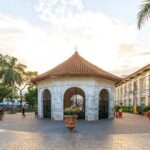
Fort San Pedro and Cebu’s colonial past
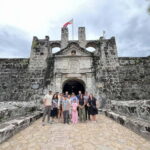
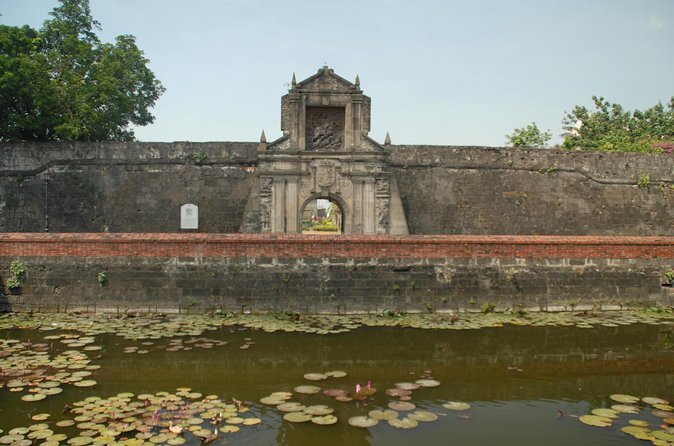
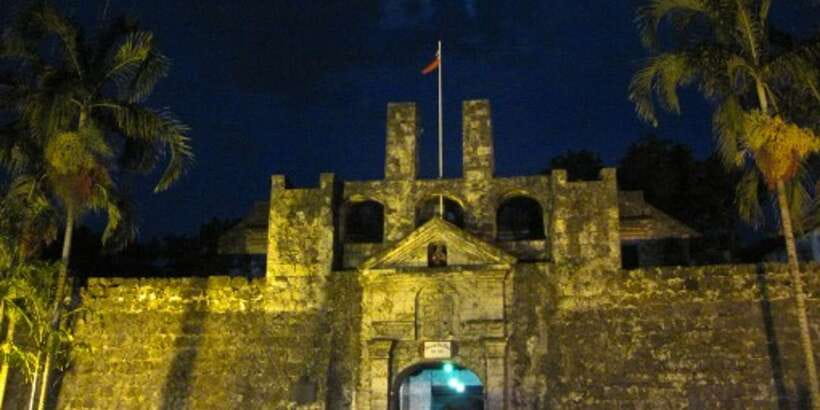
Fort San Pedro is one of the most important historic stops on the route. The compact fort points to Cebu’s role during the Spanish colonial period and its strategic importance as a port and settlement.
Fortifications are often easiest to understand when you pay attention to location. Here, the site connects military history with Cebu’s position beside the sea and its long role in trade. The fort is not simply an old wall to photograph. It helps explain why Cebu became such an important center.
I like the inclusion of Fort San Pedro because it gives the tour a physical sense of the past. A monument tells a story through sculpture. A fort lets you walk through the kind of structure used to protect a settlement.
The stop may be brief, depending on traffic and the amount of time spent earlier in the day. If forts and colonial architecture are your main interest, tell the driver early that you would like enough time here.
Magellan’s Cross and Santo Niño Church
Magellan’s Cross is among Cebu’s best-known landmarks and an essential stop on a first visit. The site is linked with the arrival of Christianity in the Philippines and has become one of the city’s main historical symbols.
Its importance is not only the small structure itself. The cross sits within a larger story involving exploration, Spanish influence, religious change, and the development of Cebu as a major center.
Nearby Santo Niño Church continues that religious history. The church is one of the most important Catholic sites in the Philippines and is closely connected with Cebu’s identity. Together, Magellan’s Cross and Santo Niño Church give you a stronger understanding of why this part of the city draws so many people.
Expect these sites to feel more active and crowded than a quiet hilltop garden. The tour schedule cannot control local activity, church services, or the pace of people moving through the area. Dress respectfully and keep your visit focused.
This part of the itinerary is especially valuable if you want context rather than a string of photo stops. Look at the relationship between the landmarks, the surrounding streets, and the daily life of the city. Cebu’s history is still part of the working city, not sealed away in a distant museum quarter.
Colon Street and the old city center
The route includes Colon Street, described as the country’s oldest street. This is one of the most useful details about the tour because Colon Street links the heritage stops with Cebu’s present-day commercial life.
You will move through the area rather than simply viewing it from one isolated landmark. That matters. The old center is not just a collection of historic points on a map. It is also a place where people shop, work, commute, and do business.
Cebu’s role as a trade hub helps explain the city’s shopping culture. You may find inexpensive goods and practical souvenirs around the central districts, though the tour does not promise a particular store or fixed amount of shopping time.
One concern is that the cultural sightseeing and shopping portions may not match every person’s expectations. A recorded French-language booking described disappointment that the old-city visit did not line up with the shopping experience expected. To avoid that problem, ask your driver early how much time is planned for souvenir shopping and whether you will visit a specific shop or simply stop in the commercial area.
Souvenir shopping and Taboan Market

The itinerary includes a souvenir shop and Taboan Market toward the later part of the day. These stops shift attention from monuments to Cebu’s trade and shopping culture.
A souvenir shop is convenient if you want to buy something without planning another outing. The private vehicle also means you do not need to carry purchases through public transport during the rest of the day.
Taboan Market adds a more local, practical side to the route. It is a market stop rather than a polished attraction, so you should expect a less formal setting. The information provided does not specify which goods will be featured during your visit or how long you will spend there, so ask about the exact plan if shopping is a major reason for booking.
The market can be useful for seeing how Cebu’s commercial life differs from its grand churches and hilltop monuments. At the same time, not everyone enjoys market visits, and the final stop may feel less important if you are mainly interested in architecture and history.
Lunch is not included. Plan to pay for your own meal, and ask the driver when the schedule allows time to eat. Since the tour lasts nine hours, this is not a detail to leave until the final hour.
What the private format is really worth
At $72 per person, the value depends heavily on the size of your group. You receive private transport, hotel pickup and drop-off, air conditioning, fuel, parking, and entrance fees. You also avoid organizing separate rides between the city center and the hillside attractions.
For a couple or small group, that convenience can justify the price. The cost is easier to accept when you divide it among several people sharing the vehicle. For a solo visitor, the per-person amount may feel less attractive, since the same private transport costs are not spread across a group.
The tour also saves planning time. Cebu’s sites are spread across different parts of the city, and the day combines central landmarks with hilltop locations. If you want a simple, prearranged route, the package is practical.
The private format does not guarantee a fully customized itinerary. The listed route is broad, and the driver serves as the guide. You can ask questions and clarify priorities, but you should not assume that every stop will become a long guided visit.
Timing, transport, and the reported delay
The advertised duration is nine hours, with pickup scheduled between 8:00 and 9:00 a.m. Pickup and drop-off are included, but only for hotels in City Town proper.
Timing deserves special attention. One verified booking recorded a serious delay: the original pickup was set for 8:00 a.m., the driver sent a message at that time saying arrival would be around 9:30, and the vehicle arrived at about 9:20. The agency reportedly said a replacement was on the way, but the same driver eventually arrived.
That account does not prove every departure will run late, but it is enough reason to confirm the details before the day begins. If you have a flight, ferry, dinner reservation, or another paid activity afterward, leave a generous buffer.
The air-conditioned vehicle is a strong practical feature, particularly because the itinerary covers both lowland city streets and higher areas. Parking and fuel are included, so you are not handling small transport charges along the way.
Who should book this tour?
I would recommend this tour to a first-time Cebu visitor who wants the major sights in one day and prefers a private vehicle. It suits couples, families, and small groups that value convenience and want both historic landmarks and hillside views.
It is also a good fit if you want to buy souvenirs without arranging a second shopping trip. The route gives you a broad introduction to Cebu rather than a narrow focus on churches, forts, or markets alone.
I would be more cautious if you have limited mobility. The activity is specifically not suitable for people with mobility impairments, and the day includes multiple sites and hilltop attractions.
You may also want a different experience if you prefer slow travel. Nine hours, several stops, city traffic, and a driver-guide format can feel busy. A dedicated walking tour or a shorter private visit might suit you better if detailed interpretation matters more than covering ground.
Should you book the Cebu City Tour?
Book it if you want an efficient private overview of Cebu, especially if your group can share the $72 per-person cost. The combination of Magellan’s Cross, Santo Niño Church, Fort San Pedro, Colon Street, Sirao Garden, and the Temple of Leah gives you a useful first look at the city’s past and present.
Before paying, confirm that your hotel is in City Town proper, ask how much time is planned for shopping, and verify the morning pickup. Treat lunch as an extra cost, and leave room for delays.
My verdict is positive but practical: this is a good-value sightseeing circuit for a small group, with a strong mix of landmarks and views. Its weak points are the packed schedule, limited mobility suitability, and one troubling report of a late pickup. If you can handle those conditions, the tour offers a straightforward way to get your Cebu bearings in a single day.
FAQ
How long is the Cebu City Tour?
The tour lasts 9 hours.
What time is hotel pickup?
Pickup is scheduled between 8:00 and 9:00 a.m.
Where is pickup available?
Pickup is included for hotels in City Town proper only.
Is this a private tour?
Yes. The activity is for a private group.
Is transportation included?
Yes. The package includes air-conditioned transportation, hotel pickup and drop-off, parking, and fuel.
Are entrance fees included?
Yes. Entrance fees are included in the tour price.
Is lunch included?
No. Lunch is not included, so you should budget separately for your meal.