Puerto Princesa Palawan Historical Tour
History comes with hopia here. This six-hour private tour gives you a useful first look at Puerto Princesa, from the palm-lined Baywalk and a Spanish-era cathedral to World War II memorials, a local museum, Baker’s Hill, and a working weaving center. You ride in an air-conditioned vehicle with a guide and driver, which makes covering these spread-out sights simple.
I like the wide mix of places and the chance to learn about Palawan beyond its beaches. I also like the hands-on weaving stop, where you can watch traditional fiber work and see how souvenirs are made. The main consideration is the price, $138 per person, plus the fact that lunch and snacks are not included. Six hours also means some stops receive only 30 minutes.
The private format gives you more freedom than a large group outing. Guides Janua and Ged earned especially warm praise for being thorough, kind, patient, and flexible, while drivers Al and Gilbert helped make the day relaxed. Since the booking is non-refundable, check your schedule carefully before paying.
In This Review
- Key points to know before booking
- What this six-hour Puerto Princesa tour is really for
- Baywalk Park: from informal settlement to seaside meeting place
- Immaculate Conception Cathedral and Puerto Princesa’s religious center
- Palawan Special Battalion Museum: wartime objects and local names
- Plaza Cuartel: a difficult story in a quiet place
- Palawan Museum: a compact look at local culture
- Baker’s Hill: hopia, gardens, and a change of pace
- Binuatan Creations: watch local fibers become useful goods
- Guides, drivers, and the value of a private vehicle
- Is $138 per person good value?
- Who should book this Puerto Princesa experience?
- Final call: a useful first day in Puerto Princesa
- FAQ
- Where does the Puerto Princesa Historical Tour take place?
- How long does the tour last?
- What time does the tour start?
- Is transportation included?
- Is this a private tour?
- Are lunch and snacks included?
- What is included in the $138 price?
Key points to know before booking
- A private 9:00 am start lets your group visit seven locations without waiting for other passengers.
- The tour covers both civic sights and serious wartime history, including Plaza Cuartel and the Palawan Special Battalion World War II Memorial Museum.
- Baker’s Hill adds a lighter family stop with hopia, pastillas, gardens, and a playground.
- Binuatan Creations gives you a close look at hand-loom weaving using locally produced and indigenous fibers.
- The $138 price includes transport, guide service, and facility fees, but not lunch or snacks.
- The schedule is best for first-time visitors who want a broad introduction to Puerto Princesa rather than a slow visit to one museum.
What this six-hour Puerto Princesa tour is really for
I would think of this as a city orientation with a strong history lesson. It does not focus on one grand sight. Instead, it links small but meaningful places across Puerto Princesa, showing how the city remembers its wartime past, supports local crafts, and creates public spaces for daily life.
The private arrangement matters. Your group travels together in an air-conditioned vehicle, and the guide can explain what you are seeing as you move between stops. One direct account describes the day as relaxed and flexible, with the guide and driver adjusting to what the group wanted to see. That is a real advantage when the schedule includes seven stops.
At the same time, you should set realistic expectations. A half-hour visit is enough to see a compact site and hear the main story, but not enough for a long, unhurried museum visit. The tour works best if you want a broad sample of Puerto Princesa and plan to choose your favorite subjects for later exploration.
You can also read our reviews of more historical tours in Puerto Princesa

Baywalk Park: from informal settlement to seaside meeting place
Your first stop is Puerto Princesa City Baywalk Park, with about 30 minutes to walk and look around. The site once housed informal settlers in a slum area. The local government later rehabilitated the waterfront and resettled residents, turning it into a public park.
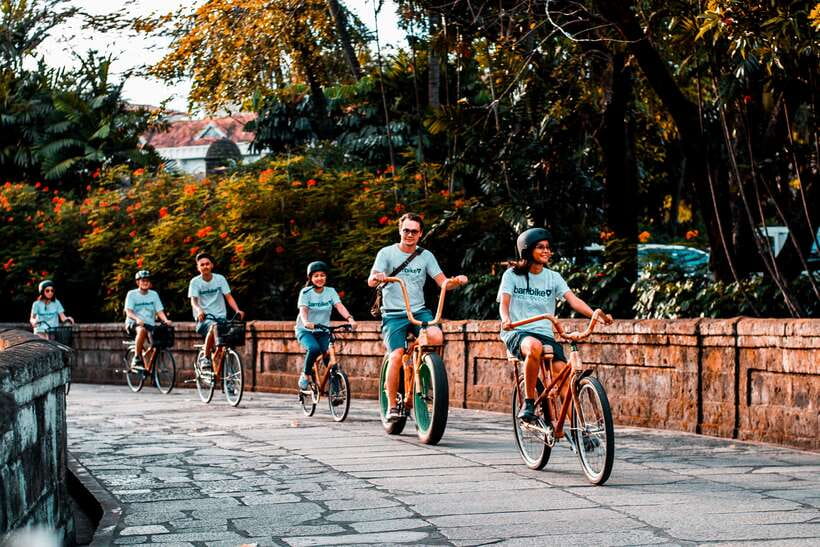
That background gives the stop more weight than a simple waterfront stroll. I like that the tour presents Baywalk as part of the city’s recent civic story, not just as a photo stop. Today, the palm-lined promenade draws walkers, bicyclists, and joggers, so you get a quick look at how residents use the city’s public space.
The 30-minute timing is sensible. You can stretch your legs, take pictures, and enjoy the seaside setting without using up the day. Do not expect a long coastal outing, though. This is a short introduction to Baywalk and its role in local life.
Immaculate Conception Cathedral and Puerto Princesa’s religious center
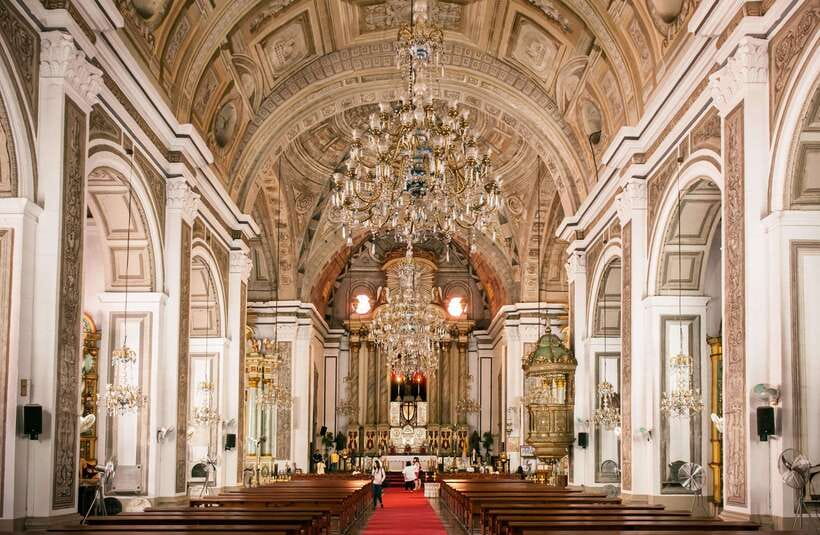
The next 30-minute stop is the Immaculate Conception Cathedral on Rizal Avenue. Also called Puerto Princesa Cathedral, it serves as the seat of the Roman Catholic Apostolic Vicariate of Puerto Princesa.
This is a useful stop for understanding the city’s religious identity. The cathedral is not presented as a long worship service or an extended architectural study. Instead, you get time to see the church and place it within the city center.
I appreciate the contrast with Baywalk. One stop shows public recreation and urban change. The next brings you to an important religious institution. If you want a slow church visit, 30 minutes may feel brief, but the timing keeps the overall day moving.
Palawan Special Battalion Museum: wartime objects and local names
The Palawan Special Battalion World War II Memorial Museum is one of the most important stops for anyone interested in Palawan during the Japanese occupation. Its collection includes old vehicles used during World War II, rusting guns and ammunition, American military uniforms, miniature warplanes and ships, and old paper currency from the war years.
Some objects are unusually personal. The museum includes a historical typewriter and stenography machine that Mendoza claimed had been used by General Douglas MacArthur in Manila. I would treat that as an intriguing museum claim rather than the sole reason to visit, but it gives the collection a memorable detail.
The most moving feature may be the wall listing about 1,000 guerrillas from the Special Battalion who fought in Puerto Princesa and across Palawan. That list shifts the focus from famous generals and equipment to local people who took part in the conflict.
You have about 30 minutes here. I would listen closely to the guide because the objects alone may not tell the full story. The tour description provides several wartime details, but a good explanation helps connect the machinery, names, and occupation period.
Plaza Cuartel: a difficult story in a quiet place
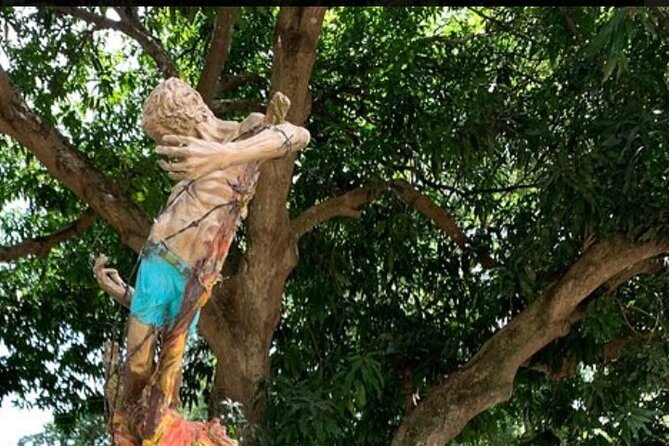
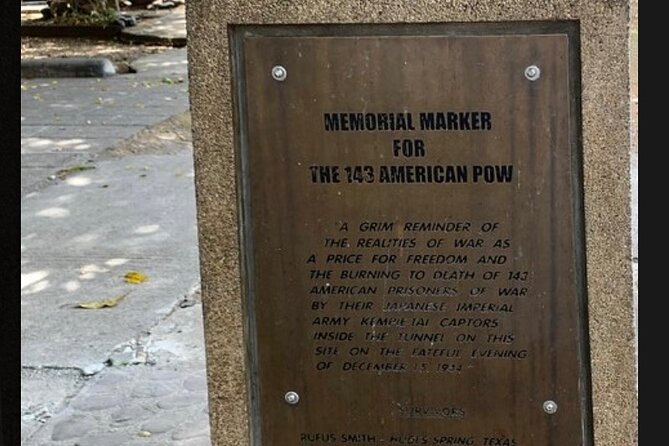
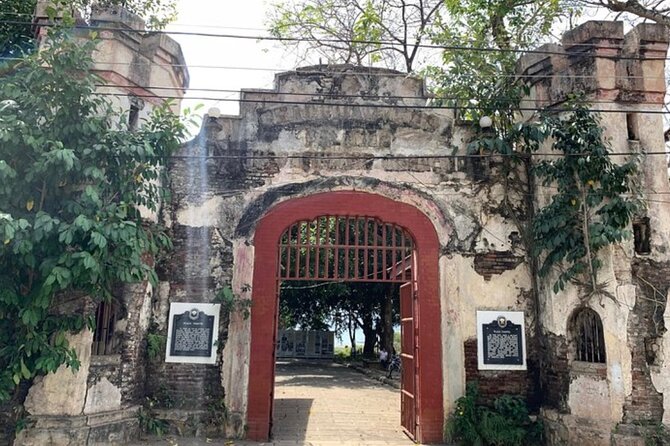
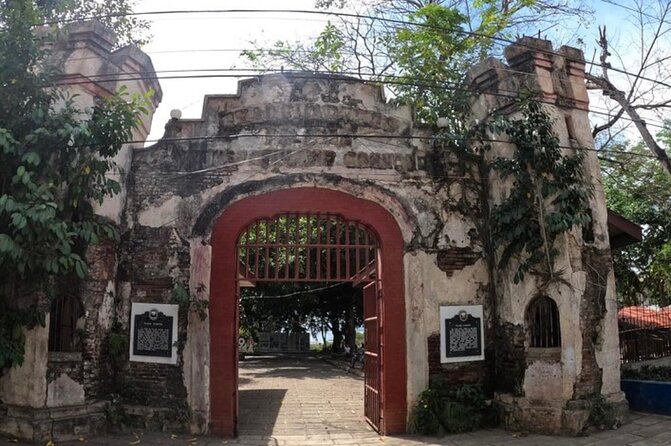
Plaza Cuartel is a National Historical Site and a restored ruin of an old garrison. It is linked to one of the most painful events in Puerto Princesa’s wartime past. On the evening of December 14, 1944, Japanese soldiers burned around 150 American prisoners of war in a tunnel beneath the park’s portals.
Only one prisoner survived to tell the story. The remains of those who died were buried at St. Louis County, Jefferson Barracks National Cemetery, Missouri, in 1952.
This is not a light sightseeing stop, and I would give it your full attention. The restored ruins and the tunnel account create a stark contrast with the ordinary city around them. The visit is brief, about 30 minutes, but the subject deserves a quiet and respectful approach.
Plaza Cuartel also helps explain why the preceding military museum matters. The museum gives you objects and names. Plaza Cuartel gives you a specific place tied to the suffering of prisoners of war. Together, the two stops provide the strongest historical section of the day.
Palawan Museum: a compact look at local culture
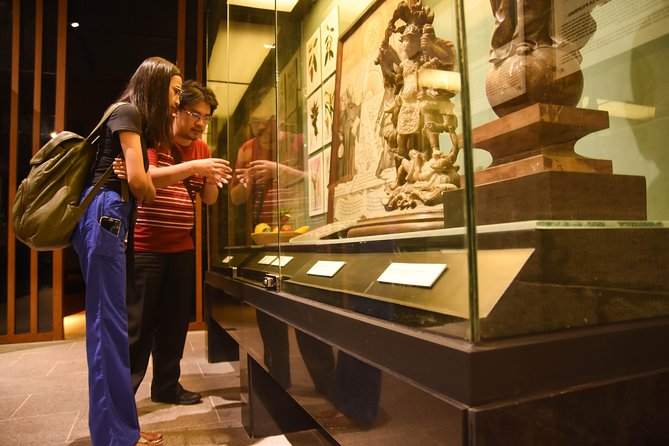
The Palawan Museum was created in 1991 as a center and repository for relics and artifacts from Palawan. Its purpose is to preserve the area’s natural and historical legacy and build a collection for learning and reference about Palawan’s cultural heritage.
You receive about 30 minutes here, so I would see it as a focused introduction rather than a full museum visit. The value is in the range of material. After the war-related stops, the museum widens the story to include Palawan’s broader cultural and natural past.
This stop may be especially useful if you have limited time in Puerto Princesa. The guide can help you understand what you are looking at instead of leaving you to guess among displays. If museums are your main interest, you may wish the schedule allowed longer. Still, its place in the day keeps the tour from reducing Palawan to beaches and wartime memories alone.
Baker’s Hill: hopia, gardens, and a change of pace
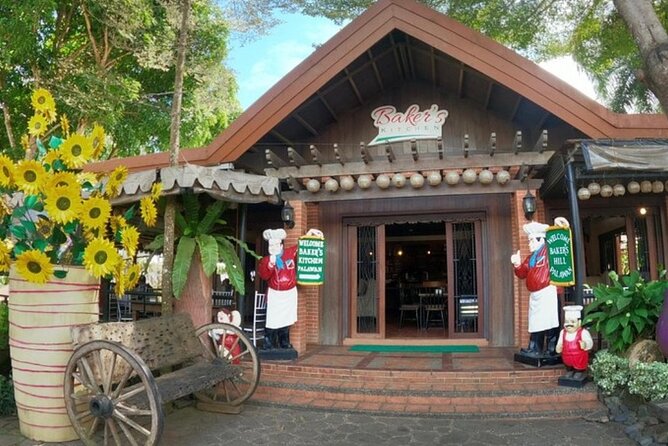
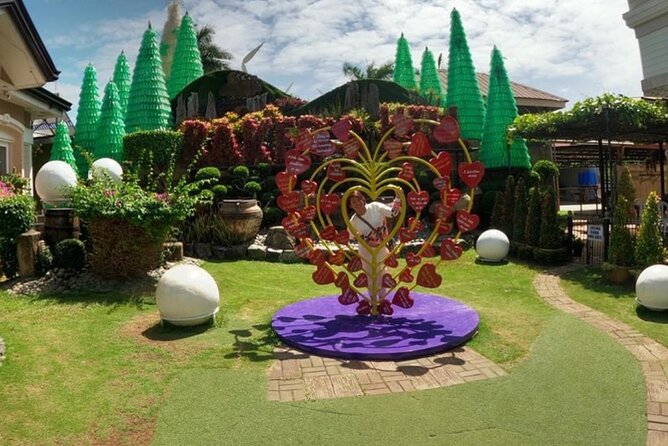
After several serious historical stops, Baker’s Hill changes the mood. You have about an hour to explore this family-friendly attraction, known for hopia and pastillas, along with gardens and a playground.
Hopia is a pastry commonly associated with Filipino bakeries, and Baker’s Hill gives you a chance to try its local version. The food is not included as a separate meal, so bring money for anything you want to buy. Snacks are also listed as an extra, and lunch is not provided.
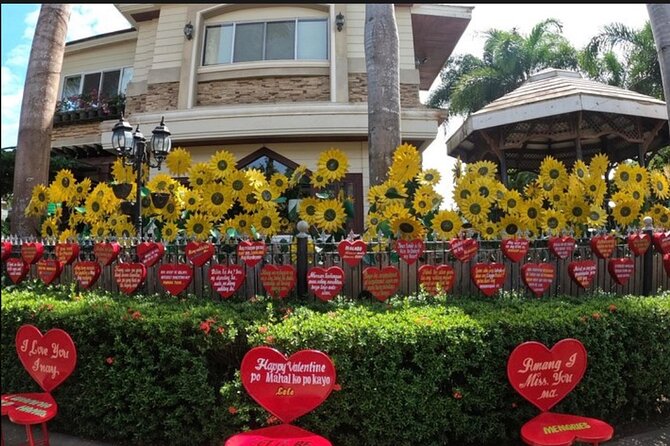
I like this stop because it prevents the day from becoming heavy. You can stroll through the landscaped gardens, take pictures, and let children use the playground. It is also described as an Instagrammable place, so you will find plenty of easy photo opportunities.
The drawback is that Baker’s Hill may feel more commercial than the museums and memorials. That is not necessarily a problem. It simply serves a different purpose: a pleasant break, a taste of local sweets, and a chance to enjoy a polished family attraction.
Binuatan Creations: watch local fibers become useful goods
The final stop gives the tour its most direct craft experience. At Binuatan Creations, artisans use locally produced and indigenous fibers in traditional hand-loom weaving. You can watch the careful process and see items such as handbags, wallets, placemats, wall art, and other handicrafts.
I consider this one of the strongest parts of the day because it connects culture with daily work. A souvenir has more meaning when you see the time and skill behind it. The hour allotted here gives you more breathing room than the museum stops, so you can watch the process, ask questions through the guide, and decide if you want to take something home.
The phrase tedious process is fair. Hand weaving takes patience, and the finished goods do not appear instantly. That is precisely why the stop works. You are not simply passing a shop shelf. You are seeing a traditional craft in production.
If you buy a woven item, it can serve as a practical reminder of Palawan rather than a generic trinket. Prices and payment details are not provided, so you should ask on site before choosing anything.
Guides, drivers, and the value of a private vehicle
The strongest praise for this experience centers on the people leading it. Janua is described as a wonderful guide who shared information about the island’s history, culture, and nature. Another account praises Janua and driver Gilbert for an excellent city tour. Ged is described as thorough, kind, and patient, with a strong ability to explain Palawan.
The drivers matter too. Al and Gilbert are both praised for helping create a relaxed day. Since seven stops are spread across the city, having a dedicated driver saves you from arranging separate rides or figuring out the order yourself.
The tour is private, so only your group participates. That makes the $138 per-person price easier to assess if you are traveling with family or friends, though the total cost rises with each person. If you are alone, the price is harder to justify unless convenience and private guiding are major priorities.
Pickup is offered, and the start time is 9:00 am. The booking includes an air-conditioned vehicle, landing and facility fees, and a professional guide. Those inclusions cover the core mechanics of the day, but you still need to budget for lunch and snacks.
Is $138 per person good value?
At $138 per person, I would not call this a bargain city walk. It is a private, guided, vehicle-based experience lasting about six hours, so you are paying for convenience, transport, and personal attention as much as for entry to the sights.
The value improves if you want to see all seven locations in one day. Doing that independently would require planning transport between Baywalk, the cathedral, museums, Plaza Cuartel, Baker’s Hill, and Binuatan Creations. You would also lose the guide’s explanations, particularly at the wartime sites.
The price makes less sense if you only want a few central sights or prefer to explore at your own pace. The 30-minute museum visits are efficient, not leisurely. You are paying for range and structure rather than long hours in one place.
The strong praise for Janua, Ged, Al, and Gilbert also matters. A private tour can feel expensive when the guide adds little. Here, the available feedback points to patient explanations, flexibility, and a relaxed approach, which are the qualities that make a city tour worth booking.
Who should book this Puerto Princesa experience?
I would recommend it to first-time visitors who want a clear introduction to Puerto Princesa in one day. It suits you especially well if you enjoy history, prefer private transport, want a guide to explain local context, and like mixing serious sights with food, gardens, and crafts.
Families may appreciate Baker’s Hill and the private schedule. You can also avoid the stress of moving a group between several locations. Anyone interested in handmade goods should value the full hour at Binuatan Creations.
I would hesitate if your main goal is a long beach day, a food-focused outing, or a slow museum tour. This experience is about variety. It moves from public space to religion, war, local heritage, sweets, and weaving, giving you many subjects but limited time at most of them.
The booking is non-refundable and cannot be changed for any reason, so make sure your plans are firm. Confirmation is received at booking, and most people can participate. Those practical terms are simple, but they matter when you are planning a fixed six-hour day.
Final call: a useful first day in Puerto Princesa
I would book this tour if you want history and local culture presented in a practical, private package. The most valuable parts are Plaza Cuartel, the World War II museum, and Binuatan Creations, while Baywalk and Baker’s Hill add welcome variety.
At $138 per person, it earns its price through the air-conditioned vehicle, guide, driver, private format, and broad coverage. It is not the right choice for a slow, independent day, and the non-refundable policy calls for care before booking. But if you want to get your bearings fast and understand more than Puerto Princesa’s postcard views, this is a well-rounded choice.
FAQ
Where does the Puerto Princesa Historical Tour take place?
The experience takes place in Puerto Princesa, Palawan, Philippines, with visits to seven listed locations around the city.
How long does the tour last?
The tour lasts about six hours.
What time does the tour start?
The stated start time is 9:00 am.
Is transportation included?
Yes. An air-conditioned vehicle is included, and pickup is offered.
Is this a private tour?
Yes. Only your group participates in the activity.
Are lunch and snacks included?
No. Lunch and snacks are not included in the tour price.
What is included in the $138 price?
The price includes the air-conditioned vehicle, landing and facility fees, and a professional guide.