Intramuros, Manila: Historical Bamboo Bike Tour
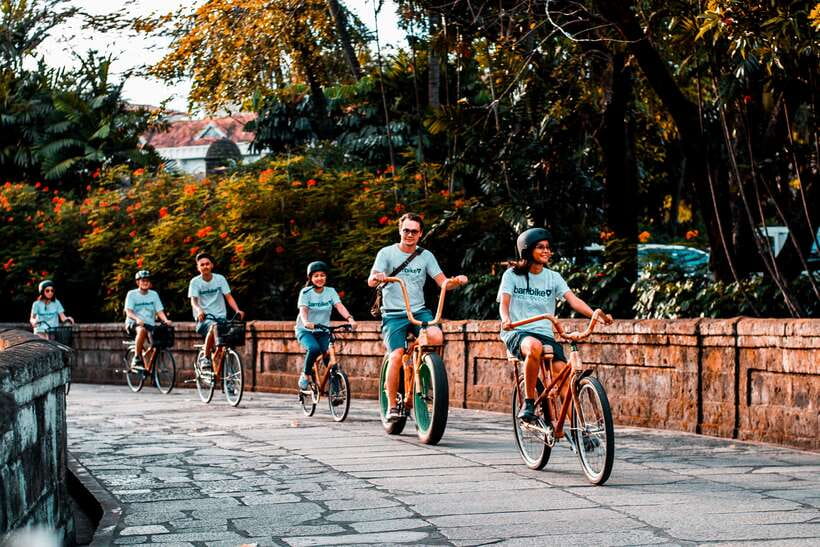
Intramuros comes alive on two wheels. I like the handcrafted bamboo bikes, which cover more ground than walking while keeping the ride easy, and I like the guides’ lively storytelling, especially the clear, funny presentations from Josh, Paolo, Prime, Chi, and Anj. The route is gentle, well paced, and packed with Manila history.
The main drawback is the heat. Even the 9:30 a.m. departure can feel hot and humid, and there is no fixed drink break, so bring water and ask the staff if you need a refill. Also, the supplied location information lists Nueva Vizcaya, while the tour itself begins in Intramuros, Manila, so check your booking details carefully before setting out.
At $27 per person for two to three hours, this is a strong-value introduction to Manila’s walled city. You get the bike, helmet, guide, entrance fees, and a welcome cold towel and ice cream at the end. It is especially useful if you want to understand what you are seeing rather than simply pass old buildings with no context.
In This Review
- Five good reasons to choose the Bambike tour
- Starting with a bike that fits you
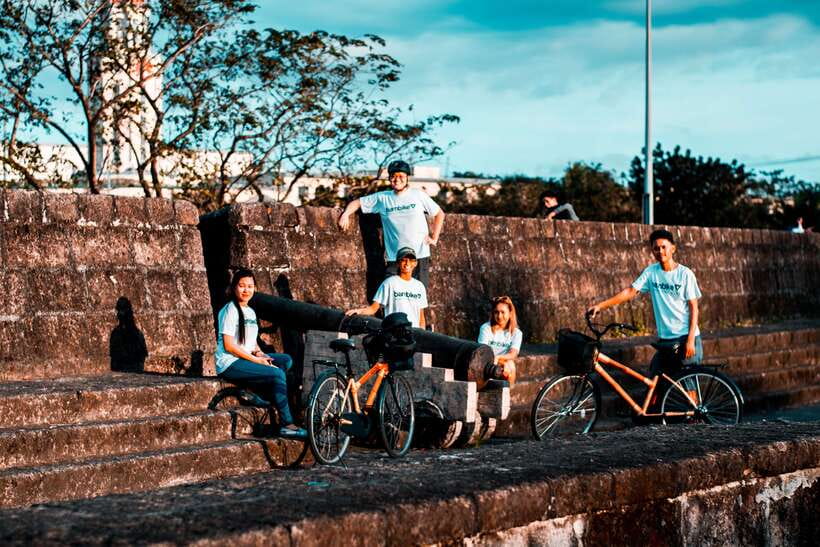
- Japanese Cannon and the wartime chapter
- Puerta Real Gardens and a slower history lesson
- Puerta del Parian and an old gateway
- Manila Cathedral and Plaza de Roma
- Fort Santiago gets the longest visit
- San Agustin Church closes the circuit
- Why the guides make the difference
- The heat, weather, and what to bring
- What the $27 price really covers
- Which version of the route suits you?
- Final call: should you book?
- FAQ
- Where does the bamboo bike tour take place?
- How long does the tour last?
- How much does the tour cost?
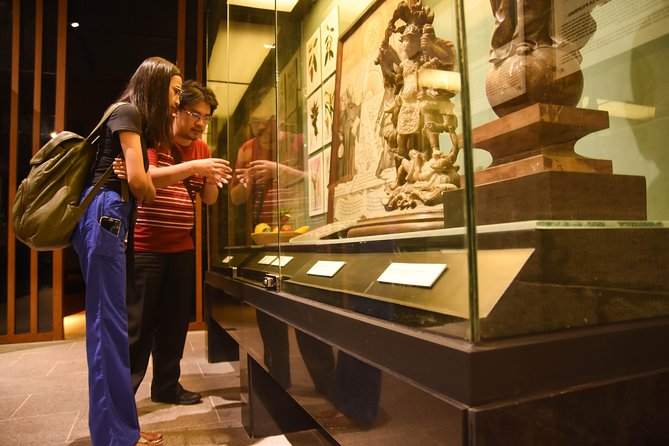
- Which sites are included?
- Are bicycle rental and entrance fees included?
- Is the route difficult to cycle?
- What languages are offered?
- Can children join the tour?
- What happens if it rains?
Five good reasons to choose the Bambike tour
- Handmade bamboo bicycles: Local craftsmen make the bikes, and you can choose a city cruiser or mountain-bike style when available.
- A flat and manageable route: The ride is easy, with no gears and a casual pace that suits many casual cyclists.
- History at every stop: Japanese wartime remains, Spanish-era gateways, churches, plazas, and Fort Santiago all fit into one outing.
- Guides who keep the past lively: Guides such as Josh, Paolo, Prime, Chi, Mica, JD, and Anj mix facts, stories, jokes, and time for questions.
- A welcome finish: Cool towels and ice cream are small touches, but they matter after riding in Manila’s heat.
Starting with a bike that fits you
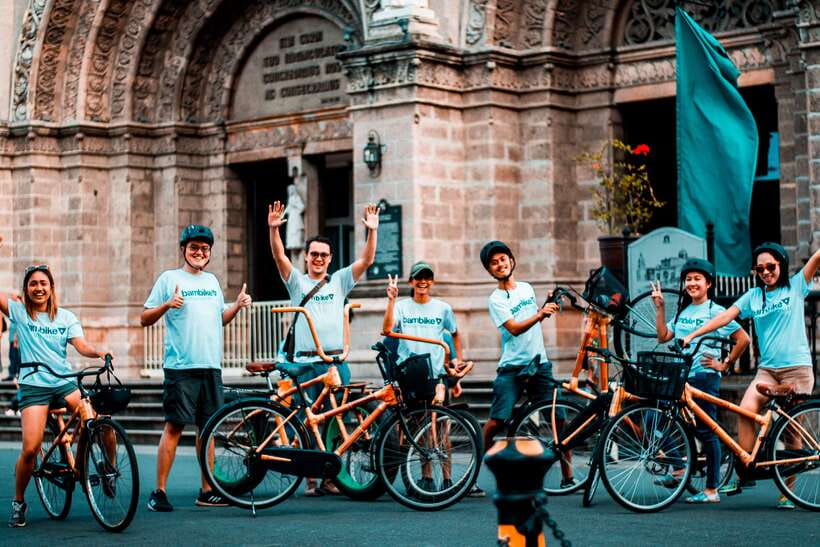
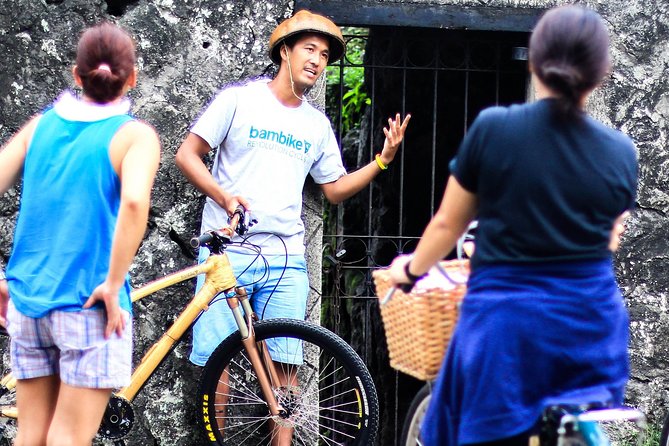
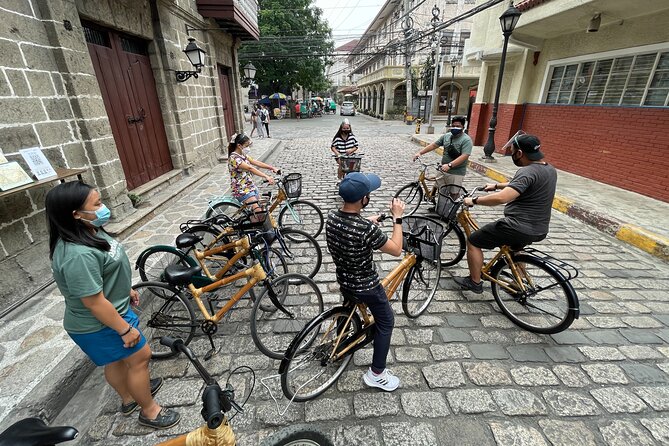
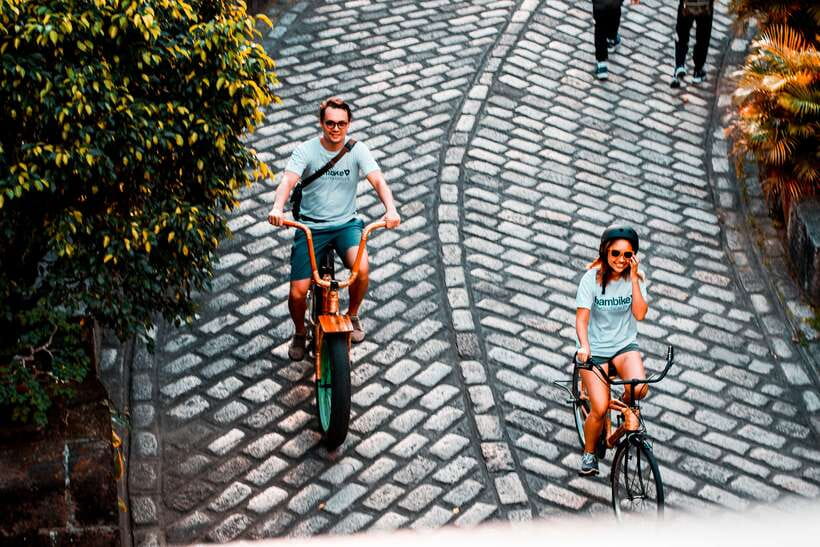
You begin at Bambike Ecotours in Intramuros, with the exact starting point depending on the option you book. The staff help you choose a bicycle and provide a helmet. Reviews describe the bikes as sturdy, smooth, and easy to use, though one rider found a bike slightly rickety, so it is sensible to mention any concern before leaving.
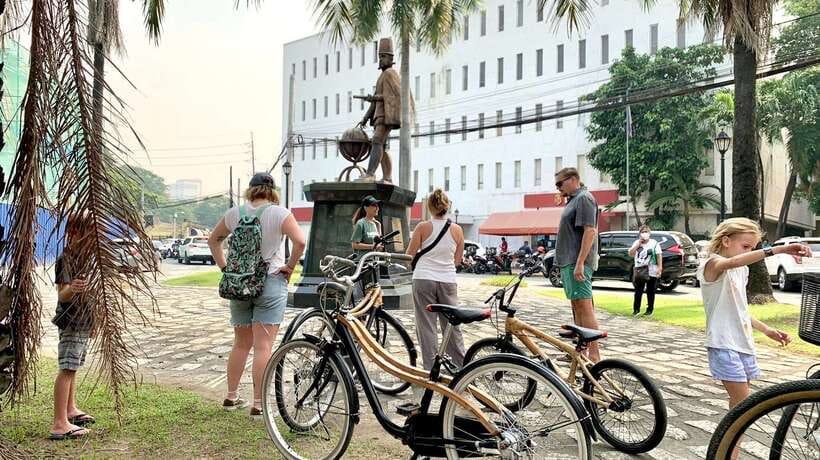
The bikes are made from bamboo by local craftsmen. That gives the ride a clear connection to the company’s environmental work and to local skills, rather than making the bicycle just a novelty prop. You are using a practical vehicle with a story of its own.
Available styles can include a mountain-bike design or a city cruiser with a basket. Some bicycles have kickstands, which make stopping easier. Children’s bikes are available for young riders, and infant seats can be requested in advance, but children aged four to twelve must ride with an adult.
The route is flat, and the bicycles have no gears. That makes the ride simple, but it also means you should not expect a sporty cycling excursion. I would call it a sightseeing ride with frequent stops, not an exercise session.
You can also read our reviews of more historical tours in Manila
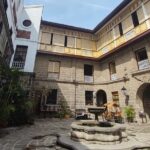
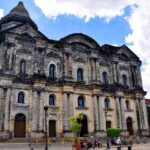
Japanese Cannon and the wartime chapter
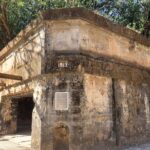
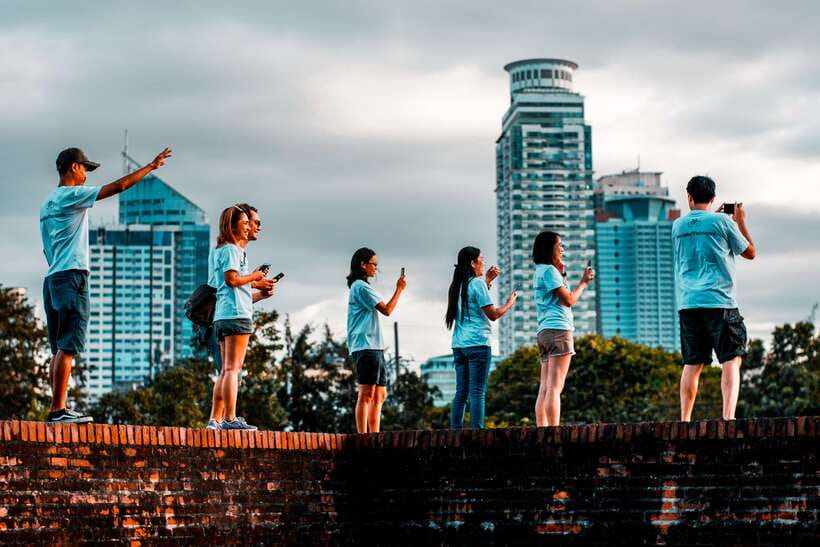
The first stop is the Japanese cannon, a World War II remnant inside Intramuros. The guide spends about 15 minutes explaining the site and placing it in the wider story of Manila during the war.
This is a useful early stop because it reminds you that Intramuros is not only a Spanish colonial district. Its story includes several periods of conflict and occupation, and the cannon gives the tour a physical link to the twentieth century.
You will not spend a long time here, which is appropriate. The cannon is a compact historic feature rather than a full museum visit. Its value comes from the explanation around it, so listen closely and ask questions if the wartime details interest you.
Puerta Real Gardens and a slower history lesson
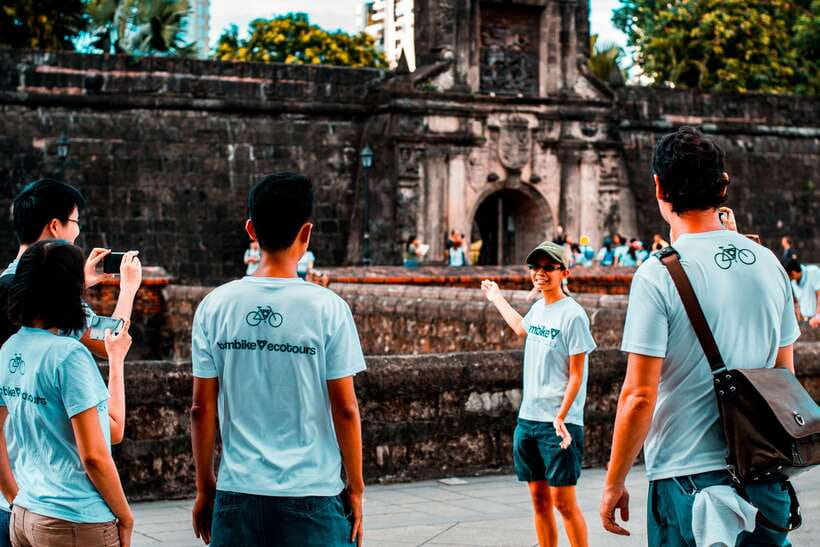
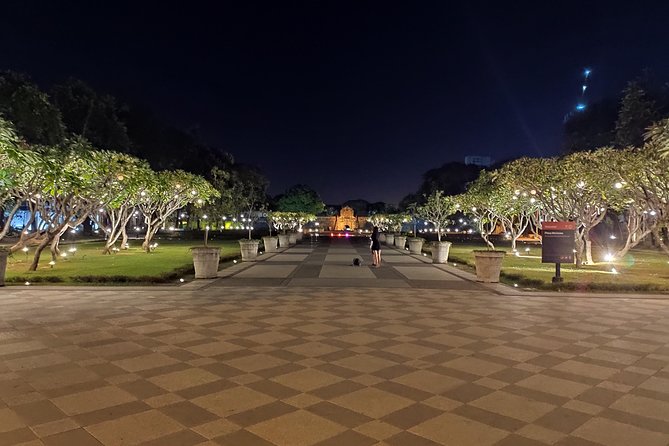
The route continues to Puerta Real Gardens, where the guide talks for about 30 minutes. This is one of the longer stops, giving you time to hear about Intramuros and its place in Manila while surrounded by local plant life.
The gardens offer a useful pause from the streets. You can listen without trying to keep your bicycle moving, and the longer talk allows the guide to connect individual buildings with larger changes in Philippine society, culture, and government.
The company has spent more than ten years developing sustainable storytelling in Intramuros. That shows in the way the tour links transport, local craftsmanship, and interpretation. The best guides, including Josh, Mica, Prime, and Anj, are praised for making the information lively instead of turning each stop into a dry lecture.
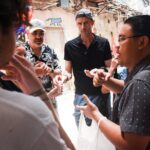
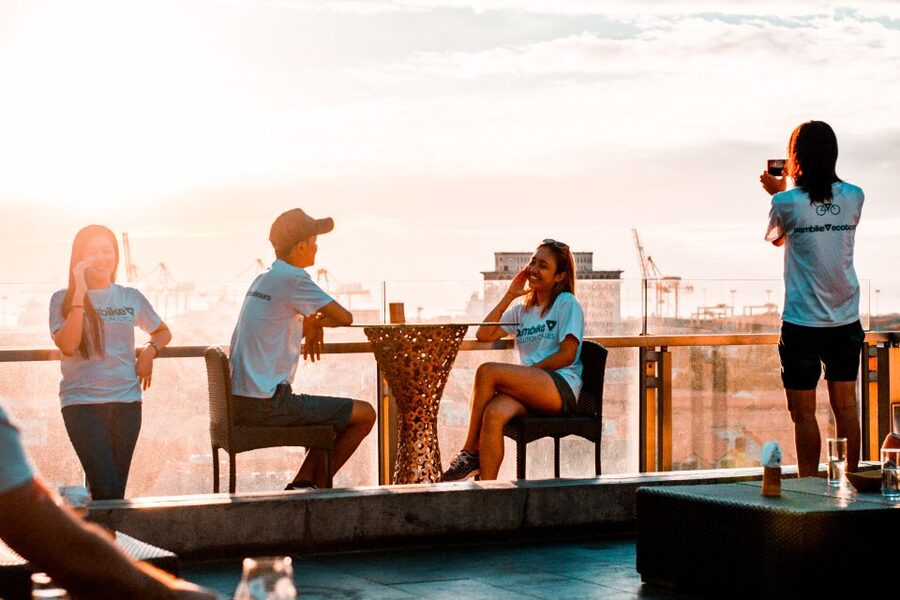
The pace also works well for solo visitors. Guides generally leave room for questions, help with photographs, and keep an eye on the group. If you are riding alone, you will not need to arrange your own photo at every stop. You can simply ask.
Puerta del Parian and an old gateway
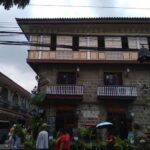
After the gardens comes Puerta del Parian, one of Intramuros’s earliest gateways. The guided stop lasts about 15 minutes, enough to explain why the entrance mattered and how it fitted into the old walled city.
A gateway can be easy to overlook when you are walking or riding past it. The guide gives it a purpose and a place in the city’s structure. That is the basic strength of this tour: you see the site, then learn why it was built and how people used it.
There is also a 15-minute rest stop at a cafe. The supplied details do not promise a full meal, so treat it as a short break rather than a dining stop. You may also want to use this moment to drink water, since the tour does not have a formal drink interval.
Manila Cathedral and Plaza de Roma
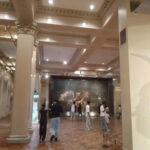
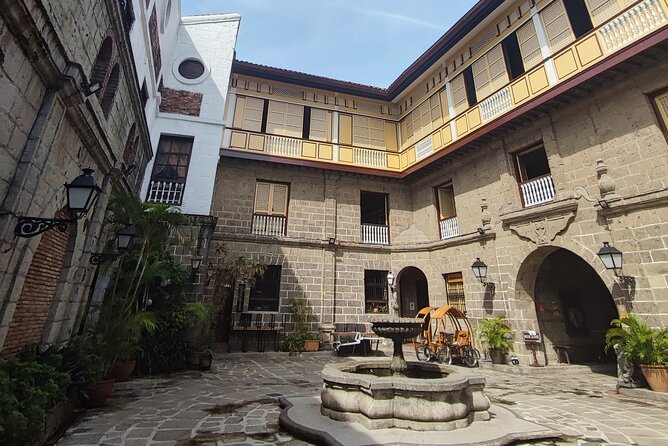
The route then reaches Manila Cathedral and Plaza de Roma, the historic center of Spanish colonial Manila. The guide spends about 15 minutes here, pointing out the importance of the cathedral and the plaza’s role in the old colonial city.
This is a good place to pay attention to the relationship between religious and civic power. You are not just looking at an attractive church and open square. The guide’s explanation helps you read the area as the former center of Spanish rule in Manila.
The stop is relatively short, so do not expect a long interior visit or a separate architectural lecture. The tour is designed to give you a strong overview of several major places, not to provide extended time at one monument.

Fort Santiago gets the longest visit
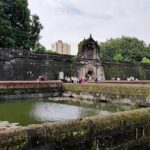
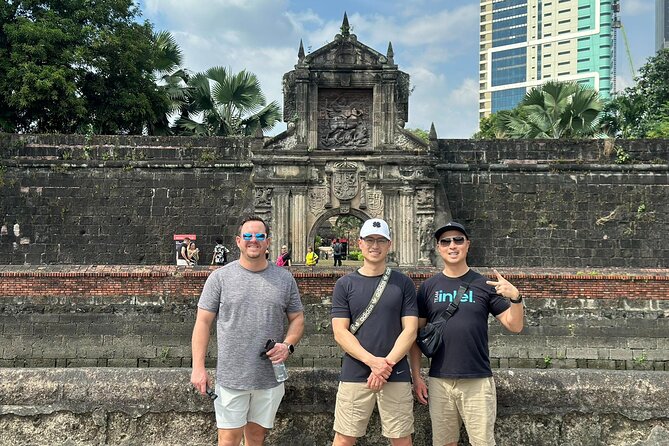
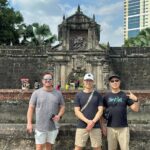
Fort Santiago receives about 45 minutes, including guided and bicycle touring. That makes it the largest stop on the standard route and one of the most important parts of the experience.
The fort brings together military history, colonial power, and the wartime story introduced at the Japanese cannon. With a good guide, you begin to see Intramuros as a working city shaped by walls, gates, defense, religion, and political control.
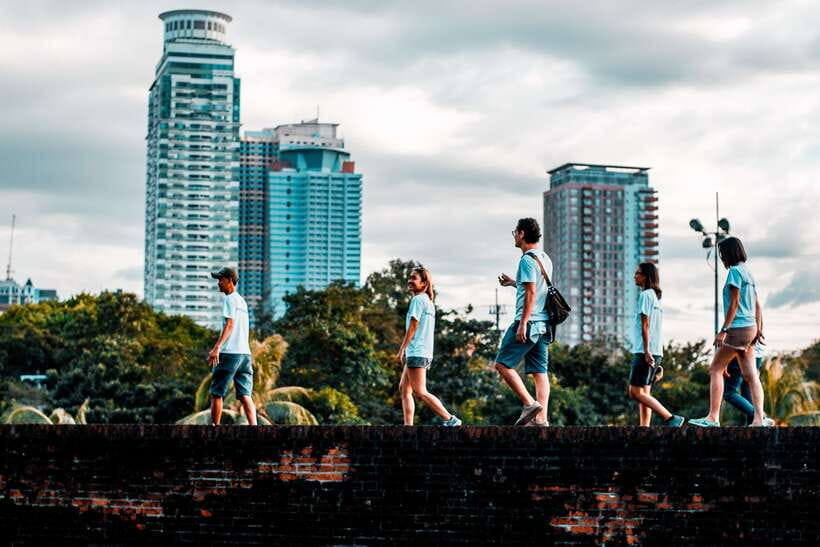
The cycling itself remains gentle. One guide may lead while another helps manage road crossings and group safety. Several participants specifically appreciated the care taken around traffic, and one review noted the presence of bike lanes in parts of the route. Still, you should stay alert and follow the guide’s instructions. This is an urban ride, not a closed cycling path.
The 45-minute allocation gives you time to hear the main story and look around. If you prefer a slow, detailed visit to every room and exhibit, you may wish you had more time. If your goal is to see the key areas of Intramuros in one morning or afternoon, the timing is practical.
San Agustin Church closes the circuit
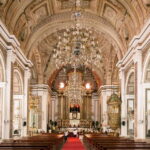
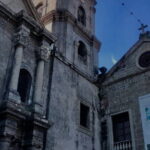
The final major stop is San Agustin Church, with about 15 minutes of guided and bicycle touring. As one of the key religious sites in Intramuros, it adds another layer to the colonial story after the cathedral and plaza.
The church stop is brief, but it completes the route well. You have already heard about civic authority and military defense. Here, the guide can help you understand the role of faith and church institutions in colonial Manila.
The tour does not try to make every stop equally long. Instead, it gives more time to places such as Puerta Real Gardens and Fort Santiago, then uses shorter explanations at gateways and churches. I think that is a sensible tradeoff for a two to three-hour outing.
Why the guides make the difference
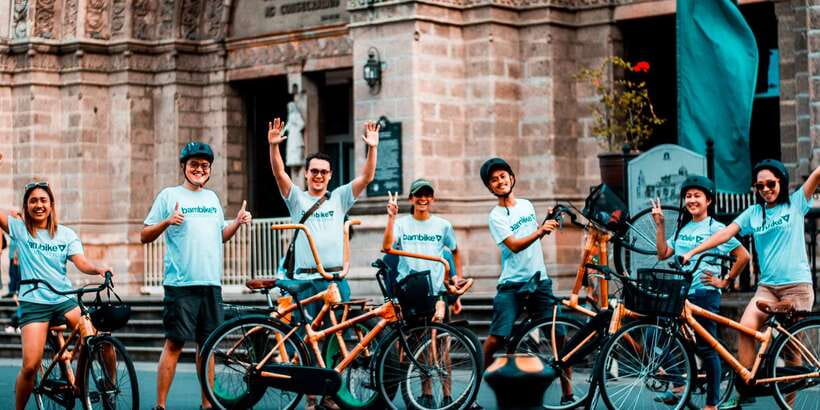
The bikes are memorable, but the guides determine how much you take away. The strongest praise goes to guides who explain clearly, use humor, answer follow-up questions, and adjust the pace to the group.
Josh is repeatedly singled out for making history fun and easy to follow. Paolo is praised for his English, warmth, humor, and willingness to help. Prime is described as an excellent storyteller who made the winding streets easier to understand. Chi, Mica, JD, Anj, Justine, Inah, and others also receive strong praise for clear explanations and friendly care.
Guide quality can vary from person to person, as it does on any guided tour. The useful point is that Bambike appears to place real value on academic preparation and storytelling, not just on getting people from one stop to the next.
The staff also help with practical matters. They may offer sunscreen, insect repellent, water, and assistance with photographs. These are not listed as core inclusions in the same way as the bike or helmet, so do not rely on every extra being available, but the reports suggest a thoughtful approach to guest comfort.
The heat, weather, and what to bring
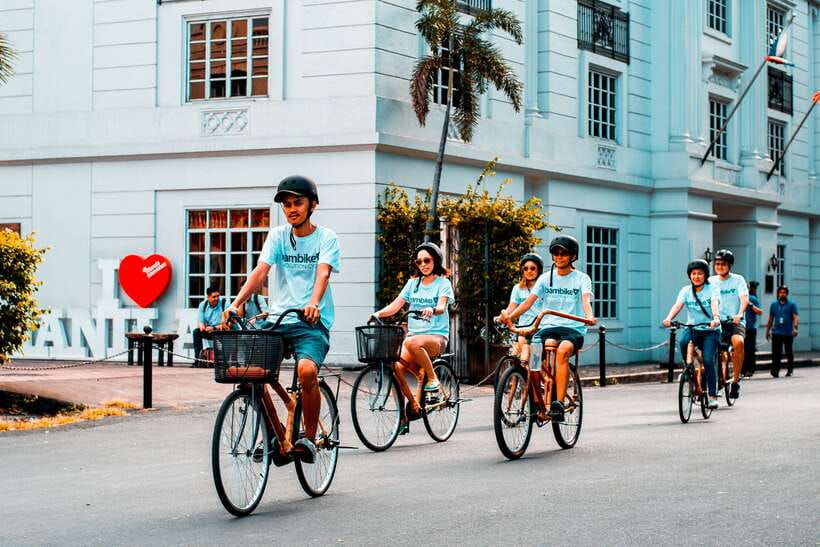
Intramuros is exposed, and Manila can be hot and humid. The 9:30 a.m. departure is a smart choice if you have the option, since it helps you avoid the strongest midday heat and usually finishes around lunchtime.
Bring comfortable clothes, comfortable shoes, sunscreen, and a resealable bottle of water. A small sweat towel or portable fan can also be useful, especially during the warmer months. The staff provide helmets and rain ponchos when needed.
The tour operates in most weather, except during a tropical storm. Light rain does not necessarily ruin the outing, and the ponchos help. Still, wet roads and rain can make photographs and cycling less pleasant, so check the forecast and dress for changeable conditions.
You should not book this as a carefree activity for an unaccompanied child. Unaccompanied minors are not allowed. Children aged four to twelve need an adult with them, and infant seats are available only when requested at booking.
What the $27 price really covers
At $27, the tour offers more than bicycle rental. The fee includes a local guide, bamboo bicycle, helmet, rain poncho if needed, and entrance fees. You also get a planned route through the main historic areas, which saves time and removes the guesswork of connecting the sites yourself.
Walking Intramuros is possible, but the distances between the major stops can add up in the heat. A bicycle lets you cover Japanese Cannon, Puerta Real Gardens, Puerta del Parian, Manila Cathedral, Fort Santiago, and San Agustin Church in one organized outing.
The value is strongest if you have only a short time in Manila or want a clear introduction before exploring on your own. It is less compelling if you prefer to linger for a long time inside one church or fort, since the group must keep moving.
The tour has a rating of 4.8 from 583 reviews, which supports the impression of a well-run experience. I would still judge it by your interests: history, light cycling, and a structured route make a good match; independent museum time and strenuous riding do not.
Free cancellation is available up to 24 hours before the tour for a full refund, and you can reserve now and pay later. Hotel pickup and drop-off are not included, so arrange your own way to Intramuros.
Which version of the route suits you?
The standard experience lasts about two to three hours, depending on the option and pace. The longer version is a good choice if you want more time at each site and a fuller introduction to Intramuros.
A shorter outing may suit you if you have limited energy, are traveling with children, or have other Manila plans later in the day. The route remains easy, but the heat can make even gentle cycling tiring.
The tour is also a good fit for solo visitors. The guides help with photos, keep the group together, and create an easy setting for asking questions. Couples and small groups should enjoy the relaxed pace, while serious cyclists may find it too slow.
Final call: should you book?
I would book this tour if you want an efficient, friendly introduction to Intramuros with enough history to make the buildings meaningful. The bamboo bicycle is fun without demanding athletic skill, and the cold towel and ice cream at the end are welcome in Manila’s heat.
Choose the earliest available start, bring water, and confirm the meeting location because of the conflicting Nueva Vizcaya and Intramuros details in the supplied information. Pick the longer option if history matters to you, and ask for help if your bicycle does not feel right.
Skip it only if you want to explore each monument at your own pace or dislike group schedules. For most first visits to Manila’s walled city, the $27 price is fair, the route is practical, and the guides add the context that makes Intramuros worth seeing.
FAQ
Where does the bamboo bike tour take place?
The experience takes place in Intramuros, Manila, the historic walled district of the city. The supplied location field also mentions Nueva Vizcaya, so confirm the exact meeting point with your booking details.
How long does the tour last?
The tour lasts about two to three hours. The exact duration depends on the option selected and the tour schedule.
How much does the tour cost?
The listed price is $27 per person.
Which sites are included?
The route includes the Japanese Cannon, Puerta Real Gardens, Puerta del Parian, Manila Cathedral, Plaza de Roma, Fort Santiago, and San Agustin Church.
Are bicycle rental and entrance fees included?
Yes. The tour includes the bamboo bicycle, helmet, local guide, rain poncho if needed, and entrance fees.
Is the route difficult to cycle?
The route is described as flat and easy, with bicycles that have no gears and a casual pace. It is designed for sightseeing rather than strenuous cycling.
What languages are offered?
Live guiding is available in Tagalog and English.
Can children join the tour?
Children aged four to twelve must be accompanied by an adult. Infant seats for children aged two to four are available on request if advised when booking. Unaccompanied minors are not allowed.
What happens if it rains?
The tour operates in all weather conditions except a tropical storm. Rain ponchos are provided if needed.