
Cebu City: Historical Street and Food Tour
Cebu’s story is best told on foot. This three-hour walk links street food and old landmarks, taking you from the Cebu Farmers Market to churches, markets, ancestral houses, and the site of Magellan’s Cross. I like the way the tour connects ordinary daily life with the major events that shaped the Philippines.
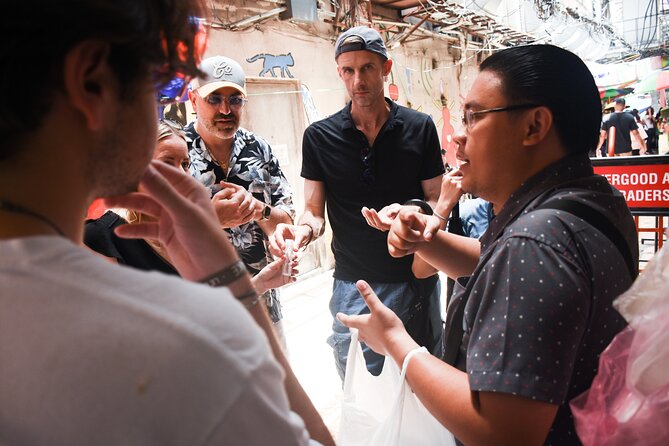
I also like the small-group format, limited to 10 people. Guides such as Philip, Philipe, Nacien, Kyle, and Nescián have earned praise for their energy, care, and clear English. The main drawback is the price: at $90 per person, you pay a fair amount for three hours, and one visitor felt the food alone did not justify the cost.
In This Review
- Key points to know before booking
- Why this three-hour Cebu walk works
- Starting at the Cebu Farmers Market
- The Heritage of Cebu Monument and old city stories
- Inside the 1680 Yap Sandiego Ancestral House
- Basilica Minore del Sto. Niño and Cebu’s Catholic story
- Carbon Market and the city’s working side
- Magellan’s Cross and the 1521 turning point
- Cebu Metropolitan Cathedral and wartime damage
- Is $90 a fair price?
- Practical advice for the three-hour route
- Who should book this Cebu City tour?
- Should you book it?
- FAQ
- How long is the Cebu City Historical Street and Food Tour?
- How much does the tour cost?
- What language is the tour conducted in?
- How large is the group?
- Is hotel pickup included?
- What food can I expect to taste?
- Which historic house does the tour visit?
- Which churches are included?
- Does the tour visit Magellan’s Cross?
- What should I bring?
Key points to know before booking
- Balut is part of the food experience: You may taste the famous boiled salted duck egg, along with other Filipino street food and drinks.
- Cebu’s oldest Spanish-era sights fit into one walk: The route includes the Basilica Minore del Sto. Niño, Magellan’s Cross, and Cebu Metropolitan Cathedral.
- The 1680 Yap Sandiego Ancestral House is a highlight: Its coral-stone construction and Chinese-Spanish design offer a close look at old Cebu domestic architecture.
- Carbon Market adds a more everyday side of the city: This former coal depot remains one of the route’s most atmospheric stops.
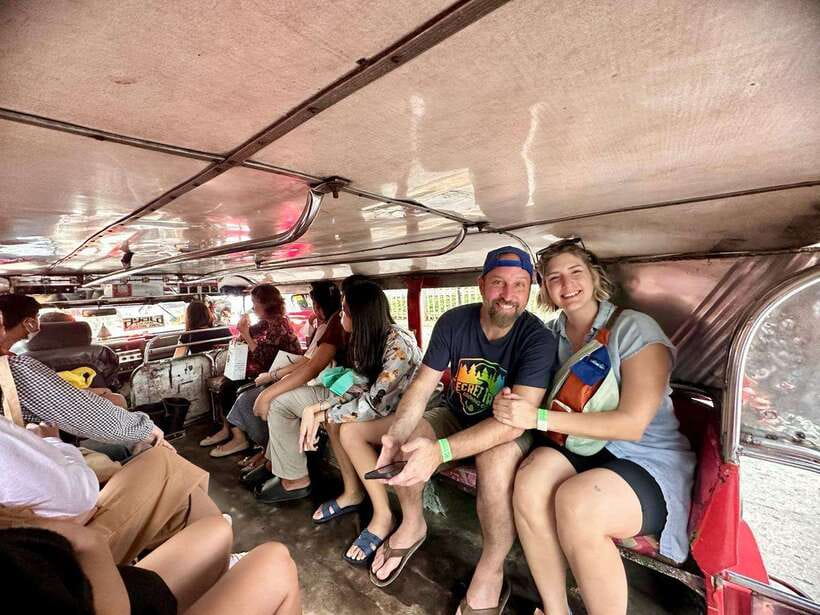
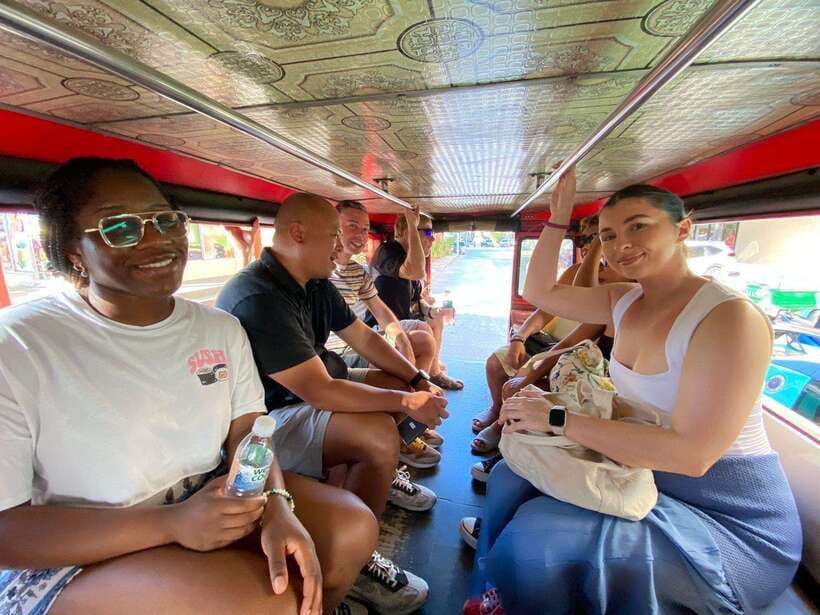
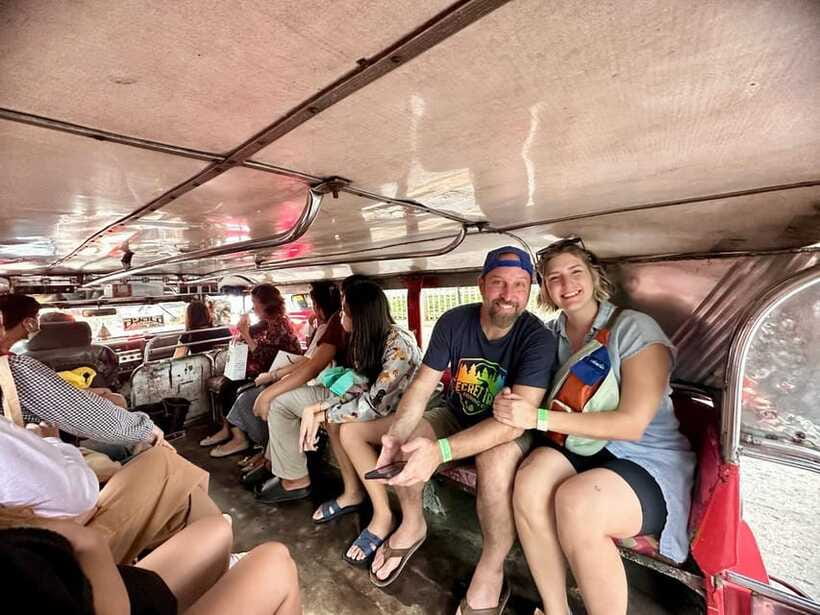
- You may ride local buses: The experience can include local transport, adding a practical slice of Cebu life.
- Plan for sun, rain, and walking: The tour runs rain or shine, so comfortable shoes, light clothing, a camera, and cash matter.
Why this three-hour Cebu walk works
Cebu City can feel scattered if you visit its historic places one at a time. This tour gives the old center a clear shape. You begin with food and local commerce, then move through heritage buildings and major Catholic sites before ending near the cathedral.
That order makes sense. You start by seeing what Cebu is today, then learn how the city grew from a trading center into the first Spanish settlement and capital in the Philippines. The guide supplies the links between the places, which is the real reason to book a walking tour rather than simply follow a map.
You should expect a busy urban setting, not a quiet museum visit. Streets, markets, traffic, churches, and food stalls all form part of the experience. The route is useful for first-time visitors who want a quick introduction, or for anyone with only a short stay in Cebu City.
The English-speaking guide is central to the experience. Philip is praised for taking good care of solo participants, while Philipe and Nacien have been singled out for answering questions and making people feel safe. Kyle is also praised for his energy, and Nescián for being both entertaining and helpful.
That personal attention matters in a small group. With no more than 10 participants, you can ask why a church was rebuilt, how a market got its name, or what you are actually eating. A private-feeling experience is possible if bookings are light, although the social side may be better when several people join.
You can also read our reviews of more historical tours in Cebu City
Starting at the Cebu Farmers Market
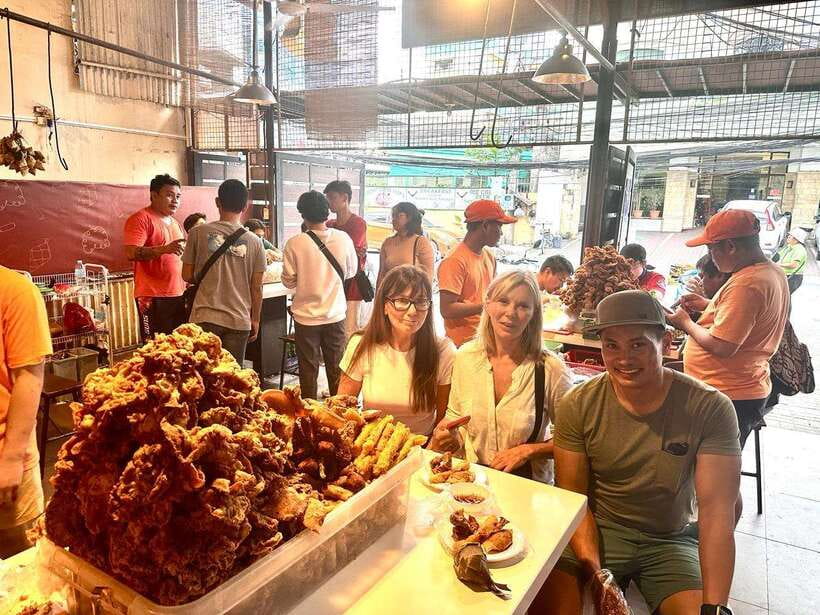
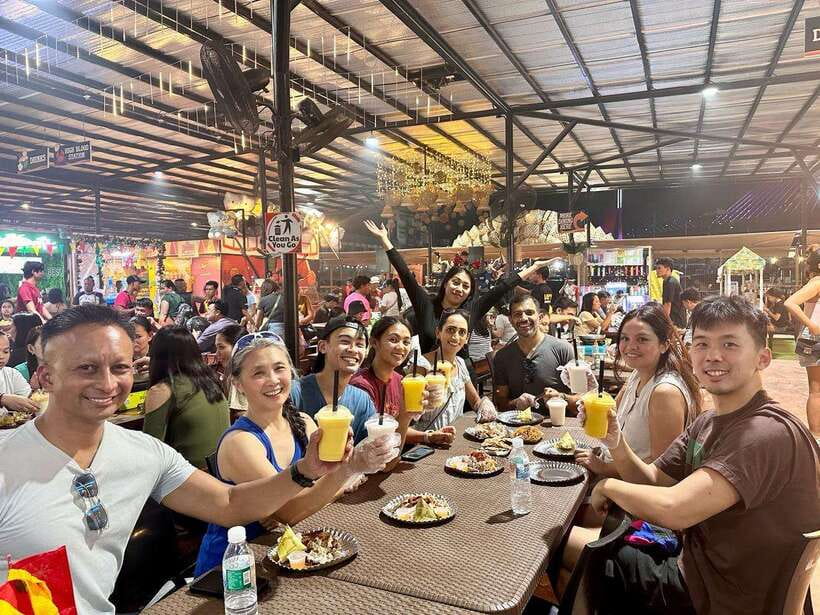
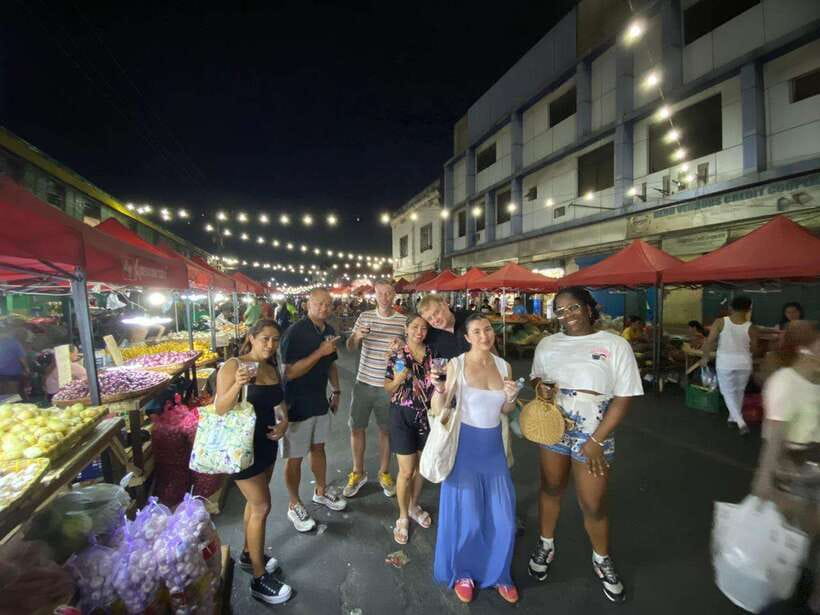
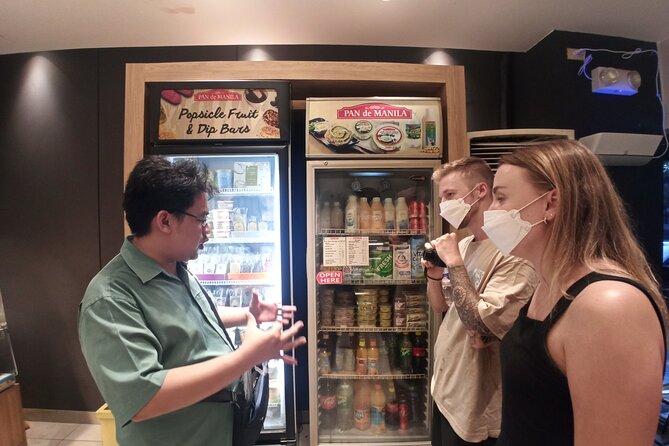
The opening stop at the Cebu Farmers Market gives the tour an immediate local flavor. Rather than beginning with a grand monument, you start among food and commerce. Your guide explains local ingredients and eating habits before you begin sampling.
This is a useful introduction because Filipino food can be unfamiliar even if you already know some Southeast Asian cooking. The tour focuses on bold combinations and street-food traditions, so you get context as well as a bite to eat.
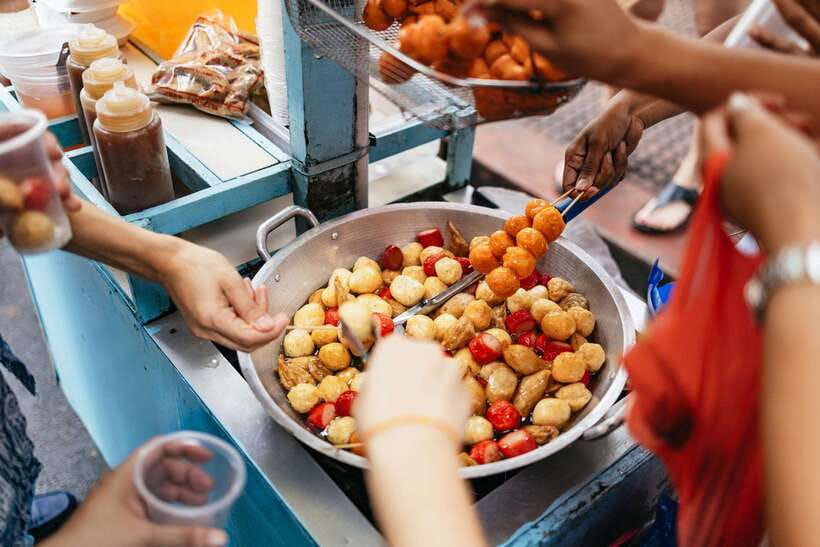
One of the most famous tastings is balut, a boiled duck egg traditionally eaten with salt. For some people, this is the moment they have been waiting for. For others, it is the point where courage becomes part of the itinerary. You do not need to pretend it is an everyday snack for you. The value is in learning how and why it is eaten, then deciding how far you want to go.
The food portion should be treated as an introduction, not a full meal. One person found the food only average for the price, while others felt the food and drinks were provided generously. That difference likely comes down to personal taste and expectations. If you want a large food crawl with many substantial dishes, this may feel limited. If you want a few local samples woven into a history walk, the format makes more sense.
Bring cash. It is specifically recommended, and it is useful when you are walking through markets and food areas. Comfortable clothes are also important, since you will spend much of the three hours outdoors.
The Heritage of Cebu Monument and old city stories
The Heritage of Cebu Monument is one of the route’s most visual stops. Its metal sculptures present scenes and figures tied to Cebu’s past, giving you a compact way to see major episodes represented in public art.
Your guide helps turn the monument from a photo stop into a history lesson. Cebu was the first Spanish settlement and capital in the Philippines, and the city’s story includes local communities, Chinese trade, Spanish rule, and Catholic institutions. The monument is useful because it puts those layers together in one place.
This is also where a guide can add value that a self-guided walk may miss. A plaque can tell you a date. A good guide can explain why the event mattered, how it relates to another building nearby, and what changed afterward.
The tour’s history is not presented in an isolated old quarter. Modern Cebu remains close around you. That contrast is part of the point. You are not looking at a preserved set built only for sightseeing. You are moving through a living city where old landmarks share space with markets, roads, shops, and ordinary routines.
Inside the 1680 Yap Sandiego Ancestral House
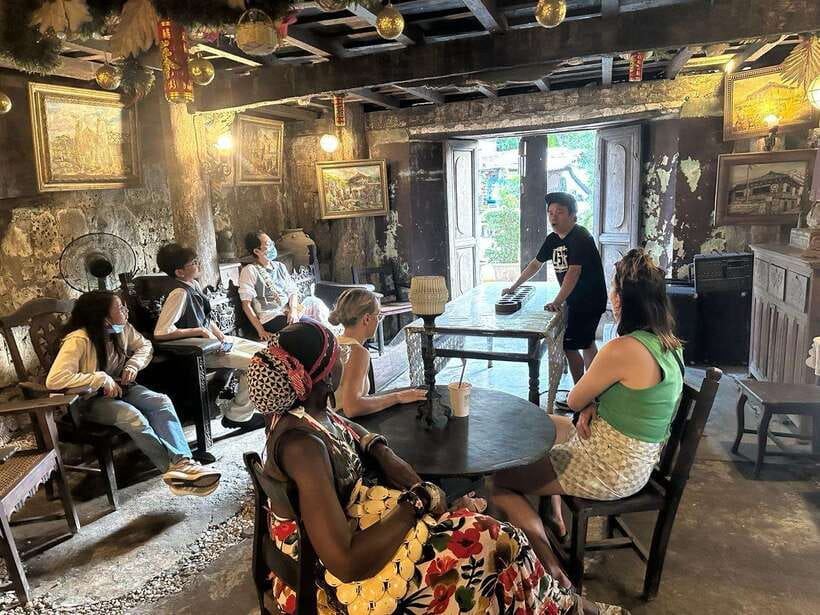
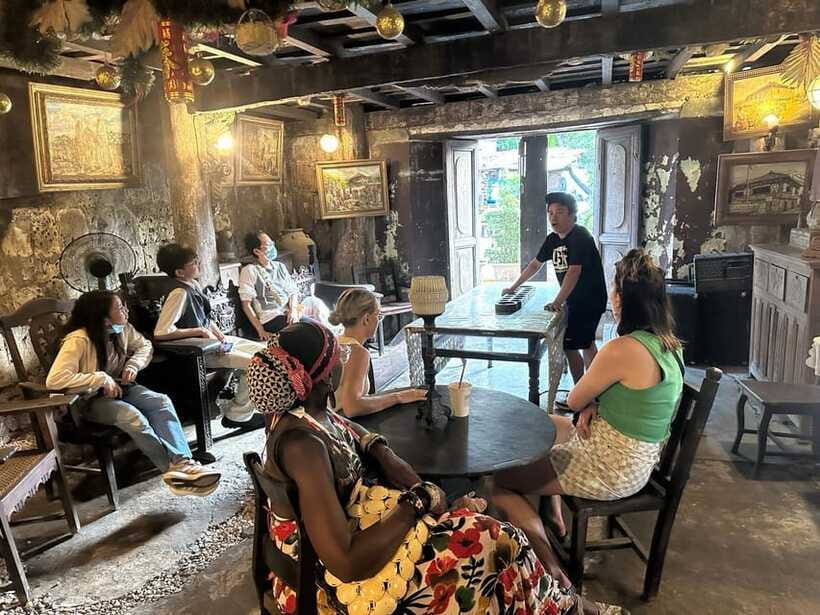
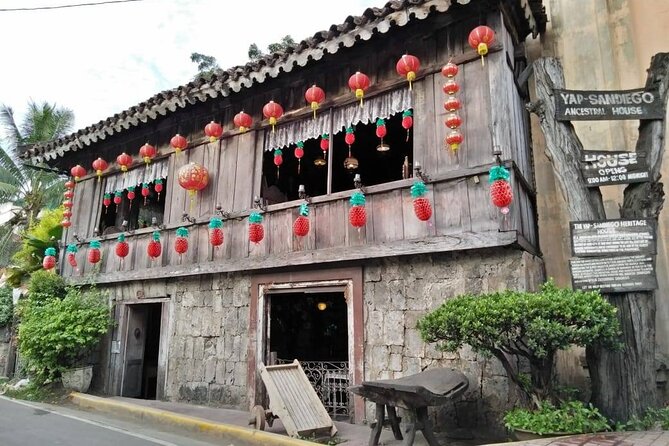
The Yap Sandiego Ancestral House is one of the strongest architectural stops. Built from coral stone in 1680, it gives you a rare look at domestic life from an earlier Cebu.
The house combines Chinese and Spanish design, reflecting the city’s trading links and colonial past. That combination is more revealing than a simple Spanish-style building. Cebu’s identity was shaped by several cultures, and this house puts those influences into a physical setting.
I would pay close attention to the construction rather than rushing through for photographs. Coral stone gives the building a distinctive appearance, and its age makes the stop feel different from the larger churches later in the route. The house helps you imagine how families lived, worked, and received visitors in old Cebu.
The stop also breaks up the street walking. After markets and public monuments, you get a closer look at a private building. That change in scale makes the itinerary feel varied even though the whole tour remains within the historic center.
Basilica Minore del Sto. Niño and Cebu’s Catholic story
The Basilica Minore del Sto. Niño de Cebu dates to 1565 and is recognized as the oldest Roman Catholic church in the Philippines. It is one of the major historical anchors of the tour.
The church matters for more than its age. It reflects the arrival and spread of Spanish Catholicism, a force that continues to shape Filipino culture. Your guide can explain the church’s role in Cebu’s development and connect it to the cross and exploration stories that follow.
You should allow yourself a quiet moment here, even if the route is moving at a steady pace. Religious buildings are not just old attractions. They are active places of worship, so respectful clothing and behavior are sensible, particularly during services or prayer.
The church is also a good example of why this tour works better with explanation. On your own, you can admire the architecture and record the date. With a guide, you can place the building within Cebu’s wider story and understand why it remains so important.



Carbon Market and the city’s working side
Carbon Market offers a different mood from the ancestral house and basilica. Its name comes from the Spanish word for coal, and the area was once a coal depot.
That detail gives the market a direct link to Cebu’s industrial past. You are not simply passing through a place to buy food. You are seeing an area shaped by fuel, trade, work, and the movement of goods.
For some people, this will be the most memorable part of the tour. Carbon Market feels more connected to everyday city life than a polished heritage site. You may see a less formal side of Cebu, with the guide helping you understand what you are seeing and how to move through the area.
A few practical points matter here. Wear shoes that can handle a long walk and uneven city surfaces. Keep your belongings secure, and follow the guide’s advice. Several solo participants appreciated the care taken in this part of the route, including help getting a taxi afterward.
The tour is suitable for solo visitors who want company in a busy city setting. It is also useful if you are unsure about visiting Carbon Market or Colon Street alone. That does not mean you cannot go independently, but the guide adds confidence and local direction.
Magellan’s Cross and the 1521 turning point
The next major stop is Magellan’s Cross, where a Christian cross was placed in 1521 by Spanish explorers led by Ferdinand Magellan. This site marks one of the best-known moments in Cebu’s early contact with Spain.
The date is important. It places the cross more than four decades before the Basilica was built. The two sites are close in the city’s story but represent different stages of Spanish influence.
A guide can also help you approach the site with some historical balance. The cross is celebrated as a symbol of Christianity’s arrival, but the event also began a period of foreign intervention and major change. That broader view makes the stop more meaningful than a quick photograph.
This is one of the places where the tour’s short length works in its favor. You see a key site, learn the basic context, and continue before the history becomes too heavy. If you want a detailed academic treatment of Spanish colonialism, you will need a longer specialist tour. For a first look at Cebu, the explanation should give you a useful framework.
Cebu Metropolitan Cathedral and wartime damage
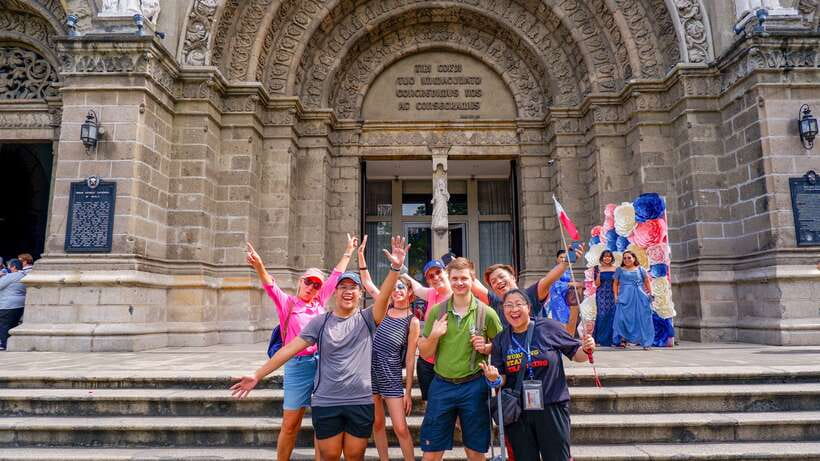
The final major historical stop is Cebu Metropolitan Cathedral. The church was destroyed during the Second World War and rebuilt in the 1950s.
That detail adds a modern layer to the walk. Not every historic-looking building has survived intact for centuries. Cebu’s churches and civic places have also faced war, destruction, and rebuilding. The cathedral lets you see how the city’s past includes both colonial foundations and twentieth-century recovery.
Ending near the cathedral gives the route a sensible close. You have moved from food and markets to the city’s oldest churches, then finished with a building that shows how Cebu rebuilt after wartime damage.
Afterward, the tour ends and you return to your accommodation on your own. Hotel transfer is not included, so plan your onward journey before setting out.
Is $90 a fair price?
The cost is $90 per person for three hours. That is not a bargain-priced walking tour, especially since hotel transfer is not included and the food is not intended to replace a full meal.
The price becomes easier to justify if you value several services at once:
- An English-speaking guide for the entire experience
- A small group capped at 10 people
- Guided entry and explanation at multiple historic places
- Local food and drink samples
- Help navigating markets, streets, and possibly local buses
- Extra care for solo participants
The strongest value comes from the guide, not the food. Philip, Philipe, Nacien, Kyle, and Nescián are praised for being friendly, entertaining, attentive, and clear. One guide even helped a solo participant catch a taxi home. That kind of practical care can matter more than another snack.
Still, you should compare the tour with your own travel style. If you are comfortable navigating Cebu City alone, reading background information, and choosing your own food, you could visit several of these places independently for less. One person felt the tour was not worth nearly $100 and thought the food was only average.
I would book it for the history, structure, and local guidance. I would not book it mainly as a food tour. The food is an important thread, but the main product is a guided introduction to Cebu’s old center.
Practical advice for the three-hour route
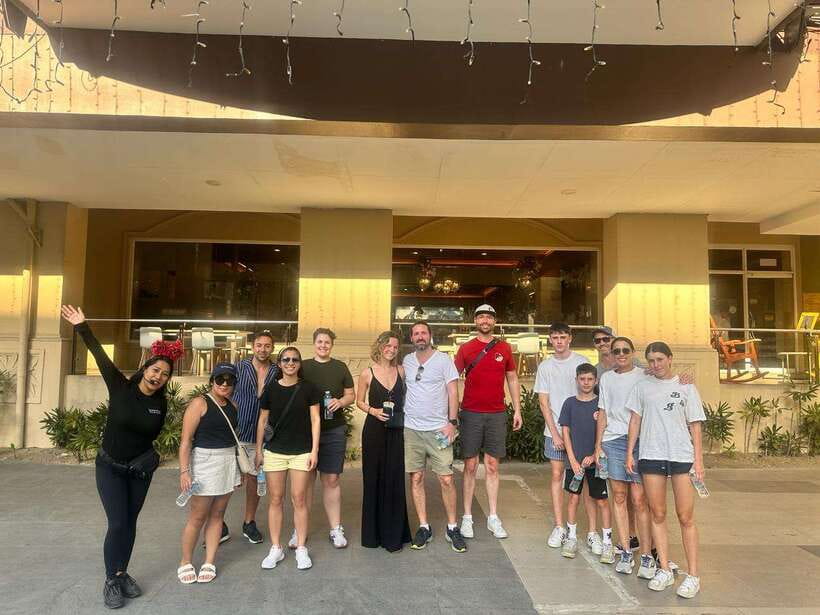
Wear comfortable shoes and clothes. The tour takes place rain or shine, so check the sky before leaving and carry suitable rain protection if needed.
Bring a camera, but do not let photographs take over. The best moments may come from the guide’s explanations, the market atmosphere, or an unexpected food tasting rather than a famous façade.
Avoid wearing jewelry. It is specifically listed as not allowed. Cash is also recommended, which is useful for food areas and any personal purchases.
The meeting arrangement requires you to wait in the designated area for a guide holding a paper with your name. You can also message the tour team through its Facebook page, Cebu City Historical Street and Food Tour, if you need to contact them.
Cancellation is flexible up to 24 hours before the start for a full refund, and you can reserve now and pay later. The tour is offered in English and uses a small-group format.
Who should book this Cebu City tour?
I would recommend it to first-time Cebu City visitors, history-minded people, solo visitors, and anyone who wants a planned route through the old center without spending a full day on it.
It also suits curious eaters who want to try balut and other local snacks with some explanation. You get a chance to taste unfamiliar food without having to design your own market route.
I would be more cautious if you dislike walking in busy urban areas, need a full meal during a food tour, or prefer to explore entirely at your own pace. The three-hour schedule covers a lot, so some stops may feel brief.
Should you book it?
Book this tour if you want history, food, and local guidance in one compact outing. The churches, 1680 ancestral house, Carbon Market, and Magellan’s Cross give you a strong first picture of Cebu.
Skip it if $90 feels too high for a walking tour and you are happy to visit the sights independently. The food is an added feature, not the main reason to pay. For many people, the deciding factor will be the guide. If you value clear stories, safe navigation, and help with the city’s less familiar areas, the cost is easier to accept.
FAQ
How long is the Cebu City Historical Street and Food Tour?
The tour lasts three hours.
How much does the tour cost?
The listed price is $90 per person.
What language is the tour conducted in?
The live tour guide speaks English.
How large is the group?
The tour is limited to 10 participants.
Is hotel pickup included?
Pickup from your accommodation is not included. You should meet the guide in the designated meeting area.
What food can I expect to taste?
The tour includes Filipino street food and local delicacies, including balut, a boiled salted duck egg traditionally eaten with salt. Food and drinks are provided during the tour.
Which historic house does the tour visit?
The route includes the Yap Sandiego Ancestral House, built from coral stone in 1680 and featuring Chinese and Spanish architectural influences.
Which churches are included?
The tour visits the Basilica Minore del Sto. Niño de Cebu and Cebu Metropolitan Cathedral. The Basilica dates to 1565, while the cathedral was rebuilt in the 1950s after wartime destruction.
Does the tour visit Magellan’s Cross?
Yes. The route includes the site where a Christian cross was placed by explorers led by Ferdinand Magellan in 1521.
What should I bring?
Bring comfortable shoes, comfortable clothes, a camera, and cash. Jewelry is not allowed, and the tour takes place rain or shine.
More Historical Tours in Cebu City
More Tours in Cebu City


More Tour Reviews in Cebu City
Not for you? Here's more nearby things to do in Cebu City we have reviewed

Food Tours: how the alternatives stack up

The lists this tour appears in