Experience Manila’s Heritage: Intramuros & More in Half a Day!
Manila’s past comes into focus quickly. This half-day outing is a practical introduction to the city, pairing the old walled district of Intramuros with Paco Park, Manila Cathedral, and Casa Manila. I like the door-to-door hotel pickup and the way guides such as Jace, Marco, Mark, Rona, and Carlos turn major sights into a connected story. I also like the choice of morning or afternoon departure. The main caution is cost: at $75 per person, it is far pricier than hiring a local guide on your own, and Manila traffic can eat into the sightseeing time.
You get roughly three to four hours in a small group of no more than 20 people. The guide and driver handle the roads, parking, and route, which matters in a city where a short distance can take a surprisingly long time. If you have only a few days in Manila, or want an easy first look before exploring on your own, this tour makes a strong case. If you are watching every dollar, the price deserves careful thought.
In This Review
- Key Points at a Glance
- Why This Half-Day Manila Tour Works
- Paco Park: A Former Cemetery with a Calmer Mood
- Baluarte de San Diego: Touching Intramuros’ Defenses
- Manila Cathedral: A Brief Look at a Major Church
- Casa Manila: Spanish Influence Inside a Living Museum
- The Guides Make or Break the Experience
- Manila Traffic and the Value of Hotel Pickup
- Morning or Afternoon: Which Departure Fits Best?
- Is $75 Per Person Fair?
- Who Should Book This Manila Experience?
- Booking Details and Cancellation
- FAQ
- How long is the Manila heritage tour?
- What locations are included?
- Is hotel pickup available?
- Can I choose a morning or afternoon departure?
- What is the price?
- How large is the group?
- Are entrance tickets included?
- Can most people participate?
- Should You Book It?
Key Points at a Glance
- Paco Park opens the tour with a quiet change of pace: This former cemetery is now a garden-like public park, and admission is included.
- Intramuros supplies the main historical setting: At Baluarte de San Diego, you see one of the old walled city’s fortifications.
- Manila Cathedral gives the route a grand focal point: You have time to see one of the Philippines’ largest churches.
- Casa Manila shows colonial-era domestic life: The site helps explain Spanish influence through architecture and household details.
- Hotel transfers save effort: Pickup and return are offered in Makati, Taguig, Ermita, Malate, and Pasay.
- Good guides make the difference: Jace, Marco, Mark, Rona, Carlos, Ian, Seana, and others have been praised for clear explanations, patience, warmth, and personal attention.
Why This Half-Day Manila Tour Works
The appeal here is not simply ticking off four locations. It is the way the stops fit together. Paco Park introduces an older Manila outside Intramuros, then the route moves into the walled city, where fortifications, churches, and colonial homes give you different views of the city’s past.
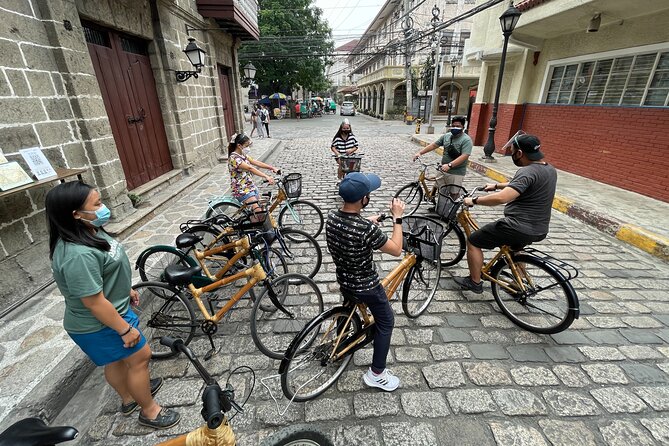
I especially value having a guide in Intramuros. You can walk through the district alone, but a guide helps explain why the walls matter, how Spanish rule shaped Manila, and how the city’s story continued through American rule and World War II. Ian was praised for explaining those changes in a clear way, while Mark and Marco were noted for bringing strong personal interest to the subject.
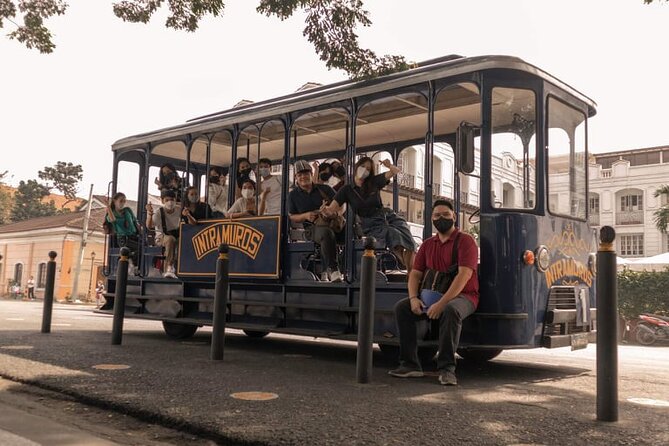
The experience is also designed for convenience. You do not need to work out a jeepney route, arrange several short rides, or search for the next stop in the heat. A driver waits while you visit each place, then brings you onward. That simple arrangement can be worth a lot when you are new to Manila.
Still, convenience comes at a premium. A four-hour private guide or informal local guide may cost less, especially if you are comfortable arranging your own transport. This tour is best understood as a paid package for transport, planning, and a guide, not as the cheapest possible way to see Intramuros.
You can also read our reviews of more historical tours in Manila

Paco Park: A Former Cemetery with a Calmer Mood
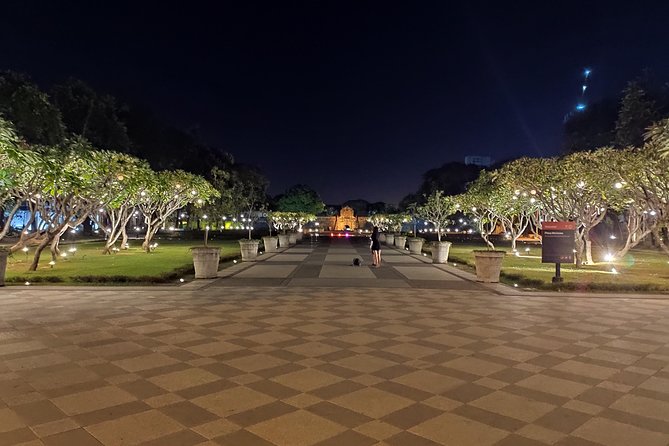
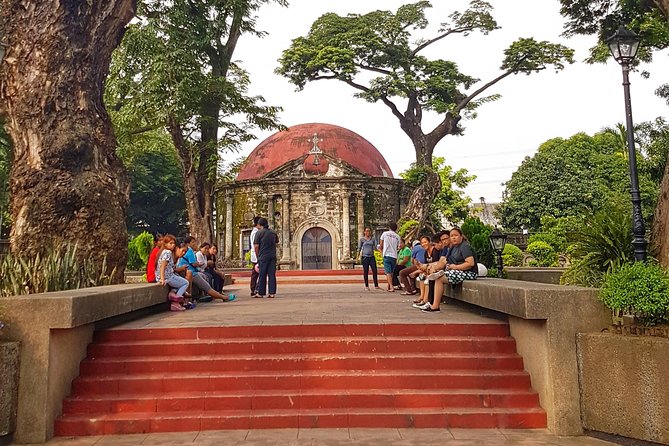
The first stop is Paco Park, with about 15 minutes allocated and admission included. The park was once a cemetery, and its circular design and quiet setting offer a marked contrast to Manila’s busy streets.
I like starting here because it gives you a gentle introduction. You are not immediately dropped into a long explanation about walls, battles, and colonial government. Instead, you get a short walk through a place with a more reflective mood. Your guide may point out details that are easy to miss if you simply pass by in a vehicle.
The short time is also the limitation. Fifteen minutes is enough for a look around and a few photographs, but not for a slow visit. Think of Paco Park as a compact opening stop rather than the main event. If you enjoy gardens, cemeteries, or architectural detail, you may wish you had longer.
The park also helps show that Manila’s past is not confined to Intramuros. Its old burial grounds and public setting add another layer to the city’s story before you reach the walled district.
Baluarte de San Diego: Touching Intramuros’ Defenses
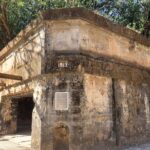
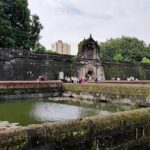
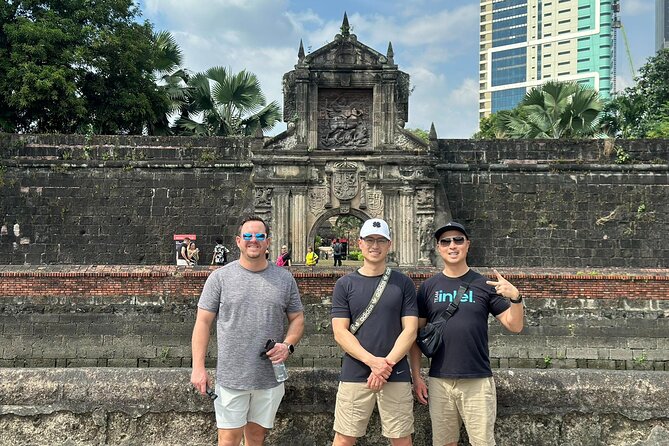
The tour then spends about 30 minutes at Baluarte de San Diego, a fortification of Intramuros. This is the stop where the old walled city becomes easiest to picture as a defended settlement rather than just a historic neighborhood.
The structure gives you a sense of the scale and purpose of the walls. Your guide can connect the stonework to Spanish Manila and explain how defensive features shaped movement through the district. Jace has been praised for mixing historical facts with lighter details, while Marco and Mark have been singled out for answering questions and keeping the presentation lively.
Thirty minutes is a useful amount of time here. You can walk, take in the old masonry, and listen without feeling rushed through in five minutes. At the same time, this is a guided overview, not a lengthy architectural study. You will see the fortification and learn its place in Intramuros, but the schedule leaves limited room for lingering.
Wear comfortable footwear and bring water. The tour includes walking, and Manila’s heat can make even a short outdoor visit feel longer. One solo participant specifically advised carrying plenty of water and some pocket money for snacks and souvenirs. That is sensible advice for any half-day outing in the city.
Manila Cathedral: A Brief Look at a Major Church
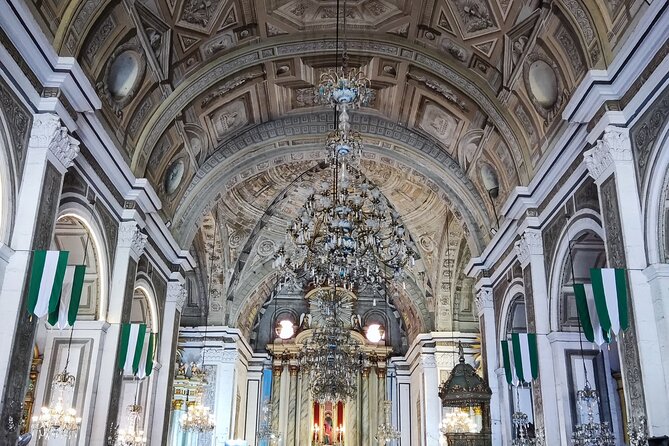
Manila Cathedral receives about 15 minutes. It is described as one of the biggest churches in the Philippines, and its scale gives the tour a strong visual pause after the fortification.
I like the contrast between Baluarte de San Diego and the cathedral. One stop is about defense and city walls. The other reflects religious power and the lasting Spanish influence on Manila. Even a brief visit can help you see how colonial Manila was organized around institutions as much as streets and buildings.
The short time means you should not expect a full church tour. The guide will likely focus on the cathedral’s place in Manila’s past and point out important features. If services or other restrictions affect access, the visit may be more about seeing the exterior and surrounding area, so keep expectations flexible.
This stop is also a good moment to ask questions. Several guides, including Carlos, Seana, and Rona, have been praised for making the experience personal and accessible rather than delivering a dry speech. That matters in a church with a long story, where a few well-chosen explanations are more useful than a flood of dates.
Casa Manila: Spanish Influence Inside a Living Museum
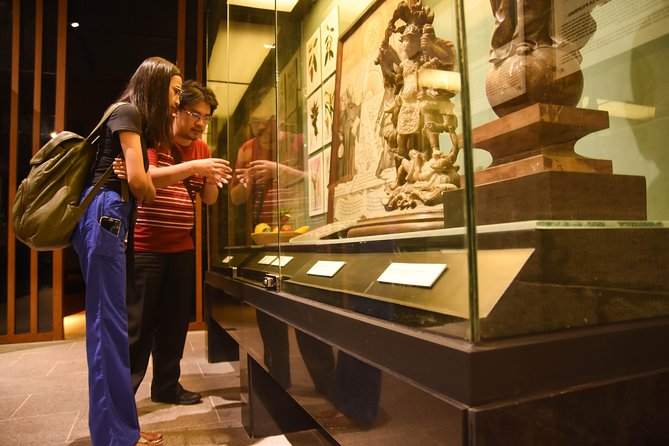
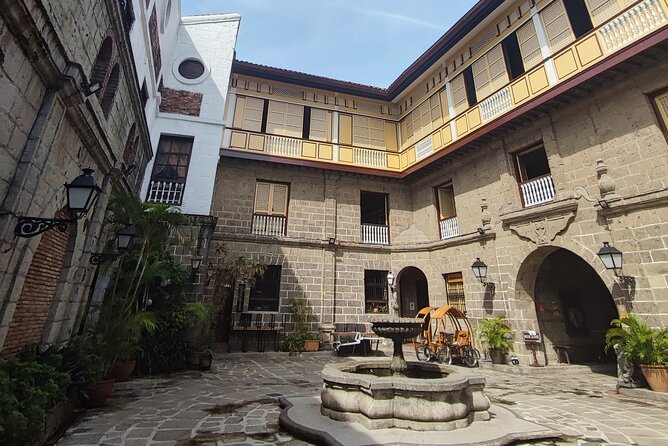
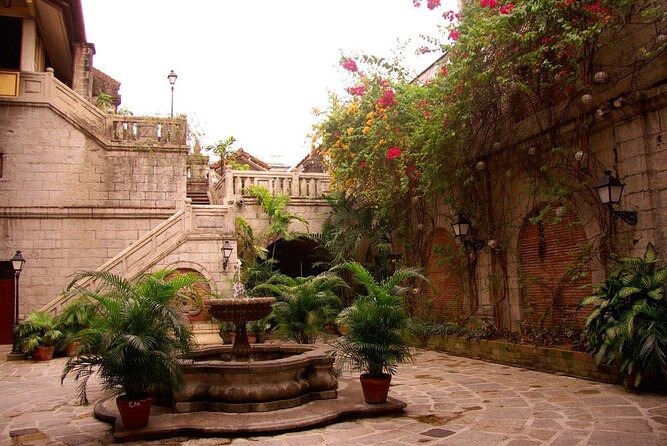
Casa Manila is the most direct look at domestic life during the Spanish colonial period. You visit the grounds and see a living museum designed to show how people lived, furnished their homes, and expressed social position.
For me, this is one of the most useful stops because it moves beyond forts and grand churches. A city’s past becomes easier to understand when you see the rooms, objects, and household style associated with a particular period. Casa Manila gives the Spanish influence a more human scale.
The scheduled visit is about 15 minutes, so expect an introduction rather than a slow room-by-room inspection. The guide will help you focus on the features that best explain colonial life. A half-day tour has to keep moving, and Casa Manila works well as a concise final stop in the Intramuros portion.
One guide, Marcos, was praised for making Casa Manila and San Agustin Church engaging through stories and context. San Agustin Church is not listed as a scheduled stop in the supplied route, so you should not assume entry there is included. The tour may include additional sights or passing views, but Casa Manila is the confirmed church-and-colonial-home pairing on this route.




The Guides Make or Break the Experience
The strongest part of this tour is the human delivery. The company uses different guides, so your experience will depend partly on who leads your group. The names praised most often include Jace, Marco, Mark, Rona, Carlos, Ian, Seana, Zee, Criz, Claude, Julius, Eddy, and Marcos.
The recurring strengths are clear. Guides explain Manila’s past in an approachable way, answer questions, keep a friendly tone, and adjust the pace when needed. Rona was praised for warmth and for making a solo participant feel looked after. Mark was noted for staying in touch before the tour and tailoring the outing for a group with mobility concerns. Carlos added local food advice, including grilled chicken, rice, and banana pepper ketchup.
That personal attention is valuable because the route moves quickly. You may not remember every date, but you are more likely to remember a guide who connects a wall, church, or house to the wider story of the Philippines.
The guide quality is not a guarantee of identical results on every departure. Names vary, and the tour may include one guide or two, as happened with Claude and Julius. Still, the consistently warm feedback suggests that the operator places real weight on presentation and care.
Manila Traffic and the Value of Hotel Pickup
Pickup is offered from hotels in Makati, Taguig, Ermita, Malate, and Pasay, with return transportation included. The coverage is useful if you are staying in one of those areas, since you can begin and end without arranging separate taxis.
The driver is more important here than the simple phrase hotel transfer might suggest. Manila traffic can be severe, and one participant specifically praised Pedro for handling the roads while another described the driver as talented in difficult traffic. John, Loonie, Rency, and others were also praised for smooth, comfortable transport and for waiting at convenient spots.
There is a tradeoff. The vehicle saves you from dealing with the roads, but it cannot make traffic disappear. A four-hour tour can include more time sitting in the car than you would like, particularly on a busy day. One person suggested seeing old Manila on Sunday, when traffic may be lighter. That is a useful scheduling idea, though you should still allow for delays.
The cruise-port example also shows some flexibility. A group of four arranged pickup and return at the port for an additional 4,000 Philippine pesos, about $80. That was a special arrangement, not the standard price listed here, so you should confirm any port transfer before booking.
Morning or Afternoon: Which Departure Fits Best?
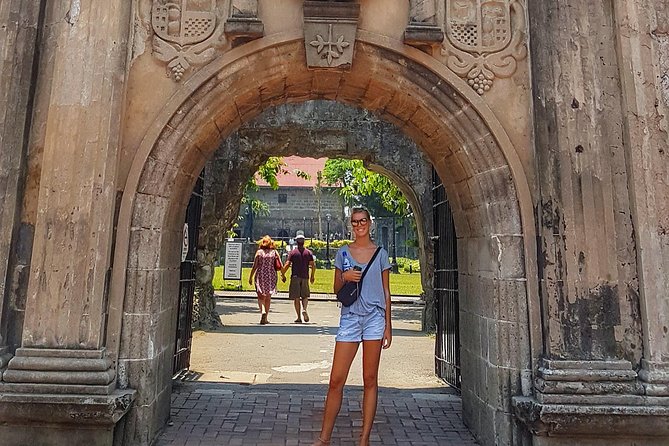
You can choose a morning or afternoon tour. That flexibility is helpful if you are fitting Intramuros around a flight, cruise schedule, hotel check-in, or another Manila activity.
The best choice depends on your day and your tolerance for heat and traffic. A morning departure may leave more room for the rest of your sightseeing day. An afternoon departure can work well if you arrived late, prefer a slower start, or want to use the morning for another activity.
The tour requires good weather, and outdoor stops make conditions relevant. Bring water, sun protection, and comfortable shoes. The route is not described as strenuous, and most people can participate, but the heat and walking can still affect your comfort.
If you have mobility concerns, tell the operator in advance. The experience has been adjusted for a group with mobility issues, which suggests a willingness to adapt, but the published details do not promise a specific accessibility setup.
Is $75 Per Person Fair?
At $75 per person, this is a mid-to-high-priced half-day city tour. You are paying for a guide, driver, round-trip hotel transfer, included admission at the listed stops, and the convenience of having the day arranged for you.
I think the price makes sense for first-time visitors who value ease, especially if they are staying outside Intramuros or do not want to manage Manila transport. It can also work well for solo visitors, older couples, families, and short-stay visitors who want a clear introduction without spending a full day on a large city tour.
The value is weaker if you are a confident independent sightseer. Intramuros can be visited with a cheaper local guide, and one participant felt that a similar experience could be arranged for around $20. A group discount may improve the calculation, but the available details do not state the discount amount.
The 4.8 rating from 76 reviews and 97 percent recommendation rate suggest strong satisfaction, particularly with the guides and transport. Those figures do not erase the price concern, but they do indicate that many people feel the organization and personal service justify the fee.
Who Should Book This Manila Experience?
I would point this tour toward:
- First-time visitors who want historical context quickly
- People staying in Makati, Taguig, Ermita, Malate, or Pasay
- Solo visitors who value a guide and organized transport
- Families wanting a manageable introduction to Manila
- Older visitors who prefer a driver and a planned route
- Cruise passengers who can arrange a suitable port transfer
- Anyone with only half a day for major historic sights
I would hesitate if you already know Intramuros well, have a very tight budget, or prefer spending a long time at one site. The fixed schedule gives you breadth, but not much time for slow photography, extended museum visits, or independent wandering.
Booking Details and Cancellation
Confirmation is normally received at booking. If you book within eight hours of departure, confirmation comes as soon as possible and depends on availability.
You can cancel for a full refund up to 24 hours before the start time. Changes or cancellations within 24 hours are not refunded or accepted. If poor weather cancels the experience, you are offered another date or a full refund. The same applies if the minimum number of participants is not reached.
FAQ
How long is the Manila heritage tour?
The experience lasts approximately three to four hours.
What locations are included?
The scheduled stops are Paco Park, Baluarte de San Diego, Manila Cathedral, and Casa Manila. The tour description also promises additional sights and lesser-known stops, but it does not specify every possible extra location.
Is hotel pickup available?
Yes. Round-trip hotel transfers are offered from Makati, Taguig, Ermita, Malate, and Pasay.
Can I choose a morning or afternoon departure?
Yes. The tour offers a choice of morning or afternoon departures.
What is the price?
The listed price is $75 per person. Group discounts are available, though the discount amount is not specified.
How large is the group?
The tour has a maximum of 20 participants.
Are entrance tickets included?
Admission is included for Paco Park and Baluarte de San Diego. The supplied details do not separately state admission arrangements for Manila Cathedral or Casa Manila.
Can most people participate?
Yes. Most people can participate. If you have mobility concerns, contact the operator in advance because the route has been adjusted for guests with mobility needs before.
Should You Book It?
Book this tour if you want a well-organized first look at Manila and place a high value on hotel pickup, a driver, and a guide who can connect the sights. The best part is the clear storytelling, with guides such as Mark, Rona, Jace, and Marco earning praise for warmth, patience, and strong command of the subject.
Skip it if $75 feels steep for four hours or if you are happy to arrange Intramuros yourself. Manila traffic may shorten your time on foot, and the 15-minute stops at Paco Park, Manila Cathedral, and Casa Manila are brief.
For a first visit, I see this as a useful orientation rather than the final word on Manila. It gets you inside the old walled city, adds two important stops beyond it, and gives you enough context to explore further on your own. That is a solid half-day introduction, provided you accept the premium price and keep your schedule flexible.