Explore Intramuros: Introduction to Philippine History
History gets personal inside Intramuros. This three-hour walking tour connects San Agustin Church, Casa Manila, and Fort Santiago with the wider story of Spanish rule, Catholicism, World War II, and Philippine independence. I like the small-group format, capped at 15 people, and the fact that entrance fees and bottled water are included. The main drawback is pace: one guest felt rushed and missed stops, so you should speak up if you want more time.
The tour also reaches backstreets and smaller landmarks that are easy to pass without context. Guides Jian, Jerome, and Patrick receive especially warm praise for humor, clear explanations, and personal attention, but the experience can feel expensive if you expect a long stop at every place listed.
In This Review
- Key points before you book
- Why Intramuros works best with a guide
- Starting at San Agustin Church
- Museo San Agustin and the global galleon trade
- Casa Manila shows colonial life indoors
- Memorare Manila and the cost of wartime memory
- Manila Cathedral adds the national church perspective
- Fort Santiago closes the story with independence
- The guides are the heart of the experience
- Is $55 a fair price?
- Who should book this Intramuros walk?
- Should you book Explore Intramuros?
- FAQ
- How long does the Intramuros tour last?
- Where does the tour begin?
- Where does the tour end?
- What sites are included?
- Are entrance fees included?
- Is bottled water provided?
- Is the tour conducted in English?
- How large is the group?
- Is private transportation included?
- Can I cancel for a full refund?
- What happens if bad weather cancels the tour?
Key points before you book
- Three hours covers six historic stops: The route includes San Agustin Church, Museo San Agustin, Casa Manila, Memorare Manila, Manila Cathedral, and Fort Santiago.
- San Agustin Church survived World War II: It is described as the oldest stone church in the Philippines and the only church in Manila’s old walled city to survive the wartime bombing.
- The guide is the main value: Jian and Jerome are repeatedly praised for making history easy to follow, answering questions, and adding cultural details beyond the buildings themselves.
- The tour ends at Fort Santiago: You finish at the old Spanish military stronghold, rather than returning to the meeting point.
- Admission fees are covered: You do not need to stop and pay at each included site, which makes the three-hour plan easier to manage.
- Keep the weather in mind: The activity requires good weather, and cancellations caused by poor conditions offer a new date or full refund.
Why Intramuros works best with a guide
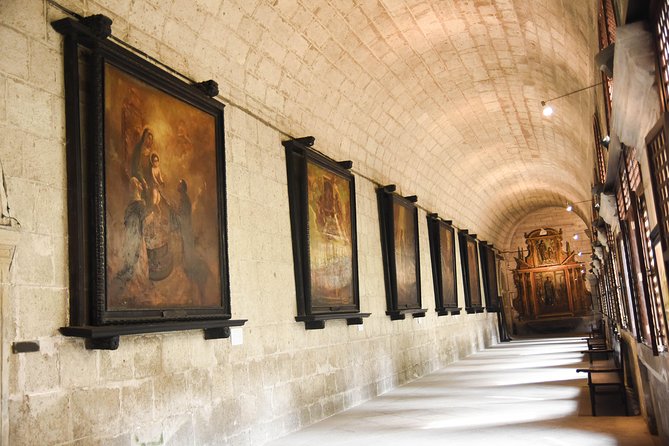
Intramuros can look simple on a map. It is a compact walled district with churches, plazas, reconstructed houses, museums, and military remains. Yet the meaning of each place changes when you understand how Spanish colonial rule, Catholic power, trade, war, and independence overlap.
That is where this tour earns its keep. You are not simply walking from one photogenic building to another. The route gives you a basic timeline of more than 300 years, then places that timeline against actual streets and rooms.
I especially like the way the experience begins at San Agustin Church and ends at Fort Santiago. The opening stop introduces religious and colonial Manila. The final stop shifts toward military rule, national heroes, and the independence movement. It gives the morning a clear shape.
The small-group setup matters, too. With a maximum of 15 people, you should have a better chance to hear the guide than on a large coach tour. Several guests ended up in groups of only one to three people, allowing guides to adjust explanations to individual interests. That is a pleasant bonus, but you should not assume every departure will be that intimate.
You can also read our reviews of more historical tours in Manila

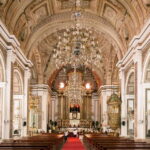
Starting at San Agustin Church
Meet your guide at San Agustin Church on General Luna Street. This is a practical starting point because the church is one of Intramuros’ essential sights and an easy place to identify.
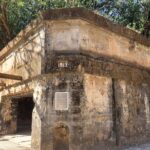
You begin with about 10 minutes at the church itself. The visit is brief, but the building carries major historical weight. It is the oldest stone church in the country and the only survivor of the bombing of Manila during World War II, according to the tour description.
That fact gives the opening stop real force. You are looking at more than an old religious building. You are seeing one of the few surviving links between colonial Manila and the city that emerged after the war.
The church visit does not include an admission charge, and the guide uses it as a starting point for explaining Spanish influence and the Catholic Church in the Philippines. If church architecture is your main interest, you may want more time than the planned 10 minutes allows. The tour is designed as an introduction, not a slow architectural study.
Museo San Agustin and the global galleon trade
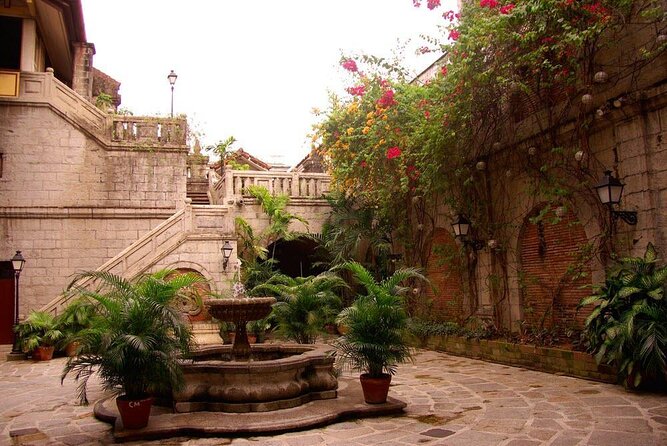
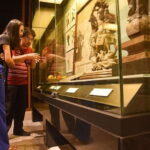
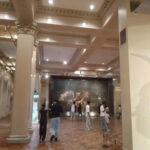
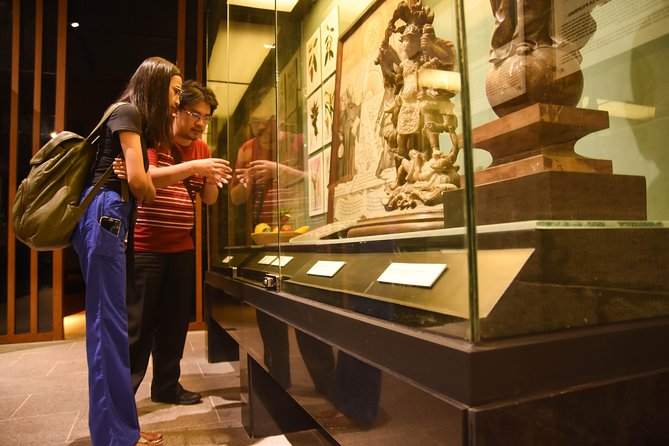
Next, you spend about 30 minutes in Museo San Agustin, beside the church. Admission is included, so there is no extra payment to handle during the visit.
The museum adds useful detail to what you see in the church. The focus includes the Catholic Church, religious artifacts from different centuries, and the Spanish Galleon Trade. That trade connected Manila with a far-reaching network, making the city part of a much larger exchange of goods, people, beliefs, and power.
This is one of the stops where a guide can make a real difference. Objects in a museum can blur together when you do not know what to look for. Jian and Jerome are praised for adding background and keeping the presentation lively, with Jerome in particular noted for using humor and questions to keep the group involved.
Thirty minutes is enough for an introduction, though not for every display. I would treat this as a focused visit that gives you the basic framework, rather than a chance to read every label. If museums are your priority, you may wish the tour lingered longer. If you want a clear explanation of how Manila fit into Spanish colonial networks, the timing is useful.
Casa Manila shows colonial life indoors
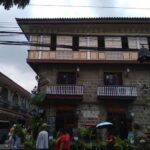
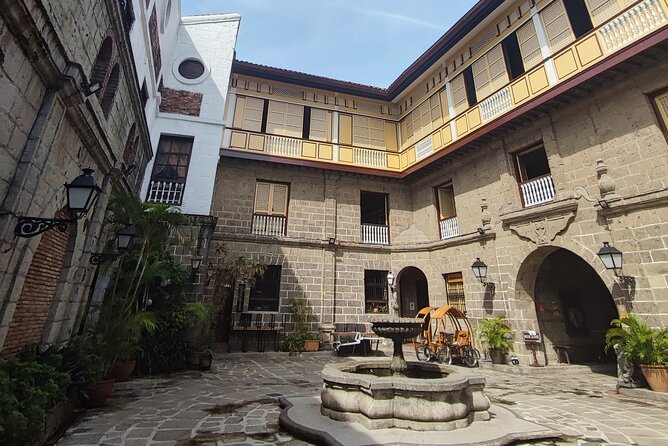
Casa Manila gives the tour a change of mood. Instead of a church or museum, you enter a recreation of an upper-class Manila home from around the turn of the 19th century. The planned visit lasts about 30 minutes, with admission included.
This stop helps you picture daily life among the wealthy during the Spanish period. Furnishings and room arrangements turn broad historical ideas into something easier to grasp. You see how colonial influence appeared inside a home, not just in government buildings, churches, and forts.
I like this part because it breaks up the chronology. After hearing about institutions and international trade, you get a domestic view of status and social life. The house also gives the guide a chance to explain how the colonial system shaped people beyond the battlefield.
The limit is that Casa Manila is a recreation, not a preserved home occupied by one historic family. That does not make it unhelpful, but you should understand what you are seeing. It is an interpretation of old Manila’s upper class, presented as a way to visualize the period.
Memorare Manila and the cost of wartime memory
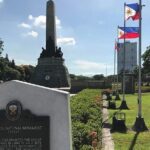
The route then moves to the Memorare Manila Monument for about 10 minutes. This memorial remembers innocent casualties of World War II and gives the guide a place to explain more about the Philippines during the conflict.
It is a short stop, but an important one. Intramuros is often presented through Spanish churches and colonial walls. Memorare Manila reminds you that the district’s story does not end with Spain. War changed Manila in a devastating way, and the monument places civilian suffering alongside the better-known military and political events.
The monument is free to visit. Ten minutes should be enough for an explanation and a moment of reflection, though it is not a long memorial visit. The value comes from the connection between the monument, San Agustin’s survival, and the later visit to Fort Santiago.



Manila Cathedral adds the national church perspective
The tour continues to Manila Cathedral for roughly 10 minutes. This is the seat of the Catholic Church in the Philippines, so it provides a different point of reference from San Agustin Church and its museum.
The stop is brief and admission is free. Do not expect an extended cathedral visit. Instead, consider it a chance to understand the role of Catholicism at a national level and to compare this church with the older Augustinian setting earlier in the route.
For a first visit to Intramuros, that comparison is useful. The tour does not treat the district as a collection of isolated attractions. It links religious buildings to colonial authority and the long place of Catholic institutions in Philippine life.
Fort Santiago closes the story with independence
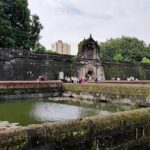
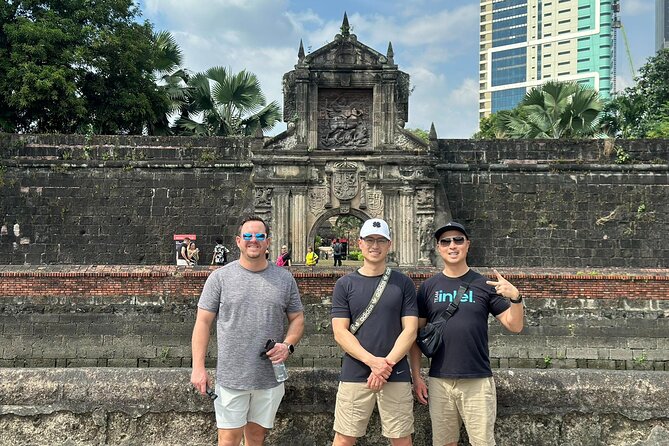
The final stop is Fort Santiago, where the tour ends. You spend about 30 minutes inside the old Spanish military fort, and admission is included.
Fort Santiago shifts the focus from religion and home life to military power and the movement for independence from Spain. The guide also discusses one of the Philippines’ heroes, giving the final section a stronger national and political focus.
This is a satisfying endpoint because the fort gathers several themes from the morning. Spain’s control appears in the walls and military function. Filipino resistance appears in the discussion of independence. World War II returns as part of Intramuros’ later story.
The tour ends here rather than at San Agustin Church. That matters when you plan the rest of your day. You will already be inside Intramuros, but you should arrange your next move from Fort Santiago instead of expecting a return transfer.
The planned 30 minutes is enough for a guided introduction. It may feel short if you want to explore the fort at length, photograph every corner, or read all the historical material. You can always decide if you want to remain longer after the official tour, but the provided experience itself ends at the fort.
The guides are the heart of the experience
The strongest part of this tour is not a single building. It is the guide’s ability to connect the sites.
Jian is praised for detailed explanations of Filipino history, Spanish influence, culture, and local life. His calm, friendly approach worked well for solo participants and families with young adult children. Several people found that he added useful information about Manila beyond Intramuros, including suggestions for other places to visit.
Jerome receives similar praise, with particular attention to his humor, cordial manner, and ability to make history feel active rather than dry. He is also noted for discussing Filipino languages and national history. That combination can be valuable if you want more than dates and building names.
Patrick is mentioned as part of a particularly informative guiding team. The overall pattern is clear: the tour depends heavily on who leads your departure, but the named guides are praised for being personable and well prepared.
A good tip is to ask questions early. The tour can be tailored when the group is small, and solo participants received explanations suited to their interests. If you want extra time at a certain site, say so. One unhappy experience involved a rushed pace and incomplete stops, with the operator attributing it to a misunderstanding about how quickly the group wanted to move. Clear communication can help prevent that problem.
Is $55 a fair price?
At $55 per person, this is not the cheapest way to walk around Intramuros. You can see several sites independently for less if you are willing to research the district, arrange entry fees, and build your own historical context.
The price makes more sense if you value structure and explanation. It includes all entrance fees, bottled water, and an English-speaking guide. You also avoid losing time figuring out which buildings to enter and how the sites connect.
The small-group format improves the value compared with a large sightseeing group. A cap of 15 keeps the tour manageable, and a much smaller departure may give you a nearly private experience without the cost of hiring a private guide.
Still, I would not book this expecting six long, equal-length visits. Three stops receive about 30 minutes each, while the church, monument, and cathedral receive about 10 minutes each. The tour is a compact introduction. If you already know Philippine history or want extended museum time, the price may feel high.
For a first-time visitor with only part of a day, I think the cost is easier to justify. You get a guided route, covered admissions, and a useful historical framework, then keep the rest of the day open.
Who should book this Intramuros walk?
I would recommend it most strongly to first-time visitors to Manila who want a clear introduction without spending an entire day on one district. It also suits solo visitors, couples, families with older children, and anyone who prefers history explained on site.
It is a good match if you enjoy asking questions. The guides’ strongest qualities are their ability to add context, explain culture, and adjust the conversation to the group.
You should think twice if you dislike guided pacing or prefer to linger at every attraction. The schedule is tight, and one guest felt the route was rushed. It is also less appealing if your main goal is photography, since the tour gives you limited time at several stops.
Wear comfortable footwear and be prepared for a walking tour through a historic district. Bottled water is included, but you should still plan around Manila’s weather. The experience requires good weather, and poor conditions can lead to a new date or a full refund.
Free cancellation is available when you cancel at least 24 hours before the start time. Changes or cancellations made less than 24 hours in advance are not accepted for a refund.
Should you book Explore Intramuros?
Book this tour if you want the story of Intramuros more than a checklist of buildings. The route covers religion, colonial homes, global trade, wartime loss, military rule, and independence in about three hours.
I especially like it for a first morning in Manila. You get your bearings, learn why the major sites matter, and finish with the rest of the day free. The strongest reason to book is the guide, particularly if Jian or Jerome is leading and you enjoy an informative, personable presentation.
Skip it if you already have a detailed plan for Intramuros, want long unhurried visits, or are highly price sensitive. For everyone else, the included admissions and small-group format make $55 reasonable, provided you treat the experience as a guided historical introduction rather than an exhaustive tour.
FAQ
How long does the Intramuros tour last?
The tour lasts approximately three hours.
Where does the tour begin?
It begins at San Agustin Church on General Luna Street in Intramuros, Manila.
Where does the tour end?
The tour ends at Fort Santiago inside Intramuros.
What sites are included?
The route includes San Agustin Church, Museo San Agustin, Casa Manila, Memorare Manila Monument, Manila Cathedral, and Fort Santiago.
Are entrance fees included?
Yes. All entrance fees listed for the tour are included in the price.
Is bottled water provided?
Yes. Bottled water is included.
Is the tour conducted in English?
Yes. An English-speaking guide is included.
How large is the group?
The tour has a maximum of 15 participants.
Is private transportation included?
No. Private transportation is not included.
Can I cancel for a full refund?
Yes, if you cancel at least 24 hours before the experience start time. Cancellations made less than 24 hours in advance are not refunded.
What happens if bad weather cancels the tour?
If poor weather causes a cancellation, you will be offered a different date or a full refund.