Cebu Historic and Views Tour Pickup Dropoff and Lunch (private)
Cebu packs centuries into one day. This private outing combines the city’s most important Spanish-era sites with the National Museum, Taoist Temple, Sirao Gardens, Temple of Leah, lunch, and wide views from Busay. I like the private vehicle and flexible pace, and I like having one guide explain both the religious history downtown and the modern Cebuano culture found in the hills.
The main drawback is the schedule. Six to seven hours is enough for a strong first look, but not enough for long visits at every stop, especially if traffic slows the drive between the city center and Busay. Weather also matters, since the highland stops are outdoor attractions.
In This Review
- Key points to know before booking
- Why this private Cebu tour works well
- Beginning at the Basilica and Magellan’s Cross
- Seeing Filipino life at the National Museum
- Walking through Fort San Pedro
- Visiting the Taoist Temple in Cebu City
- Lunch, Cebuano flavor, and a change of scenery
- Sirao Gardens and the Busay highlands
- Temple of Leah and Cebu’s grand hilltop view
- The guide can make or break the day
- Timing, transport, and practical limits
- Who should book this Cebu day tour?
- Should you book it?
- FAQ
- How long does the Cebu Historic and Views Tour take?
- Is this a private tour?
- Is pickup and drop-off offered?
- Is lunch included?
- Which admissions are included?
- What happens if the weather is poor?
- What is the cancellation policy?
Key points to know before booking
- Seven major stops in six to seven hours: You cover churches, a museum, a fort, two temples, and two highland attractions in one day.
- Private touring keeps the day flexible: Your own group travels together, and guides have adjusted timing or stops when weather caused problems.
- Paul receives the strongest praise: He is described as punctual, friendly, careful on the road, fluent in English, and happy to take photos.
- Lunch is part of the experience: You can enjoy Cebuano lechon or choose a scenic setting for the meal, with food and drinks noted as included.
- The route shifts from history to views: Downtown Cebu supplies the historical core, while Busay provides fresh air, gardens, and hilltop scenery.
- Plan around weather and traffic: Poor weather can lead to a new date or full refund, while city traffic may affect the start and finish.
Why this private Cebu tour works well
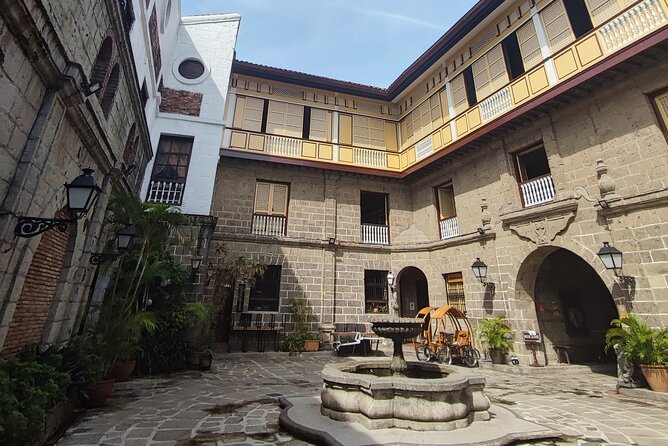
Cebu can feel scattered. The old churches and forts sit in the historic center, while the Taoist Temple, Sirao Gardens, and Temple of Leah are up in the Busay highlands. This tour solves that problem with private transport and a guide who stays with you at the stops.
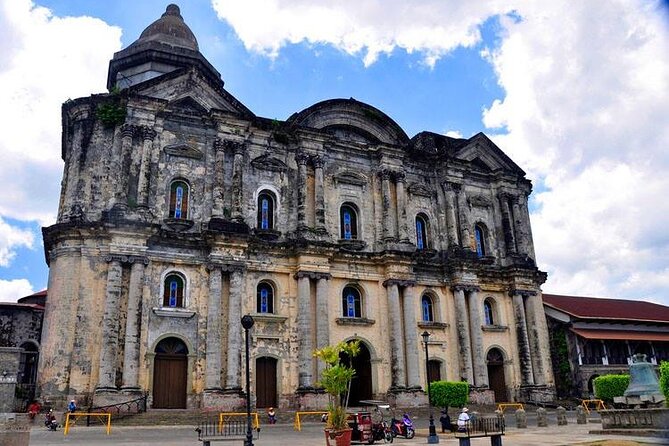
That matters because the day is not just a series of photo stops. At the Basilica, you learn how Catholicism took root in the Philippines. At Fort San Pedro, you get a clearer sense of Spanish military rule. At the National Museum, the focus widens to Filipino life, trade, plants, animals, rocks, and whale sharks.
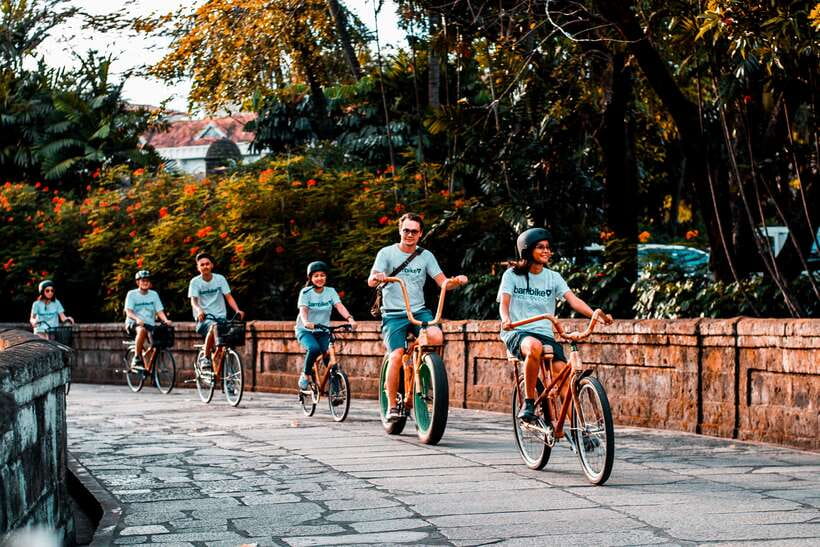
The private setup is especially useful for couples, families, and small groups who do not want to match the pace of strangers. The most praised guides, particularly Paul, have allowed people to take their time rather than pushing everyone from one location to the next. The tour has received a 4.8 rating from 26 ratings, with 92 percent recommending it.
At $85 per person, the value depends on your group size and priorities. You are paying for a full day of private transport, a driver-guide, admission to several paid attractions, lunch, and a route that would be awkward to arrange independently in one day. It is less attractive if you only want a short downtown walk or prefer to spend an hour or more at each historic site.
You can also read our reviews of more private tours in Cebu


Beginning at the Basilica and Magellan’s Cross
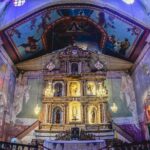
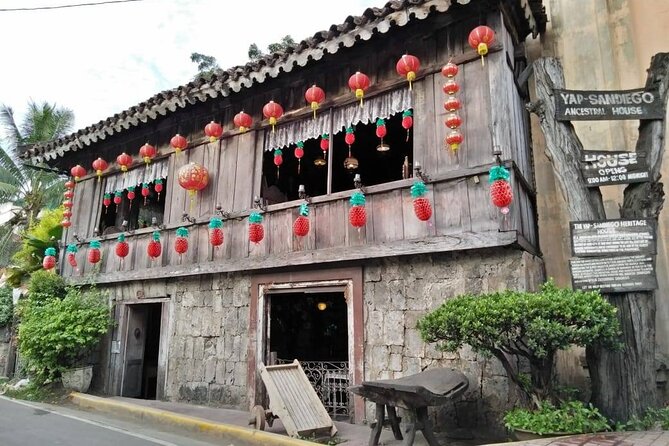
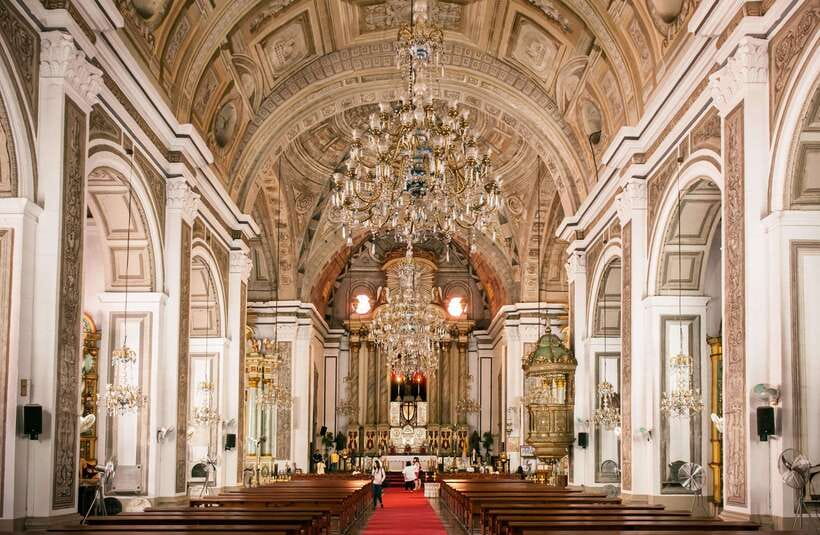
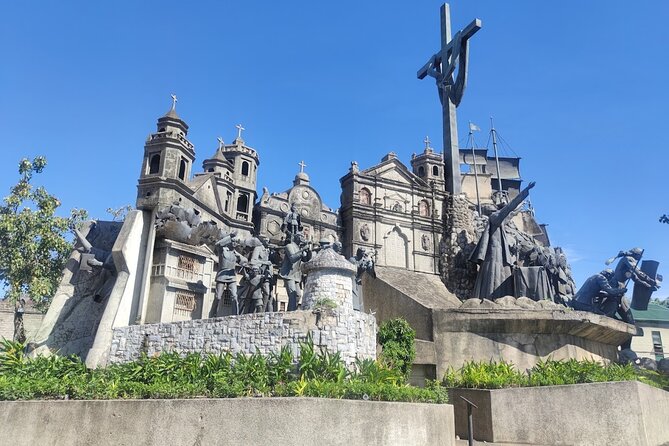
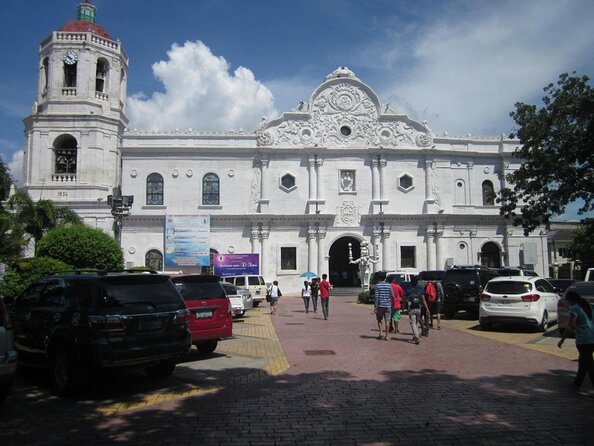
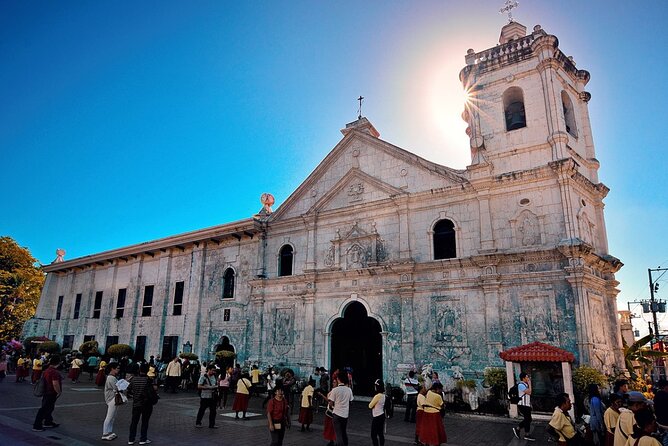
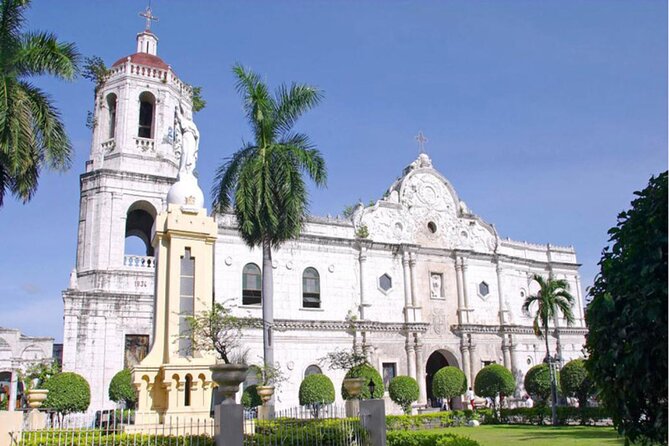
The tour begins at the Basilica Minore del Sto. Niño de Cebu, one of the city’s key Catholic sites. Your guide accompanies you inside and outside, explaining the story behind the church and the arrival of the Santo Niño tradition.
One small but memorable part of the visit is the chance to get a Sinulog from the candle vendors. These candles are lit for the Santo Niño, and the scene gives you a glimpse of living religious practice rather than only looking at an old building.
The planned visit lasts about 45 minutes. That is a useful amount of time for orientation and explanation, though it will feel brief if the church is busy or you want to linger in prayer. Your guide can help connect the site to the wider story of Spanish influence in the Philippines, which lasted 333 years.
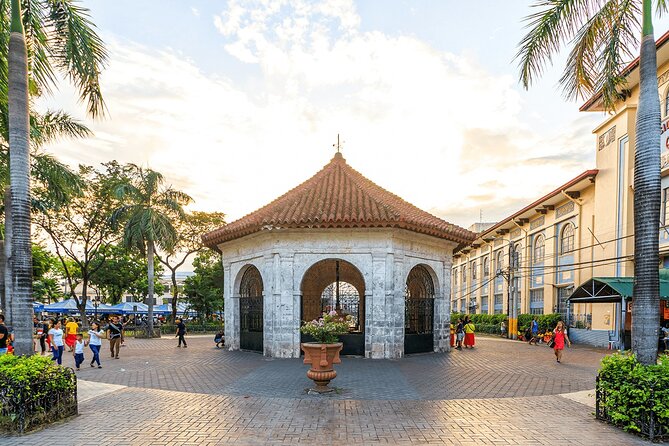
Magellan’s Cross is next, with about 10 minutes set aside. This is a quick stop, but it carries major symbolic weight. Your guide explains the cross and its place in Cebu’s story, giving context that a fast photograph alone would miss.
Do not expect a long, quiet visit here. The stop is compact by design. Its value comes from pairing it with the basilica, so you see both the religious symbol and the Catholic tradition that developed around it.
Seeing Filipino life at the National Museum
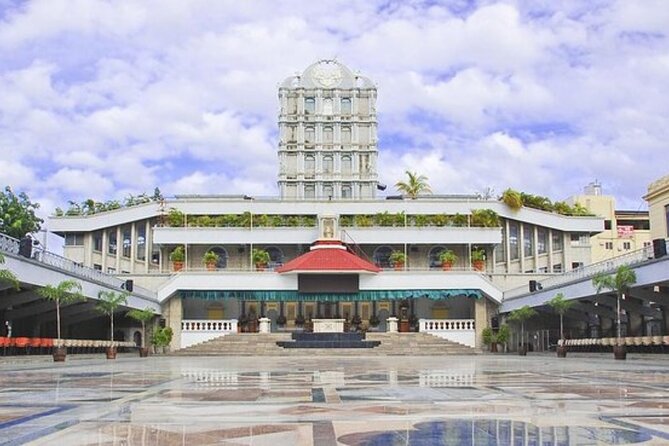
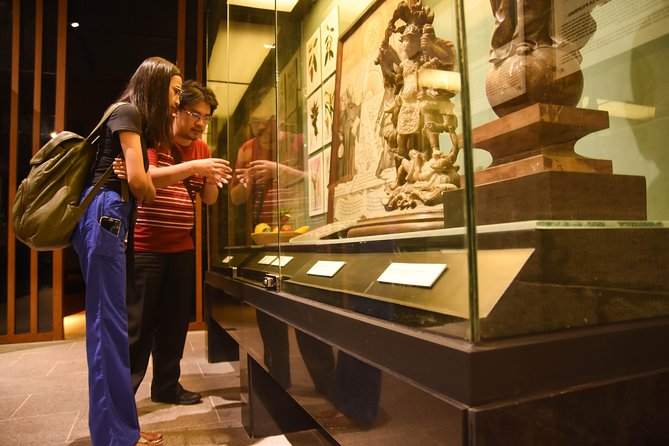
The National Museum of the Philippines in Cebu gives the day a welcome change of pace. Instead of focusing only on Spanish rule and religious buildings, the museum presents subjects tied to the country’s natural world and daily life.
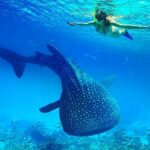
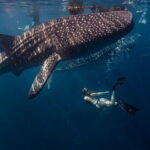
You can learn about trade, Filipino life across the years, plants, animals, rocks, and whale sharks found in the Philippines. The scheduled visit is about 50 minutes, and admission is included.
I like this stop because it gives the earlier church visits a wider frame. Cebu’s story is not only about colonization. It also includes local commerce, natural resources, changing ways of life, and the people who lived here before and after the Spanish period.
Fifty minutes is enough for a useful introduction, but not for every display. If museums are your main interest, you may wish for more time. For a first visit to Cebu, though, this is a sensible stop and one of the better ways to understand the country beyond its famous monuments.
Walking through Fort San Pedro
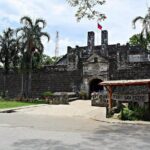
Fort San Pedro is the tour’s clearest military heritage stop. Your guide accompanies you from the ticket booth through the fort, explaining the site as you go. The visit is planned for about 50 minutes, and admission is included.
The fort helps make Spanish colonial history more concrete. Churches and crosses show the religious side of the period, while this fortified site points to defense, authority, and the strategic importance of Cebu.
This is another place where a guide adds real value. Without explanation, a fort can become a quick circuit of walls and rooms. With historical context, you can better understand why the site was built and how it fits into Cebu’s past.
The route includes several stops with similar visit lengths, so you should expect a steady day rather than an unhurried heritage walk. If you enjoy taking photographs, let your guide know early that you want time for them. Paul has been praised for taking pictures and allowing people to set their own pace.
Visiting the Taoist Temple in Cebu City
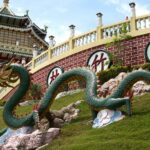
The Taoist Temple introduces a different religious and architectural tradition. It is open to worshippers and non-worshippers, and the grounds feature classical Chinese architecture, sculptures, and calligraphy.
The planned visit lasts about 30 minutes. That is enough to see the main features and enjoy the setting, though it leaves little room for a slow, reflective visit. The tour’s purpose here is to show how Cebu’s culture includes more than its Spanish and Catholic past.
The temple also gives you a break from the downtown heritage sites before the route continues higher into Busay. Its architecture and hillside setting make it one of the more photogenic parts of the day, but treat it as a place of worship first and a photo stop second.
You can also read our reviews of more historical tours in Cebu
Lunch, Cebuano flavor, and a change of scenery
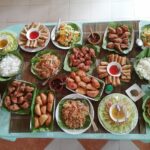
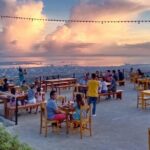
Lunch is built into the day, which makes the long route easier. The experience highlights Cebuano lechon, a local pork specialty, and also allows for a scenic meal option. Food, drinks, and rest stops are described as included.
The exact meal setting can depend on the day and the choice you make. If you want the classic Cebu food experience, choose the lechon option. If views matter more to you, ask about the scenic setting before the tour begins so expectations are clear.
This is not simply a practical meal break. It is one of the points where the tour shifts from formal history to local food and everyday culture. You get a chance to talk with your guide, pause in the heat, and enjoy the scenery without having to search for a restaurant while watching the clock.
Because the tour covers a lot of ground, lunch also protects the schedule. You will not need to leave the route to arrange your own meal. Still, anyone with strict dietary needs should confirm the available food choices before booking, since the supplied details focus on lechon and a scenic meal rather than a full menu.
Sirao Gardens and the Busay highlands
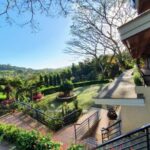
Sirao Pictoral Garden, also called the Little Amsterdam of Cebu City, is the tour’s most playful photo stop. The garden is known for colorful displays and posed photographs, and the planned visit lasts about 40 minutes.
You should come here expecting an attraction designed for pictures, not a quiet botanical garden visit. That is not a criticism. If you want bright backdrops and a lighter break after the museum and fort, Sirao fits the bill.
The highland setting also brings fresher air than the city below. Since the garden is outdoors, rain can affect the experience. Good weather is important for this part of the route, and poor conditions can result in a different date or a full refund.
The drive to the highlands is one reason private transport is useful. You do not have to work out separate rides between downtown Cebu and Busay, and you can stay with your own group. Traffic may still stretch the day, so avoid scheduling an important evening commitment immediately afterward.
Temple of Leah and Cebu’s grand hilltop view
Temple of Leah is often called the Taj Mahal of Cebu. The comparison points to its memorial purpose and grand design, but the site has its own Cebuano identity. It contains 24 chambers, including a library, bar, museum, and gallery.
The planned visit lasts about 40 minutes. That allows time to see the main spaces, hear the story of the temple, and enjoy its hilltop views. Your guide can help explain why the site is considered one of Cebu City’s cultural and historic attractions.
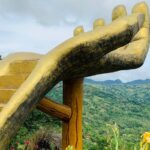
For many people, this will be one of the day’s most striking stops. The architecture is large and theatrical, while the high position gives you a broader view over Cebu. It also contrasts nicely with the older, more restrained heritage sites downtown.
The limitation is time. Twenty-four chambers would reward a longer visit, but the tour has to keep moving. If Temple of Leah is your main reason for booking, ask your guide at the start whether the timing can be adjusted within the private schedule.
The guide can make or break the day
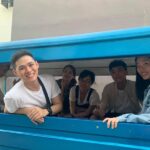
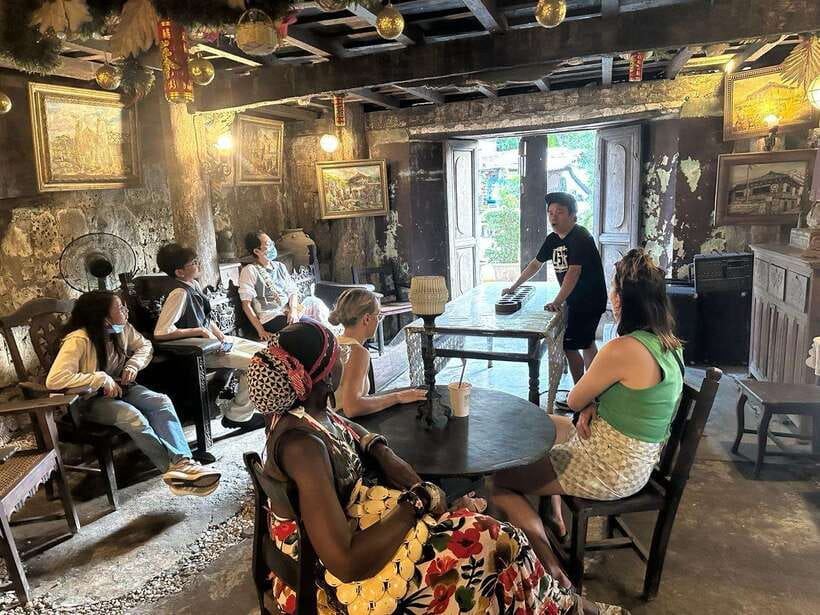
The strongest part of this experience is the driver-guide service. Paul is repeatedly praised for arriving on time, making contact through WhatsApp the day before, driving carefully, speaking fluent English, and explaining the sites in a warm, personal way.
He has also been described as someone who joins you at each stop rather than simply dropping you off. That distinction matters. A private car is useful, but a car alone does not explain the history of the basilica, fort, museum, or temples.
Other names connected with the service include Regen or Regan and Albert, so your assigned guide may vary. Paul receives the clearest and most consistent praise, but you should confirm the guide and pickup details before the day.
One poor experience involved a delayed pickup and a substitute guide after a typhoon had injured the main guide. The operator accepted responsibility and offered a refund or free tour. This is a reminder to confirm the pickup time on the morning of the tour, especially after severe weather.
Timing, transport, and practical limits
The advertised duration is approximately six to seven hours. That is a full half-day and may become longer if traffic or weather causes delays. The route covers several parts of Cebu, so private transport is far more convenient than trying to connect the stops by public transport.
Pickup and drop-off are offered, and the activity is private, meaning only your group participates. Confirmation is provided at booking, mobile tickets are available, and the experience is near public transportation.
Most people can participate, according to the supplied information. The tour does involve moving through churches, a fort, a museum, temples, gardens, and a large memorial complex, so you should be ready for a varied day rather than a single guided walk.
Free cancellation is available up to 24 hours before the local start time for a full refund. Changes or cancellations inside that window are not accepted for a refund. If poor weather cancels the experience, you are offered another date or a full refund.
Who should book this Cebu day tour?
I would choose this tour if you have limited time in Cebu and want a broad introduction rather than a slow study of one subject. It suits first-time visitors, couples, families, cruise or short-stay visitors, and anyone who values a private vehicle and a guide who can adjust the pace.
It is also a good fit if you want both history and photos. The basilica, Magellan’s Cross, museum, and Fort San Pedro provide substance, while Taoist Temple, Sirao Gardens, and Temple of Leah bring architecture, color, and hill views.
I would hesitate if you dislike scheduled sightseeing or want to spend a long time at each site. The 10-minute Magellan’s Cross visit and the 30 to 50-minute stops are designed for coverage. You get a lot, but you will not master every attraction in one day.
Should you book it?
Book this private Cebu tour if you want the city’s main historic sites, a museum, Cebuano food, and Busay’s highland attractions in one organized day. The $85 price is reasonable when you value private transport, included admissions, lunch, and personal guiding.
Before booking, confirm the pickup time, assigned guide, lunch preference, and weather plan. If Paul is available, his record of punctuality, careful driving, clear explanations, photos, and relaxed pacing makes him a particularly strong match for this experience.
FAQ
How long does the Cebu Historic and Views Tour take?
The tour lasts approximately six to seven hours.
Is this a private tour?
Yes. Only your group participates in the activity.
Is pickup and drop-off offered?
Yes. Pickup and drop-off are offered.
Is lunch included?
Yes. Lunch is included, with Cebuano lechon or a scenic lunch option described as available. Food and drinks are also noted as included.
Which admissions are included?
Admission is included at the National Museum of the Philippines in Cebu, Fort San Pedro, Taoist Temple, Sirao Pictoral Garden, and Temple of Leah. The Basilica Minore del Sto. Niño de Cebu and Magellan’s Cross list free admission.
What happens if the weather is poor?
The experience requires good weather. If it is canceled because of poor weather, you are offered a different date or a full refund.
What is the cancellation policy?
You can cancel at least 24 hours before the local start time for a full refund. Cancellations or changes made less than 24 hours before the start are not accepted for a refund.