

Manila Chinatown Food Tour Experience
Come hungry, leave curious. This two-hour walk through Binondo, Manila’s famous Chinatown, mixes Filipino-Chinese street food with local transport and old city landmarks. I like the chance to try food while moving through real neighborhood streets, and I like that guide Venus brings an upbeat, personal touch to Filipino culture.
The tuk-tuk and jeepney rides add more than simple transport. They make the outing feel connected to daily Manila life rather than a restaurant crawl. The main caution is that the food list may feel incomplete for the price, since several well-known Binondo specialties are not included.
In This Review
- Five things to know before you book
- Why Binondo makes a good food tour setting
- Meeting Venus at Tutuban Center Mall
- The first tastes: Filipino street food in Chinatown
- What the food omissions mean for the $65 price
- Riding a tuk-tuk and jeepney through downtown Manila
- Old buildings and the history you actually receive
- The final stretch and the risk of a rushed ending
- Who will enjoy this two-hour experience
- Who should choose another plan
- Practical advice for making the tour better
- Final verdict: book it for guidance, not a complete food crawl
- FAQ
- Where does the Manila Chinatown Food Tour begin?
- How long does the tour last?
- What language is the tour conducted in?
- Who guides the experience?
- Is food included?
- Is transportation included?
- Can children join the tour?
- What happens if it rains?
- Can I cancel for a refund?
Five things to know before you book
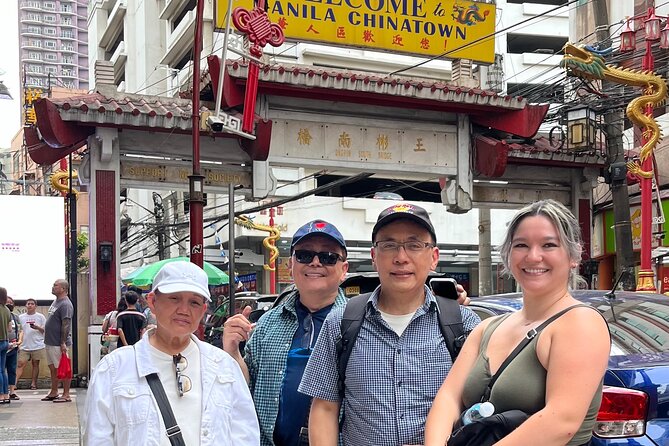
- Shanghai fried siopao and Lord Stow’s egg tart are among the specific foods praised on the tour.
- Tuk-tuk and jeepney rides are part of the experience, giving you a taste of local transport.
- Venus, also called V, is described as warm, informative, and passionate about Filipino culture.
- Fresh lumpia, kutchay dumplings, and hand-pulled noodles are not guaranteed, so do not book this expecting a full survey of every famous Binondo dish.
- The tour runs for two hours, rain or shine, and starts at the entrance of Tutuban Center Mall.
- Traffic can be slow, especially if you are coming from another part of Manila, so allow extra time before the meeting point.
Why Binondo makes a good food tour setting
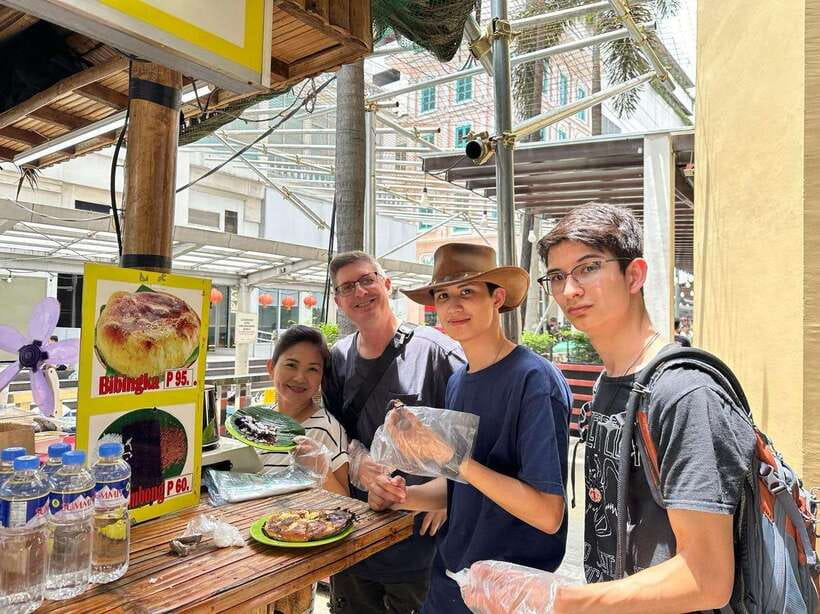
Manila’s Binondo district is recognized as one of the oldest Chinatowns in the world. It is a place where Chinese and Filipino customs, cooking methods, businesses, and celebrations have mixed over many generations.
That blend is the real reason to take a food walk here. You are not simply sitting down for a Chinese meal. You are moving between streets, shops, food counters, transport routes, and old buildings while tasting dishes shaped by both Chinese and Filipino cooking.
The experience also includes parts of downtown Tondo and Binondo. This matters because it widens the view beyond the polished version of Chinatown. You get a sense of how food, commerce, and ordinary city life fit together.
I would approach the tour as a guided introduction rather than a final list of Manila’s best dishes. Two hours is enough to get your bearings and sample several foods, but not enough to cover every important restaurant and specialty in the district.
Meeting Venus at Tutuban Center Mall
The meeting point is the entrance of Tutuban Center Mall, a practical place to begin in an area where traffic and street activity can make a first meeting confusing.
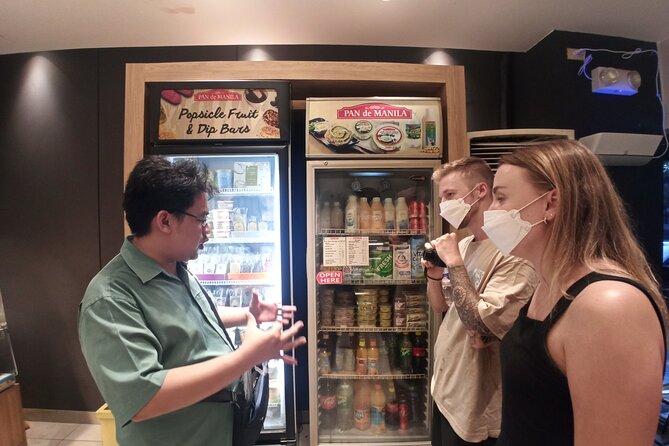
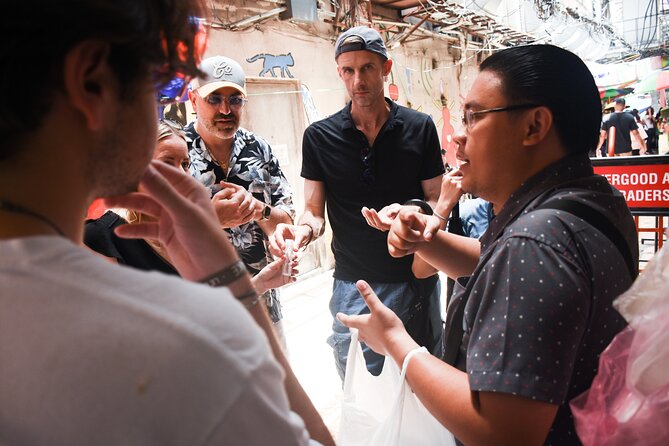
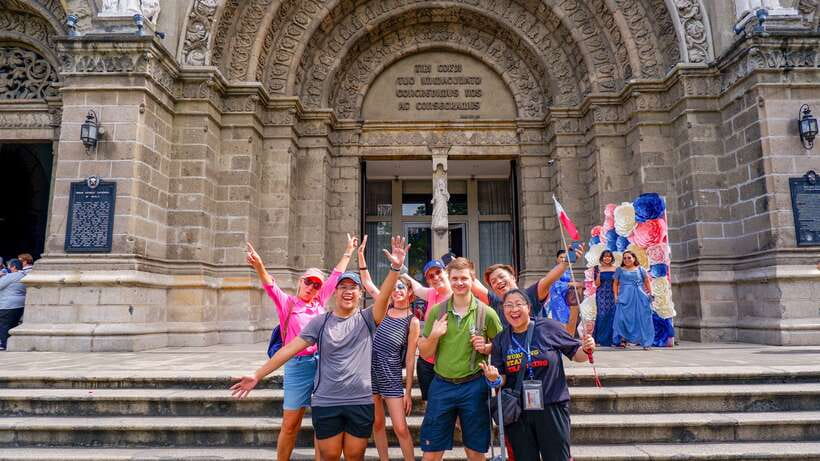
The tour is led in English by Venus, who is also referred to as V. Her strongest contribution is cultural context delivered in a friendly way. If you enjoy asking questions, this is the kind of tour where you should speak up. The tour information specifically encourages questions, and one of the strongest impressions from the experience is Venus’s energy and passion.
Bring questions about Filipino-Chinese food, local customs, the neighborhood, and transportation. A guide can turn a short stop into a useful explanation, but only if you show interest. This is not a silent tasting line.
Give yourself extra time to reach Tutuban Center Mall. Traffic caused one person to arrive later than expected, particularly when coming from farther away. Manila traffic can eat into a two-hour activity quickly, so arriving early is a sensible part of the plan.
The first tastes: Filipino street food in Chinatown
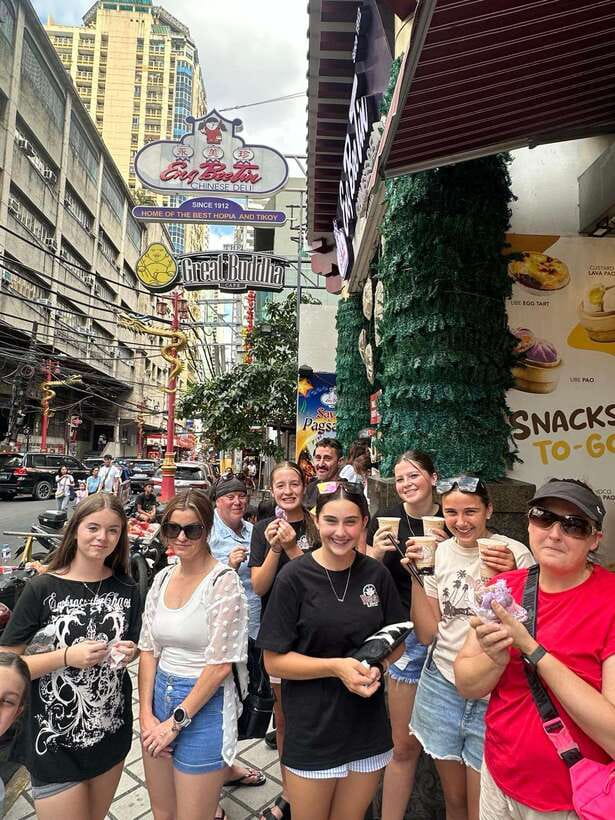
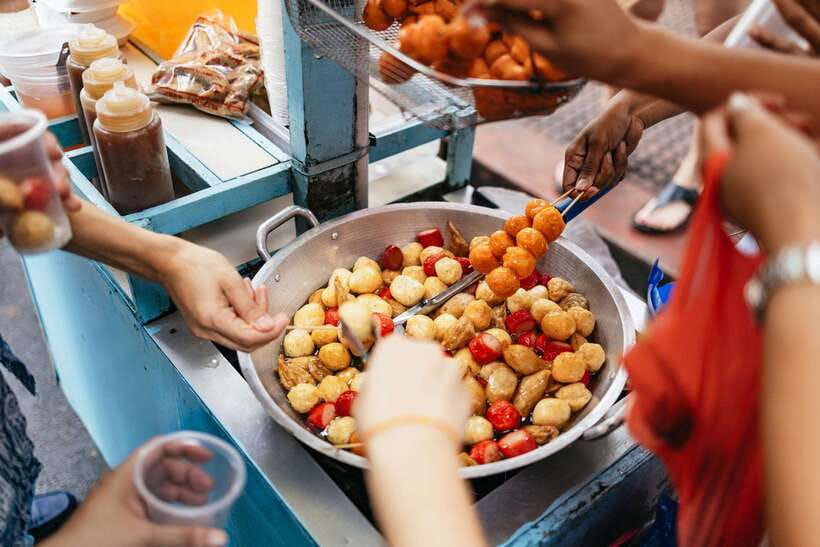
The central appeal is the steady movement between food stops. You can expect Filipino street food and Filipino-Chinese dishes rather than a formal restaurant meal.
The food may be sweet, savory, or spicy, with the Chinese and Filipino influences shifting from stop to stop. The tour includes bottled water, which is useful in Manila’s heat and helps between tastings.
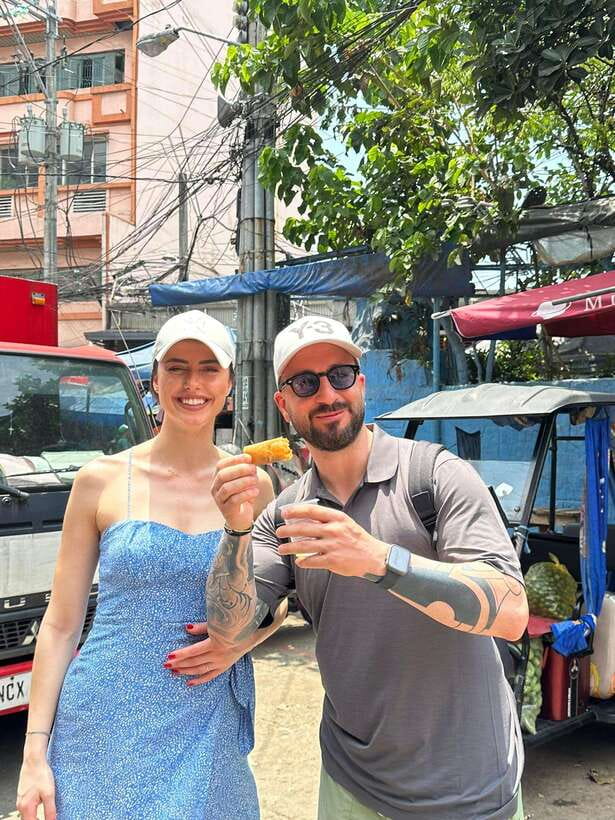
One specific favorite is Shanghai fried siopao. Siopao is a familiar Filipino-Chinese bun, and the fried version brings a crisp outside to the soft, filled center. It gives the tour a good example of how a common food can appear in a less familiar form.
Another praised stop is Lord Stow’s egg tart. The pastry offers a sweet finish and a change of pace from savory street food. Including it helps keep the tasting sequence from becoming a long stretch of similar dumplings, buns, and noodles.
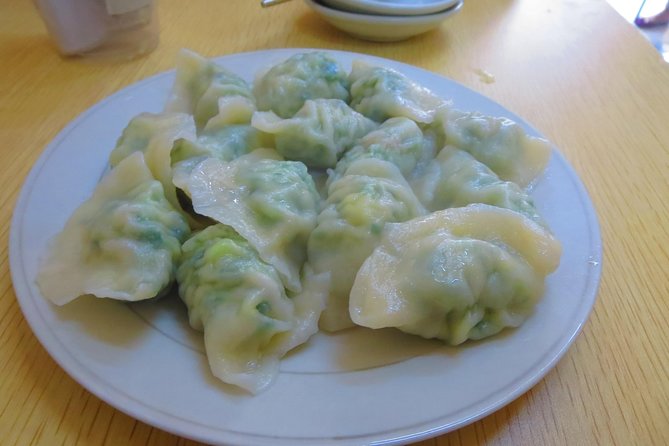
Still, I would keep your expectations measured. The available food list does not promise a fixed, exhaustive menu, and one participant felt the experience missed several signature Binondo dishes. In particular, New Po Heng Lumpia House’s fresh lumpia, Dong Bei Dumplings’ kutchay dumplings, and Lan Zhou La Mien’s hand-pulled noodles were not included.
That does not make the tour poor. It does mean the $65 price needs to be judged as payment for a guided neighborhood experience, food tastings, water, and transport, not as a guaranteed greatest-hits meal.
What the food omissions mean for the $65 price
At $65 per person, this is not a low-cost snack stop. The value depends on what you want from the afternoon.
If you want a guide, cultural conversation, several tastings, and a taste of local transport, the package has real appeal. You are paying for orientation in a complicated district, not just for the food itself. A good guide can save you the trouble of guessing where to go and can help you notice cultural details you might otherwise pass.
If your main goal is to eat the most famous Binondo dishes, the value is less certain. The missing fresh lumpia, kutchay dumplings, and hand-pulled noodles are important omissions for a serious food-focused visit. You may need to return on your own afterward and pay again for the dishes that interest you most.
I would think of this tour as a short introduction with transport included. It is useful on a first Manila visit, especially if you feel unsure about navigating Binondo. It is less convincing for someone who already knows the district and wants a carefully planned tasting menu.
Also check the exact booking details before paying, since the supplied information identifies the location as Manila’s Binondo area while the general location field says Nueva Vizcaya. The meeting point and description clearly point to Tutuban Center Mall in Manila, but this unusual mismatch is worth confirming.
Riding a tuk-tuk and jeepney through downtown Manila
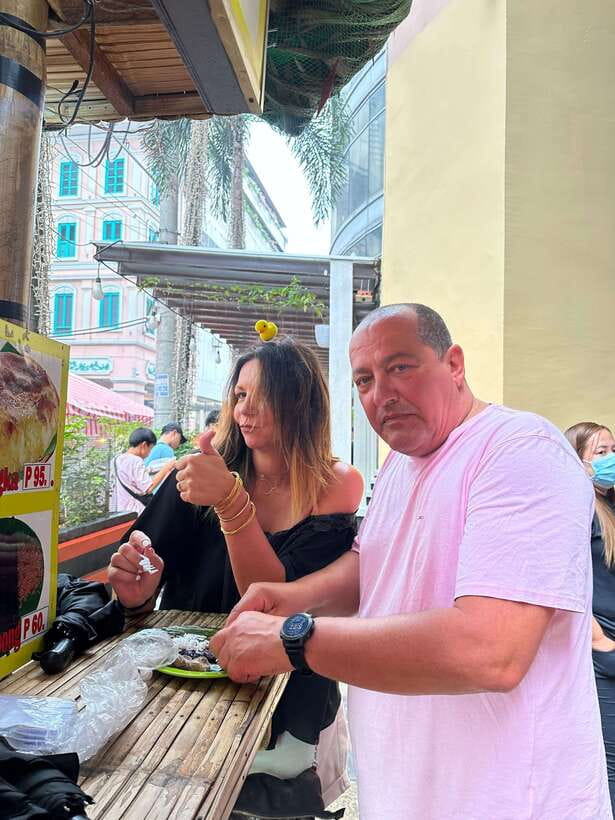
The transportation portion is one of the tour’s most memorable features. You get to ride a tuk-tuk and a jeepney, two very different ways to move through the city.
The tuk-tuk provides a compact, close-to-the-street ride. It is a simple way to cover short distances while staying connected to the sounds and movement around you.
The jeepney brings a stronger sense of local daily travel. Even a short ride can make the city feel less like a backdrop and more like part of the experience. This is also where the tour offers something that a standard restaurant walk cannot.
The transport is enjoyable, but it also affects the schedule. A two-hour tour includes walking, food stops, explanations, and rides. That leaves limited time for long meals or extended historical talks.
One point needs attention: the route may continue into a non-food portion after the two-hour mark. A person who had another activity booked in the same location had to leave before the tour was fully finished because the transition was not clear.
I would avoid scheduling anything immediately afterward. The official duration is two hours, but transport and the final part of the route may require a little flexibility.
Old buildings and the history you actually receive
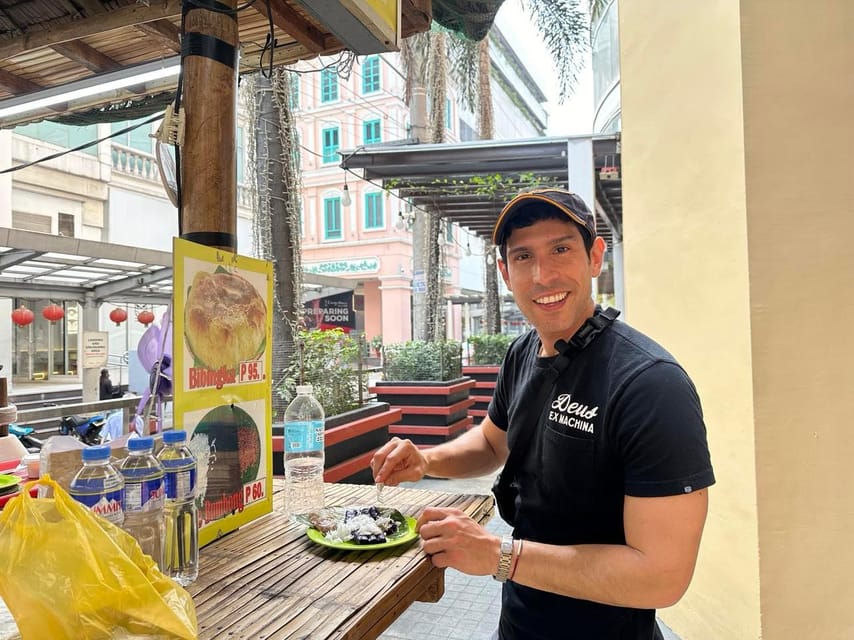
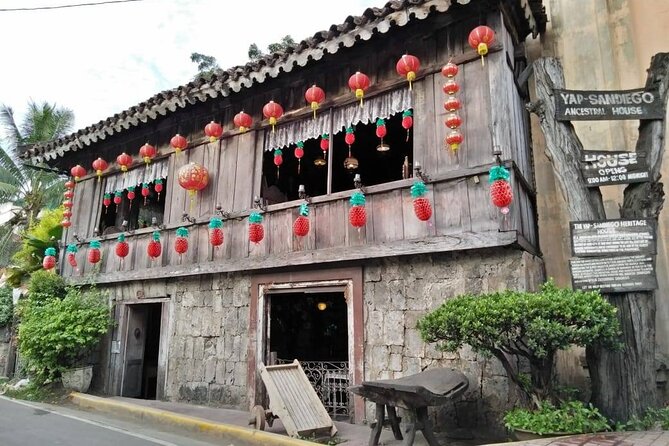
The tour promises historical landmarks and some of the oldest buildings in the area. Binondo is a strong setting for this because its identity is tied to long-standing Chinese Filipino communities, shops, religious traditions, and trade.
The sightseeing component gives the food a setting. A bun or dumpling means more when you are eating it in the district where Chinese and Filipino food traditions meet.
The main limitation is the amount of historical detail. One person felt the tour needed a fuller explanation of Chinatown’s past. That is fair criticism for an experience that presents itself partly as a cultural and historical walk.
You should expect useful local stories, but do not assume you will receive a long history lecture at every landmark. Venus is praised for explaining Filipino culture, yet the tour seems strongest when she is talking with the group and guiding the movement through the streets.
If history is your top reason for visiting Binondo, you may want to pair this food tour with a separate heritage walk or your own reading. If food and local transport matter more, the amount of history may be enough to give context without slowing the tour too much.
The final stretch and the risk of a rushed ending
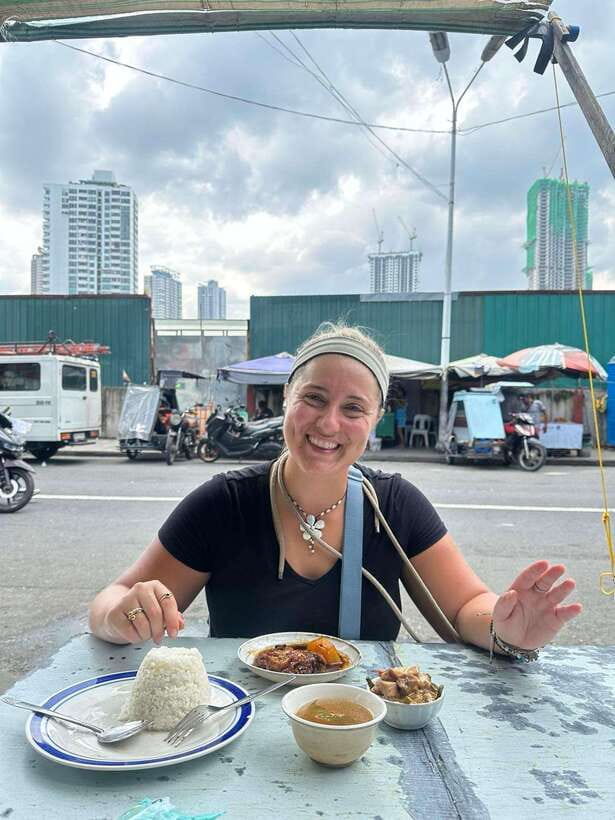
The end of the route deserves a little planning. The two-hour period may finish with more neighborhood exploration or transportation instead of one last food stop.
That can be a positive change of rhythm. After several tastings, walking through the district and seeing another part of Binondo or Tondo can help you understand the area as a living neighborhood.
But you need to know that the food may not continue right to the final minute. If you expect every part of the tour to involve eating, the ending may feel unclear.
I would tell the guide at the start if you have a strict departure time. That simple conversation could help you understand when the food stops finish and what the remaining route includes.
Who will enjoy this two-hour experience
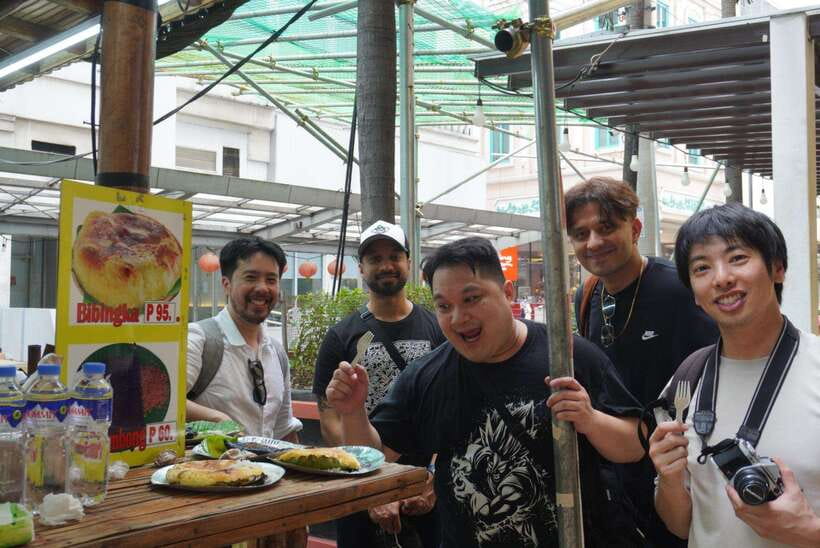
I think this tour suits you best if you:
- Are visiting Binondo for the first time
- Want a guide to explain Filipino culture in English
- Enjoy trying food without planning every stop yourself
- Want to ride a tuk-tuk and jeepney
- Prefer a short introduction rather than a full-day food crawl
- Like meeting people from different countries
- Are comfortable with a rain-or-shine walking activity
Families can join with children aged three and up. Since the tour includes street food and local transport, parents should be ready for a compact city outing rather than a relaxed sit-down meal.
This is also a good choice if you want to ask questions. Venus receives strong praise for her helpful manner and cultural explanations, and her energy appears to be a major part of the experience.
Who should choose another plan
I would look elsewhere if you want a precise list of famous restaurants and signature dishes. The absent fresh lumpia, kutchay dumplings, and hand-pulled noodles matter if your food priorities are specific.
You may also prefer a self-guided visit if you already know Binondo or dislike fixed routes. At $65, you could want more food, more history, or a longer schedule than this two-hour format provides.
Finally, do not book it if you need a hard stop at exactly two hours. The stated duration is two hours, but the ending may include additional movement that is not focused on tasting.
Practical advice for making the tour better
Arrive early at Tutuban Center Mall. Manila traffic can be unpredictable, and a late arrival can cut into an already short program.
Eat lightly before meeting the guide, but do not arrive dehydrated. The tour asks you to come hungry and includes bottled water.
Wear practical walking clothes and prepare for rain. The activity runs rain or shine, so a wet-weather plan is part of the deal.
Bring questions. Ask Venus about the Filipino side of the food, the Chinese influence, the old buildings, and the reason each dish matters. You will get more from the tour if you treat it as a conversation rather than a series of samples.
If you have time afterward, use the tour as a map for your own return visit. You can seek out the fresh lumpia at New Po Heng Lumpia House, kutchay dumplings at Dong Bei Dumplings, or hand-pulled noodles at Lan Zhou La Mien separately. These foods are not included in the experience, but knowing about them can help you build a second visit.
The booking terms are friendly for uncertain plans. You can cancel up to 24 hours before the activity for a full refund, and the reserve-now, pay-later option lets you hold a place without paying immediately. The supplied information also advises booking within 24 hours, so confirm the current availability and timing when you reserve.
Final verdict: book it for guidance, not a complete food crawl
I would book this tour if I wanted a lively first look at Binondo, a friendly English-speaking guide, Filipino-Chinese food, and local transport in one short outing. Venus appears to be the strongest part of the experience, and the tuk-tuk and jeepney rides add genuine local flavor.
I would not book it expecting every famous Chinatown dish or a detailed history of Manila’s Chinese community. At $65, the experience earns its value through the guide, route, transport, and cultural setting. The food alone may not justify the price for a dedicated eater.
For most first-time visitors, the best approach is to use this as an orientation. Let Venus show you the area, enjoy the siopao and egg tart, ask plenty of questions, and save time afterward for the dishes the tour does not cover.
FAQ
Where does the Manila Chinatown Food Tour begin?
The meeting point is at the entrance of Tutuban Center Mall.
How long does the tour last?
The stated duration is two hours. The final part may include neighborhood exploration or transport rather than food tasting, so allow some flexibility afterward.
What language is the tour conducted in?
The tour is conducted in English with a live guide.
Who guides the experience?
The local guide is Venus, also referred to as V.
Is food included?
Yes. The experience includes Filipino street food tastings, including food in the downtown Tondo and Binondo areas. Shanghai fried siopao and Lord Stow’s egg tart are specifically associated with the route, but a complete list of dishes is not provided.
Is transportation included?
Yes. The experience includes local transportation, with tuk-tuk and jeepney rides mentioned as part of the route.
Can children join the tour?
Children aged three and up are allowed.
What happens if it rains?
The tour operates rain or shine. You should prepare for wet weather before arriving.
Can I cancel for a refund?
You can cancel up to 24 hours in advance for a full refund. A reserve-now, pay-later option is also available.
More Tours in Philippines





More Tour Reviews in Philippines


Food Tours: how the alternatives stack up

The lists this tour appears in