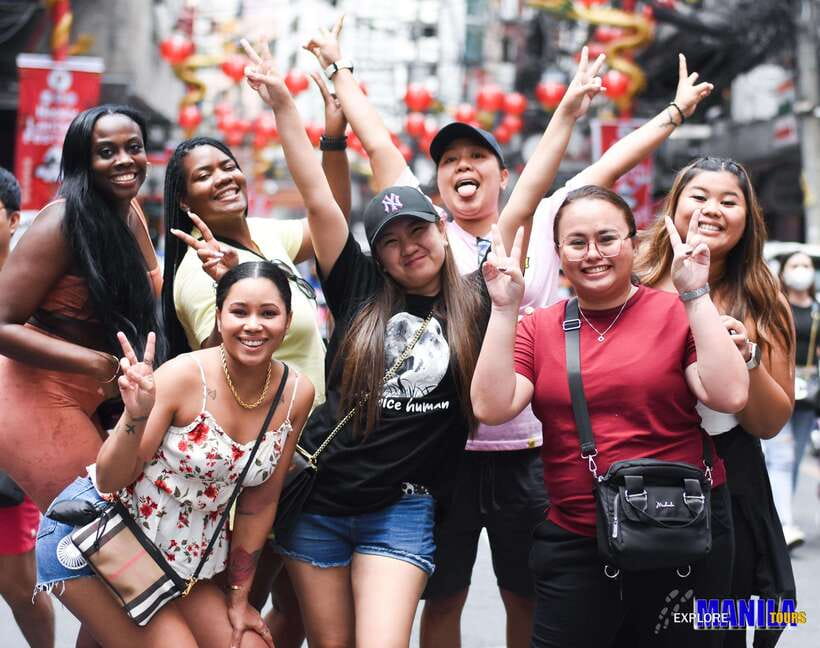
Manila: Guided Food Tour of Binondo with Tastings
Come hungry, leave with a fuller sense of Manila.
Binondo’s best food is often found along narrow streets, small restaurants, and modest bakeries rather than in polished dining rooms. I like that this three-hour walking tour gives you a clear route through the world’s oldest Chinatown, and I like that the food is paired with stories about Filipino-Chinese culture. The main drawback is simple: portions can be so generous that you may struggle to taste everything.
The tour costs $60 per person, including the guide, food, and drinks. That is not a cheap snack crawl, but it can be good value if you want several tastings, local context, and help finding places you might otherwise pass by. You should also know that this is not suitable for vegans, vegetarians, wheelchair users, or anyone bringing a stroller or large bag.
In This Review
- Key points to know before you book
- Starting at Binondo Church
- Carvajal Street and the first taste
- Handmade dumplings in the small lanes
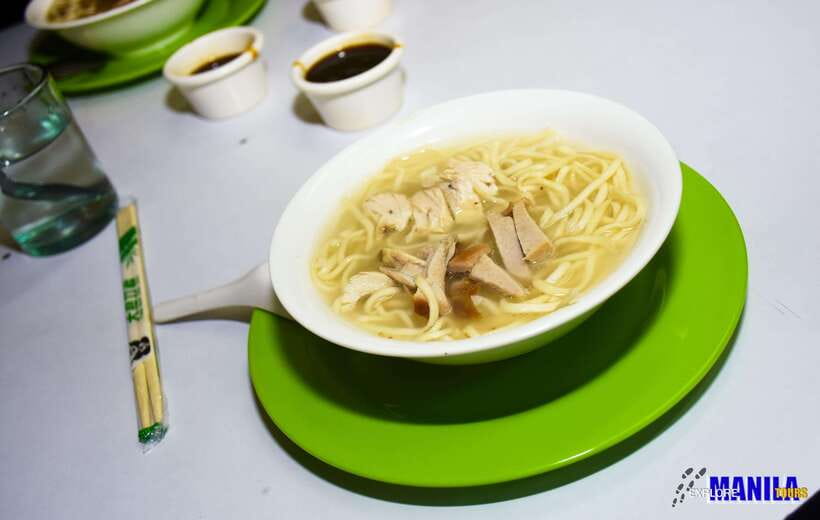
- Mami, Binondo’s comfort bowl
- Classic dimsum in a local restaurant
- Small streets, local stories, and the role of the guide
- Hopia at the historic bakery
- Is $60 a fair price?
- Who will enjoy this food walk?
- Practical advice for a smoother visit
- Should you book the Binondo food tour?
- FAQ
- Where does the Binondo food tour meet?
- How long does the tour last?
- What food is included?
- Is transportation included?
- Can I bring luggage or a stroller?
- Is the tour suitable for vegans, vegetarians, or wheelchair users?
Key points to know before you book
- Six food stops in three hours: Expect tastings at several local restaurants and one historic bakery, with dishes ranging from fresh lumpia to dumplings, mami, dimsum, and hopia.
- Binondo Church is the meeting point: Meet in the church lobby near the candles area, then return to the same spot at the end.
- The dumplings are a major highlight: Several people singled them out as their favorite tasting, with one calling them the best dimsum they had tried.
- Come very hungry: Food is plentiful, and sharing may be necessary if you want to sample every stop.
- The guide adds real value: Chloe, Nel, Jian, and Juan have each been praised for friendly hosting, cultural background, restaurant knowledge, and useful Manila tips.
- Rain or shine: Wear comfortable shoes and carry only a small bag. Baby strollers and luggage are not allowed.
Starting at Binondo Church
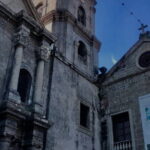
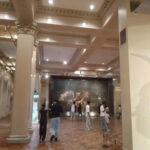
Your meeting point is the lobby of Binondo Church, near the candles area. This is a practical landmark in a busy district, and meeting here gives the tour an immediate sense of place rather than beginning at a hotel or generic transport stop.
Binondo Church is more than a convenient pin on a map. It introduces the long connection between Catholic Manila and the Chinese-Filipino community. From here, your guide leads you into streets where religious buildings, family-run food businesses, market stalls, and old commercial lanes sit close together.
You need to arrange your own way to the church. The Grab app is suggested as the easiest local ride option. Give yourself enough time to find the lobby, since Binondo’s streets can feel confusing when you first arrive.
The tour runs in all weather, so bring shoes that can handle a three-hour walk. There is no hotel pickup or drop-off, and this is not a good outing for large luggage. Leave your suitcase at your hotel if possible.
You can also read our reviews of more guided tours in Manila
Carvajal Street and the first taste
The first food stop takes you to Carvajal Street, where the smell of fresh lumpia helps announce that the eating has begun. Local vendors prepare this Filipino-Chinese snack using methods passed down through generations.
Fresh lumpia is a useful opening dish because it shows how Filipino food and Chinese cooking traditions meet. It is lighter than many fried snacks, though that does not mean the full tour will be light. You get an early taste of the way Binondo food often combines familiar ingredients with techniques shaped by Chinese migration and local Filipino habits.
One practical point: this first stop may not be everyone’s favorite. The sweet vegetable wrap received the only notable criticism in the supplied feedback, and some people felt it could be skipped. If you do not enjoy it, do not assume the rest of the tour will follow the same pattern. The later dumplings, noodle soup, dimsum, and bakery stop receive much stronger praise.
The guide also gives you a chance to see how small vendors work. That matters because the tour is not just about eating at famous names. It directs money toward local restaurants and food sellers, fitting the experience’s aim of supporting community-based tourism.
Handmade dumplings in the small lanes
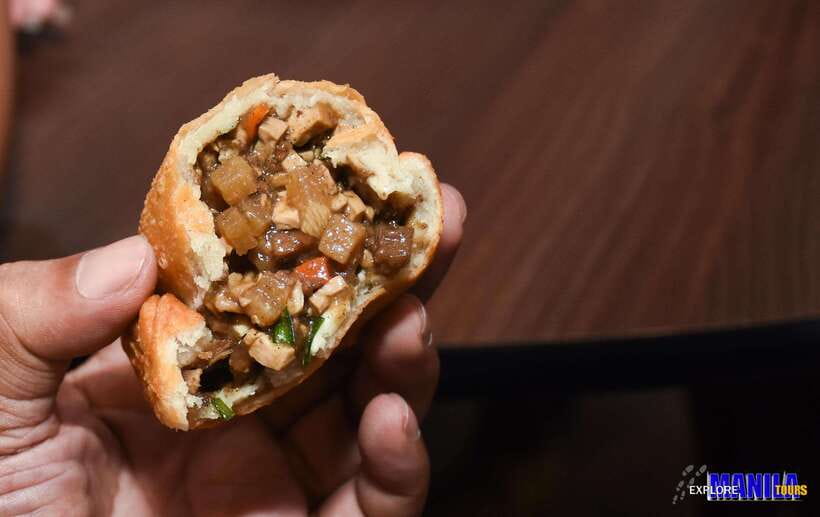
The dumpling stop is the clear favorite for many people. Here, making dumplings is treated as a craft, and you can expect handmade pieces that highlight the skill behind the food rather than simply presenting a quick restaurant order.
Dumplings also make a good lesson in Filipino-Chinese cooking. They are familiar enough for most visitors, but the local setting and preparation give them a stronger connection to Binondo than a plate ordered from a standard shopping mall food court.
I would plan your appetite around this stop. Several people praised the dumplings above all else, and one repeat visitor specifically preferred this tour because of the food and hosting. Cameron, Michael, and Max all pointed to dumplings as a favorite, while another person described the dimsum as the best they had tasted.
The exact number of dumplings and other portions can vary, but the consistent message is that you will receive plenty of food. If you are with a partner or small group, sharing helps you reach the final stops without wasting anything.
Mami, Binondo’s comfort bowl
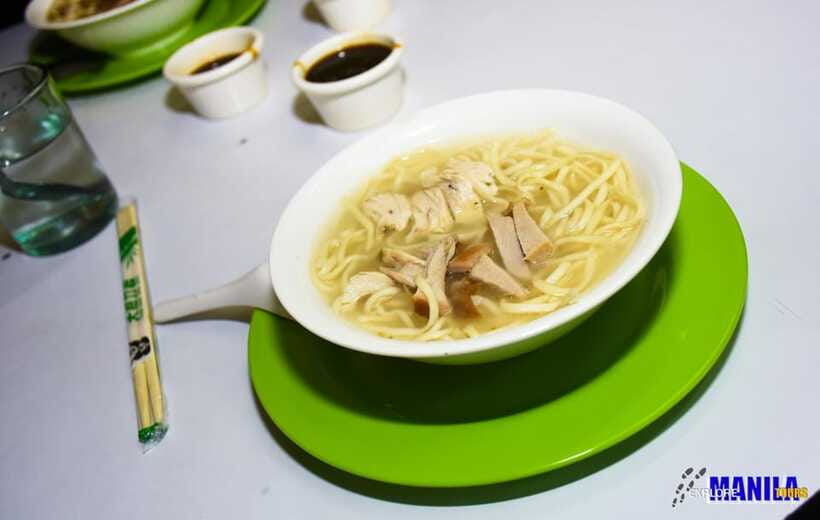
Next comes mami, a noodle soup with a strong place in Filipino comfort food. This is the kind of dish that helps explain why a food walk needs more than pastries and quick bites. Mami connects Binondo’s Chinese influence with everyday Filipino eating.
Your guide introduces the dish within its local setting, rather than treating it as an isolated sample. That context is useful because Filipino-Chinese food is not a separate box with a neat label. It has developed through family traditions, local ingredients, restaurant cooking, and the daily life of Manila.
Mami may also be the point where you start to feel the size of the meal. You have already sampled lumpia and dumplings, and a full bowl of soup adds weight before the dimsum course. The tour is best for people who see food as the main event, not for anyone hoping to nibble lightly between sightseeing stops.
Classic dimsum in a local restaurant
The route continues to a restaurant known for classic dimsum. This stop gives you another view of the Filipino-Chinese table, with small dishes that reward tasting several items rather than eating one large entrée.
The value of a guided stop becomes clear here. A local guide can explain what you are eating, how it fits into Binondo’s food culture, and what makes one preparation different from another. You do not have to study a menu, guess at unfamiliar dishes, or choose one plate while missing five others.
The feedback is especially strong on the quality and variety of the food. One person who had taken several Filipino food tours called this the best of them. Another praised the range, taste, and generous servings.
Still, you should keep your expectations practical. This is a tasting route, not a formal multi-course restaurant meal. You move between businesses, eat what is arranged, and follow the pace of the group. If you need complete control over ingredients or portion sizes, an independent restaurant visit may suit you better.
Small streets, local stories, and the role of the guide
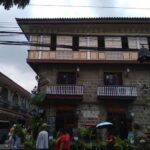
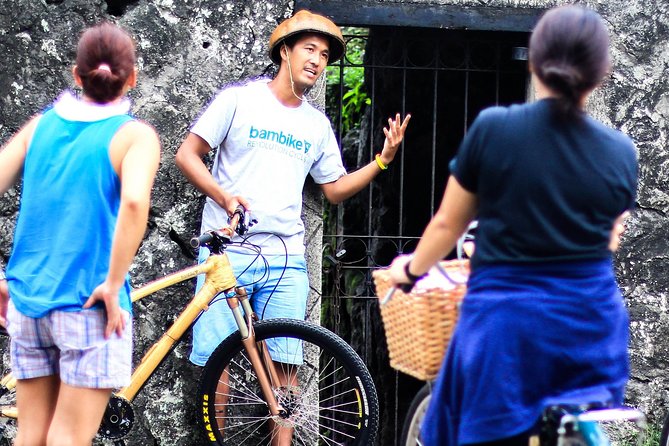
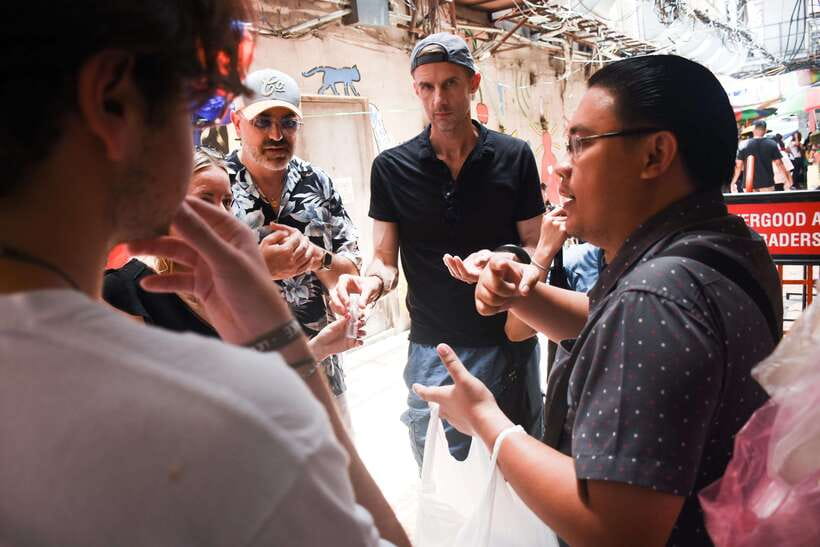
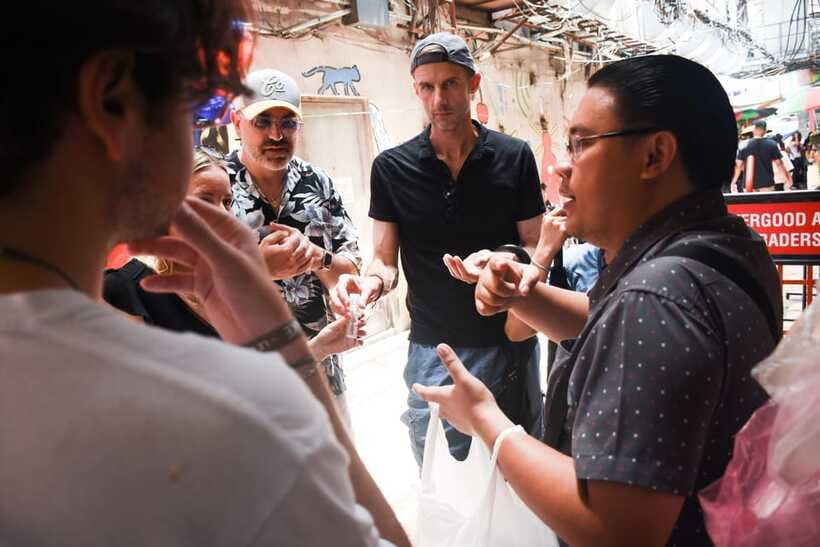
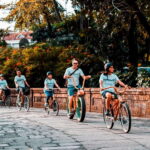
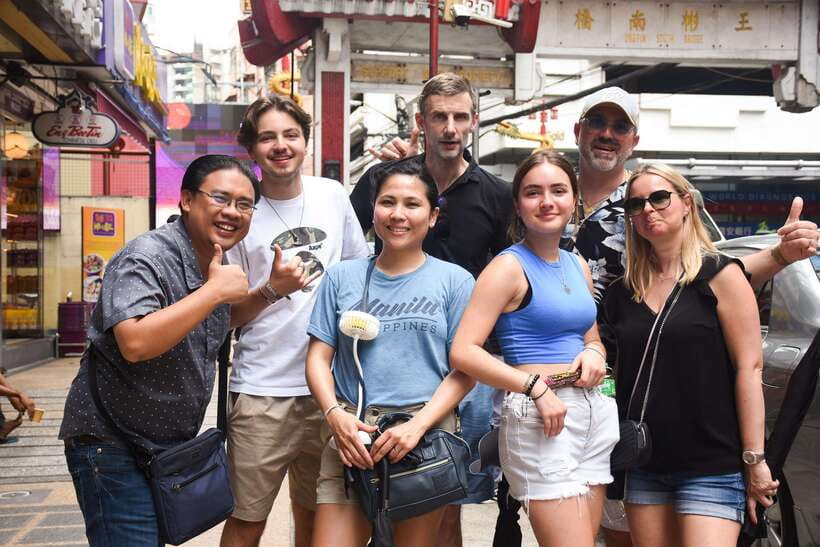
The food is the headline, but the guide is what turns this from a list of snacks into a useful introduction to Binondo. The route uses winding streets and small alleys that you might not think to enter on your own.
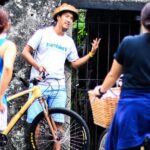
Chloe has been praised for her clear explanations, friendly manner, and helpful Manila suggestions. She also helped people with ideas for later trips to the islands. Nel received similar praise for making solo visitors feel welcome, keeping the mood relaxed, and helping people feel at ease in unfamiliar surroundings.
Jian has been described as personable and full of cultural stories and food facts. Juan was praised for explaining the origins and development of the Chinese community in the Philippines, as well as for sharing background on the dishes.
Guide quality can vary from one departure to another, but the repeated strength here is personal attention. The guides are not presented as performers rushing from stop to stop. They make room for questions, explain the area, and help you feel comfortable trying unfamiliar food.
That is especially useful in Binondo, where a first visit can feel crowded and disorienting. You still need to watch your belongings and stay with the group, but having a local host reduces the mental work of navigating.
Hopia at the historic bakery
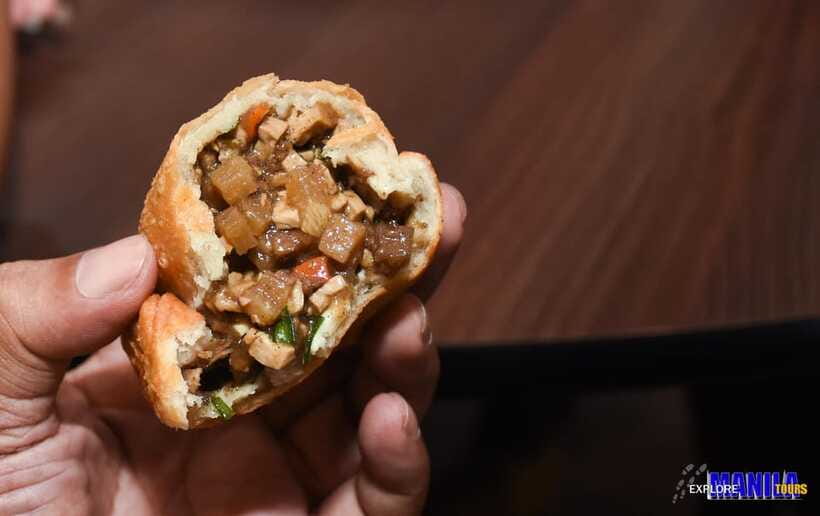
The final food stop is a bakery known for hopia, a flaky pastry with Chinese-Filipino roots. You can expect several flavors, making this the sweet finish to an otherwise savory route.
Hopia is also a useful closing dish because it connects food with family tradition and take-home culture. It is easy to understand as a snack, but its pastry form and range of fillings show how Chinese food traditions adapted within the Philippines.
There is one small value issue here. The bakery tasting may include a dessert intended to take home, and one person felt it was not especially useful because portions across the tour were already too large. If your hotel room is nearby, the extra pastry could be welcome. If you are moving on with a full bag and no appetite left, it may feel like an add-on rather than a treat.
Even with that caveat, ending at a bakery gives the tour a pleasant rhythm. You begin with a savory street snack, work through dumplings, soup, and dimsum, then finish with pastry.
Is $60 a fair price?
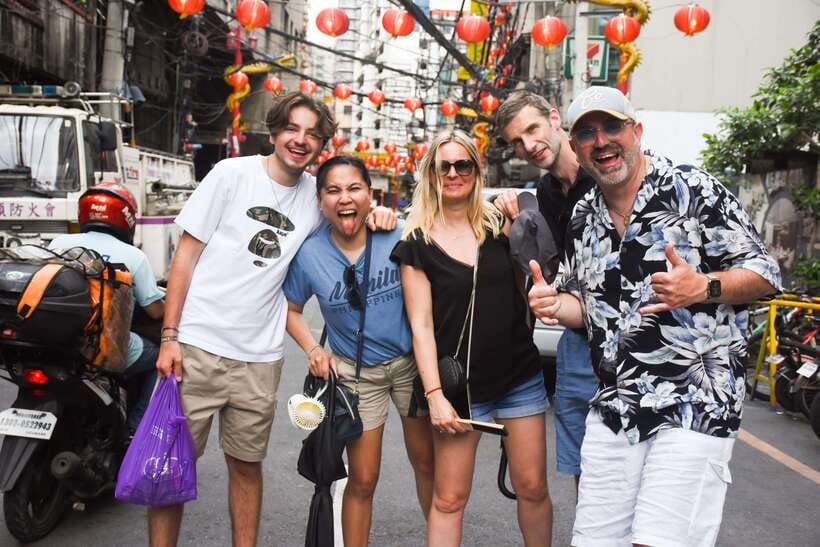
At $60, this is a mid-priced food experience in Manila. You are paying for more than the food itself: an English-speaking guide, a planned route, six tasting locations, and drinks listed as included.
The strongest value comes if you are new to Binondo. A first-time visitor may spend a lot of time searching for the right alleys, deciding what to order, and trying to understand menus without much context. This tour removes that guesswork and lets you sample several specialties in one outing.
It is also good value if you normally order too cautiously. A guided tasting gives you permission to try dishes you might otherwise ignore. You do not have to commit to a full serving at every restaurant, and one guide specifically made clear that nobody had to finish food they did not enjoy.
The price is less compelling if you are a light eater or already familiar with Binondo. Large portions can mean paying for food you cannot finish, especially if you have a small appetite. If you are vegetarian or vegan, the tour is not suitable at all, so the price comparison is beside the point.
Who will enjoy this food walk?
I would recommend it most strongly to first-time visitors to Manila who want food, local background, and a manageable introduction to Binondo in one outing.
It also suits solo visitors. Nel was praised for making solo participants feel welcome, and a guided route can make an unfamiliar district feel easier to handle. Couples and small groups should enjoy the sharing style, especially if everyone is willing to try a range of Filipino-Chinese dishes.
This tour is less suitable for:
- Vegans and vegetarians
- Wheelchair users
- Anyone traveling with a stroller
- People carrying suitcases or large bags
- Very light eaters
- Visitors who want a private, slow restaurant meal
The experience is built around walking and eating. Comfortable shoes matter more than stylish ones, and an empty stomach matters more than a carefully planned breakfast.
Practical advice for a smoother visit
Do not eat a large breakfast before meeting the guide. The portions are described as generous, and several dishes arrive before you reach the final bakery.
Wear comfortable shoes and dress for weather that may change. The tour runs rain or shine, and the supplied information does not promise indoor walking between every stop.
Bring a small day bag only. Baby strollers and luggage are not allowed, and large bags will make the narrow streets less comfortable for you and the group.
If you have food restrictions, check the suitability before booking. The tour is specifically marked as unsuitable for vegans and vegetarians, and the food plan does not appear designed for extensive substitutions.
The tour is listed as three hours, with start times varying by availability. One account described the outing as taking longer, so I would avoid scheduling a flight, ferry, or timed attraction immediately afterward.
You can cancel up to 24 hours before the activity for a full refund, and the reserve-now, pay-later option helps if your Manila schedule is still moving around.
Should you book the Binondo food tour?
Book it if you want a generous meal with a guide who can explain the food and the Filipino-Chinese story behind the neighborhood. The best reasons to go are the dumplings, the small restaurant stops, the access to lanes you might miss, and the warm hosting repeatedly associated with Chloe, Nel, Jian, and Juan.
Think twice if you are vegetarian, have mobility limits, dislike large portions, or prefer choosing every dish yourself. Also keep the first lumpia stop and take-home hopia realistic: they may be pleasant parts of the route, but the dumplings and dimsum appear to be the stronger draws.
For a first visit to Binondo, $60 is reasonable if you value guidance, variety, and convenience. Go hungry, wear good shoes, and leave room for one more pastry than you think you can manage.
FAQ
Where does the Binondo food tour meet?
Meet in the lobby of Binondo Church, near the candles area. The tour also returns to Binondo Church at the end.
How long does the tour last?
The scheduled duration is three hours. Starting times vary, so check availability when booking.
What food is included?
The route includes fresh lumpia, handmade dumplings, mami noodle soup, classic dimsum, and hopia at a local bakery. Food and drinks listed in the itinerary are included.
Is transportation included?
No. Hotel pickup and drop-off are not included. You can use the Grab app to reach Binondo Church.
Can I bring luggage or a stroller?
No. Baby strollers and luggage or large bags are not allowed. Comfortable shoes are recommended.
Is the tour suitable for vegans, vegetarians, or wheelchair users?
No. The activity is specifically marked as unsuitable for vegans, vegetarians, and wheelchair users.