
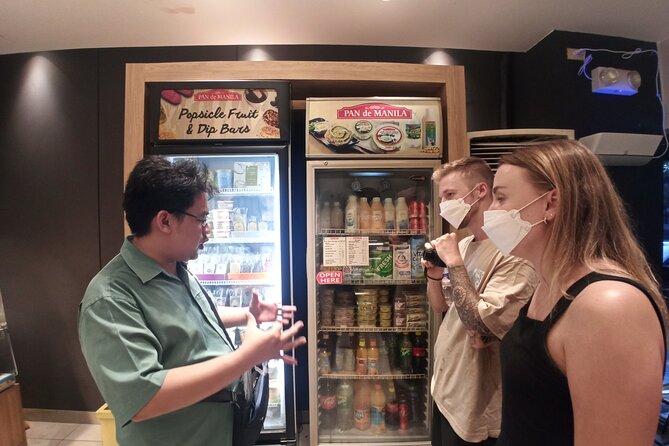
Manila Food Tour: Introduction to Philippine Street Food
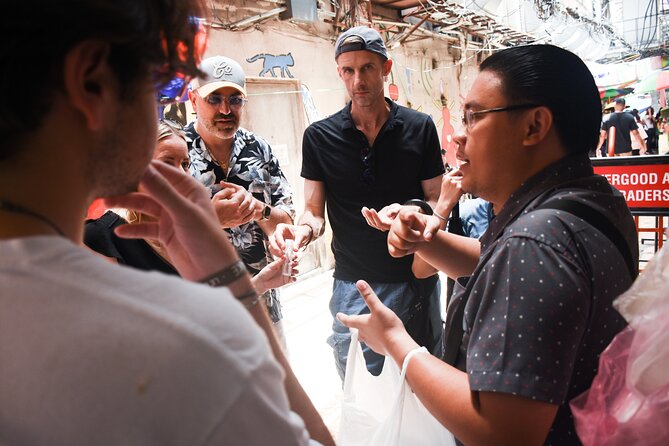
Manila tastes better one bite at a time. This three-hour food walk gives you a friendly way into Filipino street food, with 10 or more local snacks ranging from grilled meats to dumplings, soup, pastries, and dessert. I like the small-group setup, capped at 15 people, and I like that guides such as Chloe, Nel, and Jian add food stories, neighborhood context, and useful tips for eating in Manila. The main drawback is that this is not a gentle tasting menu: portions can be large, the food is meat-heavy, and some streets may be hard for anyone with limited mobility.
The tour begins at 3 p.m. near California Garden Square in Mandaluyong City and ends at the same meeting point. You may ride a tricycle, and some groups have also used a jeepney or motorbike during the outing. Come hungry, but pace yourself. The food keeps coming, and one person even found there was too much to finish.
In This Review
- Five things to know before you book
- Why this is a good first taste of Manila
- Starting at 3 p.m. in Mandaluyong City
- The tricycle ride sets the tone
- Grilled meats, dumplings, and fried snacks
- Small local vendors, not polished restaurants
- Drinks and the final sweet course
- The guides make the difference
- Is $60 a fair price?
- Who should book this experience?
- Practical tips for a better afternoon
- Should you book the Manila street food tour?
- FAQ
- How much does the Manila Food Tour cost?
- How long does the food tour last?
- Where does the tour start?
- What time does the tour begin?
- Where does the tour end?
- What food and drinks are included?
- Is transportation included?
- Is the tour suitable for vegetarians or vegans?
- What happens if bad weather cancels the tour?
Five things to know before you book
- Expect a full meal, not a few samples: The tour includes up to 10 or more Filipino street foods, plus a local beer, fruit juice, and bottled water.
- Chloe, Nel, and Jian receive especially warm praise: Their humor, patience, and skill at explaining local food are a major part of the experience.
- The tour reaches ordinary neighborhood food stops: Small restaurants and local vendors are central to the outing, rather than polished dining rooms.
- Local transport is part of the fun: A traditional tricycle ride is described in the itinerary, while past outings have also included jeepneys and motorbikes.
- Vegetarians should think twice: The food is mainly based on pork, chicken, and fish, with many grilled, fried, or roasted dishes.
- The $60 price buys variety and guidance: It covers food, a beer, juice, and water, but private transportation is not included.
Why this is a good first taste of Manila
Manila can be difficult to read at first. Roads are busy, neighborhoods change quickly, and the best food often appears in places you would not choose on your own. This tour solves part of that problem by putting a local guide between you and the city’s food stalls.
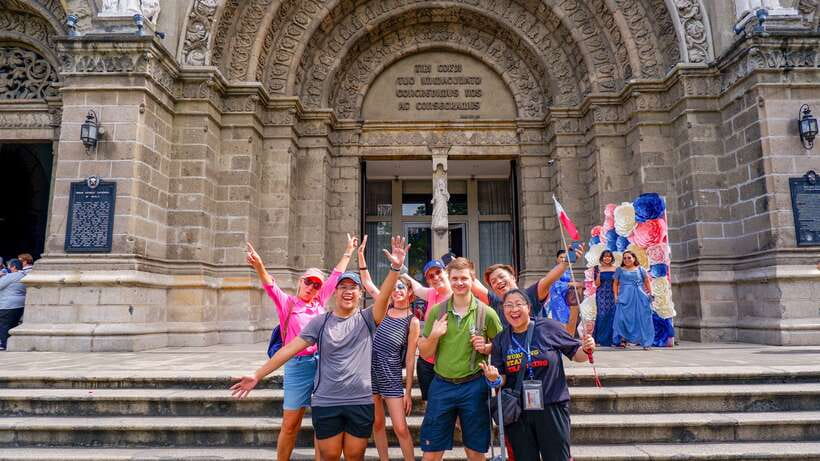
You are not simply handed a plate and told what it is. The guides explain what you are eating, how it fits into daily Filipino life, and sometimes where to find similar food later in your stay. Chloe is repeatedly praised for her energy and warmth, while Nel is noted for her humor, food knowledge, and easy conversation. Jian is described as calm, helpful, and well informed about Filipino culture.
That personal touch matters. Street food can be hard to order when you do not know the language, the portions, or the local habits. A guide can point out what to try first, help you handle unfamiliar textures, and offer a milder choice when a dish feels like too much.
The tour also works well as an early Manila activity. You leave with a better sense of what Filipino food includes, plus ideas about where to eat and drink afterward. If you are staying only briefly, it can also fill a three-hour layover window, provided you have enough time to reach Mandaluyong City and return afterward.
You can also read our reviews of more tours and experiences in Manila.
Starting at 3 p.m. in Mandaluyong City
The meeting point is the Starbucks at California Garden Square Clubhouse on Domingo M. Guevara in Mandaluyong City. The tour starts at 3 p.m. and returns there when the food stops are finished.
That location is useful to note before booking. This is not a hotel pickup from central Manila, and private transportation is not included. You will need to make your own way to the meeting point, so allow extra time for local traffic.
The afternoon start has two practical advantages. You do not have to give up your morning, and you can use the outing as an early dinner. The timing also gives you a chance to see neighborhood life as the day moves toward evening.
Start with only a light meal, or skip lunch if you normally eat a large dinner. The food list can include more than 10 items, and past groups have received generous quantities. This is not the kind of tour where you nibble one spring roll and wait an hour for the next stop.
The tricycle ride sets the tone
After a short orientation, the group takes a traditional tricycle to reach the main food area. This is a small but useful part of the experience because it adds a local way of getting around rather than keeping you inside a tour van.
A tricycle is practical transport in the Philippines, but it is not a luxury ride. Space can be tight, and the experience is more about getting from one neighborhood point to another than enjoying a scenic journey. The itinerary specifically includes a tricycle, while accounts from past outings also describe short rides in a jeepney or on a motorbike.
Those extra rides may depend on the group and the day, so I would treat them as a pleasant possibility rather than a guaranteed part of every departure. They do, however, add a little local character to an outing that could otherwise be just a series of food stops.
Grilled meats, dumplings, and fried snacks
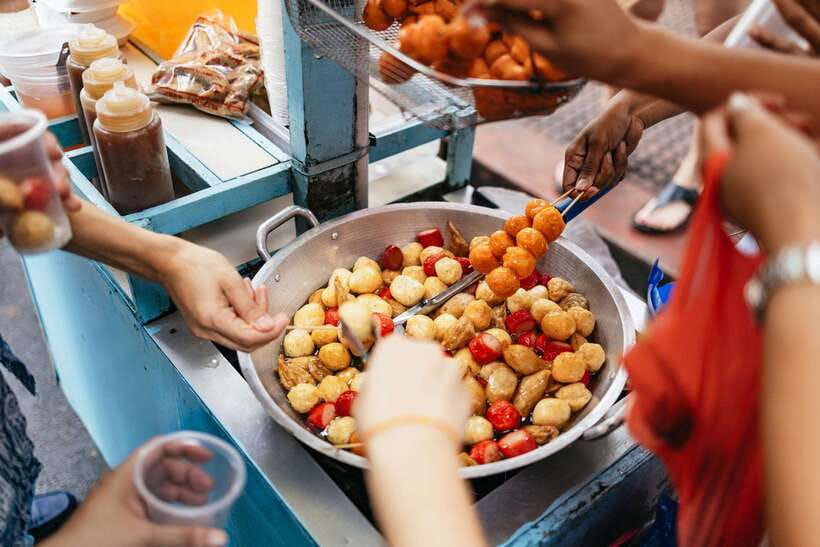
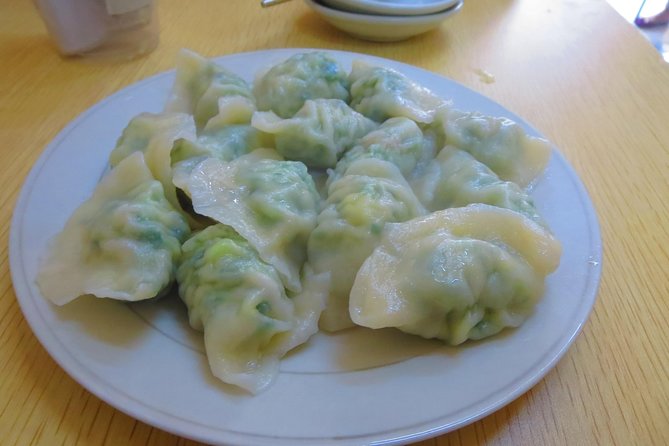
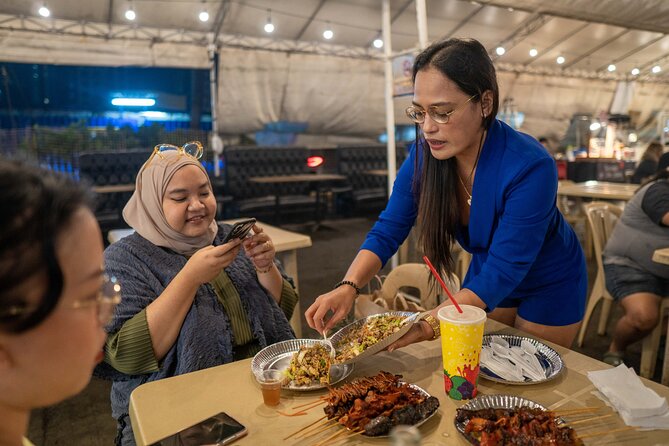
The heart of the tour is its broad mix of Filipino street food. You can expect steamed dumplings, grilled skewers, deep-fried savory snacks, roasted items, and warm soup. The included foods are mainly made with pork, chicken, and fish.
This range is one of the strongest reasons to book. Filipino cooking reflects several food traditions, and a tasting route lets you compare smoky, salty, crisp, chewy, and sweet flavors in one sitting. Instead of ordering a full serving of one dish, you get a guided tour through many small portions.
Expect items that may be familiar, such as dumplings or skewered meat, alongside foods you may not recognize. Grilled pork ears are one example singled out by a past participant as a favorite. Other dishes may include local snacks with unfamiliar names or textures. The guide’s explanation makes it easier to approach them with curiosity rather than guesswork.
The tradeoff is that the selection leans heavily toward meat and seafood. The tour is specifically not recommended for vegans and vegetarians. If you avoid pork, chicken, or fish, you should ask about possible substitutions before booking, since the supplied details do not promise them.
Small local vendors, not polished restaurants
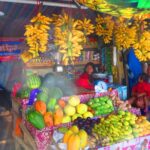
The tour moves between local restaurants and food vendors. Some are small, family-run places, and part of the appeal is seeing where local people actually buy casual food.
This setting gives you a more useful look at Manila than a restaurant-only meal. You see the food in its normal setting, watch how dishes are prepared or served, and get a sense of what people eat outside formal dining rooms. The guides also add neighborhood history and food trivia, which helps turn each stop into more than a quick bite.
Do not expect air conditioning, fixed seating, or the polished rhythm of a restaurant tasting menu. Street food means changing surroundings, local sidewalks, and a degree of unpredictability. Rain can also affect the outing because the experience requires good weather. If poor weather cancels the tour, you are offered another date or a full refund.
Past groups have continued through rainy-season conditions, but that does not mean every departure will run in heavy rain. Wear shoes that can handle wet streets and choose clothing suited to a warm afternoon.

Drinks and the final sweet course
The food is served with one local beer, one fruit juice, or a combination, along with bottled water. The drink selection is modest, but it gives you a chance to compare Filipino flavors beyond the food itself.
One account mentions a sweet drink thought to be gulaman, as well as local beer served near the end. The exact drink choices may vary, so do not book this expecting a particular brand or cocktail. The useful point is that drinks are included, and you will not need to arrange every refreshment separately.
The tour finishes with a sweet treat. Halo-halo received special praise, with one person calling it a favorite alongside lumpia. Halo-halo is a cold Filipino dessert made with a mix of sweet ingredients and shaved ice, so it provides a welcome finish after grilled and fried food.
The dessert course is more than a nice ending. It changes the pace of the meal and gives you a final Filipino flavor that is very different from the savory dishes earlier in the afternoon.
The guides make the difference
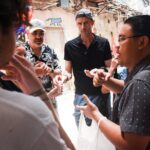
The food is the reason you book, but the guide is likely to shape your final opinion. Chloe is the most frequently praised name in the supplied comments. She is described as funny, welcoming, attentive, and excited to share Filipino culture. Nel receives similar praise for her humor, warmth, and ability to explain food in a way that keeps the group involved.
Jian is also praised as an easygoing host who helped a mother with mobility issues and kept conversation flowing. One group described a guide arranging a jeepney and tricycle ride, adding another layer to the afternoon.
The strongest guide stories involve more than facts. One guide used food trivia, offered a gentler item after a challenging bite, and treated the group like friends rather than a line of customers. That kind of care is especially helpful when the food is unfamiliar.
A small group gives the guide more room to answer questions and adjust the pace. The maximum is 15 people, though the group may be smaller. One person even had a private-feeling outing because they were the only person booked that day. You should not count on that, but the cap is still reasonable for crowded food stops.
Is $60 a fair price?
At $60 per person, this is not the cheapest way to eat street food in Manila. You could spend far less by ordering snacks on your own. But the comparison is not quite fair, because the tour also pays for guidance, food selection, several stops, drinks, local transport elements, and the confidence to order dishes you might otherwise skip.
The quantity matters. The experience includes up to 10 or more local foods, one beer, fruit juice, and bottled water. Several people describe leaving very full, and one specifically advises pacing yourself because the portions add up.
The value is strongest if you are new to Manila, short on time, or nervous about choosing street food alone. It is also useful if you want to learn the names and styles of dishes before exploring independently.
The value is weaker if you already know Manila’s food scene, prefer a formal sit-down meal, or eat a restricted diet. You are paying for variety and access rather than luxury, privacy, or a carefully plated dinner.
Who should book this experience?
I would recommend it to curious eaters who want a broad first look at Filipino food. It suits couples, families with older children, and mixed-age groups, as one outing worked well for parents in their late 50s and a son in his early 20s.
It also suits people with a short stay. A 3 p.m. start leaves the morning free, and the tour can work during a 24-hour stopover if your airport and onward schedule allow plenty of time for traffic.
You should reconsider if you are vegan or vegetarian. You should also think carefully if you have trouble walking on uneven sidewalks, since one booking was switched to a cooking class because the sidewalks were expected to be difficult for a wheelchair user. Service animals are allowed, most people can participate, and the tour is near public transportation, but the walking conditions deserve attention.
Practical tips for a better afternoon
- Eat lightly beforehand and pace yourself at every stop.
- Wear comfortable shoes suited to neighborhood streets.
- Bring patience for local traffic and short transport rides.
- Ask your guide about ingredients before trying a dish if you have allergies or food restrictions.
- Arrive early enough to find the California Garden Square meeting point without rushing.
- Treat possible jeepney or motorbike rides as extras, since the stated itinerary specifically identifies the tricycle.
- Save room for dessert. Halo-halo or another sweet course closes the tour.
- Use the guide’s Manila dining suggestions after the tour. That follow-up advice is part of the practical value.
The booking has free cancellation up to 24 hours before the 3 p.m. start time for a full refund. Changes or cancellations inside that window are not accepted for a refund. Confirmation is provided at booking.
Should you book the Manila street food tour?
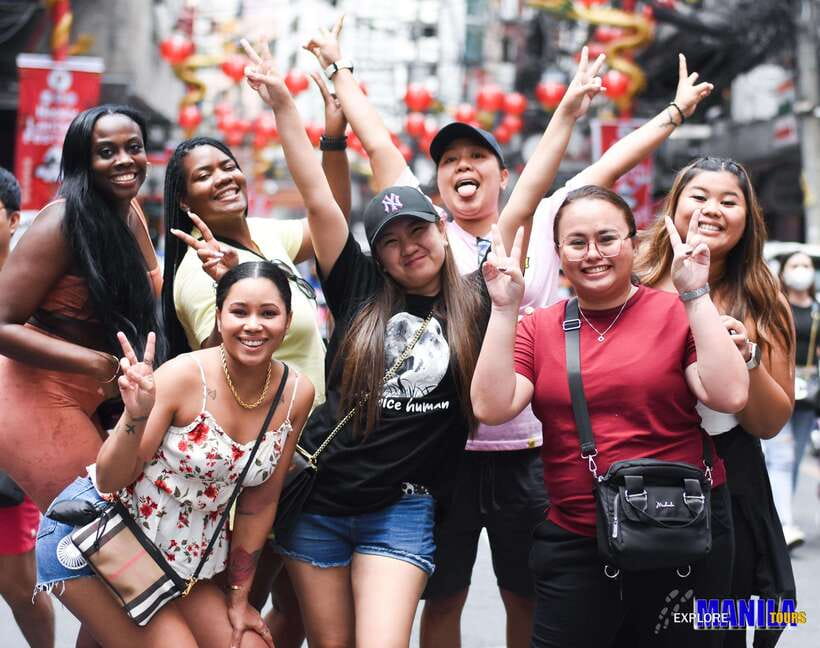
Book it if you want a friendly, filling introduction to Filipino food and do not mind eating in ordinary neighborhood settings. The combination of many dishes, local drinks, tricycle transport, and guides such as Chloe, Nel, and Jian gives you much more than a standard restaurant meal.
Skip it if you need a vegetarian menu, guaranteed private transport, easy wheelchair access, or a small gourmet tasting with controlled portions. For most curious eaters, though, the $60 price is fair because you get both a substantial meal and a practical guide to Manila’s everyday food culture.
FAQ
How much does the Manila Food Tour cost?
The tour costs $60 per person. Group discounts are available.
How long does the food tour last?
The experience lasts approximately three hours.
Where does the tour start?
It starts at Starbucks at California Garden Square Clubhouse, Domingo M. Guevara, Mandaluyong City, Metro Manila.
What time does the tour begin?
The scheduled start time is 3 p.m.
Where does the tour end?
The tour ends back at the meeting point.
What food and drinks are included?
The tour includes up to 10 or more local street foods, one local beer, one fruit juice or combination, and one bottled water.
Is transportation included?
Private transportation is not included. The experience includes a traditional tricycle ride to the food area, and some outings have also used a jeepney or motorbike.
Is the tour suitable for vegetarians or vegans?
It is not recommended for vegans and vegetarians. The food mainly includes pork, chicken, and fish dishes.
What happens if bad weather cancels the tour?
If poor weather causes cancellation, you will be offered a different date or a full refund. You can cancel up to 24 hours before the start time for a full refund.
More Tours in Manila
More Tour Reviews in Manila
Not for you? Here's more nearby things to do in Manila we have reviewed


Food Tours: how the alternatives stack up

The lists this tour appears in