
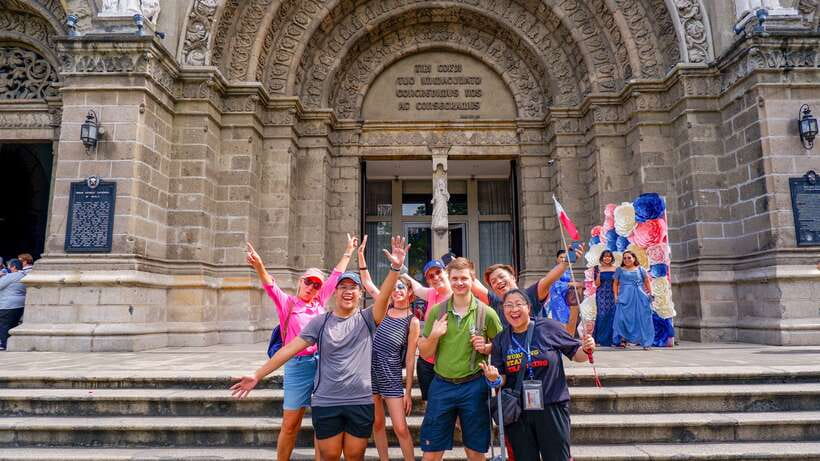
Manila: Sightseeing and Food Walking Tour with Tastings
Manila rewards curious eaters. This six-hour outing links Quiapo Market, Binondo Chinatown, and Intramuros through food, street life, and local transport. I like the generous mix of experiences, especially the many tastings and the bamboo-bike ride inside the old walled city. The main drawback is the pace: you will walk a lot, cope with heat and crowds, and spend much of the day on your feet.
I also like that the tour does not keep you inside a tour bus. You move through Manila by walking, jeepney, and bicycle, with other transport included in the day’s running order. Guides such as Jen, Eric, Grace, and Dani have been praised for being friendly, organized, and clear when explaining food, history, and everyday customs. Bring water, wear light clothes, and expect a full day rather than a gentle city stroll.
In This Review
- Key points at a glance
- Why this Manila tour works so well
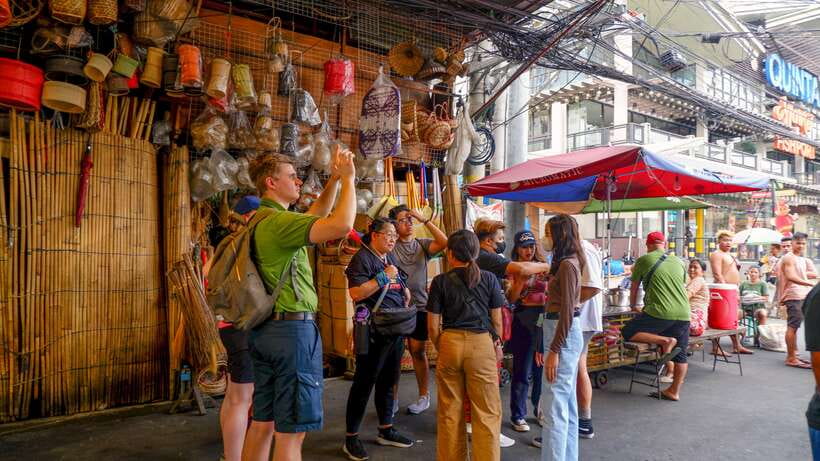
- Starting at Quinta Market and entering Quiapo
- Eating through Binondo Chinatown
- Riding across Manila by local transport
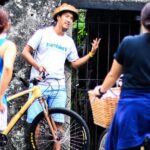
- Cycling through Intramuros on a bamboo bike
- The guides make the difference
- Who should book this experience?
- My verdict on the $58 price
- Should you book the Manila food and sightseeing tour?
- FAQ
- Where does the tour meet?
- How long does the tour last?
- What areas does the tour visit?
- What food is included?
- Is transportation included?
- Is the bike included?
- What should I bring?
- Is the tour suitable for people with mobility impairments?
Key points at a glance
- Quiapo sets the tone: Begin at Quinta Market and walk through one of Manila’s most active market districts, with food stalls, fresh produce, noodles, and herbal goods.
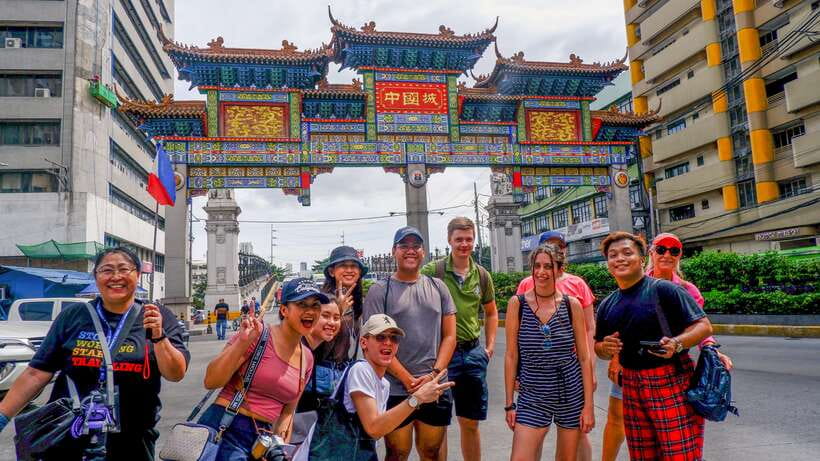
- Binondo brings the tastings: Try Filipino-Chinese snacks, dumplings, hopia, fruits, desserts, and other local favorites in the world’s oldest Chinatown.
- Local transport is part of the lesson: The day includes transport between districts, with a jeepney ride listed as a key part of the experience. Some reported outings also included a tricycle or Pasig ferry.
- Intramuros gets a more playful visit: Ride a traditional bamboo bike past Spanish-era churches, fortifications, and old streets.
- The guides are a major strength: Jen receives repeated praise for her energy and organization, while Eric, Grace, Dani, Eddie, and Stephanie are also singled out for good explanations and care.
- Six hours means real walking: This suits active visitors who want a broad first look at Manila, not people seeking a slow, air-conditioned sightseeing day.
Why this Manila tour works so well
Manila can feel hard to read at first. Its districts are busy, its history is spread across different neighborhoods, and public transport takes a little explaining. This tour gives you a useful framework: start with daily life in Quiapo, follow Filipino-Chinese food traditions through Binondo, then finish with the colonial-era streets of Intramuros.
That contrast is the point. You do not see only the polished side of Manila, and you do not spend the whole day in crowded markets either. The morning is noisy and informal. The afternoon is more historical and scenic. Food links the two, giving you something to focus on while your guide explains the city around you.
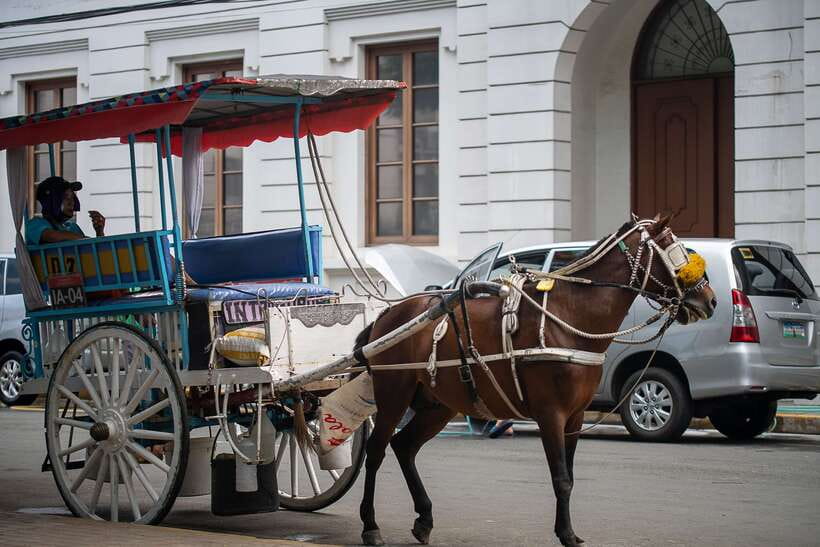
I especially like the way transport becomes part of the experience. A jeepney is not just a way to get from one stop to another. It gives you a small lesson in how people move around Manila, including practical details such as fares, payment, and communicating with the driver. The exact transport mix can vary, since some outings have also included a tricycle or Pasig ferry, but the central idea remains the same: you move through the city like a local, not behind a sealed window.
At $58 per person, the value is strongest if you would otherwise pay separately for a food walk, a city tour, transport between districts, entrance fees, and a bike rental. Food tastings and the bike are included, along with transport and a live English-speaking guide. Drinks are extra, so budget for water and any coffee or other beverage you want during the day.
You can also read our reviews of more walking tours in Manila

Starting at Quinta Market and entering Quiapo
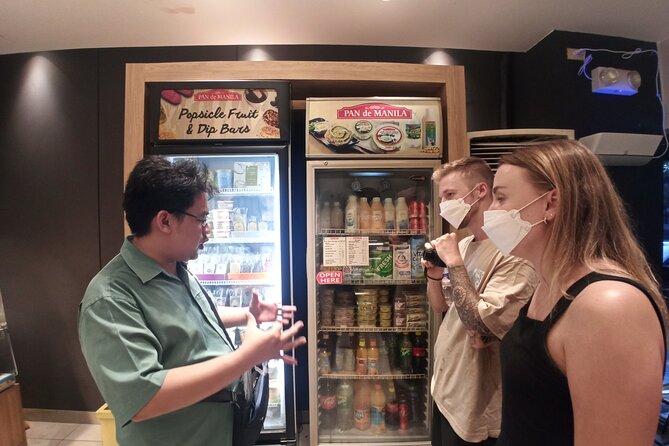
The meeting point is in front of Quinta Market at 9:00. This is useful because the tour begins in a real working part of the city rather than at a hotel lobby or a distant attraction. You should arrive with enough time to find the market frontage and settle in before the 9:15 start.
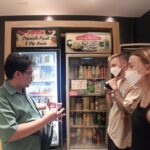
Quiapo is a strong opening act. The market is crowded, loud, and visually busy, with stalls selling food, fresh ingredients, noodles, herbal cures, and everyday goods. You get a quick sense of how Manila shops and eats before the day turns toward formal sightseeing.
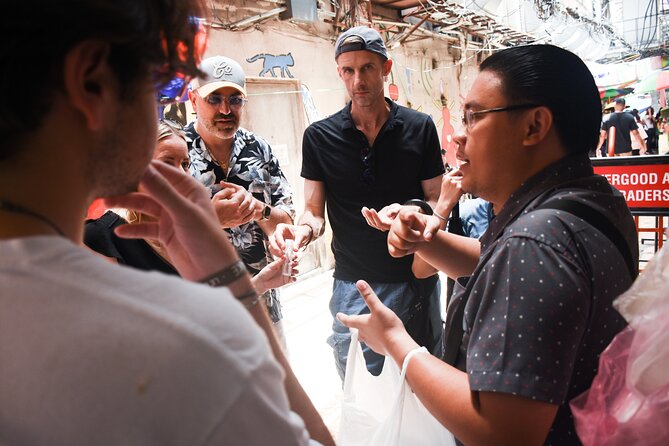
The guided walk lasts about two hours, including shopping and food tasting. That is a substantial portion of the tour, and it gives your guide time to explain ingredients and local habits instead of rushing past stalls for photographs. Expect narrow paths, uneven movement through crowds, and plenty of distractions.
This is also where practical footwear matters. Wear comfortable shoes with good support, and keep your belongings secure in crowded areas. The tour is not suitable for people with mobility impairments, and the market section alone explains why. You need to manage walking, standing, and changing direction in a busy public place.
The best attitude here is curiosity, not control. Quiapo is not arranged for easy sightseeing. Its appeal comes from seeing an active neighborhood at close range, with all the noise and clutter that involves.
Eating through Binondo Chinatown
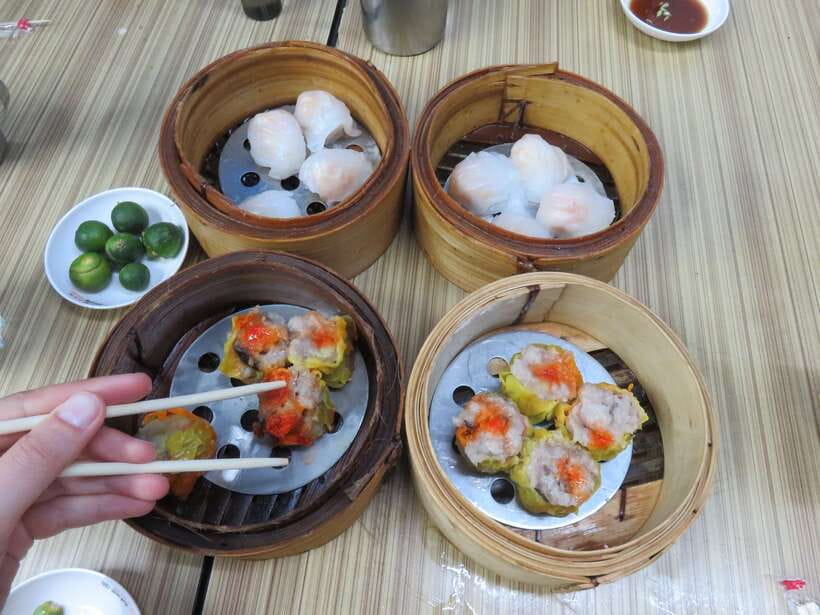
Around 11:00, the route continues into Binondo, described as the oldest Chinatown in the world. The walking section is shorter, about 30 minutes, but the food stops give it more weight than that timing suggests.
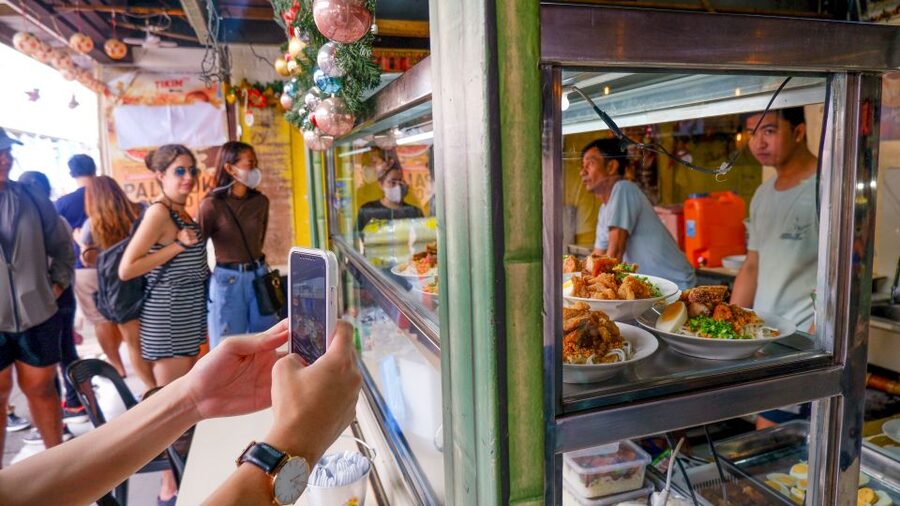
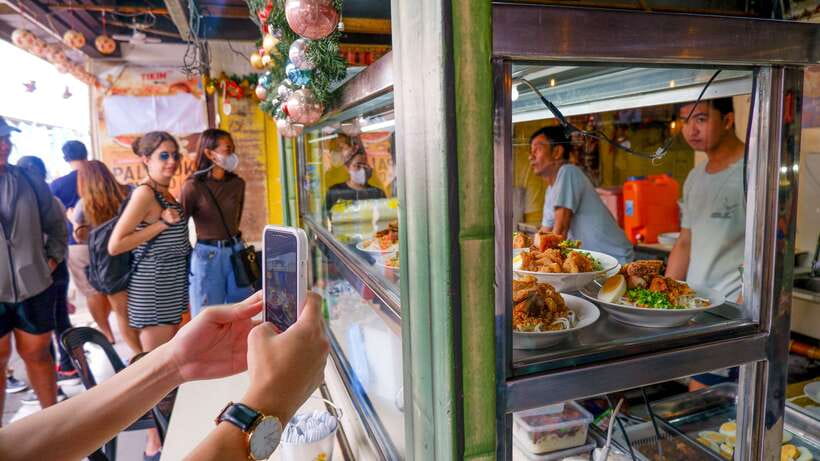
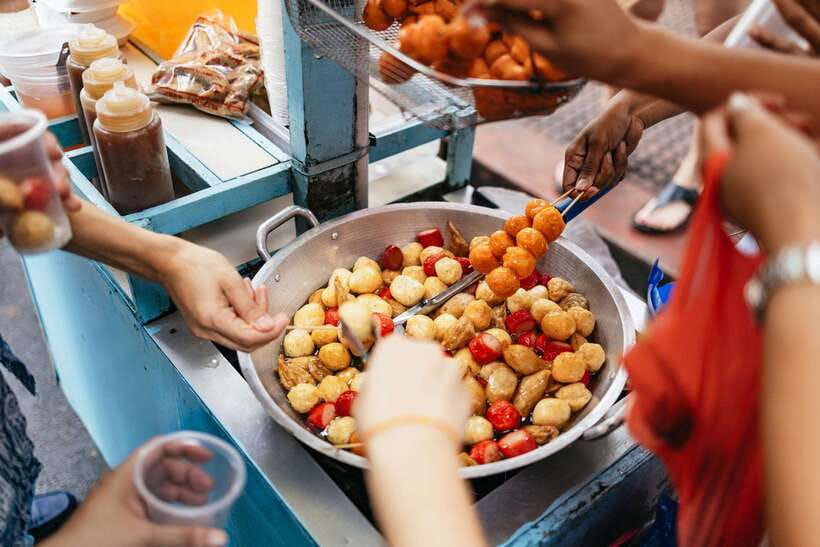
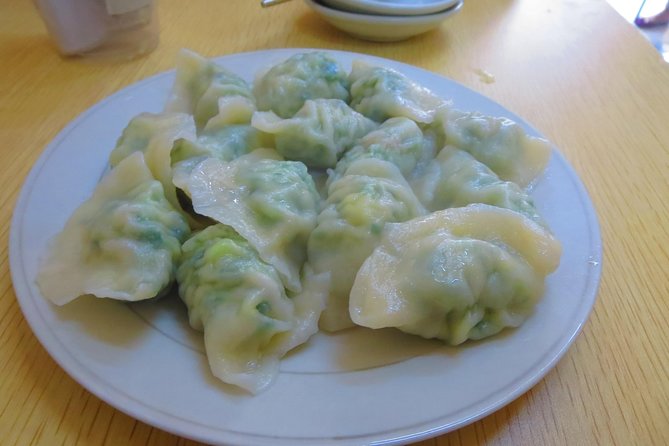
This is where Filipino and Chinese influences meet on the plate. Tastings include dumplings, hopia, local fruits, desserts, and other snacks. The exact selection may depend on the day, but you should expect variety rather than one large sit-down meal.
That distinction matters. This is a grazing tour. You try several small portions while walking and listening, so it suits you if you enjoy sampling unfamiliar foods. It is less suitable if you want a quiet restaurant lunch or prefer to choose every dish yourself.
Past tastings have included unusual combinations, including cheese ice cream, which one visitor especially remembered. The point is not simply to fill you up. Your guide uses each stop to explain what you are eating and how Filipino food reflects the city’s mixed cultural roots.
You should still bring water. Drinks are not included, and Manila’s heat can make a food walk feel more demanding than the distance suggests. Several people found the day comfortable because the guides allowed time for water, restrooms, questions, and small purchases. That kind of pacing makes a difference, especially when the morning is warm.
Binondo can be difficult to navigate on your own. Narrow streets, busy crossings, and constant activity can make it hard to know where to look or what to try. Having a guide who handles the route lets you concentrate on the food and the street scenes.
Riding across Manila by local transport
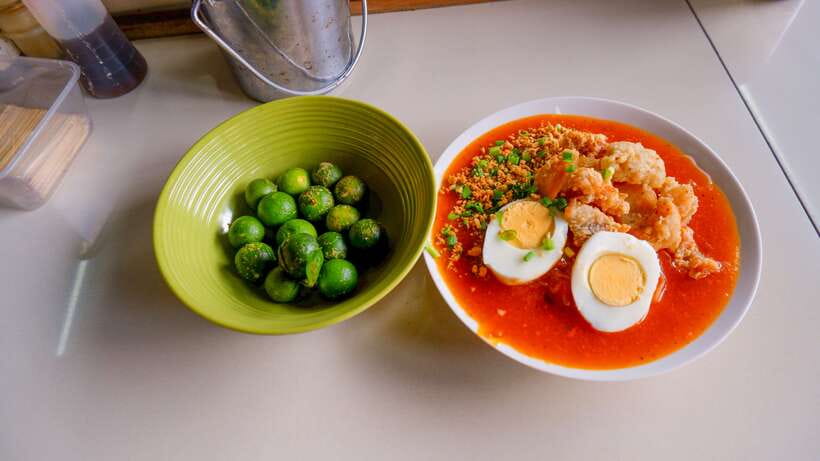
After Binondo, the tour continues toward Intramuros. A jeepney ride is a headline feature, and transportation to the sites is included. The stated schedule puts this transfer at about 12:30, with the Intramuros portion beginning near 1:00.
The ride matters because it changes your view of Manila. You are no longer simply walking through a market district. You are watching the city pass by while learning a little about one of its best-known forms of public transport.
Accounts of the day have also included a tricycle and a Pasig ferry. Since the stated route lists a jeepney and another section lists a tuk tuk, you should treat the exact vehicle sequence as flexible rather than guaranteed. The reliable promise is that transport between the main areas is arranged and that local modes are part of the experience.
This variety is one reason the tour feels broader than a standard food walk. You get small, practical encounters with the city: how to board, how to pay, and how to move through Manila’s busy streets. At the same time, public transport is not always smooth or quiet. If you want a calm ride with guaranteed air conditioning, this is the wrong kind of sightseeing.
Cycling through Intramuros on a bamboo bike
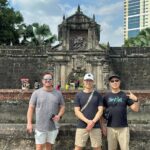
The afternoon’s main attraction is Intramuros, Manila’s old walled city. The bike tour lasts about an hour and a half, and the bicycle is included.
The traditional bamboo bike gives the visit a distinct character. You can cover more ground than on foot while still moving slowly enough to notice old walls, churches, fortifications, cobblestone streets, and tucked-away corners. The ride is less about speed than about connecting separate pieces of Manila’s Spanish-era past.
You may stop for coffee or local treats along the way, and there is time for photographs. The route also offers a useful change of mood after Quiapo and Binondo. The market noise gives way to a more open historical setting, though Intramuros remains a city district rather than a quiet museum compound.
Cycling requires some confidence and balance. The activity is not suitable for people with mobility impairments, and the full day already involves considerable walking. If you are comfortable on a bicycle but not used to heat, bring a hat and water. Comfortable clothing will help more than dressed-up sightseeing clothes.
The tour ends at Casa Manila around 14:30. That finish gives you a clear point to continue exploring or arrange your next ride, although the full activity is described as six hours and all times are approximate. Build some flexibility into the rest of your day.

The guides make the difference
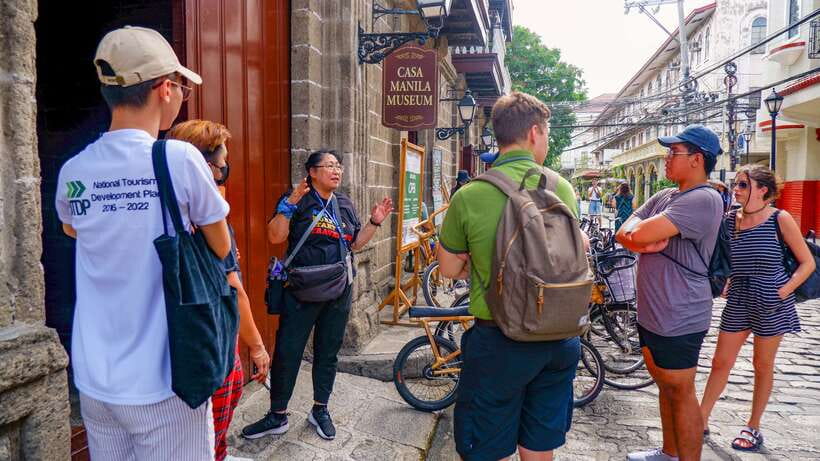
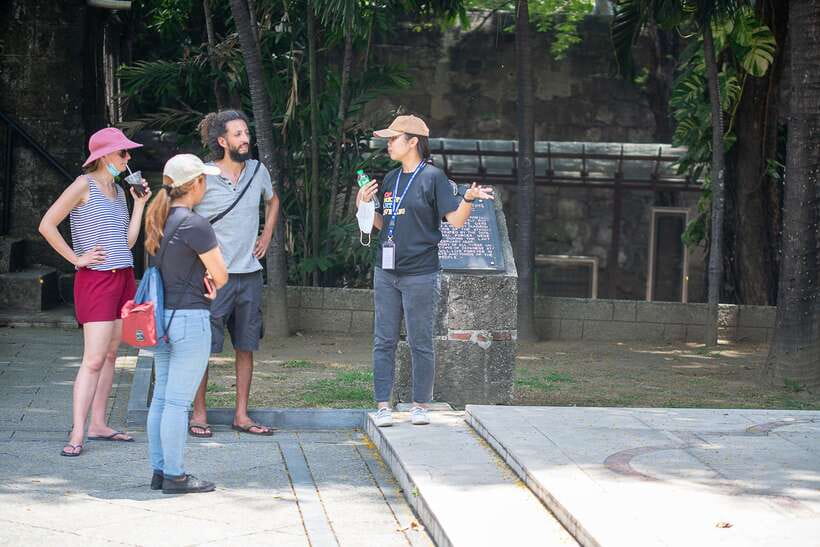
The strongest part of this experience is the human side. Jen is repeatedly praised for being energetic, funny, patient, and well organized. She has been especially good at keeping a busy day moving without making it feel like a race, with time for questions, water, restroom stops, and photographs.
Eric is also praised for giving a clear overview at the start and keeping the day within its expected timing. Grace and Dani have been credited with explaining Philippine history, culture, and daily life in detail. Eddie and Stephanie have also received positive comments for making the food and bike sections enjoyable.
That range of praise points to an important value: you are not just paying for access to stops. You are paying for someone to explain what you are seeing and to make the transitions work. In a city as busy as Manila, that guidance can save time and reduce confusion.
The tour can also be booked as a private group. That may suit families or friends who want a more personal pace, though the supplied price is listed per person and the exact private-group cost is not stated.
Who should book this experience?
I would choose this tour if you are visiting Manila for the first time, have limited time, and want a broad introduction in one day. It is particularly good for active couples, families with older children, food-focused visitors, and anyone who prefers local streets and transport to a long bus ride.
It also works well if you want a first orientation before exploring more on your own. After six hours, you will have seen three very different districts and learned enough about transport, food, and history to make later choices with more confidence.
I would hesitate if you dislike crowded markets, avoid street food, have limited stamina, or want a slow historical tour focused only on churches and forts. The day is full. The food portions may be small individually, but the walking, heat, transport changes, and constant activity add up.
Bring a hat, water, comfortable clothes, and a passport or identity card. A copy is accepted. Food tastings, entrance fees, transport, the guide, and the bike are included. Drinks are not.
Free cancellation is available up to 24 hours before departure for a full refund, and you can reserve now and pay later. Availability and start times should be checked before booking because the listed times are approximate.
My verdict on the $58 price
The $58 cost is fair for the amount packed into the day. You receive guided visits in Quiapo, Binondo, and Intramuros, several food tastings, transport between areas, entrance fees, and a bamboo bike ride. Recreating that combination independently would take planning, local knowledge, and separate payments.
The value is not only in the number of stops. It is in the connections between them. You eat in two major food districts, learn how local transport works, and then see a historic area on two wheels. That creates a much clearer picture of Manila than a single neighborhood tour would.
Still, you should not book it simply because it includes a lot. The same variety creates the main cost in energy. I would set aside money for drinks and make sure your shoes are ready for a long active day.
Should you book the Manila food and sightseeing tour?
Book it if you want a lively first look at Manila through markets, snacks, public transport, and Intramuros. The mix is unusually broad, the guides receive strong praise, and the included tastings and bike ride make $58 reasonable.
Skip it if you need step-free access, dislike crowded public places, or prefer a quiet meal and a slower route. For most active first-time visitors, though, this is a smart way to meet Manila quickly, with enough food and local detail to make the city feel less confusing by the end.
FAQ
Where does the tour meet?
The meeting point is in front of Quinta Market in Manila. The scheduled meeting time is 9:00.
How long does the tour last?
The experience lasts six hours. The stated schedule runs from 9:00 until about 14:30, but all times are approximate.
What areas does the tour visit?
The route includes Quiapo Market, Binondo Chinatown, and Intramuros. It begins at Quinta Market and ends at Casa Manila.
What food is included?
Food tastings are included in Quiapo Market and Binondo Chinatown. Tastings may include dumplings, hopia, fruits, desserts, and other local snacks. Drinks are not included.
Is transportation included?
Yes. Transportation to all the main sites is included. A jeepney ride is listed as part of the route, while the transport details also refer to a tuk tuk. Some outings have included other local transport such as a tricycle or Pasig ferry.
Is the bike included?
Yes. A traditional bamboo bike is included for the Intramuros tour.
What should I bring?
Bring a hat, water, comfortable clothes, and a passport or identity card. A copy of the passport or ID is accepted.
Is the tour suitable for people with mobility impairments?
No. The experience is not suitable for people with mobility impairments because it includes substantial walking, market streets, local transport, and bicycling.
More Walking Tours in Manila
More Tours in Manila
More Tour Reviews in Manila
Not for you? Here's more nearby things to do in Manila we have reviewed




Food Tours: how the alternatives stack up


The lists this tour appears in