
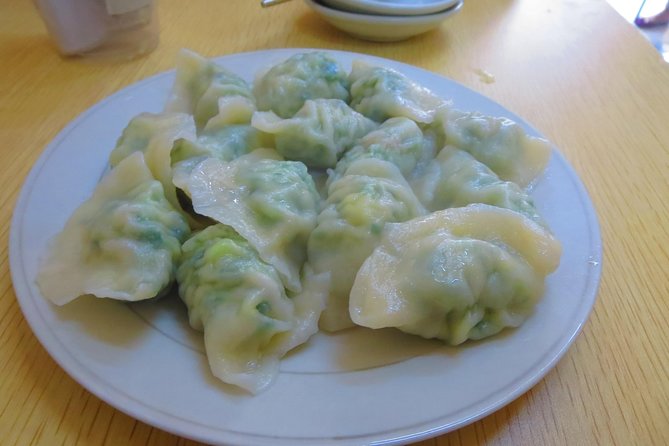
Manila’s Culinary Expedition: The Ultimate Food and Market Tour
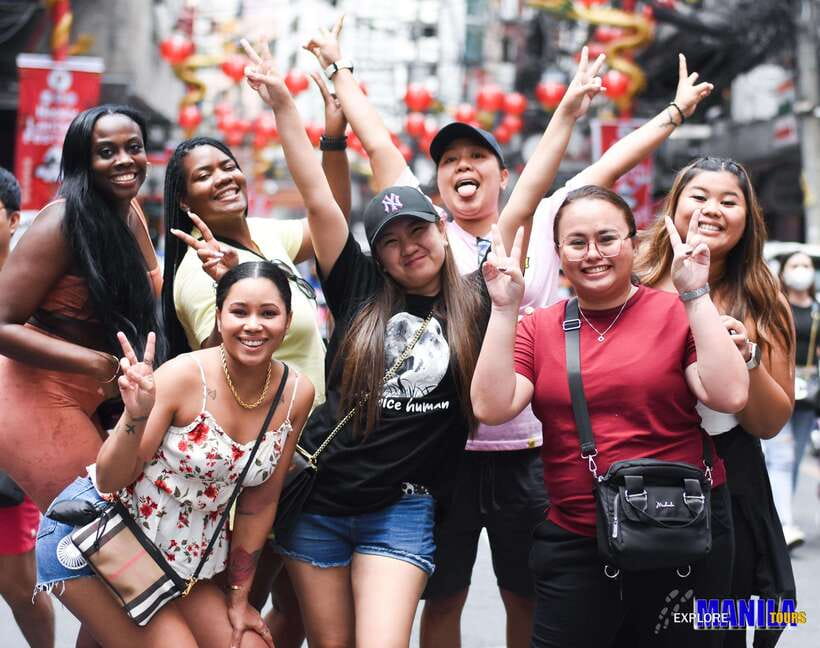
Manila tastes best one bite at a time. This three-hour food tour takes you through Binondo, Manila’s Chinatown, where you walk between restaurants, markets, and street-food stops while sampling about 10 Filipino dishes. The food provides the route, but the real subject is Manila itself, a city shaped by Filipino, Chinese, Spanish, and other outside influences.
I like the small-group format, which allows the guide to adjust the tastings and answer questions instead of delivering a fixed speech. I also like the way the tour combines eating with city history, giving you a better sense of Chinatown than a quick restaurant visit would. The main consideration is the pace: you need good walking shoes, and the food arrives in generous quantities.
The experience costs $115 per person, includes hotel pickup, begins at 12:30 pm, and accepts a maximum of 15 people. It has a 4.8 rating from 42 reviews, with 98 percent recommending it. Guides such as Mark have been praised for their friendly explanations and willingness to tailor the food stops, while drivers including Kyle and Pedro have helped make the transfers easy.
In This Review
- Key things to know before you book
- Why Binondo makes such a good food-tour setting
- Starting at 12:30 pm with a ready appetite
- The Binondo stops: restaurants, street food, and local flavor
- What the guide adds to the experience
- Walking through Chinatown instead of sitting in traffic
- Is $115 a fair price?
- Who should book this Manila food tour?
- Booking, cancellation, and weather details
- Final verdict: book it if food is your way into Manila
- FAQ
- How long does Manila’s Culinary Expedition last?
- Where does the food tour take place?
- What time does the tour start?
- How many dishes or tastings are included?
- Is hotel pickup available?
- How large is the tour group?
- Can I cancel for a full refund?
Key things to know before you book
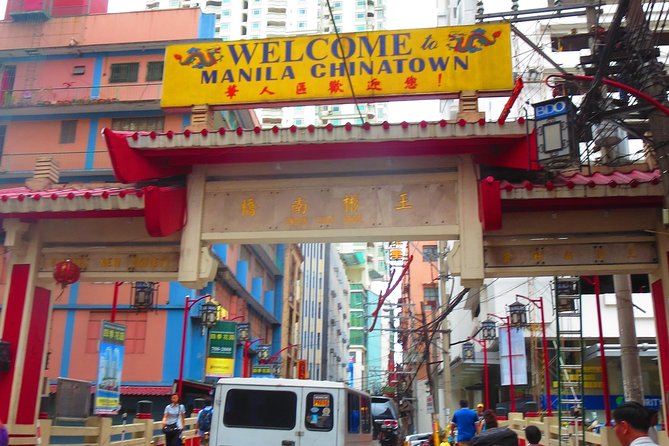
- About 10 food tastings in three hours: Come hungry, because the portions can add up quickly. Several people found themselves full after the first four stops.
- Binondo is the main setting: You explore restaurants and food stalls on foot rather than spending the afternoon stuck in Manila traffic.
- The guide can shape the experience: Mark has adjusted tastings to match specific interests, and questions about food and local history are part of the appeal.
- Walking is a real part of the tour: Sturdy shoes matter more than dressing up for lunch.
- Hotel pickup adds useful convenience: You do not have to find your own way to Chinatown, though the exact pickup arrangements are not specified.
- Plan ahead: The tour is booked an average of 27 days before the start date, so leaving it until the last minute may not work.
Why Binondo makes such a good food-tour setting
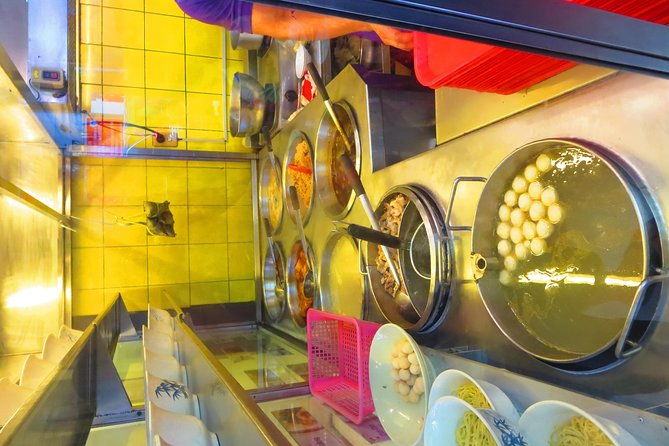
Binondo gives you a useful introduction to Manila because food and place are tightly linked here. The tour focuses on one neighborhood, but the dishes point toward the wider story of the capital and its mixed cultural roots.
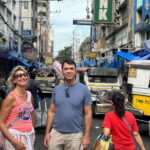
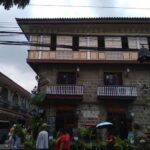
You are not simply driven to a restaurant, seated, and handed a plate. The route involves walking through Chinatown and moving between different food businesses. That matters because you see how the neighborhood works as well as what it serves. You get changing views of the streets, local shops, market activity, and restaurant fronts between tastings.
The tour description does not name every restaurant or dish in advance. That is a small drawback for anyone who wants to plan around specific foods. Still, it gives the guide room to adjust the selection, which has been one of the most praised parts of the experience.
You may also find the walking more revealing than a standard sightseeing drive. Manila traffic can consume a large part of a short visit, while this route keeps the focus close to the food. Hotel transfers handle the ride to and from the area, then the central part of the experience unfolds on foot.
You can also read our reviews of more shopping tours in Manila
Starting at 12:30 pm with a ready appetite
The tour starts at 12:30 pm, a useful time for a serious lunch rather than a light snack. I would eat only a small breakfast and bring water, since you are expected to taste repeatedly over roughly three hours.
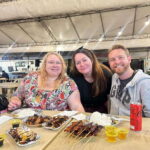
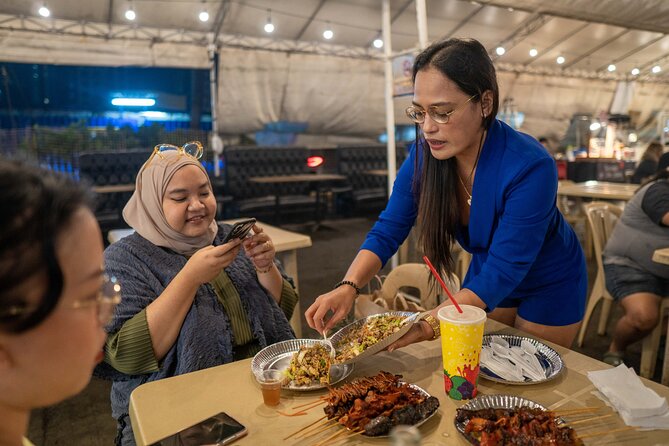
The food comes in stages. You may be offered a full portion at one stop and a smaller taste at another, but the total can still be substantial. One account describes being nearly full after four stops and sampling only a little at the remaining six. That is not a flaw, but it changes how you should approach the tour: pace yourself early.
I like the fact that the food is not treated as a single grand meal. Ten smaller encounters give you more range and let you compare different styles of cooking. The tradeoff is that you should not expect to sit down for a long, relaxed meal at one restaurant. This is a moving food route, with conversation and walking between bites.
If you have strong food preferences, tell the guide early. Mark has been praised for adjusting tastings around what people most wanted to try. The available information does not spell out every dietary option, so you should raise allergies, restrictions, or dislikes before the tastings begin rather than assume they can be handled on the spot.
The Binondo stops: restaurants, street food, and local flavor
The itinerary lists Binondo as the main stop, with several restaurants and food businesses included along the way. Rather than presenting one signature dish, the tour samples many kinds of food. The result should suit you if curiosity matters more than finding one perfect plate.
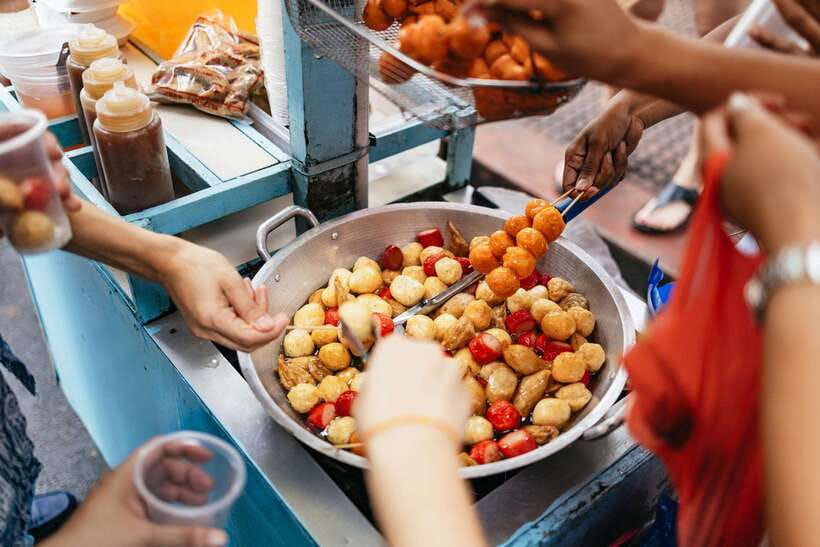
The strongest feature is variety. You might move from a sit-down restaurant to a street-food setting, then continue to another business for a different preparation. The precise mix can change, and that is part of the guide-led nature of the outing.
Street food is especially appealing if you want a less polished view of Manila’s food culture. You get to see how locals eat in ordinary settings, not only how a restaurant presents Filipino cuisine to outsiders. At the same time, a market environment can be crowded, noisy, and less predictable than a formal dining room. Keep your expectations practical and focus on tasting rather than comfort.
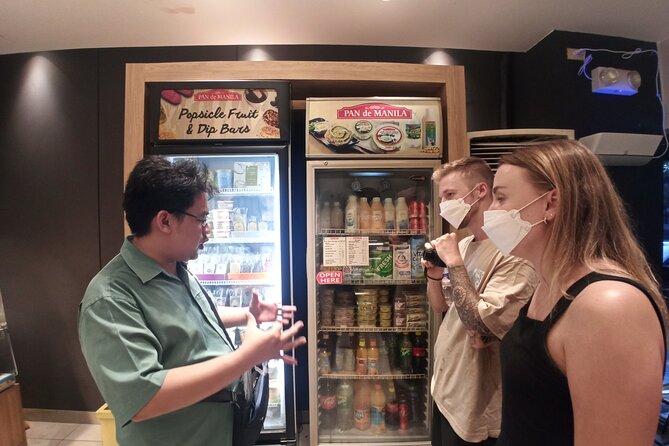
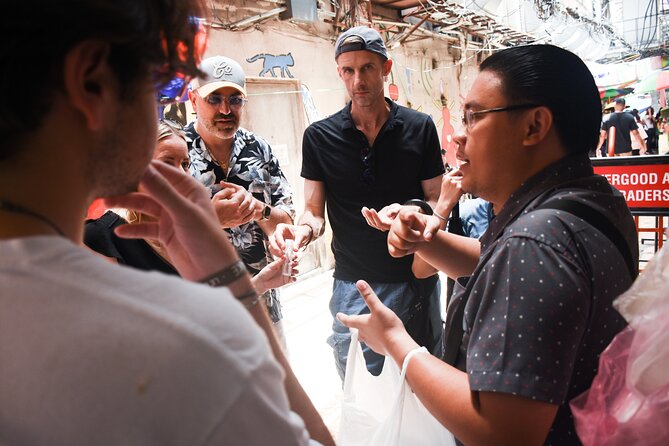
The tour also makes a useful distinction between eating and understanding. A guide who explains why a dish matters, where an influence comes from, or how the neighborhood developed gives each stop more meaning. Mark has received particular praise for explaining both food and local history, while other guide teams have been described as friendly and flexible.
Because the tour is limited to 15 people, you should have a better chance of hearing explanations and asking questions than on a large coach outing. Fifteen is still not an intimate private tour, especially on narrow streets or inside small food businesses. The group discount option may help if you are traveling with friends or family.
What the guide adds to the experience
The guide is the difference between a list of snacks and a proper introduction to Binondo. The best moments should come when you can ask why a food is served a certain way, how Chinese influence appears in local cooking, or what a particular street tells you about Manila.
Mark is the guide most often singled out by name. He has been described as personable, engaging, and willing to answer detailed questions. He also adjusted the tasting plan for different interests, which is valuable because food preferences vary widely.
One outing included Jack, a trainee who was also described as helpful and well-informed. Other accounts mention Kyle as the driver and Pedro as another pleasant member of the transport team. The specific team can vary by date, so you should not book solely on the expectation of one named person. Still, the repeated praise for the guide-and-driver combination suggests that the human side of the tour is a major strength.
I would use the walking time to ask questions rather than save everything for the next restaurant. The streets provide the natural pauses, and a good guide can connect the place you have just left with the food you are about to try.
Walking through Chinatown instead of sitting in traffic
Hotel pickup is a practical benefit, especially if you are unfamiliar with Manila or staying outside Binondo. You avoid the hassle of arranging your own ride to the starting area. The tour also uses walking to reduce the time lost to Manila’s traffic.
Do not mistake pickup for a fully vehicle-based tour. Walking is central to the route, and sturdy shoes are repeatedly advised. You should be comfortable spending much of the three hours on your feet, moving between food stops and taking in Chinatown at street level.
The walking also affects who will enjoy the experience most. If you like active food tours, local markets, and short stops, the pace should feel lively. If you want a slow lunch with plenty of seating, this may feel rushed. The information says most people can participate, but it does not provide detailed accessibility notes, distances, or terrain. Anyone with mobility concerns should ask the provider for current route details before booking.
The tour is near public transportation, but because hotel transfers are offered, you may not need to use it. Pickup details are not specified, so confirm the exact arrangement after booking.
A few more Manila tours and experiences worth a look
Is $115 a fair price?
At $115 per person, this is not a cheap lunch. You are paying for more than the food itself: hotel transfers, a guide, route planning, about 10 tastings, and the chance to ask questions in a small group.
The value depends on how you would otherwise explore Binondo. If you already know where to eat, speak comfortably with locals, and are happy to arrange transportation, you could spend less on food alone. But finding 10 worthwhile stops in three hours, understanding what you are eating, and avoiding wasted time in traffic is difficult on a first visit.
I see the price as fair for a visitor who wants a structured introduction rather than a simple meal. It is particularly useful early in a Manila stay, since you can learn about local foods before choosing where to eat independently later.
The small-group limit helps support the price. A group of up to 15 is not private, but it is manageable. Group discounts may also improve the value if you are booking with several people.
Who should book this Manila food tour?
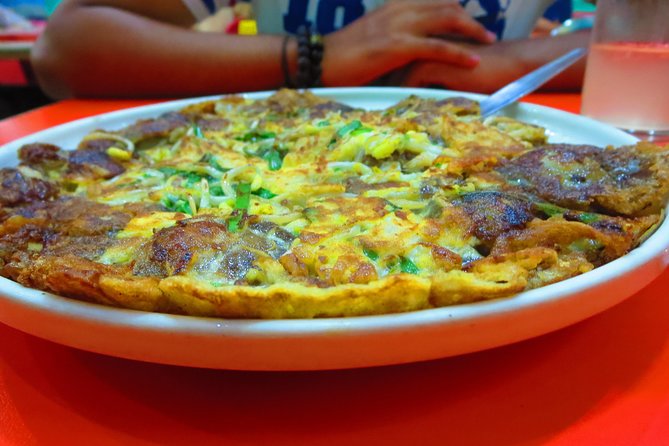
I would recommend it most strongly to food-focused visitors who want range, context, and a taste of everyday Chinatown. It works well for first-time visitors because the guide handles the route and gives you a starting point for understanding Manila’s food culture.
It should also suit you if you enjoy trying street food but would rather have a guide nearby. The route introduces you to local eating places without requiring you to decode every menu or decide which stall to trust.
Families and small groups may appreciate the pickup and flexible approach. The maximum group size is 15, and group discounts are available. Still, the large number of tastings means you should think about the youngest or least adventurous eater in your party.
I would be more cautious if you have strict dietary restrictions, dislike walking, or want complete control over each dish. The information does not confirm a specific allergy-friendly menu, exact foods, or detailed accessibility arrangements. Ask before paying if those points are important to you.
Booking, cancellation, and weather details
Confirmation is provided at booking, and the tour offers a mobile ticket. Since it is booked an average of 27 days ahead, reserve early if your Manila dates are fixed.
You can cancel for a full refund up to 24 hours before the 12:30 pm start time. Changes or cancellations made less than 24 hours before the experience are not accepted for a refund. Cutoff times follow local time.
The tour requires good weather. If poor weather causes cancellation, you will be offered another date or a full refund. The experience also requires a minimum number of participants. If that minimum is not met, you will be offered another date or experience, or receive a full refund.
Final verdict: book it if food is your way into Manila
I would book Manila’s Culinary Expedition if you want to understand Binondo through its food rather than simply pass through for lunch. The strongest reasons are the range of tastings, the walking route, the small-group setting, and the guide’s ability to adjust the experience around your interests.
Go hungry, wear sturdy shoes, and expect more food than you may manage at full size. At $115, it is best viewed as a guided introduction to Manila’s Chinatown, with transport and local interpretation included, not as a bargain meal.
Skip it if you need a quiet restaurant afternoon, a fixed menu, or a fully accessible route confirmed in advance. For everyone else, this is a practical and tasty way to get your bearings in Manila, with enough local contact and history to make the food stick in your memory.
FAQ
How long does Manila’s Culinary Expedition last?
The experience lasts approximately three hours.
Where does the food tour take place?
The tour takes place in Binondo, Manila’s Chinatown, with visits to different restaurants and food businesses.
What time does the tour start?
The tour starts at 12:30 pm.
How many dishes or tastings are included?
You can expect to sample around 10 dishes during the tour.
Is hotel pickup available?
Yes. Hotel transfers are included, although the exact pickup details are not provided.
How large is the tour group?
The group can include a maximum of 15 travelers.
Can I cancel for a full refund?
Yes. You must cancel at least 24 hours before the experience start time for a full refund.
More Shopping Tours in Manila
More Tours in Manila

More Tour Reviews in Manila
Not for you? Here's more nearby things to do in Manila we have reviewed

Food Tours: how the alternatives stack up

The lists this tour appears in