
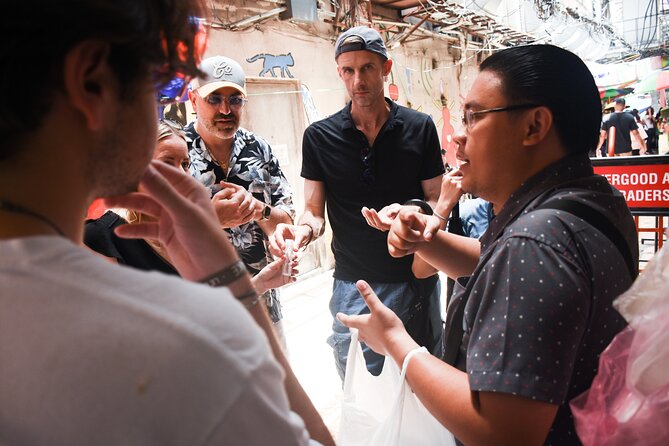
Manila Food Tour: Explore World’s Oldest Chinatown
Manila’s best stories may come on a plate. This three-hour walk through Binondo, the world’s oldest Chinatown, pairs eight sweet and savory tastings with food traditions, local life, and a look at one of Manila’s most rewarding districts. I like the smart route, which moves from fresh lumpia and empanadas to dumplings, noodle soup, dim sum, and hopia without wasting much time. I also like the small-group format, especially with guides such as Nel, Jian, Chloe, Rian, and Nelly praised for their warmth and easy conversation.
The main thing to consider is the sheer amount of food. You may want to skip breakfast, particularly on a morning departure, and the tour is not suitable for vegans. A few people also found the food good but not exceptional or wished for more Chinatown history, so your experience may depend partly on your guide and your expectations.
In This Review
- Key points at a glance
- Why Binondo makes such a good food walk
- Meeting at Binondo Church and starting on Carvajal Street
- Handmade dumplings and the value of local guidance
- Mami, Filipino comfort food in a bowl
- Dim sum with a local rhythm
- Hopia at a historic bakery
- What the $60 price really covers
- Timing, transport, and the walking pace
- Who will enjoy this tour most
- Small details that improve the day
- Should you book the Binondo food tour?
- FAQ
- Where does the Manila food tour begin?
- Where does the tour end?
- How long does the experience last?
- How much does the tour cost?
- How many foods are included?
- Are drinks included?
- Is transportation included?
- Is the tour suitable for vegans?
- What happens if bad weather cancels the tour?
Key points at a glance
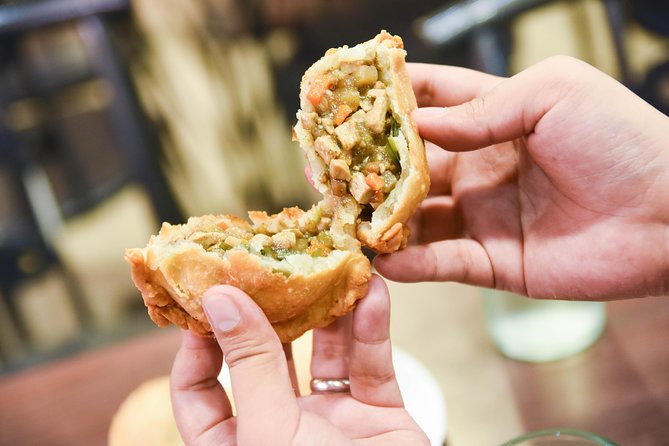
- Eight substantial tastings: Expect a mix of fresh lumpia, Kuchay Ah Pie, handmade dumplings, mami, dim sum, duck or other local specialties, and several kinds of hopia.
- Binondo Church meeting point: The tour begins at the Minor Basilica and National Shrine of Saint Lorenzo Ruiz, an easy landmark in Plaza Lorenzo Ruiz.
- Small-group value: The tour is designed to keep costs down, with the main description listing a maximum of 10 people, while the additional information allows up to 15.
- Guides make the difference: Nel, Jian, Chloe, Rian, and Nelly are praised for food knowledge, local stories, humor, and help with dietary needs.
- Three hours on foot: You finish back at the meeting point, leaving the rest of the day open for more Manila sightseeing.
- Come hungry and wear good shoes: This is a tasting walk, but it is also a practical way to get around crowded Binondo without choosing every stop yourself.
Why Binondo makes such a good food walk
Binondo is not simply a district with Chinese restaurants. It is a place where Filipino and Chinese food customs have mixed over generations. That combination gives the tour its real purpose: you are not just sampling dumplings, you are seeing how Chinese cooking became part of everyday Filipino food culture.
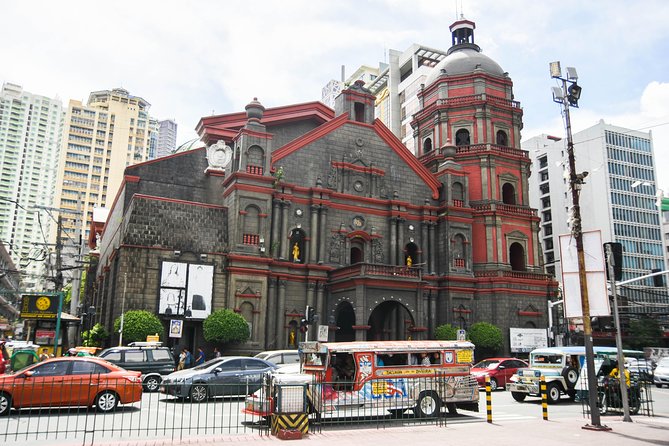
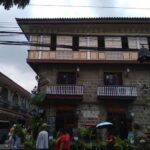
The starting point, Binondo Church, gives you a clear landmark and a useful sense of place. From there, the route moves into streets where food shops, restaurants, vendors, and older buildings crowd together. The setting is active and practical rather than polished for sightseeing. That is part of the appeal, but it also means you should expect a busy urban walk, not a quiet culinary retreat.
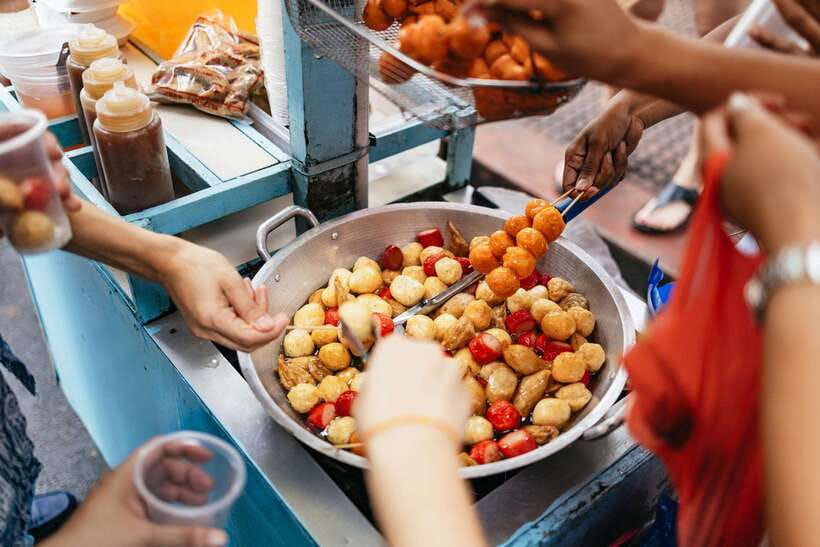
I like that the food is not limited to familiar dim sum. The selection includes Filipino-Chinese specialties that many visitors would not know how to order alone. Several people especially praised the dumplings, fresh lumpia, and empanadas, while one group even enjoyed sharing a pigeon dish when it was available.
You can also read our reviews of more tours and experiences in Manila.
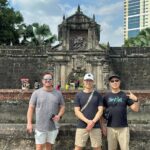
Meeting at Binondo Church and starting on Carvajal Street
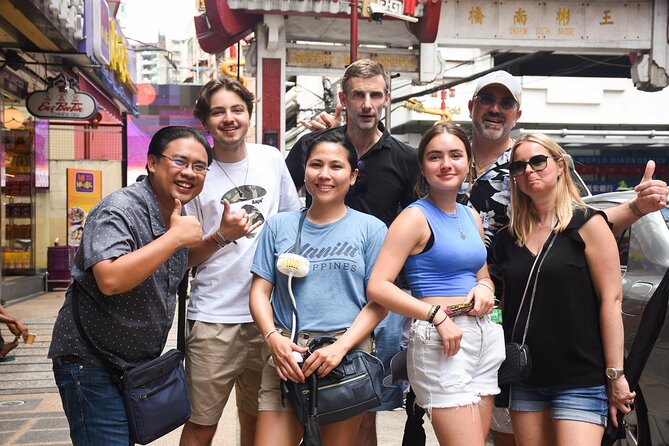
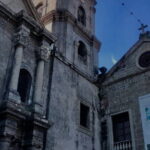
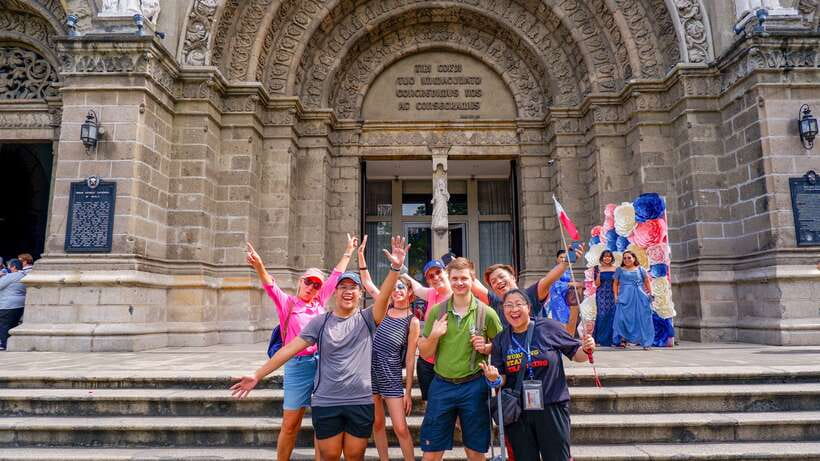
You meet your guide at the Minor Basilica and National Shrine of Saint Lorenzo Ruiz, commonly called Binondo Church, at 1006 Plaza Lorenzo Ruiz. The church is the only listed stop by name, but it also serves as a practical place to gather before entering the food streets.
The first food area is Carvajal Street. Here, you begin with items such as fresh lumpia and Kuchay Ah Pie. Fresh lumpia gives you a soft, vegetable-filled introduction, while Kuchay Ah Pie offers a savory pastry experience with Chinese-Filipino roots. The exact serving order may vary, but the early tastings help you understand the range of flavors before the heavier dishes arrive.
This section is also useful for anyone who feels unsure about eating from smaller local stalls. Your guide handles the route and points out the places selected for the group. One particularly practical detail is that local connections can help the group receive food more quickly, even when a dumpling shop has a long queue.
You should still wear comfortable walking shoes. The route is only around three hours, but you will be walking between stops, standing at busy food counters, and making room for other people in a crowded neighborhood.
Handmade dumplings and the value of local guidance
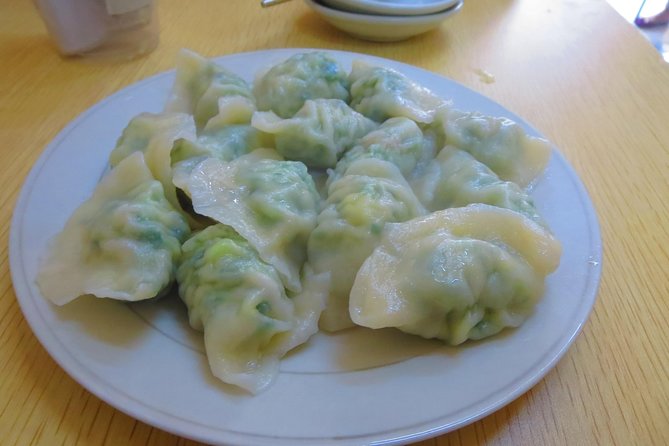
The dumpling stop is one of the strongest parts of the experience. The focus is on handmade dumplings, with the preparation itself treated as part of the meal. That matters because you get more than a plate of generic steamed food. You can connect the texture and shape of each dumpling to the work done in the kitchen.
Several guests singled out this stop as their favorite. One person compared the dumplings favorably with those found in the San Francisco Bay Area, which is high praise from someone familiar with Chinese food abroad. Another group described the dumplings as mouthwatering and said the shop would have been difficult to find without the guide.
That is where this tour gives you real value. At $60 per person, you are paying for food, but also for someone to choose the stops, manage the timing, explain what is in front of you, and help the group move through a busy district. If you tried to recreate the same tasting on your own, you might spend less, but you would need to identify the shops, decide how much to order, and avoid buying too much of one dish before you know what comes next.
Mami, Filipino comfort food in a bowl
The route then turns to mami, a noodle soup with a firm place in Filipino comfort food. This is a useful change of pace after the early pastries and dumplings. A warm bowl of soup gives the meal a more filling, everyday quality and shows how Chinese-style noodles became part of Filipino home cooking and restaurant culture.
Your guide is meant to explain the background of the dish as well as its ingredients. The best guides on this tour do not treat each stop as an isolated sample. They connect the food to Manila, Chinese migration, family habits, and the way dishes change when they cross borders.
One criticism worth keeping in mind is that not every guide may provide the same amount of historical detail. Most feedback praises guides such as Nel, Jian, Chloe, and Rian for explaining both food and local culture, but one person felt the tour did not teach enough about Chinatown itself. If the historical side matters most to you, tell your guide early that you would like more context.
Dim sum with a local rhythm
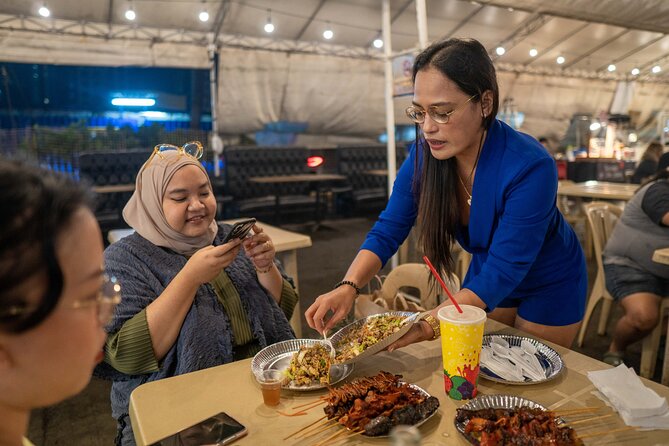
The next stop is a destination known for classic dim sum. By this point, you will probably be ready to share rather than eat a full portion of everything. The tour includes many tastings, and groups often sample part of a serving at each restaurant so nobody fills up too early.
That sharing system is important. One couple reported being full before the end even after splitting portions, while another group had enough leftovers to take back to their hotel. The amount depends on serving size and the day’s selection, but you should not think of this as a light snack walk.
Dim sum is also where the tour shows its practical side. Your guide helps with ordering and timing, which takes away the guesswork if you do not know the names or customary ways to eat the dishes. It is easier to try something unfamiliar when you are sharing a plate with a group and have someone explain what it is.
The tradeoff is that a group tasting does not give you full control over every order. If you have strong food preferences, allergies, or restrictions, tell the guide as soon as possible. One review praised Nel for being thoughtful and accommodating with different food restrictions, but the tour is specifically marked as unsuitable for vegans.
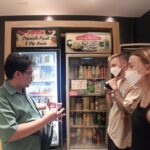

Hopia at a historic bakery
The final food stop is a bakery known for hopia, a flaky pastry with a Chinese-Filipino place in Manila’s food tradition. Several flavors are included, giving you a sweet finish after the savory dishes.
Hopia travels well, so it can also be a useful end-of-tour purchase if you want something for later. The tour includes the tasting, but any extra purchases are not listed as part of the price. The pastry stop makes sense at the end because it gives you a clear finish, rather than leaving the group with one more heavy meal.
This final stop also reinforces the tour’s larger theme. Binondo food is not divided into neat Chinese and Filipino boxes. Pastries, noodles, dumplings, and savory snacks show how the two traditions have shared ingredients, techniques, and customers for a long time.
What the $60 price really covers
At $60 per person, this is not the cheapest way to eat in Manila. If you already know Binondo and are comfortable ordering from local shops, you could likely spend less by choosing a few places yourself.
For a first visit, the price is easier to justify. It includes eight food items, soft drinks, tea, and bottled water, along with a guide for about three hours. You are also buying a planned progression through the neighborhood rather than a single restaurant meal. The food is freshly prepared at each stop, according to the experience details, and the group format helps keep the cost below that of a private food walk.
The tour earns more of its price when the guide is active and engaging. Jian is praised for fun facts, restaurant knowledge, and practical help. Chloe is praised for lively commentary, good pacing, and even waiting with one person until a taxi arrived. Nel receives repeated praise for warmth, humor, and explanations of Filipino life. These details suggest that the human side of the tour is a major part of its value.
There is also a group discount option, though the amount is not specified. The main description says the group is limited to 10, while the additional details say the maximum is 15. If group size matters to you, check the confirmed number when booking.
Timing, transport, and the walking pace
The tour lasts about three hours and ends where it begins at Binondo Church. Private transportation is not included, so you need to arrange your own way to and from Plaza Lorenzo Ruiz. The meeting point is near public transportation, and the church is easier to identify than a small restaurant entrance.
A morning start has two clear advantages. Binondo may be cooler, and you can eat your way through the district before the day becomes too warm. The rest of your afternoon remains free for other Manila plans, though you may want a pause before scheduling another serious meal.
The walk is described as well paced, with stops spaced out so the group can eat without rushing. Still, this is not a seated food crawl. You will move through active streets and local businesses, so bring water, use the bottled water provided as needed, and leave room in your schedule for the group to wait for freshly made food.
Bad weather can affect the experience. If the tour is canceled because of poor weather, you are offered another date or a full refund. For your own cancellation, you can receive a full refund if you cancel at least 24 hours before the start time. Changes or cancellations inside that window are not accepted for a refund.
Who will enjoy this tour most
I would choose this tour if you are visiting Manila for the first time and want a guided introduction to Binondo without spending a full day. It also suits people who like to try many foods but do not want to research every restaurant in advance.
It works well for solo visitors, couples, families, and small groups. One person ended up on a private tour because nobody else had booked that departure, while other departures included small groups sharing dishes. That flexibility can make the experience feel personal, though you should not assume every date will be private.
Local residents can enjoy it too. Familiar foods are presented at selected places, and several Filipino participants appreciated trying especially good versions of dishes they already knew. The experience is not only for people who have never tasted Chinese-Filipino food.
I would be more cautious if you are vegan, have serious dietary restrictions, dislike shared portions, or want a long, formal history tour. The food is the center of the experience, and the historical commentary may vary by guide. People who want quiet meals should also know that Binondo is a busy district.
Small details that improve the day
Come hungry, but not so hungry that you feel rushed into eating everything at the first stop. The food keeps coming, and the tour can leave you very full.
Wear walking shoes and clothes suited to warm weather. The route includes streets, food counters, and restaurant stops, not just indoor dining rooms.
Ask your guide about the day’s special options. The standard description lists the main sequence, but the feedback mentions duck and, on one occasion, pigeon as an optional or available dish. Do not assume every food appears on every departure, but asking may reveal something unusual.
If you cannot finish a serving, ask whether it can be wrapped. This has been possible on some tours and can turn leftovers into a useful late-night snack.
Should you book the Binondo food tour?
Book it if you want a guided, filling introduction to Manila’s Chinese-Filipino food culture. The strongest reasons are the range of dishes, the carefully chosen small shops, and the help of guides who know how to make a crowded neighborhood easier to understand.
At $60, the tour is best viewed as a food-and-orientation experience rather than a cheap lunch. You will pay more than you would for a few self-guided snacks, but you gain eight tastings, drinks, local explanations, and a planned route through Binondo.
I would book a morning departure, skip breakfast, and confirm the expected group size if that matters to you. If dumplings, fresh lumpia, mami, dim sum, and hopia sound like a good afternoon, this is a strong choice. If your main goal is detailed architecture or a strict vegan meal, choose another Manila activity.
FAQ
Where does the Manila food tour begin?
It begins at the Minor Basilica and National Shrine of Saint Lorenzo Ruiz, also known as Binondo Church, at 1006 Plaza Lorenzo Ruiz, Binondo, Metro Manila.
Where does the tour end?
The tour ends back at the meeting point at Binondo Church.
How long does the experience last?
The experience lasts approximately three hours.
How much does the tour cost?
The listed price is $60 per person.
How many foods are included?
The tour includes eight food items, ranging from sweet to savory.
Are drinks included?
Yes. Soft drinks, tea, and bottled water are included.
Is transportation included?
No. Private transportation is not included. The meeting point is near public transportation.
Is the tour suitable for vegans?
No. The experience is specifically listed as not suitable for vegans.
What happens if bad weather cancels the tour?
You will be offered a different date or a full refund if the experience is canceled because of poor weather.
More Tours in Manila
More Tour Reviews in Manila
Not for you? Here's more nearby things to do in Manila we have reviewed
Food Tours: how the alternatives stack up

The lists this tour appears in