Siargao Island Vegetarian Cooking Class
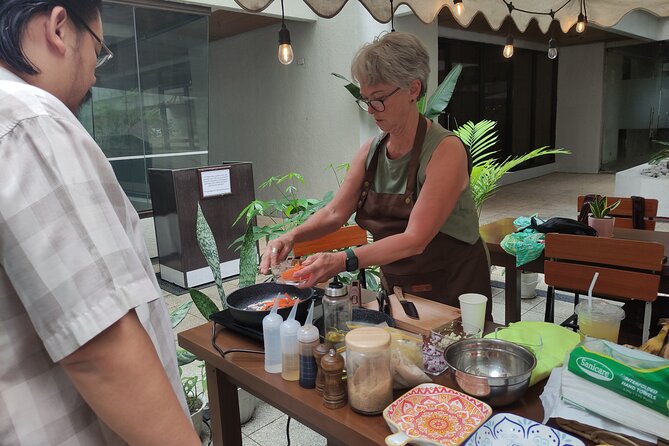
Good food, sea views, and hands-on cooking make this four-hour class a pleasant change from Siargao’s usual surf and island-hopping plans. At Malinao Seaview near General Luna, you prepare Filipino vegetarian dishes with locally grown produce, then sit down to enjoy what you have made.
I like the clear focus on traditional Filipino home-style flavors, especially pinakbet, bitter melon with egg, and vegetable lumpia. I also like the small group limit of 10, which should give you more room to follow the cooking and ask questions in English. The main point to check is the meaning of vegetarian here: the pinakbet includes fish sauce, and several dishes contain eggs, so this is not a vegan class and may not suit strict vegetarians without advance clarification.
Nicole from Germany gave the class five stars after a February 2026 visit, praising the beautiful time and the helpful look into Filipino cuisine. That matches the strongest reason to book: you are not just eating local food, you are learning how several familiar Philippine ingredients become a full meal.
In This Review
- Key points to know before booking
- Why this Siargao cooking class is worth your time
- Starting at Malinao Seaview near General Luna
- Cooking pinakbet with island vegetables
- Preparing grilled eggplant fritter
- Stir-frying bitter melon with eggs
- Making sweet potato leaf salad
- Rolling vegetable lumpia by hand
- Finishing with fresh fruit halo-halo
- What four hours feels like in practice
- Price and value at $90 per person
- Who should book this Siargao food experience
- What to bring for a comfortable class
- Cancellation and booking flexibility
- Should you book the Siargao Vegetarian Cooking Class?
- FAQ
- Where does the Siargao Vegetarian Cooking Class take place?
- How long does the cooking class last?
- How much does the class cost?
- What dishes are included?
- Is the class suitable for vegans?
- What language is used during the class?
- How many people can join the class?
Key points to know before booking
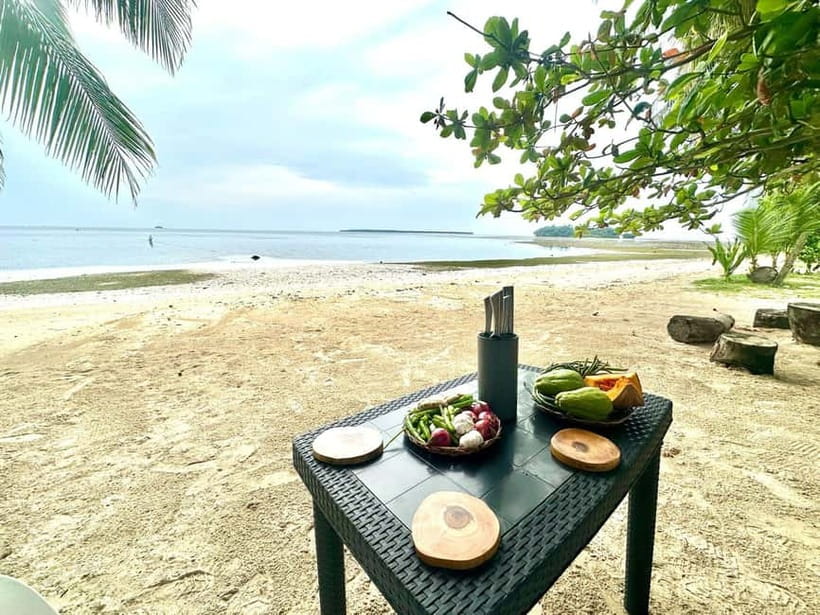
- Beachside setting at Malinao Seaview: You cook with Siargao’s natural scenery around you, rather than in a standard indoor kitchen.
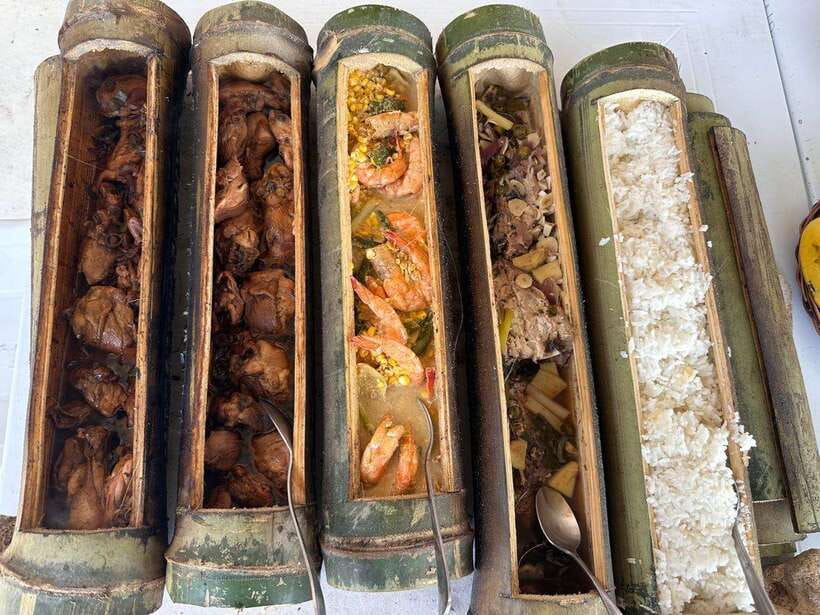
- Seven food preparations included: The menu covers pinakbet, grilled eggplant, bitter melon with egg, sweet potato leaf salad, vegetable lumpia, fresh fruit halo-halo, and a coconut fruit serving.
- Small group of up to 10 people: The limited size should make demonstrations and hands-on work easier to follow.
- Four hours of cooking and eating: This is a relaxed half-day activity, not a quick tasting stop.
- English instruction: The class is conducted in English.
- A fish sauce detail matters: Pinakbet contains fish sauce, while grilled eggplant and bitter melon use eggs, so ask about substitutions if needed.
Why this Siargao cooking class is worth your time
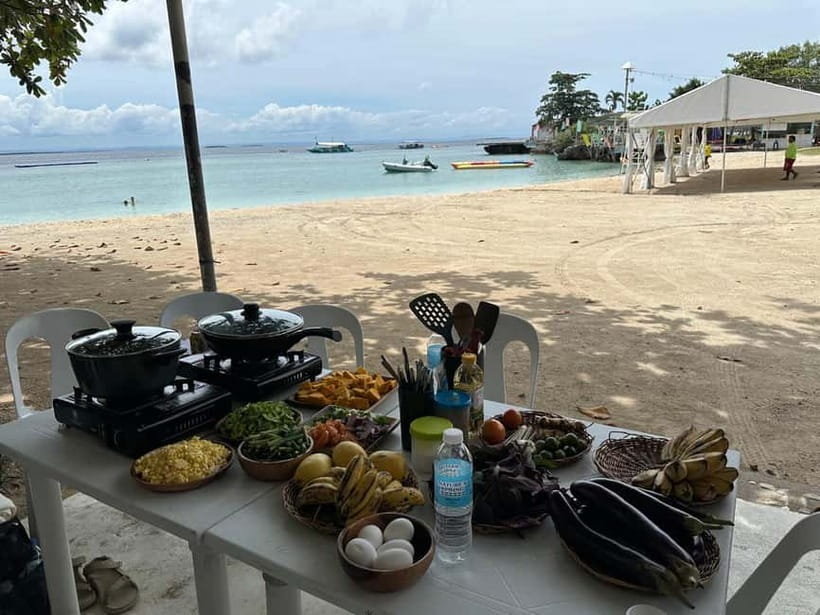
Siargao is easy to fill with water activities, scenic drives, and beach time. A cooking class gives you a different way to understand the island. Instead of only looking at local food on a menu, you get to handle the ingredients and see how Filipino cooks balance vegetables, coconut milk, garlic, onions, ginger, eggs, citrus, and frying.
I like the menu because it is broad without becoming confusing. You get a hearty mixed vegetable dish, two egg-based preparations, a fresh salad, a fried snack, and a fruit dessert. That range gives you a better sense of Filipino cooking than a class built around one dish alone.
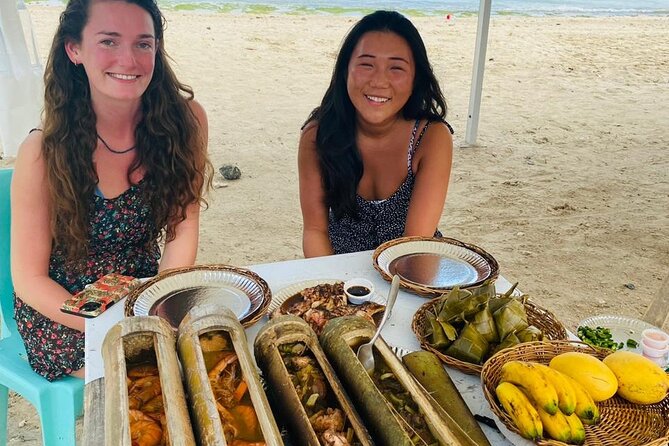
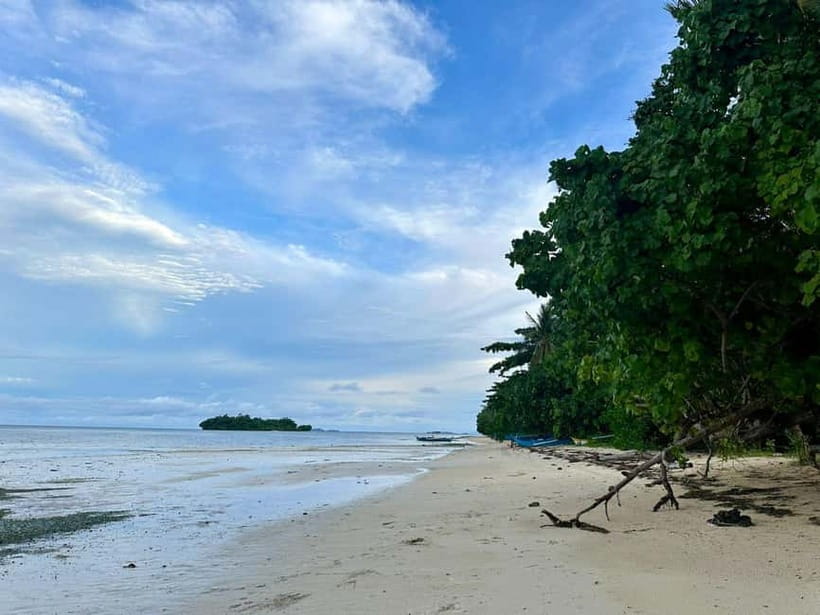
The setting also adds value. Malinao Seaview provides the meeting point and resort entrance, with the class held by the beach. You should expect the surroundings to be part of the experience, not just decoration. Bring clothes that can handle cooking and beach conditions, and pack a change of clothes in case the day becomes warm or messy.
The class requires at least two people to operate. If you are booking alone, confirm that another participant has joined before relying on this activity as a fixed part of your schedule.
Starting at Malinao Seaview near General Luna
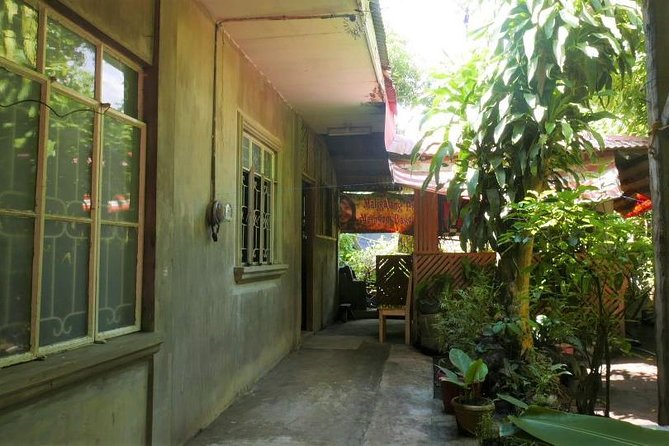
The class takes place at Malinao Seaview, a scenic resort setting on Siargao Island. The supplied information does not include hotel pickup or transport, so you should plan your own way to the meeting point and confirm the exact arrival instructions after booking.
The resort entrance is included in the price. That is useful because you are paying for more than the cooking lesson itself: the setting, access to the property, instruction, ingredients, and the meal are part of the four-hour visit.
You will want comfortable clothes and shoes. Beachwear is also recommended, but cooking can involve hot pans, oil, and ingredients that stain, so I would choose practical clothing rather than your best swim cover-up. A charged smartphone and camera are sensible for recording recipes and taking pictures of the finished dishes.
Biodegradable sunscreen and insect repellent are specifically recommended. That advice fits a beachside class, where sun and insects may be more noticeable than they would be in an enclosed kitchen.
Cooking pinakbet with island vegetables
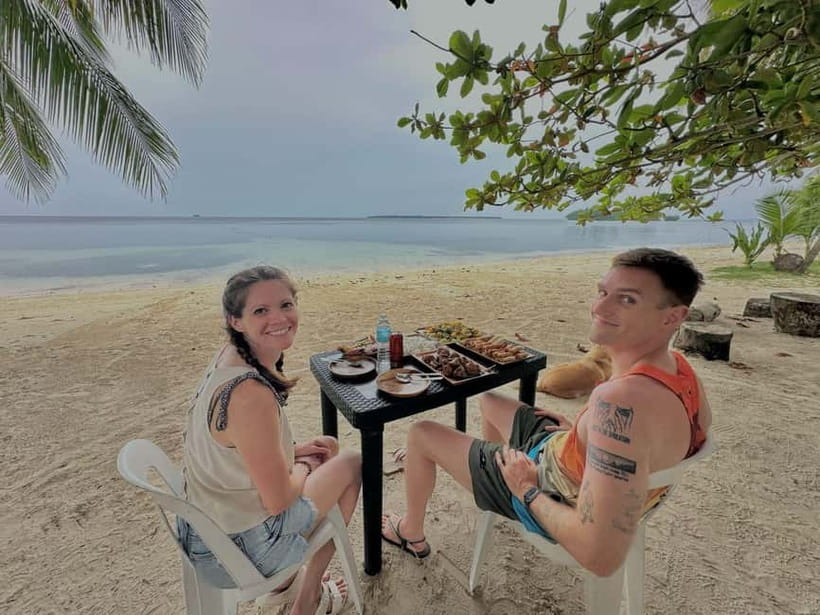
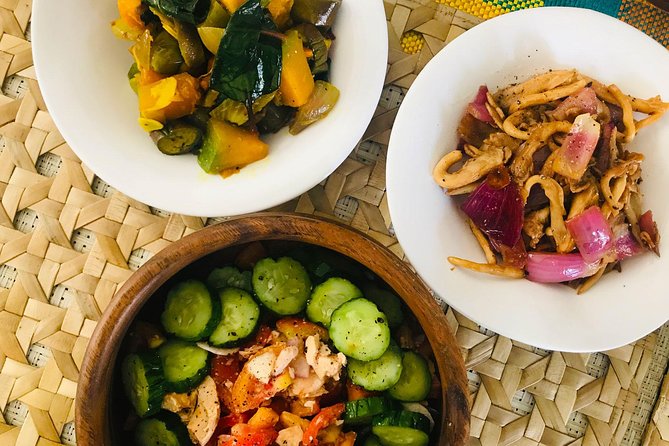
Pinakbet is one of the more substantial dishes on the menu. It uses a variety of mixed vegetables grown locally on the island, with coconut milk and fish sauce providing the main flavor base.
This is a useful dish for understanding Filipino cooking because it brings together several textures and a savory, slightly salty taste with the sweetness of coconut milk. The local produce is important here. You are working with the kinds of vegetables that form part of everyday Philippine cooking, not simply recreating a generic international vegetable stew.
The fish sauce deserves attention. The class describes pinakbet as vegetarian, but fish sauce is an animal-based ingredient. If you avoid fish, seafood, or all animal products, contact the provider before booking and ask if a substitution is possible. Eggs also appear elsewhere in the menu.
For you, the practical value of this part is that pinakbet is the sort of dish you can make again at home. It is flexible, vegetable-led, and suited to a shared meal. The class does not specify the exact vegetables or recipe quantities, so do not expect a printed formula unless the provider confirms one.
Preparing grilled eggplant fritter
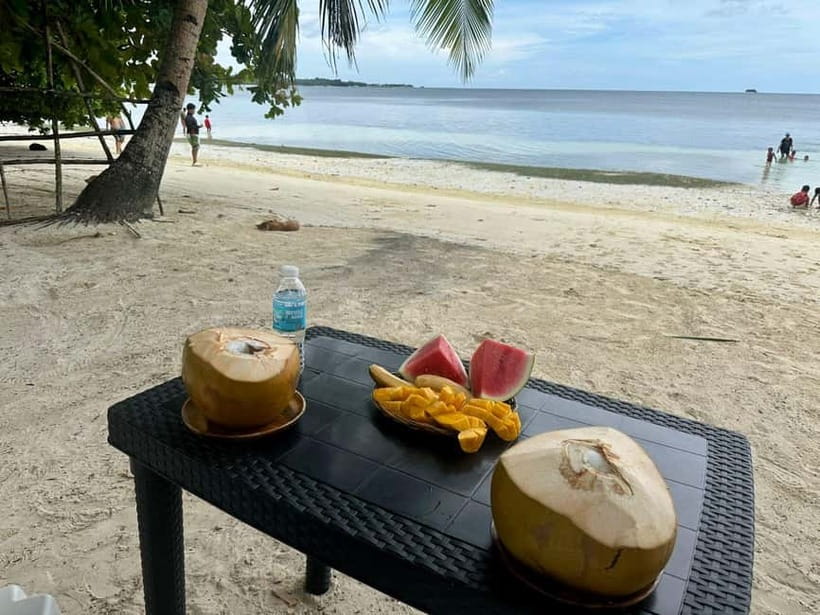
The grilled eggplant dish offers a different technique. The eggplant is grilled first, dipped in eggs, and then pan-fried as a fritter.
That sequence matters. Grilling gives the eggplant a softer interior and a cooked, smoky character before the egg coating is added. Pan-frying then creates a more filling finish. It is a good example of how a humble vegetable can become a centerpiece rather than a side dish.
This preparation is not suitable for vegans because it uses eggs. It may also involve close work around a hot pan, so comfortable clothing and sensible shoes are useful. The class information does not state whether each person cooks an individual portion or helps with a shared serving, so expect hands-on instruction but confirm the exact format if that distinction matters to you.
I like this dish for first-time cooks because the steps are easy to understand: grill, dip, fry. You can watch how the texture changes at each stage and learn a method that works with other vegetables too.
Stir-frying bitter melon with eggs
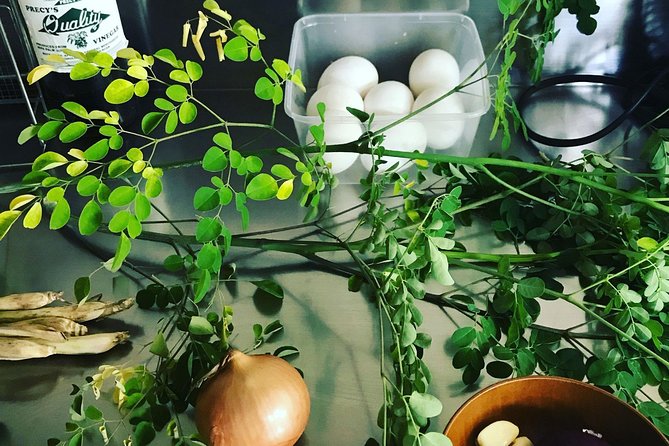
Bitter melon, also called ampalaya in the Philippines, is the most distinctive flavor on the menu. Here it is stir-fried with onions, garlic, and eggs.
The bitter taste is intentional, and it is part of what makes this dish useful for a food-focused experience. You are not being served only mild, familiar vegetables. You get to try an ingredient that has a strong identity in Filipino cooking and see how garlic, onion, and egg are used to round it out.
This is another egg-based dish, so strict vegans should take note. The class description does not promise that the bitterness can be adjusted or that another ingredient can replace the egg. If you are uncertain about bitter melon, this is still a worthwhile chance to try it in a prepared dish rather than ordering a large portion on your own.
The cooking method is also different from the eggplant preparation. Instead of grilling and pan-frying, you work with a quick stir-fry. Together, the two dishes show how the class moves between several basic Filipino techniques.
Making sweet potato leaf salad
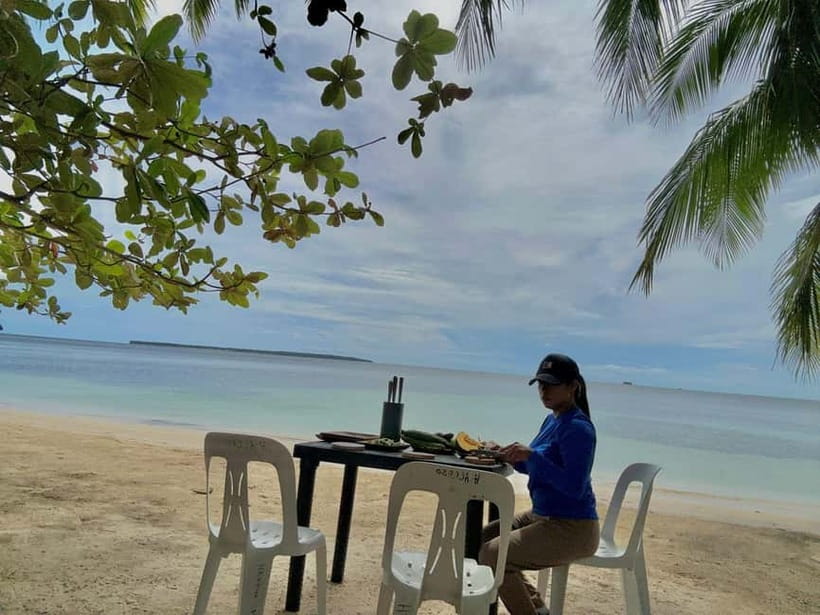
The sweet potato leaf salad brings freshness to a menu that also includes fried and coconut-based food. It combines sweet potato leaves, tomato, ginger, and onion, with lemon dressing.
The ingredients suggest a crisp, sharp contrast to pinakbet and the egg dishes. Lemon adds acidity, while ginger and onion give the salad more character than a plain vegetable side. This is the kind of preparation that can help you understand the role of balance in a meal: rich dishes need something fresh and bright beside them.
The class description does not provide details about cooking the leaves or the exact dressing ratio. You can still expect the dish to demonstrate how local greens and simple aromatics become a light accompaniment.
For anyone who prefers fresh food over fried food, this may be one of the most useful recipes on the menu. It is also the easiest dish to adapt at home, provided you can find suitable leafy greens.
Rolling vegetable lumpia by hand
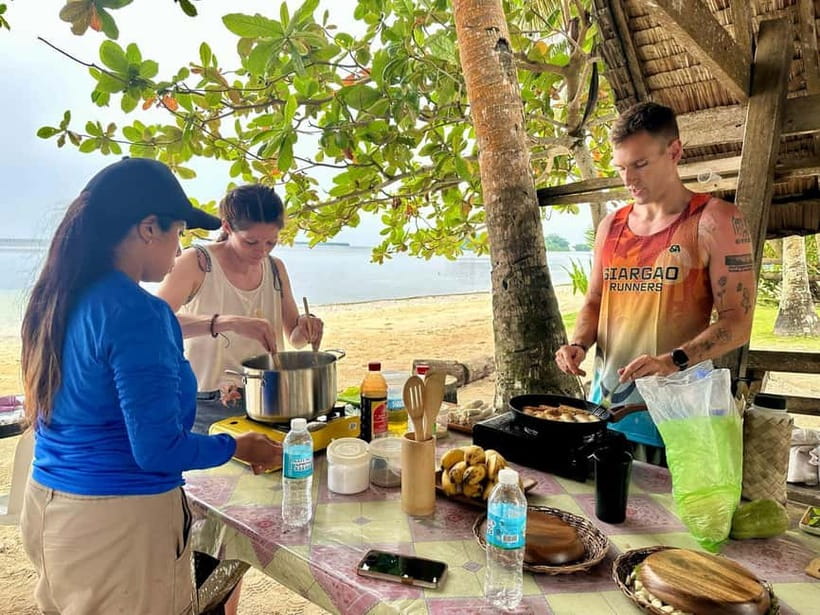
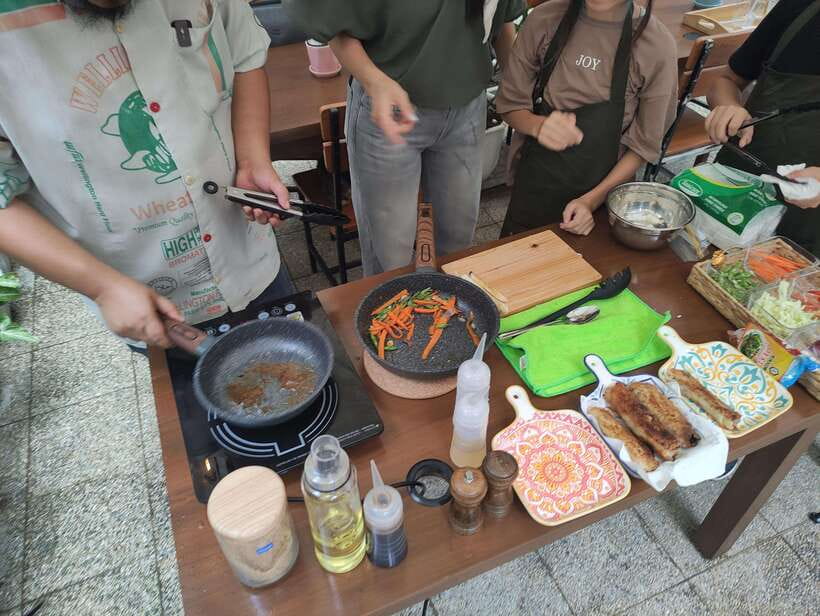
Vegetable lumpia is the familiar fried spring roll of Filipino cuisine. In this class, you prepare the vegetable filling, wrap it, and cook it as part of the meal.
Lumpia is a social food. It is made to share, and the rolling step gives the class a more hands-on feel than simply watching a chef prepare everything. You will likely spend time learning how to handle the wrapper and contain the filling, though the exact ingredients and cooking method are not specified.
The benefit is practical. Once you understand the basic process, you can adapt the filling to whatever vegetables you have available. The limitation is that the class does not state whether dipping sauce is included, so do not assume one is part of the menu.
Because lumpia is fried, it is another reason to wear clothes you do not mind getting splashed or marked. The class is intended to be comfortable and approachable, but it is still a working kitchen activity.
Finishing with fresh fruit halo-halo
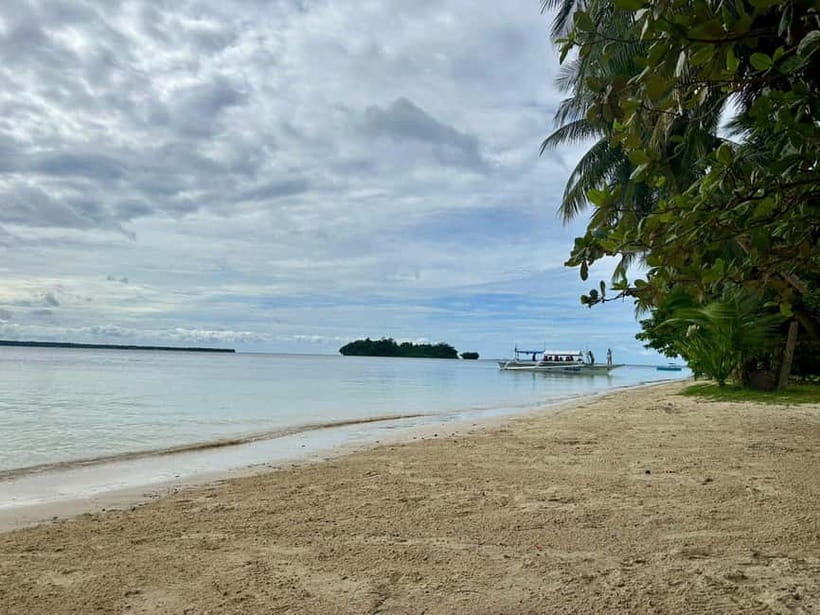
Dessert is a fresh fruit halo-halo made from a variety of seasoned fruits mixed together inside a coconut.
This sounds lighter than the shaved-ice halo-halo commonly associated with the Philippines. The description here specifically focuses on fresh fruit and coconut, so you should expect a fruit-based finish rather than assume the familiar layered dessert with ice cream, beans, or sweet preserves.
Serving the fruit inside a coconut gives the final course a strong island connection. It also keeps the meal from ending with another fried or heavy dish. The exact fruits are not listed and may depend on what is locally available, so the ingredients could vary.
This part should appeal to anyone who wants the class to include a sweet course without making dessert the main event. It also gives you a pleasant final presentation for photographs.
What four hours feels like in practice
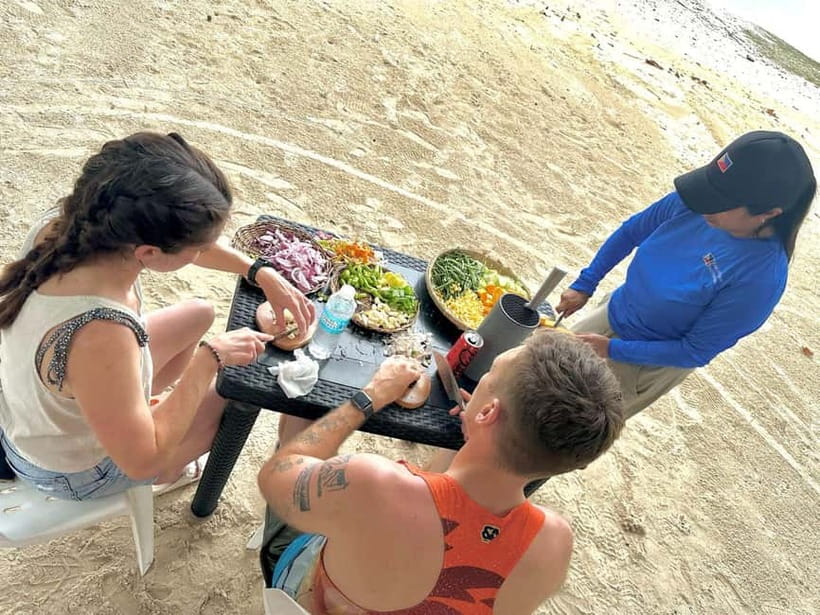
Four hours gives the class enough room to cover several dishes without turning the session into a rushed demonstration. You have time to see different techniques, help prepare the food, and eat the finished meal.
The group limit is 10 people. That is not a private lesson, but it is small enough to keep the class more personal than a large resort activity. The information does not specify the number of instructors or the exact schedule, so the pace may depend on the group and the day’s cooking plan.
English is the listed teaching language. If you need detailed explanations of ingredient names, cooking temperatures, or substitutions, ask questions as you go. The menu includes several dishes with different methods, so speaking up is better than trying to copy each step from a distance.
The class has a minimum of two participants. This is the most important scheduling condition for solo bookers and small parties. Also check the available starting time, since the class does not publish one fixed departure hour.
Price and value at $90 per person
At $90 per person, this is not a budget meal or a basic market demonstration. The value depends on how much you want the full package: a four-hour class, a meal covering seven preparations, instruction in English, a small group, a beachside setting, and resort entrance.
I think the price makes the most sense for someone who values the activity as part of the holiday, not simply the food. You are paying for time, teaching, ingredients, and the setting. If you only want to sample Filipino dishes, a restaurant will cost less. If you want to learn several recipes and spend a half-day in a scenic place, the class offers more substance.
The menu also gives you good variety for the fee. Pinakbet provides a coconut-based vegetable dish. The eggplant and bitter melon show two different egg preparations. Salad adds freshness, lumpia adds a fried snack, and fruit inside coconut completes the meal.
Strict dietary needs could reduce the value. Fish sauce appears in the pinakbet, and eggs are used in the eggplant and bitter melon dishes. Ask about changes before paying, since the class does not promise vegan or fish-free alternatives.
Who should book this Siargao food experience
I would recommend this class to you if you want a slower, food-centered activity between outdoor plans. It suits first-time cooks because the menu uses recognizable techniques, but it also gives confident home cooks a chance to work with Filipino ingredients they may not often use.
It is a good fit for couples, friends, and small groups who want to cook together. Since two people are required and the maximum is 10, it has a naturally social format.
Families should pay attention to the age information. Babies under one year are not suitable for the activity, and people over 95 are excluded. The provided information does not give further accessibility details, so anyone with mobility or other support needs should ask the provider directly.
I would be cautious about booking if you want a fully vegan class, a private lesson, a published recipe booklet, or hotel transport. None of those features is confirmed.
The sole detailed rating available is five stars from Nicole of Germany, who highlighted the beautiful time and the insight into Filipino cuisine. That praise points to the class’s strongest quality: it connects the food to the place and gives you a useful cultural experience, not just a plate to eat.
What to bring for a comfortable class
Pack comfortable shoes, loose or comfortable clothes, beachwear, and a change of clothes. A camera and charged smartphone will help you record the dishes and enjoy the setting without worrying about a dead battery.
Use biodegradable sunscreen and biodegradable insect repellent. These are especially sensible for a beachside resort activity. Keep your belongings practical, since cooking and outdoor conditions are not ideal for delicate items.
The class does not list a required knife, apron, towel, or recipe notebook. Do not assume you need to bring kitchen equipment unless the provider gives you different instructions after booking.
Cancellation and booking flexibility
You can cancel up to 24 hours before the activity for a full refund. The reserve-now, pay-later option also lets you hold a place without paying immediately, which is useful when your Siargao schedule still depends on weather or other plans.
Because the class needs at least two participants, confirm that the minimum has been met if you are booking alone. You should also check the available starting time and the precise meeting instructions for Malinao Seaview.
Should you book the Siargao Vegetarian Cooking Class?
Book it if you want to spend four hours learning Filipino vegetable dishes in a beachside setting, and if you value a shared meal as much as the cooking itself. The menu is varied, the group is limited to 10, English instruction is available, and the class received a five-star rating from Nicole of Germany.
Think twice if $90 feels high for a cooking activity, or if you need food that is strictly vegan or free of fish-based ingredients. The fish sauce in pinakbet and eggs in two dishes are important details.
For most food-curious visitors, I see this as a pleasant and useful break from Siargao’s more active outings. You leave with a better sense of Filipino flavors, several cooking methods to remember, and a meal prepared in one of the island’s more scenic settings.
FAQ
Where does the Siargao Vegetarian Cooking Class take place?
The class takes place at Malinao Seaview on Siargao Island, near General Luna in Surigao del Norte, Philippines.
How long does the cooking class last?
The experience lasts four hours.
How much does the class cost?
The price is $90 per person.
What dishes are included?
The menu includes pinakbet, grilled eggplant fritter, stir-fried bitter melon with eggs, sweet potato leaf salad, vegetable lumpia, and fresh fruit halo-halo served inside coconut.
Is the class suitable for vegans?
The class is described as vegetarian, but pinakbet includes fish sauce, and the grilled eggplant and bitter melon dishes use eggs. Strict vegans should ask the provider about possible substitutions before booking.
What language is used during the class?
Instruction is provided in English.
How many people can join the class?
The class is limited to 10 participants and requires a minimum of two people to commence.