Cebu Traditional Bamboo Cooking Class
Cook by the beach, then eat your work. This Cebu class pairs three Filipino dishes with charcoal cooking, bamboo, local fruit, and a swim at Hadsan Cove Resort in Marigondon, Lapu-Lapu City. I like the hands-on mix of chicken, shrimp, fish, salad, hanging rice, and dessert. I also like that the food is prepared without MSG and that you receive recipes and photos afterward.
The main consideration is the price of $112 per person, which is a serious spend for a cooking class in Cebu. The value depends on how much you care about the setting, the bamboo method, the beach time, and the chance to eat a full meal you helped prepare. Also, the activity is described as three hours in one place and a four-hour cooking experience in another, so confirm the exact schedule before booking.
In This Review
- Key Points at a Glance
- What This Cebu Cooking Class Is Really About
- Starting at Hadsan Cove Resort
- A Short Introduction to Filipino Cooking
- Preparing Chicken, Shrimp, and Fish
- Bamboo, Charcoal, and the Waiting Time
- Hanging Rice, Garden Salad, and Local Dessert
- Eating What You Prepared
- Recipes and Photos to Take Home
- Is $112 a Good Value?
- What to Bring to the Beachside Kitchen
- Cancellation and Booking Advice
- Who Should Book This Experience?
- Final Verdict: Book It If You Want Food and Beach Time Together
- FAQ
- Where does the Cebu bamboo cooking class take place?
- How long does the cooking class last?
- What food will I prepare?
- Is MSG used in the dishes?
- Can I request vegetarian dishes?
- Can I swim during the cooking class?
- What should I tell the guards when I arrive?
- How far in advance should I book?
Key Points at a Glance
- Three Filipino main dishes: Prepare recipes featuring chicken, shrimp, and fish, along with a garden salad, hanging rice, and a local dessert.
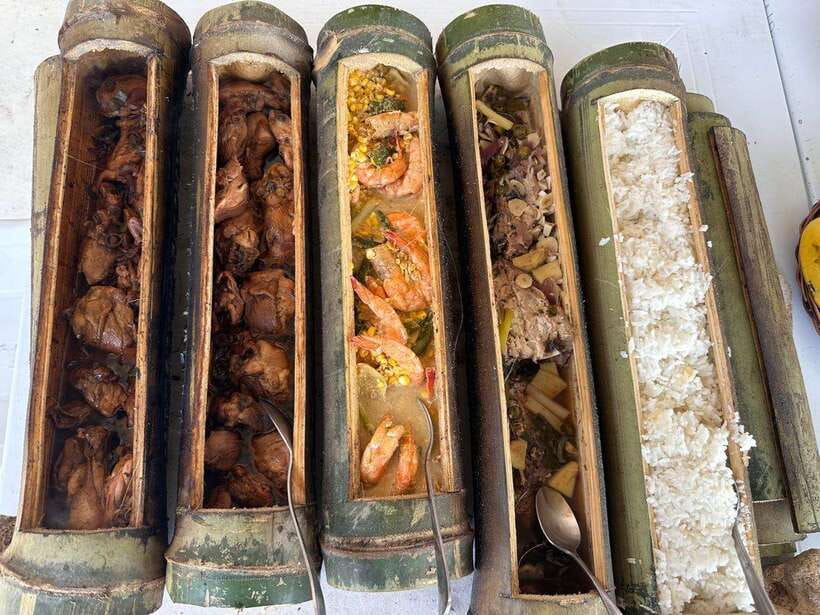
- Cooking over charcoal: Bamboo is part of the traditional method, so this is not simply a demonstration in a modern kitchen.
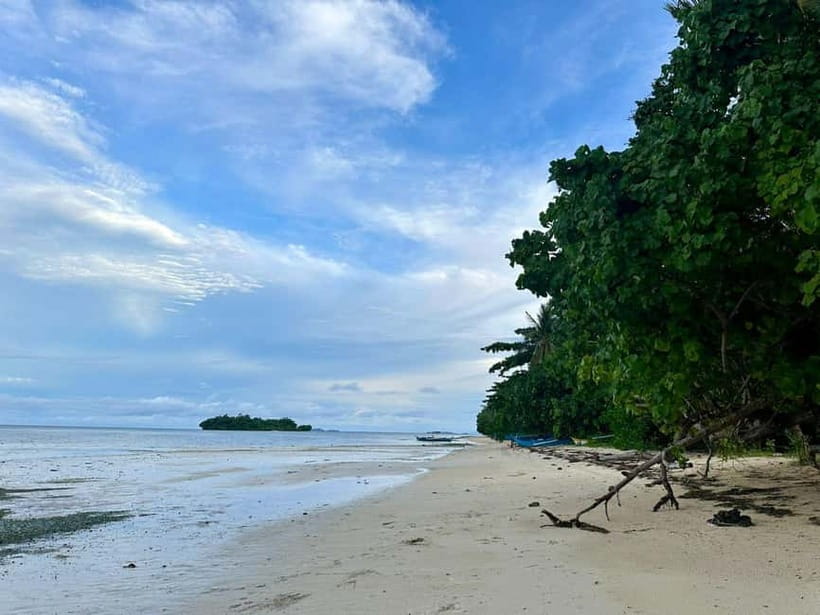
- Beachside setting: Hadsan Cove Resort provides a place to cook in front of the sea and swim while the food cooks.
- Owner-led hospitality: One highly positive account describes the owner teaching the class, with special praise for supporting a woman entrepreneur.
- Recipes and photos afterward: You receive an email with pictures from the session and recipes to use at home.
- Plan ahead: Bamboo must be ordered, so you need to give at least one week’s notice.
What This Cebu Cooking Class Is Really About
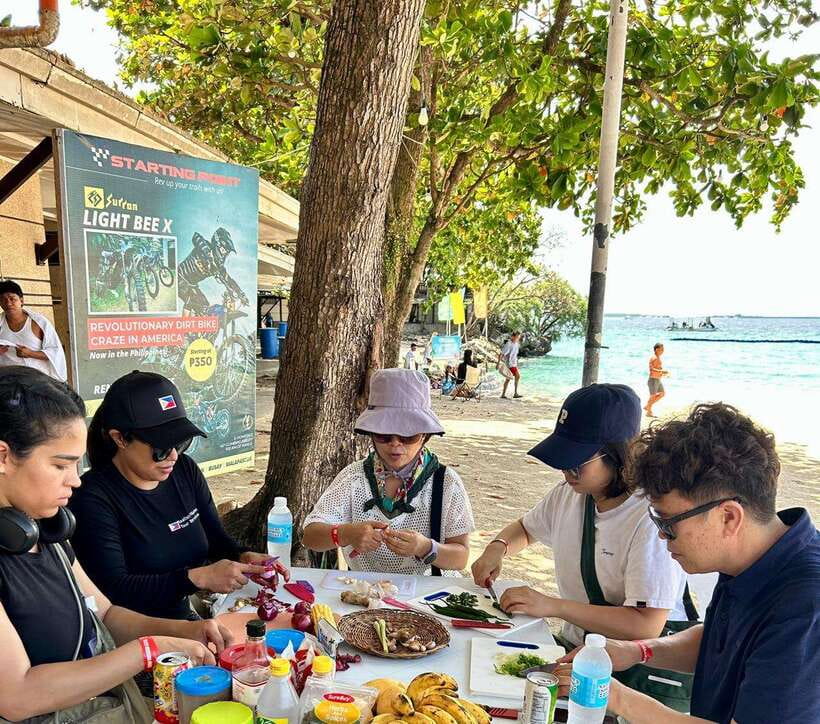
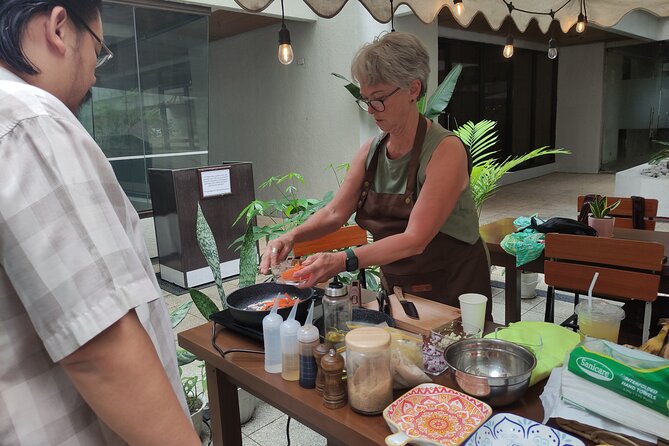
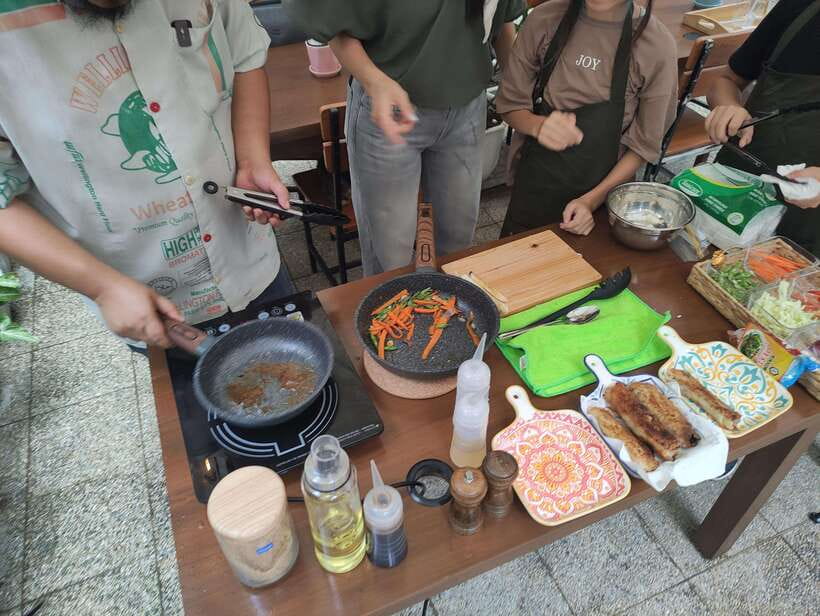
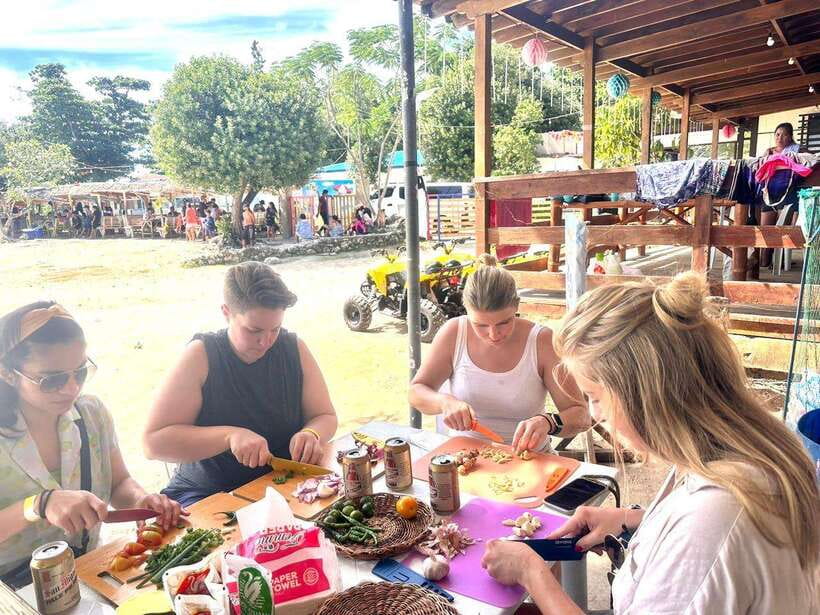
This experience is less about mastering restaurant technique and more about learning how Filipino food comes together in a relaxed outdoor setting. You prepare herbs and spices, help build the dishes, wait for them to cook over charcoal, and then sit down to eat what you made.
That slower pace is part of the appeal. You are not rushing from one cooking station to another. The food needs time over the coals, which gives you a natural break for conversation or a swim. If you prefer a tightly timed kitchen lesson with exact measurements and rapid instruction, this may feel loose. If you like food tied to place, it makes good sense.
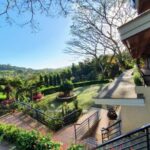
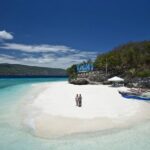
The class takes place at Hadsan Cove Resort in Marigondon, within Lapu-Lapu City on Cebu. The setting matters here. A beach backdrop turns the waiting time into part of the experience rather than dead time. Bring swimwear, sunscreen, a hat, sunglasses, and a change of clothes so you can use that break comfortably.
English is the listed teaching language. The experience provider is Realist Filipino Tour Services.
You can also read our reviews of more cooking classes in Cebu
Starting at Hadsan Cove Resort
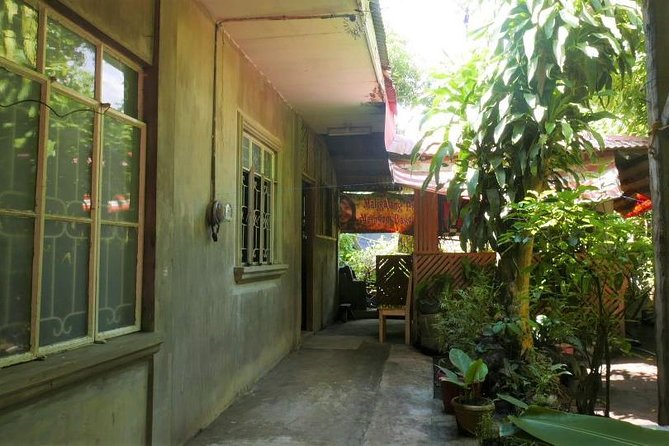
When you arrive, tell the guards that you are heading to the bamboo cooking class. The meeting point is also where the activity ends, so you do not need to figure out a second exit point after the meal.
The supplied information does not include transportation arrangements, hotel pickup, or a private transfer. Plan your route to Hadsan Cove Resort separately and allow enough time to find the resort entrance. If you are traveling with cooking equipment, beach gear, or a daypack, keep your valuables limited, since valuables and drones are not allowed.
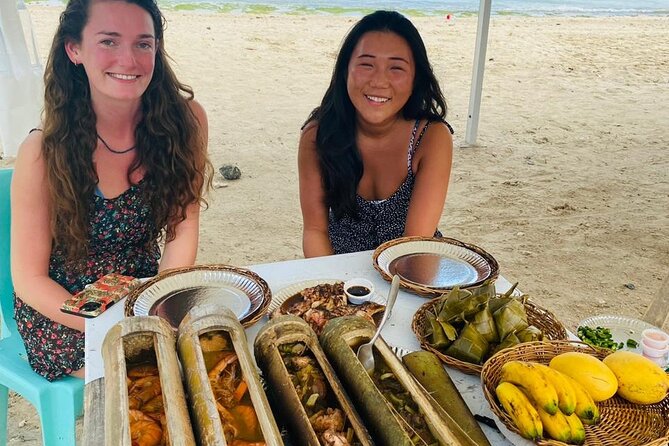
The setting is designed for an easygoing half-day. You can expect the cooking area to be in front of the beach, with the sea close enough for a refreshing dip while the charcoal does its work. That sounds simple, but it changes the feel of the class. You get food, conversation, and beach time in one stop instead of fitting a cooking lesson into a busy city schedule.
A Short Introduction to Filipino Cooking
The class begins with a brief introduction to Filipino cooking history. The information provided does not spell out the exact topics, so you should expect a general orientation rather than a long lecture.
That short introduction gives the cooking a useful frame. Filipino food draws on local ingredients, practical cooking methods, and a balance of savory dishes with fresh sides and sweet fruit. Here, the class puts that idea into practice through herbs, spices, charcoal, bamboo, and seasonal produce.
I like this opening because it keeps the class from being just a recipe exchange. You get a little context before handling the ingredients. Still, the emphasis is clearly on doing rather than sitting and listening, so anyone seeking a detailed culinary history course should keep expectations modest.
Preparing Chicken, Shrimp, and Fish
The heart of the class is the preparation of three traditional Filipino dishes featuring chicken, shrimp, and fish. The exact recipes are not specified in the available details, so the experience is best understood as a practical introduction to several common Filipino cooking ingredients rather than a promise of named dishes.
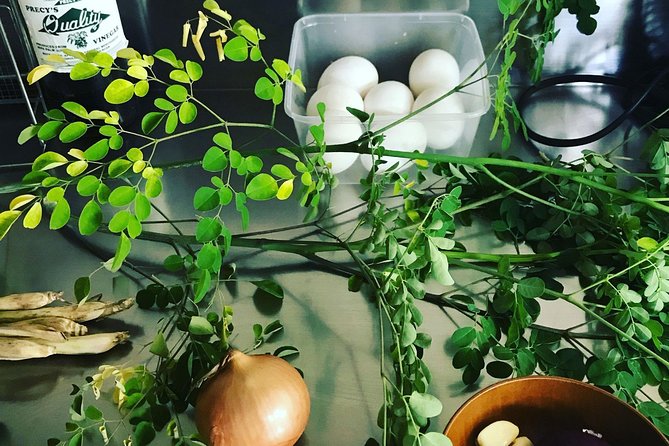
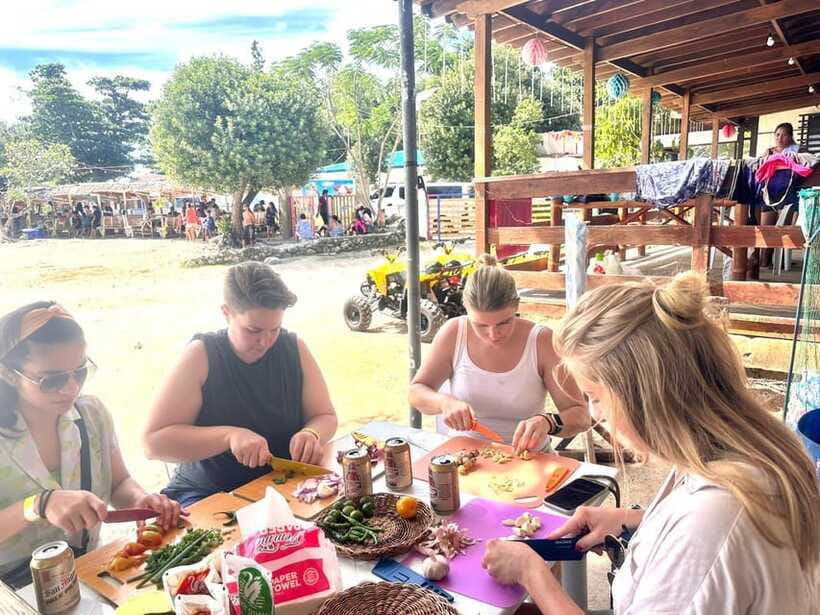
You prepare the spices and herbs used in the meal. This step may be the most useful part for home cooks because it shows how flavor is built before the main ingredients reach the heat. You are not simply handed a finished dish and told how it was made. You take part in the early preparation.
The three-protein format also gives the meal variety. Chicken provides a familiar starting point, while shrimp and fish bring a stronger connection to Cebu’s island setting. Since all three are included, this is not the right choice for someone who avoids seafood. Vegetarian dishes can be requested, but you should make that request before booking rather than assuming substitutions will be available on the day.
The food is prepared without MSG. That may matter to you if you avoid added flavor enhancers or simply want to understand the taste of the ingredients, herbs, and cooking method. It does not mean the meal is bland. It means the listed dishes are made without MSG.
Bamboo, Charcoal, and the Waiting Time
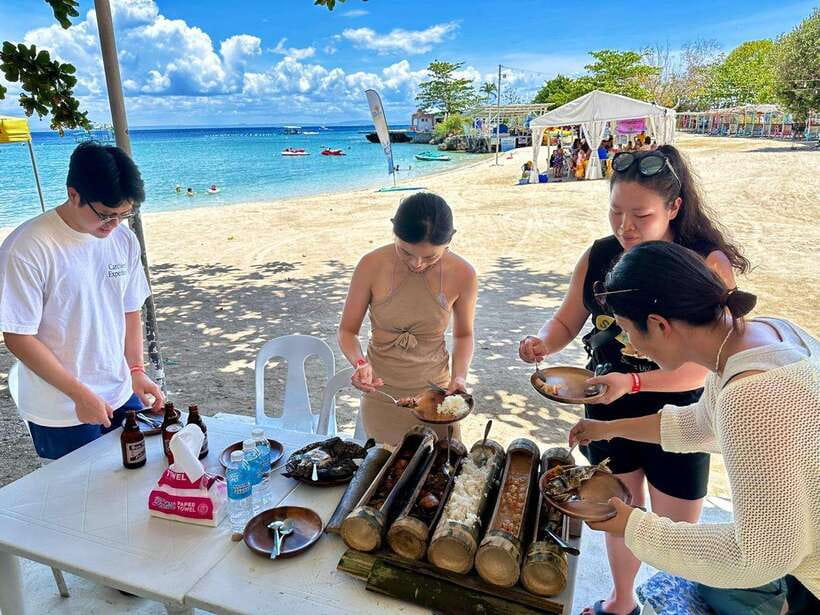
Bamboo is the signature feature. The class requires bamboo to be ordered in advance, which is why you need to provide at least a week’s notice. This is an important booking detail, not a minor footnote. A last-minute request may not work if the material has not been arranged.
Cooking over charcoal gives the class a traditional feel and a slower rhythm. You will not be standing over an instant burner, checking a pan every few seconds. Once the food is set to cook, there is time to talk, look out at the beach, or take a swim.
That waiting period is a strength for some people and a weakness for others. I would enjoy the pause because it lets the meal unfold at a natural pace. Families, couples, and small groups who like to chat should find it comfortable. Anyone expecting nonstop instruction for three or four hours may find the schedule less packed than anticipated.
Bring comfortable clothes and shoes that can handle an outdoor resort setting. Flip-flops are also listed, and beachwear is useful if you plan to swim. The activity runs rain or shine, so pack with weather in mind. The provided information does not say what happens if weather makes swimming unpleasant, but the class itself is scheduled to continue.

Hanging Rice, Garden Salad, and Local Dessert
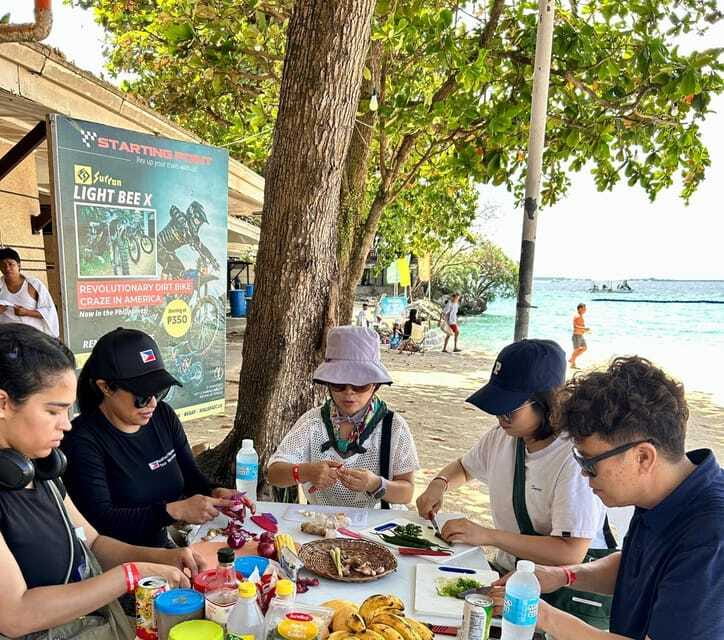
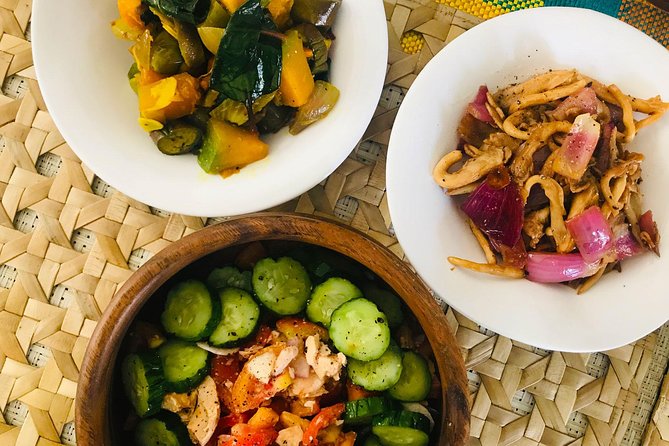
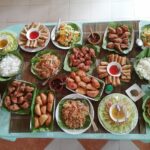
The meal includes more than the three main dishes. You also prepare a native Filipino garden salad, hanging rice, and a local dessert made from seasonal fruits.
Hanging rice is a particularly fitting addition to a bamboo-focused class. It gives you a chance to try a Filipino serving style that is different from a standard bowl of steamed rice. The garden salad adds a fresh counterpoint to the cooked chicken, shrimp, and fish.
The dessert is prepared while the main food cooks. It uses local seasonal fruits, though the exact fruit selection is not provided. That means the sweet course may vary with availability, which is worth accepting as part of the local character of the meal.
For me, this full spread is what makes the class feel like more than a single-recipe lesson. You are building a complete Filipino meal, including sides and dessert. The tradeoff is that the recipes are not listed in advance, so you cannot choose the exact menu based on named dishes.
Eating What You Prepared
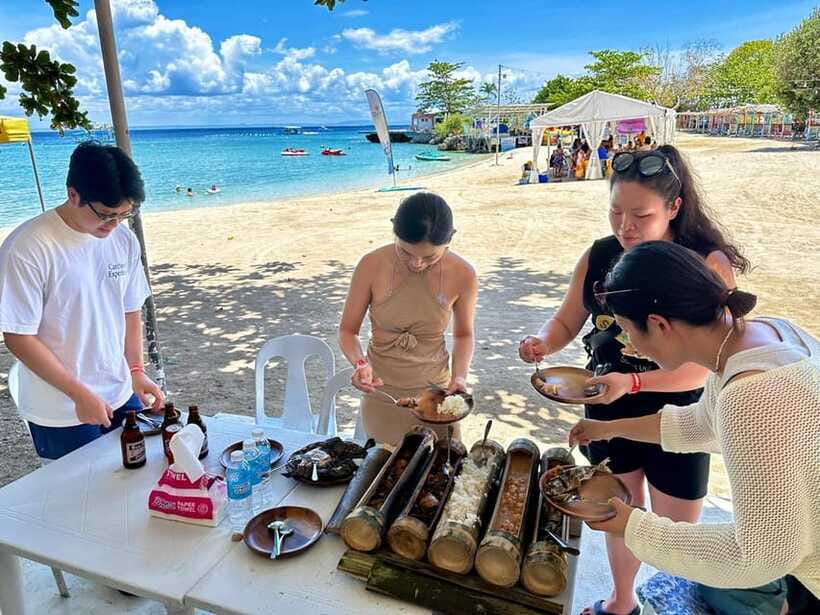
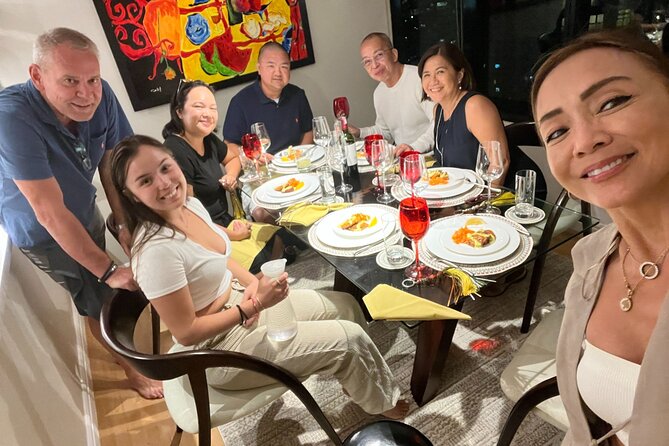
Once the food is cooked, you sit down and savor the dishes you helped make. This final meal is central to the experience. Cooking classes can become demonstrations if the eating portion feels like an afterthought, but here the meal is the payoff for the preparation and charcoal waiting time.
The setting should add to that moment. You are eating at a beach resort rather than in a classroom, with the option of a swim before or after the meal. One account praised both the food and the conversation, as well as the beauty of the place and the chance to learn about Filipino history.
That combination is the strongest reason to book. You get a shared meal and a cultural activity without needing to separate the day into a food tour, a history talk, and beach time. The class also suits people who enjoy meeting the person behind a small local operation. One especially positive experience was taught by the company owner, with praise for her role as a woman entrepreneur.
The available rating is 5 out of 5 from two published accounts. That is encouraging, especially since the praise focuses on the full experience: food, conversation, history, setting, and the sense that the activity felt unique in Cebu. The sample is small, so I would treat it as a positive sign rather than a guarantee that every session will match those exact impressions.
Recipes and Photos to Take Home
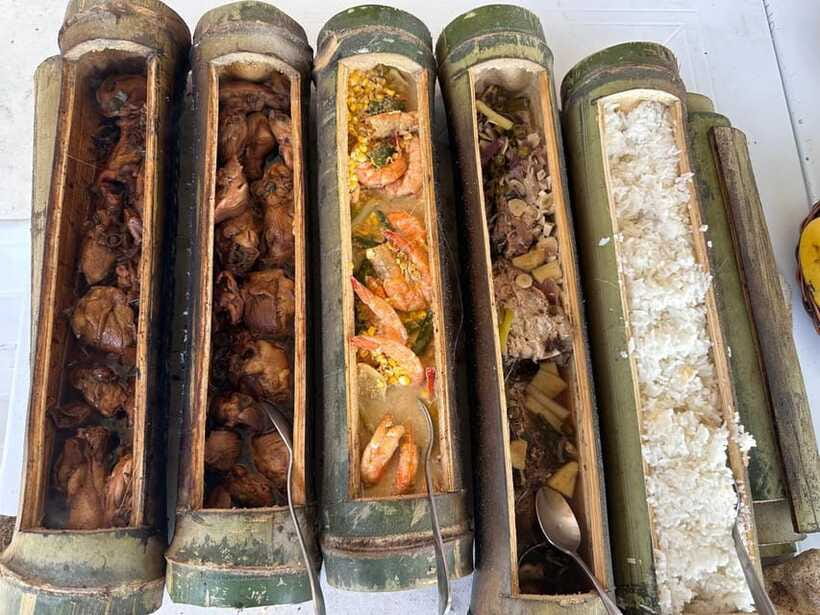
After the class, you receive an email containing pictures taken during the session and the recipes. This is a real advantage over a meal that disappears the moment you leave.
Photos help preserve the social side of the day. Recipes make the experience useful after your holiday, especially if you want to recreate a favorite dish at home. I would save the email promptly and organize the recipes with notes about which dishes you liked best.
The available information does not say how soon the email arrives or how detailed the recipes are. Still, the promise of both pictures and cooking instructions gives the $112 price more weight. You are paying for an activity, a meal, a setting, and something you can use later.
Is $112 a Good Value?
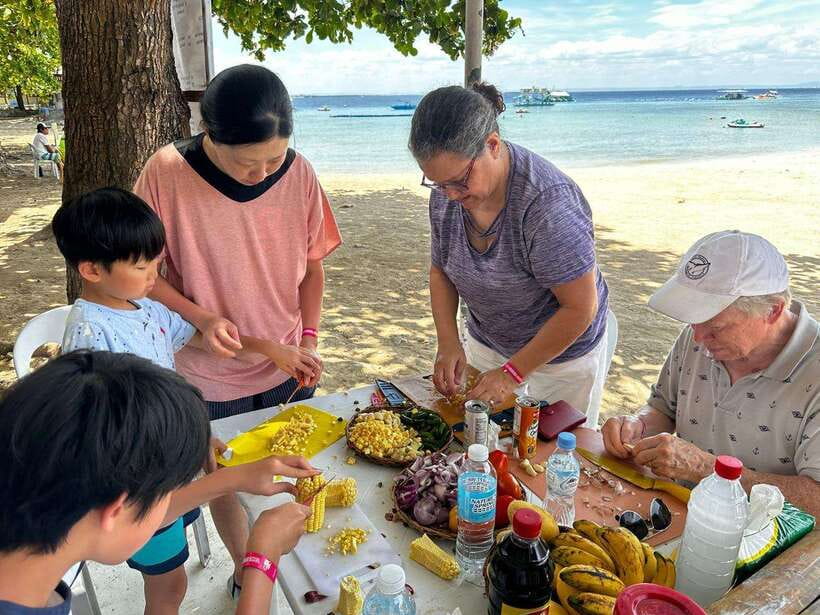
At $112 per person, this class is not a budget meal or a quick market lesson. The value comes from the bundle. You receive instruction in English, preparation of three protein dishes, salad, hanging rice, dessert, charcoal cooking, a beachside setting, time to swim, the meal itself, and follow-up recipes and photos.
I would consider it a good fit if you value a private-feeling cultural activity with food at its center. The price is harder to justify if your main goal is simply to eat Filipino dishes, since a restaurant meal will cost less. It is also less compelling if you do not care about cooking or will not use the recipes afterward.
The class may be especially worthwhile for couples, families, small groups, and food-focused visitors who want one relaxed activity rather than a packed sightseeing schedule. People who avoid MSG may appreciate the stated preparation style. Vegetarians should contact the provider first about additional dishes.
The timing needs clarification. The activity details list a duration of three hours, while the cooking description says the meal takes place within a four-hour period. Ask for the actual start and end time before you pay, especially if you have an airport transfer, dinner reservation, or another tour planned.
What to Bring to the Beachside Kitchen
Pack lightly, but bring the items that will make the outdoor setting comfortable:
- Comfortable clothes and shoes
- Flip-flops and beachwear
- A change of clothes
- Sunscreen, sunglasses, and a sun hat
- A camera
- A daypack
- Cash
- Snorkeling gear if you want to use it
- Hand sanitizer or tissues
Do not bring weapons, sharp objects, drones, or valuables. The class takes place rain or shine, so a small weatherproof layer may be sensible, although the supplied information does not list one specifically.
The request for cash is worth noting even though no separate cash expense is specified. It is simply listed among the items to bring. Keep your belongings practical and avoid carrying anything you would worry about near the beach.
Cancellation and Booking Advice
You can cancel up to 24 hours in advance for a full refund. The reserve-now, pay-later option lets you hold a place without paying immediately, which is helpful when your Cebu schedule is still moving around.
The bamboo requirement is the more important planning point. Give at least one week’s notice so the necessary bamboo can be ordered. If you want to book the cooking class alone, send a message before booking, since that arrangement requires separate contact.
The activity is taught in English. The meeting point and end point are the same, and you should tell the guards on arrival that you are attending the bamboo cooking class.
Who Should Book This Experience?
I would recommend it to you if you enjoy food with a story, hands-on preparation, and an unhurried setting. It is particularly appealing if you want to support a local, woman-led business and spend part of the day by the beach instead of inside a conventional cooking studio.
It is also a good match for anyone who wants to learn several dishes at once. Chicken, shrimp, fish, salad, rice, and fruit dessert create a broad introduction to Filipino home-style cooking.
I would think twice if you want a low-cost activity, a tightly timed lesson, or a menu with exact named dishes announced in advance. Seafood is part of the standard meal, and the class operates rain or shine. The three-hour versus four-hour timing should also be confirmed before you commit.
Final Verdict: Book It If You Want Food and Beach Time Together
The Cebu Traditional Bamboo Cooking Class offers a distinctive combination: Filipino recipes, bamboo and charcoal cooking, a full shared meal, and a beach resort setting. Its best features are the hands-on preparation, the chance to swim while the food cooks, and the recipes and photos you receive afterward.
At $112, it is a special-occasion activity rather than a casual cheap meal. I would book it if you want an authentic-feeling food experience with room for conversation and a little sea air. Confirm the exact duration, request any vegetarian dishes early, and give the provider a full week to arrange the bamboo.
FAQ
Where does the Cebu bamboo cooking class take place?
The class takes place at Hadsan Cove Resort in Marigondon, Lapu-Lapu City, in the Visayas region of the Philippines.
How long does the cooking class last?
The activity details list a duration of three hours. The cooking description refers to completing the experience within four hours, so confirm the exact timing when checking availability.
What food will I prepare?
You will prepare three traditional Filipino dishes featuring chicken, shrimp, and fish. The meal also includes a native Filipino garden salad, hanging rice, and a local dessert made with seasonal fruits.
Is MSG used in the dishes?
No. The listed dishes are prepared without MSG.
Can I request vegetarian dishes?
Yes, additional vegetarian dishes may be requested. Contact the provider before booking so the request can be arranged.
Can I swim during the cooking class?
Yes. The class takes place in front of a beach, and you can swim while the food cooks. Bring beachwear, a change of clothes, sunscreen, and other beach essentials.
What should I tell the guards when I arrive?
Tell the guards that you are heading to a bamboo cooking class. The activity ends at the same meeting point.
How far in advance should I book?
You need to provide at least one week’s notice so the required bamboo can be ordered. If you want to book the cooking class alone, message the provider before booking.